Let’s talk about those pesky everyday expenses that seem insignificant but end up draining our budget without us even noticing. We all have them, and often, we forget about them until we’re left wondering where all our money went at the end of the month. It’s easy to overlook these little expenditures, but they add up, and before you know it, they’re taking a significant chunk out of your budget. The good news is that once you’re aware of them, you can take steps to limit these costs and start saving money. Here are thirteen everyday expenses that might be silently eating away at your budget.
1. Subscriptions You Forget to Cancel
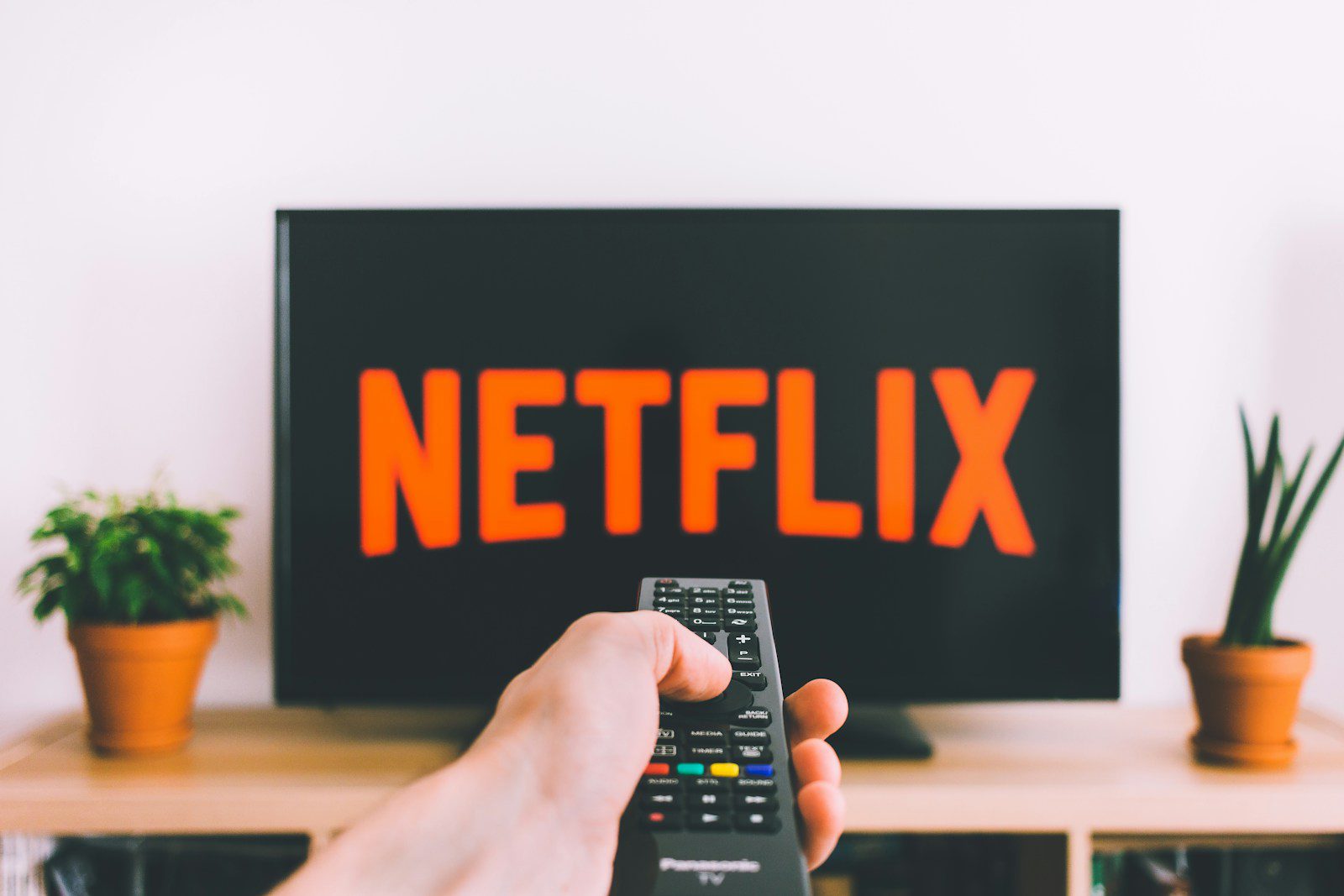
How many times have you signed up for a free trial, only to forget about it and end up getting charged for a subscription you don’t use? These forgotten subscriptions can silently drain your bank account. It’s essential to review your bank statements regularly and cancel any subscriptions you don’t need. There are also apps like Trim that can help you identify and cancel unwanted subscriptions.
2. Unused Gym Memberships

If you’re not taking full advantage of your gym membership, it’s just another unnecessary expense. Consider cheaper or free alternatives, like outdoor exercises or YouTube workout videos. If you’re determined to stick with the gym, ensure you’re using it often enough to justify the cost.
3. Daily Coffee Shop Visits

That daily latte may seem like a small indulgence, but it adds up. If you’re spending $5 on coffee every day, that’s $150 a month! Consider brewing your coffee at home. Not only will it save you money, but you can also experiment with different coffee blends and brewing methods.
4. Impulse Online Shopping

With online shopping at our fingertips, it’s easier than ever to make impulsive purchases. To avoid this, try to stick to a shopping list, and avoid browsing online stores when you’re bored. Also, consider deleting shopping apps from your phone to resist the temptation.
5. Overpriced Cable or Satellite TV Packages
With the rise of streaming services, cable and satellite TV packages can seem like a waste of money. Consider cutting the cord and switch to a cheaper streaming service. But be careful not to subscribe to too many streaming services at once, as this can also drain your budget.
6. Eating Out Frequently

While eating out is convenient, it can be costly, especially if it becomes a habit. Cooking at home is cheaper and healthier. If you lack time, you can try meal prepping on weekends. You can also make your meals more exciting by trying new recipes.
7. High Energy Bills Due to Inefficient Appliances
Old, inefficient appliances can significantly increase your energy bills. Although buying new, energy-efficient appliances may seem like a large expense, it can save you money in the long run. You can also save energy by turning off lights and unplugging devices when not in use.
8. Unnecessary Grocery Purchases

The grocery store is full of potential budget pitfalls. It’s easy to end up with a cart full of items you don’t need. To avoid this, always go grocery shopping with a list and stick to it. Also, avoid shopping when you’re hungry to resist the temptation of impulse purchases.
9. Excess Gas Consumption from Unplanned Trips
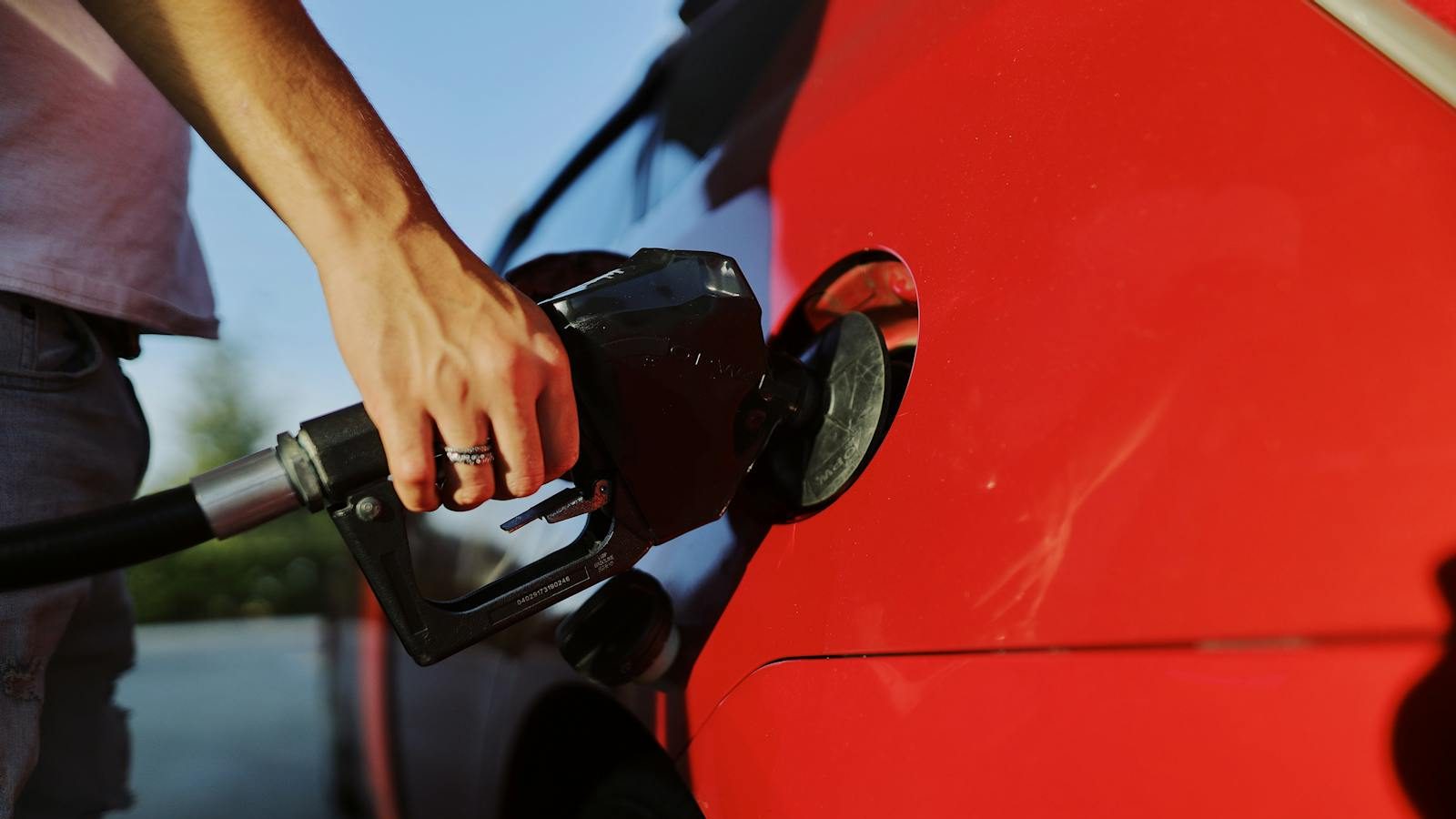
Gas can be a significant expense, especially if you’re making many unplanned trips. Try to plan your errands and appointments in a way that allows you to make fewer trips. Carpooling and using public transport can also help you save on gas.
10. High Interest Rates on Credit Card Debt
High interest rates on credit card debt can quickly drain your budget. If you have credit card debt, make it a priority to pay it off as soon as possible. Consider transferring your balance to a card with a lower interest rate, or seek help from a credit counseling agency.
11. Buying Brand Name Products Instead of Generic

Brand name products often cost significantly more than their generic counterparts, even though the quality is usually similar. Next time you’re at the grocery store, give generic products a try. You might be surprised at how much you can save.
12. Excessive Data Usage on Mobile Plans
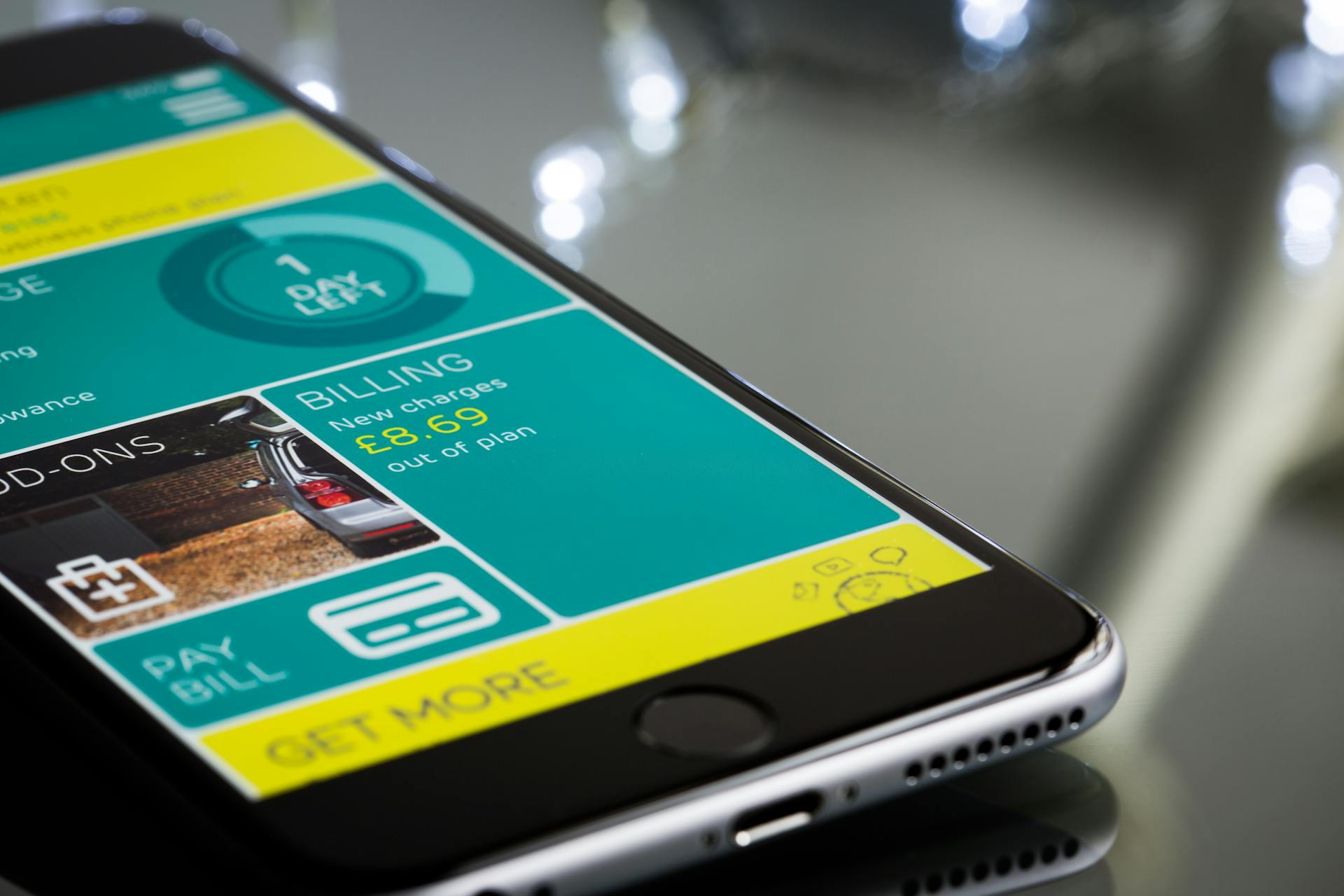
Excessive data usage can lead to high mobile phone bills. Try to use Wi-Fi whenever possible and monitor your data usage. If you find yourself constantly going over your data limit, it might be more cost-effective to switch to a plan with more data.
13. Neglecting Timely Car Maintenance
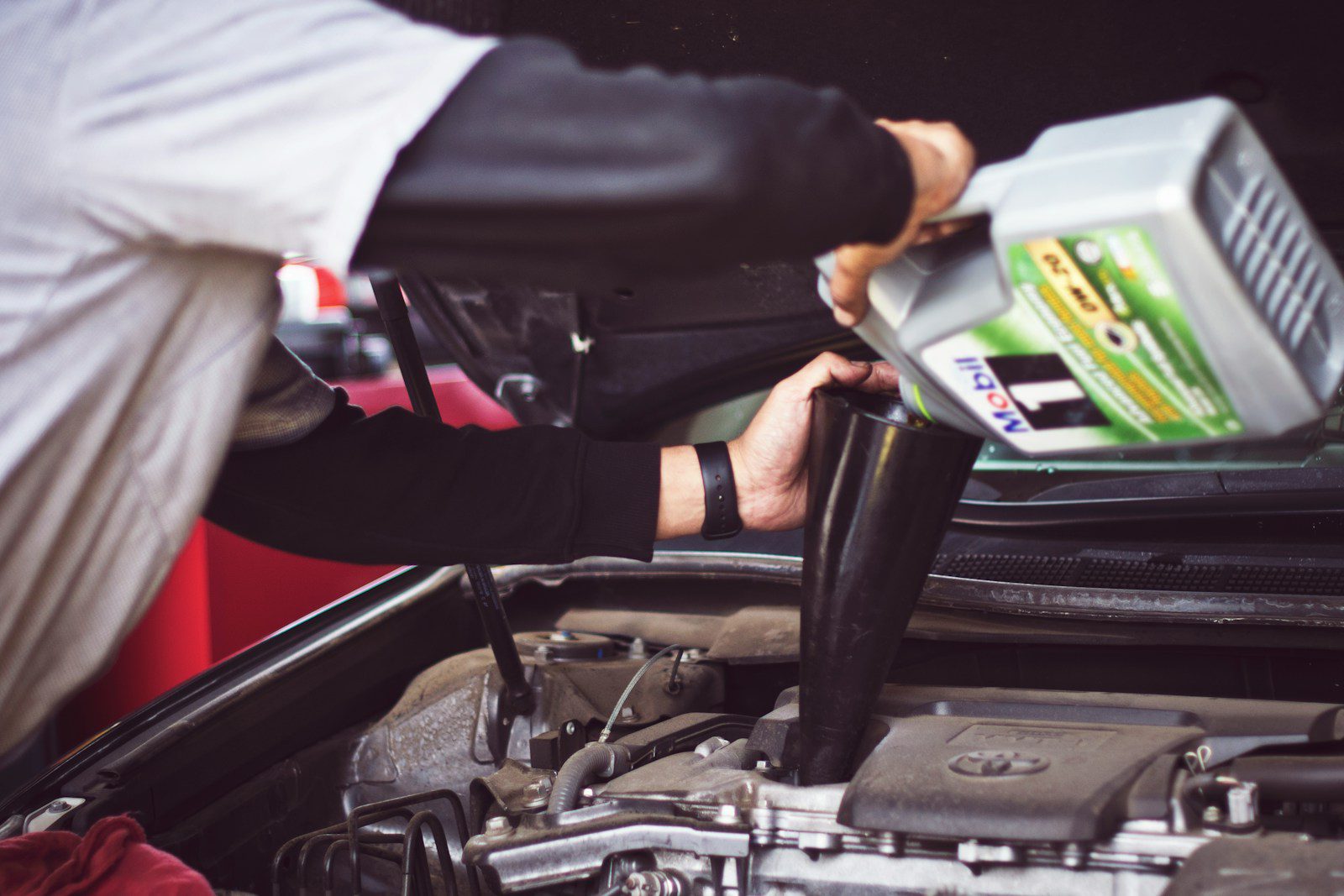
Regular car maintenance can prevent costly repairs down the line. Don’t wait until there’s a problem to take your car to the mechanic. Regular oil changes, tire rotations, and inspections can prevent bigger issues and save you money in the long run.
Monitoring these everyday expenses can help you identify where your money is going and where you can cut back. It might seem like a daunting task, but once you start, you’ll be surprised at how easy it is to start saving. Remember, every little bit counts, and those small everyday expenses can add up to significant savings over time. For more tips on managing your money, check out this guide on everyday expenses that are quietly destroying your savings. And if you’re interested in reading more about personal finance, this book might be a great place to start.