Ever noticed how your grocery bill seems to be creeping up every year? No, it’s not just you. Prices for many everyday items have skyrocketed over the past decade.
If you’re feeling the pinch, it’s because these staples of your shopping list are now costing you a pretty penny. It might be no surprise that the cost of living is increasing, but you might be shocked at just how much these everyday groceries have risen in price.
Beef and Other Meats
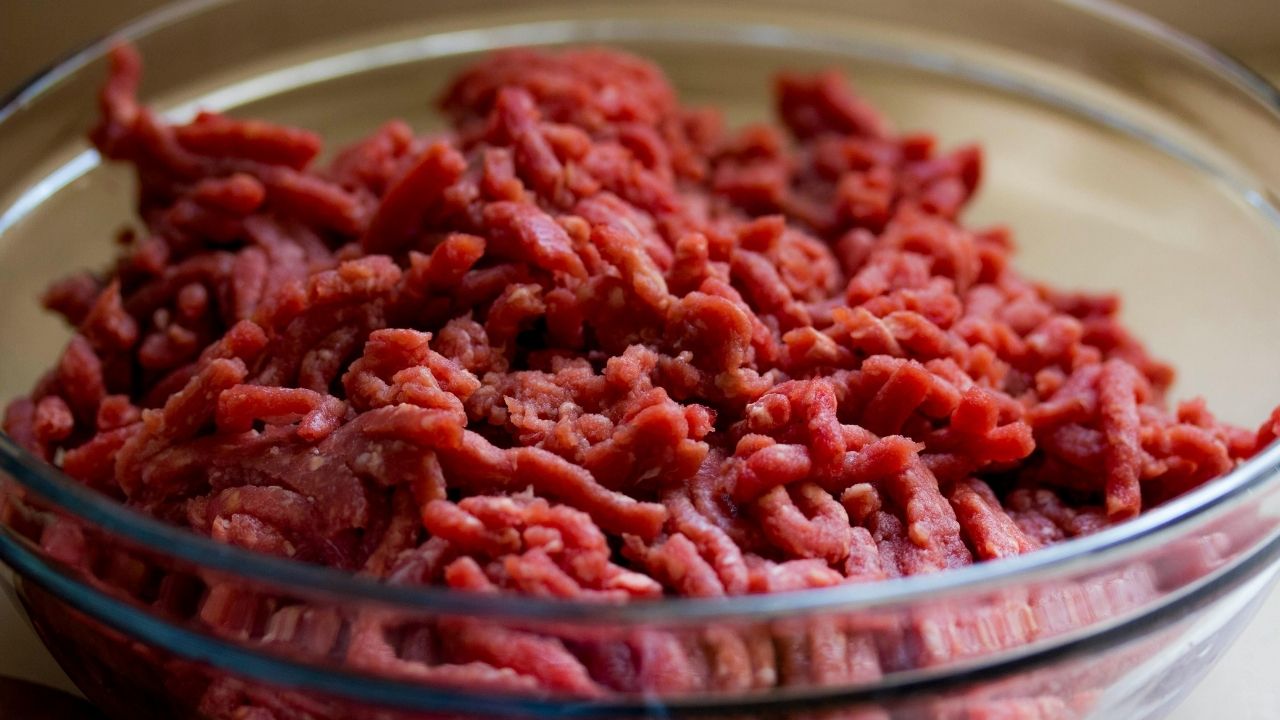
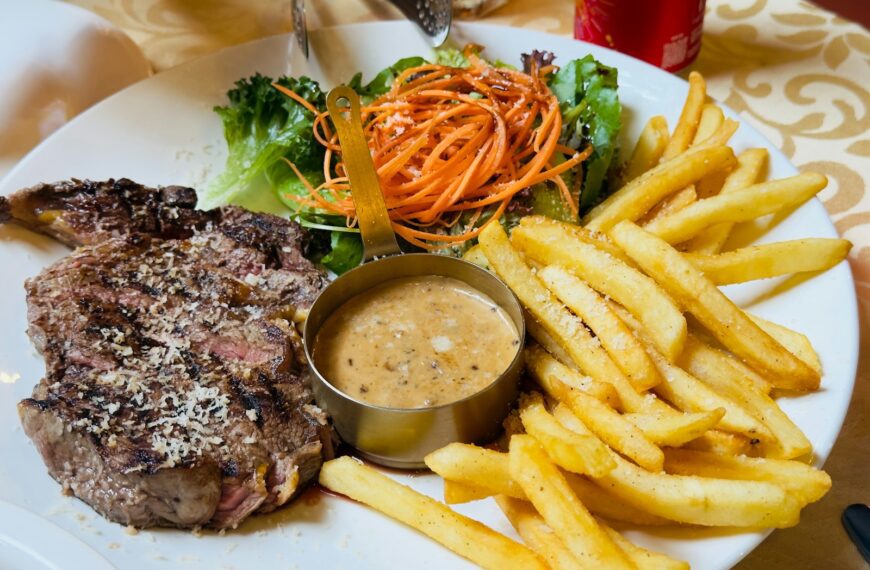
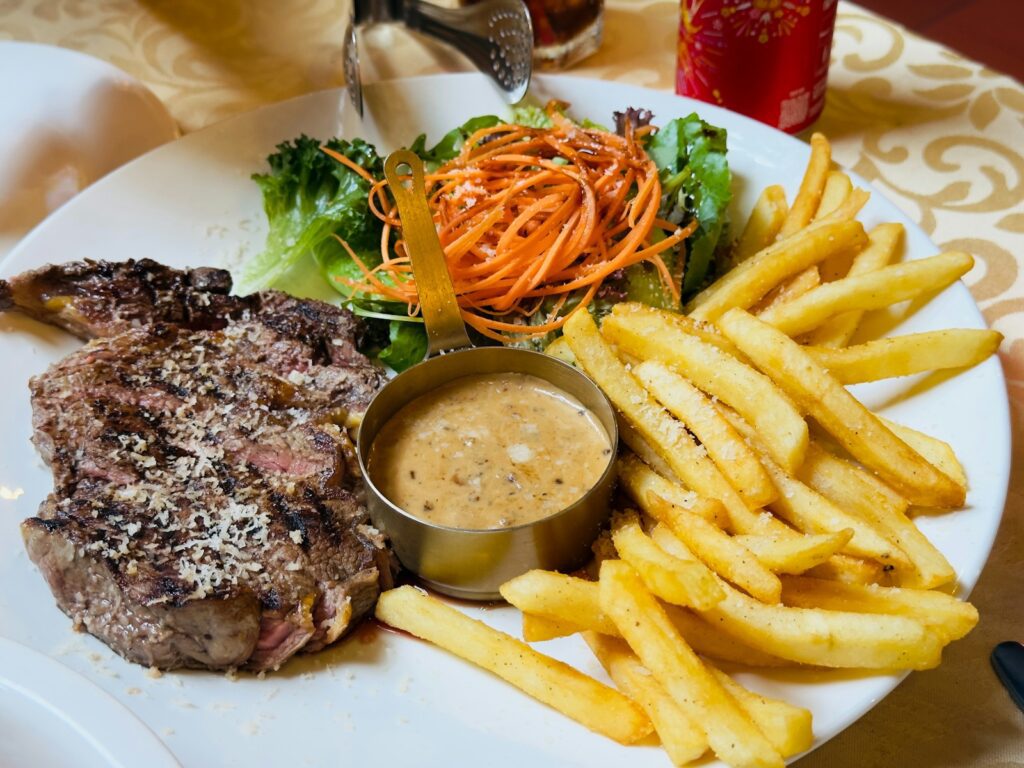
Meat prices have been on the rise for a while now, especially beef. Everything from your favorite cut of steak to ground beef for your spaghetti bolognese has seen a significant increase in cost. It’s largely due to factors like increased feed prices for livestock and high demand.
And it’s not just beef. Chicken, pork, and other meats have also seen price hikes. So, if you’re a carnivore, your grocery bill might be giving you a bit of a shock. Try incorporating more plant-based meals into your diet to help cut costs. You can find some budget-friendly ideas here.
Dairy Products: Milk and Cheese

Got milk? If so, you’ve probably noticed it’s a little pricier. Dairy products, including milk and cheese, have seen a steady increase in price over the past few years. Factors like high grain prices (which affect feed costs for dairy cows), increased energy costs, and growing global demand are all contributing to the price hike.
But it’s not just milk and cheese. Other dairy products, like butter and yogurt, have also seen their prices go up. If you’re a fan of these dairy staples, it might be worth exploring some cheaper alternatives or cutting back where possible.
Fresh Fruits and Vegetables
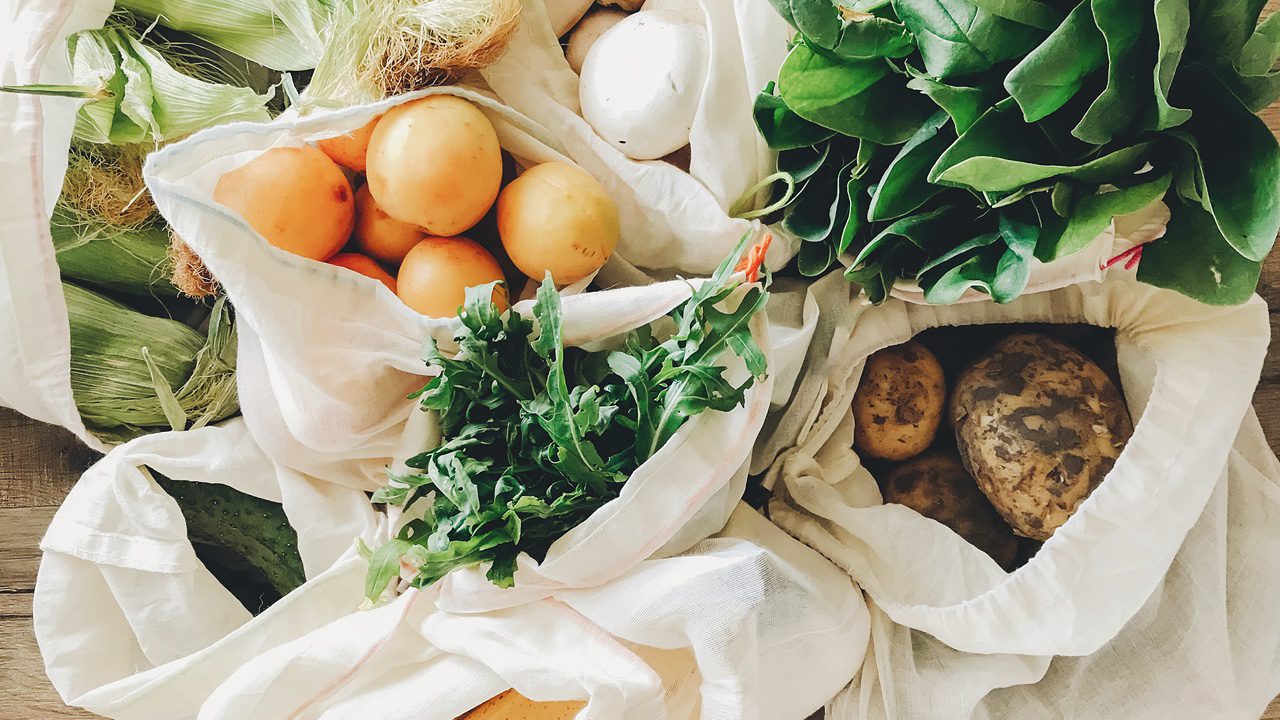
Fresh produce has always been a bit pricier than canned or frozen options, but the cost has been rising even more lately. Everything from apples to zucchini has seen a price increase. It’s due to factors like extreme weather conditions affecting crop yields and increased transportation costs.
While it’s important to get your daily servings of fruits and veggies, it might be worth looking into frozen or canned options if fresh produce is breaking your budget. Just make sure to check the labels for added sugars or sodium!
Seafood: Fish and Shellfish

Seafood lovers, brace yourselves. The cost of fish and shellfish has been climbing for years. Overfishing, pollution, and climate change are all factors affecting the availability and cost of seafood.
If you’re a fan of dishes like shrimp scampi or grilled salmon, you might need to prepare for a higher grocery bill or consider treating these as occasional indulgences rather than regular menu items. Check out this list for more foods that used to be cheap!
Cooking Oils
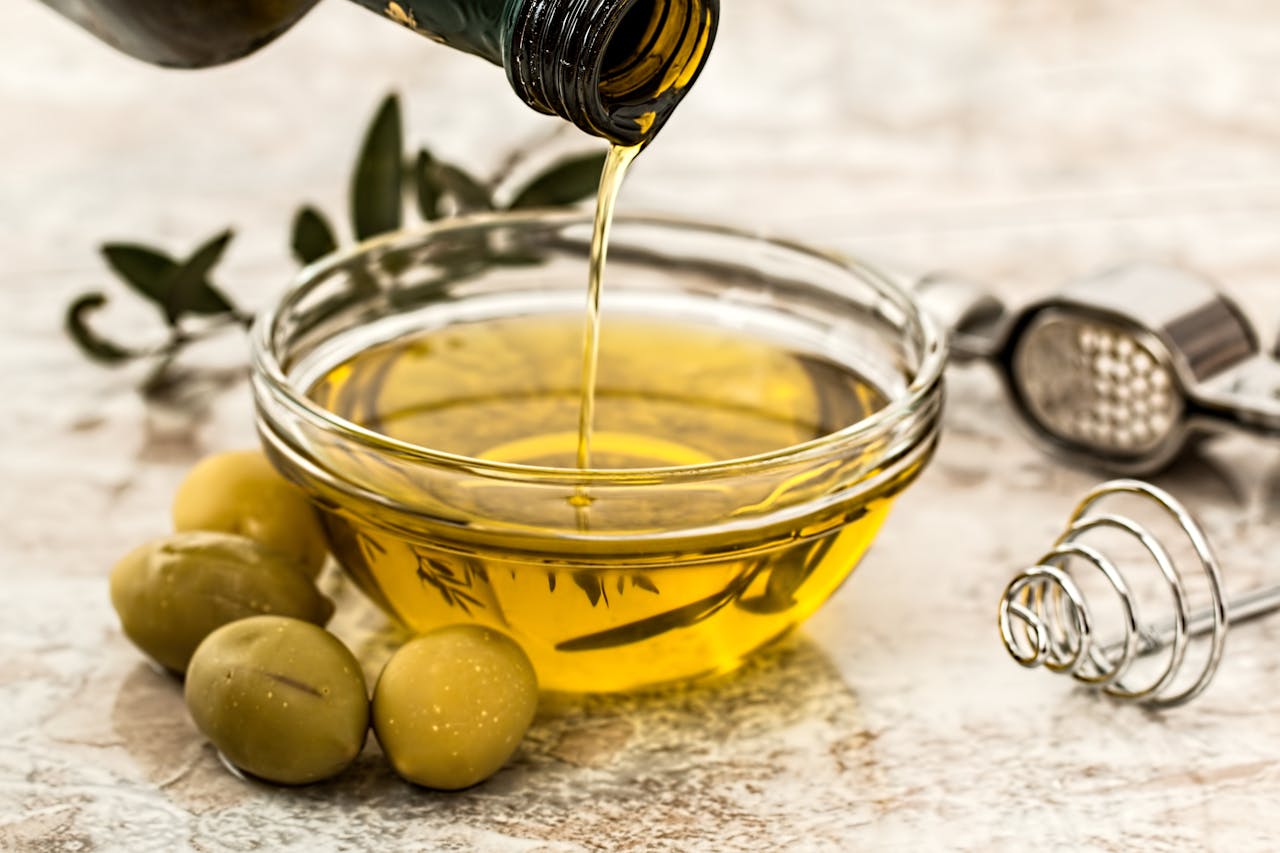
If you cook at home frequently, you’ve probably noticed the price of cooking oils creeping up. Whether you prefer olive oil, coconut oil, or canola oil, these kitchen staples are now more expensive than ever.
Increased production costs, global demand, and even climate change are all factors contributing to the rise in prices. One way to cut back might be to use less oil in your cooking or explore alternative cooking methods that don’t require as much oil.
Sugar and Other Sweeteners

Sugar prices have been on a roller coaster ride in recent years, and not the fun kind. The price of sugar and other sweeteners, like honey and agave nectar, have been rising due to factors like fluctuating global sugar prices and increased production costs.
If you have a sweet tooth, this price increase might be hitting you hard. Consider reducing your intake of added sugars for both your wallet and your health!
Coffee and Tea
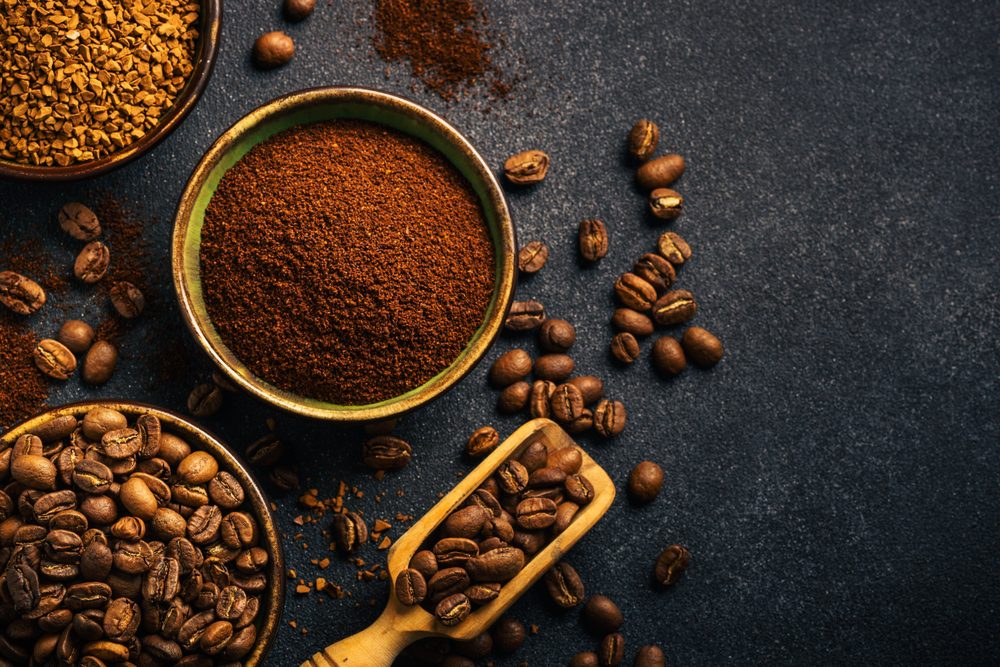
If you’re like me, a morning cup of coffee or tea is non-negotiable. But the cost of these beloved beverages has been slowly rising. Factors like climate change affecting coffee bean and tea leaf production, increased labor costs, and rising transportation costs all contribute to the price hike.
While it might be tempting to start growing your own coffee beans or tea leaves, a more practical solution might be to buy in bulk or cut back on your intake.
Whole Grains: Bread and Cereal
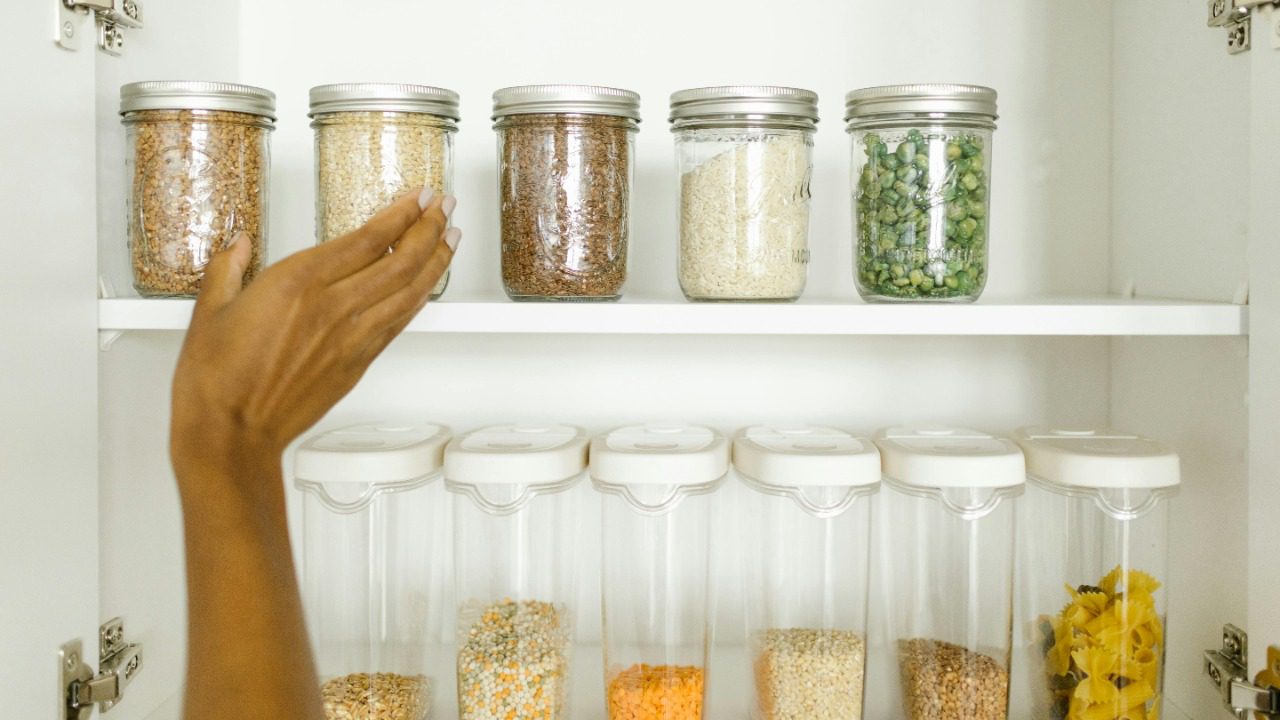
Whole grains are an important part of a balanced diet, but they’re also becoming more expensive. The cost of bread, cereal, and other grain-based products has been on the rise due to factors like increasing grain prices and higher transportation costs.
If you’re a fan of these staples, consider buying in bulk or looking for sales and discounts. You can also try making your own bread or granola at home to save some money.
Eggs
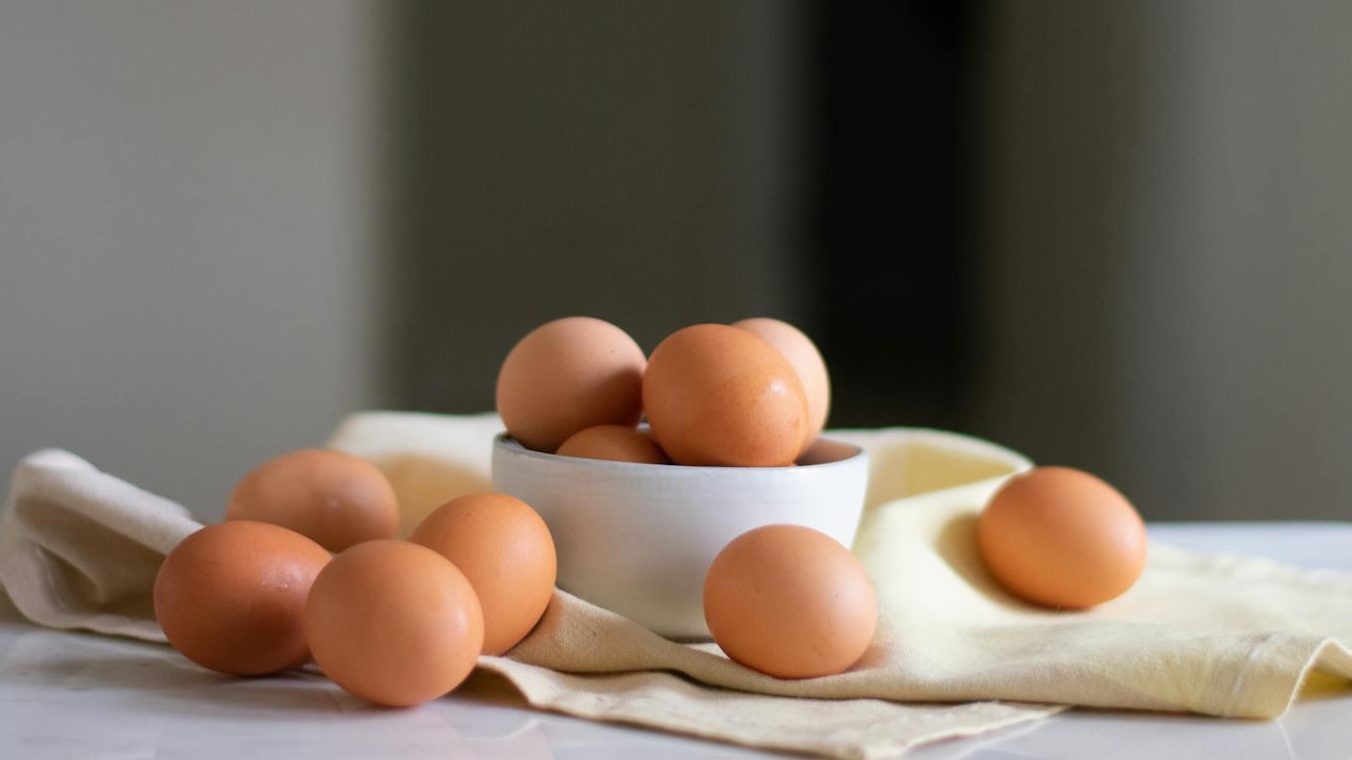
Eggs are a versatile and nutritious food, but they’re also becoming more expensive. The cost of eggs has been on the rise due to factors like increasing feed costs for hens and higher demand for eggs as a cheap source of protein.
If you eat a lot of eggs, this price increase might be a bit of a shock. Consider buying in bulk or look for sales and discounts to help offset the cost.
Nuts and Seeds

Nuts and seeds are a great source of healthy fats and protein, but their prices have been going nuts (pun intended) lately. Almonds, walnuts, chia seeds, flax seeds… you name it, it’s probably more expensive now than it was a few years ago.
Buying in bulk and storing properly can help you save some money. And remember, a little goes a long way with these nutrient-dense foods.
Spices and Herbs
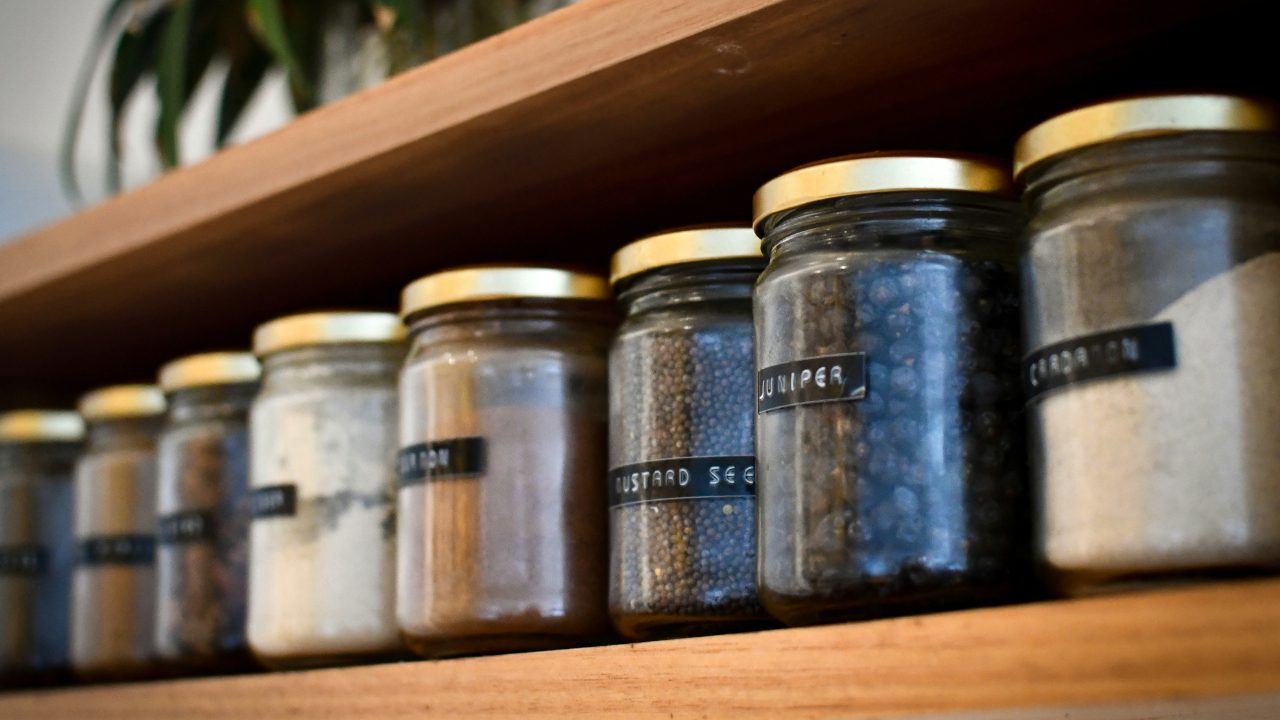
Spices and herbs can elevate any dish, but they can also elevate your grocery bill. The cost of these flavor boosters has been on the rise due to factors like crop failures, increased transportation costs, and even geopolitical issues.
If you’re a fan of flavor, you might want to consider growing your own herbs at home or buying spices in bulk to save some money.
Bottled Water
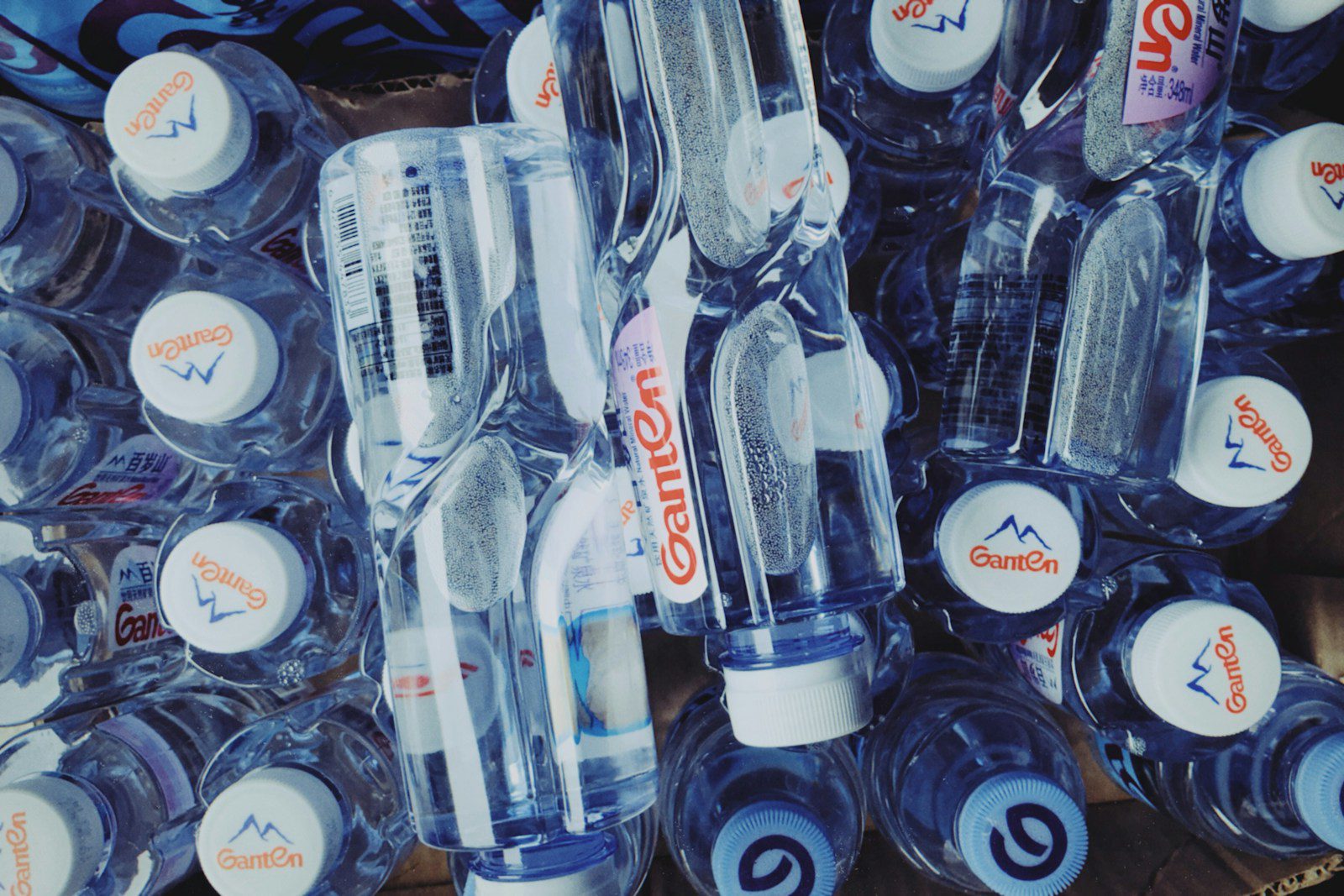
While tap water is usually the cheapest option, many people prefer the taste or convenience of bottled water. However, the cost of bottled water has been on the rise in recent years. This is due to factors like increased production costs and a growing global demand for bottled water.
If you’re a regular consumer of bottled water, consider investing in a water filter for your tap. It could help you save money in the long run and is also better for the environment.
Organic Foods

Organic foods are often considered healthier options, but they also come with a higher price tag. The cost of organic foods has been on the rise due to factors like higher production costs and increased demand.
If you prefer to buy organic, consider focusing on the “Dirty Dozen” – the fruits and vegetables that are most likely to be contaminated with pesticides. This way, you can prioritize your organic purchases where they matter most. Check out this article for more tips!
So there you have it, folks. The everyday groceries that used to be cheap but aren’t anymore. While these price increases can be a bit of a downer, it’s important to remember that there are always ways to cut costs and still maintain a healthy diet. Happy shopping!