In a world where so much ends up in the trash without a second thought, it’s amazing how many everyday items still have life left in them.
A jar becomes a vase, a T-shirt becomes a cleaning cloth, and coffee grounds can perk up more than just your morning. Saving and reusing these items isn’t just about pinching pennies (though you’ll do plenty of that) — it’s also about reducing waste, getting creative, and finding satisfaction in giving old things a new purpose.
Here are 13 everyday items worth saving — and exactly how they can keep adding value long after their first use.
1. Glass jars and bottles
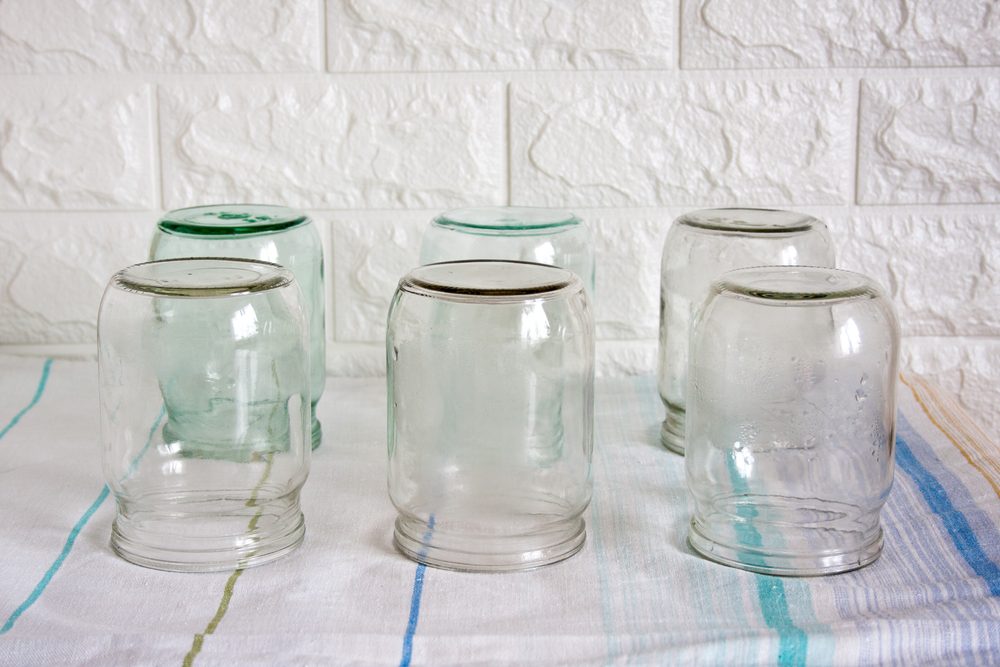
Before you toss that pickle jar or wine bottle into the recycling bin, think about its second act. Glass containers are endlessly reusable, from storing dry goods in the pantry to organizing nails in the garage. Their sturdiness makes them perfect for food storage, and they can double as charming vases or candle holders.
The beauty is in their versatility — you can use them for homemade gifts, display shells from a beach trip, or even mix up a batch of overnight oats. With a quick wash and a little imagination, glass jars and bottles can save you money on storage solutions and add a touch of character to your home.
2. Old T-shirts
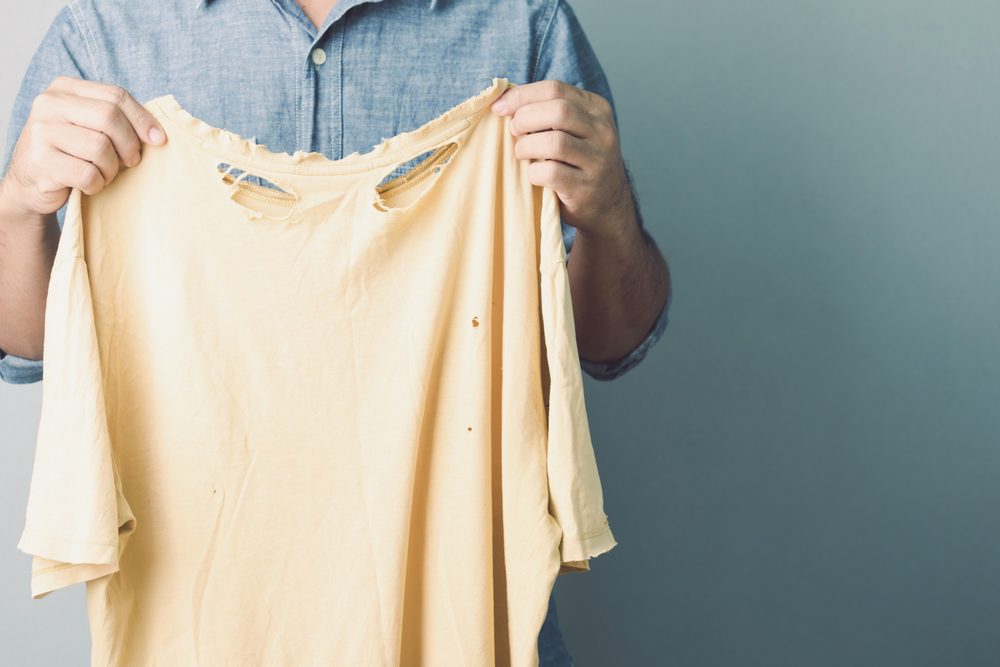
Those faded, stretched-out T-shirts may be past their prime for wearing, but they’re far from useless. Cut them into squares for reusable cleaning rags — they’re gentle on surfaces, washable, and save you from constantly buying paper towels.
If you’re crafty, you can braid strips into a colorful rug, sew them into tote bags, or even create no-sew headbands. Old tees are also great for protecting fragile items during a move. Instead of tossing them, turn them into functional, zero-cost household helpers.
3. Coffee grounds

If you’re a daily coffee drinker, you’re throwing away more value than you realize. Used coffee grounds are rich in nutrients, making them an excellent natural fertilizer for plants. They help improve soil structure and can deter certain pests.
Around the house, coffee grounds work as a natural deodorizer in the fridge or garbage can. You can also mix them with a bit of soap to create a scrub for pots, pans, or even your hands after gardening. For beauty lovers, they double as a gentle exfoliant for skin.
4. Egg cartons
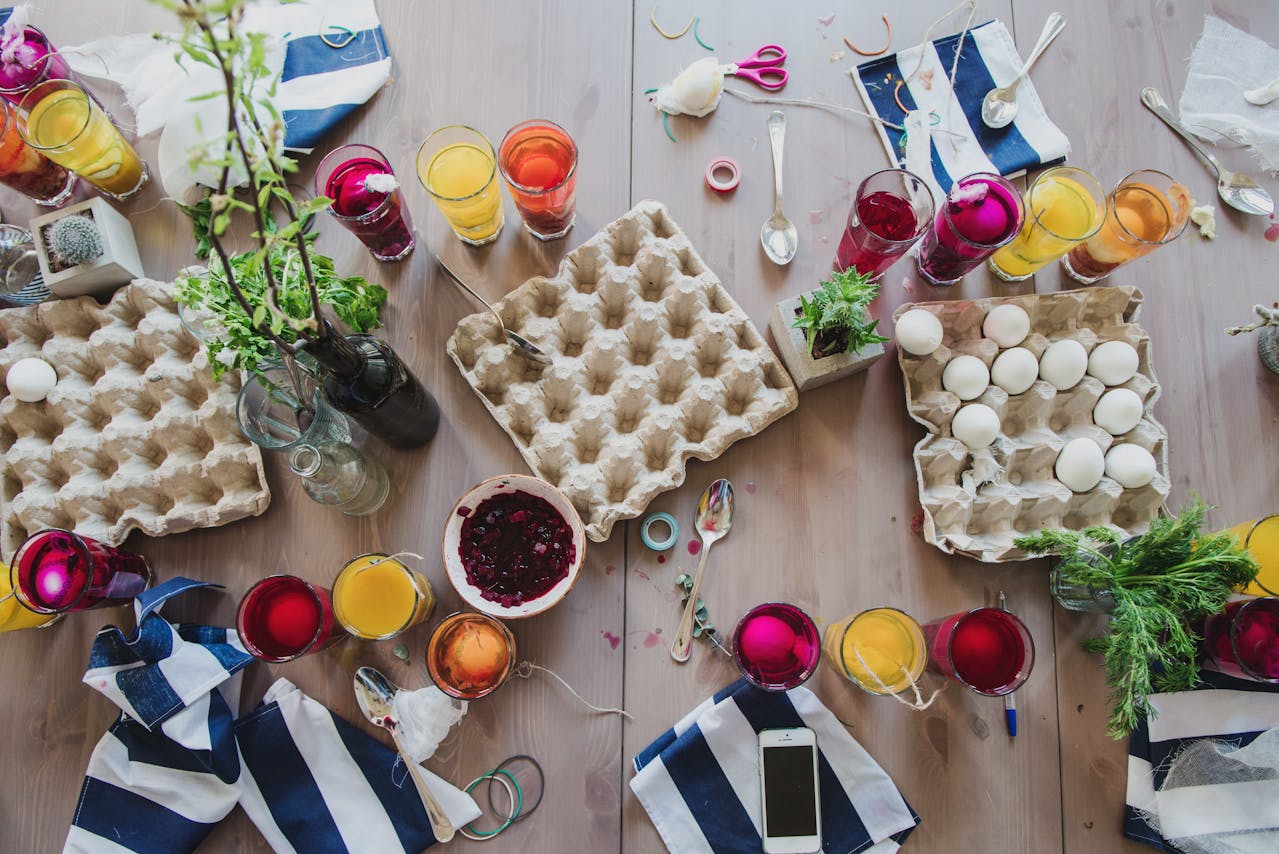
Egg cartons are surprisingly versatile, especially the cardboard kind. Gardeners love them as biodegradable seed starters — just plant the whole cup directly into the soil. They’re also handy for organizing small hardware, beads, or jewelry.
For families, they’re a goldmine for kids’ crafts. With some paint and imagination, they can become toy boats, caterpillars, or even an advent calendar. By saving your cartons, you’re cutting down on single-use plastics and avoiding store-bought organizers.
5. Newspaper

That stack of newspapers can do more than pile up in the corner. The smooth, absorbent paper makes streak-free window cleaner when paired with vinegar. It’s also a gardener’s secret weapon — laid under mulch, it acts as a biodegradable weed barrier.
If you’re packing fragile items, newspaper provides cushioning without the cost of bubble wrap. You can also shred it for pet bedding or compost it to enrich your garden soil. It’s a classic example of old-school reuse that still works today.
6. Wine corks

If you enjoy an occasional bottle of wine, the corks are more useful than you think. They make charming plant markers for your garden — just write the plant name on the cork and stick it on a skewer. They can also be turned into drawer pulls, trivets, or even wall art.
Because cork is naturally water-resistant and soft, it’s great for craft and DIY projects. Whether you’re making a bulletin board, creating coasters, or adding texture to a wreath, saving corks means saving money on craft store supplies.
7. Old toothbrushes

Before you toss your toothbrush, think beyond dental care. Those bristles are perfect for scrubbing grout, getting into the seams of faucets, or cleaning tiny crevices in kitchen appliances. They’re also handy for cleaning jewelry, shoes, or delicate collectibles.
In the craft room, an old toothbrush can be used to create textured paint splatters or spread glue into tight corners. A quick rinse in hot water or disinfectant, and it’s ready for a second career in your home toolkit.
8. Cardboard boxes

Cardboard boxes are the workhorses of reuse. Beyond the obvious storage use, they make excellent shipping containers, kids’ playhouses, or pet hideouts. You can cut them down for drawer dividers, backdrops for crafts, or moving-day organization.
Gardeners also love cardboard — when placed on soil and topped with mulch, it smothers weeds while eventually decomposing into the earth. It’s one of the easiest ways to repurpose a material that’s otherwise bound for the recycling bin.
9. Produce scraps
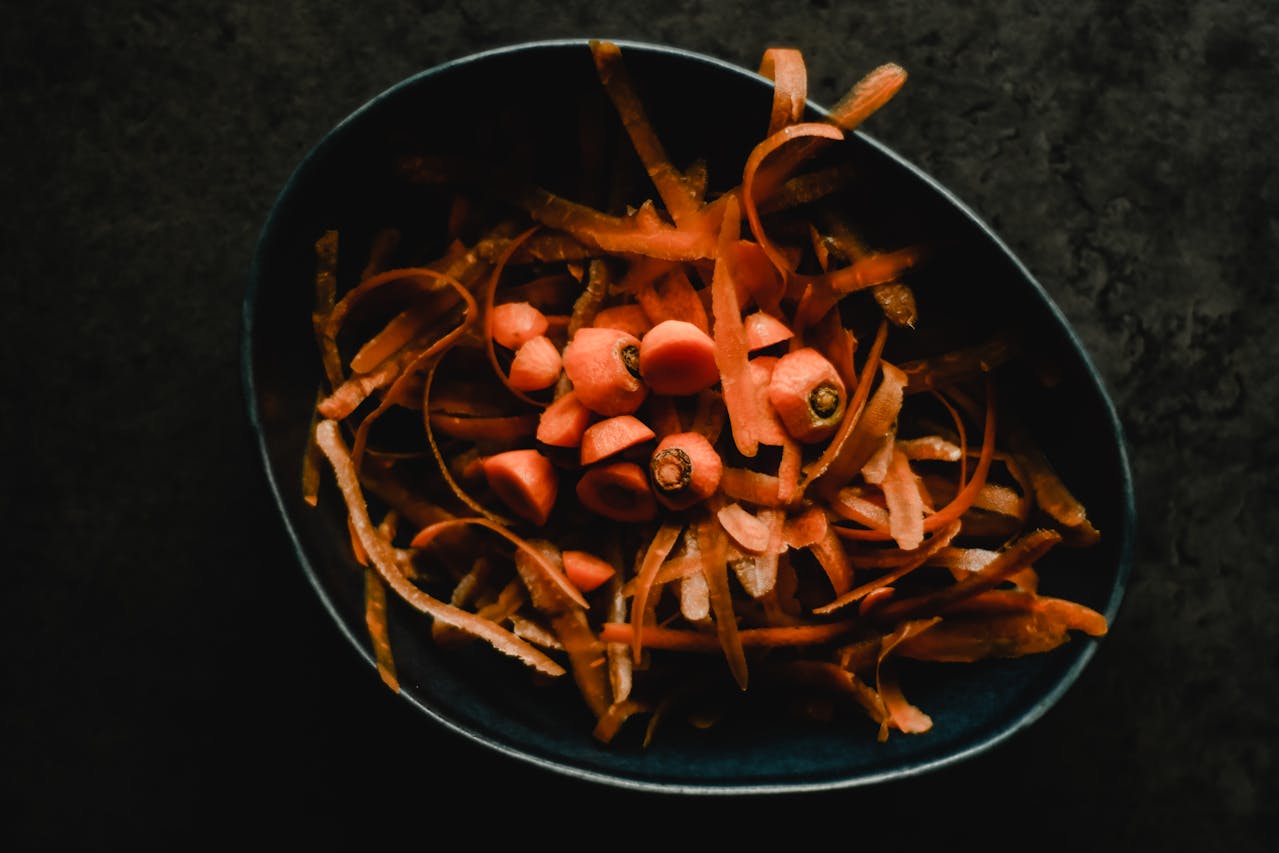
Those carrot tops, onion skins, and celery ends can do more than head to the trash. Keep a freezer bag for veggie scraps and turn them into homemade stock — it’s free, flavorful, and reduces food waste.
Some scraps can even be regrown. Green onion bases will sprout new shoots in a jar of water, and lettuce or celery cores can produce fresh leaves. It’s like getting bonus groceries for no extra cost.
10. Plastic bags
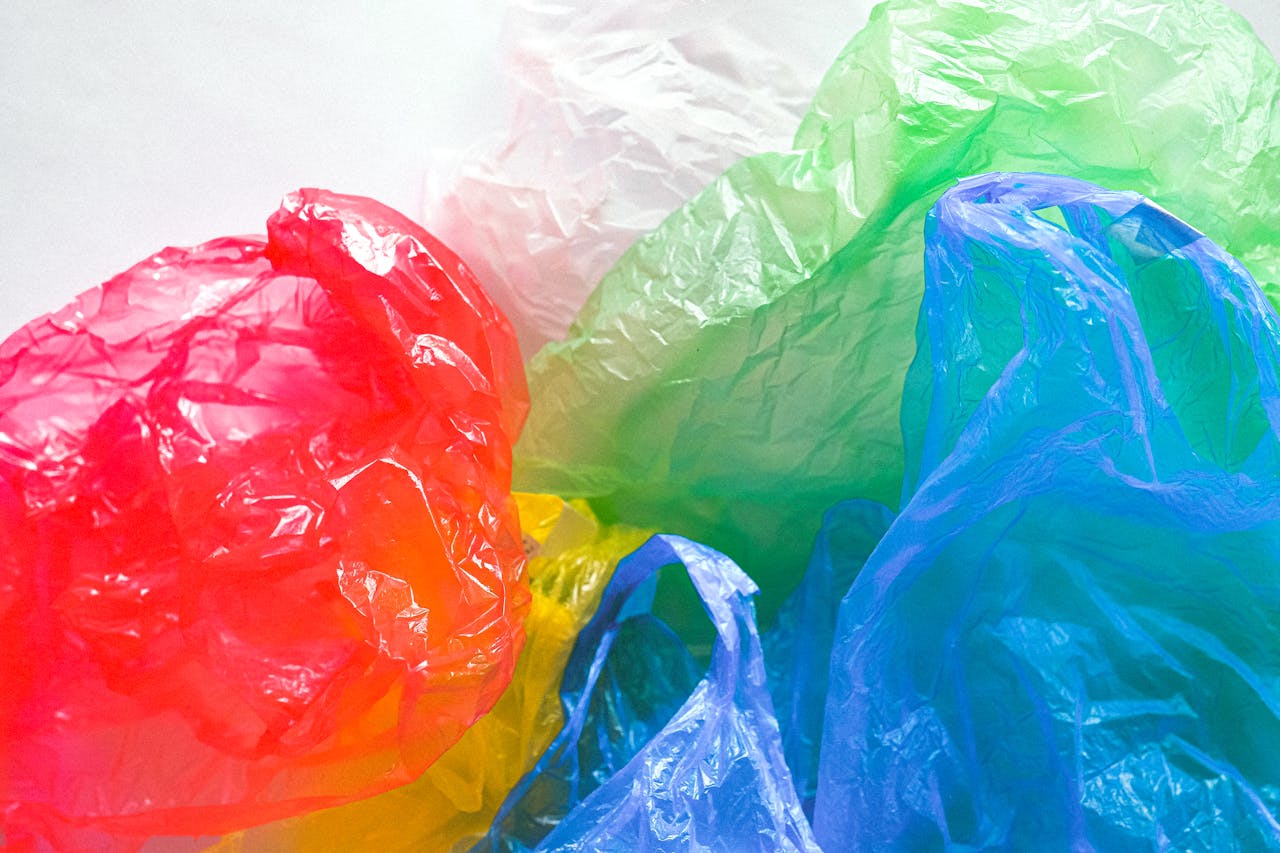
Even as reusable bags become the norm, plastic grocery bags still sneak into the house. Instead of tossing them, use them as small trash can liners, packing material, or makeshift gloves for messy cleaning jobs.
If you’re crafty, you can “plarn” (plastic yarn) the bags and crochet them into sturdy reusable totes, mats, or baskets. Repurposing plastic keeps it out of landfills and gives it a surprisingly long second life.
11. Old socks
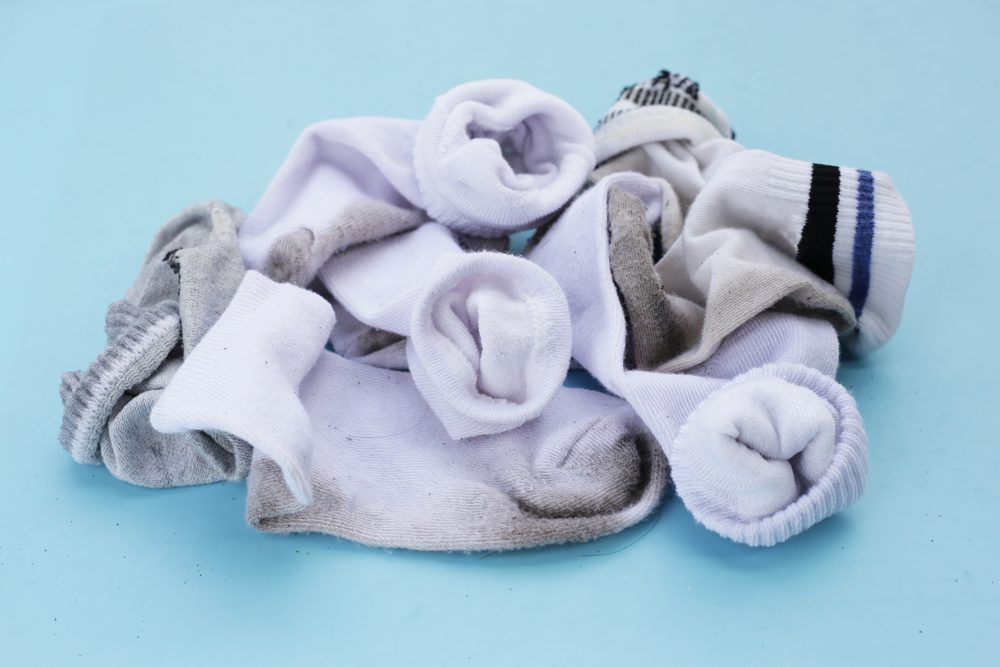
Mismatched socks or ones with holes don’t have to go straight in the bin. Slip one over your hand for a dusting mitt that works wonders on blinds, shelves, and baseboards. They’re also great for polishing shoes or silverware.
For crafty projects, socks can become pet toys, rice-filled heating pads, or even sock puppets for kids. It’s a small way to save on cleaning supplies and keep textiles out of the landfill.
12. Empty makeup containers
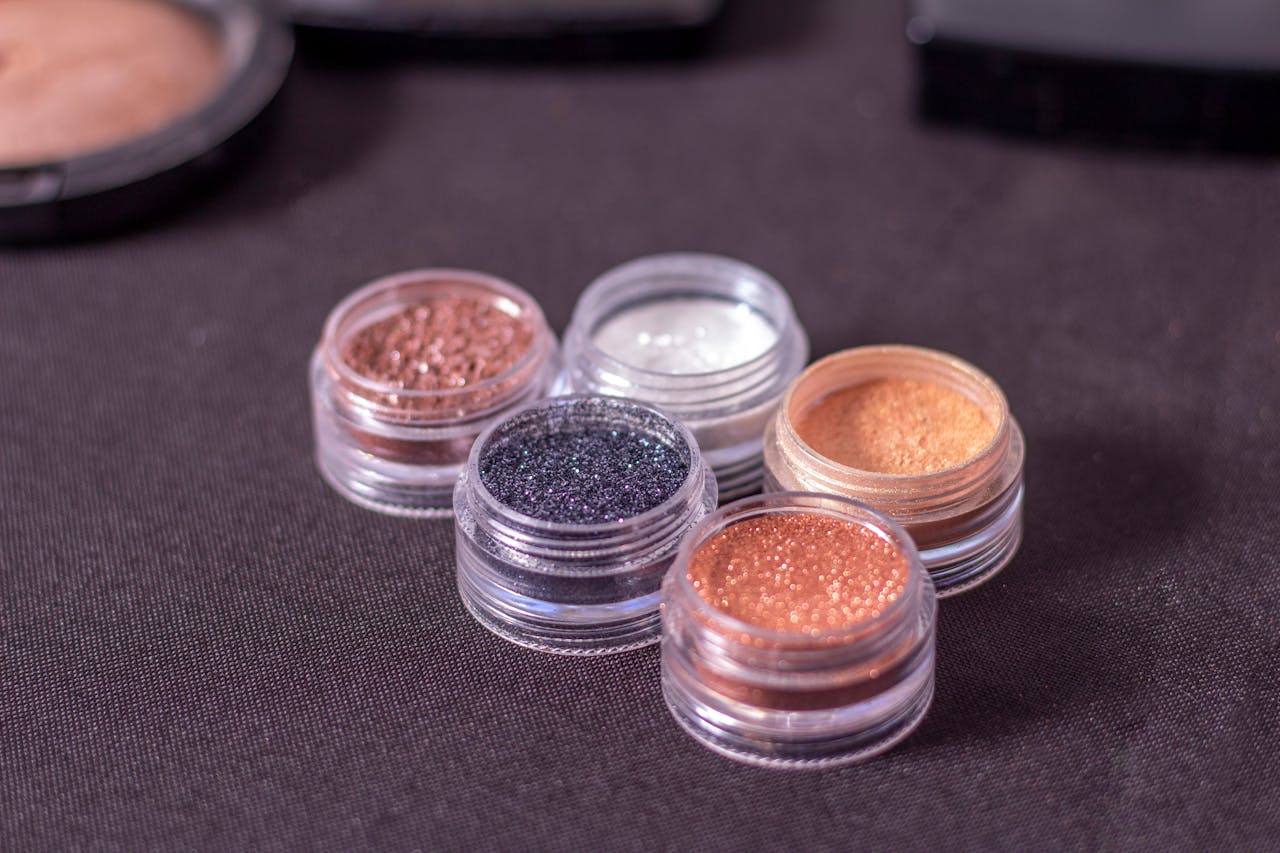
Don’t toss that compact or lipstick tube just yet — many brands offer recycling programs with rewards for returned containers. That’s cash (or free product) back in your pocket.
These containers are also great for storage — use them for pills, jewelry, beads, or travel-sized lotions. Larger ones can be repurposed as mini planters for herbs or succulents. A quick clean is all it takes to give them a second job.
13. Dryer lint
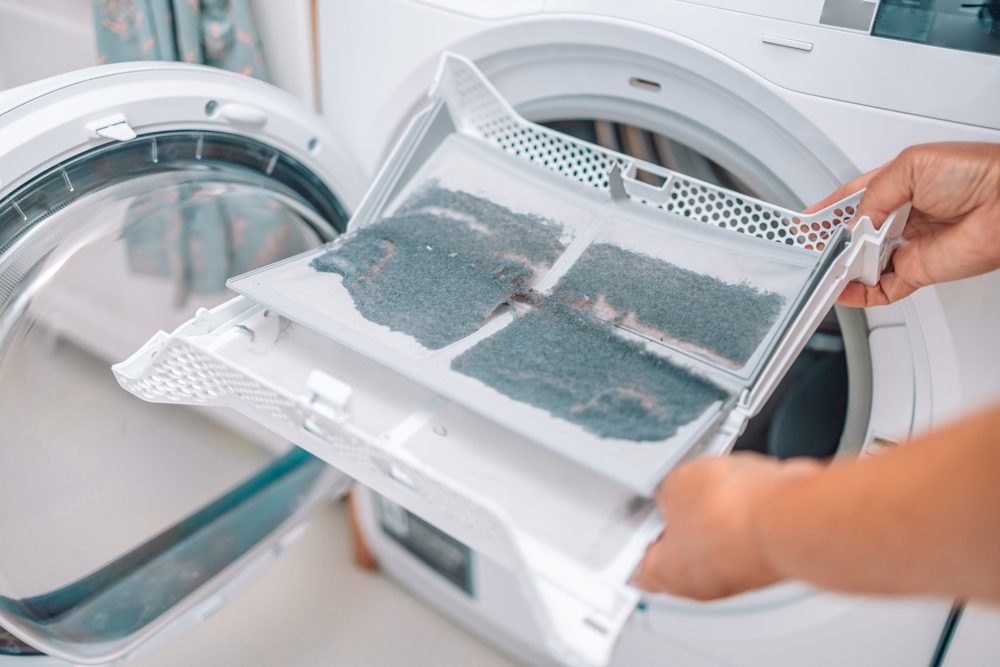
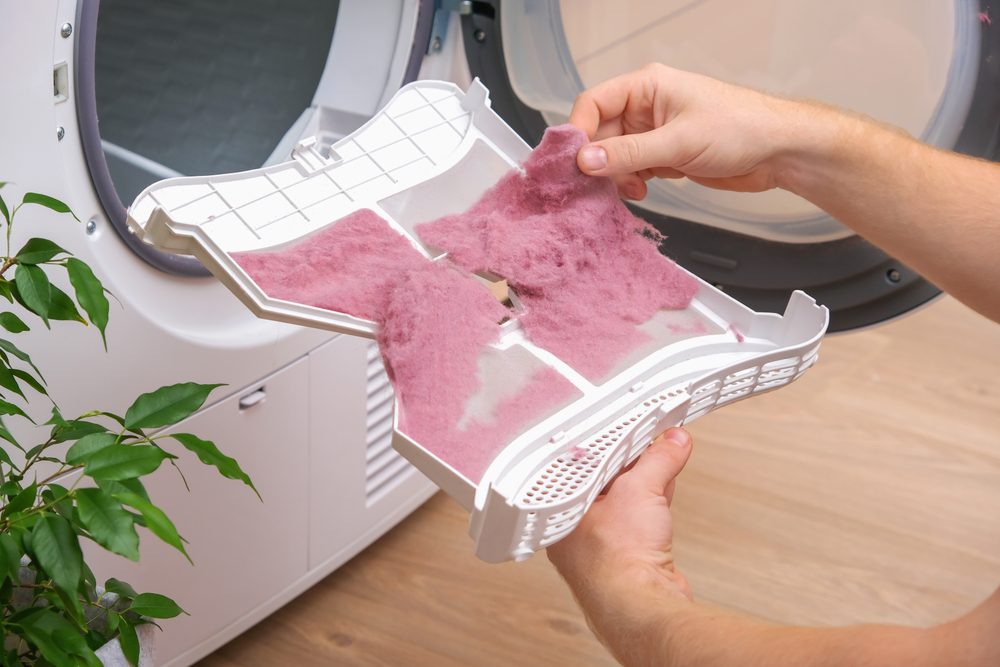
It might seem like useless fluff, but dryer lint can be surprisingly handy. It makes an excellent fire starter for camping or backyard fire pits — just tuck it into a toilet paper roll for easy use.
If you compost, lint from natural-fiber clothing can be added to your pile. Creative crafters even mix it with glue for papier-mâché projects or use it to make homemade paper. It’s a quirky, eco-friendly way to squeeze value out of something you’d normally toss.