As we look back over the decades, it’s remarkable how many everyday norms from the 1970s would feel completely foreign today. This was a time of cultural shifts, growing technology, and different social expectations. Many habits we once accepted without question have since been replaced by safer, faster, and more convenient alternatives.
Some changes came from new inventions, others from evolving health and safety standards, and a few simply fell out of fashion. Together, they paint a vivid picture of daily life in a very different era. Here are 13 common ’70s experiences that now seem surprising in our modern world.
1. Smoking Everywhere

In the 1970s, smoking wasn’t just common—it was almost expected. People lit up in restaurants, offices, airplanes, and even hospitals. Cigarette advertisements featured doctors, and ashtrays were a standard fixture in homes, cars, and workplaces.
Today, the idea of lighting a cigarette indoors feels unthinkable. Public health campaigns, decades of medical research, and strict regulations have dramatically shifted attitudes. Smoking bans in public spaces are now the norm, and many former smokers have traded cigarettes for nicotine patches or vaping—if they use tobacco at all.
2. Lack of Seatbelts
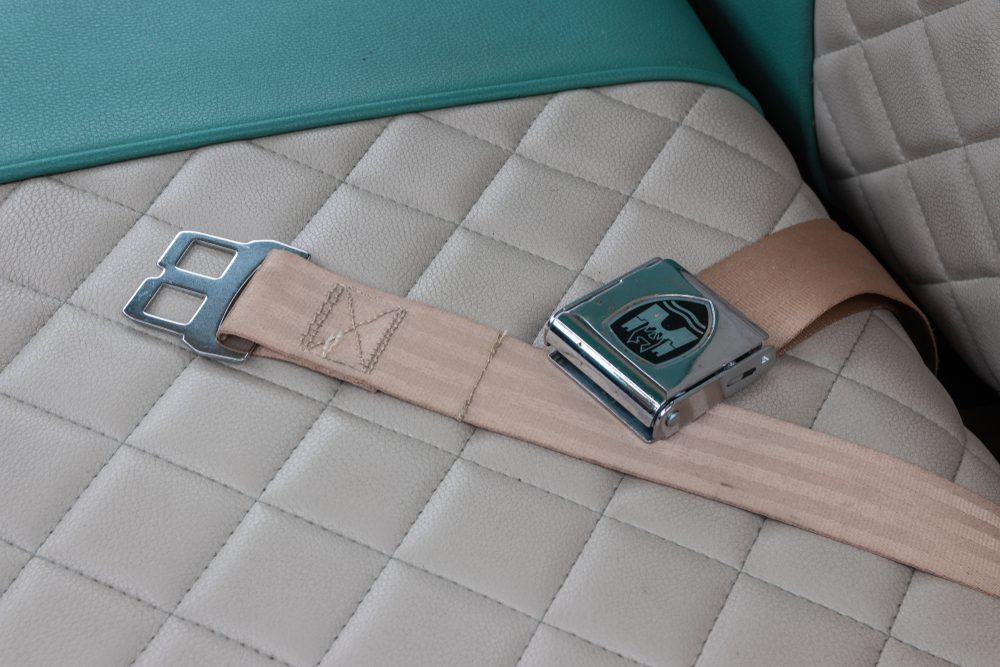
Seatbelts were far from universal in the ’70s. Many cars didn’t have them in the back seats, and wearing one in the front was often optional. Parents might have even driven with kids standing on the seats or riding without restraints.
Today, buckling up is second nature—and the law in most places. Modern safety standards, crash-test research, and public awareness campaigns have made seatbelts a non-negotiable part of car travel, saving countless lives in the process.
3. No Internet

In the 1970s, the concept of the internet was still in its infancy, known only to a handful of researchers. News, entertainment, and communication came through newspapers, magazines, TV, or radio. Looking up information meant visiting a library.
Today, the internet is woven into every part of daily life. From banking to streaming movies to connecting with friends across the globe, it’s hard to imagine functioning without it. The thought of living without instant access to information feels almost impossible.
4. No Cell Phones
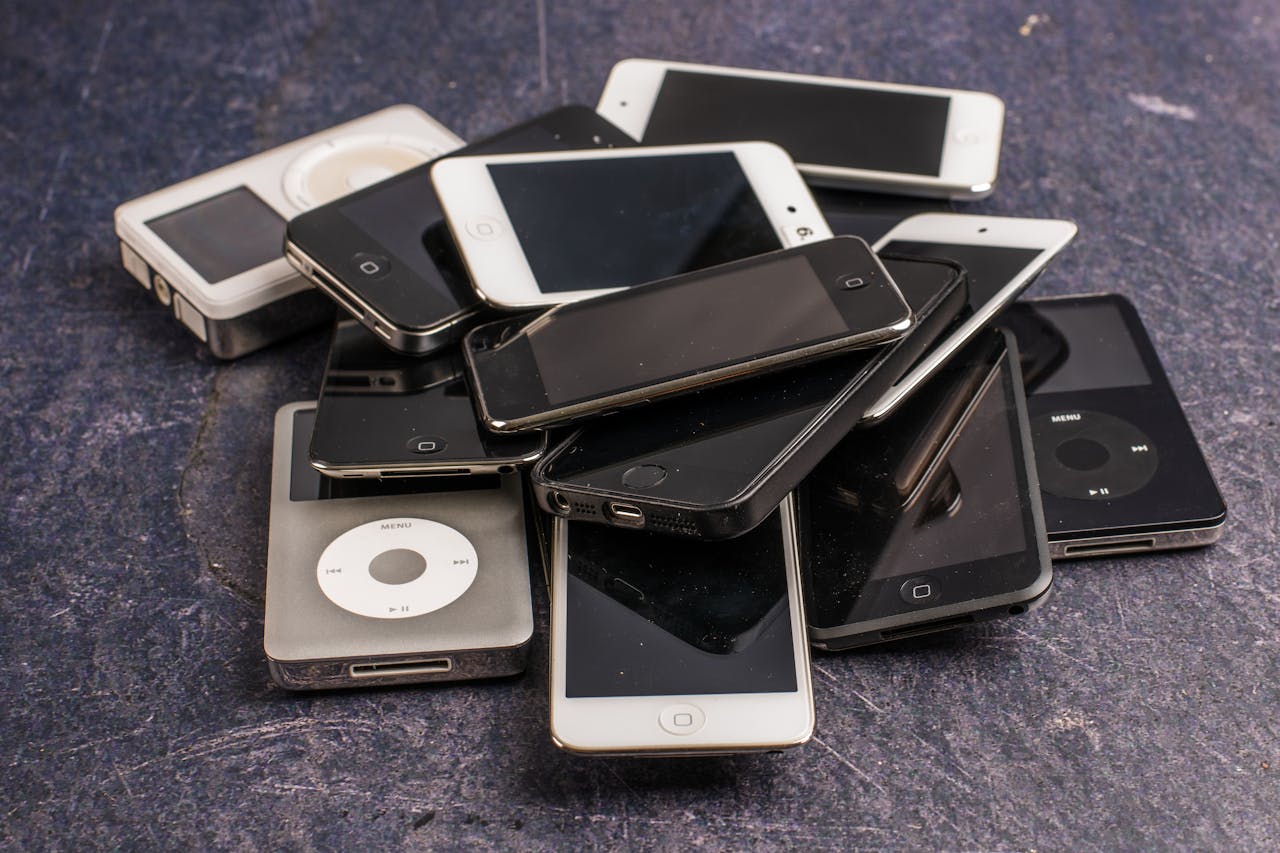
Cell phones simply didn’t exist for the average person in the ’70s. If you needed to make a call away from home, your best bet was a payphone and a pocket full of change. Plans had to be made in advance, and last-minute changes were tricky.
Today, smartphones keep us connected 24/7. We can call, text, video chat, and share our location instantly. For those who grew up with mobile tech, the idea of navigating daily life without a phone is almost unimaginable.
5. Manual Typewriters

Before computers and word processors, the clack of typewriter keys was the soundtrack of offices and home desks alike. In the 1970s, most were manual machines that required a firm keystroke, and typos meant starting over or using correction tape.
Today, typing is faster, quieter, and far more forgiving. Editing a document is as easy as hitting “backspace,” and digital storage means we can save thousands of pages without a single filing cabinet. The thought of producing every letter on a ribbon-fed machine now feels like a tedious art form.
6. Vinyl Records and Cassette Tapes

Music lovers in the ’70s had to handle their collections with care. Vinyl records offered rich sound but scratched easily, and cassette tapes could tangle in the player. Creating a mix for a friend meant hours of recording in real time.
Today, streaming services offer millions of songs at the tap of a finger, and playlists take seconds to assemble. While vinyl has made a nostalgic comeback for collectors, the everyday ritual of flipping records or rewinding tapes has largely faded.
7. No Microwave Ovens

Microwaves existed in the ’70s but were far from standard in most homes. Reheating leftovers meant firing up the oven or standing over a stovetop. Busy weeknight dinners often required more planning and prep time.
Today, a microwave is almost as essential as a refrigerator. From defrosting meat to making popcorn in minutes, it’s hard to imagine a kitchen without one. The convenience has changed how we cook, snack, and even think about mealtime.
8. No Remote Controls
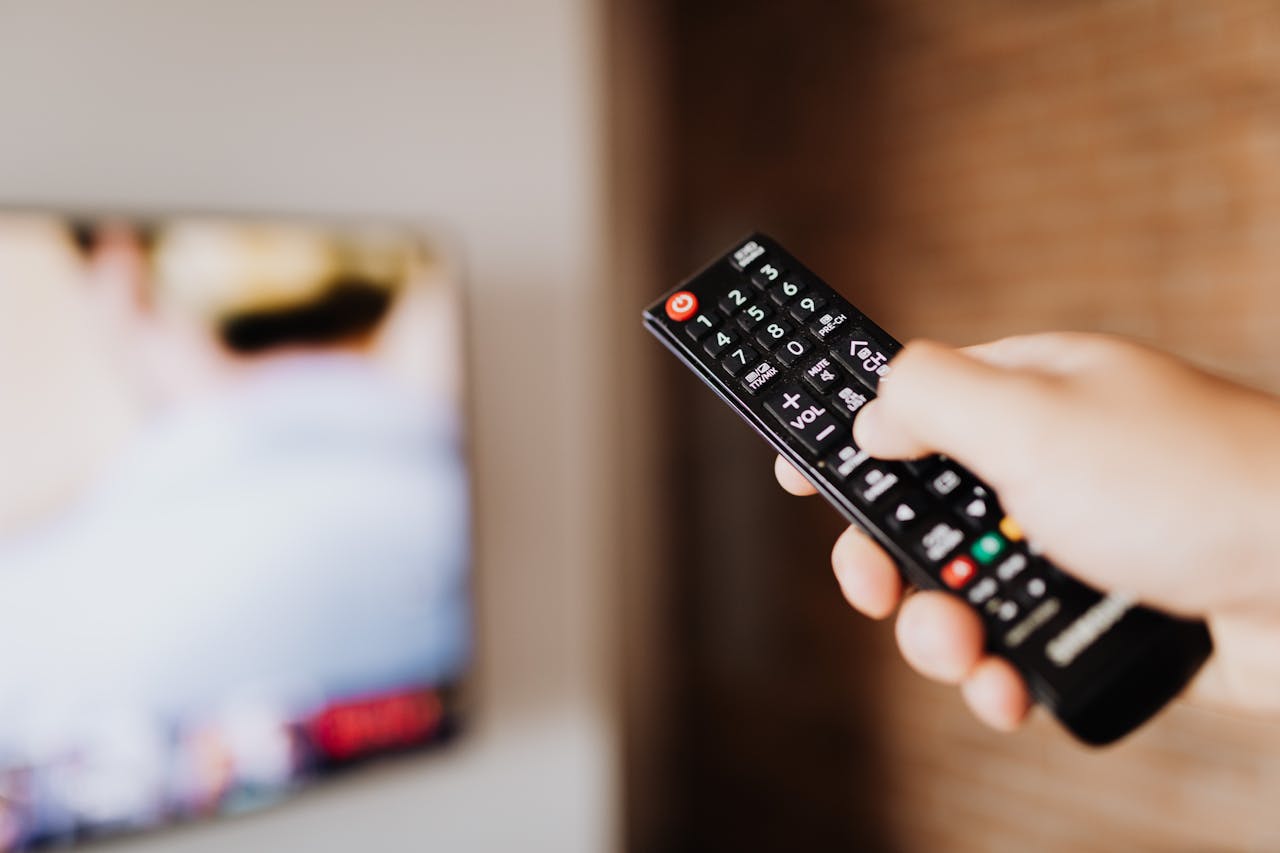
In the ’70s, “changing the channel” meant getting up, walking to the TV, and turning a dial. Families might even debate whose turn it was to do it. For some, channel surfing was limited to just three or four options.
Today, remote controls—and even voice commands—let us switch channels, adjust volume, and stream content without leaving the couch. It’s a small luxury that’s become so ingrained, many of us can’t imagine watching TV without it.
9. No ATM Machines
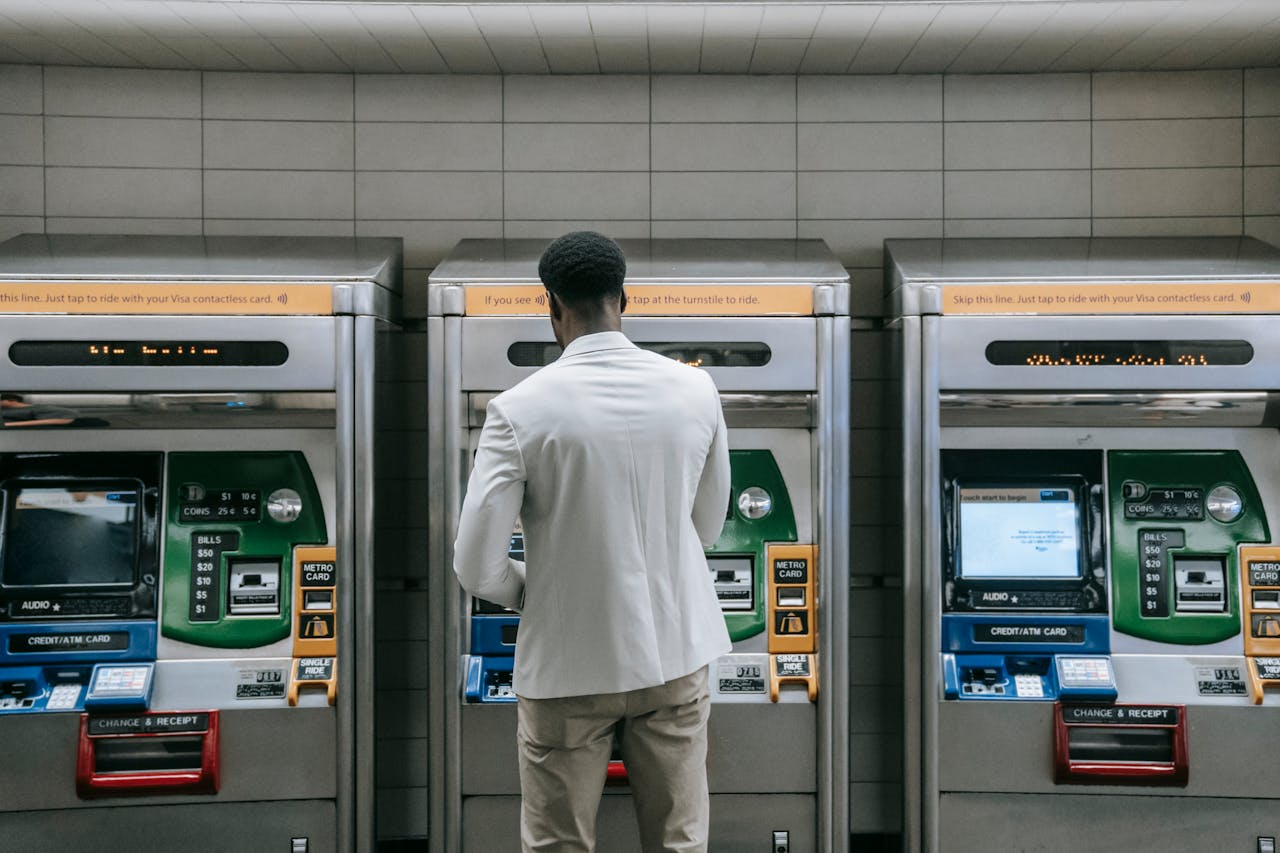
In the 1970s, withdrawing cash required a trip to the bank during business hours—and waiting in line to see a teller. Weekend plans sometimes hinged on making it to the bank before closing.
Today, ATMs offer 24/7 access to cash, and mobile banking lets us deposit checks and transfer funds without ever stepping inside a branch. For younger generations, the idea of being unable to get cash on a Sunday feels almost absurd.
10. No GPS Navigation
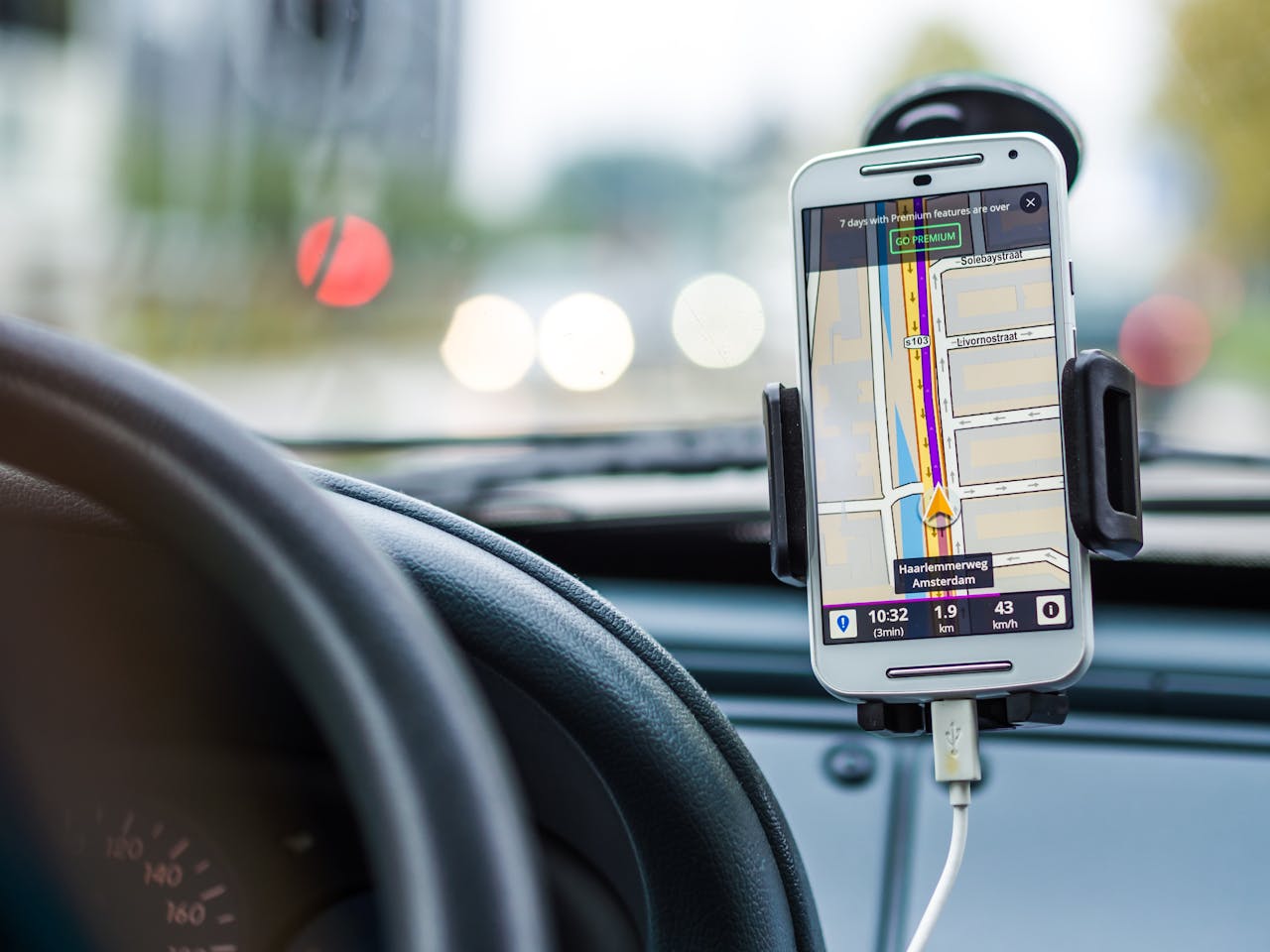
In the ’70s, finding your way meant keeping a road atlas in the glovebox or stopping to ask for directions. Long trips often began with careful map planning at the kitchen table.
Today, GPS navigation can guide us turn-by-turn anywhere in the world, often with live traffic updates. While paper maps still have their place, few travelers would give up the convenience of instant route recalculations.
11. Rotary Phones
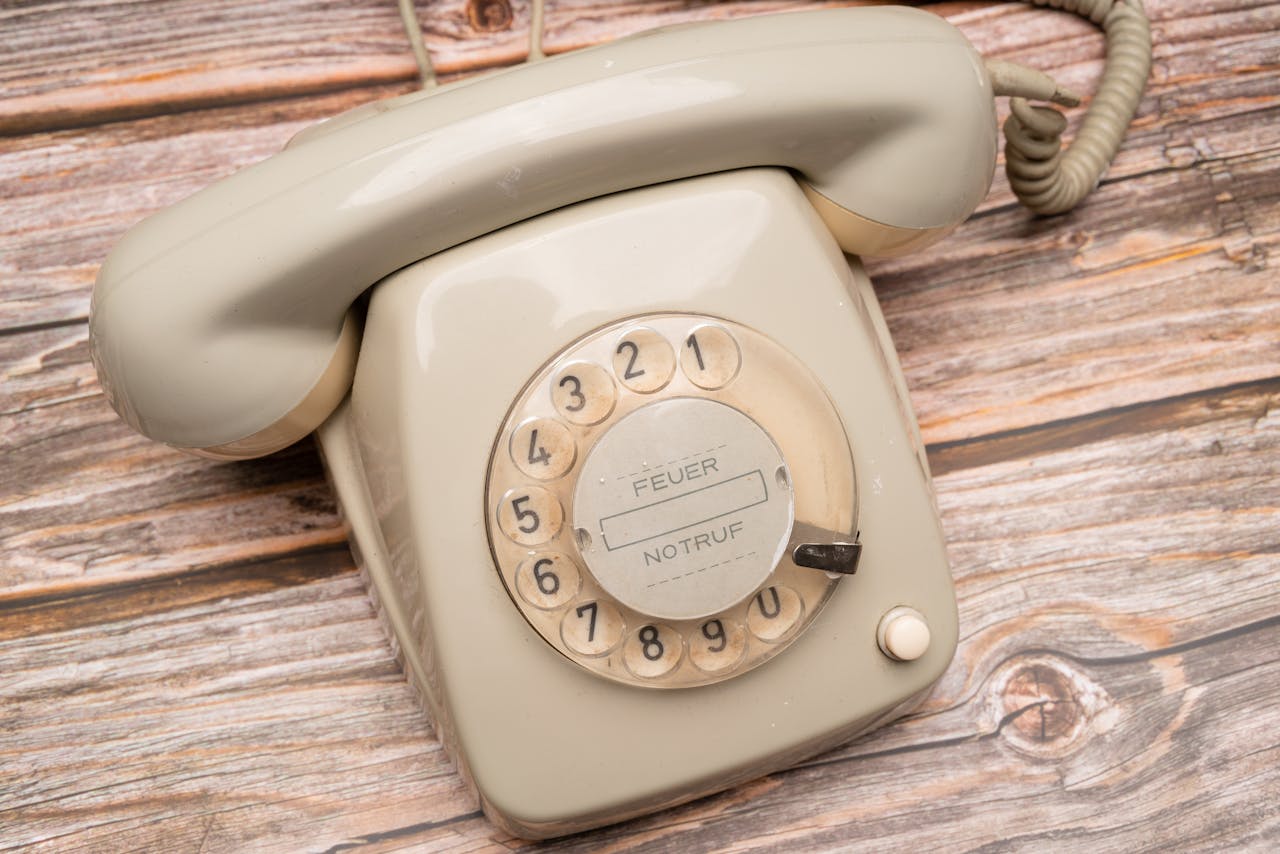
Rotary phones were the household standard in the ’70s. Dialing a number meant spinning the wheel for each digit, and a wrong number required starting over. Phone cords kept conversations anchored to one spot in the house.
Today, smartphones have replaced not just the rotary phone, but also the need for landlines in many homes. The patience and precision once required to make a call is now replaced with speed and mobility.
12. Film Cameras
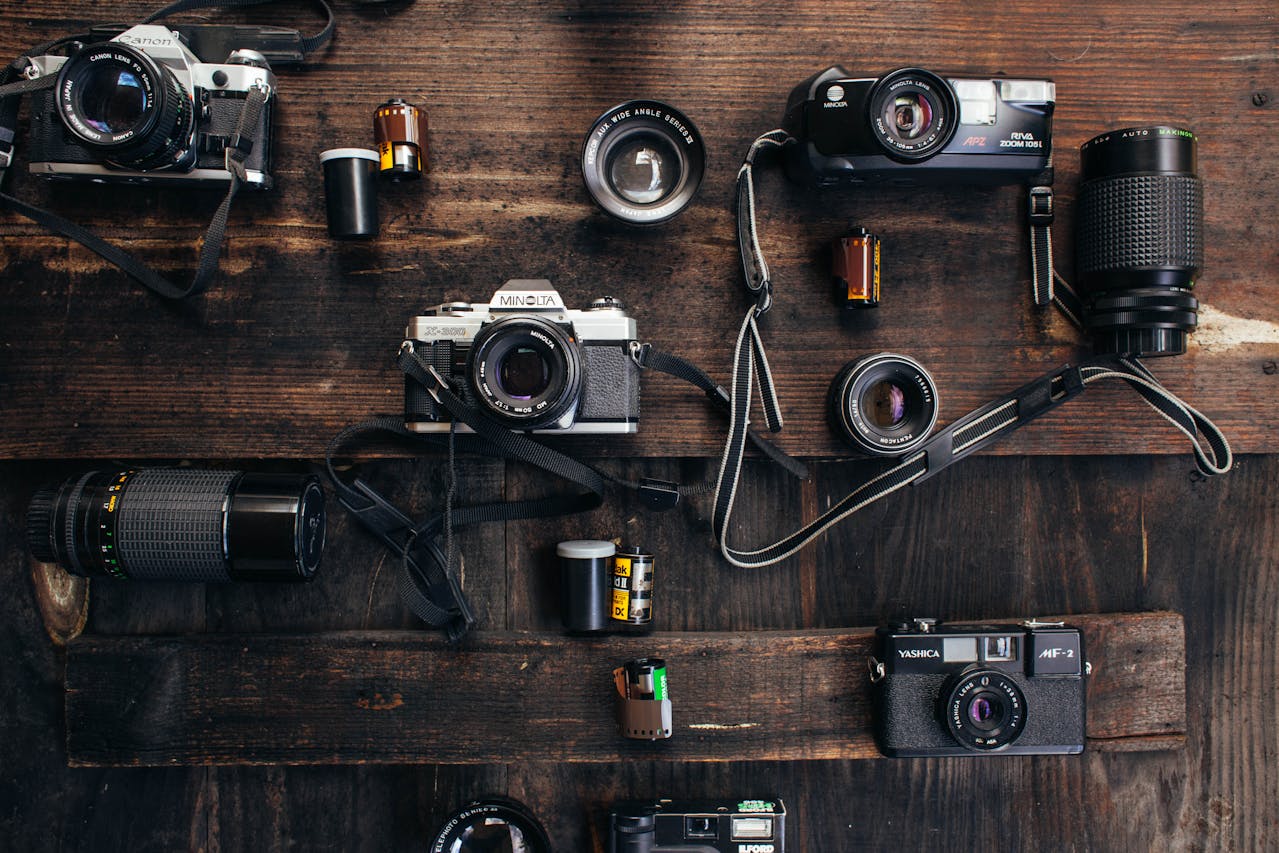
Taking pictures in the 1970s meant loading a roll of film and waiting days—or weeks—for it to be developed. Each click of the shutter counted, since film was limited and costly to replace.
Today, digital cameras and smartphones let us take hundreds of photos in minutes, instantly view them, and delete the ones we don’t like. The surprise of opening an envelope of developed prints is a nostalgic memory for many.
13. No Recycling
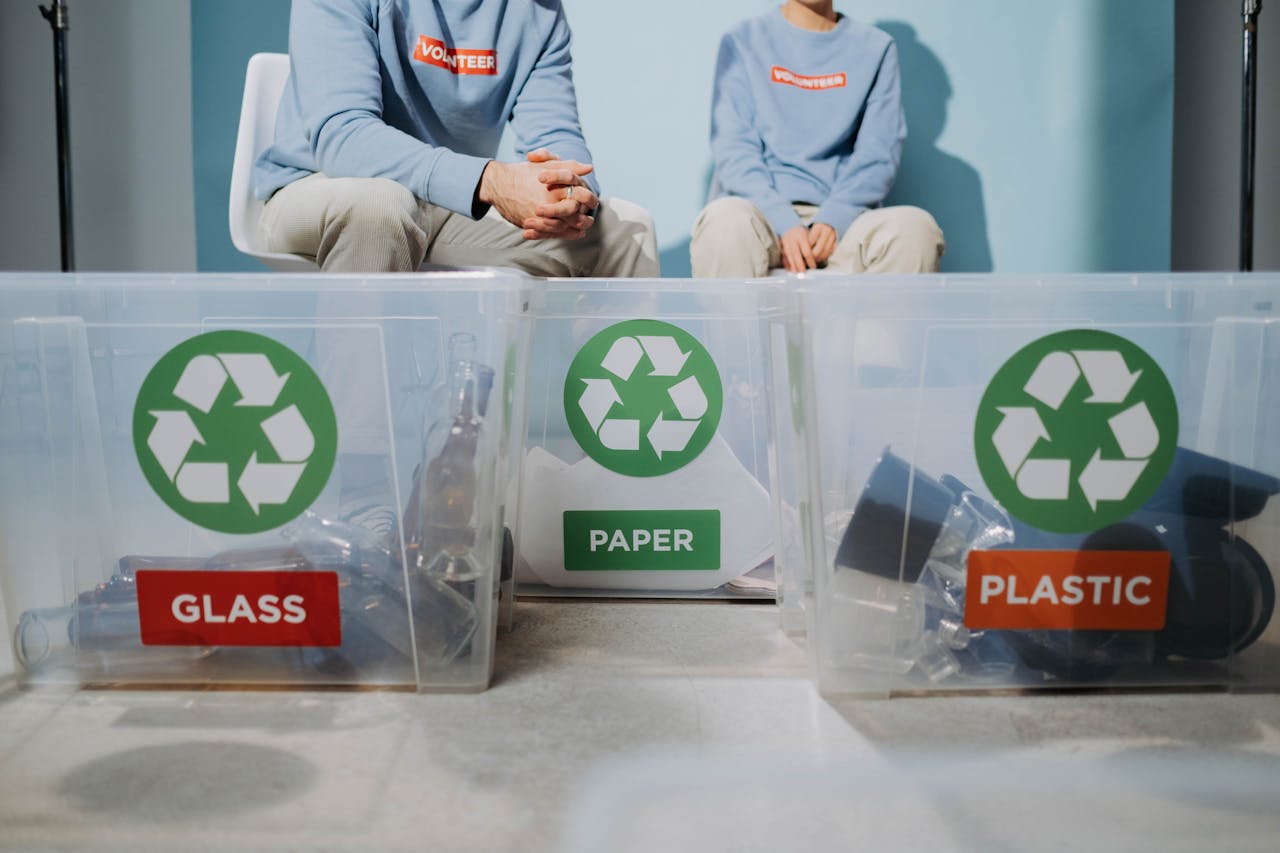
In the 1970s, recycling programs were rare. Most households tossed glass, metal, paper, and plastic into the same trash bin, with little thought about where it ended up.
Today, recycling is a standard part of waste management in many communities. Growing environmental awareness has changed how we handle everything from soda cans to electronics, making the ’70s throwaway culture hard to picture now.