Family heirlooms are precious relics that connect generations, carrying the history, stories, and memories of our ancestors. However, as we move deeper into the digital age, certain types of heirlooms are losing their significance, and quite possibly, their chance of survival. This list of 13 family heirlooms is compiled based on trends in today’s lifestyle, research, and data, and suggests that these items may not make it to the next generation.
The question is: what are these heirlooms, and why are they at risk? Join me on this journey through the past, and perhaps, find ways to ensure these treasures don’t become extinct.
1. Handwritten Letters
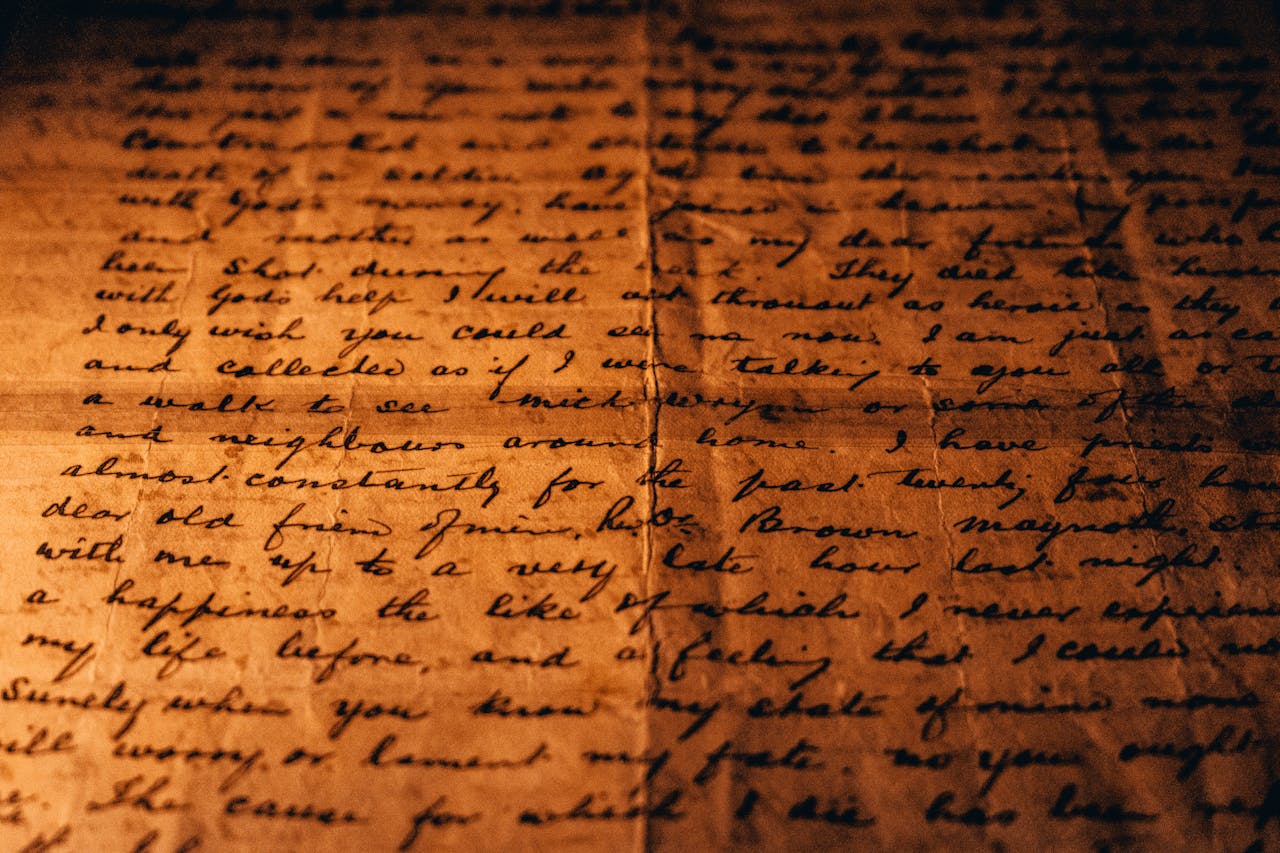
Handwritten letters are on the verge of becoming extinct. With the rise of digital communication methods, the tradition of handwritten letters is quickly dwindling. These personal, tangible connections to the past are being replaced by emails and text messages, which lack the physical presence that letters carry.
While digital communication provides instant connectivity, it misses the personal touch and emotional connection that handwritten letters carry. These letters were often kept as family heirlooms, providing insight into the lives and feelings of ancestors. Consider encouraging your family members to continue this tradition, or digitize these letters to preserve their content for future generations.
2. Family Photo Albums
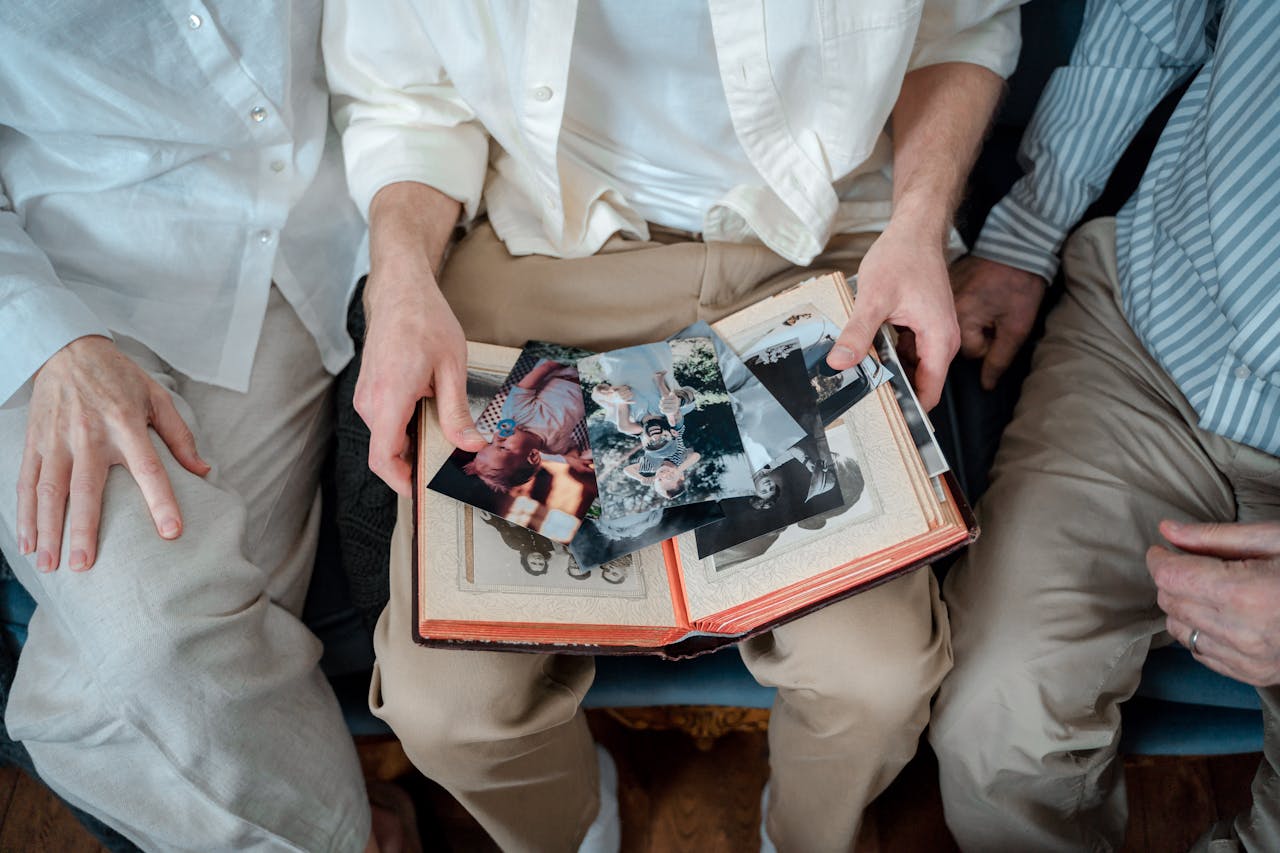
The culture of maintaining physical photo albums is losing its charm in the era of smartphones and digital photography. With the convenience of storing thousands of images on a single device, the need for physical albums is diminishing.
While digital photos are easy to store and share, they lack the tangibility of a physical photo album that you can touch and feel. Furthermore, there’s a risk of losing digital photos due to technology failures or data corruption. It’s a good idea to keep the tradition of printing and storing photos alive. Alternatively, consider creating digital photo albums or books which can be printed as a physical copy.
3. Hand-Made Quilts
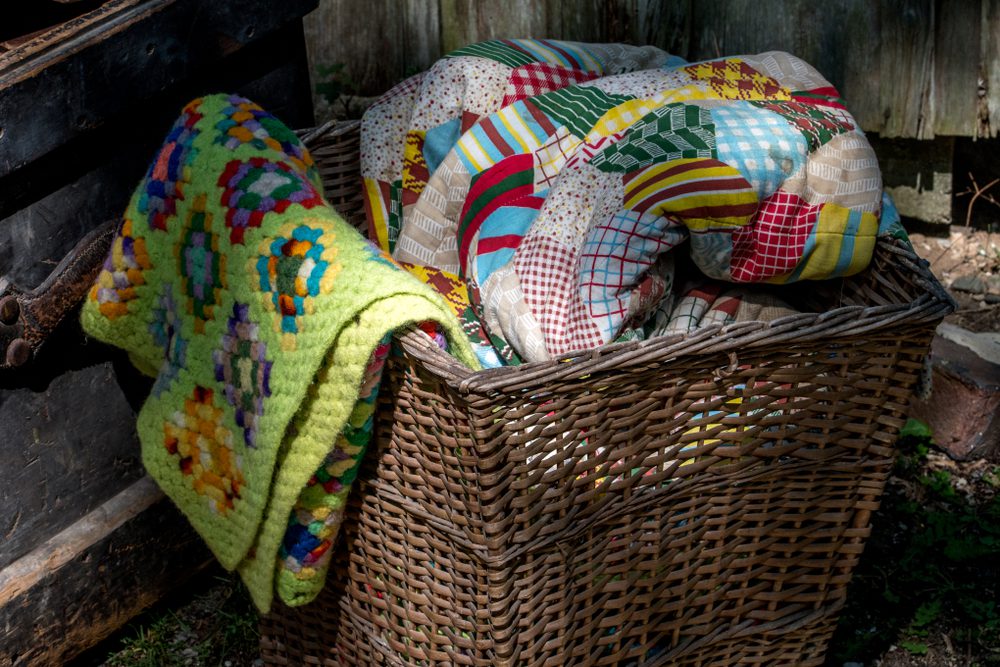
Hand-made quilts, once a staple of every household, are now becoming a rarity. With the availability of mass-produced blankets and the declining interest in quilting as a hobby, these beautiful, personal works of art are at risk of fading away.
Quilts were often made by mothers and grandmothers, and passed down through generations. They carry the stories of the people who made them and the times in which they lived. If you have a hand-made quilt, treasure it. Consider learning the craft or supporting local artisans who keep this tradition alive.
4. Handwritten Recipes
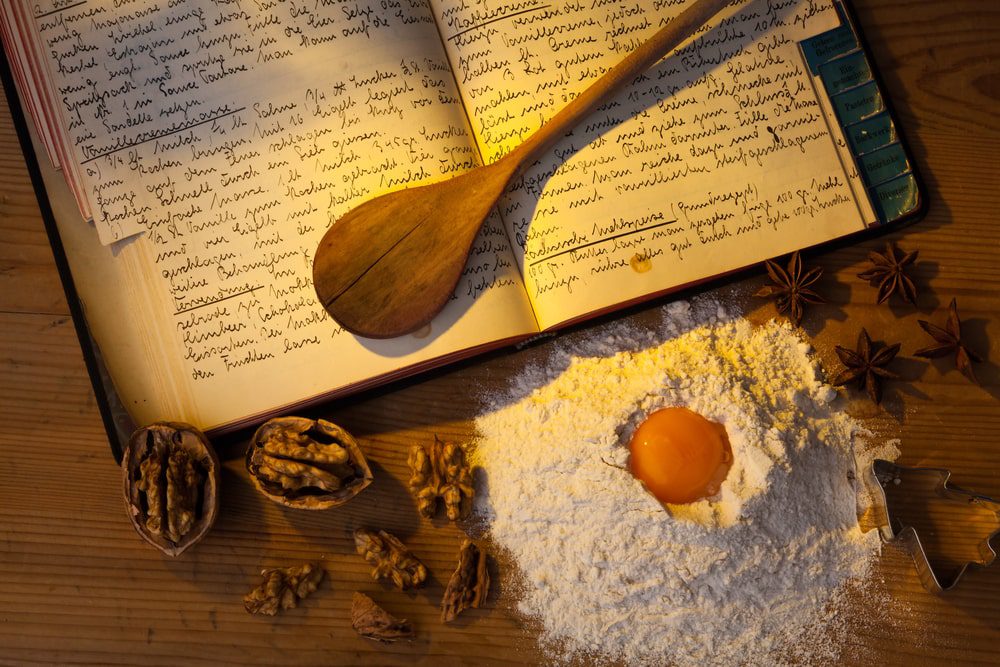
In the age of digital recipes and cooking videos, handwritten recipe cards are becoming a thing of the past. These cherished family keepsakes are being replaced by online recipe platforms and digital recipe organizers.
Handwritten recipes are not only a guide to traditional family meals, but also a connection to our culinary heritage. Consider preserving these recipes by creating a family recipe book or digitizing them for easy access and preservation.
5. Antique Furniture
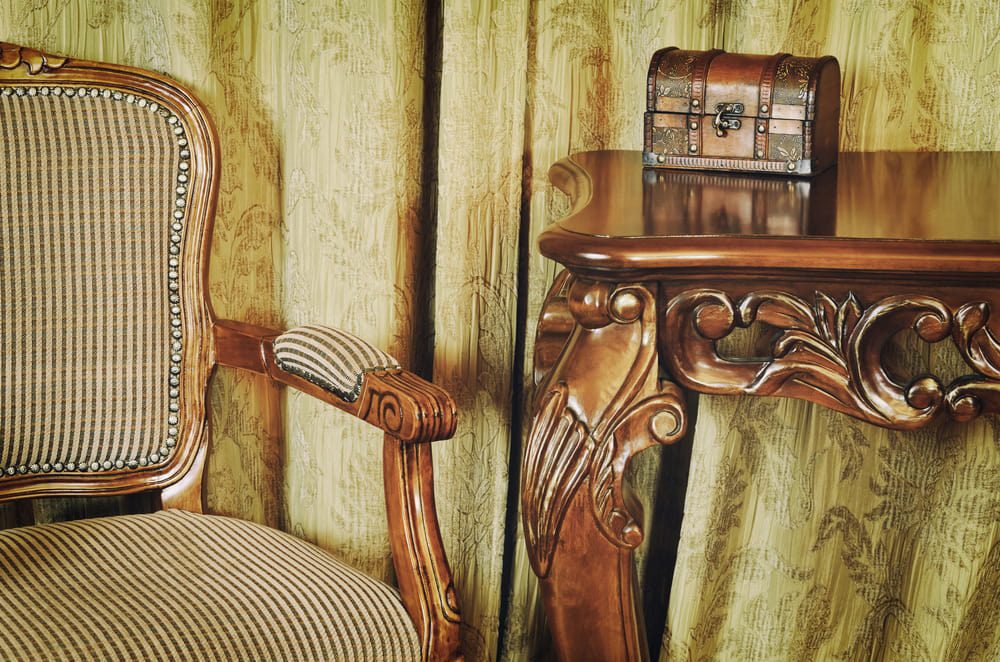
Antique furniture, once a symbol of status and taste, is losing its appeal among the younger generation. The trend towards minimalism and modern, sleek designs has reduced the demand for heavy, ornate furniture.
Antique furniture is often high-quality and carries a history that new furniture lacks. If you have antique furniture, consider having it restored rather than replaced. You can also repurpose it to suit modern tastes while preserving its history.
6. Silverware
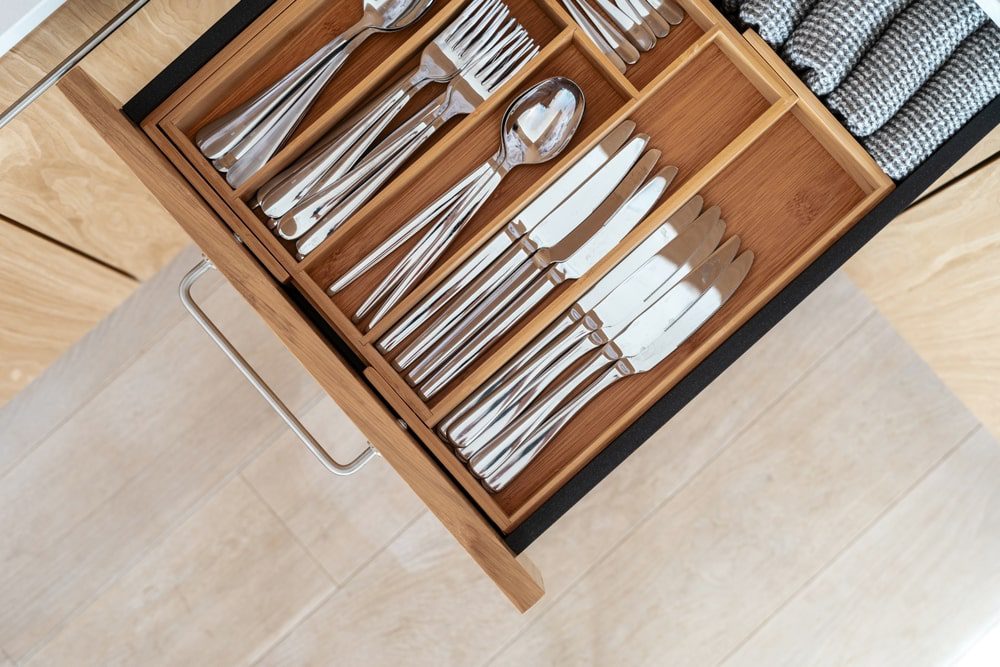
Silverware, once a wedding gift staple, is now viewed as impractical by many. The preference for dishwasher-safe, low-maintenance cutlery has led to a decline in the use and preservation of silverware.
Silverware is not only valuable but also carries a sense of tradition and elegance. Consider using your silverware on special occasions or as a decorative feature in your home.
7. China Sets

China sets, once a must-have in every household, are now considered outdated and impractical. The trend towards casual dining and the need for microwave-safe dinnerware has made China sets less appealing to younger generations.
China sets are often beautiful and carry a sense of tradition and formality. If you have a China set, consider using it on special occasions or display it as a decorative piece.
8. Vinyl Records

Despite a recent resurgence in their popularity, vinyl records are at risk. The convenience of digital music platforms has made the need for physical records less prevalent.
Vinyl records provide a unique listening experience that digital music lacks. If you have a vinyl record collection, consider preserving it and investing in a good quality turntable.
9. Typewriters

Typewriters, once essential office equipment, are now obsolete. The advent of computers and word processing software has made typewriters redundant.
Typewriters are a piece of technological history. If you have a typewriter, consider keeping it as a decorative piece or donate it to a museum.
10. Film Cameras

Film cameras are becoming obsolete in the era of digital photography. The convenience and quality of digital cameras have made film cameras less appealing.
Film cameras provide a unique, artistic quality to photos that digital cameras often can’t replicate. If you have a film camera, consider using it for special projects or keep it as a piece of photographic history.
11. Pocket Watches

Pocket watches, once a symbol of prestige, are now considered antiquated. The advent of wristwatches and digital timepieces has made pocket watches less practical.
Pocket watches are often beautiful pieces of craftsmanship. If you have a pocket watch, consider keeping it as a piece of family history or use it as a decorative piece.
12. Handmade Dolls
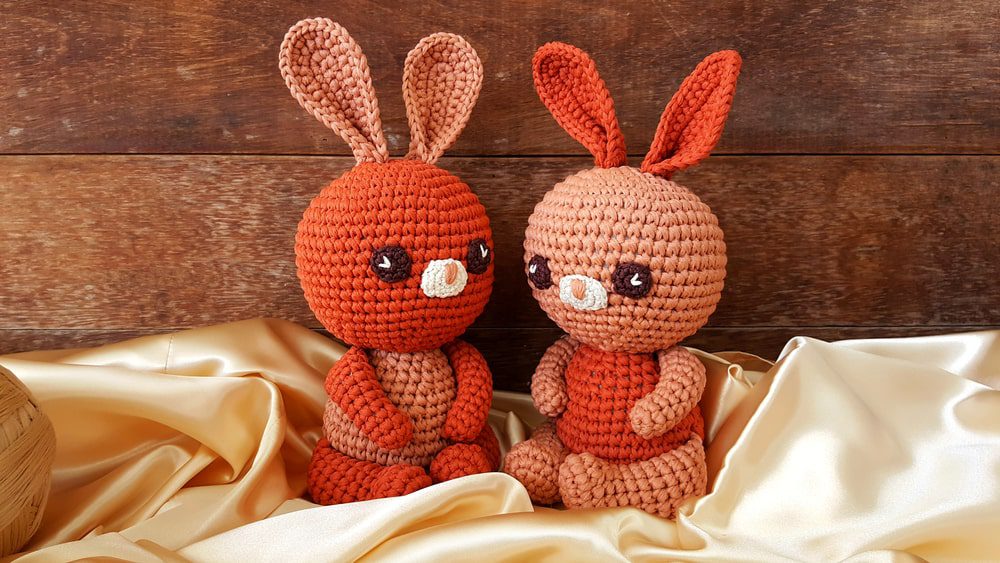
Handmade dolls, once a cherished children’s toy, are now being replaced by mass-produced, plastic toys. The trend towards electronic toys and games has also contributed to the decline of handmade dolls.
Handmade dolls are often unique and carry a personal touch. If you have handmade dolls, consider keeping them as a piece of family history or pass them on to younger family members.
13. Family Bibles

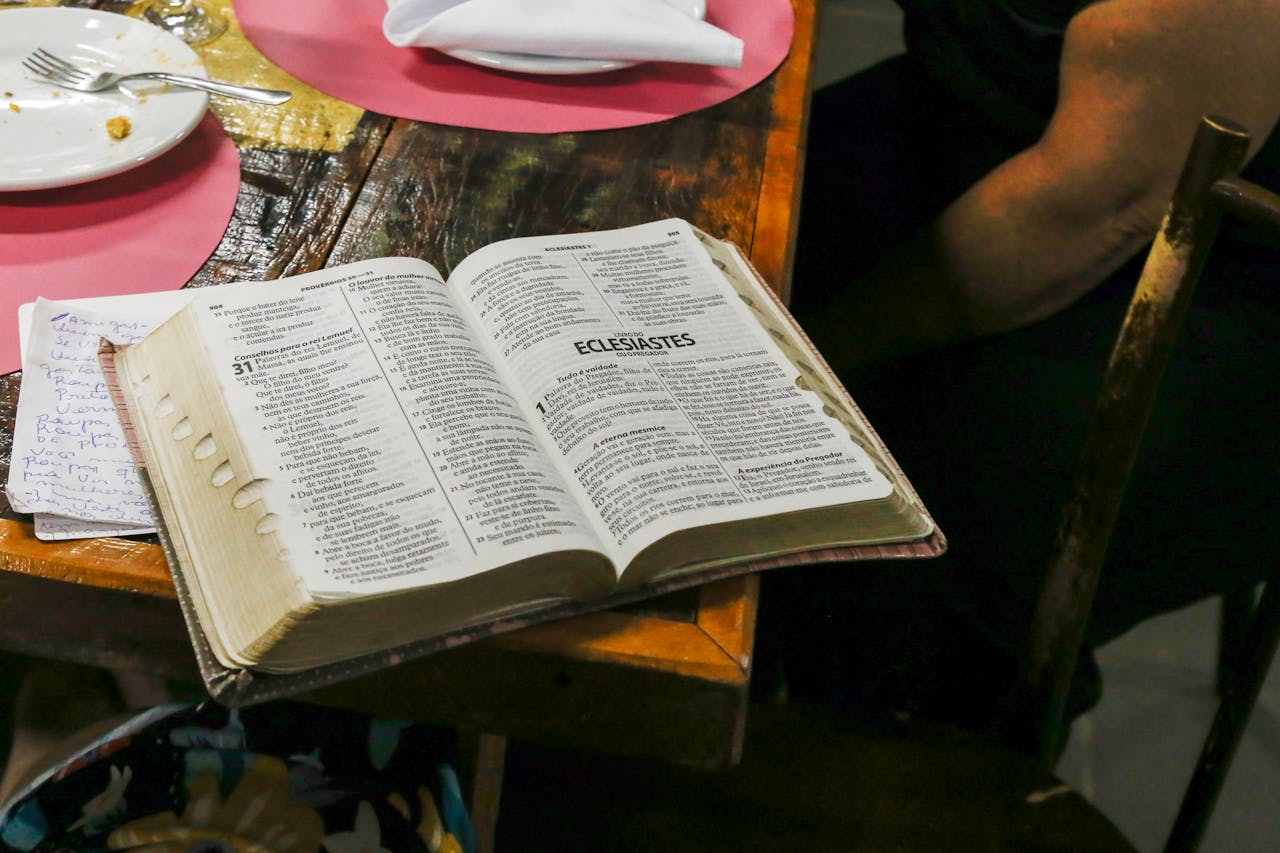
Family Bibles, once a common family heirloom, are now less prevalent due to decreasing religious affiliation and the availability of digital and printed versions.
Family Bibles often contain family records and are a piece of religious history. If you have a family Bible, consider preserving it for its historical and personal value.