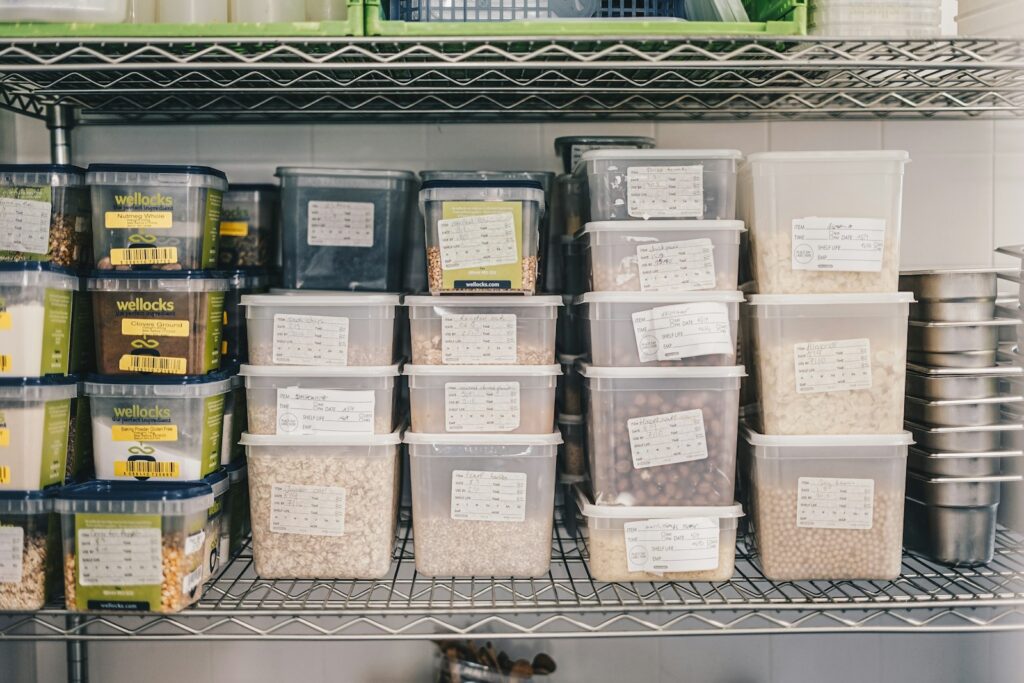
As we navigate the current economic landscape, many of us have noticed a significant increase in the price of various food items. Some of our favorites, from premium steaks to avocados, are now costing more than ever before. It’s not just the luxury foods either. Even everyday staples like spices, organic fruits, and almond milk have seen a rise. What’s causing these increases, and what can we do about it? Let’s dive in and explore the reasons behind the soaring prices of these 13 foods.
1. Premium Beef and Steaks: The Rising Costs

Premium cuts of beef and steaks have always been more expensive, but lately, their prices have skyrocketed. High feed costs, labor shortages, and increased demand have all contributed to this rise. It’s a classic case of high demand against low supply, causing prices to spike. Plus, as consumers are increasingly willing to pay more for quality, the cost of premium meats is expected to continue its upward trend.
2. Avocado Prices: An All-Time High

Avocado toast, guacamole, salads – we all love our avocados. Unfortunately, environmental factors like droughts and frost have caused a decrease in avocado production, especially in Mexico, the world’s largest avocado producer. This decrease in supply, coupled with an ever-increasing demand, has sent avocado prices to an all-time high.
3. The Pricey Reality of Organic Fruits
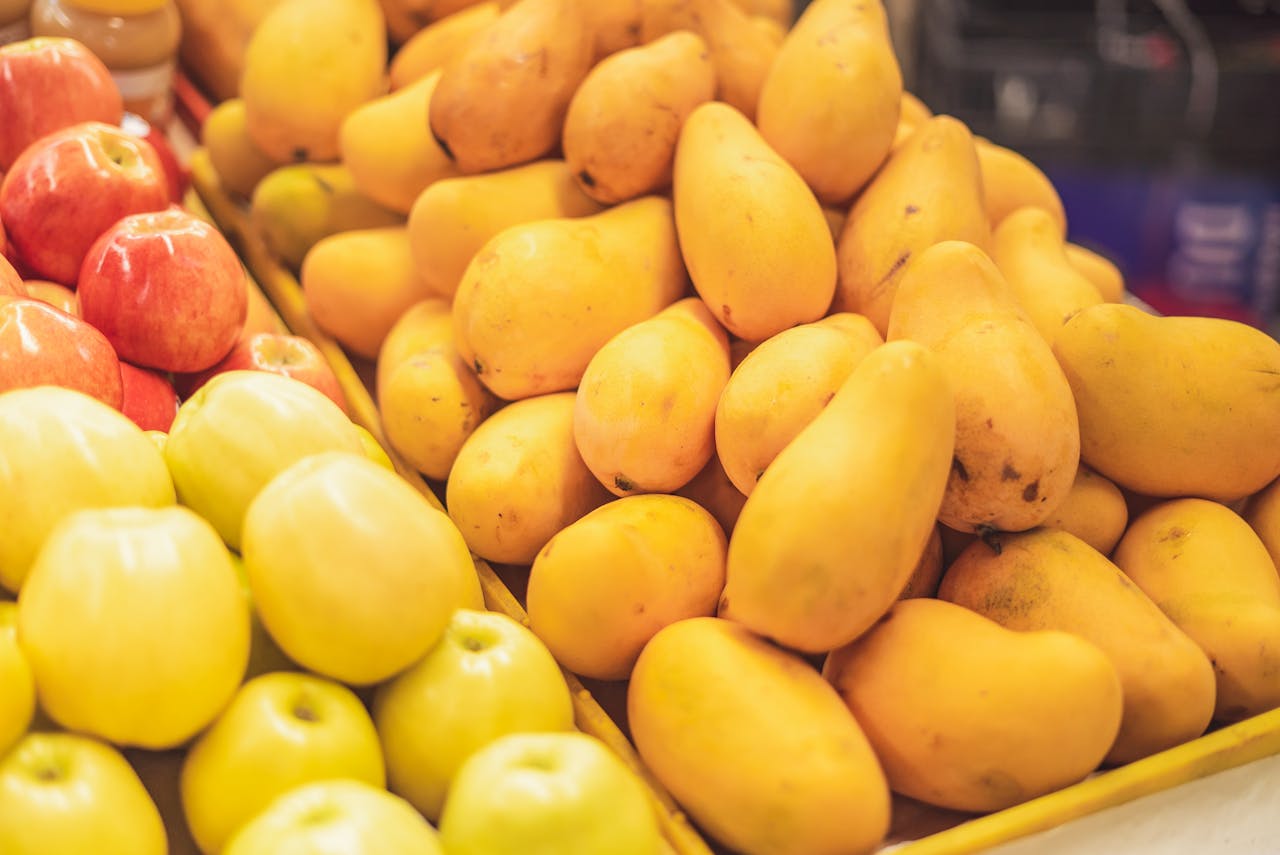
The demand for organic fruits has surged in the past few years, as consumers become more conscious about their health and the environment. However, growing organic fruits is a more labor-intensive process, and the yield is often lower than conventional farming. This, coupled with increased shipping costs, has pushed the prices of organic fruits upwards. A detailed explanation of this can be found in the book, “The Real Cost of Cheap Food”.
4. The Increasing Cost of Fresh Seafood
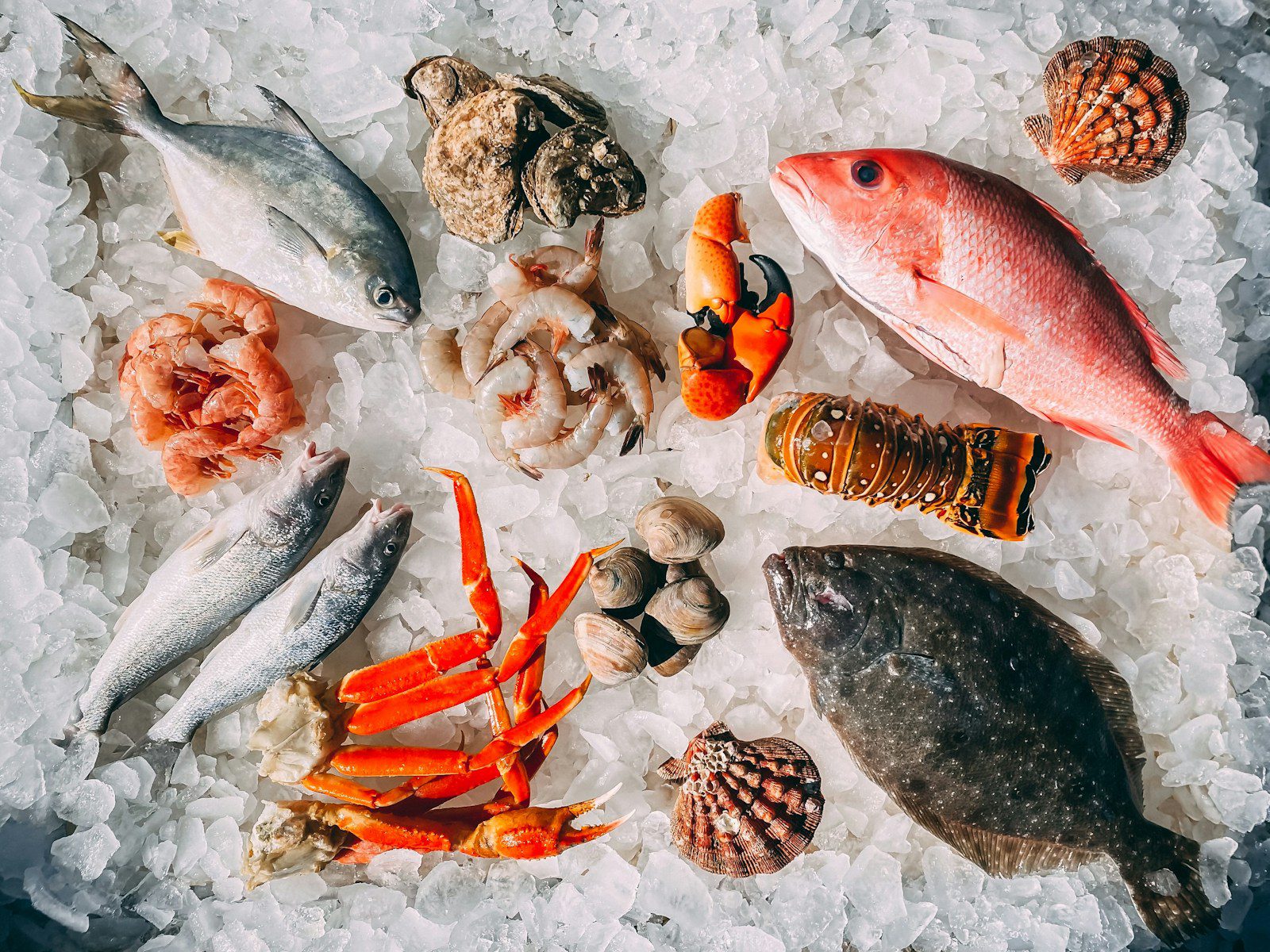
Seafood prices have always been somewhat volatile due to changing ocean conditions and overfishing. But lately, climate change, coupled with tighter regulations on fishing, has led to a decrease in supply, causing prices to increase. Additionally, the rising fuel prices have made shipping and transportation of seafood more expensive.
5. The Surging Price of Almond Milk
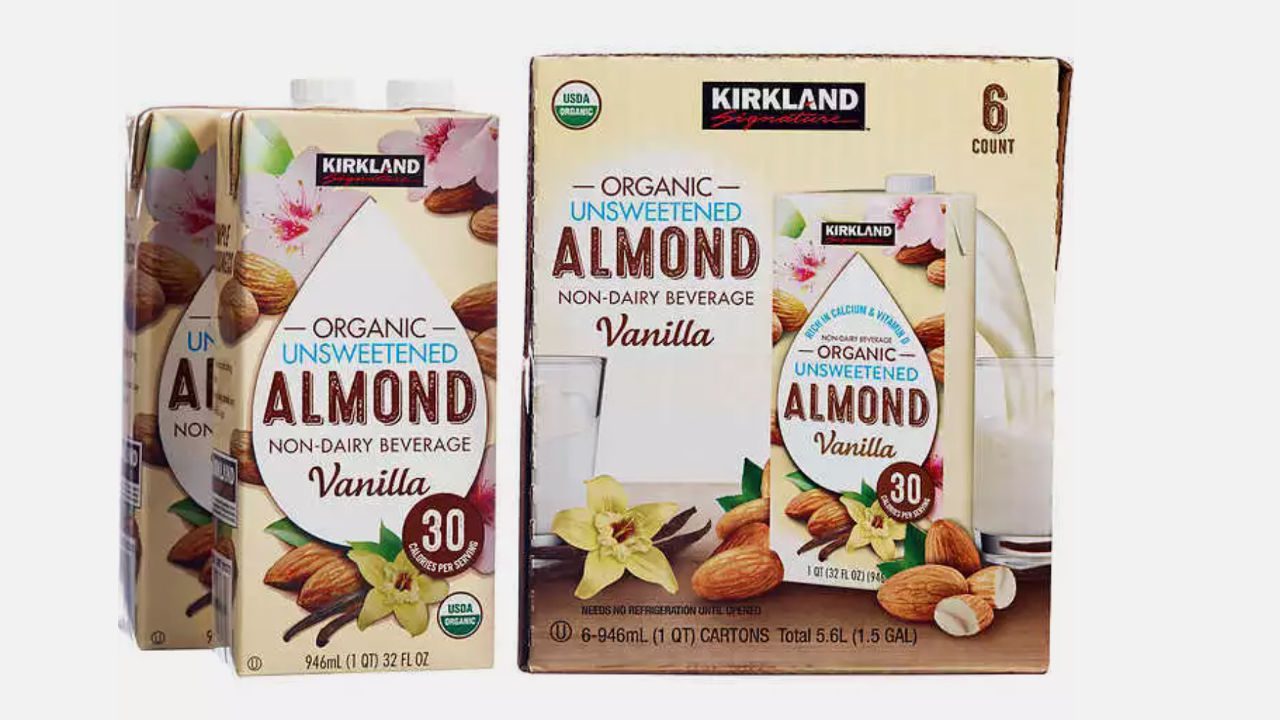
As more people switch to plant-based diets, demand for almond milk has surged. However, almonds are water-intensive crops, and drought conditions in California (a major almond producer) have affected production, leading to higher prices. A video explaining this can be found here.
6. Imported Cheese: Luxury at a Higher Cost
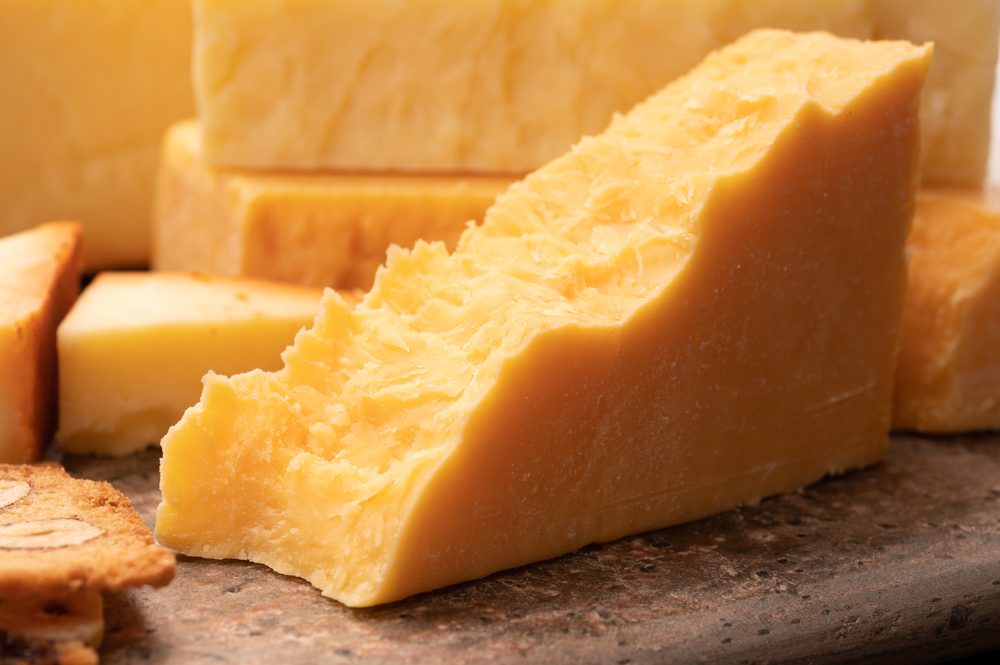
Imported cheeses have always been considered a luxury, but now they come at an even higher cost. Tariffs, shipping costs, and changes in exchange rates have all contributed to the rising prices of imported cheeses. So, if you’re a fan of Camembert, Roquefort, or Gouda, you might have noticed the pinch.
7. The Skyrocketing Price of Maple Syrup

Climate change has directly affected the production of maple syrup. Warmer winters mean shorter sugaring seasons, leading to lower production and higher prices. Plus, the global demand for this sweet treat has been growing, pushing prices even higher.
8. The Exorbitant Costs of Wild Berries

Wild berries are a delicacy and are often used in gourmet cooking. However, they’re hard to cultivate and are mostly gathered from the wild. This labor-intensive process, coupled with the fact that they’re highly seasonal, has led to an increase in their prices.
9. Specialty Coffee: A Pricey Morning Routine

For many of us, starting the day without a cup of coffee is unthinkable. However, the cost of specialty coffee has been rising due to higher labor costs, global warming, and an increase in demand. In fact, MSN predicts that coffee is set to become a luxury item by 2025.
10. The Rising Cost of Spices and Herbs

Spices and herbs add flavor to our food, but their prices have been increasing. Unpredictable weather conditions, labor shortages, and transportation costs have all contributed to this rise. Plus, as global cuisines become more popular, the demand for various spices and herbs has increased, pushing prices up further.
11. The Inflating Price of Gourmet Chocolates
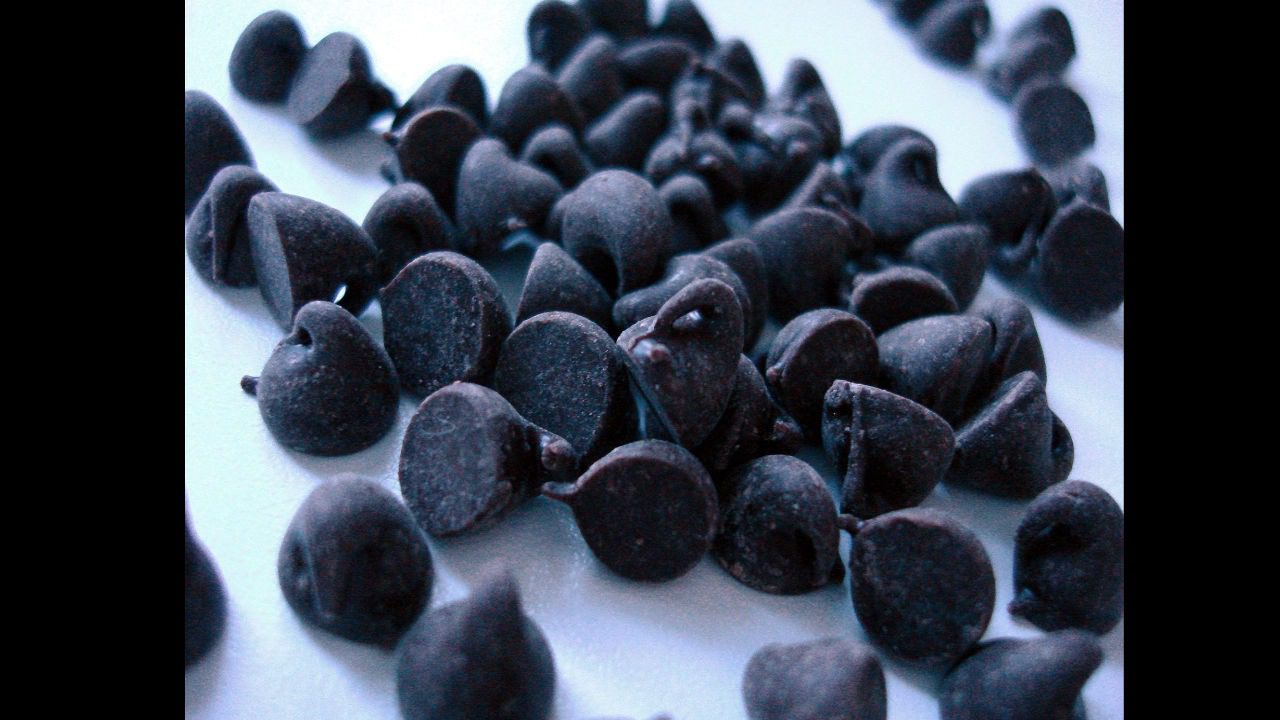
Gourmet chocolates are a luxury many of us love to indulge in. However, the cost of cocoa, the main ingredient in chocolates, has been rising due to climate change and labor issues in cocoa-producing countries. This, along with higher shipping costs, has led to an increase in the price of gourmet chocolates.
12. The Jump in Quinoa Prices

Quinoa, a superfood known for its health benefits, has seen a significant price increase. This is mainly because of its growing popularity, especially among health-conscious consumers. However, quinoa is primarily grown in South America, and the cost of importing it has increased, contributing to the price rise.
13. The Unprecedented Rise in Olive Oil Prices

Olive oil, a staple in Mediterranean cuisine, is now costlier than ever. Unpredictable weather conditions in olive-producing regions, coupled with an increase in global demand, have led to an unprecedented rise in olive oil prices. As a result, many are turning to cheaper alternatives, as discussed in this Daily Meal article.
In conclusion, there are various reasons why the cost of these foods has increased. Some factors, like climate change and global demand, are beyond our control. However, being aware of the reasons behind these price hikes can help us make informed choices and perhaps even lead us to discover new, more affordable alternatives.