


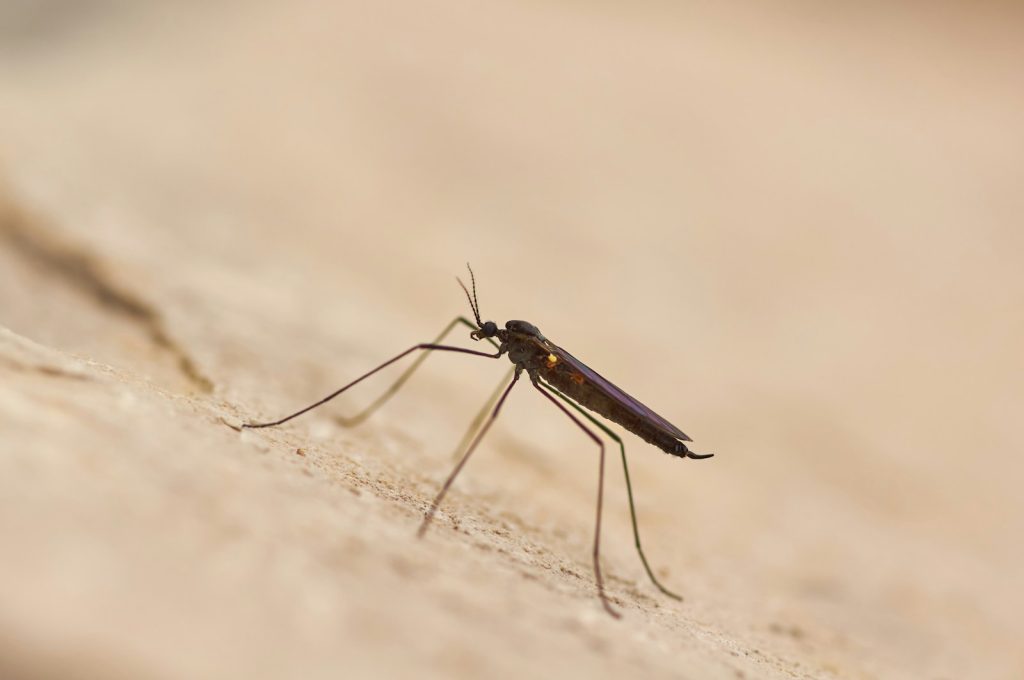
We all love spending time in our gardens, but nothing can ruin a peaceful afternoon faster than a swarm of pesky mosquitoes. Not only are these insects annoying, but they can also be harmful, carrying diseases like Zika and West Nile Virus.
But did you know that you can keep mosquitoes at bay naturally, without the need for harmful chemicals? By choosing the right plants for your garden, you can enjoy your outdoor space without the unwelcome company of mosquitoes.
Here are thirteen plants that repel mosquitoes naturally, allowing you to reclaim your garden and enjoy the great outdoors in peace.
Citronella: The Mosquito Repelling Champion

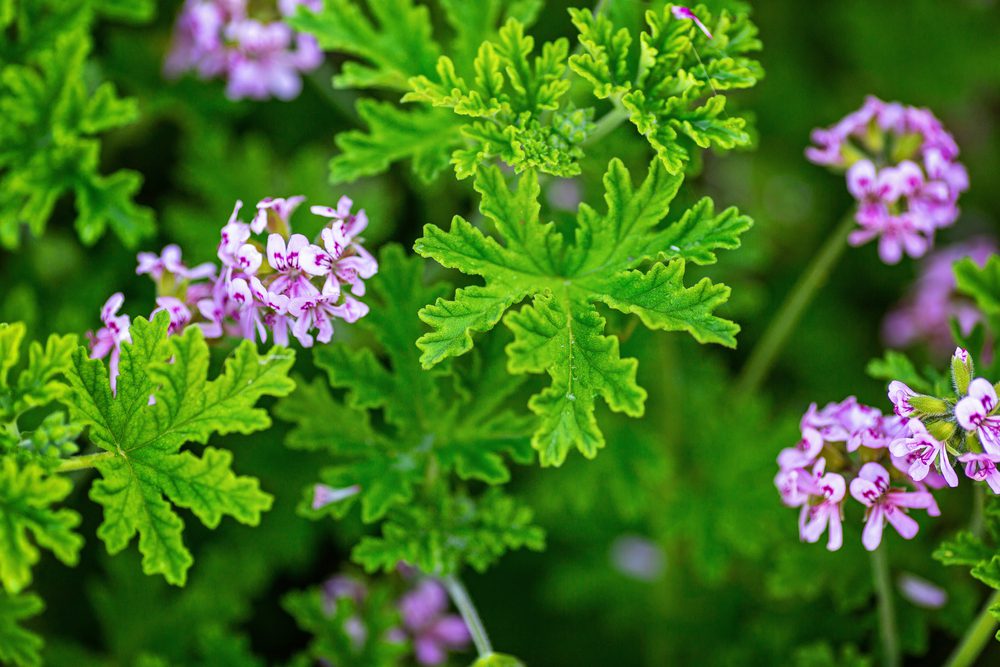
When it comes to repelling mosquitoes, the undisputed champion is the Citronella. This plant is the main ingredient in many commercial bug sprays and candles. It’s a fast-growing grass that emits a strong aroma that masks other scents, and mosquitoes dislike it. You can grow it in pots and place them around your patio or other areas where you spend a lot of time outdoors.
However, the plant alone is not enough to repel mosquitoes. You need to crush the leaves to release the essential oils. You can rub these oils on your skin or use them in a homemade bug spray. Check out some tips on how to grow and use Citronella from The Spruce.
Lemongrass: A Natural Mosquito Repellent with a Lovely Scent

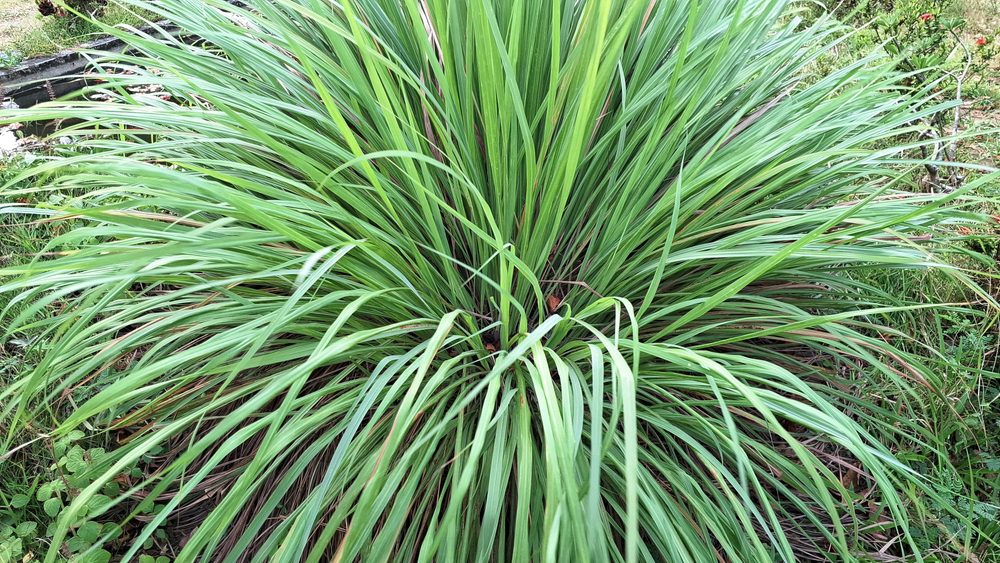
Lemongrass is a fantastic natural mosquito repellent, and it also happens to have a delightful, lemony scent. Like Citronella, Lemongrass contains high levels of citral, a compound mosquitoes find unpleasant. Lemongrass thrives in full sun and well-drained soil. It’s a tropical plant, so if you live in a colder climate, consider growing it in a pot that you can bring indoors during the winter.
Aside from repelling mosquitoes, Lemongrass is also known for its culinary uses. You can use it to add a zesty flavor to your dishes. But remember, the plant’s mosquito-repelling properties are most effective when the leaves are crushed or burned to release their essential oils.
Marigolds: Adding Color and Insect Protection to Your Garden
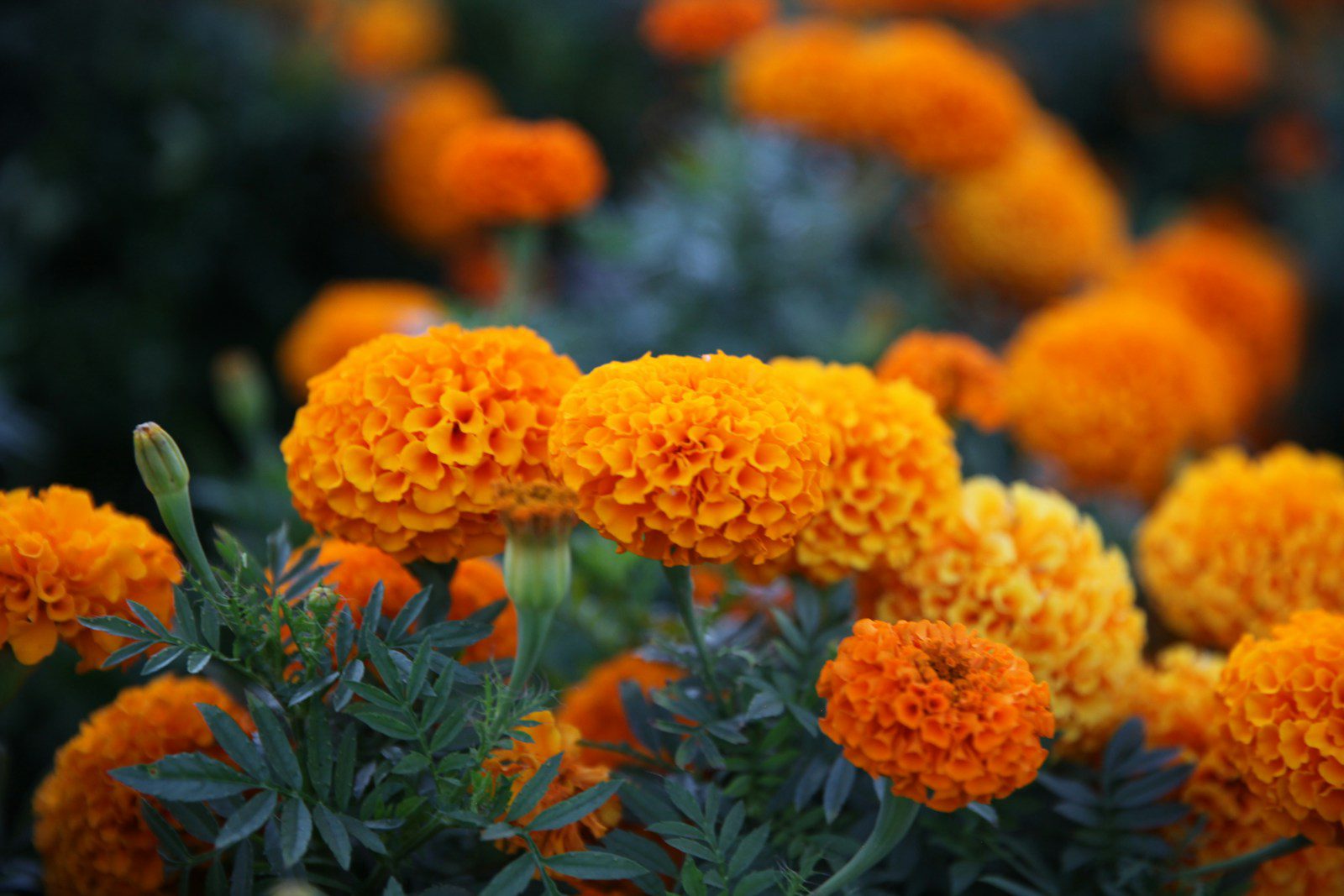
Marigolds are not only beautiful, but they also have a distinct smell that mosquitoes don’t like. These plants contain Pyrethrum, a compound used in many insect repellents. They are easy to grow and can be planted in pots, garden beds, or along the borders of your yard to deter mosquitoes.
Marigolds are also beneficial to your garden’s health as they repel other pests like aphids and tomato hornworms. They are a great addition to any garden, providing both beauty and protection. Check out more about Marigolds and other natural mosquito deterrents at Great Goats Landscaping.
Lavender: A Beautiful Mosquito Deterrent

Who doesn’t love the sweet, calming scent of lavender? Well, mosquitoes, for one. Lavender has been used for centuries to repel mosquitoes, moths, and other insects. The plant’s essential oils can be applied to the skin or used in a spray to keep mosquitoes at bay. Plus, it’s a beautiful addition to any garden and can be used in a variety of culinary and medicinal applications.
Lavender is a hardy plant that prefers full sun and good drainage. It’s drought-resistant, making it a great choice for gardeners in drier climates. And besides repelling mosquitoes, planting lavender in your garden can also attract pollinators like bees and butterflies, promoting a healthier garden ecosystem.
Catnip: Not Just for Cats, But Mosquitoes Hate It
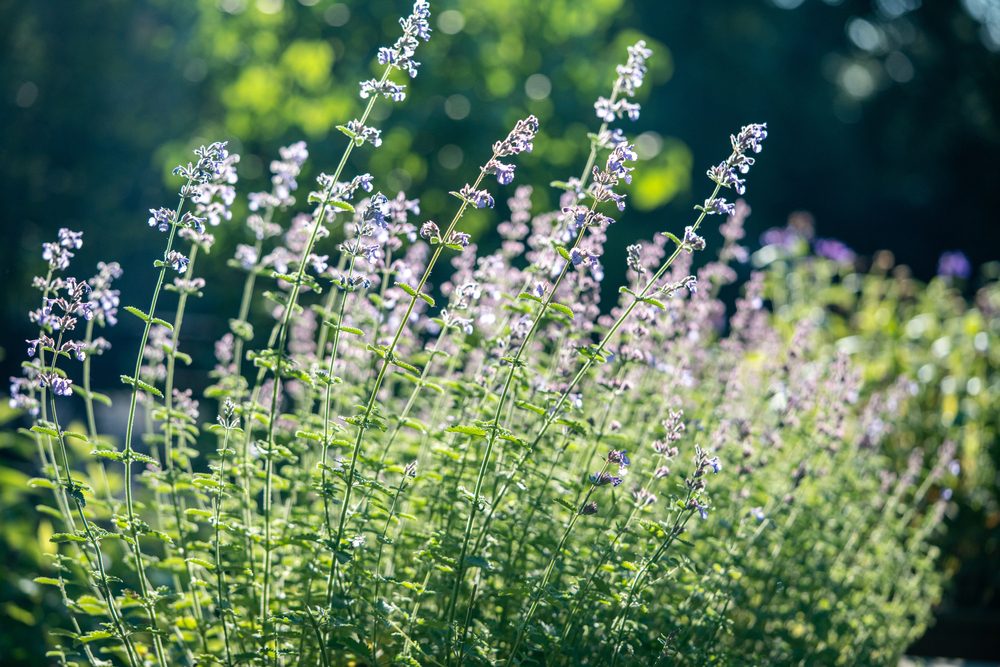
It turns out that the same plant that drives cats wild is also a powerful mosquito deterrent. In fact, a study published in the PLOS ONE journal found that catnip is up to ten times more effective at repelling mosquitoes than DEET, the main ingredient in most commercial insect repellents. Catnip is easy to grow and does well in a variety of climates.
However, if you have outdoor cats, be prepared for them to be drawn to your garden. They might roll around in the plants, potentially damaging them. But if you don’t mind the occasional feline visitor, catnip can be an effective and natural way to keep mosquitoes at bay.
Basil: Cooking Herb That Doubles as Mosquito Repellent
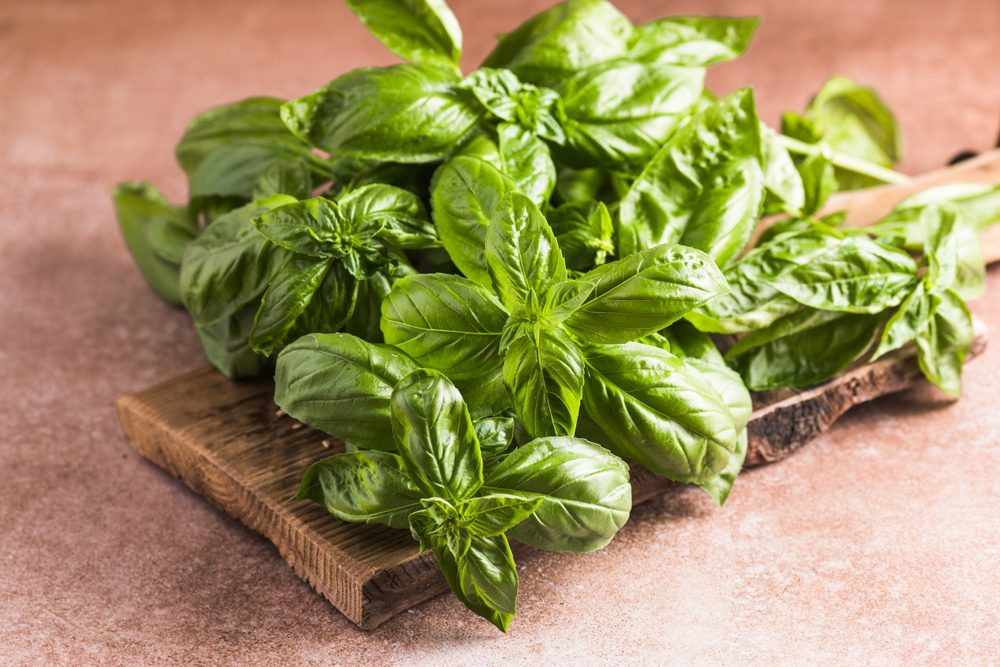
Basil isn’t just a fantastic herb for cooking; it’s also a natural mosquito repellent. The strong scent of basil leaves can keep mosquitoes away. Plus, you can use the herb to add flavor to your meals. It’s a win-win!
Basil is easy to grow and does well in a variety of conditions, although it prefers warm weather and plenty of sunlight. It’s also a great plant for container gardening, so you can keep a pot near your kitchen door or on your patio for easy access and added mosquito protection.
Peppermint: An Effective Natural Insecticide

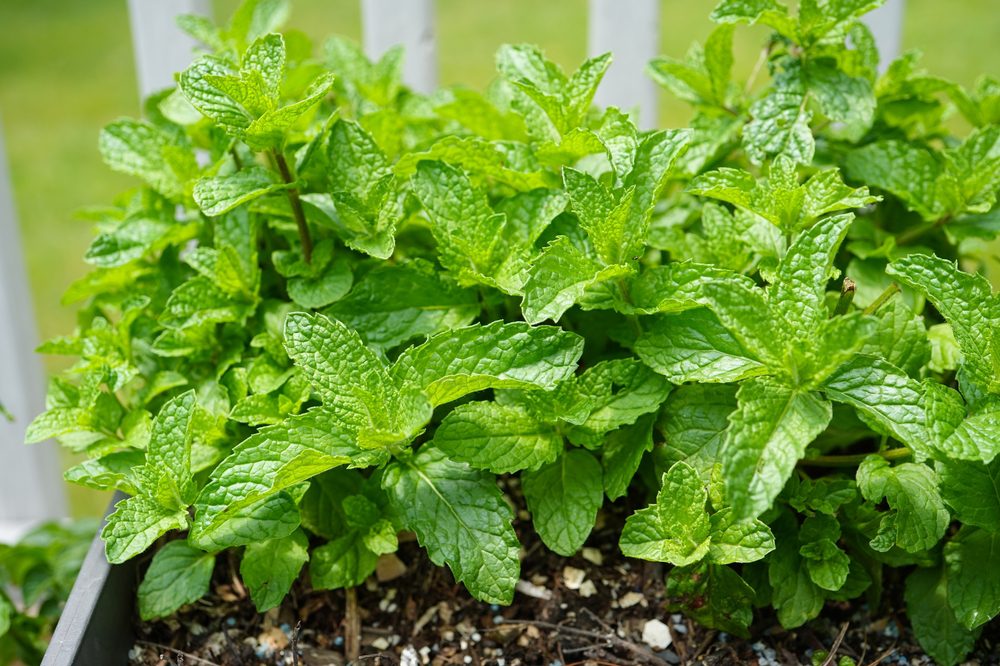
Peppermint is known for its strong, crisp scent, which mosquitoes find unappealing. But this plant doesn’t just repel mosquitoes; it can also kill mosquito larvae. So, if you have a pond or another area of standing water where mosquitoes might breed, consider planting some peppermint nearby.
Remember, though, that peppermint is a vigorous grower and can take over your garden if not kept in check. Consider planting it in pots or in areas where it can spread without becoming invasive. And, of course, you can also use peppermint in a variety of culinary and medicinal applications.
Rosemary: An Herb That Keeps Mosquitoes Away
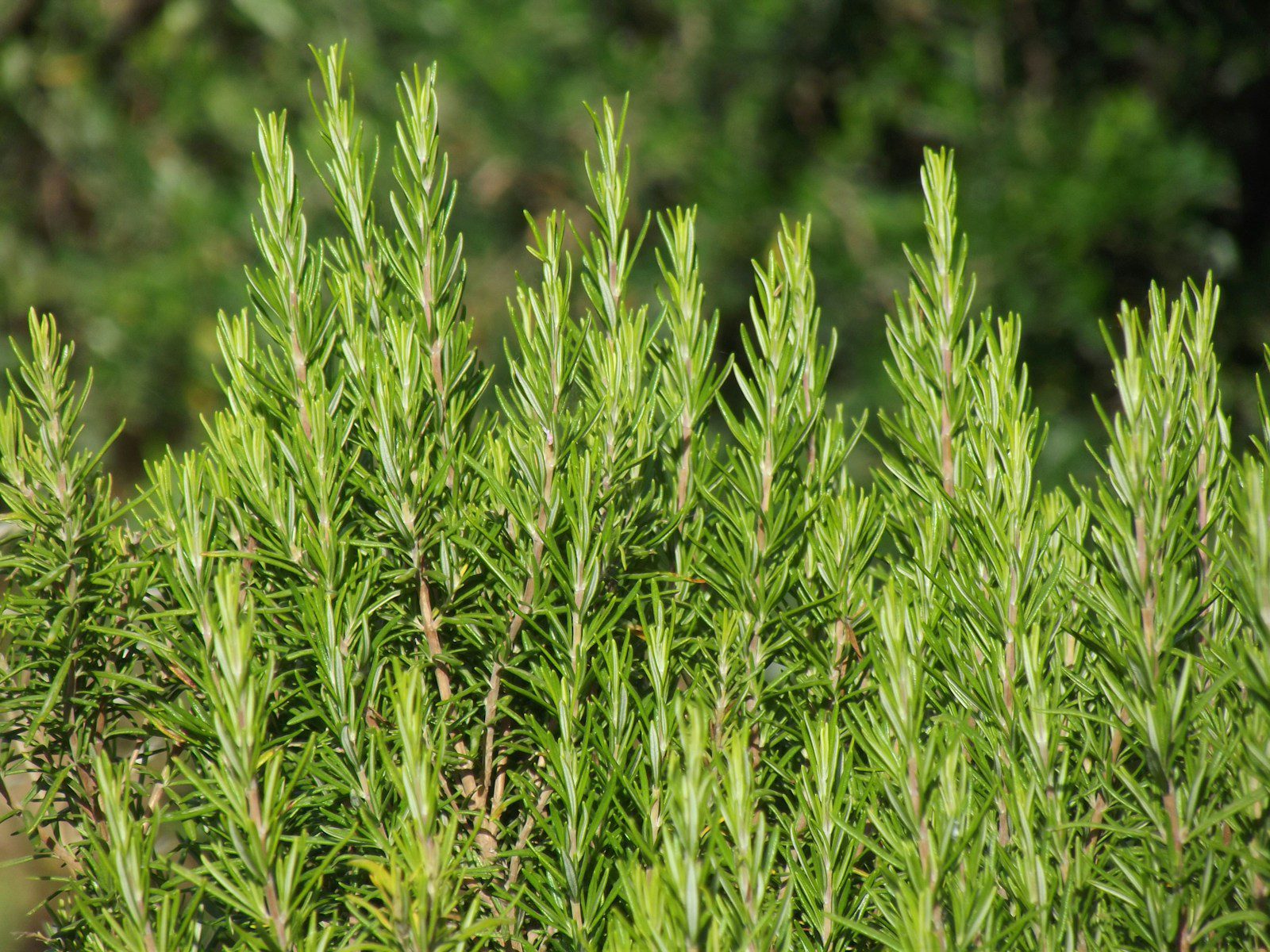
Rosemary is another herb that does double duty. It’s not only a beloved ingredient in many recipes but also an effective natural mosquito repellent. This hardy plant has a strong scent that mosquitoes don’t like, and it’s easy to grow in a variety of conditions.
Burn rosemary in your outdoor fireplace or fire pit to release its aromatic oils and keep mosquitoes away. Or plant it in pots and place them around your patio or other outdoor areas. Plus, having fresh rosemary on hand is always a good idea for any home cook.
Geraniums: A Gorgeous Mosquito Repelling Plant

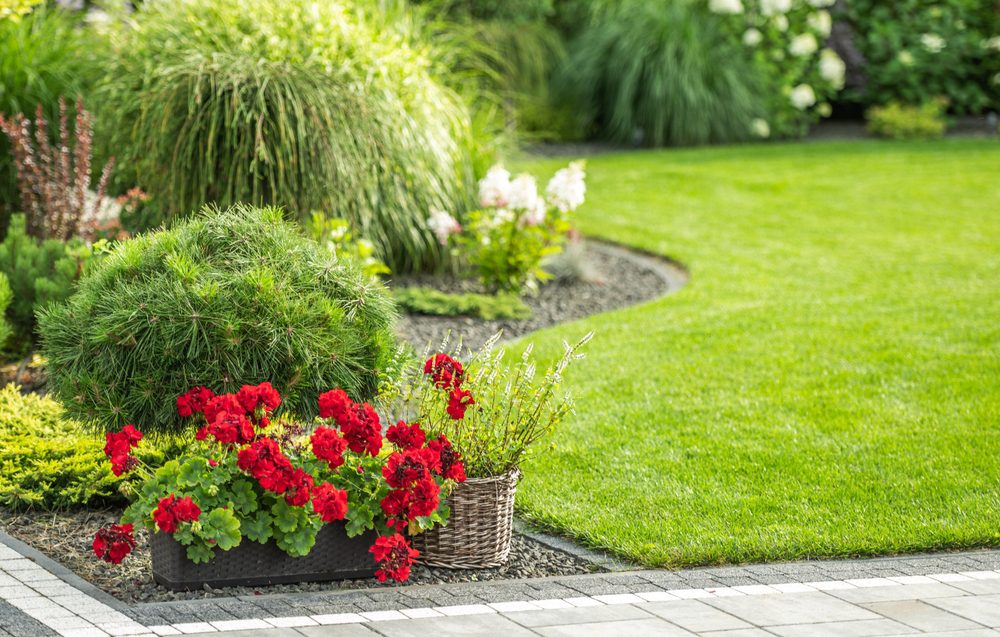
Geraniums are a popular plant for many gardeners, and for a good reason. They’re beautiful, they’re easy to care for, and they have a lovely, lemony scent. But did you know that they can also repel mosquitoes? The mosquito-repelling variety is the Lemon Scented Geranium, which contains citronella.
These plants prefer sunny and dry climates, but if you live in a cooler area, you can grow them in pots and bring them indoors during the winter months. Geraniums are a great way to add color to your garden while also keeping it mosquito-free.
Garlic: A Powerful Natural Mosquito Deterrent
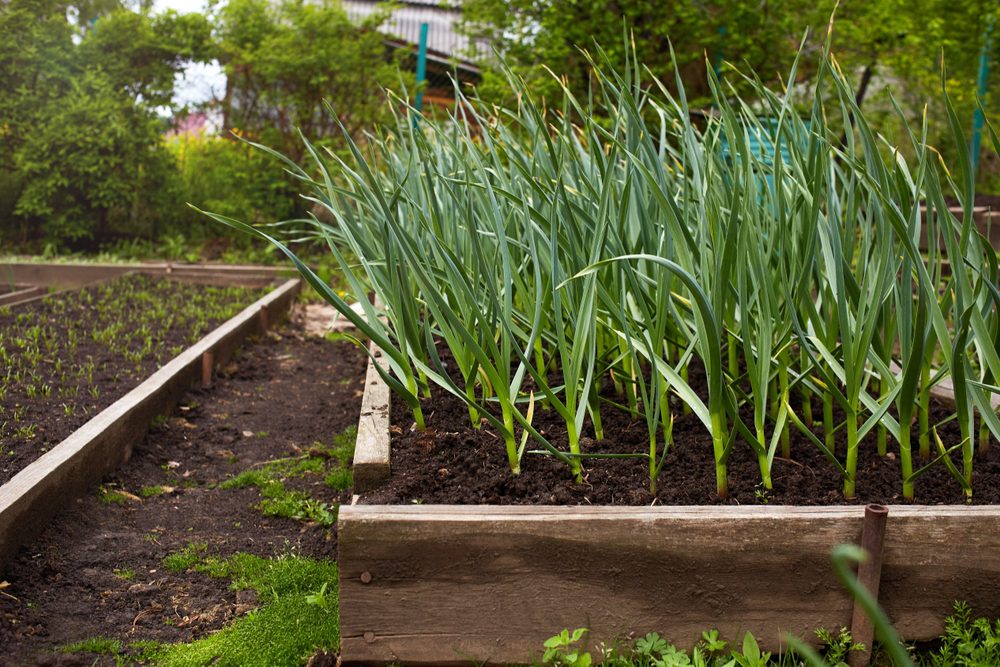
Garlic is well-known for its health benefits, but it’s also a powerful natural mosquito repellent. When garlic plants mature and begin to bloom, they release a strong aroma that mosquitoes find unappealing. So, by planting garlic in your garden, you can enjoy both its culinary benefits and its mosquito-repelling properties.
Garlic is easy to grow and does well in a variety of soil types. It prefers full sun but can tolerate some shade. So, if you love garlic and hate mosquitoes, this is the perfect plant for your garden.
Pennyroyal: An Old-Fashioned Mosquito Repelling Solution
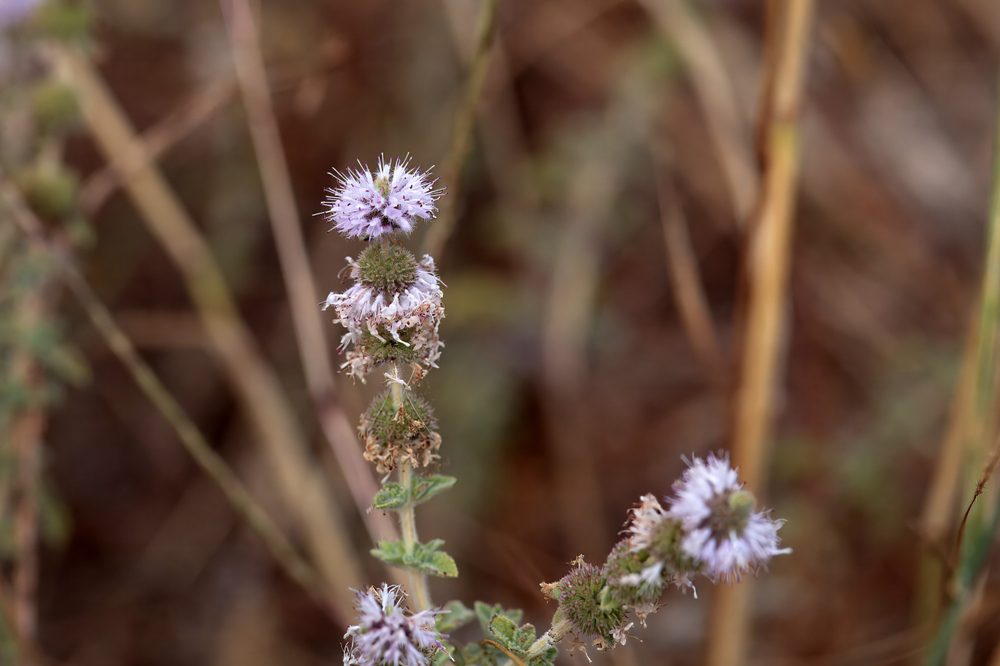
Pennyroyal is an old-fashioned mosquito repelling solution that’s been used for centuries. This plant, a member of the mint family, has a strong scent that mosquitoes don’t like. It’s a great ground cover and can also be used in pots.
However, be aware that pennyroyal can be toxic if ingested by pets or humans, so it’s best used in areas where children and pets won’t be tempted to eat it. Despite this, pennyroyal remains a popular choice for natural mosquito control. Learn more about Pennyroyal and other bug-repelling plants from Southern Living.
Balancing beauty and function in your garden doesn’t have to be difficult. By choosing plants that repel mosquitoes, you can enjoy your outdoor space without the use of harmful chemicals. Plus, many of these plants are not only effective at keeping mosquitoes at bay, but they’re also beautiful and offer other benefits, like being useful in the kitchen or attracting pollinators. So, why not give some of them a try? Your skin—and the environment—will thank you.
Before you go — if this inspired you, check out these readers-loved favorites: