Gardening traditions passed down from grandmas have stood the test of time because they focus on simple, natural methods that really work. You might find that some of these age-old practices can make your garden healthier and more productive with less effort.
These garden traditions still matter today because they help you grow strong plants using practical, proven techniques. By reconnecting with these familiar habits, you can enjoy a more rewarding gardening experience that honors both nature and wisdom from the past.
Plant with a clear plan before the season starts
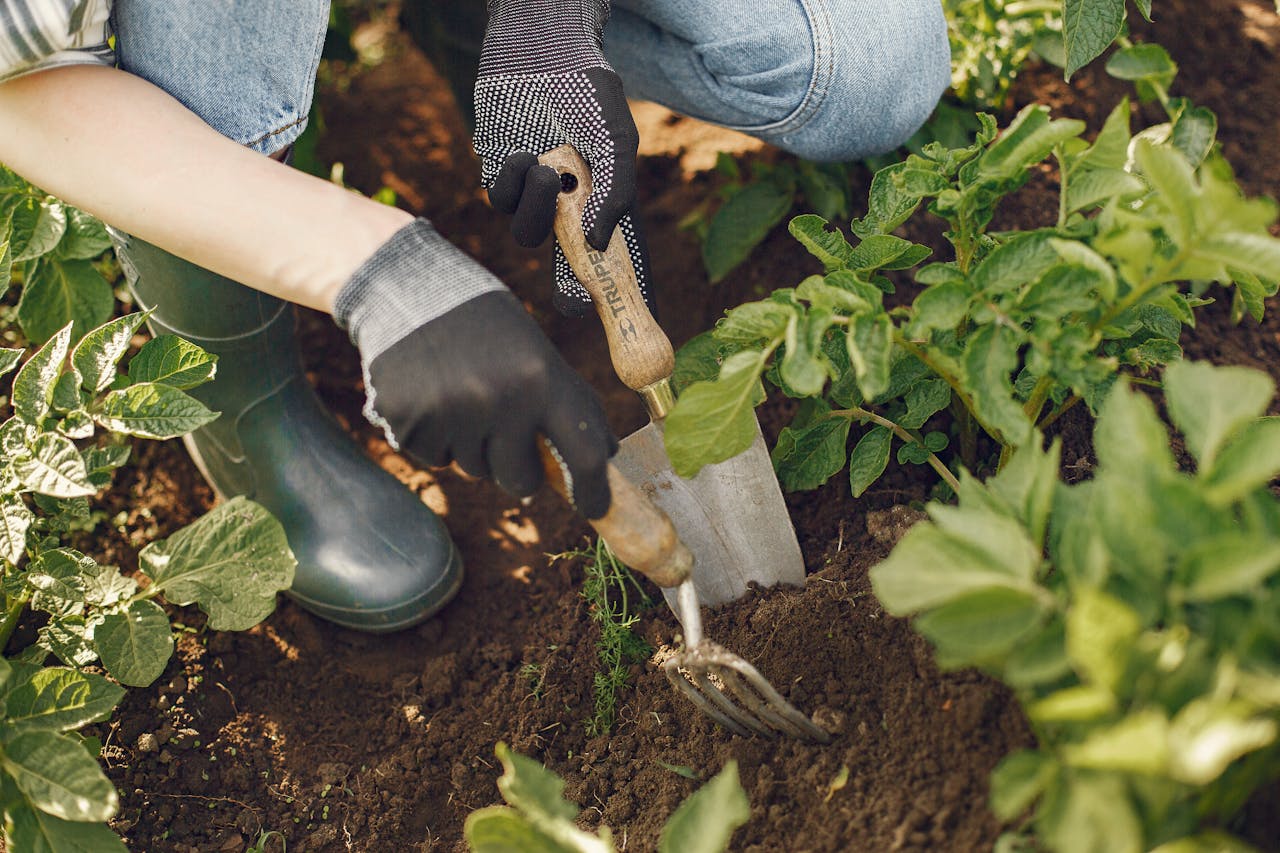
You’ll get the best results when you map out your garden ahead of time. Decide what you want to grow and where each plant will go before the first seed hits the soil.
This helps you avoid crowded plants and ensures everything has enough sunlight and space.
A clear plan also makes planting day less stressful and more enjoyable. Following this simple tradition can keep your garden thriving year after year.
Be precise with spacing for healthier plants

You’ll want to give each plant enough room to grow. Crowding can cause competition for water, light, and nutrients. Proper spacing helps air circulate better around your plants. This reduces the chance of disease and keeps leaves dry.
Follow seed packet instructions or Grandma’s advice on spacing. This simple step can make a big difference in your garden’s health.
Use hand tools like a small hoe for weeding
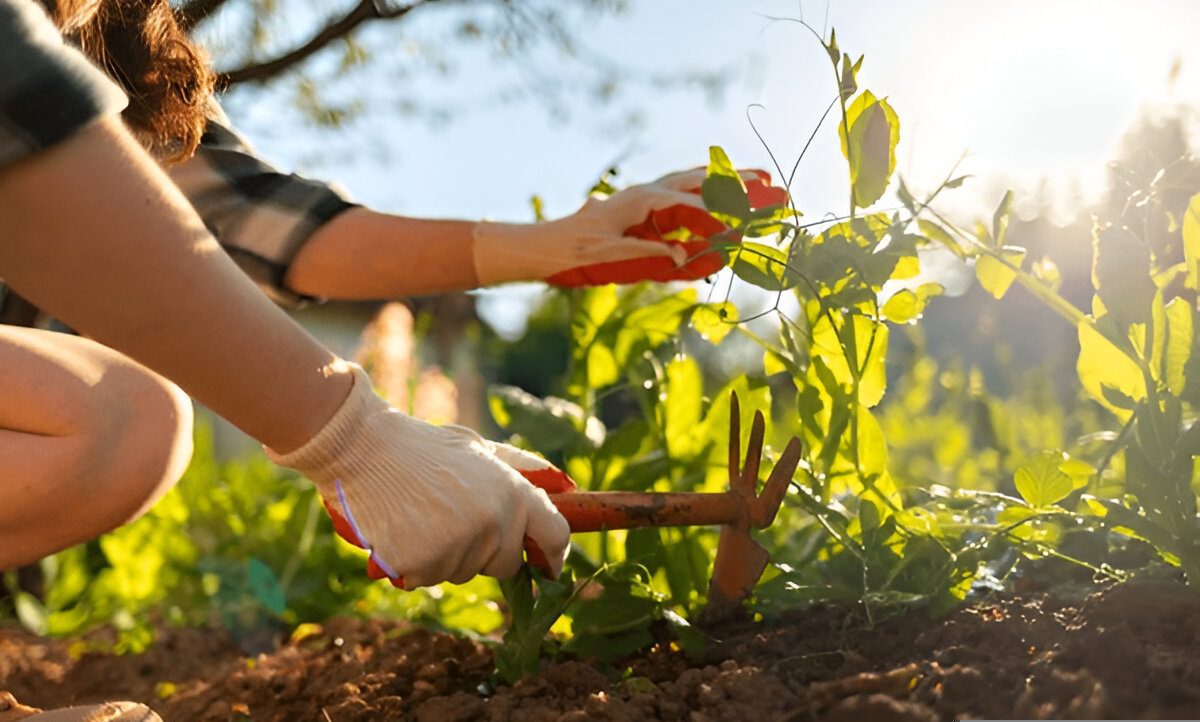
You’ll find a small hand hoe is perfect for removing weeds without disturbing your plants. It helps you easily pull up unwanted growth while loosening soil around your garden beds.
This tool can save you time compared to pulling weeds by hand. A hoe lets you work more comfortably and keep your garden tidy. Choosing a cultivator hoe with dual heads lets you switch between chopping roots and raking soil.
Plant sun-loving vegetables like tomatoes and pole beans
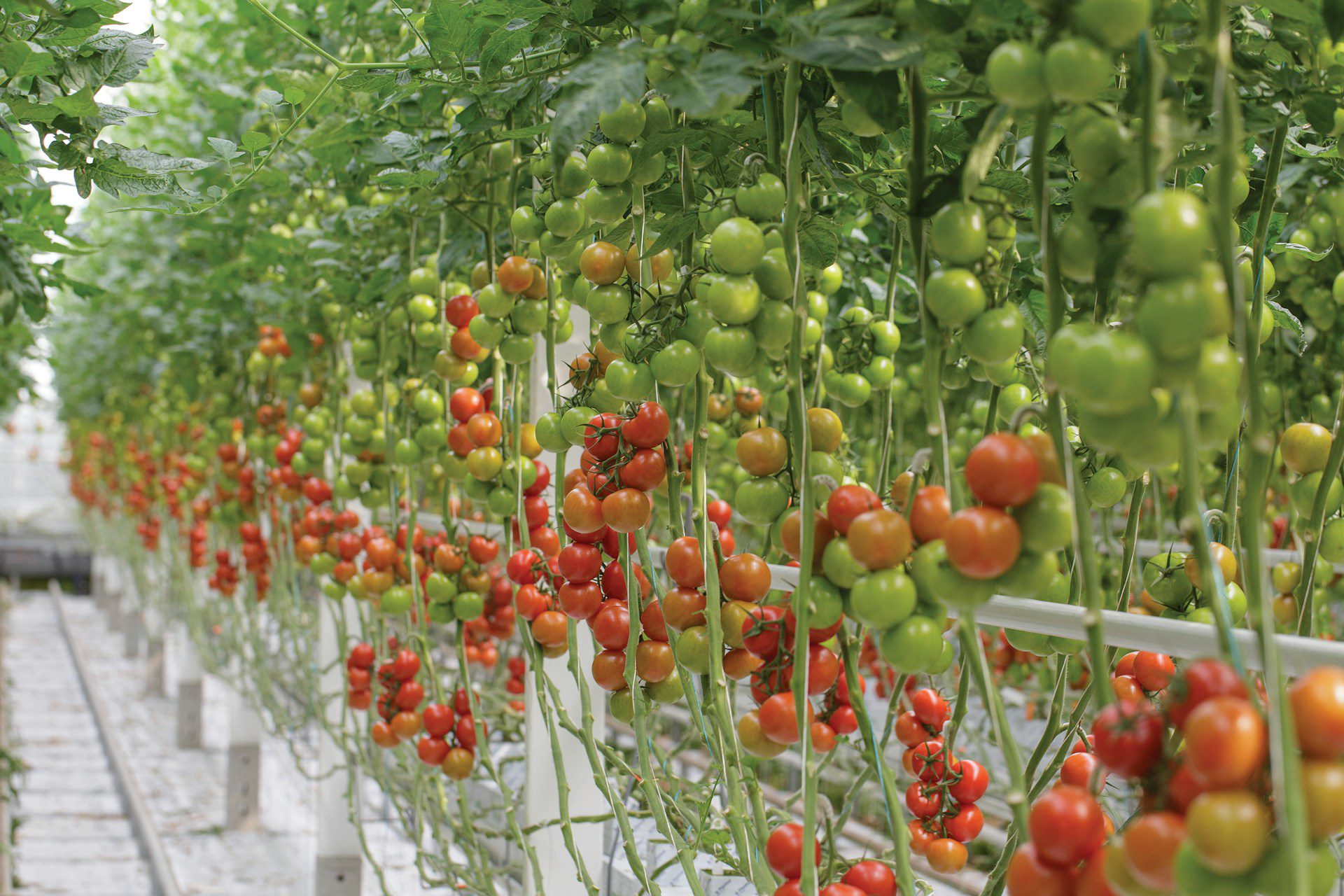
You’ll want to choose vegetables that thrive in full sun, like tomatoes and pole beans. These plants need at least six to eight hours of direct sunlight every day to grow well and produce fruit.
Make sure you plant them where they won’t be shaded by taller plants. This classic advice from grandma still holds true for a healthy, productive garden.
Create a dedicated patch for root crops
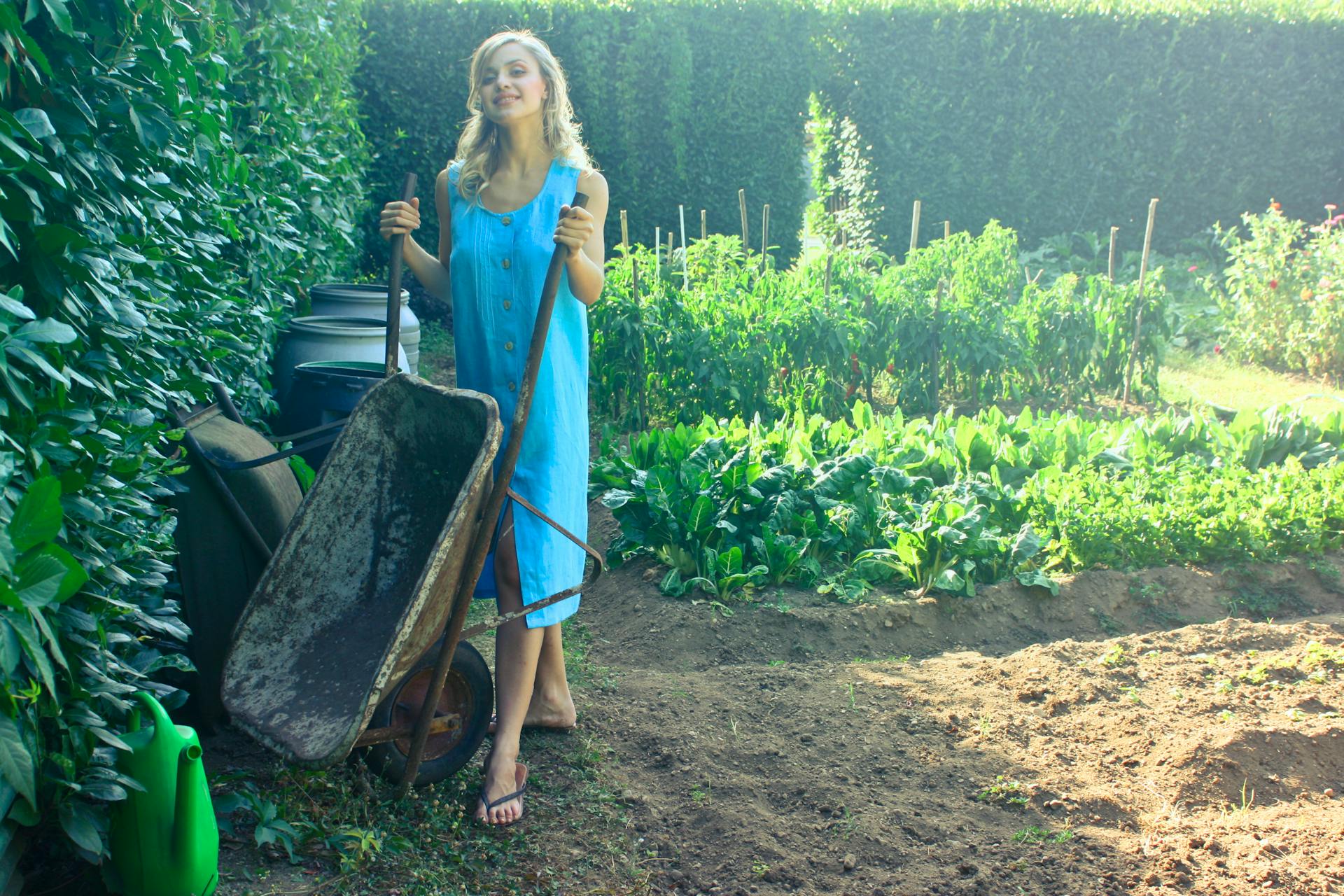
You’ll get better results by setting aside a special area just for root vegetables like carrots, beets, and radishes. Root crops need loose, well-drained soil to grow straight and healthy.
Make sure the soil is free of stones and clumps, so your roots won’t get twisted or stunted. This simple step helps your garden stay productive year after year.
Rotate crops yearly to maintain soil health

Rotating your crops each year helps keep your soil healthy and productive. By planting different types of vegetables in different spots, you avoid using up the same nutrients repeatedly.
This practice also reduces pests and diseases specific to certain plants. Changing plant families every season gives your soil a chance to recover.
Harvest regularly to encourage growth
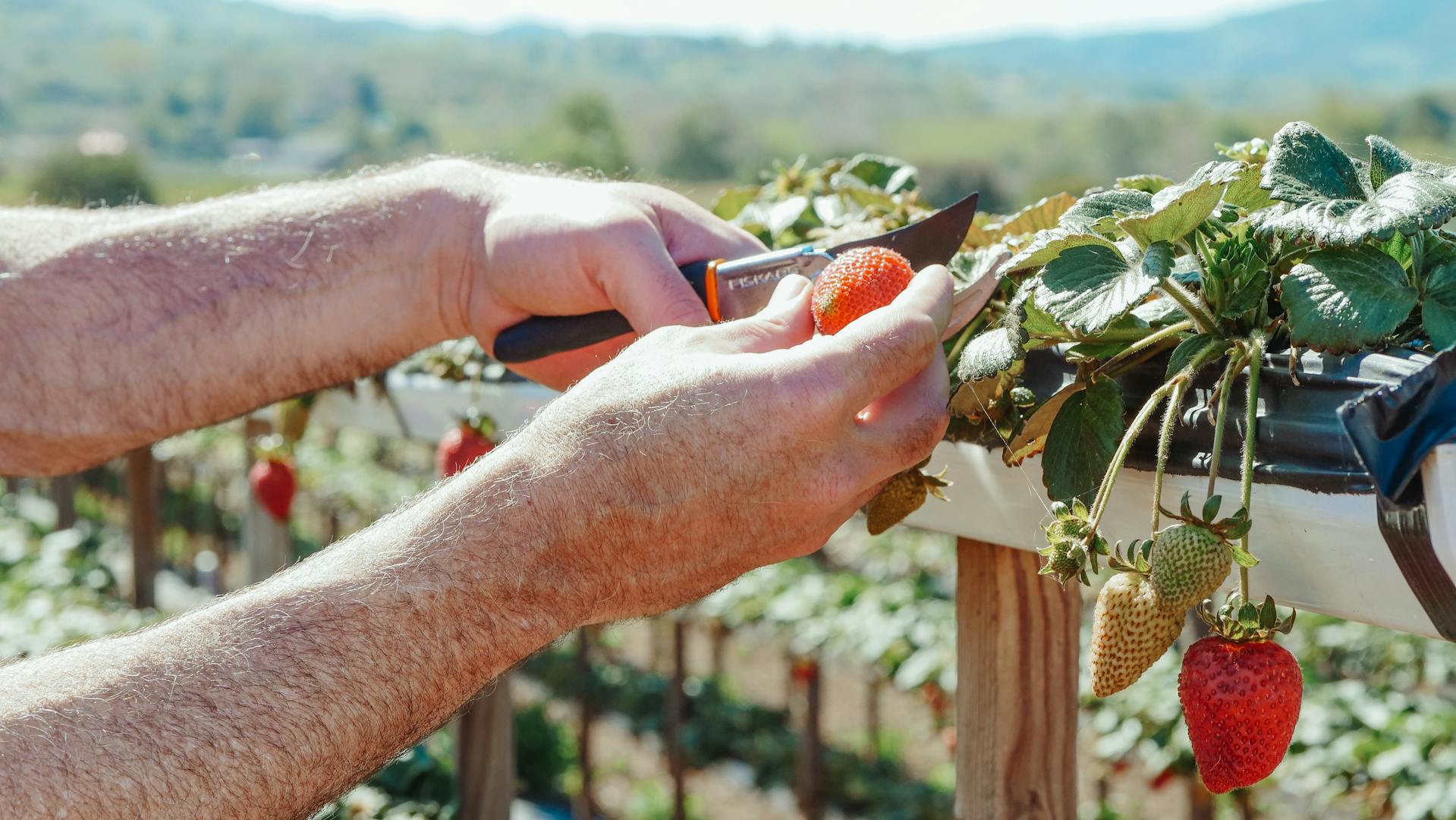
When you pick your vegetables and fruits often, you help the plants keep producing. Regular harvesting prevents overripe produce from slowing down new growth.
If you let crops stay too long on the plant, they may stop giving you more. By harvesting frequently, you also reduce the risk of pests and diseases.
Make it a habit to check your garden every few days. This small effort can lead to a more productive and brighter garden season.
Preserve surplus produce through canning or drying
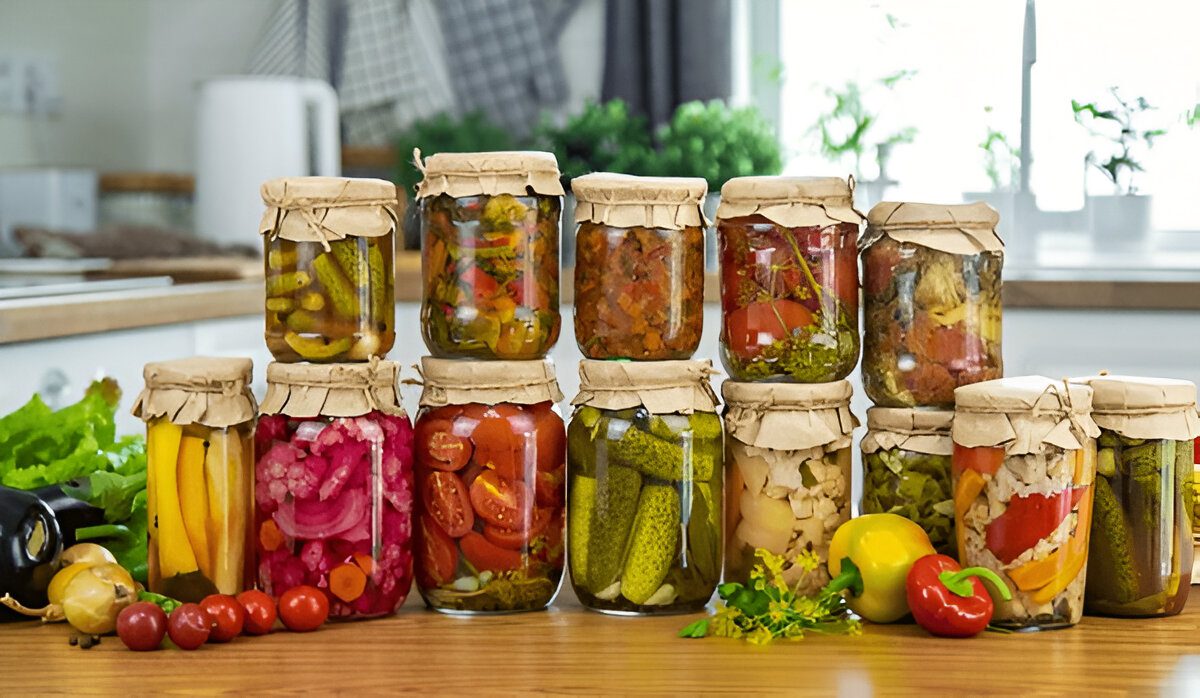
When you have extra fruits or vegetables, canning is a reliable way to keep them fresh and ready to use later. It seals your produce in jars, preventing spoilage.
Drying is another great option. You can sun dry or use a dehydrator to remove moisture, which helps your food last longer without refrigeration.
Both methods have been trusted for generations. Learning these simple techniques lets you enjoy your garden’s bounty year-round.
Water early in the morning to reduce evaporation
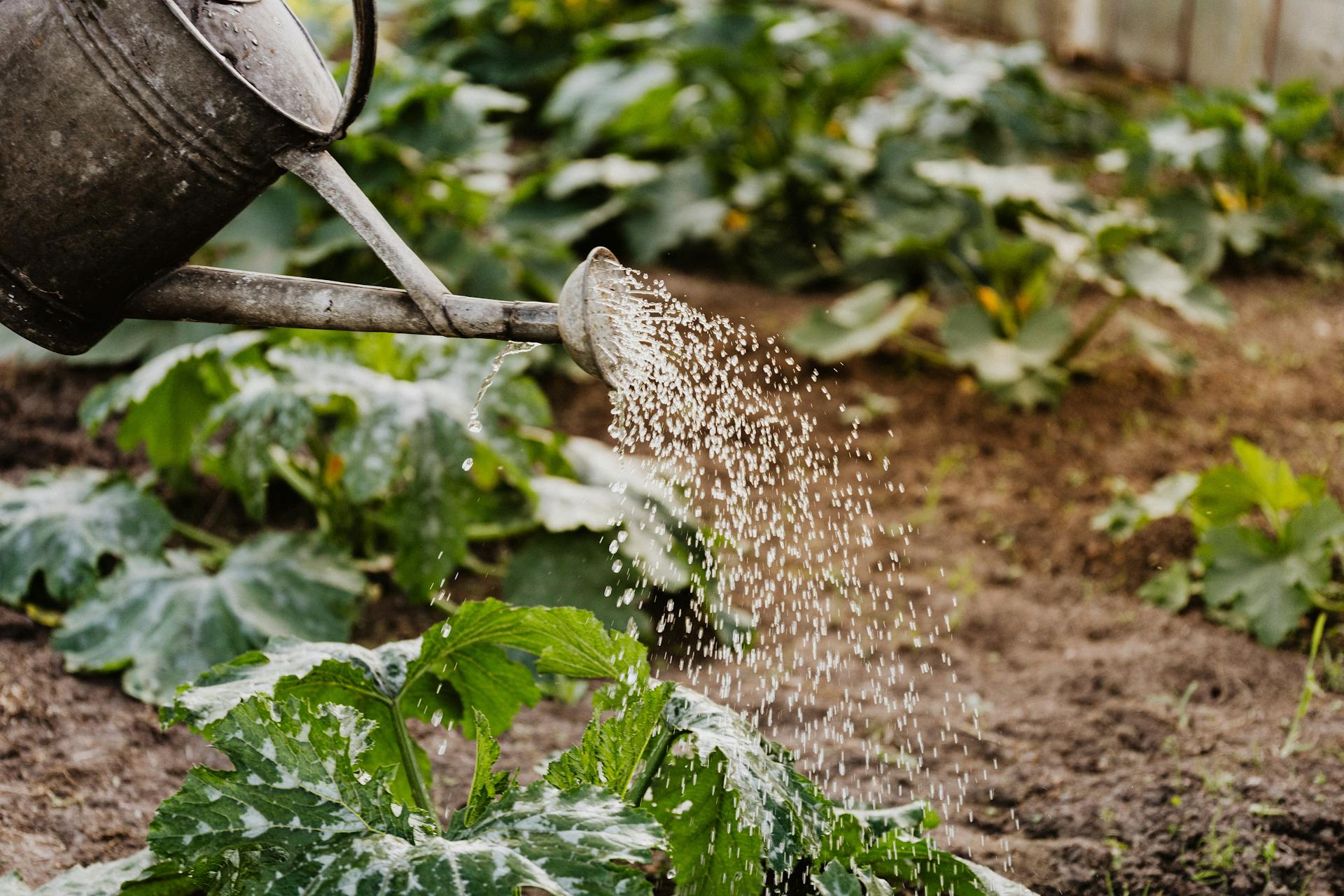
You should water your garden early in the morning when temperatures are cooler. This helps the water soak into the soil before the heat of the day causes evaporation.
Watering in the morning also means your plants have moisture to face the sun during the day. Avoid watering at midday, as much of the water can evaporate quickly.
Encourage children to help and learn in the garden
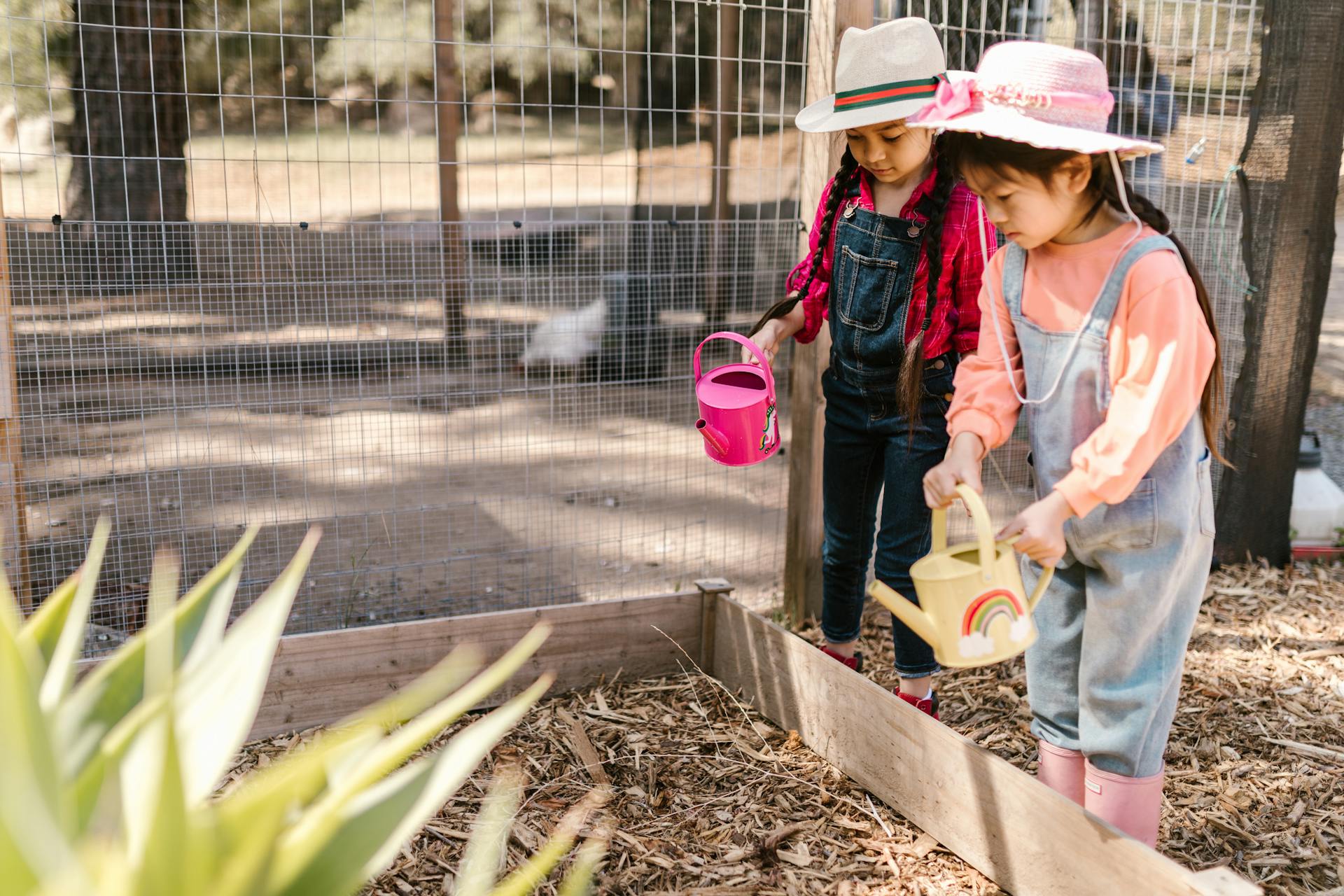
You can invite children to join simple tasks like planting seeds or watering plants. This helps them see where food comes from and builds patience.
By letting your kids help, they learn responsibility and care for living things. It’s a great way to spend time together and share practical life lessons.
Gardening with children connects them to nature and teaches them about growth and seasons. It also encourages curiosity and healthy habits that last.
Incorporate home remedies like natural pest control
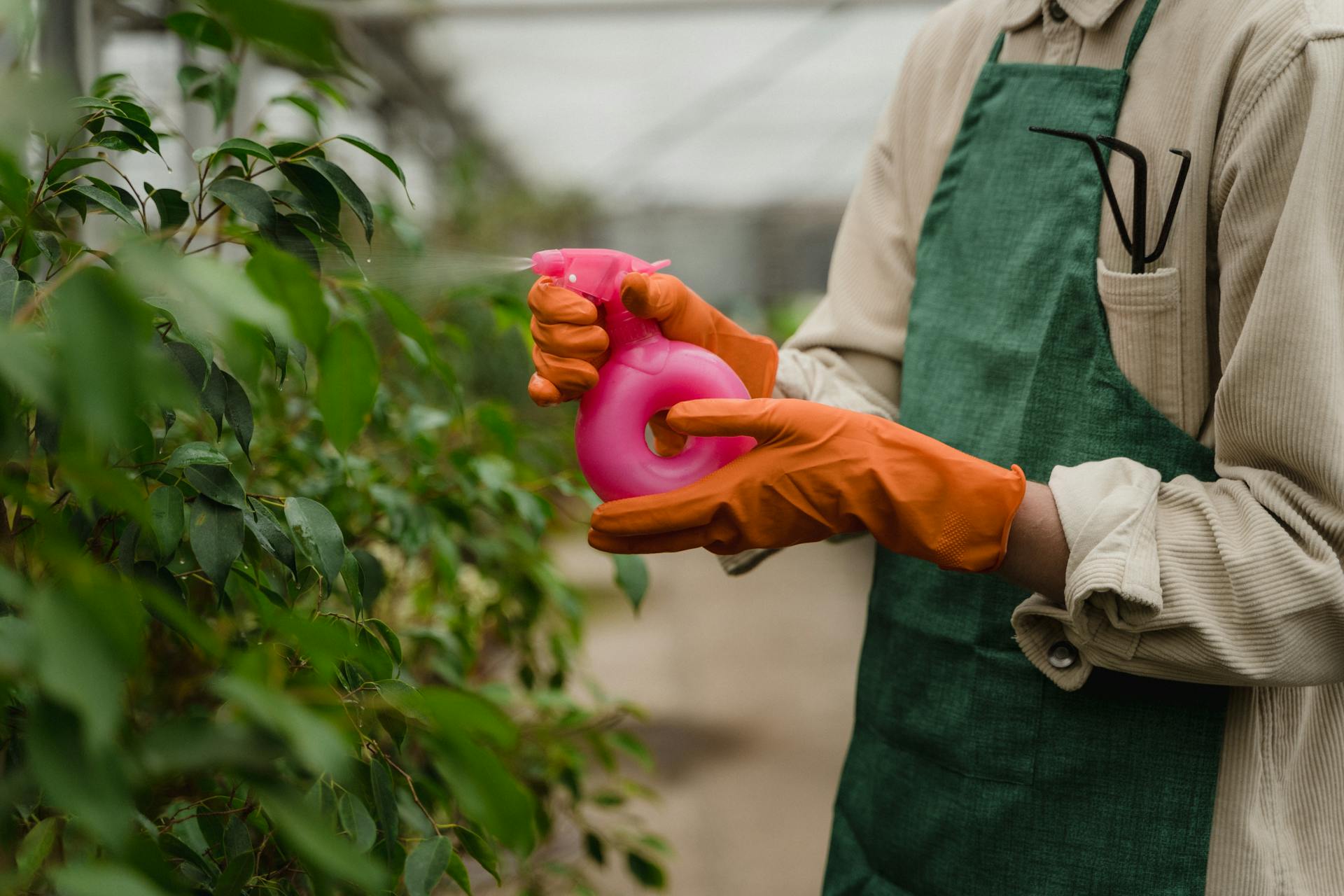
You can protect your garden using simple, natural pest control methods that Grandma trusted. Sprays made from garlic, chili, or soap are gentle yet effective against many insects.
Using plants that repel bugs or inviting natural predators can reduce the need for chemicals in your garden. These home remedies are easy to make and help keep your garden healthy and eco-friendly.
Schedule weekly garden maintenance as a ritual
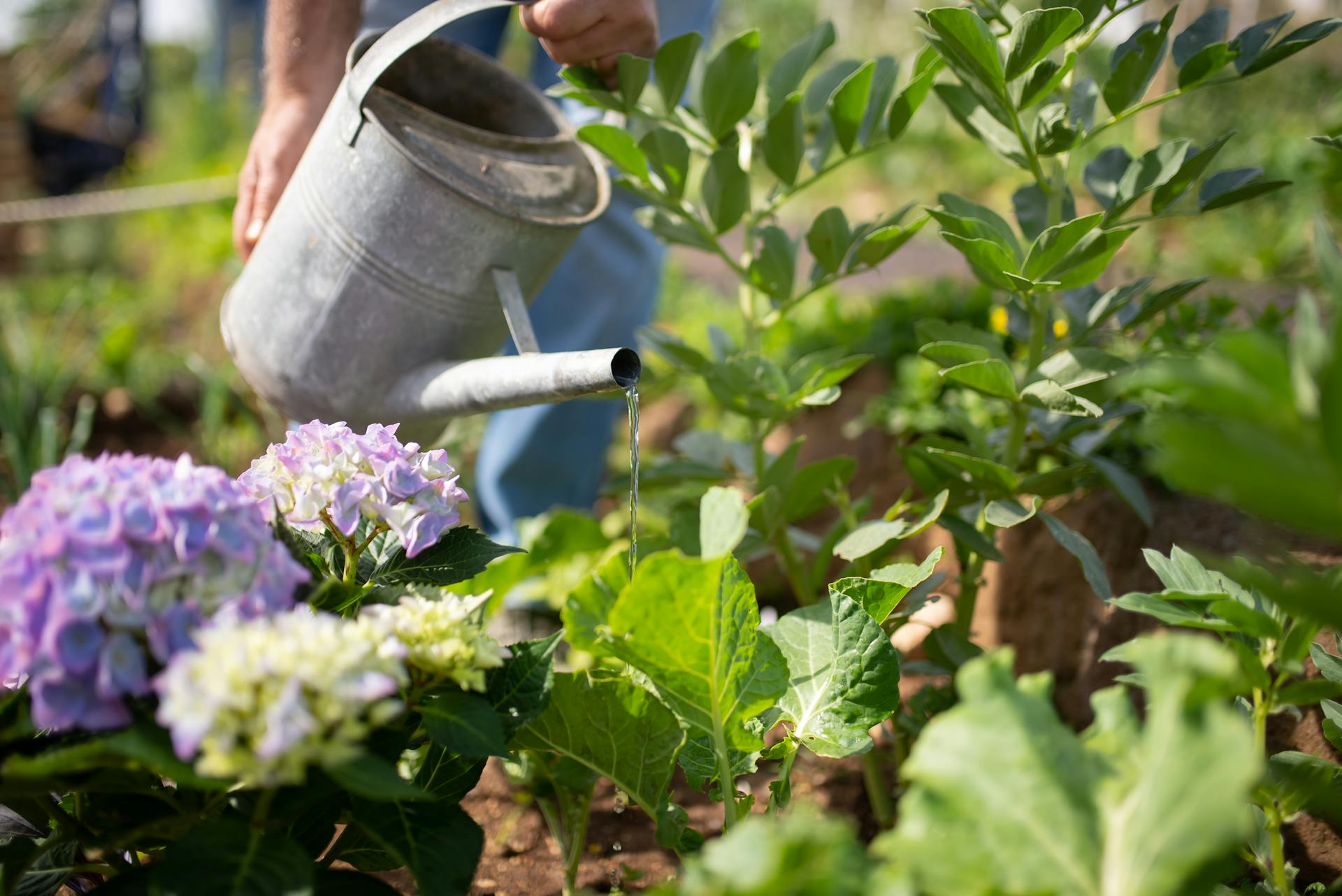
Make a habit of setting aside time each week to care for your garden. This simple routine helps you stay connected to your plants and catch any issues early.
Your weekly garden check can include watering, weeding, and fertilizing. Treating it like a small ritual makes the work feel rewarding, not like a chore.
Spending just an hour regularly keeps your garden healthy and growing strong. It’s a tradition from grandma that really stands the test of time.
Use heirloom seeds passed down through generations
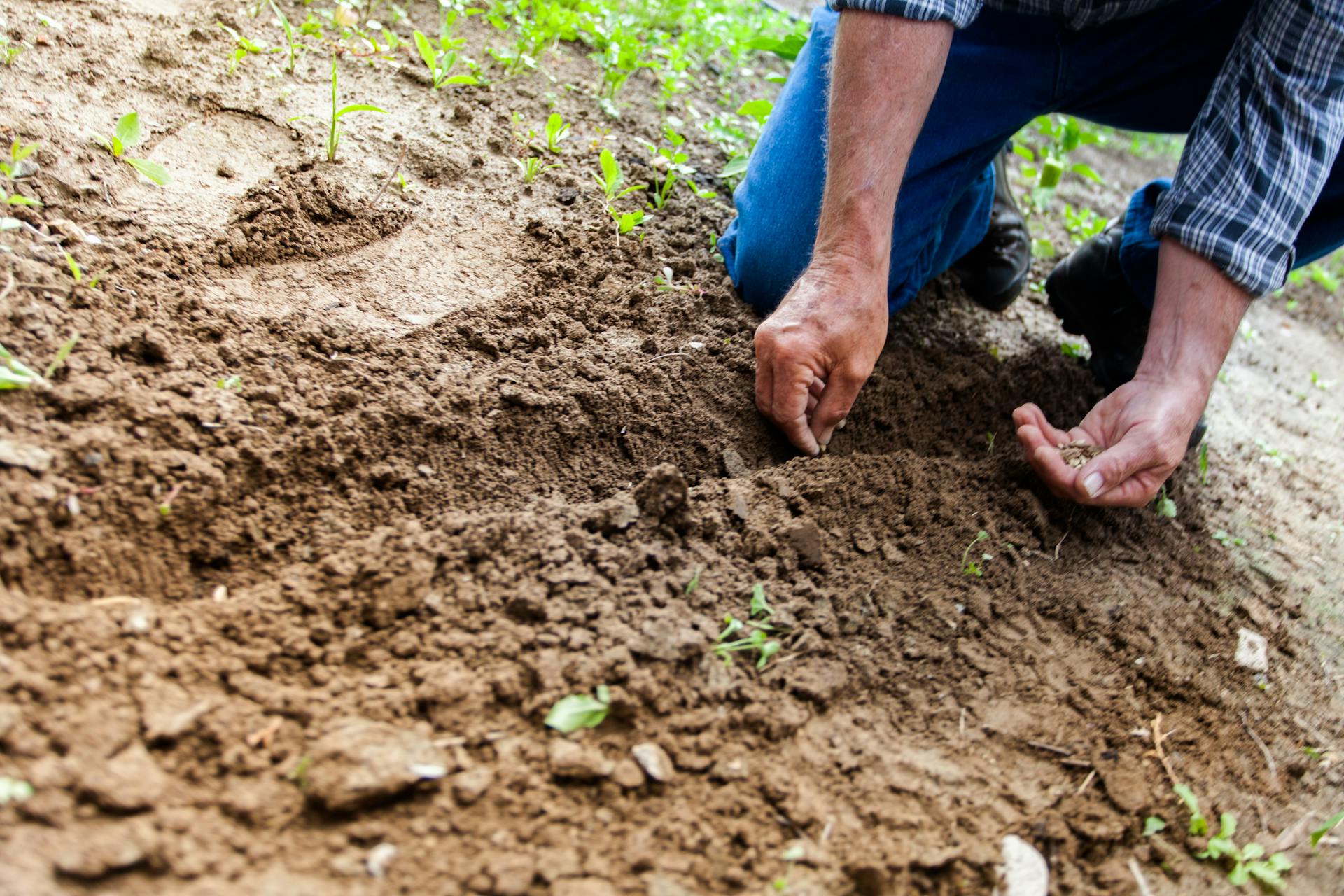
You can keep your garden connected to the past by using heirloom seeds. These seeds have been handed down through families for many years, carrying unique flavors and traits that often don’t appear in modern hybrids.
Growing heirloom plants lets you experience a piece of gardening history. Plus, you help preserve valuable plant varieties that might otherwise disappear.
Choosing heirloom seeds means you support natural pollination and open-pollinated plants, which can adapt well to your local environment over time.
Like what you read? Here’s more by us: