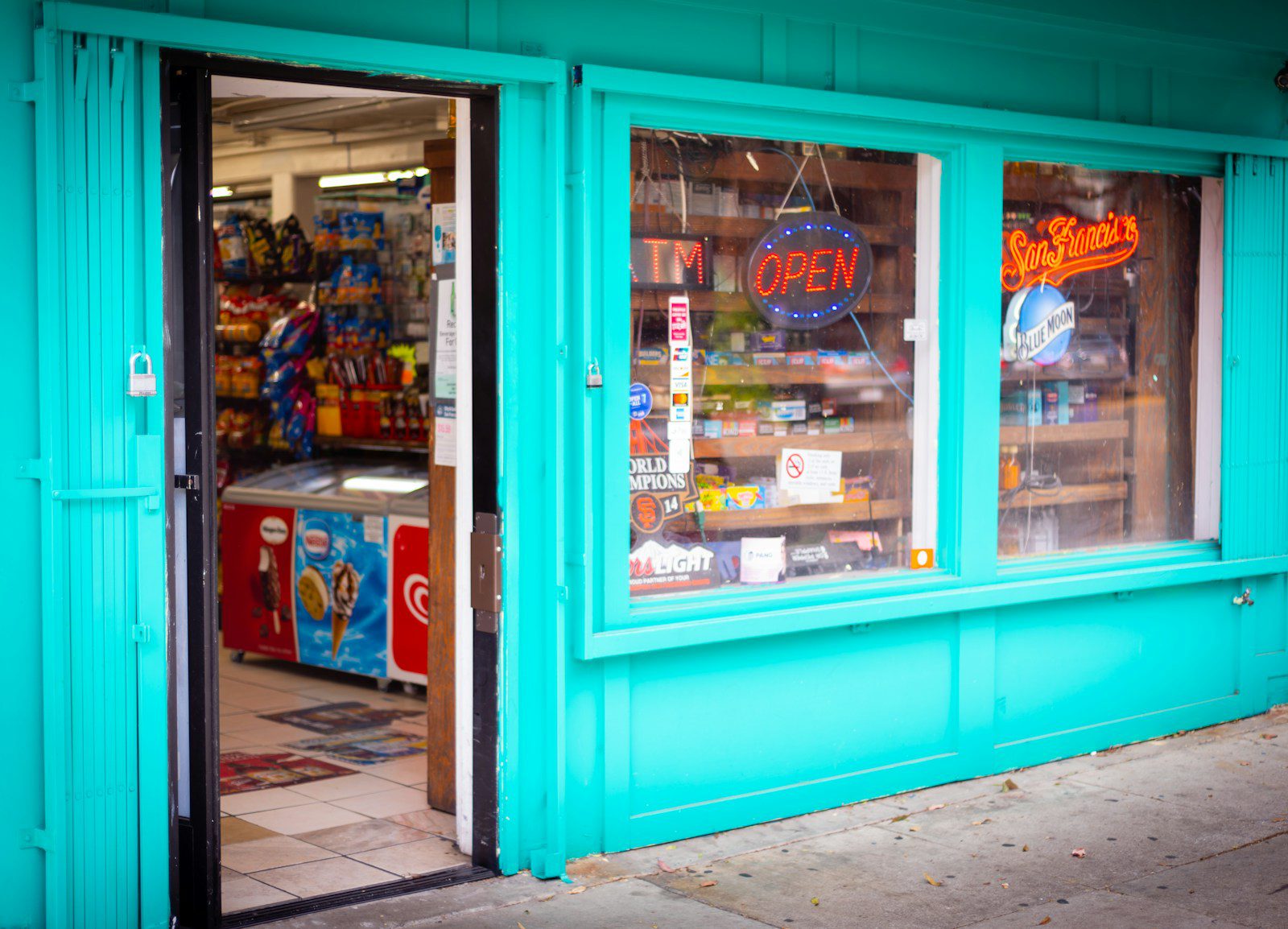
Supermarkets are designed to get you to spend more than you planned, and most of us don’t even notice it happening.
From clever product placement to sneaky pricing strategies, these little tricks are carefully crafted to make your cart—and your receipt—grow bigger.
Once you know what to watch out for, you can shop smarter and keep more money in your pocket. Here are 13 common grocery store tactics that quietly make shoppers overspend.
1. The Allure of the Bakery Scents

Ever noticed how grocery stores often have their bakeries near the entrance? That’s no accident. The smell of fresh-baked goods triggers our salivary glands and makes us hungry, making us more likely to buy more than we need.
And it’s not just the bakery – delis and rotisserie chickens often play the same role. So, next time you shop, try to resist the temptation of these tantalizing smells. Eat before you go – shopping on an empty stomach is never a good idea.
2. Eye-Level Product Placement
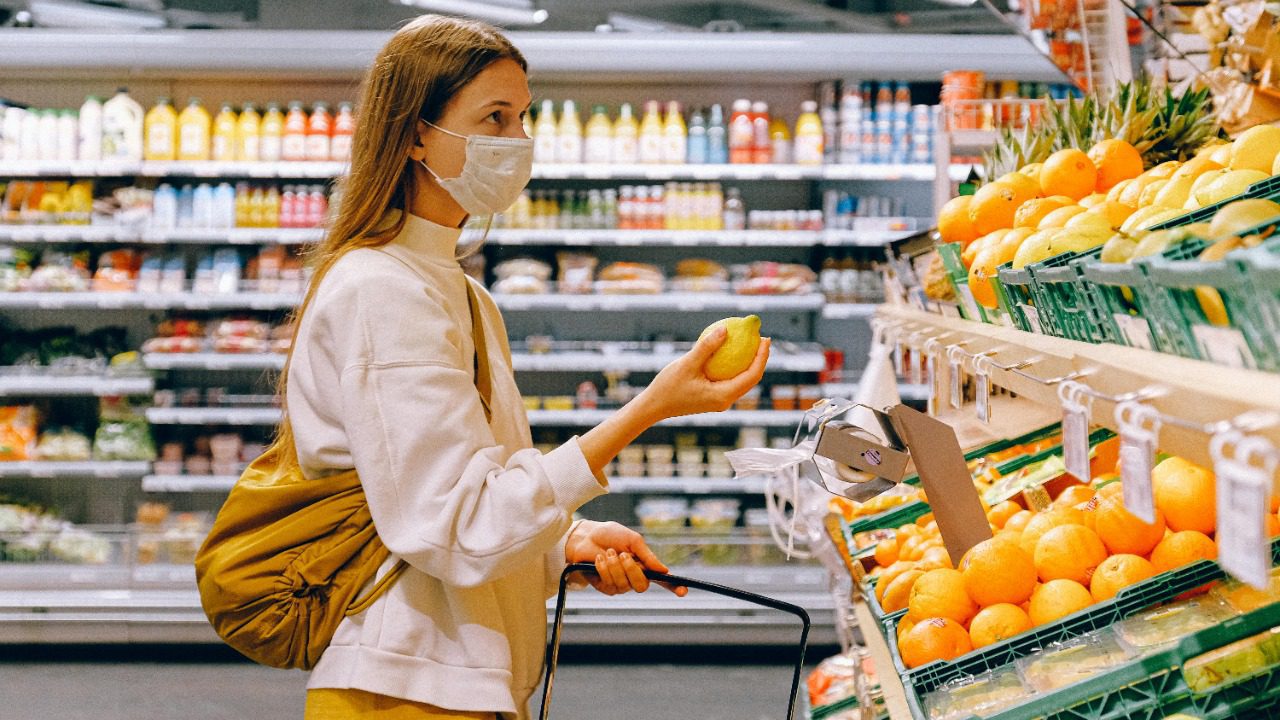
The products placed at eye-level on supermarket shelves are often the most expensive ones. This is a classic trick used by grocery stores to make you spend more. The cheaper alternatives are usually placed on the lower shelves.
So, make it a habit to look down and compare prices before you put anything in your cart. This AARP article explains more about how supermarkets use this tactic.
3. The Impulse Buy at Checkout
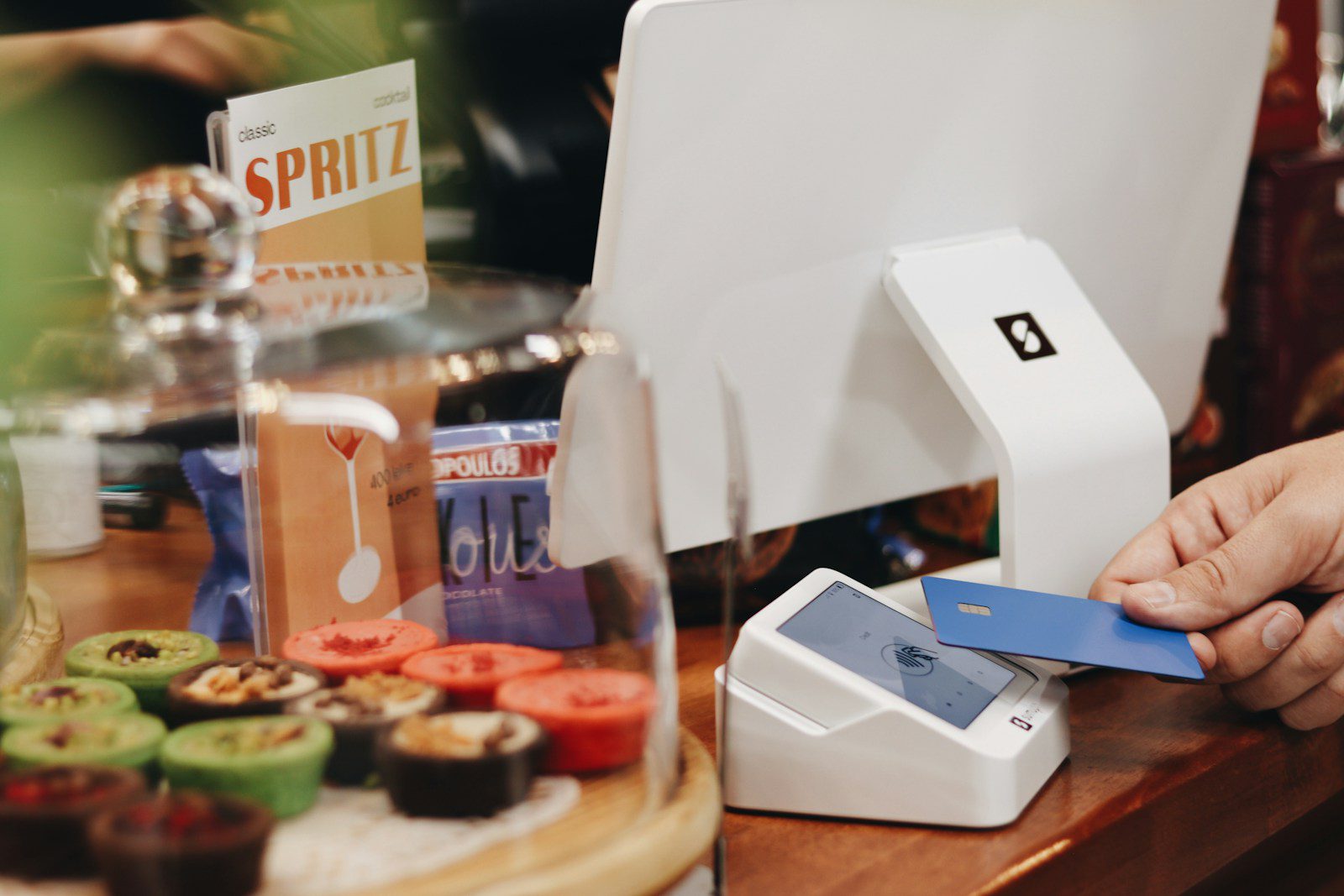
You’ve probably noticed the array of candy bars, magazines, and small trinkets lining the checkout aisle. These are all impulse buy items, placed there to entice you while you’re waiting in line.
They’re often small, inexpensive items that you might not think twice about adding to your cart. But they add up quickly, and before you know it, you’ve spent a lot more than you intended.
4. The Temptation of BOGO Deals

Buy-One-Get-One (BOGO) deals might seem like a great way to save money, but they can actually make you spend more. Unless you were already planning on buying two of the item, you’re not really saving money – you’re just spending more on something you don’t need. So, the next time you see a BOGO deal, ask yourself if it’s something you really need before you take the bait.
5. Strategic Use of Sales Tags
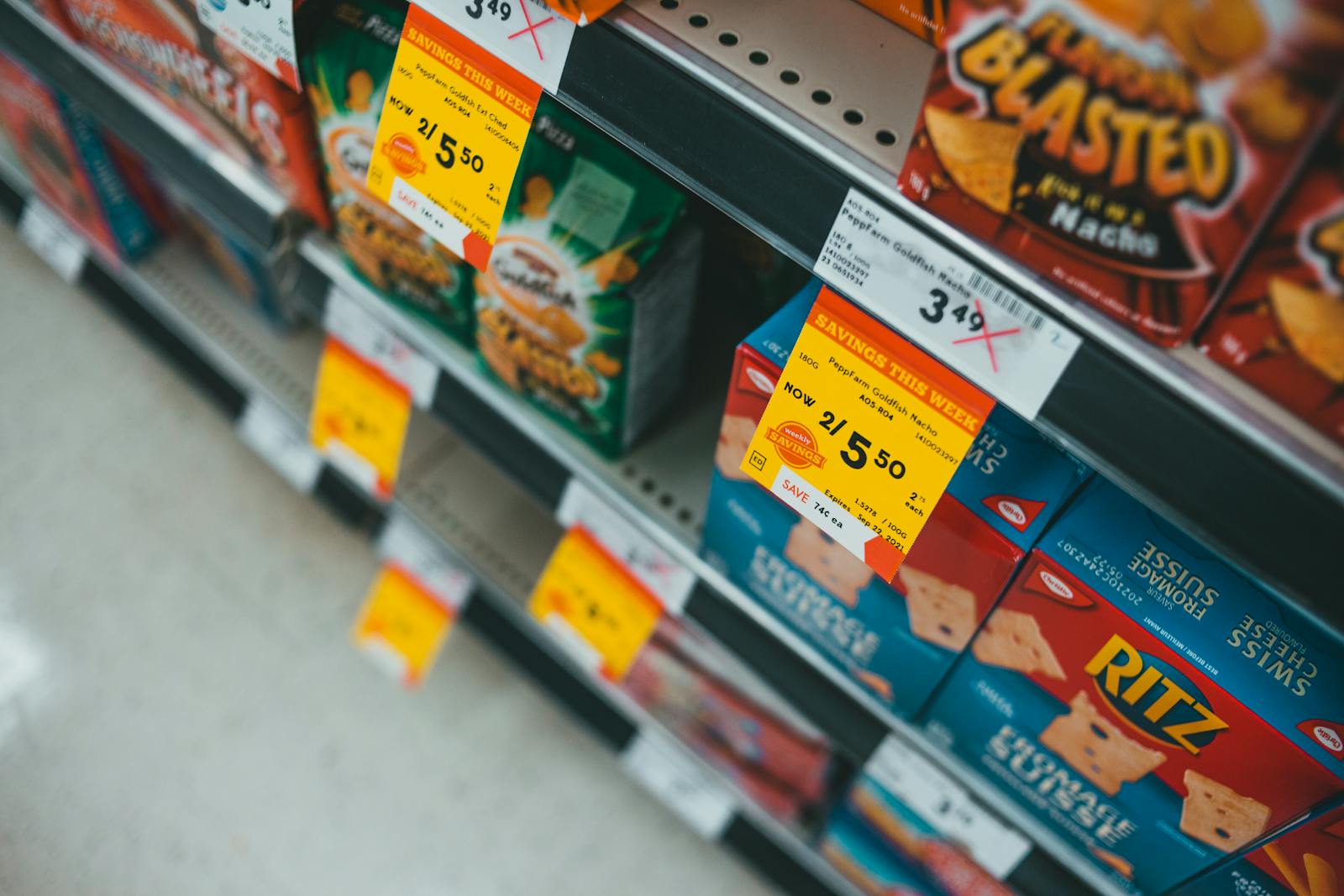
Not all “sale” tags are created equal. Sometimes, an item is marked as “on sale” when it’s actually the regular price. This is a tactic used by some grocery stores to make you think you’re getting a deal when you’re not.
Be sure to compare prices and read the fine print on sales tags. If you’re not sure, there’s no harm in asking a store employee to clarify.
6. The Perks and Pitfalls of Loyalty Cards
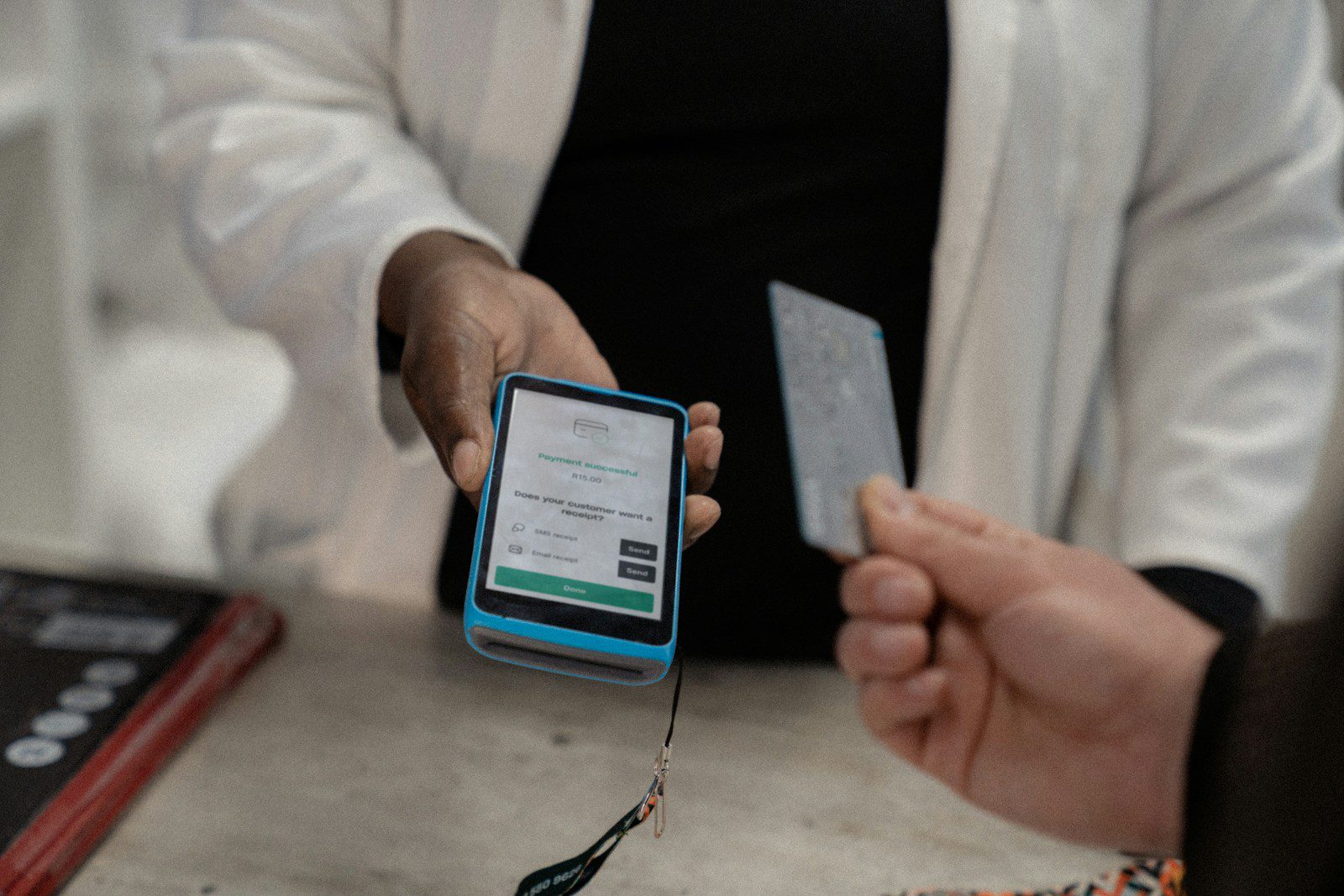
Loyalty cards can offer great benefits, like discounts and rewards. But they can also lead you to spend more money. The store has access to your shopping habits and can send you targeted offers to entice you to buy more.
While it’s great to save money, be aware of this tactic and don’t let it lure you into unnecessary purchases. This AARP article has more information on how to maximize the benefits of loyalty cards without overspending.
7. The Trap of Convenience Foods

Pre-packaged meals and convenience foods are a huge money-maker for grocery stores. They’re often marked up significantly compared to the cost of making the same meal from scratch.
While they’re tempting when you’re in a rush or don’t feel like cooking, try to limit your purchases of these items and opt for fresh ingredients instead. It’s healthier and will save you money in the long run.
8. The Deception of Larger Shopping Carts

Have you noticed that shopping carts have been getting larger? It’s not your imagination. Grocery stores have increased the size of their carts to encourage you to buy more.
A larger cart makes it seem like you haven’t bought much, which can lead you to add more items. So, next time you shop, consider grabbing a basket or a smaller cart if it’s available.
9. The Siren Song of the Candy Aisle
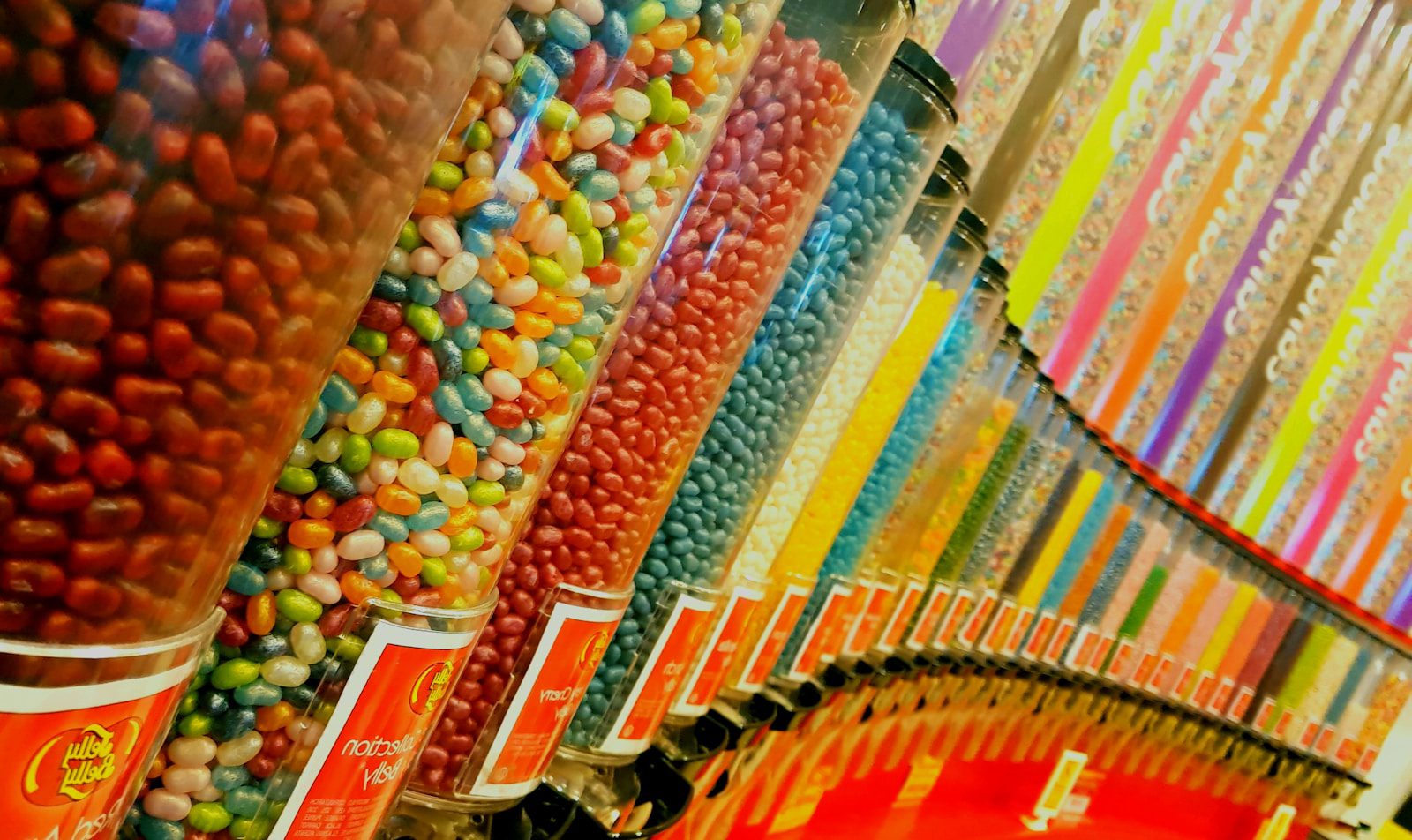
The candy aisle is another major trap. It’s often strategically located near the checkout, where you’re most likely to make impulse purchases.
The colorful packaging and the promise of a sweet treat can be hard to resist, especially if you’re shopping with kids. But resist the temptation. You’ll save money and your waistline will thank you.
10. Misleading Unit Pricing

Unit pricing can be a great tool for comparing prices, but it can also be misleading. Some stores use different units for similar products, making it hard to compare prices accurately. Be sure to double-check the unit price and don’t assume that bigger is always cheaper. You might be surprised to find that the smaller package is actually a better deal.
11. The Inviting Layout of the Fresh Produce
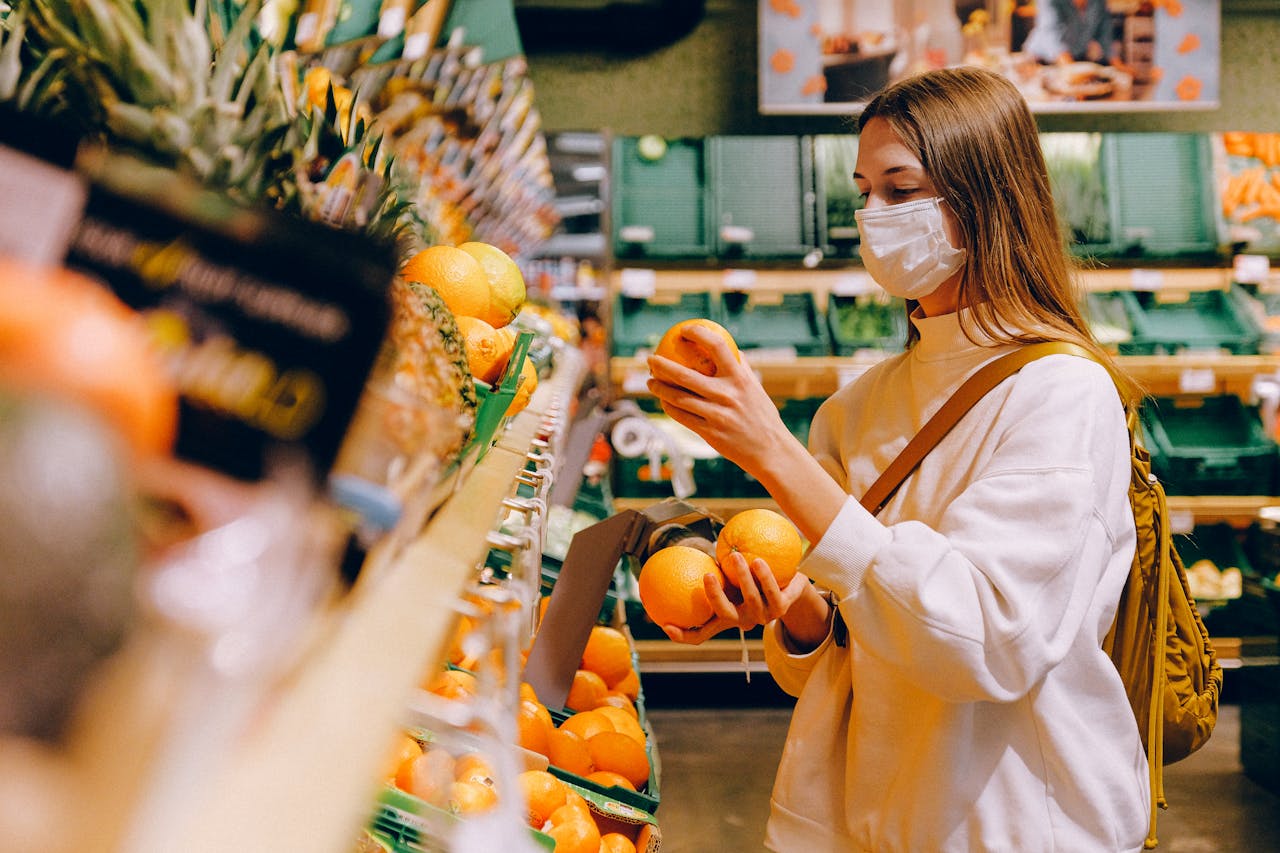
The fresh produce section is often the first thing you see when you enter a grocery store. The bright colors and appealing displays are designed to draw you in and make you spend more. While fresh fruits and vegetables are an important part of a healthy diet, be mindful of your purchases and don’t buy more than you can eat before it goes bad.
12. The Cost of Pre-Cut Vegetables and Fruits

Pre-cut fruits and vegetables are another convenience food that can cost you. While they save you time, they’re often much more expensive than buying the whole fruit or vegetable and cutting it yourself. If you’re on a budget, consider investing a little time in meal prep to save money.
13. The Illusion of Store Brand Superiority

Don’t be fooled by the illusion of store brand superiority. While some store brands are indeed high quality, others are no better than the cheaper alternatives. Don’t assume that a higher price tag means better quality. Do your research and compare ingredients to ensure you’re getting the best value for your money.