Managing your grocery bills can feel overwhelming, especially when prices keep rising. But with some smart strategies, you have the power to bring those costs down without sacrificing the quality or variety of your meals.
This article shares 13 practical tricks that can help you cut your grocery expenses in half by changing how and where you shop. By incorporating these tips into your routine, you can save money and make your food budget work harder for you.
Plan all your meals weekly

Planning your meals for the week helps you know exactly what to buy. This reduces impulse purchases and food waste.
When you decide your meals in advance, you can create a precise shopping list. Sticking to the list keeps your spending in check.
You’ll also save time because you won’t have to figure out what to cook each day. This simple step can cut your grocery bill significantly.
Shop from your pantry first

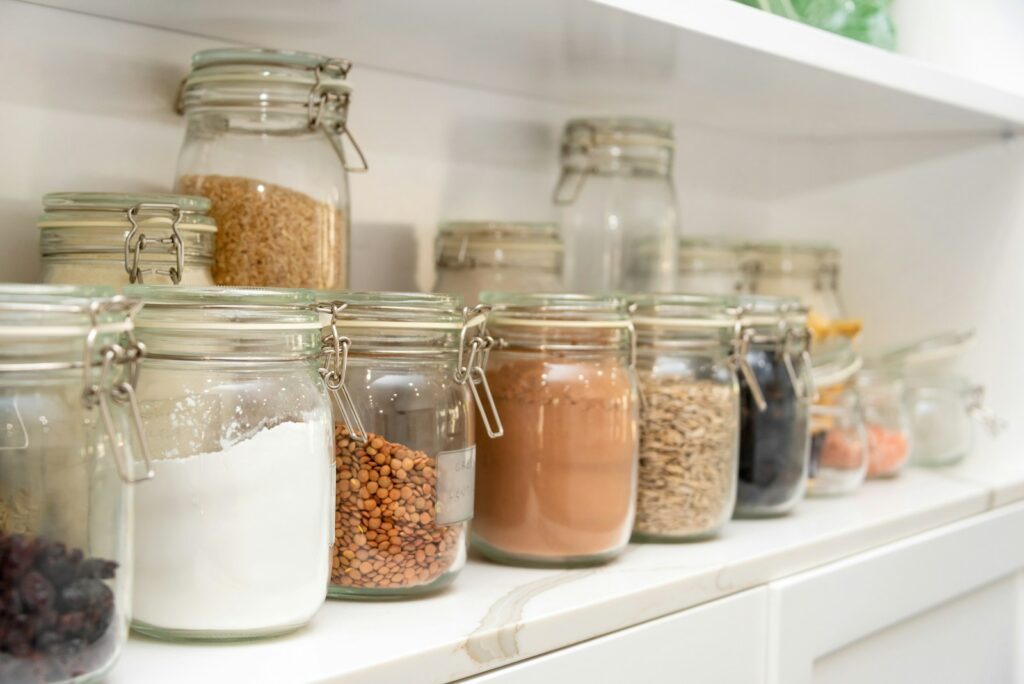
Before you make a grocery list, take some time to check what you already have in your pantry. Using what’s on hand means you buy less and waste less.
You might find forgotten staples or ingredients that can be combined in new meals. This approach helps you plan smarter and avoid unnecessary purchases.
By starting with your pantry, you also reduce impulse buys and focus on filling only the items you really need.
Use toddler recipe books for family meals

Toddler recipe books often focus on simple, nutritious ingredients that you probably already have at home. Using them can help you create easy meals without extra expenses.
These recipes are designed to be healthy and mild, making them great for the whole family. You might find new favorite dishes that save both time and money.
Trying toddler recipes can also reduce food waste since they encourage using fresh, versatile ingredients. This approach keeps your grocery bill lower and mealtimes stress-free.
Batch cook and freeze leftovers
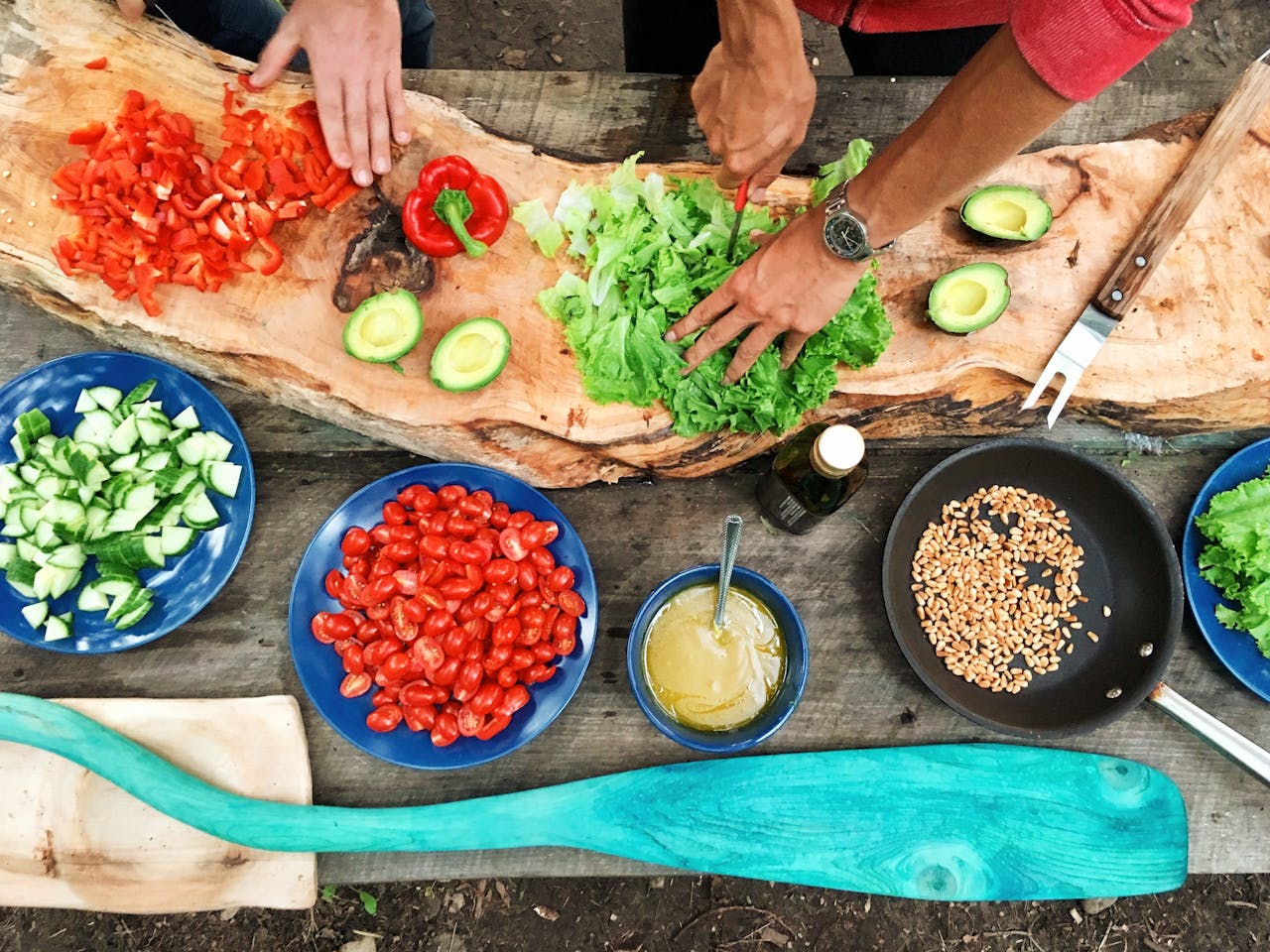
You can save money by cooking larger portions at once. Making double batches lets you eat twice without extra time or cost.
Freezing leftovers preserves your meals for busy days. This way, you avoid ordering out and reduce food waste.
When you plan ahead, you can mix and match frozen meals throughout the week. It keeps your menu varied and budget-friendly.
Buy online to compare prices

You can save money by checking grocery prices online before you shop. Many stores list their prices and deals on their websites or apps.
This makes it easy for you to spot the best offers without driving to multiple stores.
Also, some online platforms let you create shopping lists and show price differences side by side. Using these tools helps you make smarter choices and keep your grocery bill lower.
Avoid shopping when hungry

When you shop hungry, you’re more likely to grab items you don’t really need. Your appetite can trick you into impulse buying, which quickly adds up.
Try to eat before you go to the store. A full stomach helps you stick to your list and make smarter choices.
This simple habit can keep your grocery bill in check without much effort. It makes shopping less stressful and more focused.
Match coupons to store sales

When you match coupons with store sales, you get the best possible discounts. Check weekly ads before shopping to spot sales on items you use often. Then, find coupons for those same products to stack your savings.
Using apps or websites that track coupons and sales can save time. This way, you won’t miss deals or waste money on items without discounts.
Focus on essentials first, like staples and household goods, to make your budget stretch further.
Use cashback credit cards
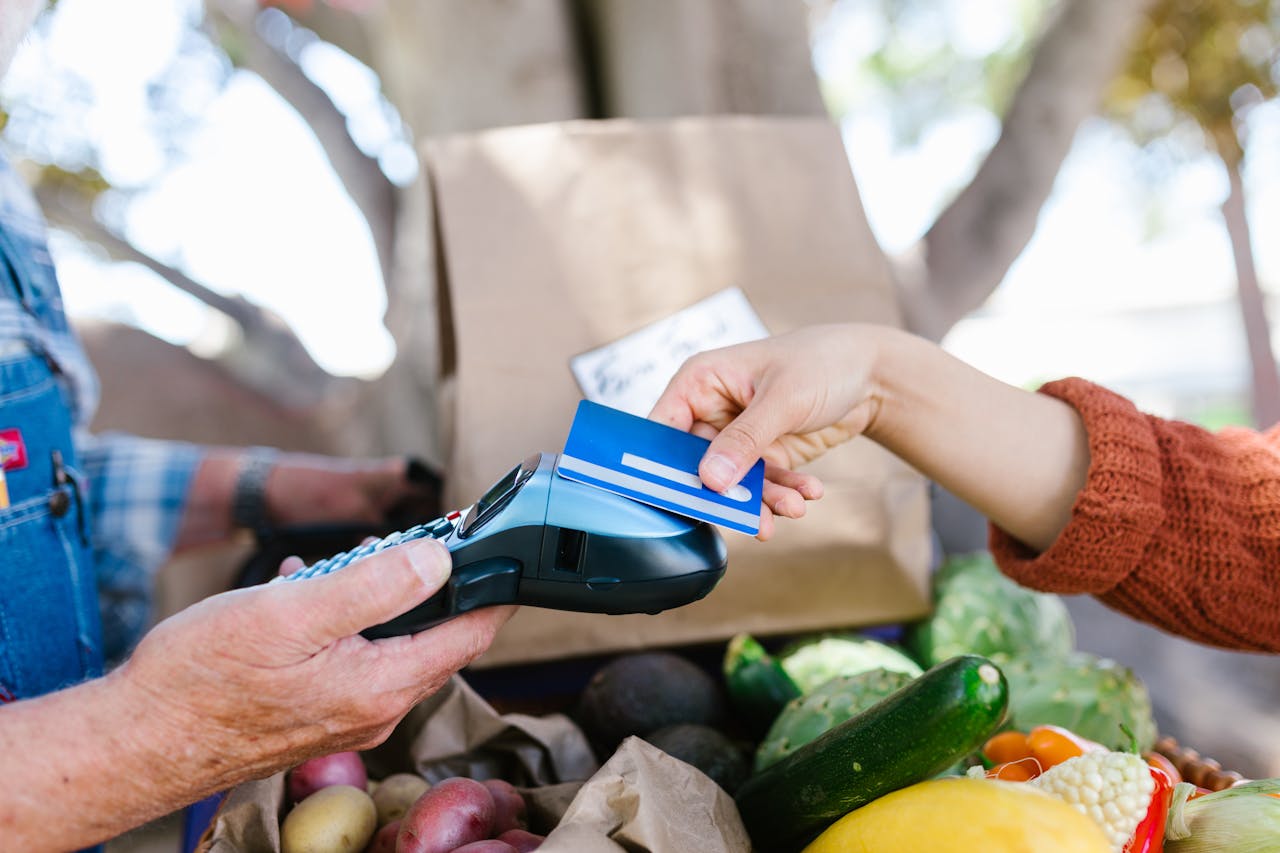
Using a cashback credit card designed for groceries helps you save a small percentage on every purchase. This adds up over time and cuts your overall bill.
Look for cards offering 3% to 5% cashback specifically for grocery stores.
Pair these rewards with coupons or sales to maximize your savings. Just make sure to pay off the balance each month to avoid interest charges.
Stockpile non-perishables during sales

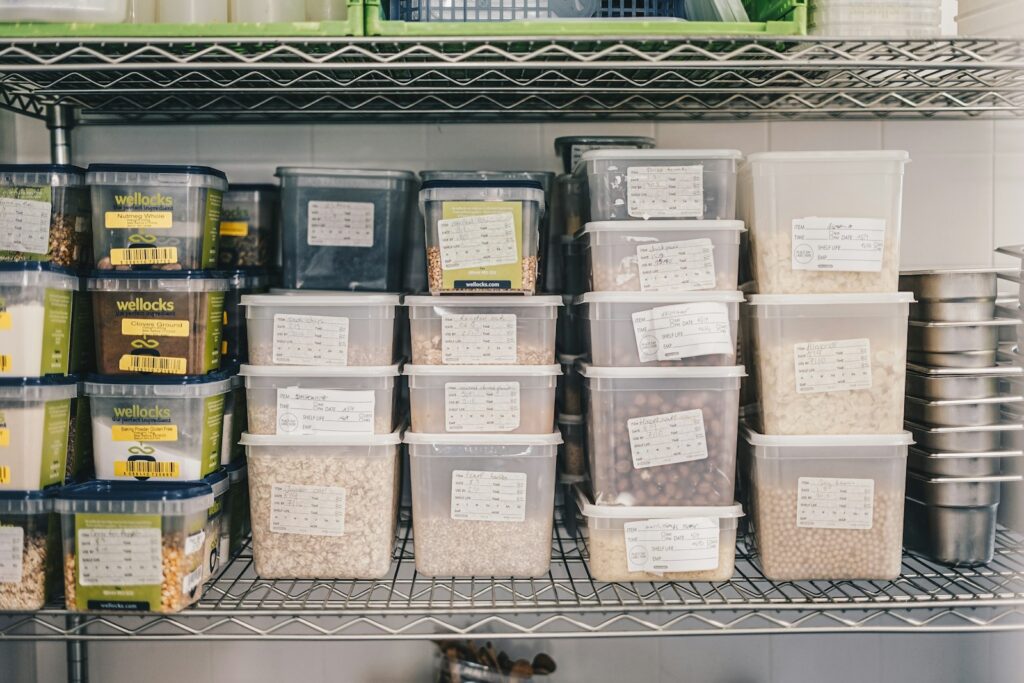
You can save a lot by buying staples like rice, pasta, beans, and canned goods when they go on sale. These items last a long time, so there’s no rush to use them right away.
Keep an eye out for discounts on freezer-friendly foods like meat and cheese. Buying in bulk during sales means you won’t have to pay full price later.
Having a stockpile ready helps you avoid last-minute trips to the store, which often lead to impulse purchases. This simple habit can significantly lower your grocery bills.
Eat less meat to save more

You can lower your grocery expenses by cutting back on meat. Meat tends to be one of the pricier items on your list.
Try using more plant-based proteins like beans, lentils, and tofu. These are usually less expensive and keep your meals satisfying.
When you do buy meat, look for sales and buy in bulk. Freeze portions to avoid waste and spread your cost over time.
Create and stick to a grocery budget

You can save a lot by setting a clear grocery budget before you shop. Decide how much you want to spend each week or month and track your expenses carefully.
Use a simple app or notebook to record what you buy. This helps you avoid impulse purchases and stay within your limit.
Having a budget also makes meal planning easier. It keeps you focused on buying only what you need.
Take time to price compare items

You can save a noticeable amount by checking prices on similar products across different brands or stores. Don’t just grab the first item you see.
Use unit pricing to compare cost per ounce or pound. This helps you figure out which option gives you the best deal.
Taking a few extra minutes before you shop or while you’re in the store can add up to real savings on your bill.
Buy affordable staples like beans and rice

You can save a lot by focusing on affordable staples such as beans and rice. These items are versatile, nutritious, and last a long time when stored properly.
Buying in bulk can lower the cost even more, especially for non-perishables.
Including these staples in your meals helps stretch your budget without sacrificing fullness or flavor. Try different recipes to keep things interesting while saving money.