You probably have a few family heirlooms tucked away that mean a lot to you. These items carry stories, memories, and a sense of family history that you want to pass down.
The reality is, your kids might not feel the same connection or interest in these possessions as you do. This can make deciding what to do with your treasured heirlooms a bit tricky.
Fine China Sets

You might cherish your fine china, seeing it as a symbol of family history and special occasions. But your kids? They probably won’t share that excitement.
In fact, many people today don’t use these sets regularly, and some find them more of a hassle. Your kids may not want to store or care for delicate dishes they never use.
Sometimes, kids even feel pressured when offered these heirlooms. They might appreciate the thought but prefer something more practical for their own homes.
Heavy Ornate Furniture

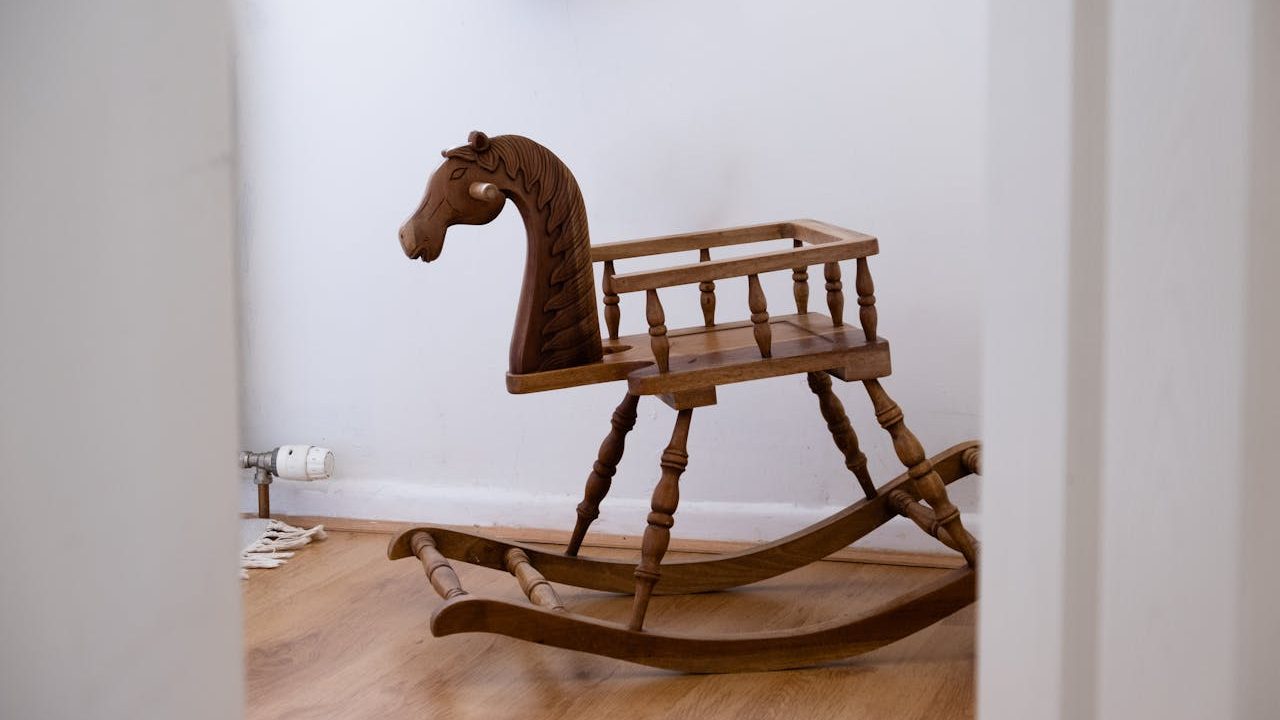
You might love the solid wood and detailed carvings of your heavy ornate furniture. It’s built to last and has a real sense of history.
But your kids may see it as bulky and hard to move. Modern homes often favor lighter, simpler pieces.
That means your prized armchair or massive dining table might not get the same appreciation once it’s their turn.
Collectible Figurines
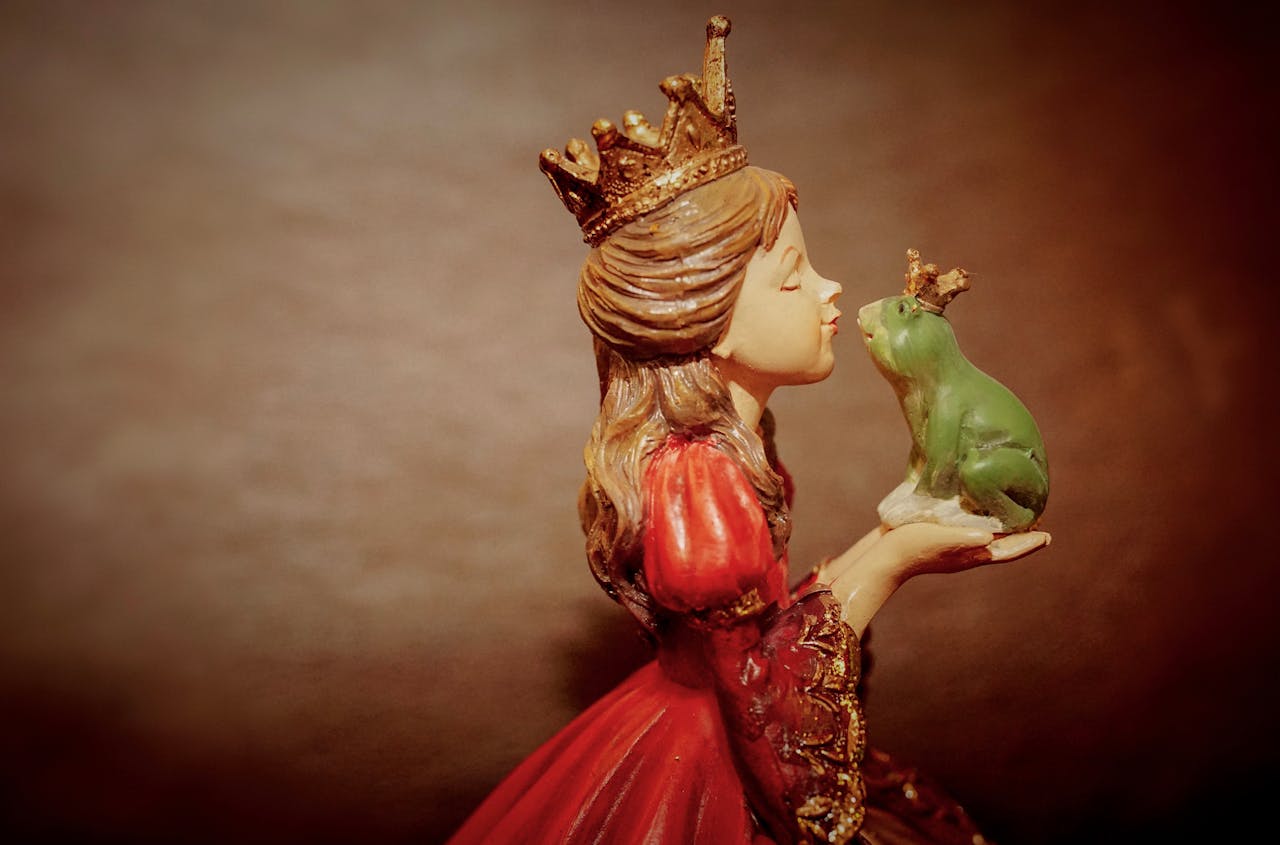
You might have spent years collecting those delicate figurines, thinking they’ll be cherished forever. But your kids probably don’t share that same attachment.
For them, these items often seem outdated or just clutter. They usually prefer things with more practical or personal value.
It’s a good idea to consider if these collectibles really suit their taste before passing them down. Otherwise, you might end up with piles of stuff they don’t want.
Vintage Silverware

You might treasure your vintage silverware, thinking it’s a classy piece of family history. But your kids probably won’t share the same appreciation.
These sets often feel outdated or impractical to younger generations. They tend to prefer modern, low-maintenance items.
If you want to keep the memories alive, consider passing down just a few special pieces instead of the whole collection.
Old Family Photo Albums

You probably have stacks of old family photo albums filled with memories. To you, they’re priceless snapshots of the past.
But your kids might see them as bulky and outdated, especially in a digital age. They’re more likely to scroll through pictures on their phones than flip through paper albums.
Still, keeping a few favorite albums can be a simple way to share family history without overwhelming the next generation.
Hand-Knit Quilts

You might have a hand-knit quilt passed down from a relative or something you made yourself. These quilts hold a lot of memories and effort.
But your kids might see them as just old blankets. They often prefer new styles or brighter colors.
Still, keeping a hand-knit quilt nearby for cozy nights or snuggling can be nice. It’s a small way to keep that connection without expecting too much attention from the next generation.
Antique Jewelry Boxes

You might have an antique jewelry box that’s been in the family for years. It holds memories and charm, but your kids may see it as just another old container.
They might not care for the delicate craftsmanship or vintage look. If they don’t want it, consider selling it to collectors or antique shops instead.
That way, it still gets appreciated without cluttering your children’s space.
Porcelain Tea Sets

You might treasure that delicate porcelain tea set passed down through generations. It’s beautiful and full of memories, but your kids probably won’t see the charm the same way.
These sets are often fragile and ornamental, making them less appealing to younger hands. While you see a family heirloom, they might just see a breakable toy or clutter.
Tarnished Silver Candlesticks
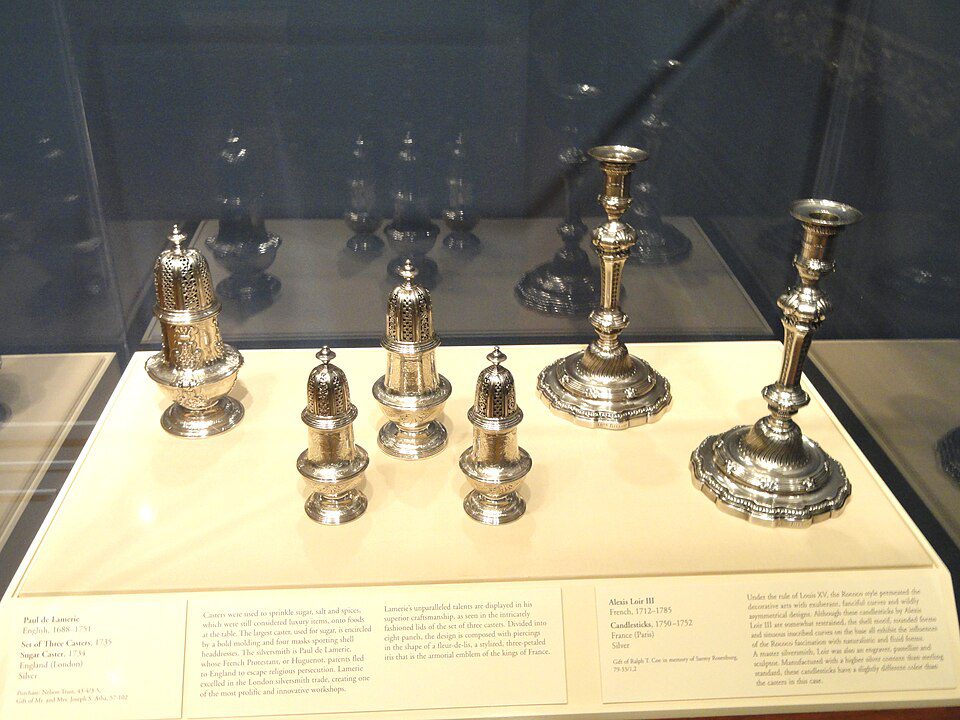
You might treasure the silver candlesticks polished for every holiday meal. They hold memories and a sense of tradition.
But your kids may just see old metal that needs constant cleaning. Tarnish can make them look dull and outdated to younger eyes.
If you want to keep them around, sharing stories about their history might help keep their value alive. Otherwise, they risk being ignored or tossed.
Embossed Leather-bound Books
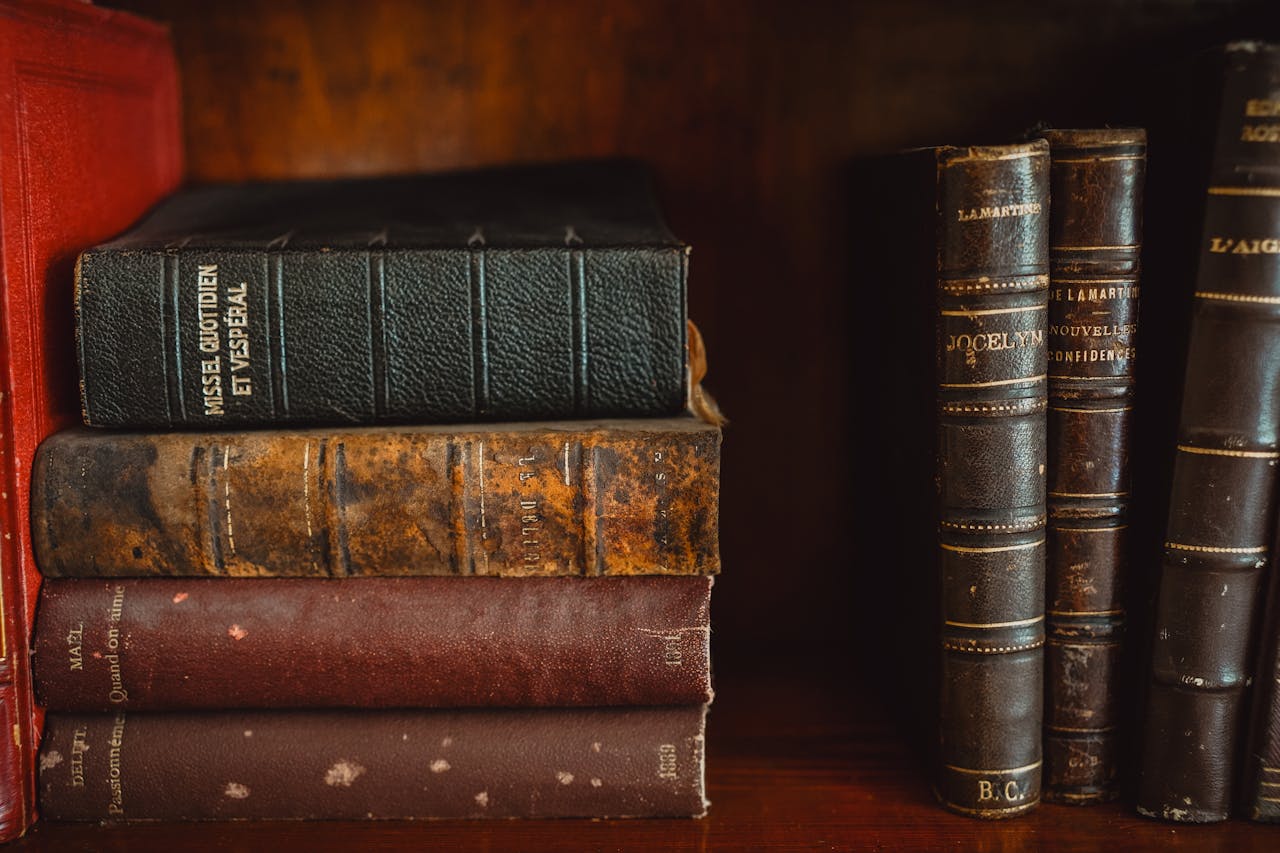
You might have a beautiful leather-bound book with embossed designs sitting on your shelf. It feels special because of its craftsmanship and vintage look.
But your kids will probably see it as just an old book. The fancy cover and heavy pages might not capture their interest like it does yours.
Still, it’s a nice piece to hold onto if you appreciate the details and history behind it.
Old Vinyl Record Collections

You might have a stack of old vinyl records from the 60s or 70s that you cherish. These collections often reflect your personal taste and memories tied to the music.
However, your kids may not share the same excitement. Vinyl can feel outdated or bulky to them, and digital music is usually their go-to.
Still, those records hold a special place for you, even if they don’t spark the same interest for the next generation.
Framed Diplomas and Certificates
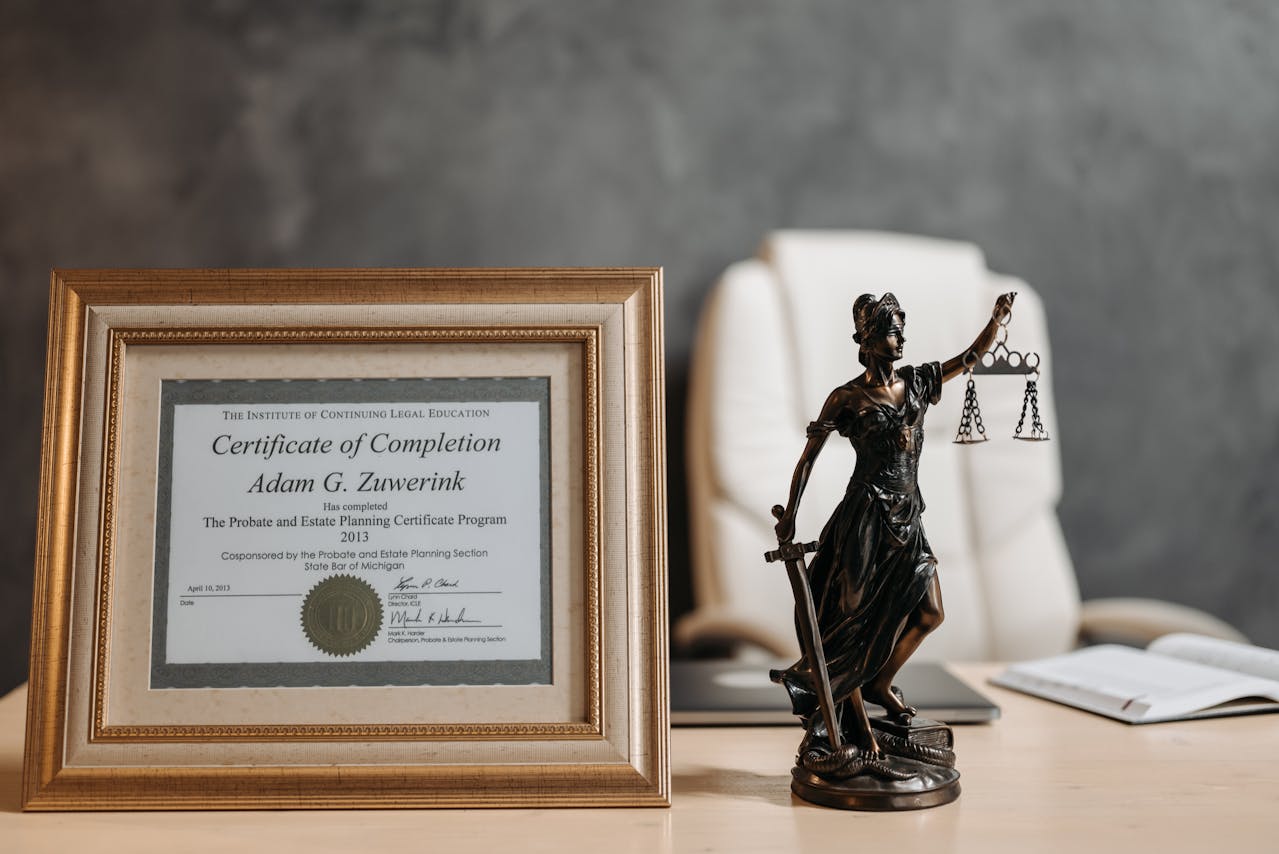
You probably have diplomas or certificates framed and displayed with pride. They mark important milestones in your life and hard work.
But your kids might just see them as old papers on the wall. They may not fully understand the effort behind those achievements. Still, these framed items connect you to your past. Even if your kids don’t care, they hold a special value for you.
Outdated Electronics

You might hold onto old gadgets like vintage phones, early gaming consoles, or that first MP3 player. To you, they’re reminders of a certain time or tech milestone.
However, your kids probably see them as clutter. They often don’t attach the same value to these items and may just toss or sell them without a second thought.
Technology moves fast, and what’s special to you can feel obsolete to them. It’s a common gap between generations when it comes to electronics.
Like what you read? Here’s more by us: