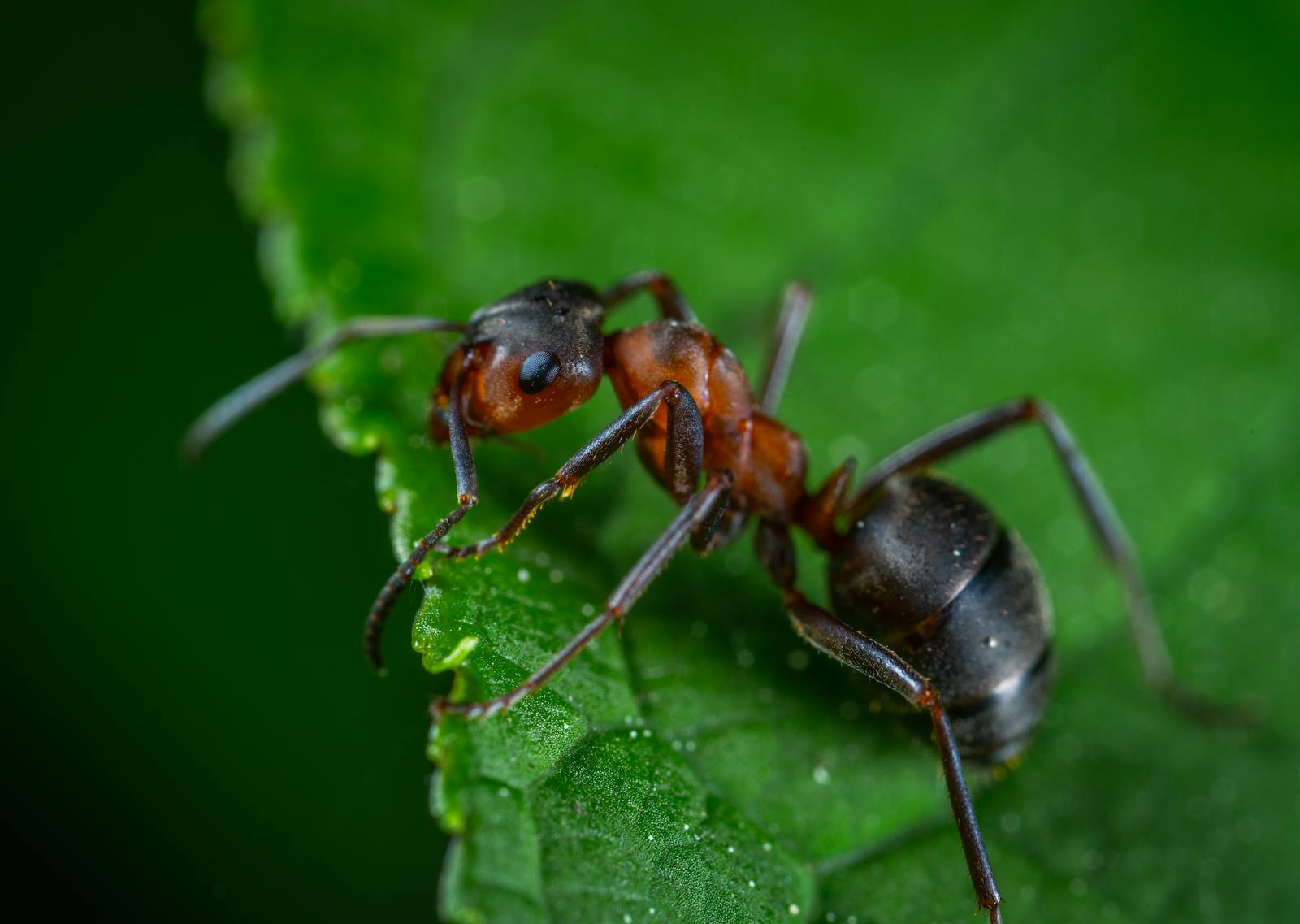
As a homeowner, I’ve learned that our homes can sometimes seem like a magnet for all kinds of critters, from rats to raccoons, spiders to squirrels. It’s not that these creatures have any ill-will against us, they’re just looking for food, water, and shelter – the same things we all need.
Unfortunately, our homes often provide these necessities in abundance, attracting a variety of uninvited guests. So, let’s dive into the features of our homes that might be unintentionally rolling out the red carpet for these critters.
1. Poorly Sealed Doors and Windows
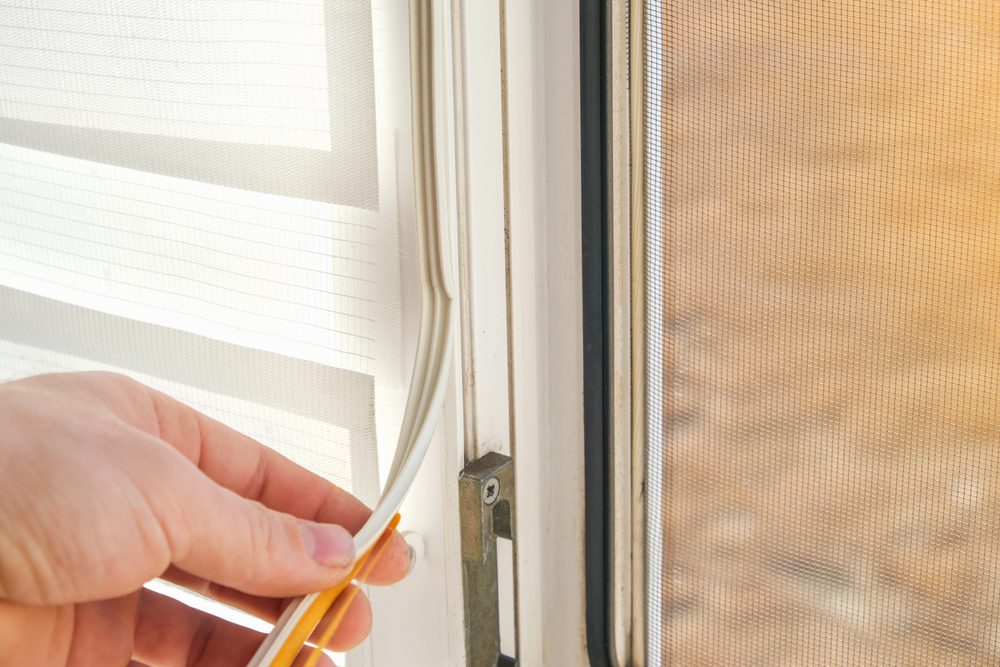
Doors and windows that aren’t properly sealed are like an open invitation for small critters to come in. Mice, for example, can squeeze through a hole the size of a dime. Even larger creatures like raccoons are known to exploit small openings to gain access to our homes. To prevent unwanted guests, it’s important to inspect your doors and windows regularly and seal any gaps with caulk or weatherstripping.
2. Overgrown Vegetation Near the House

Overgrown vegetation provides a perfect hiding place for critters and a convenient bridge to your home. Trimming back trees and shrubs can prevent squirrels and other animals from leaping onto your roof and finding their way into your attic. Make sure there’s at least a 6-foot gap between your home and the nearest tree branches. You might also want to keep your lawn mowed and your garden beds tidy to deter rodents who like to hide in tall grass and brush.
3. Unsealed Gaps and Cracks in the Home Exterior

Just like poorly sealed doors and windows, gaps and cracks in your home’s exterior can be an open doorway for critters. Regularly inspect your home’s exterior for any cracks or holes, and seal them up with caulk or expanding foam. Pay special attention to areas where utility lines enter your home, as these are often overlooked. Don’t forget to check your roof and eaves, as many critters are excellent climbers.
4. Unattended Pet Food and Water Dishes
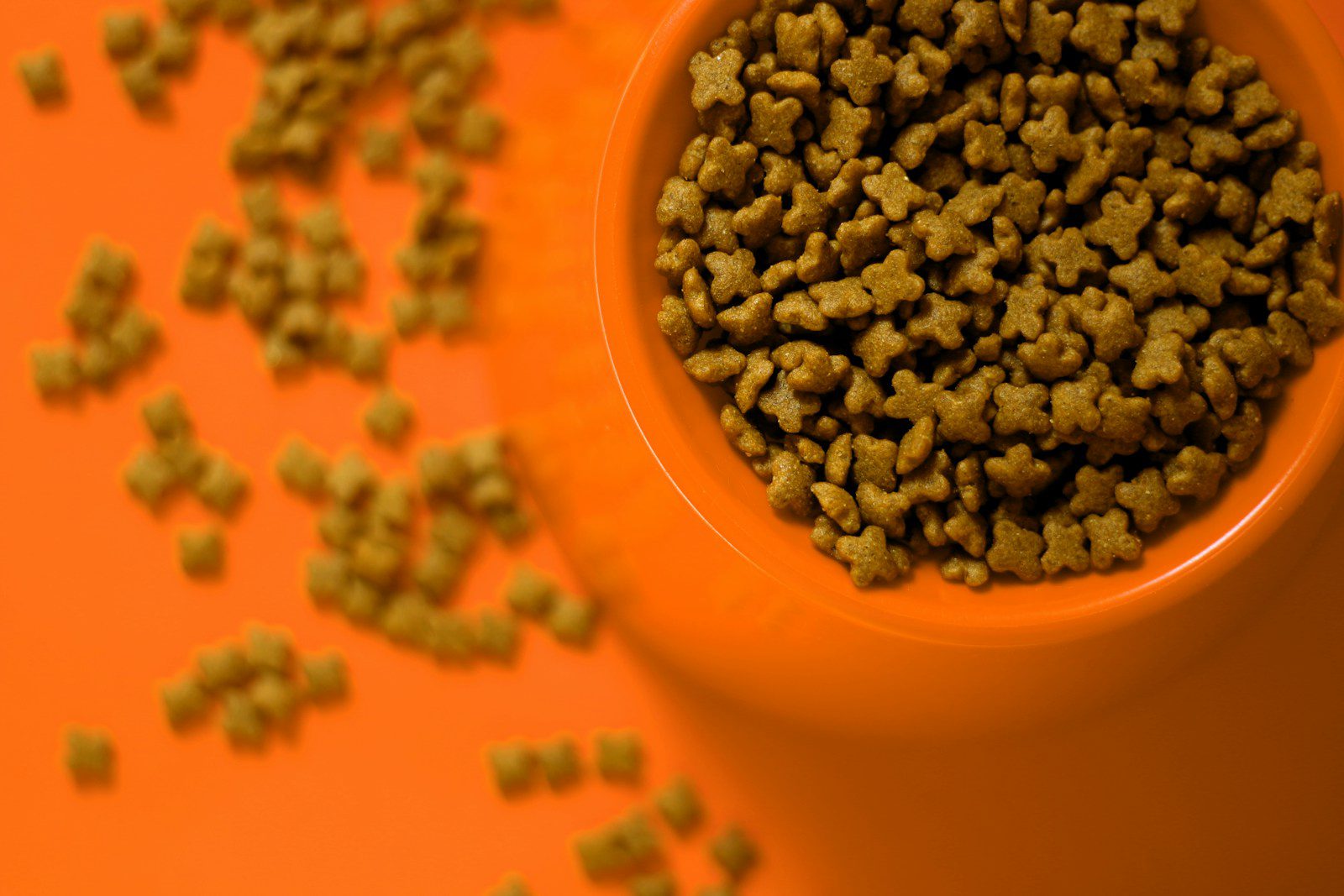
I’ve found that one of the quickest ways to attract critters to your home is to leave pet food and water dishes out overnight. For a hungry raccoon or opossum, this is like a free all-you-can-eat buffet. If you must feed your pets outdoors, be sure to bring in the dishes as soon as your pet is done eating. And remember, bird feeders can attract more than just birds, so it’s a good idea to bring them in at night, too.
5. Cluttered Basements and Attics
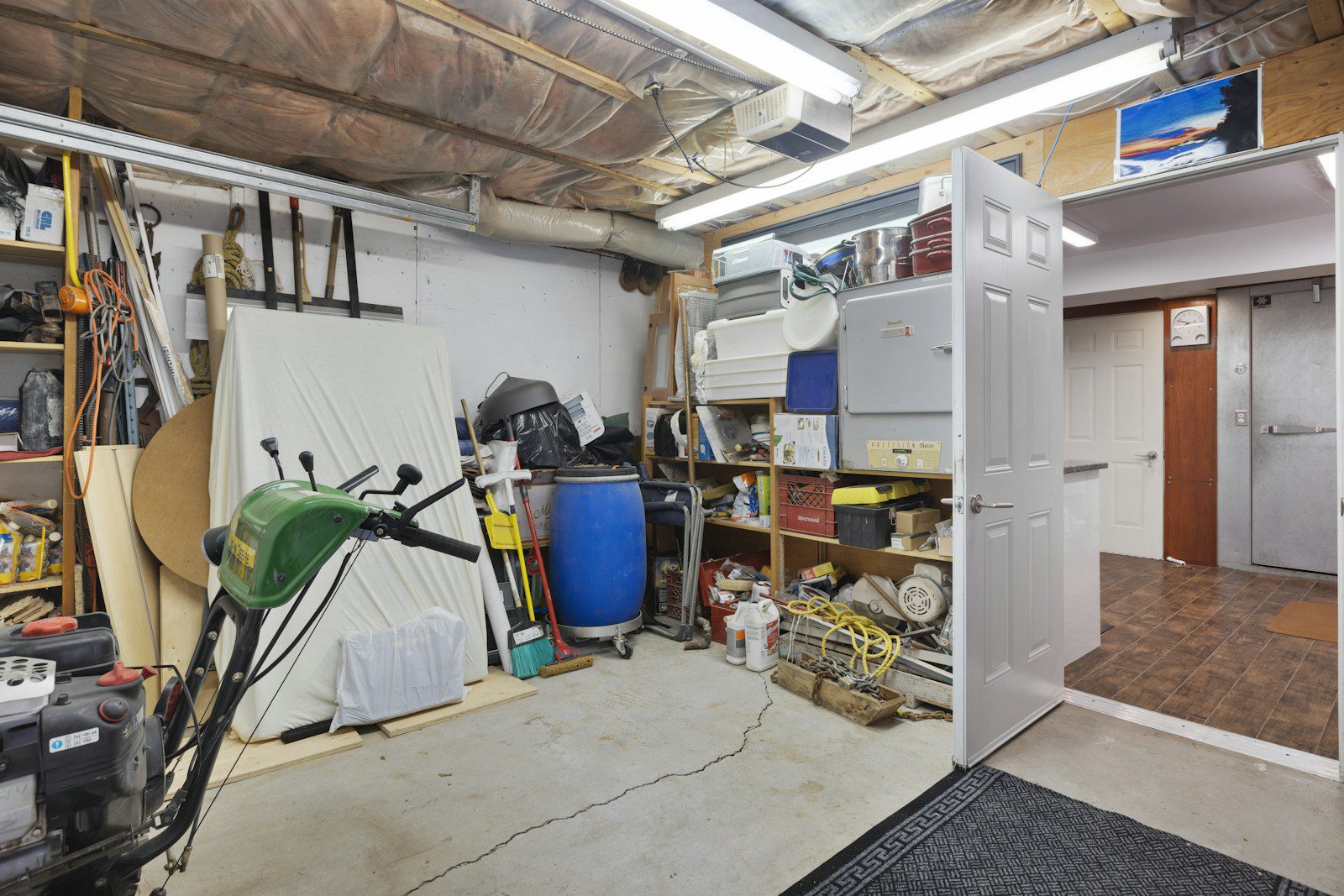
Cluttered basements and attics are prime real estate for critters looking for a cozy place to nest. Your old boxes of holiday decorations might just look like junk to you, but to a family of mice, it’s a perfect home. Regularly cleaning out these areas and storing items in sealed plastic bins can help deter these unwelcome houseguests.
6. Unmanaged Garbage and Composting Areas

If you’ve ever had the unpleasant experience of finding a raccoon in your garbage can, you know how much critters love our trash. Keeping your garbage and composting areas sealed and clean can help deter critters. And remember, compost piles should be well-maintained and turned regularly to prevent them from becoming a critter buffet.
7. Leaky Pipes and Areas of Excess Moisture
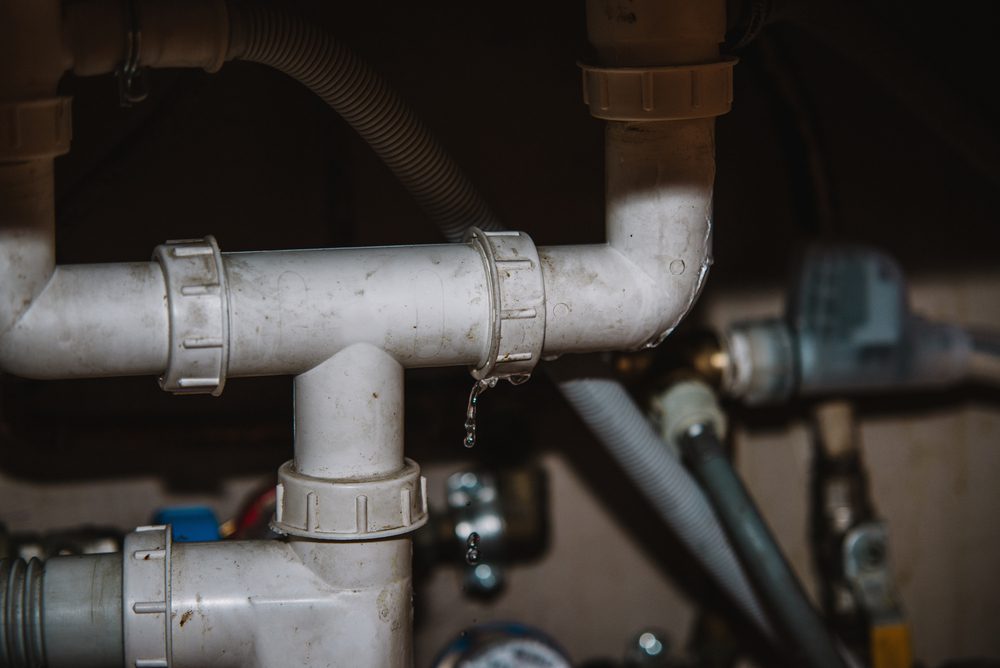
Just like us, critters need water to survive. Leaky pipes and areas of excess moisture in your home can attract a variety of pests, from ants to cockroaches to rodents. Regularly inspect your home for leaks and promptly fix any you find. Also, consider using a dehumidifier in damp areas like basements and crawlspaces to make them less appealing to critters.
8. Uncovered Vents and Chimneys
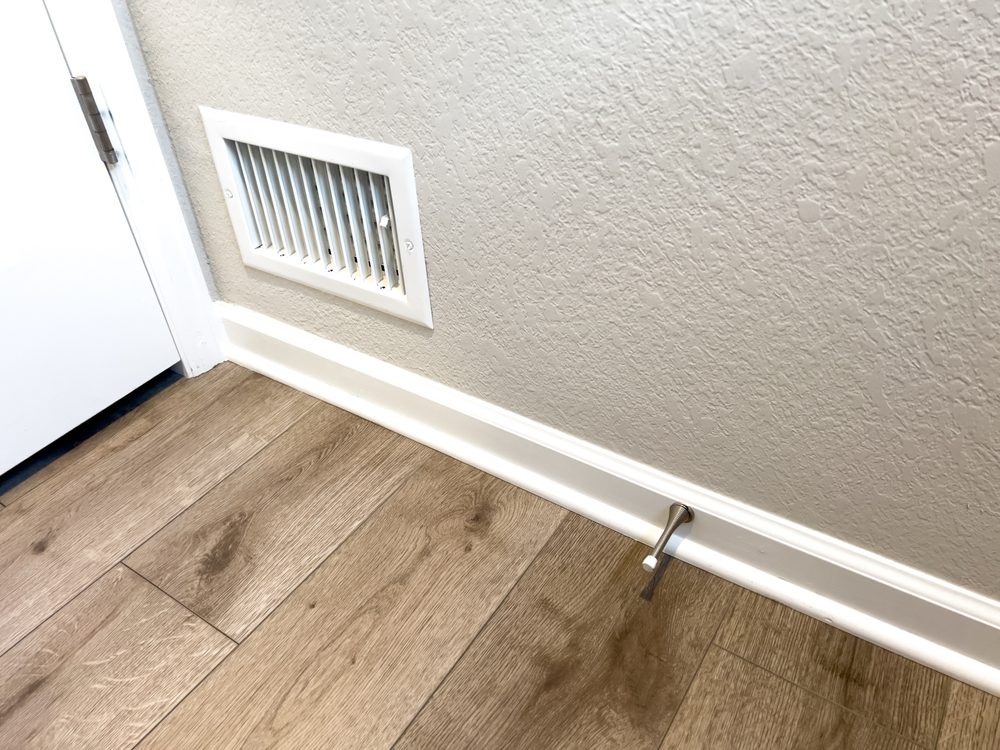
Vents and chimneys provide an easy access point for critters into your home. Birds, bats, squirrels, and raccoons are known to enter homes through these routes. Installing vent covers and chimney caps can help prevent these critter invasions.
9. Bird Feeders and Bird Baths
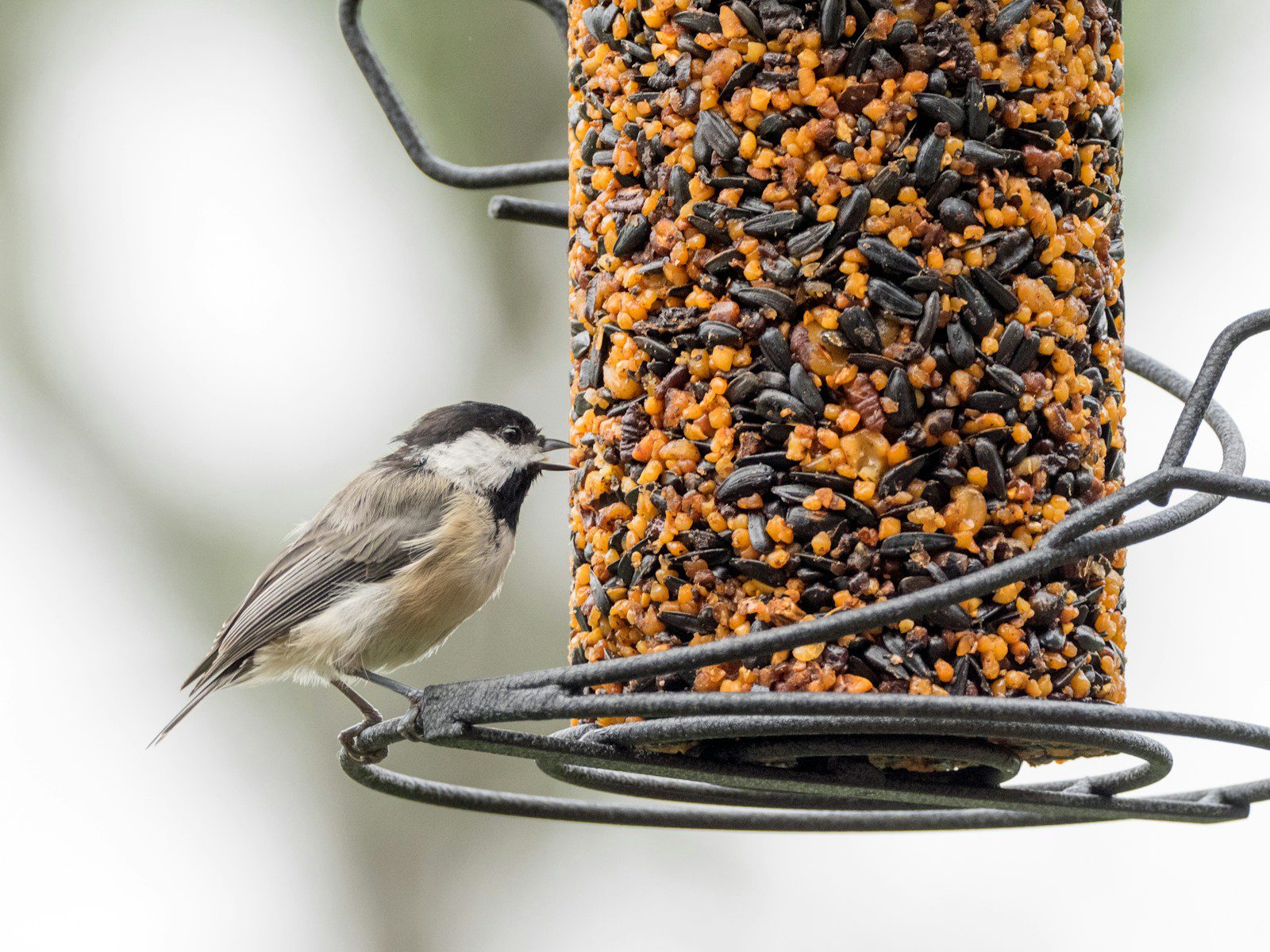
As much as we love to watch birds, their feeders and baths can attract unwanted critters. Squirrels, raccoons, rats, and even bears have been known to raid bird feeders, while mosquitoes breed in stagnant water in bird baths. If you choose to have these features, be sure to maintain them properly and consider their placement carefully.
10. Unsealed Food Storage in Pantries and Cabinets

Unsealed food in your pantry or cabinets is a feast for critters. Sealing food in airtight containers and regularly cleaning your pantry and cabinets can deter critters. Remember, even small crumbs can attract pests, so cleanliness is key.
11. Firewood Stored Too Close to the House
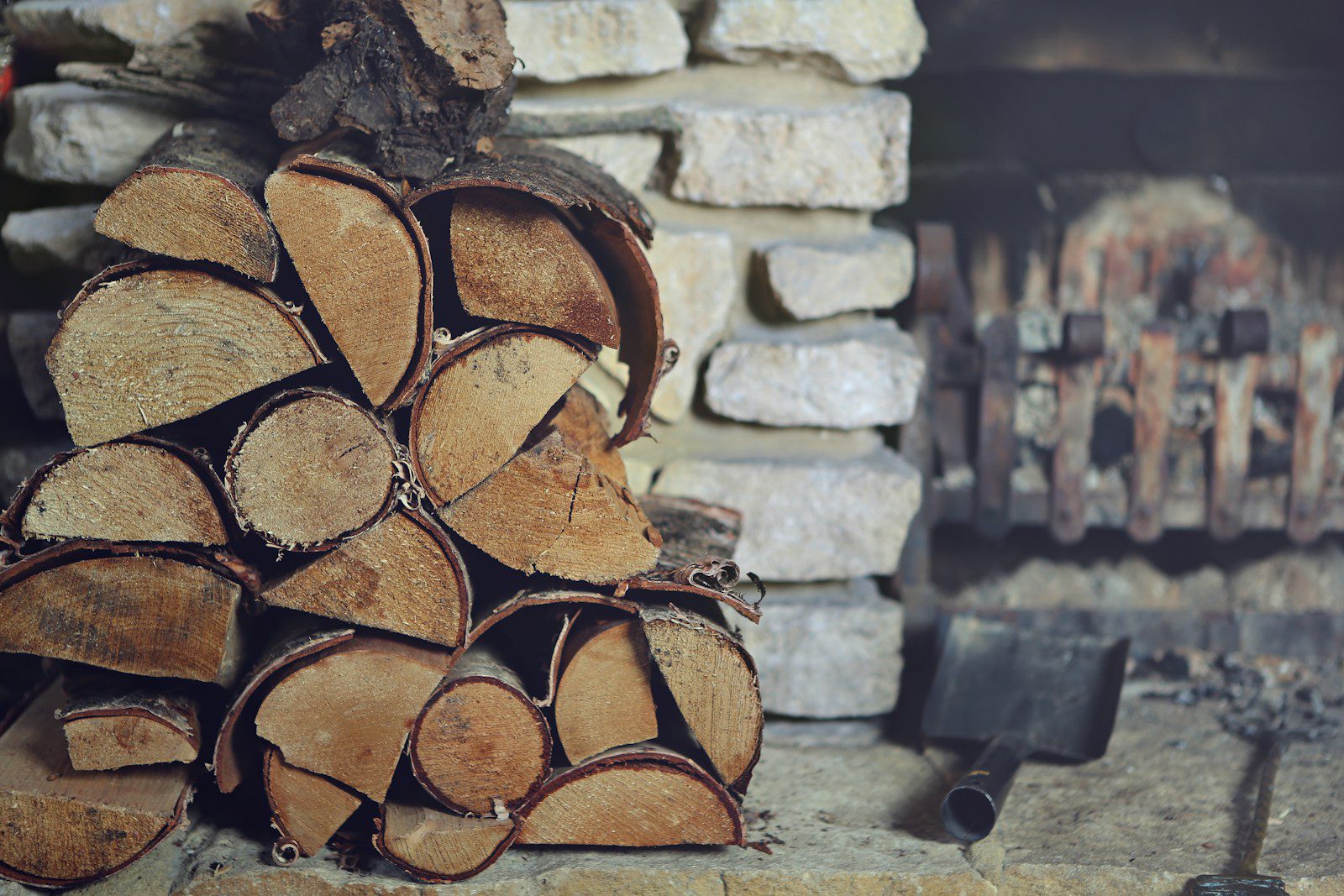
Firewood stored too close to the house can attract a variety of critters, from termites to spiders to rodents. It’s best to store firewood at least 20 feet from your home and keep it off the ground if possible. Also, only bring in as much wood as you need at a time to prevent critters from hitching a ride indoors.
12. Fruit Trees and Vegetable Gardens without Protection
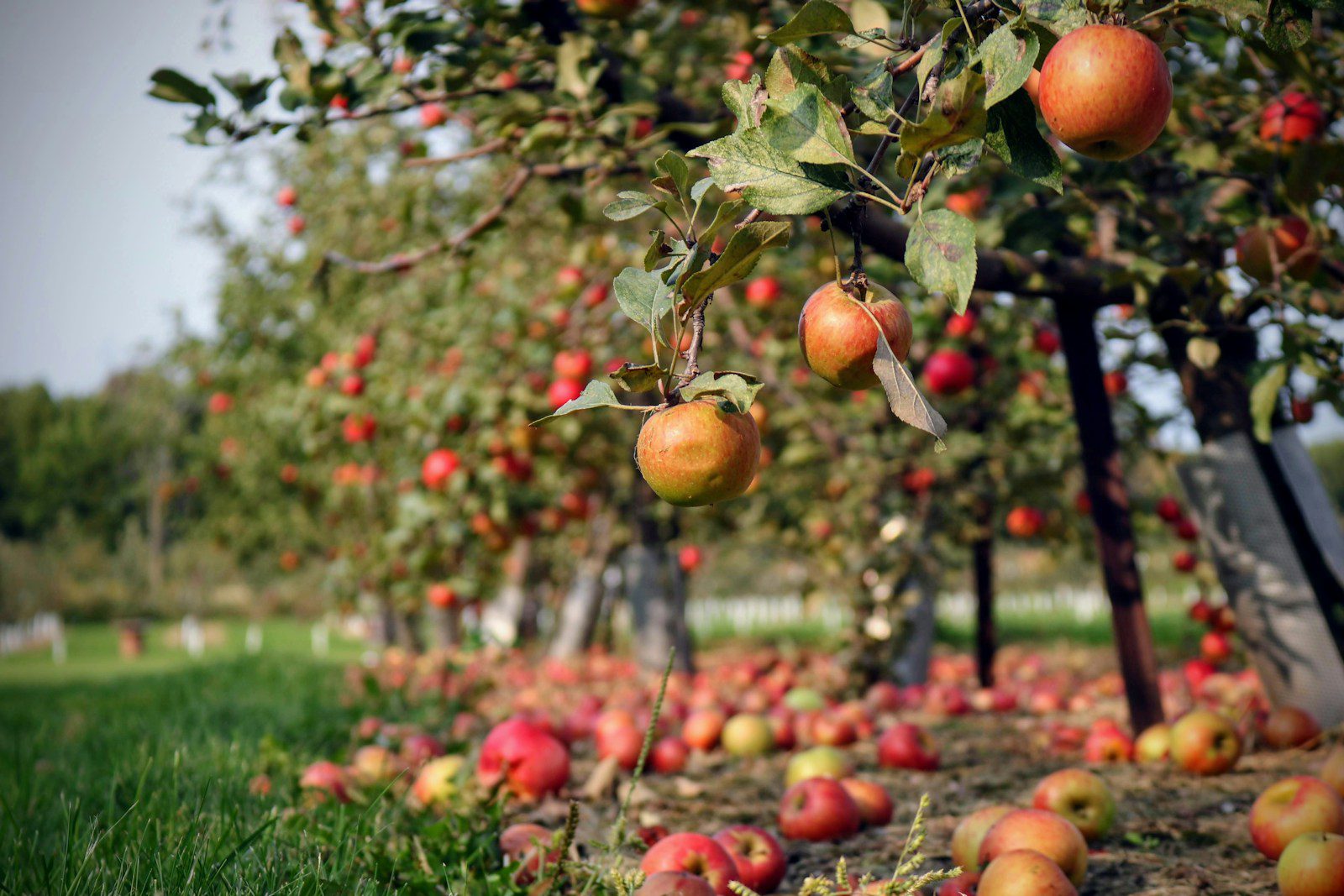
Fruit trees and vegetable gardens can attract a variety of critters, from birds to squirrels to raccoons. Using netting to protect your produce and fencing to keep out larger critters can help. Also, be sure to regularly harvest ripe produce and clean up fallen fruit to deter critters.
13. Absence of Natural Predators in the Yard

An absence of natural predators can make your yard a safe haven for critters. Having a dog or cat can help deter some critters, but there are also other natural predators you can attract. For example, installing a bat house can help control mosquito populations, while birds of prey can help keep rodent populations in check. Just remember, it’s important to create a balanced ecosystem in your yard.
By being aware of these home features and taking steps to manage them, we can make our homes less appealing to critters. It’s not always easy, but with a little effort, we can coexist peacefully with our wild neighbors.
Before you go — if this inspired you, check out these readers-loved favorites: