
It’s an undeniable fact that we are more dependent on our electronic gadgets than ever before. However, what many of us don’t realize is the hidden cost of running these devices.
Some gadgets in our homes are secretly sucking up electricity, even when they’re in standby mode or not in use. And this can lead to an unexpected increase in your electricity bill. Let’s take a look at some of these energy-hungry gadgets.
Digital TV
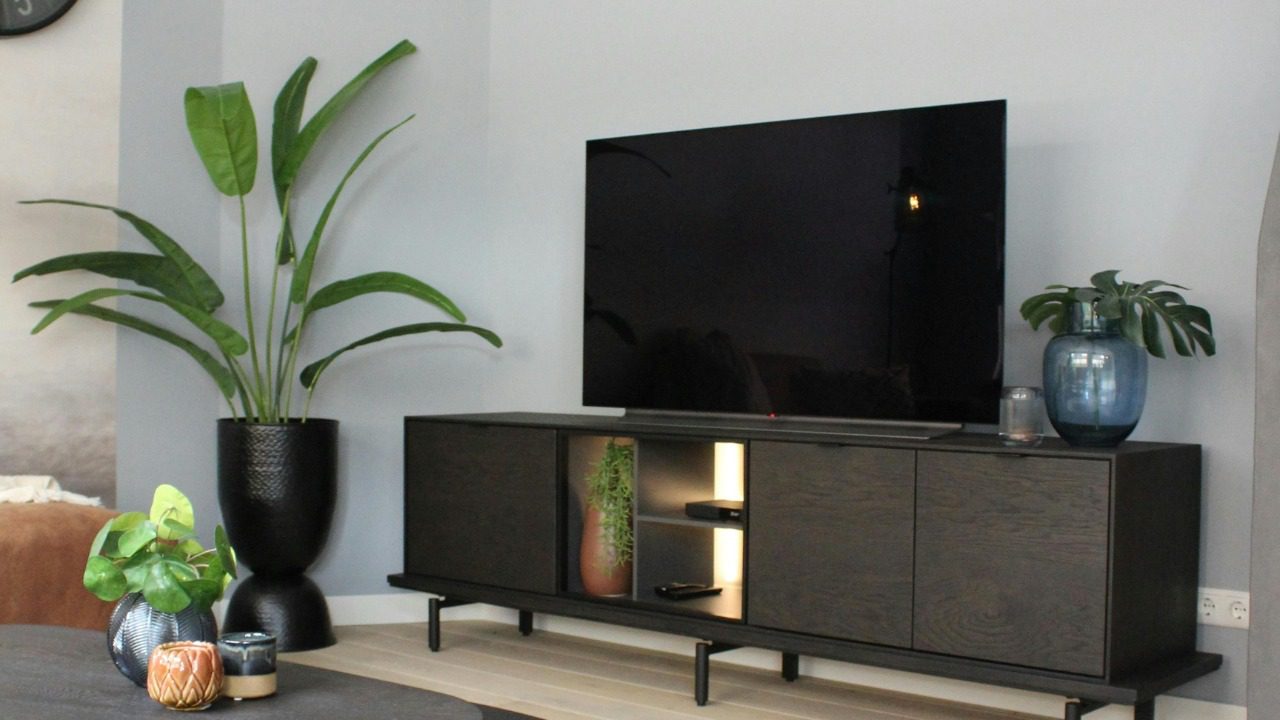
Did you know your digital TV is consuming power even when it’s turned off? The standby mode doesn’t mean it’s not using any electricity. It’s actually continuously drawing power to keep the internal components warm for a quick start when you turn it on again. As per a study, this could be adding an unnecessary cost to your electricity bill.
Consider unplugging your TV when it’s not in use. If that sounds too inconvenient, at least make sure you fully turn it off instead of leaving it in standby mode. Energy-saving settings could also help reduce its power consumption.
Standby Mode on Gaming Consoles
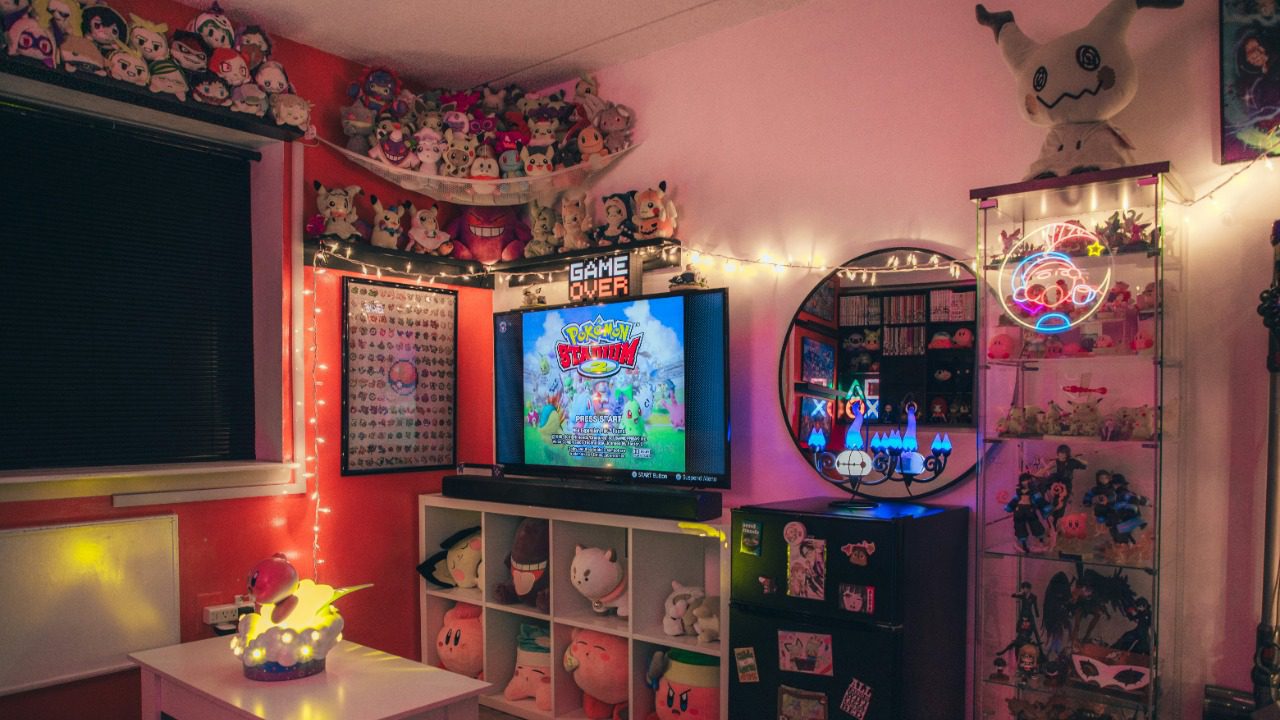
Gaming consoles like PlayStation and Xbox are notorious for their energy consumption. When left in standby mode, they can draw almost as much power as when they’re in use. This is because they’re often downloading updates, syncing with the network, or performing other background tasks.
It’s advisable to completely power off your gaming console when you’re not using it. Also, check for energy-saving settings in the console’s menu. These modifications can significantly reduce the device’s electricity consumption.
Modem and Wireless Routers

Internet connectivity is a staple in most homes, which means our modems and routers are constantly running. These devices may seem small and harmless, but they can consume a fair amount of electricity over time, particularly if they’re left on 24/7.
Try turning off your modem and router when they’re not in use, especially during the night or when you’re away from home. Not only will this save energy, but it can also extend the life of your devices.
Desktop Computers
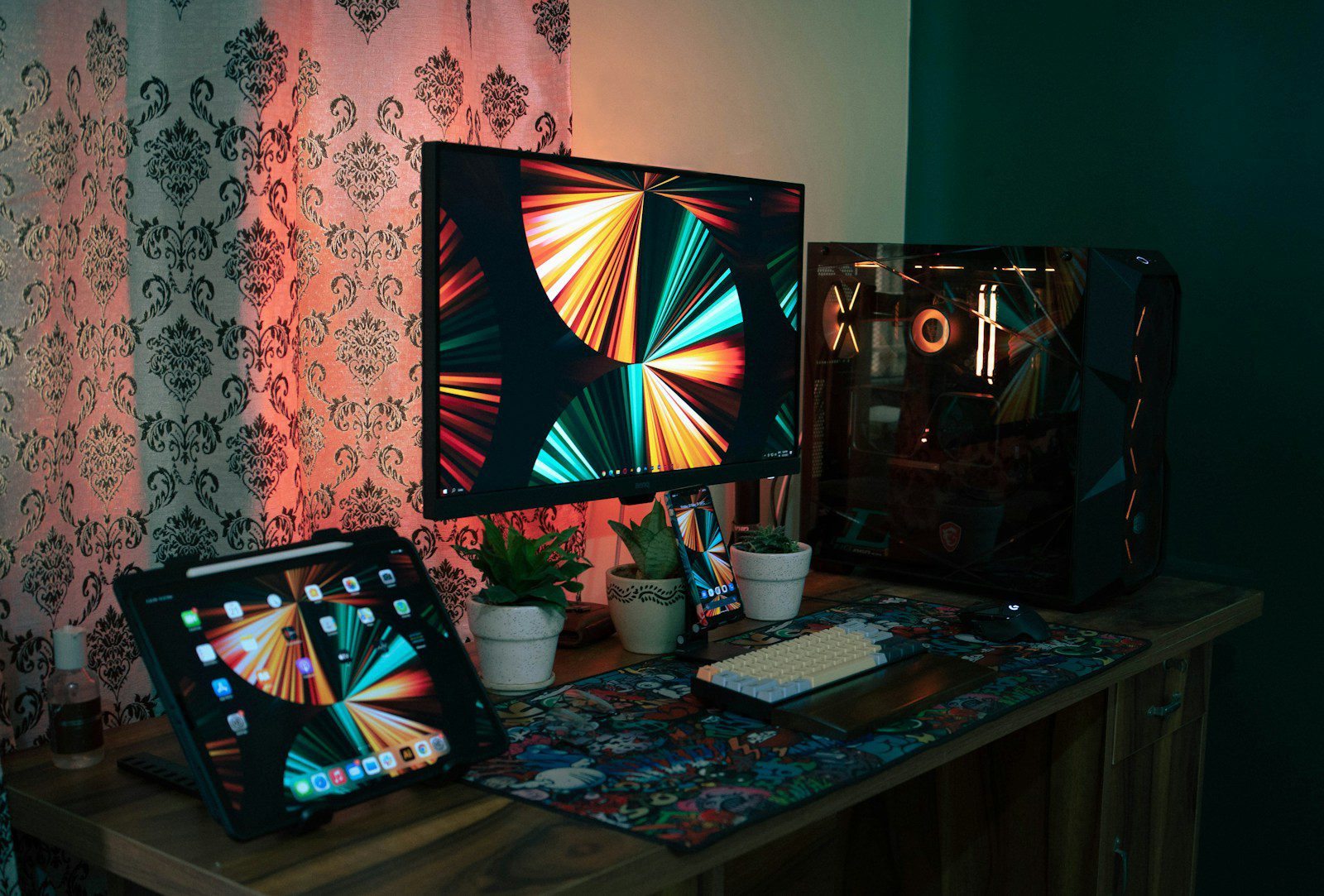
Desktop computers are one of the biggest energy consumers in a home, especially if they’re left on all day. Even in sleep mode, a computer still uses energy to keep its internal components running. According to Solar.com, computers can be responsible for a significant portion of a household’s energy consumption.
To save energy, turn off your computer when it’s not in use. Also, adjust the power settings to ensure it goes into sleep mode after a certain period of inactivity.
Microwave

It might surprise you to know that your microwave consumes more energy powering its digital clock than it does heating your food. This is because the clock runs continuously, while the heating element only operates for a few minutes a day.
To reduce this energy waste, consider unplugging your microwave when it’s not in use. Or, at the very least, turn off the clock feature if possible.
Coffeemakers

Many modern coffeemakers come with a standby feature that keeps the water warm for extended periods. While this is convenient, it also means the machine is using electricity constantly.
Make sure to turn off your coffeemaker once your coffee is ready. If it has a programmable feature, set it to turn off automatically after brewing.
Printers

Printers, particularly laser ones, can consume a surprising amount of electricity when they’re in standby mode. This is because they keep their fusers heated up for quick print jobs.
It’s advisable to turn off your printer when it’s not in use. Also, consider investing in an Energy Star certified printer, which uses less energy compared to traditional models.
Cable Boxes
Cable boxes, especially those with DVR functionality, use a significant amount of electricity. They’re always on, recording shows and maintaining a network connection, even when you’re not watching TV.
To save energy, consider unplugging your cable box when it’s not in use. Or, consider switching to a streaming device, which typically uses less energy.
Electric Toothbrush Charger
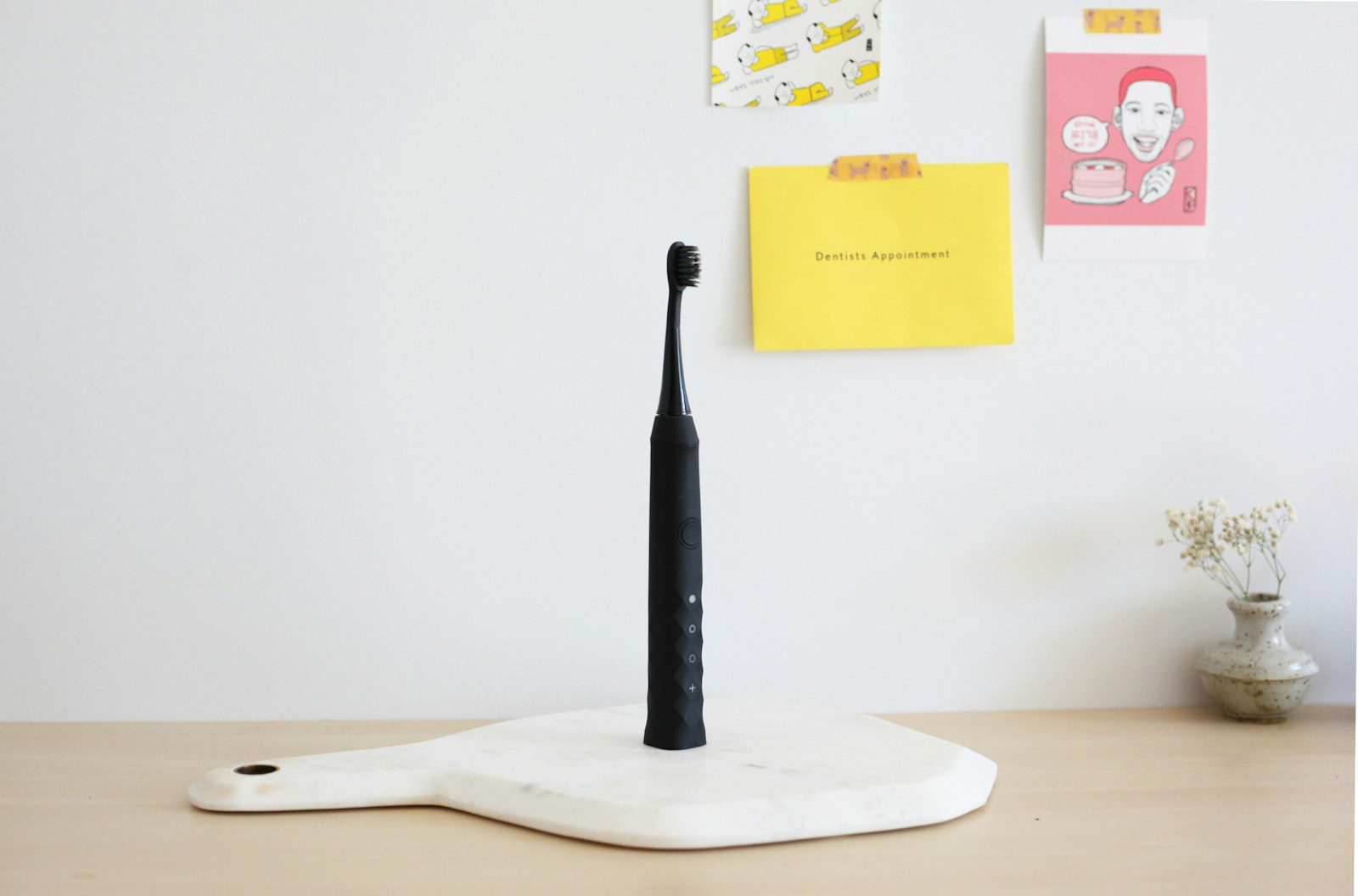
Electric toothbrush chargers are often left plugged in, constantly drawing power, even when the toothbrush is fully charged. This might not seem like a lot, but over time, it can add up.
Unplug your toothbrush charger once your toothbrush is fully charged. Not only will this save energy, but it can also extend the life of your toothbrush battery.
Dishwashers
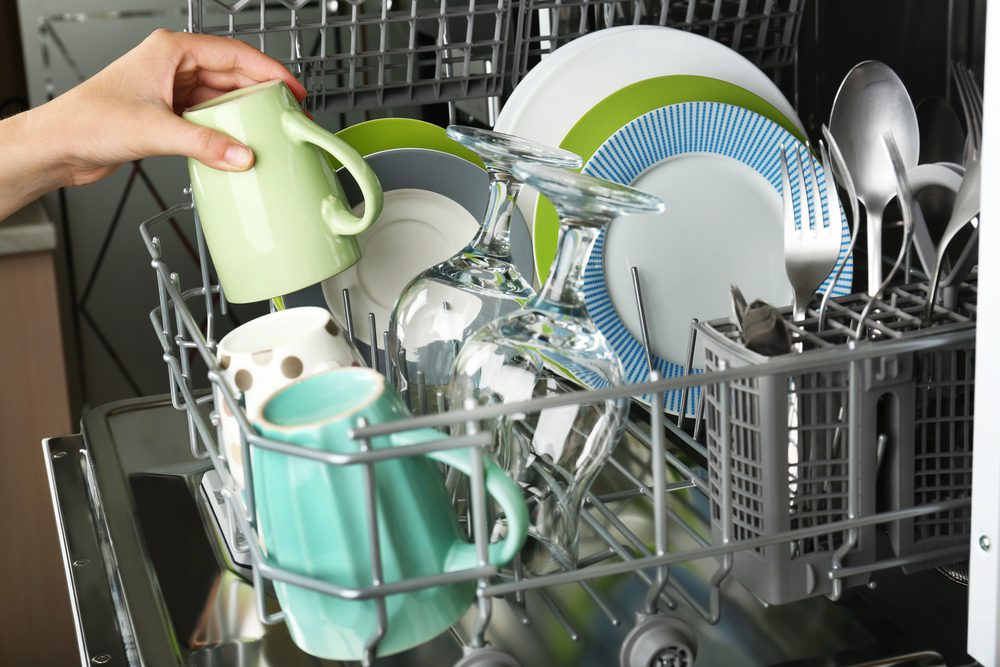
Dishwashers are a convenient appliance, but they can consume a lot of energy, especially if they’re older models. They use electricity to heat water and run the drying cycle.
Consider running your dishwasher only when it’s full and using the energy-saving settings if available. You can also let your dishes air-dry to save more energy.
Air Purifiers
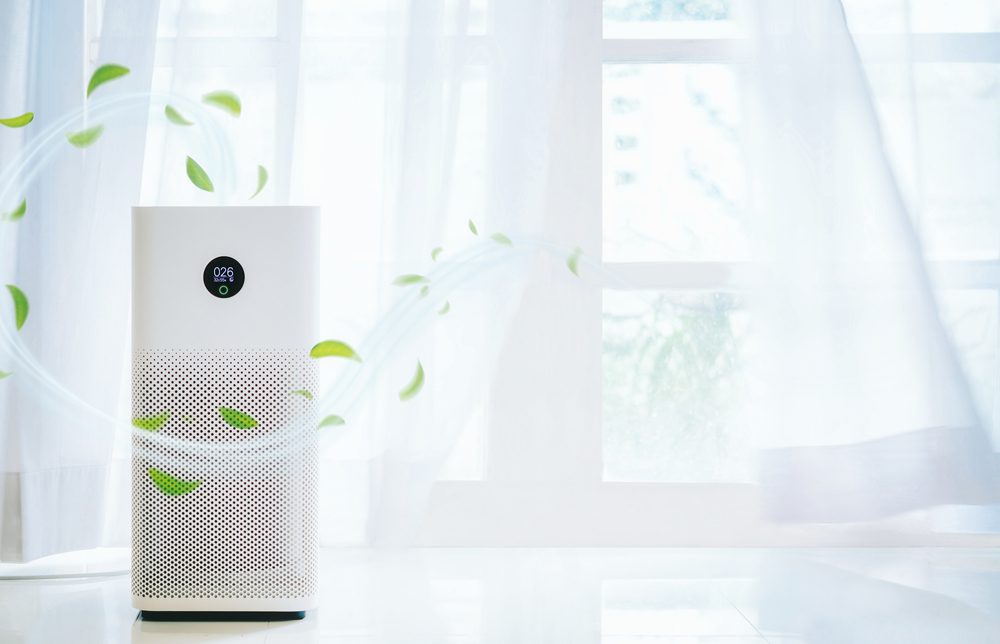
Air purifiers can use a considerable amount of electricity, particularly if they’re running continuously. This is due to their multiple components, including fans and filters.
Turn off your air purifier when it’s not needed, like when you’re out of the house. Also, consider getting a model with an energy-saving mode or a timer function.
Space Heaters

Space heaters can quickly warm up a room, but they can also consume a lot of electricity. According to a book on household energy consumption, space heaters can significantly increase your electricity bill if used regularly.
Consider using your space heater sparingly and only in the room you’re in. Also, make sure to turn it off when you leave the room.
Electric Garage Door Opener

It might not be used often, but your electric garage door opener can consume a surprising amount of electricity. This is because it’s always on standby, ready to open or close the door at a moment’s notice.
To reduce its energy consumption, consider unplugging the opener when it’s not in use. Also, check if it has an energy-saving mode or a sleep feature that can be activated.