



I’ve always had a soft spot for finding new ways to save a penny or two. Over the years, I’ve collected a bundle of tips and tricks to keep your budget in check while maintaining a comfortable and efficient home.
If you’re like me and love a good hack that actually saves you money, then buckle up, because I’m about to share 13 of my favorite household money-saving hacks with you. Let’s dive in.
1. Start Composting to Reduce Waste and Enrich Your Garden


Did you know that composting can not only reduce the amount of waste you produce, but also enhance the fertility of your garden soil? By composting food scraps and yard waste, you can create rich, nutrient-dense compost that your plants will love. This means you’ll spend less on commercial fertilizers and soil amendments. Plus, it’s a great way to reduce your household’s carbon footprint.
Check out this guide for more information on how to start composting at home. You’ll be surprised at how simple it can be!
2. Use Energy-Efficient Appliances to Lower Your Electric Bill

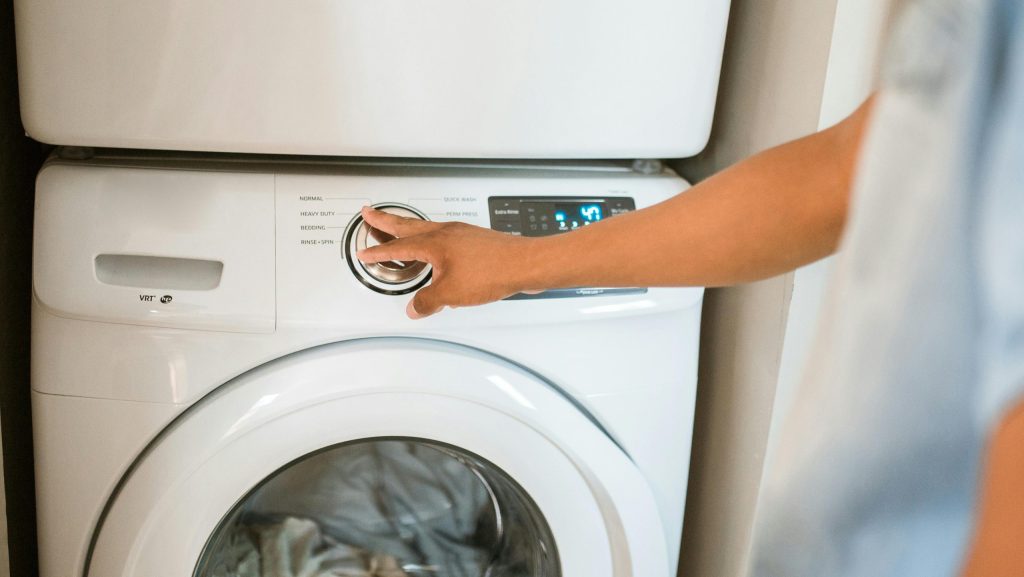
When it comes to appliances, energy efficiency is key. By choosing energy-efficient models, you can significantly cut down your electricity consumption and lower your monthly bills. According to a report, households can save up to 30% on their energy bills by simply switching to energy-efficient appliances.
Keep an eye out for appliances with the Energy Star label. These models use less power and are designed to save you money over time.
3. Make Your Own Cleaning Supplies for Pennies on the Dollar

Many common household cleaning supplies can be made at home using basic ingredients like vinegar, baking soda, and lemon juice. Not only are these homemade cleaners cheaper than store-bought versions, but they’re also often safer for your family and the environment.
From all-purpose cleaners to laundry detergent, you’d be surprised at what you can make with a few simple ingredients. Check out this book for tons of DIY cleaning recipes.
4. Install Water-Saving Shower Heads to Cut Down on Your Water Bill
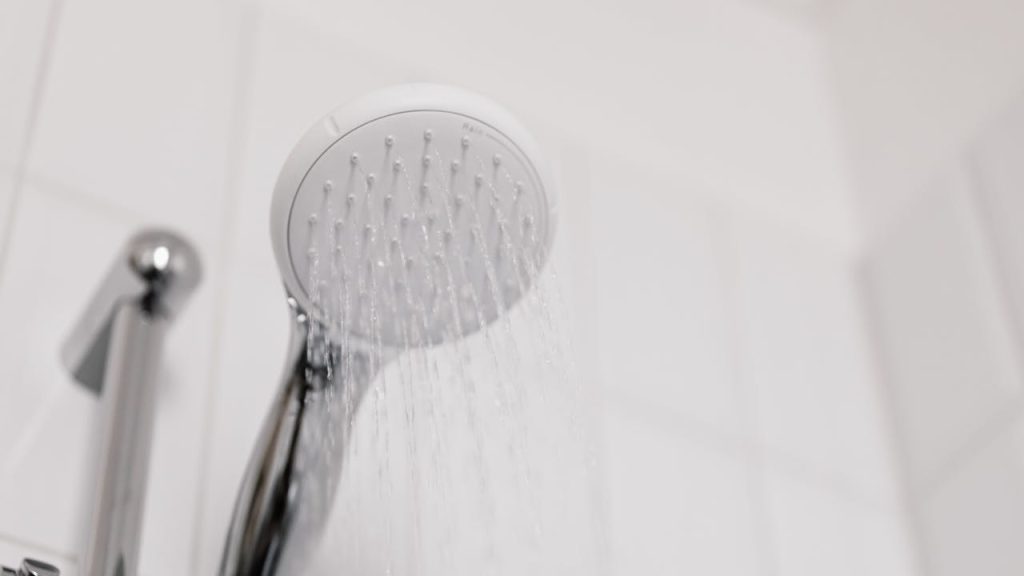
Investing in a water-saving shower head is a simple way to reduce your water usage and lower your monthly water bill. These shower heads use less water per minute than traditional models, but still provide a satisfying shower experience.
While the upfront cost of a water-saving shower head can be more than a standard model, the savings on your water bill can quickly make up for the difference. Consider this an investment in both your wallet and the environment.
5. Cancel Unnecessary Subscriptions for Instant Savings


It’s easy to forget about those small monthly subscriptions, but they can add up quickly. Take a moment to review your subscription services and cancel any that you no longer use or need. Whether it’s a streaming service you barely use or a magazine you never read, eliminating these unnecessary expenses can result in instant savings.
You might be surprised at how much you can save by simply cutting out a few unnecessary subscriptions. As the saying goes, “A penny saved is a penny earned.”
6. Cook at Home More Often to Save on Dining Out

We all love a good meal out, but dining at restaurants can be expensive. Try cooking at home more often to save money. Plus, cooking at home allows you to control the ingredients in your meals, which can be healthier.
If you’re not sure where to start, there are plenty of free resources online to help you find delicious and budget-friendly recipes. You could even turn it into a fun family activity by cooking together!
7. Grow Your Own Herbs and Vegetables to Cut Grocery Costs


Gardening can be a rewarding and cost-effective way to provide fresh produce for your family. Start with easy-to-grow herbs like basil and mint, then expand to vegetables like tomatoes and peppers. You’ll be amazed at how much you can save on your grocery bill, not to mention the satisfaction of eating food you’ve grown yourself.
If space is a concern, many herbs and vegetables can be grown in containers on a patio or balcony. So even if you don’t have a large backyard, you can still enjoy the benefits of homegrown produce.
8. Insulate Your Home to Reduce Heating and Cooling Costs

Proper insulation can keep your home warmer in the winter and cooler in the summer, reducing the need for expensive heating and cooling. Whether it’s sealing drafts around windows and doors or adding insulation to your attic, every little bit helps in maintaining a comfortable and energy-efficient home.
While there’s an upfront cost to improving your home’s insulation, the long-term savings on your heating and cooling bills can more than make up for it. Plus, you’ll be improving the comfort and value of your home.
9. DIY Home Repairs and Improvements to Avoid Professional Fees
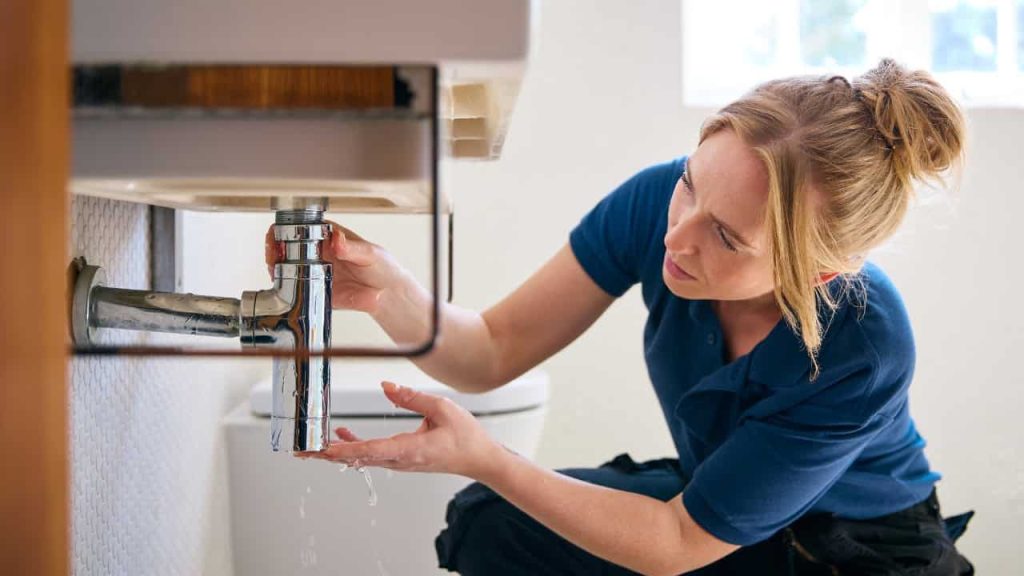
While some home repairs require the expertise of a professional, many common fixes can be done yourself with a little research and elbow grease. From patching drywall to fixing a leaky faucet, you can save a significant amount of money by doing these repairs yourself.
There are plenty of tutorials and guides available online to help you learn these skills. Just remember, safety comes first! If a job seems too complex or dangerous, don’t hesitate to hire a professional.
10. Use LED Light Bulbs to Save on Electricity
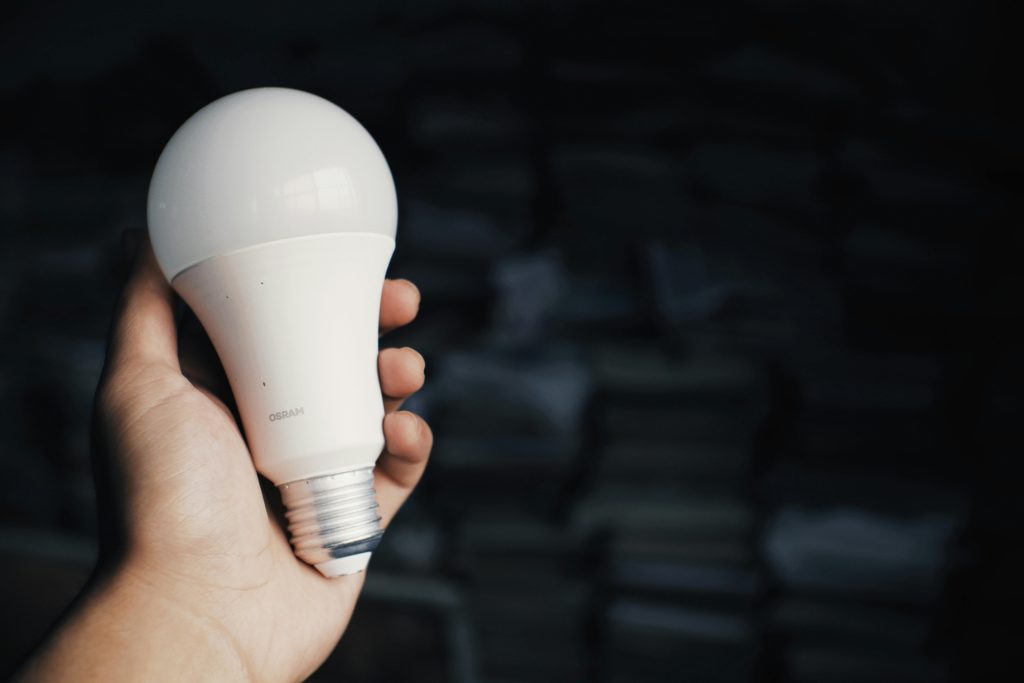
LED light bulbs are more expensive upfront, but they use significantly less energy and last much longer than traditional incandescent bulbs. This means you’ll save money in the long run on both your electric bill and replacement costs.
So next time a light bulb in your home burns out, consider replacing it with an LED. You’ll be doing both your wallet and the environment a favor.
11. Unplug Electronics When Not in Use to Conserve Energy
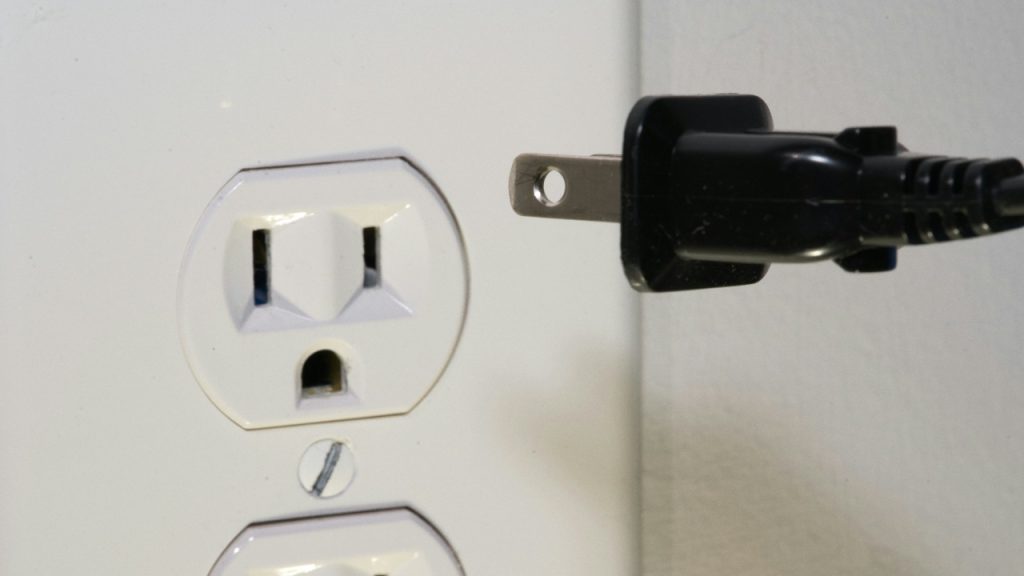
Many electronics use energy even when they’re turned off. This phenomenon, known as “vampire power,” can add up to a significant amount on your electricity bill over time. To avoid this, unplug your electronics when they’re not in use or use a power strip with an on/off switch.
While this might seem like a small step, every little bit helps when it comes to saving energy and reducing your electricity bill.
12. Line-Dry Clothes to Save on Dryer Costs

Using a clothesline or drying rack instead of a dryer not only saves energy, but also extends the life of your clothes. Plus, nothing beats the fresh smell of line-dried laundry!
Even if you can’t line-dry all the time, doing it just a few times a month can make a noticeable difference on your energy bill. Give it a try and you might just find that you prefer this old-fashioned method.
13. Conduct Regular Home Maintenance to Prevent Costly Repairs
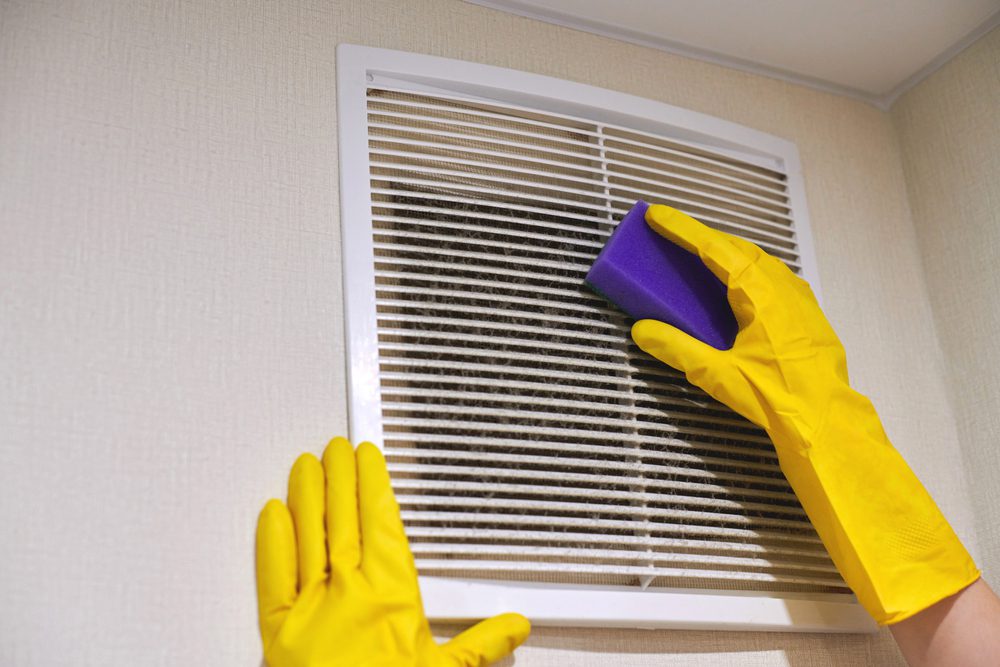
Regular home maintenance can prevent minor issues from turning into costly repairs. From cleaning your gutters to changing your HVAC filters, these simple tasks can save you a lot of money in the long run.
Check out this guide for a comprehensive list of home maintenance tasks and how often they should be done. Remember, an ounce of prevention is worth a pound of cure!
Before you go — if this inspired you, check out these readers-loved favorites: