Cleaning is an important part of maintaining your home, but it’s possible to go too far. Some items you clean regularly might actually suffer damage from over-cleaning, wearing down finishes or shortening their lifespan.
Understanding which things you might be cleaning too much can save you time and help protect your belongings. Knowing when to dial back your cleaning routine can improve the overall condition of your items without sacrificing cleanliness.
Baseboards

You might be cleaning your baseboards more often than needed. Dusting them regularly is good, but scrubbing too much can wear down the paint or finish.
If they look dirty, use a gentle method like a damp cloth or dryer sheets for easy cleaning. This removes dust without causing damage.
Focus on cleaning your baseboards after other tasks, like vacuuming or mopping, to avoid spreading dirt back onto them.
Wooden Furniture

You might think cleaning your wooden furniture often keeps it looking fresh. However, excessive cleaning can damage the wood’s surface over time.
Avoid spraying cleaners directly on the wood. The liquid can penetrate and leave permanent marks. Instead, use a slightly damp cloth and dry immediately.
Stick to gentle cleaning methods. Harsh chemicals or overuse of polish can remove natural oils, making your furniture dry and prone to cracks.
Hardwood Floors

You might think frequent mopping keeps your hardwood floors clean, but using too much water can cause damage. Avoid soaking your floors and opt for a barely damp mop instead.
Steer clear of harsh cleaners like ammonia, vinegar, or steam cleaners. These can strip the finish and weaken the wood over time.
Using abrasive pads or scrubbing too hard can also leave scratches. Gentle cleaning and the right products will help your floors stay beautiful longer.
Window Glass

You might think cleaning your windows daily keeps them spotless, but over-cleaning can cause damage. Using harsh cleaners like those with ammonia can ruin certain types of glass or plexiglass.
Try gentle solutions, like a mix of vinegar and water or mild dish soap. Avoid abrasive tools or paper towels that can scratch the surface. Instead, use soft cloths and light pressure for cleaner, safer windows.
Dishes
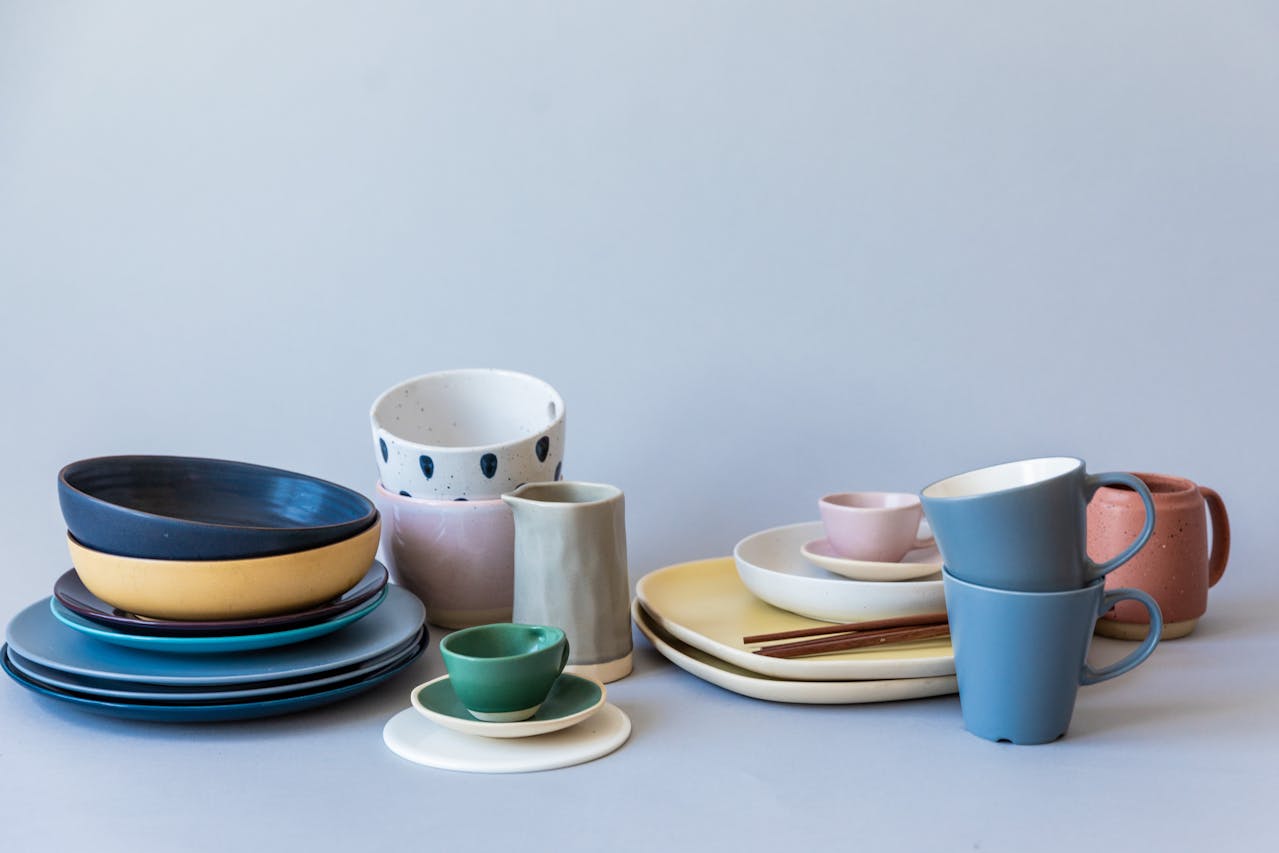
You don’t need to scrub your dishes obsessively after every meal. Over-cleaning can wear down the surface of your plates and glasses, causing tiny scratches that trap bacteria.
Let your dishes soak if food feels stuck, then wash them gently. Using too much detergent or harsh scrubbing tools can damage your dishware over time.
Focus on cleaning your dishes efficiently rather than excessively. This keeps them safe and extends their lifespan.
Ceiling Fans
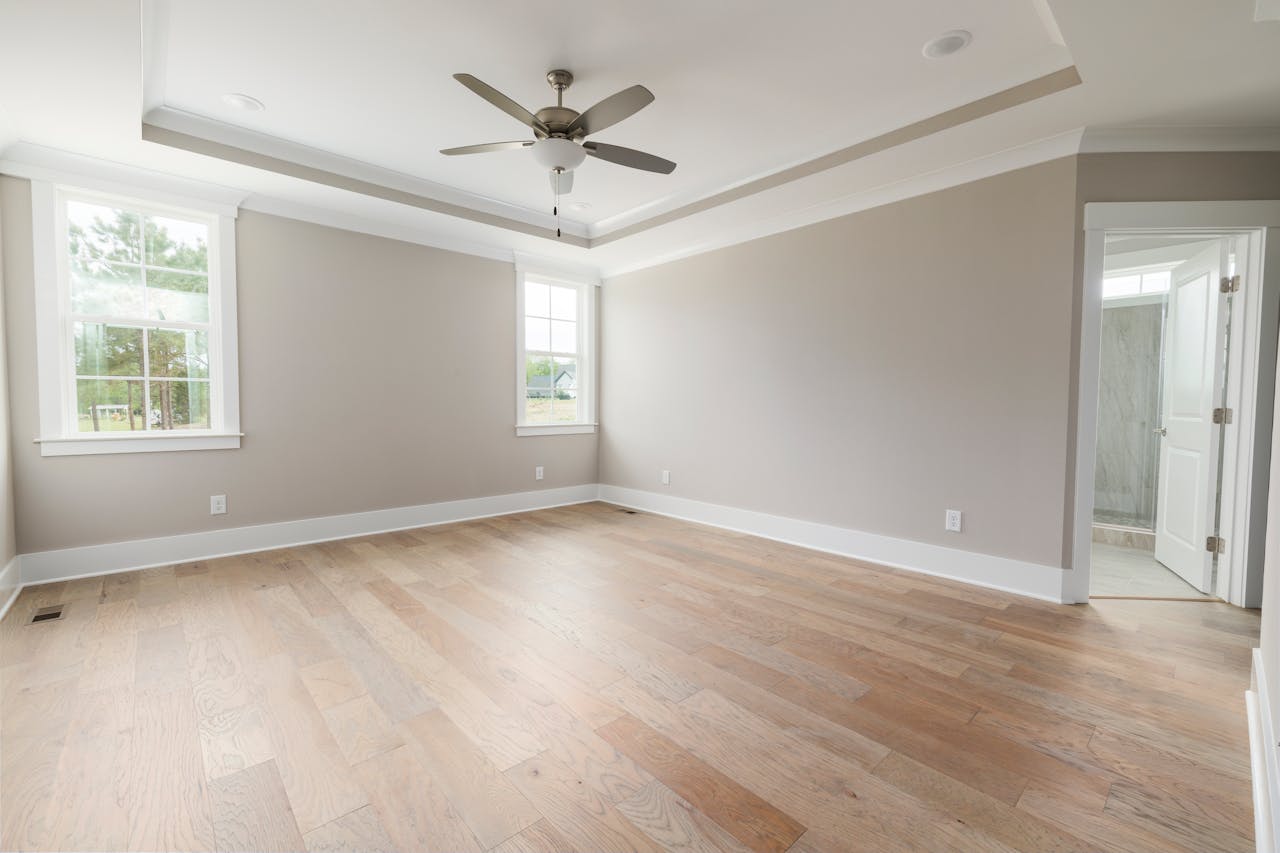
You might think cleaning your ceiling fan daily keeps dust away, but over-cleaning can cause damage. Wiping fan blades too often or with harsh cleaners can wear down the finish.
A gentle wipe every couple of weeks is usually enough. If dust builds up quickly, check your air filter—it might be time to replace it.
Using a soft cloth and mild cleaner protects your fan and keeps your air fresher without extra work.
Cast-Iron Pans

You don’t need to scrub your cast-iron pan harshly every time. Avoid using steel wool or metal utensils, as they can damage the seasoning layer.
Mild dish soap and a soft brush are enough to clean your pan. If food sticks, try soaking it briefly instead of scrubbing hard.
Over-cleaning can strip the seasoning, making your pan prone to rust. After washing, always dry it completely and apply a light coat of oil to protect the surface.
Bathroom Fixtures

You might think cleaning your bathroom fixtures daily keeps them shiny, but over-cleaning can actually wear down finishes. Harsh scrubbing or strong chemicals can cause damage over time.
Instead, wipe them gently with a soft cloth and mild cleaner. Avoid bleach or abrasive products, as they can dull or corrode surfaces.
A little regular care goes a long way, helping your faucets and handles last longer without losing their sparkle.
Microwave Interiors

You might think cleaning your microwave every day helps, but scrubbing too hard can damage the lining. Use a damp cloth or a soft sponge to wipe the inside gently.
To freshen it up, steam water with a bit of vinegar or lemon juice inside for a few minutes. Then, let it sit before wiping. This method cleans without harsh scrubbing or chemicals.
Avoid soaking the control panel or using abrasive tools. They can ruin your microwave faster than you realize.
Refrigerator Shelves

You don’t need to clean your refrigerator shelves every day. Wiping them down when you notice spills or crumbs is enough to keep them clean and safe.
Use warm water and mild dish soap with a soft cloth or sponge. Avoid harsh scrubbing, which can damage glass or plastic shelves.
Let the shelves come to room temperature before cleaning to prevent cracking. Regular, gentle cleaning helps maintain your fridge without wearing out the surfaces.
Rugs

You might think cleaning your rugs often is helpful, but too much can weaken fibers and cause fading. Avoid using harsh cleaners or scrubbing aggressively, as this can damage the material.
Instead, spot clean spills gently with a mild detergent made for your rug’s fabric. Over-shampooing can leave residue that attracts dirt faster, so less is more when it comes to deep cleaning.
Take your rug outside occasionally and give it a light shake or vacuum to remove dust without stressing the fibers.
Curtains
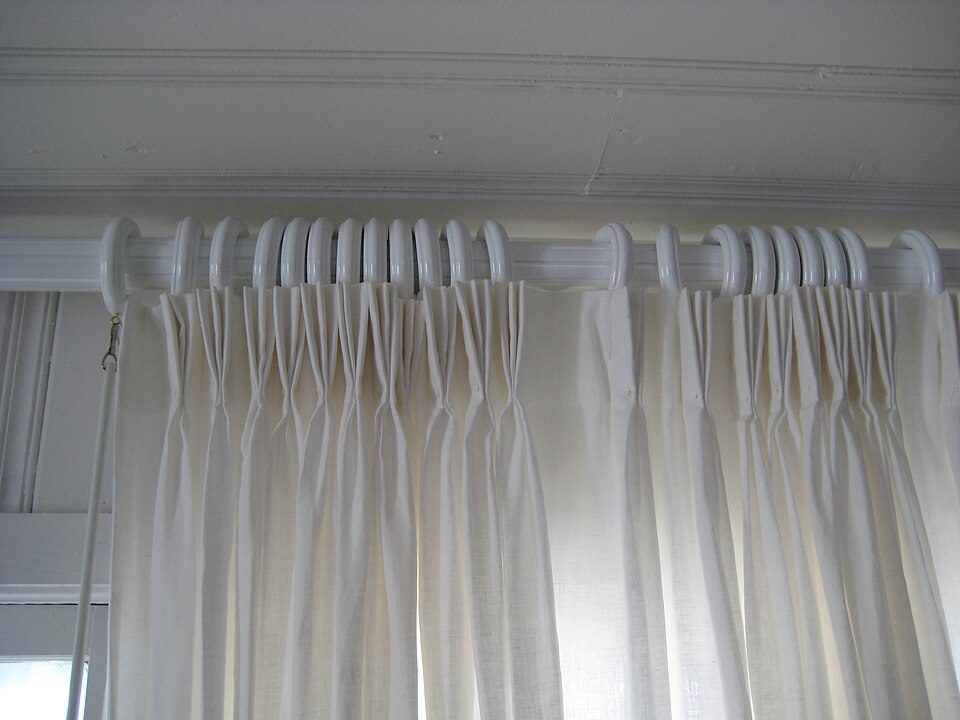
You might think washing your curtains often keeps them fresh, but cleaning them too much can weaken the fabric. Instead, gently shake or vacuum them regularly to remove dust.
If you need deeper cleaning, remove hooks and weights first. Avoid harsh washing methods, especially with delicate or dry-clean-only curtains, to prevent damage.
Using a dryer briefly with curtains can help remove pet fur without harming the fabric. Taking these small steps will keep your curtains looking good longer.
Clothes
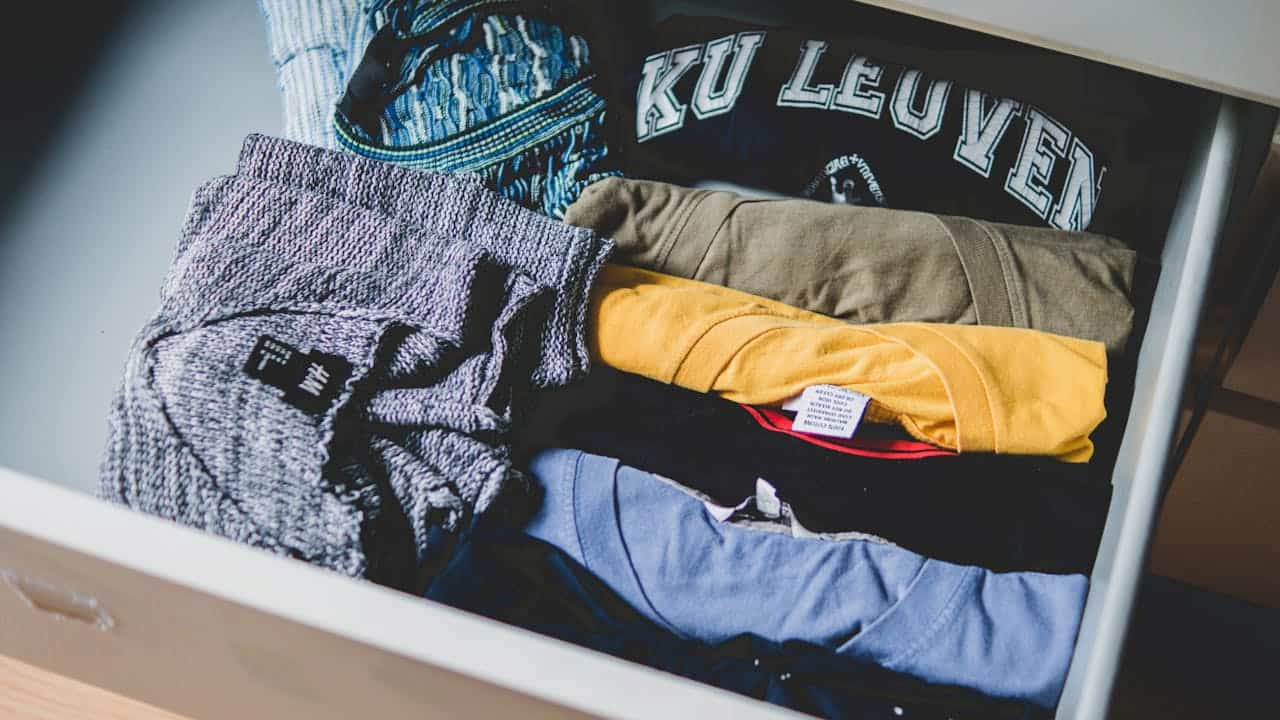
Washing your clothes too often can wear them out faster. Overloading the machine or using too much detergent leaves residue that damages fibers.
Ignoring care labels or sorting only by color instead of fabric type can cause shrinkage and fading.
Give your clothes a break by washing them only when needed and using gentle cycles to help them last longer.