As an interior design enthusiast, you’ve likely spent countless hours perusing the latest trends for kitchen renovations. While many countertop materials can seem attractive initially, some options might not stand up to the demands of a busy kitchen or suit your aesthetic preferences in the long run. Designers have been known to steer clear of certain materials due to their inherent shortcomings. Here are 13 countertop options that designers often dislike, along with their reasons.
1. Laminate Countertops: A Design Downgrade
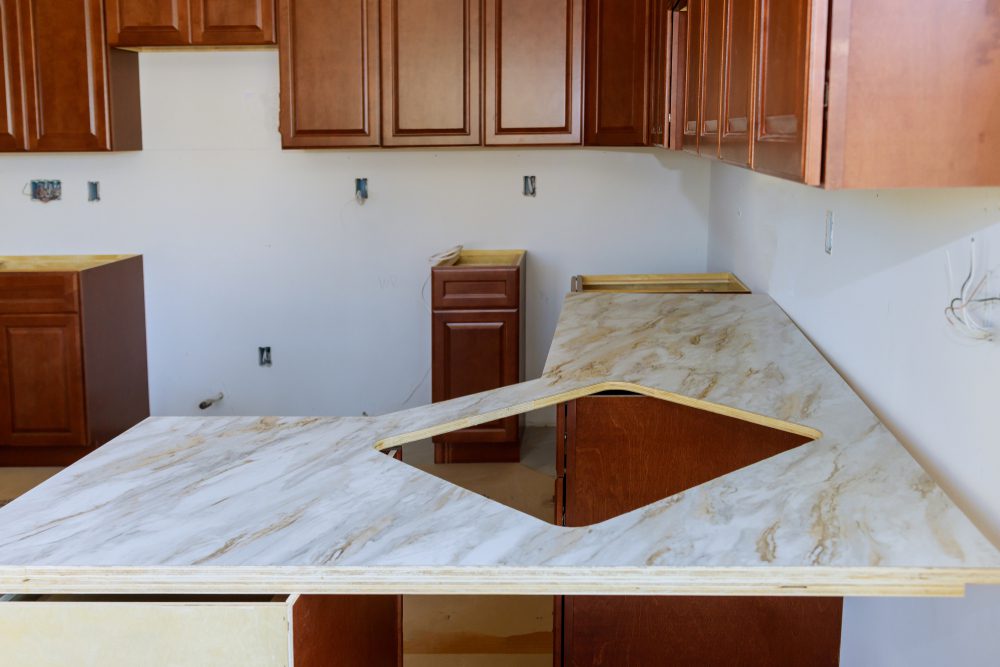
We have all seen laminate countertops, and while they might be inexpensive, they are not a favorite among designers. The main complaint is that they just don’t offer the same visual appeal or longevity as other materials. Over time, they can get scratched and chipped, and these damages are not easy to repair. It’s worth considering other options before settling on this design downgrade.
2. Tiled Countertops: A Grout Nightmare
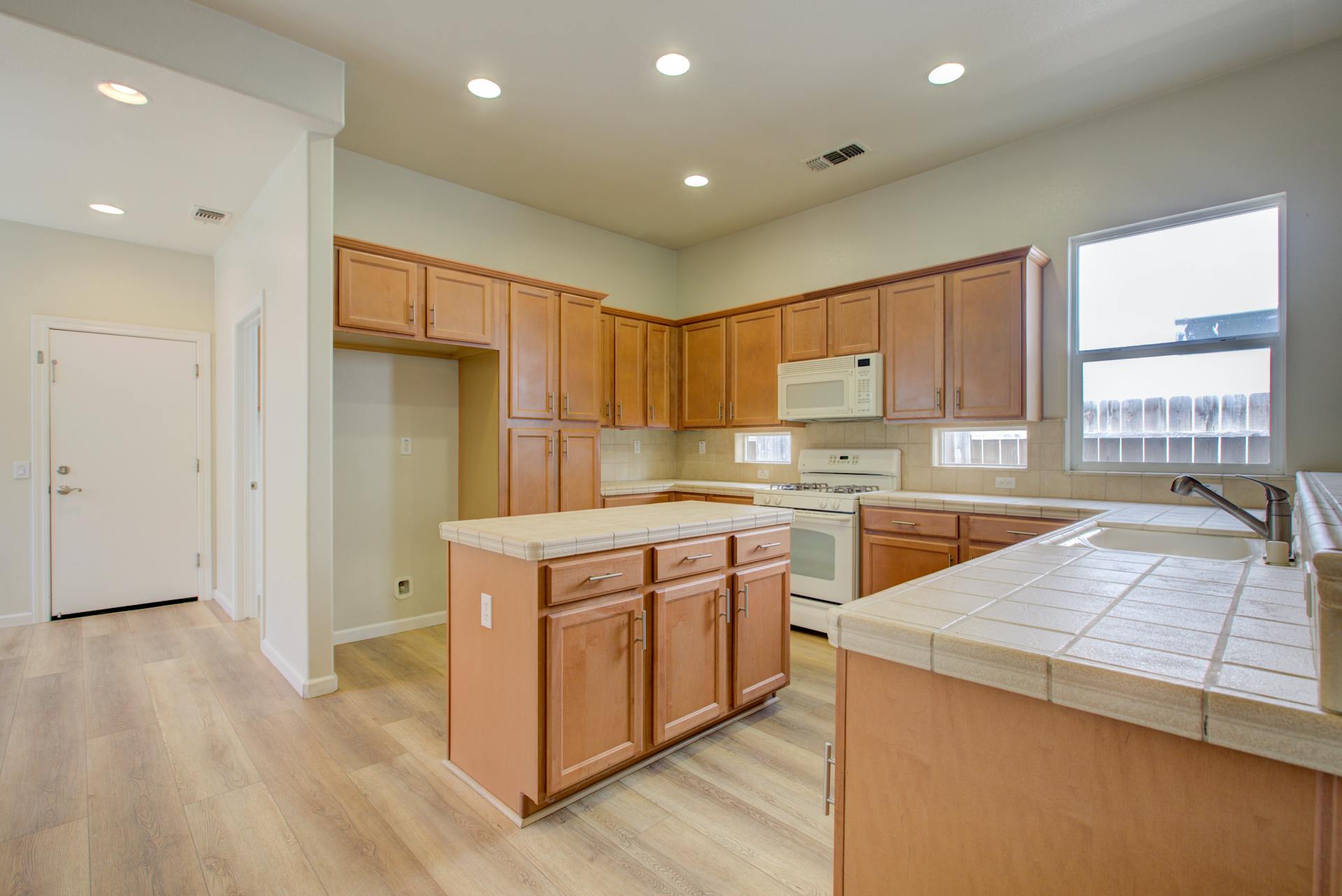
Tiled countertops might seem charming in theory, but they can become a grout nightmare in reality. Grout lines are notoriously hard to clean, making tiled countertops a poor choice for hygiene-focused homeowners. Additionally, tiles can chip or crack under impact, leaving you with an unsightly countertop that’s difficult and costly to repair.
3. Stainless Steel Countertops: Too Industrial for Comfort
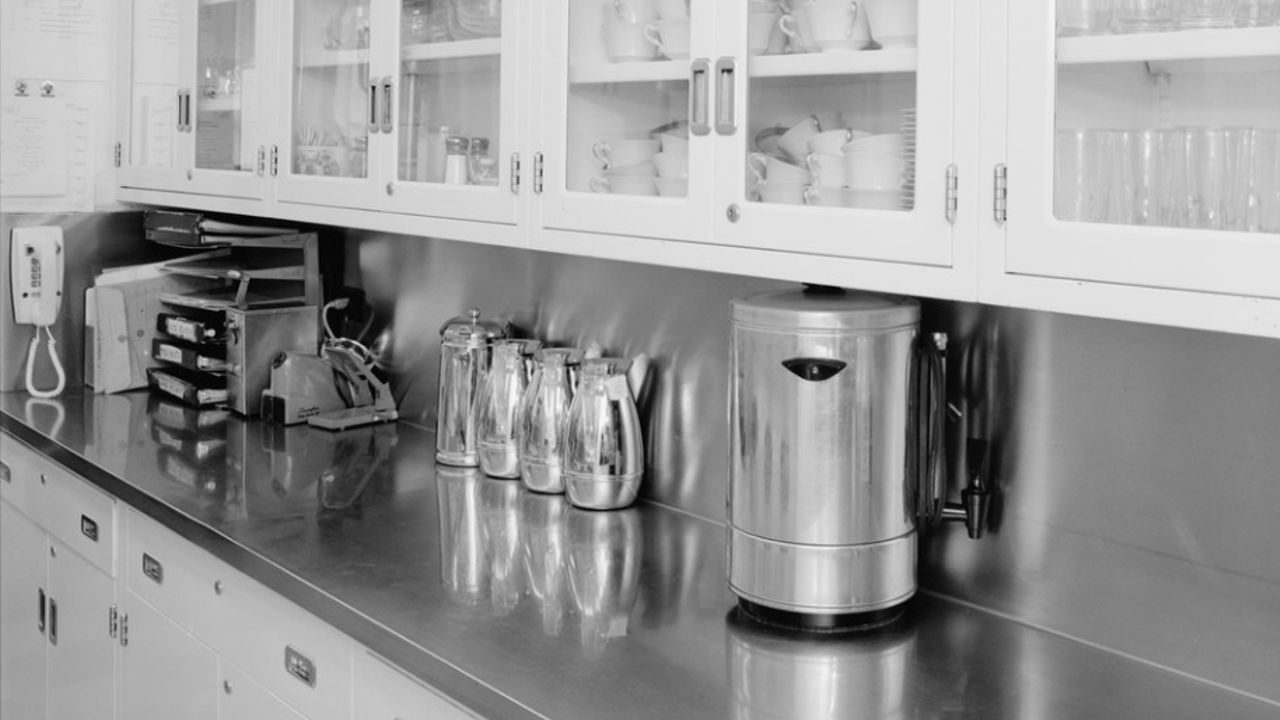
While stainless steel countertops may work in professional kitchens, they can feel too industrial for a home kitchen. They’re prone to showing scratches and fingerprints, which can make maintaining their sleek look a hassle. Plus, they don’t offer the warmth and hominess of other materials.
4. Concrete Countertops: The Weighty Disadvantage

Concrete countertops can bring a unique, modern aesthetic to a kitchen, but their weight can be a significant disadvantage. They require a sturdy base and professional installation, making them more complicated and expensive to install than many other countertop choices. Furthermore, concrete is porous, meaning it can stain easily if not properly sealed.
5. Painted Countertops: The Quick-Fix Disaster
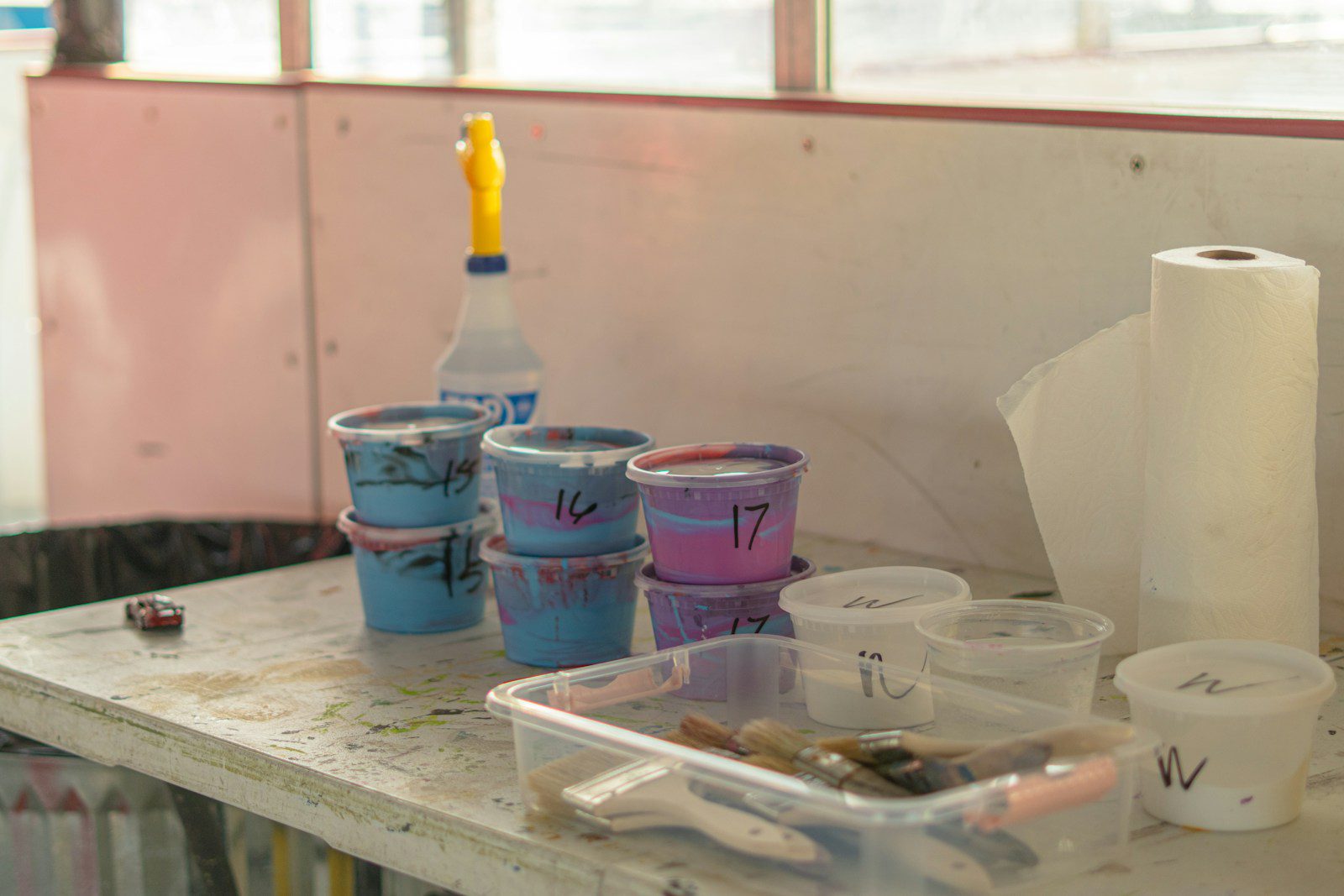
While painting your countertops might seem like a quick, affordable way to change their look, this method often leads to disappointment. Paint can chip and peel over time, especially with heavy use, and once this happens, your countertops can start to look shabby rather than chic. This quick-fix disaster is something most designers strongly advise against.
6. Cultured Marble Countertops: A Faux Pas

Cultured marble countertops are made from a mix of marble dust and plastic resins, giving you the look of marble without the hefty price tag. However, despite their attractive appearance, they are not very durable. They can scratch and stain easily, and they don’t hold up well under heat. For these reasons, they are often considered a design faux pas.
7. Plastic Laminate: The Inexpensive Illusion
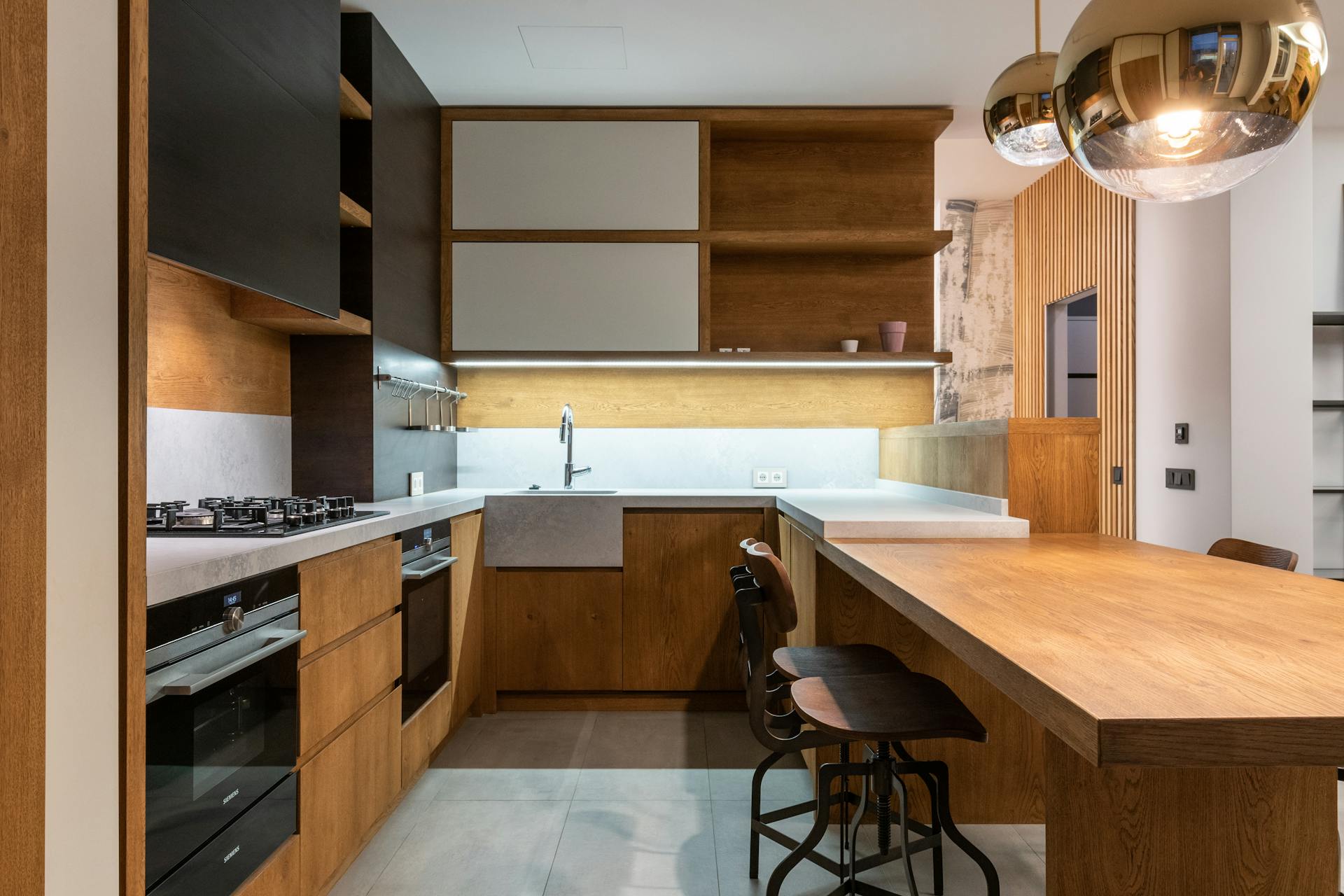
Plastic laminate, like laminate countertops, is a budget-friendly option that attempts to mimic the look of more expensive materials. However, it falls short in terms of durability and longevity. It can warp, scratch, and stain over time, making it a less-than-ideal choice for a kitchen that sees a lot of use.
8. Glass Countertops: The Cracking Concern

Glass countertops can bring a sleek, modern look to a kitchen. However, they can also be a source of stress due to the potential for cracking or shattering. Even tempered glass, which is designed to be more durable, can still crack under certain conditions. This is one countertop material that requires careful handling.
9. Bamboo Countertops: The Unfriendly Environment

Despite its reputation as an eco-friendly material, bamboo may not be the best choice for countertops. It is prone to scratching and warping, especially when exposed to water and heat. Additionally, the process of turning bamboo into a countertop often involves the use of chemicals, making it less environmentally friendly than you might think.
10. Ceramic Tile Countertops: The Staining Struggle
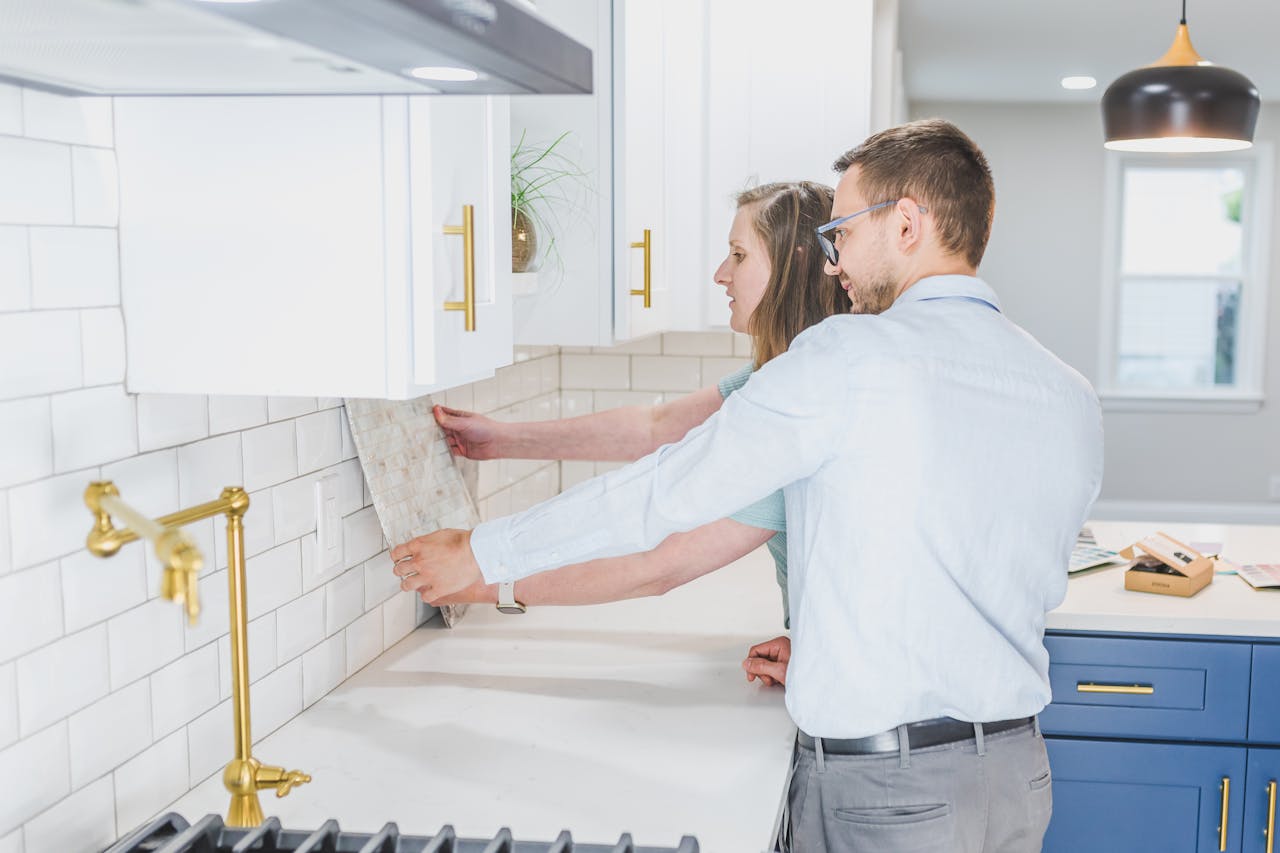
Like tiled countertops, ceramic tile countertops come with their own set of problems. While they are easy to clean on the surface, grout lines can quickly become stained and difficult to clean. Additionally, ceramic tiles can chip or crack, leaving you with a countertop that’s less than perfect.
11. Soapstone Countertops: The Fragile Beauty
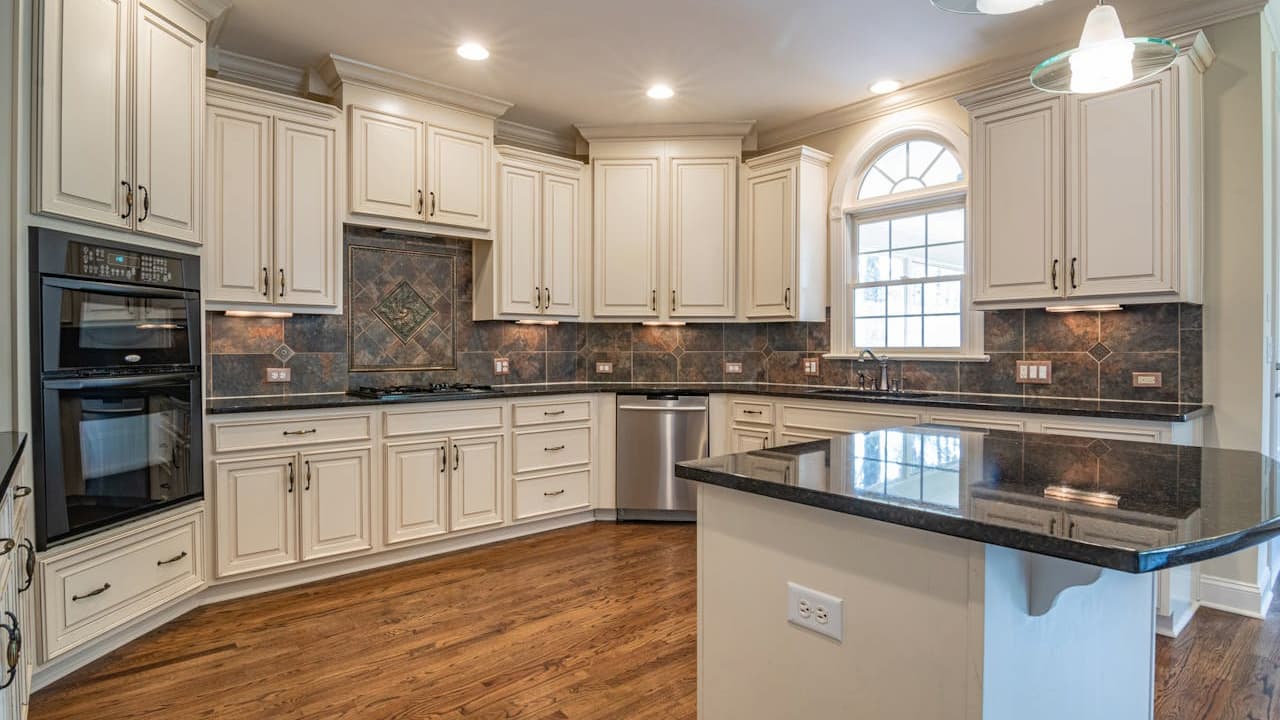
Soapstone countertops offer a beautiful, unique look, but they are relatively soft and can scratch easily. While some homeowners appreciate the patina that develops over time, others might find the scratches and dings to be a major drawback. It’s also worth noting that soapstone requires regular maintenance to keep it looking its best.
12. Solid Surface Countertops: A Dull Disappointment

Solid surface countertops are made from a mix of natural minerals and resins. While they are non-porous and stain-resistant, they can scratch and scorch easily. Plus, they lack the depth and natural variation of stone, often resulting in a dull, flat appearance. This is one dull disappointment that designers often avoid.
13. Carrara Marble Countertops: The Pristine Problem

While Carrara marble countertops are undeniably beautiful, they can be a headache to maintain. They are prone to staining and scratching, and they require regular sealing to keep them looking their best. If you’re not up for the maintenance, or if you’re worried about keeping them pristine, you might want to consider a different material for your kitchen countertops.
Remember, it’s your kitchen, and your choice of countertop should reflect your lifestyle, aesthetic preferences, and budget. Don’t be afraid to explore different materials and consult with professionals to find the best fit for you. And if you’re interested in more design insights, check out this list of countertop materials to avoid.