Landscaping can be a rewarding endeavor that enhances the beauty and value of your property. However, it’s not uncommon for well-intentioned homeowners to make mistakes that can lead to disappointing results. Here are 13 common landscaping ideas that can backfire, causing more harm than good to your outdoor space.
1. Overloading Your Garden with Exotic Plants
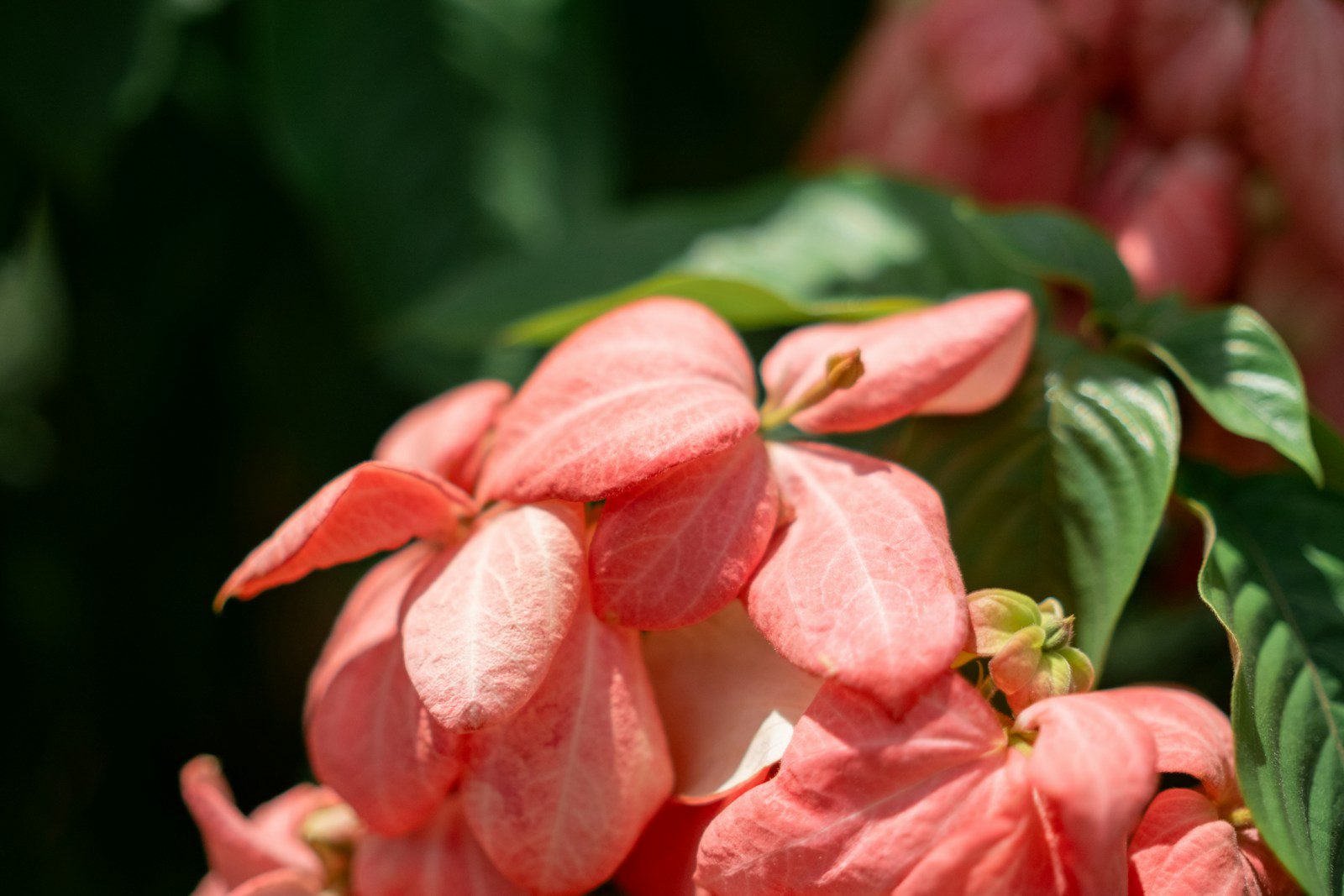
Exotic plants can bring an eye-catching flare to your garden. However, these plants often demand specific care that can be hard to provide. They may also struggle to thrive in a different climate, leading to a lackluster display or even plant death. Moreover, some exotic plants can be invasive, outcompeting local species and disturbing the local ecosystem.
Instead of filling your garden with exotic plants, consider using a mix of native and non-native species. This can help maintain balance in your garden while still providing an interesting variety of plants. Here are some low-maintenance landscaping ideas that can help you create a beautiful and sustainable garden.
2. Failing to Consider the Climate and Soil Type
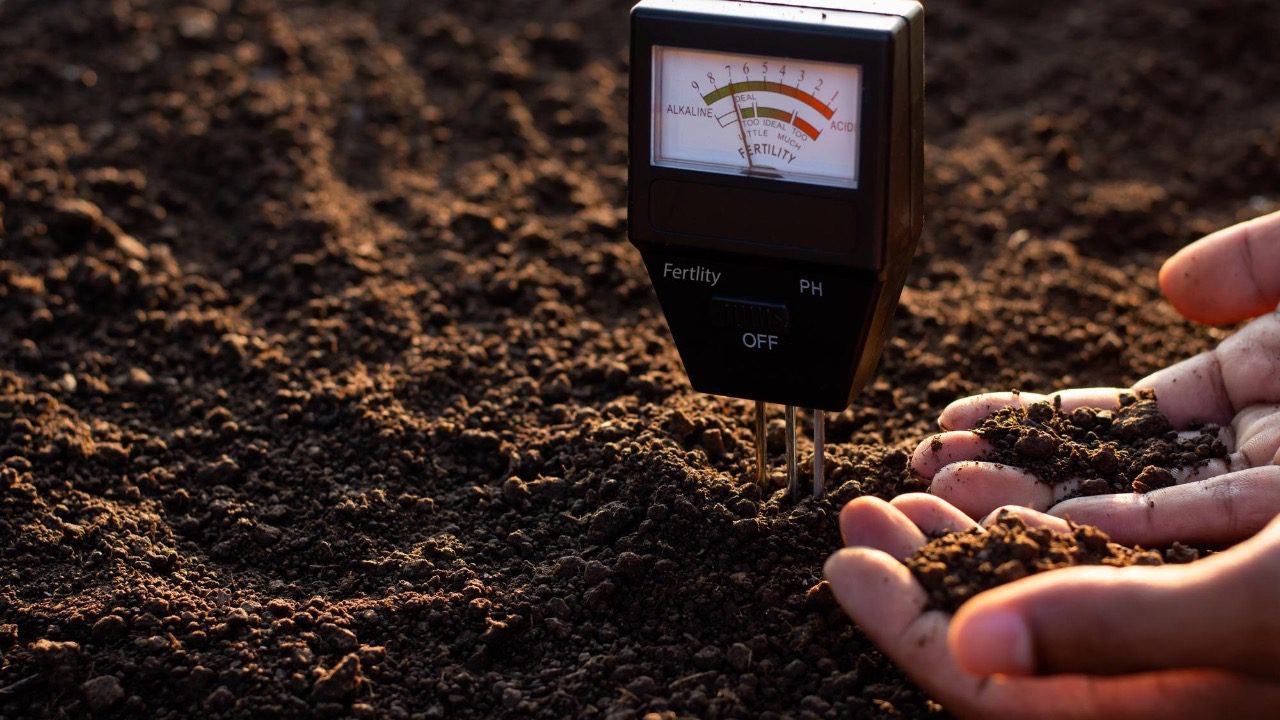
Planting without considering the local climate and soil type is a common mistake that can lead to poor plant growth. Certain plants thrive in specific conditions and may struggle or even die if those conditions are not met. For example, cacti and succulents need well-draining soil and plentiful sunlight, while ferns prefer shady, moist environments.
Before you start planting, take the time to understand your local climate and soil conditions. This will help you choose plants that are well-suited to your garden and will thrive with minimal additional care. There are numerous resources available online that can help you determine the best plants for your specific location and conditions.
3. Planting Trees Too Close to the House
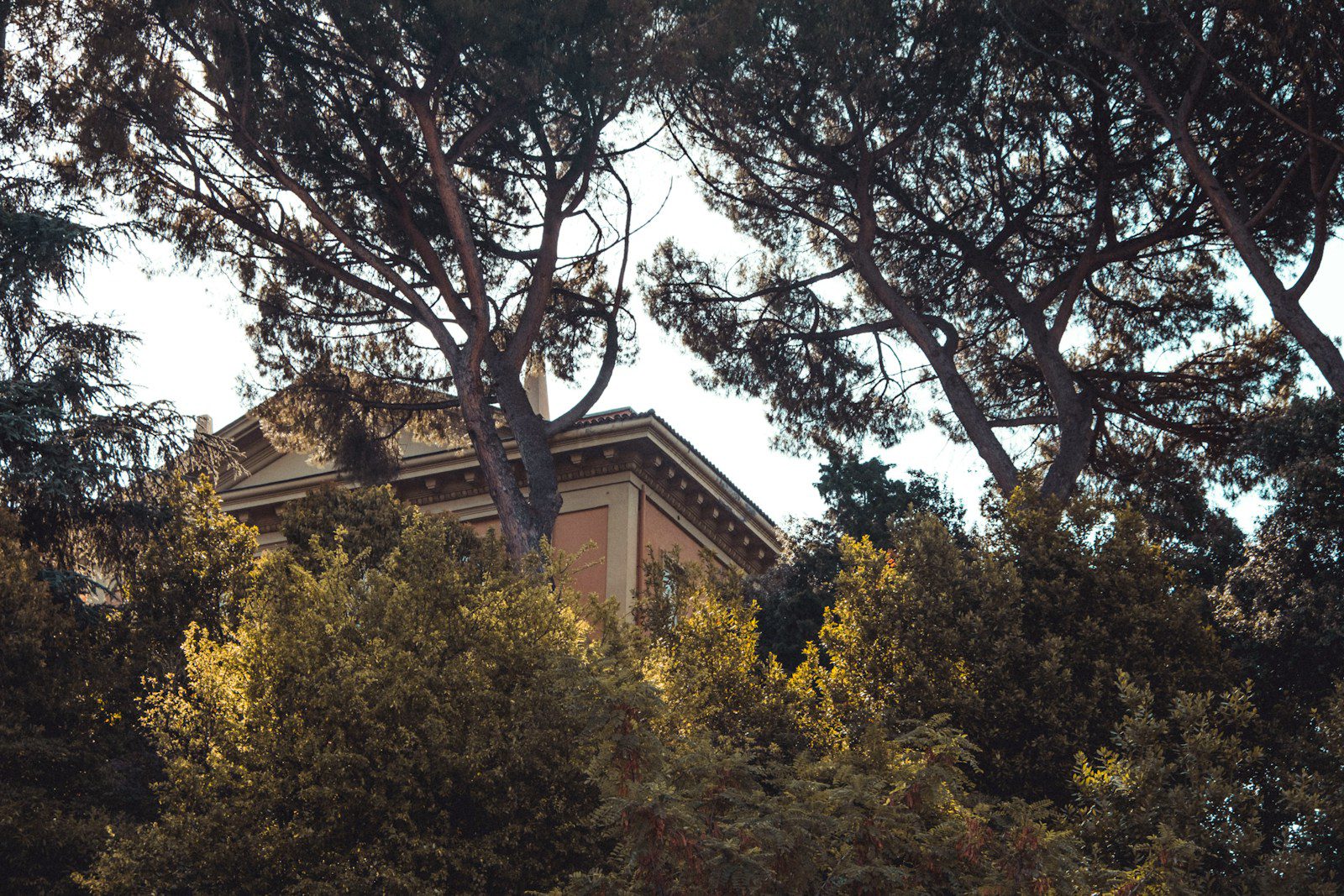
Planting trees near your house can provide shade and beauty, but it can also cause problems. Tree roots can damage the foundation of your home or interfere with underground utilities. Overhanging branches can damage your roof or become a hazard in high winds.
When planting trees, consider their mature size and root system. Make sure to plant them far enough away from your house and other structures to prevent potential damage. This video offers some useful tips on how to properly plant trees.
4. Ignoring Garden Maintenance

Landscaping requires regular maintenance to keep your garden looking its best. Ignoring tasks like weeding, pruning, and fertilizing can lead to an overgrown and unhealthy garden. Moreover, neglected gardens can become breeding grounds for pests and diseases.
Regular maintenance is key to a healthy and beautiful garden. Make a schedule for regular tasks and stick to it. This will help ensure that your garden stays in top shape year-round.
5. Using Non-Local Plants That Harm Local Ecosystem
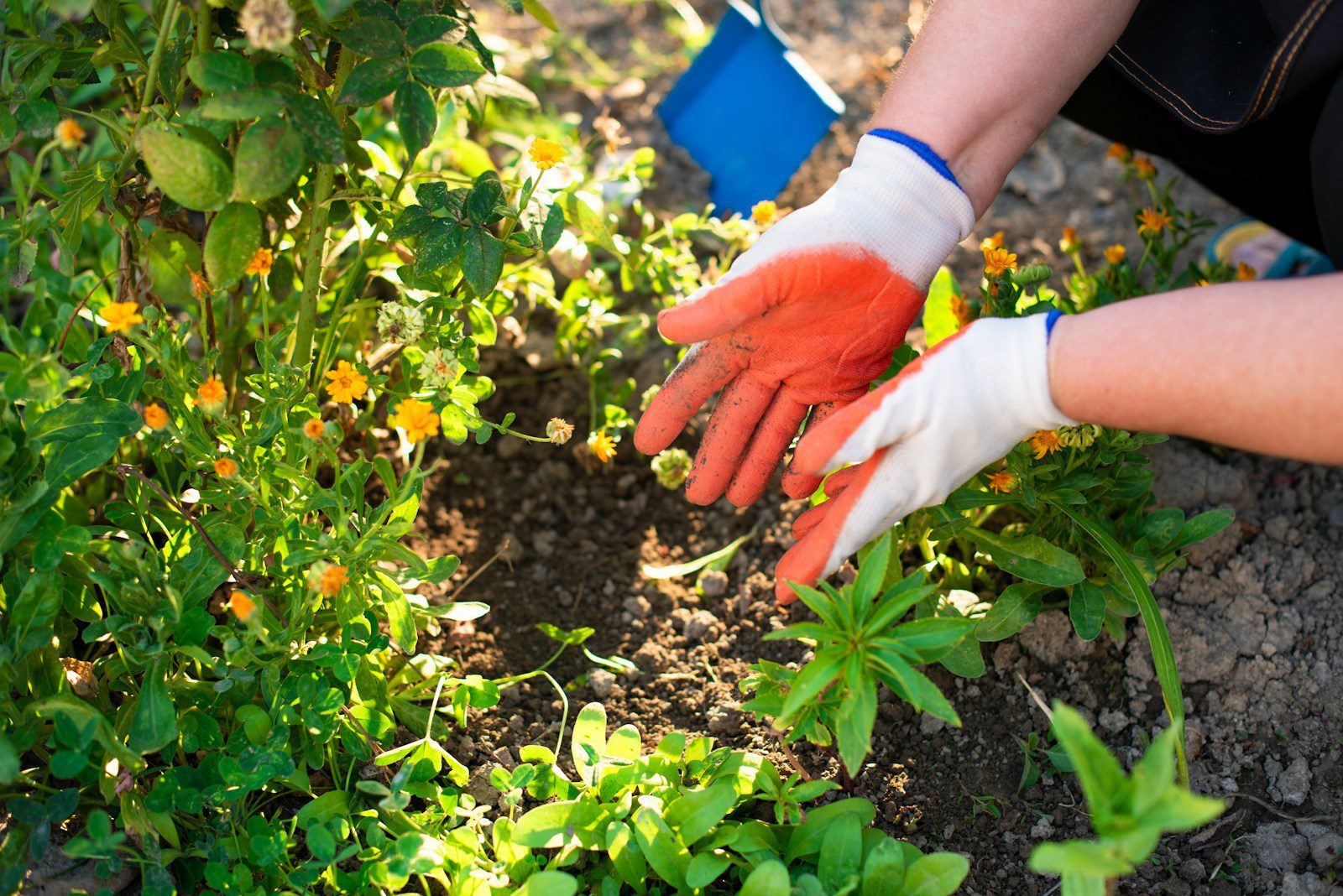
While non-local plants can add variety to your garden, they can also cause harm to your local ecosystem. Some non-native species can become invasive, outcompeting native plants and disrupting local wildlife habitats.
When choosing plants for your garden, consider their potential impact on the local ecosystem. Opt for native plants when possible, as they are adapted to local conditions and support local wildlife. This study provides more information on the impact of non-native plants on local ecosystems.
6. Overusing Lawn Chemicals and Fertilizers
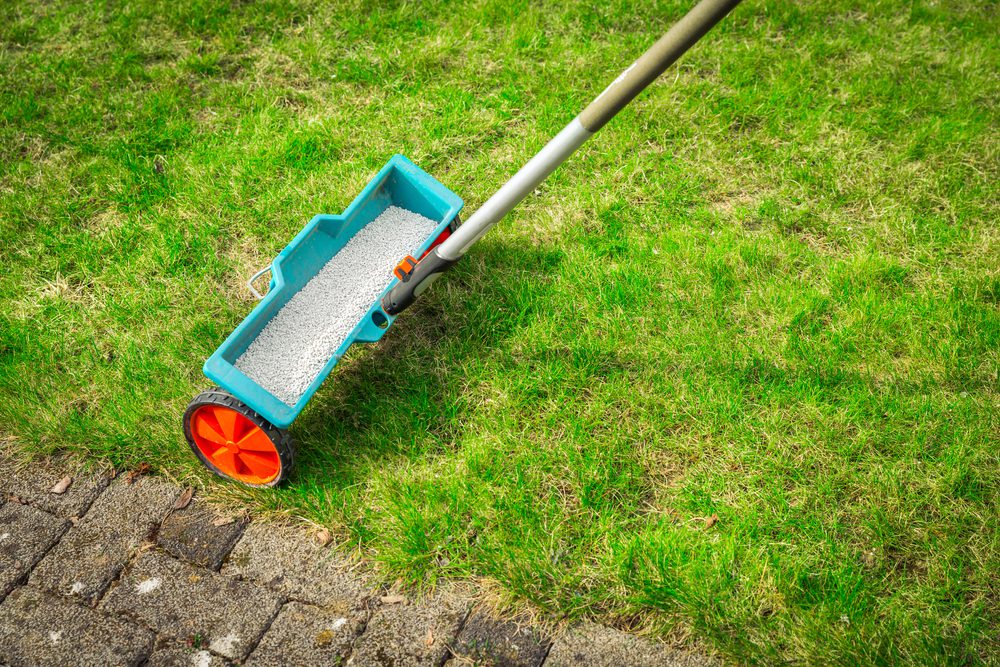
While chemicals and fertilizers can help keep your lawn green and lush, overuse can lead to a range of problems. Excess fertilizers can run off into local waterways, causing pollution. They can also build up in the soil, harming plants and beneficial soil organisms.
Use fertilizers and other lawn chemicals sparingly and follow the manufacturer’s instructions. Consider using organic options when possible, as they are less likely to harm the environment.
7. Going Overboard with Garden Decorations
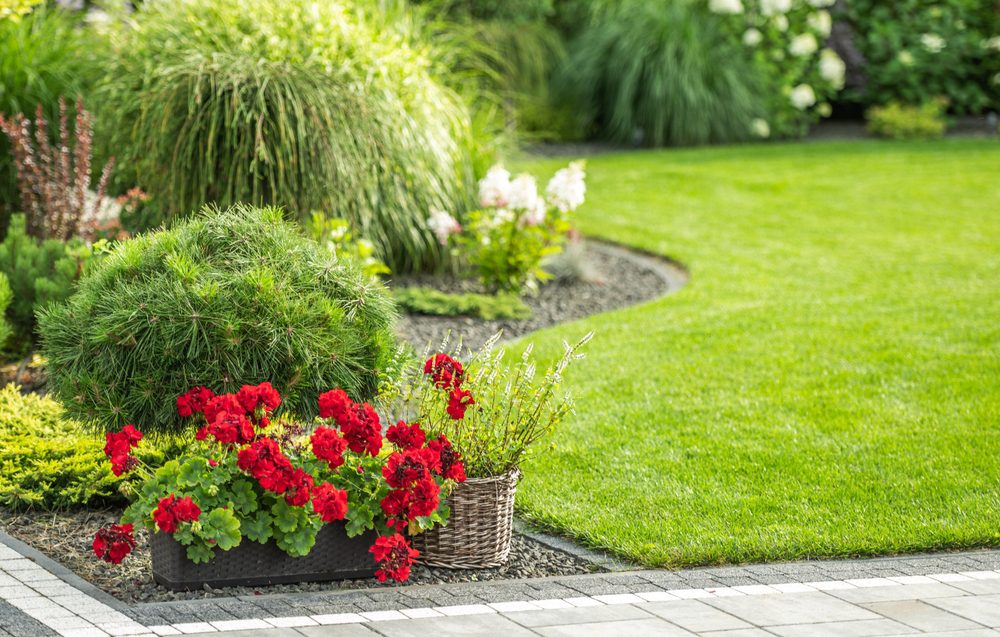
Garden decorations can add personality and charm to your outdoor space. However, too many decorations can make your garden look cluttered and chaotic. They can also detract from the natural beauty of your plants and landscape.
When decorating your garden, less is often more. Choose a few key pieces that complement your landscape and reflect your personal style. This can help create a harmonious and visually appealing garden.
8. Not Planning for Plant Growth and Spread

Plants grow and spread over time, and failing to account for this can lead to overcrowding and competition for resources. Overcrowded plants can struggle to get the light, water, and nutrients they need, leading to poor growth and health.
Before planting, consider the mature size of your plants and plan accordingly. This will help ensure that each plant has the space it needs to grow and thrive.
9. Choosing High-Maintenance Plants

High-maintenance plants can be beautiful, but they often require a lot of time and effort to care for. If you’re a busy homeowner, these plants can quickly become more trouble than they’re worth.
Consider your lifestyle and available time before choosing plants for your garden. Opt for low-maintenance plants that can thrive with minimal care. This will help ensure that your garden stays beautiful without consuming all of your free time.
10. Neglecting the Front Yard for the Backyard

The backyard is often the focus of landscaping efforts, but neglecting the front yard can be a mistake. The front yard is the first thing people see when they visit your home, and a well-landscaped front yard can enhance curb appeal and property value.
Don’t neglect your front yard when planning your landscaping. Consider how you can create a welcoming and visually appealing front yard that complements your home and neighborhood. Here are some landscaping ideas that can help increase your property value.
11. Overdoing Outdoor Lighting

Outdoor lighting can enhance your landscape and extend your outdoor living time. However, too much lighting can create light pollution, disturbing wildlife and your neighbors. It can also increase your energy use and utility bills.
When planning your outdoor lighting, consider the needs of your landscape and the impact on the environment. Use lighting sparingly and choose energy-efficient options whenever possible.
12. Underestimating the Importance of Irrigation

Irrigation is crucial for maintaining a healthy garden. However, many homeowners underestimate its importance and fail to provide adequate water for their plants. Underwatering can lead to poor plant growth and even death, while overwatering can cause root rot and other diseases.
Proper irrigation involves more than just watering your plants. It requires understanding the water needs of each plant and providing the right amount of water at the right time. Invest in a good irrigation system and learn how to use it effectively to maintain a healthy garden.
13. Planting Without a Design Plan in Mind

Planting without a design plan can lead to a disorganized and unappealing landscape. It can also make it harder to maintain your garden, as plants with different care needs may be planted together.
Before you start planting, create a design plan that outlines where each plant will go and how they will interact with each other. This will help ensure that your garden is visually appealing and easy to maintain.