Meal planning can make your week smoother, but it often comes with a lot of cleanup. You might feel overwhelmed by the mess that cooking and prepping create. Finding ways to reduce that mess can save you time and stress in the kitchen.
This article shares practical tricks that help you plan meals while keeping the mess to a minimum. These tips make it easier to enjoy cooking without spending extra time on cleanup. You’ll learn how simple changes can keep your kitchen tidy and your meal prep efficient.
Group cooking: roast multiple veggies together

You can save time by roasting different vegetables together in one pan. Start with veggies that take the longest to cook, like beets or butternut squash. Add quicker-cooking ones, such as Brussels sprouts or summer squash, partway through.
Cutting your vegetables into similar sizes helps everything cook evenly. Keep an eye on the timing, as each veggie has its own ideal roasting time. This way, you get a variety of flavors with less mess and fewer dishes.
Use multi-purpose kitchen tools

Using multi-purpose kitchen tools helps you cut down on clutter and saves time during meal prep. You don’t need a drawer full of gadgets when one or two versatile tools can handle many tasks.
Tools like an 8-in-1 gadget that combines a citrus squeezer, grater, and can opener streamline your cooking.
Investing in a good quality multi-use tool means less cleanup and more space for the essentials in your kitchen.
Prep ingredients in bulk
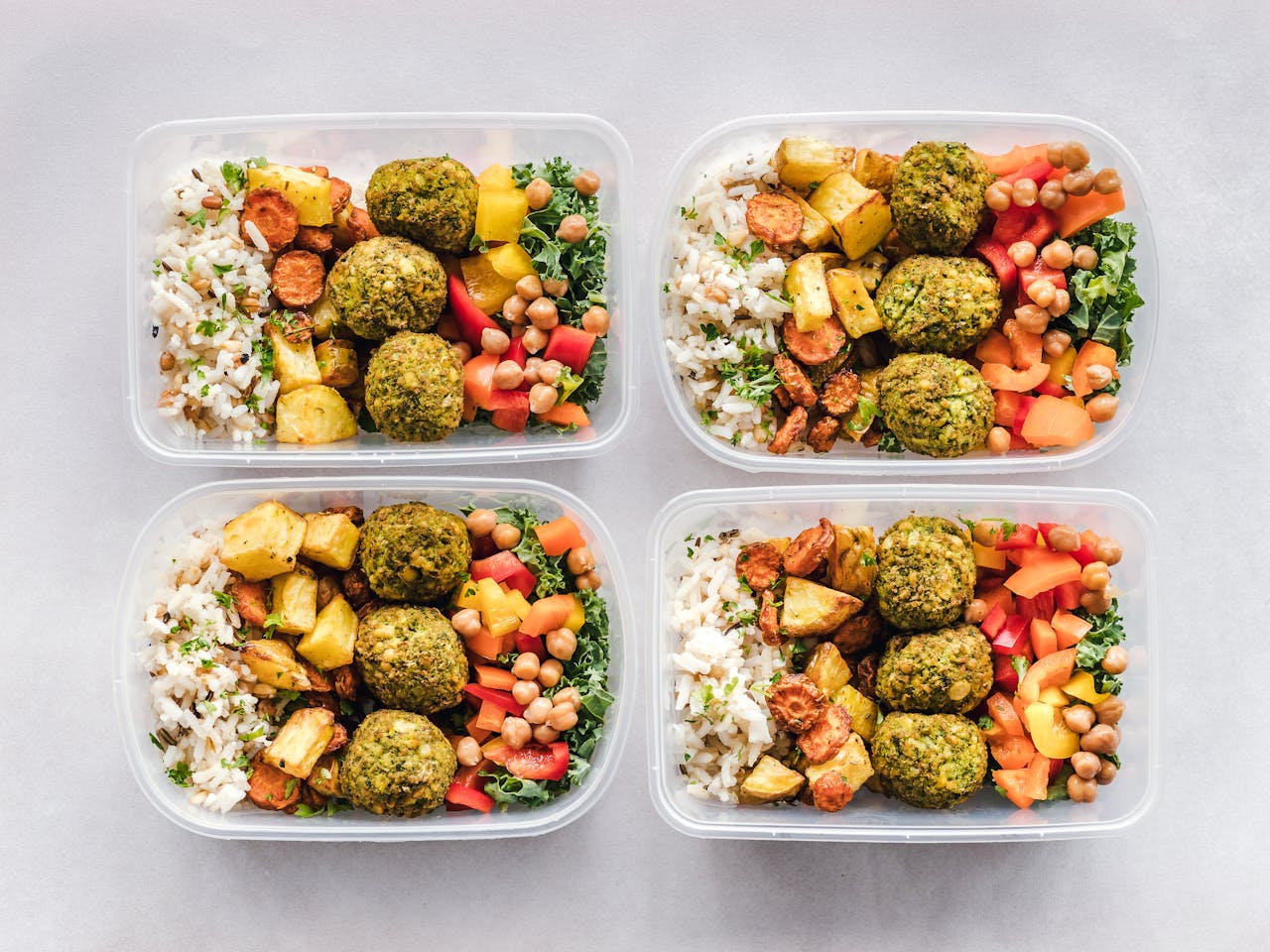
You can save a lot of time by prepping ingredients in bulk. Cooking grains, beans, or roasting vegetables all at once reduces the number of cooking steps.
Storing these basics in your fridge or freezer means you’ll have ready-to-use ingredients for several meals. This approach keeps your kitchen cleaner because you use fewer pots and utensils throughout the week.
Plan meals that share ingredients

Choose recipes that use some of the same ingredients to save time and reduce waste. For example, if you buy chicken, plan two or three meals featuring it.
This way, you won’t need to buy as many different items. Plus, it makes grocery shopping and prepping easier because you’re working with fewer ingredients.
Sharing ingredients across meals also helps keep your kitchen organized and your cooking process smoother. It’s a simple trick that helps your week flow better.
Use sheet pans for one-step cooking
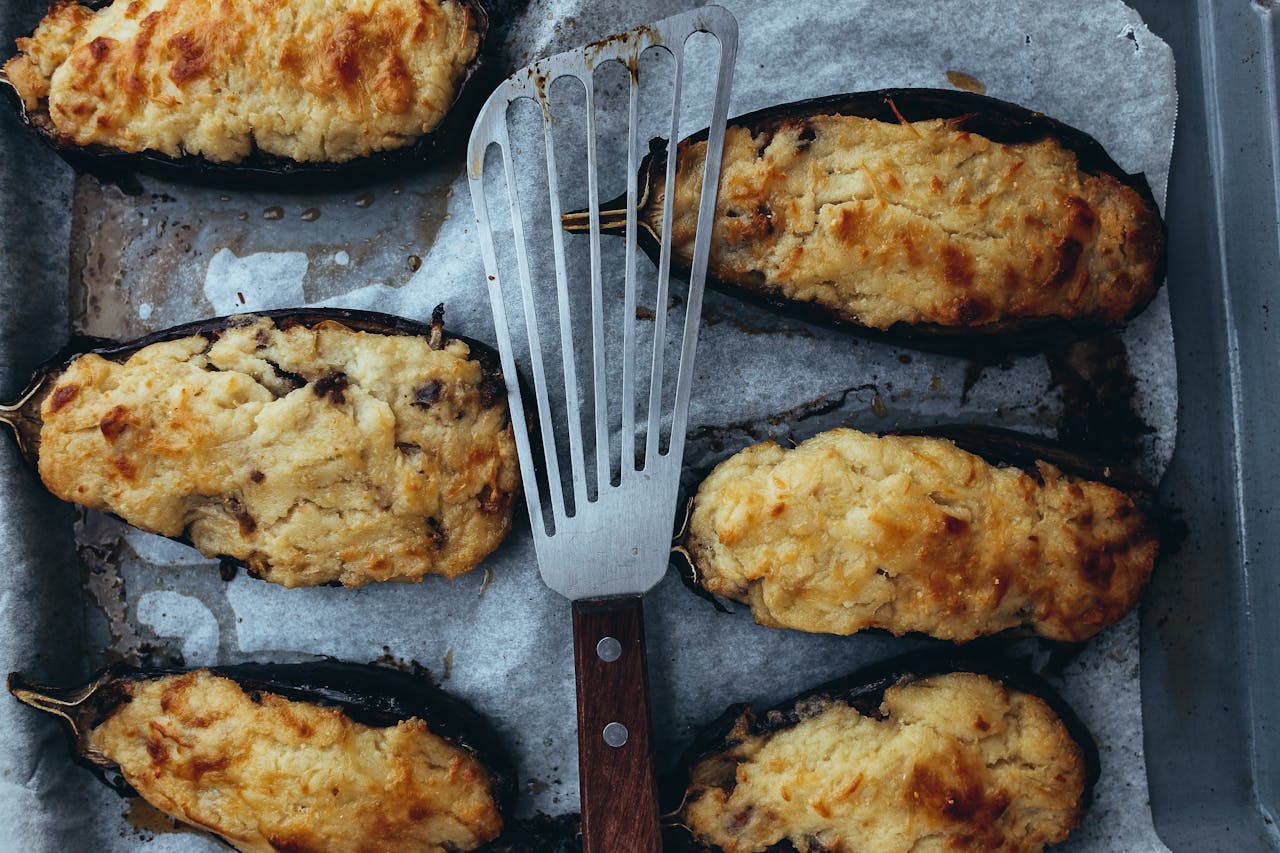
Sheet pans help you cook entire meals in one go, saving time and reducing mess. You can roast proteins and vegetables together, so everything is ready at once.
Using just one pan means fewer dishes to wash. Plus, it makes prep simple—season, arrange, and bake.
Invest in a few different sizes to fit your meal needs. This method is perfect for busy nights when you want easy cleanup and tasty food.
Start with easy no-cook meals

You can cut down on mess by choosing no-cook meals. These require little preparation and no stove or oven, which means fewer dirty pots and pans.
Try simple options like salads, wraps, or stuffed avocados. Using canned proteins like tuna or chicken adds convenience without extra cleanup.
No-cook meals save you time and keep your kitchen clean, especially on busy days or warm weather when you want to avoid heating up the house.
Cook once, eat twice with leftovers

You can save time by cooking larger portions and using the leftovers for another meal. For example, roasting two chickens at once lets you enjoy one dinner and turn the second into soup or a casserole.
This approach reduces the number of times you cook and clean up. It also helps you plan your week better and avoid food waste.
Try to get creative with leftovers so your second meal feels fresh and exciting, not just reheated.
Clean as you cook
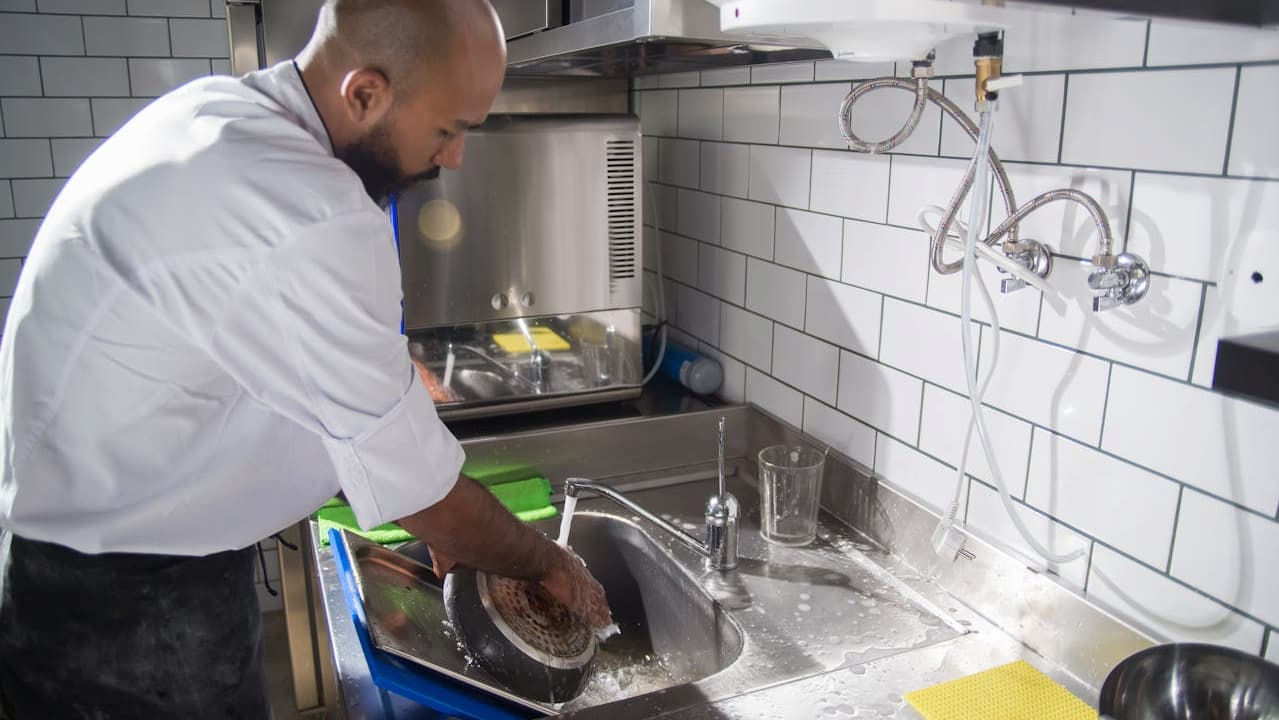
Cleaning as you cook helps you keep your kitchen organized and reduces the pileup of dishes. You can wipe counters, wash utensils, and put away ingredients while food is cooking.
This habit saves time after your meal and keeps your workspace clear, making cooking more enjoyable. Small efforts throughout cooking make a big difference in minimizing mess.
Use slow cookers or instant pots

Using a slow cooker or an Instant Pot can help cut down on mess by combining all your ingredients in one pot. You can set it and forget it, which means less stirring and less cleanup.
With the Instant Pot, you can switch between pressure cooking, slow cooking, and sautéing. This flexibility lets you prepare multiple steps in the same pot.
Slow cookers are great for planning ahead. You prep your meal in the morning, then come home to a fully cooked dinner without extra pots and pans.
Batch chop veggies and store

You can save time by chopping vegetables for the week all at once. Wash, peel, and cut onions, carrots, peppers, and other staples early on.
Store them in airtight containers in the fridge to keep them fresh longer. This way, your veggies are ready to grab for snacks, cooking, or salads.
Batch chopping reduces daily mess and helps avoid last-minute prep stress. It keeps your kitchen organized and your meals quick to assemble.
Store prepped ingredients in clear containers

Using clear containers helps you see exactly what you have ready to use. This makes it easier to grab what you need without opening multiple lids.
Keep containers at eye level in your fridge. This simple step reminds you of the meals and ingredients you’ve prepared.
Sealing foods properly in airtight containers also helps keep your ingredients fresh longer and avoids spills or messes.
Involve the whole family in prep
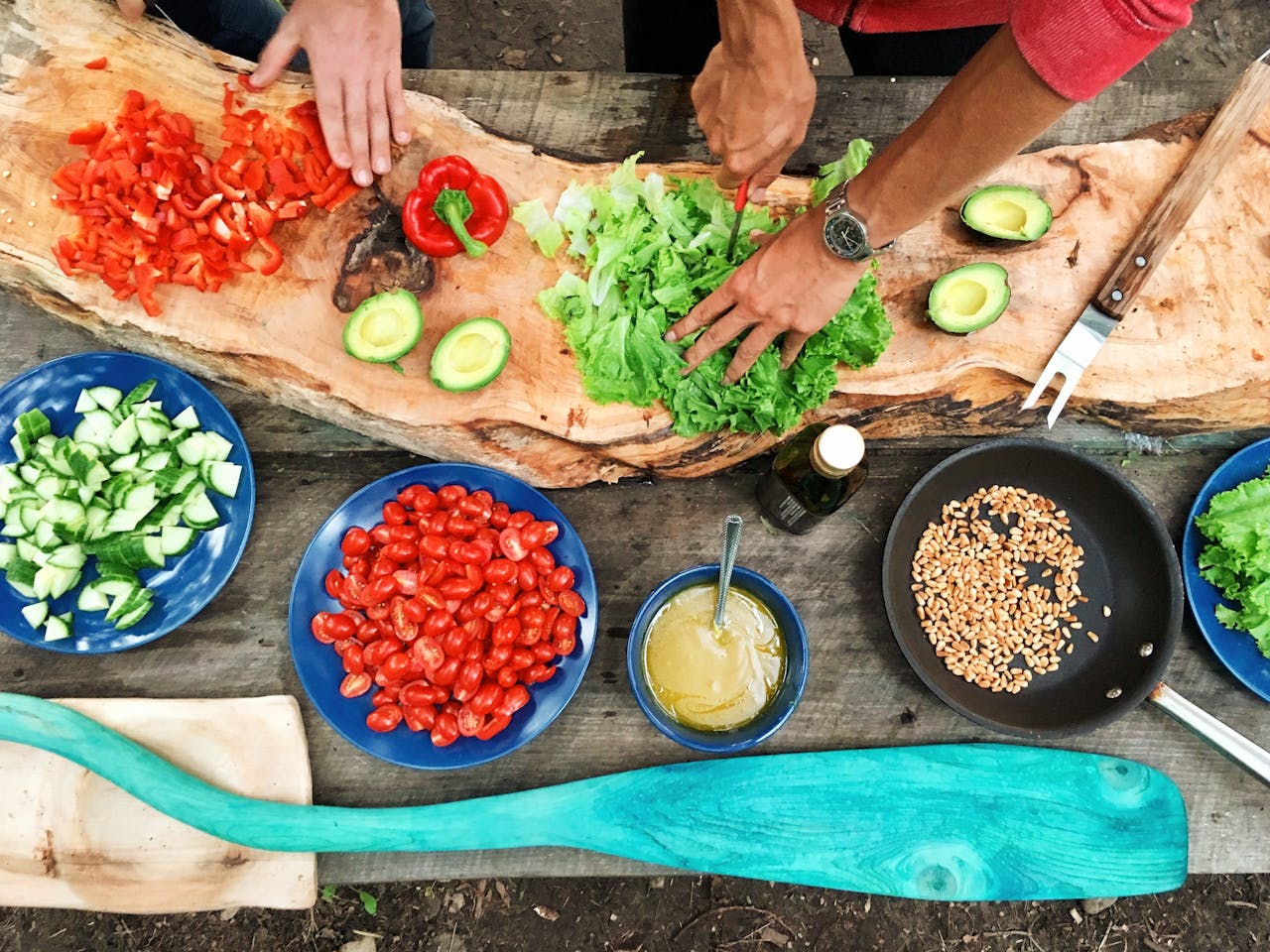
Getting everyone involved can lighten your workload and make meal prep more fun. Assign simple tasks to kids like washing veggies or setting the table.
When each person has a role, you reduce chaos and speed up the process. Plus, it teaches kids valuable skills about cooking and teamwork.
You’ll find that involving your family creates a smoother meal prep routine with less mess and more shared enjoyment.
Limit the number of dishes per meal

Keep your meals simple by limiting how many dishes you prepare. Fewer dishes mean less cleanup and less time spent washing up.
Focus on meals that combine multiple food groups in one dish, like stir-fries or sheet pan dinners. This approach cuts down on mess while still keeping your plate balanced and satisfying.
By sticking to just two or three components per meal, you save time and avoid feeling overwhelmed in the kitchen.