



Dealing with pesky critters can be a never-ending battle for most homeowners. While commercial pest control products are readily available, they often come with a host of potential health and environmental risks.
However, Mother Nature has provided us with an abundance of safe, effective, and natural pest deterrents. These remedies are not only friendly to the environment but also non-toxic to humans and pets. So if you are looking for a greener way to keep your home pest-free, you’ve come to the right place.
Here are 13 natural remedies that really work against pests. Remember, pest management is not about complete elimination, but maintaining a balance that’s tolerable for both us and the environment.
1. Utilizing Citrus Scents


Most insects, including ants, mosquitoes, and flies, detest the smell of citrus. You can easily create your own citrus spray by boiling citrus peels in water and then straining the solution. Spraying this around your home can deter a variety of pests. Also, rubbing citrus peels directly onto your skin can serve as a natural bug repellent.
2. The Power of Diatomaceous Earth Against Many Pests
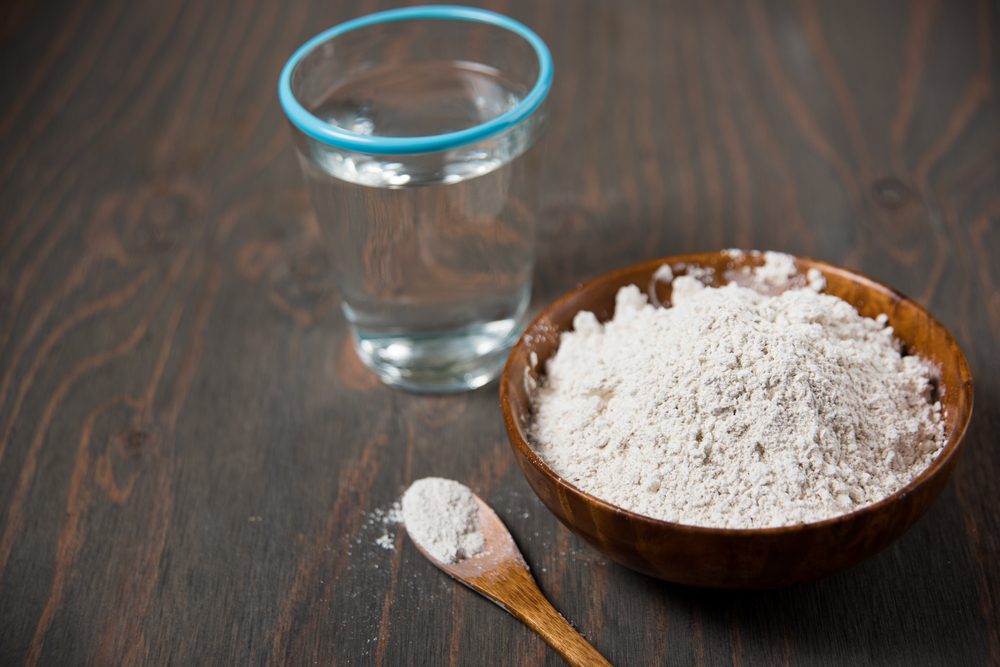
Have you ever heard of diatomaceous earth? It’s a type of powder made from fossilized aquatic organisms known as diatoms. This powder is a natural and non-toxic way to get rid of many household pests like cockroaches, ants, and bedbugs. Simply sprinkle it around your home, particularly in areas where you’ve spotted pests. Country Living has a great article on how to use diatomaceous earth effectively.
3. Mint

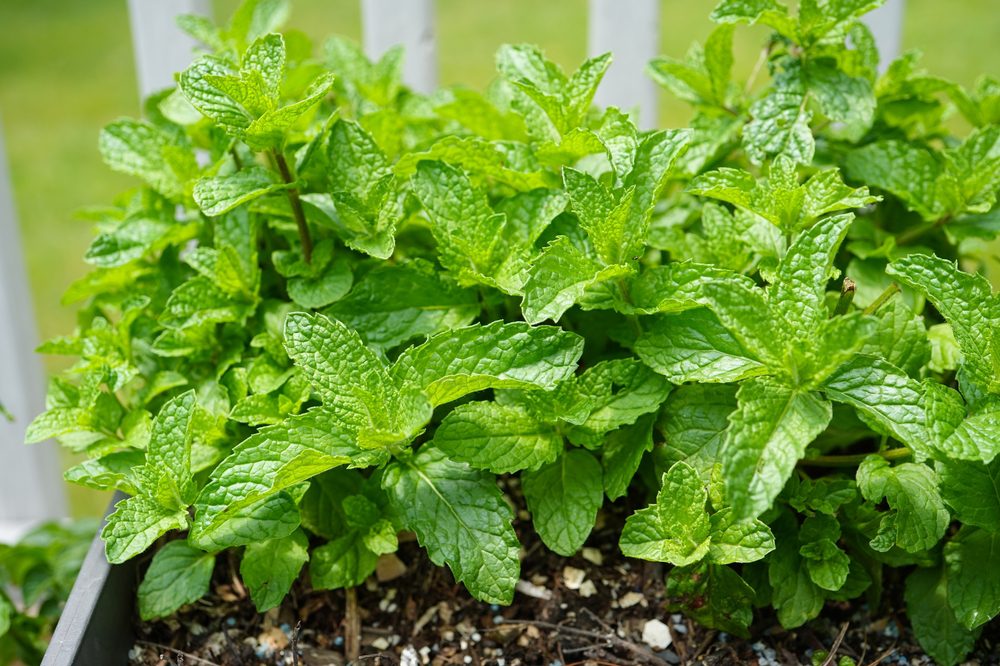
Mint isn’t just a refreshing herb for your tea or mojito—it’s also a powerful pest deterrent. Many insects, including ants and flies, hate the smell of mint. Planting mint around your home or using mint oil as a spray can help keep these pests at bay. But be sure to plant mint in containers; it’s a very aggressive plant and can take over your garden if left unchecked.
4. White Vinegar

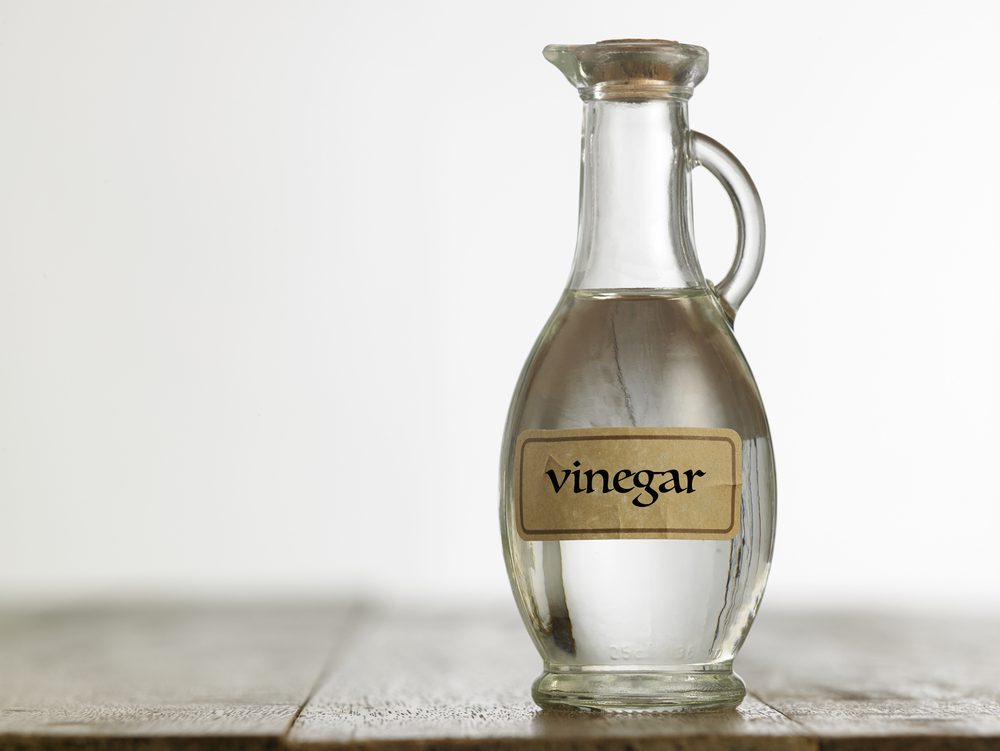
Ants can be quite a nuisance, but thankfully, they really dislike the smell of white vinegar. Create a 50/50 solution of vinegar and water and spray it on the ant trails. Not only will this deter the ants, but it will also erase the pheromone trails they leave behind, making it harder for them to find their way back.
5. Eucalyptus Oil
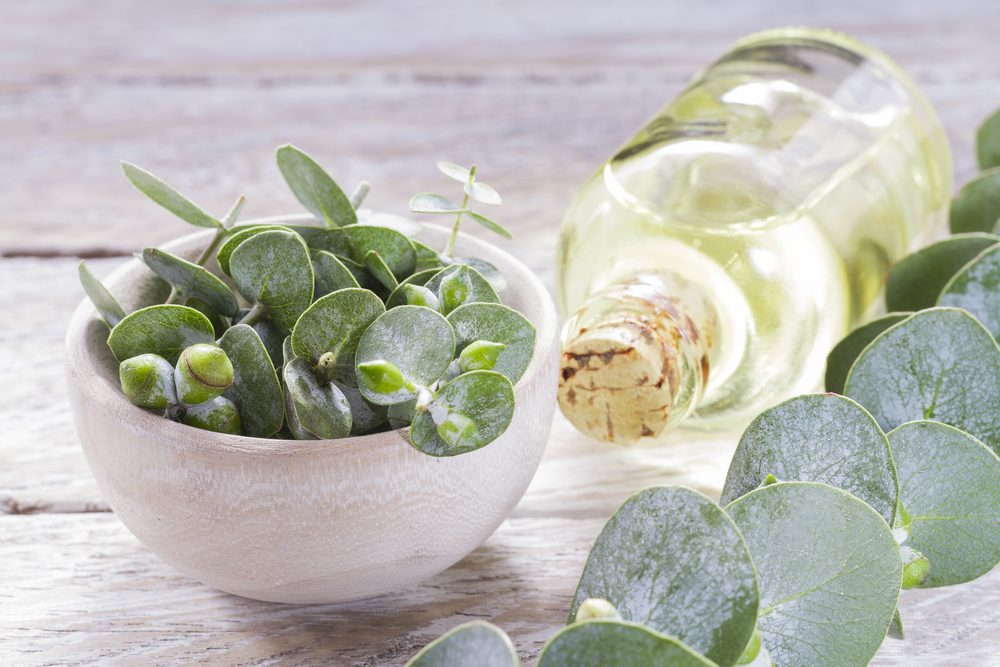
If you’re dealing with a flea problem, eucalyptus oil might be your new best friend. Fleas dislike the smell of eucalyptus, and applying the oil around your home, especially in areas where your pets hang out, can help deter these biting pests. Remember to always dilute essential oils before use to avoid potential skin irritations.
6. Garlic
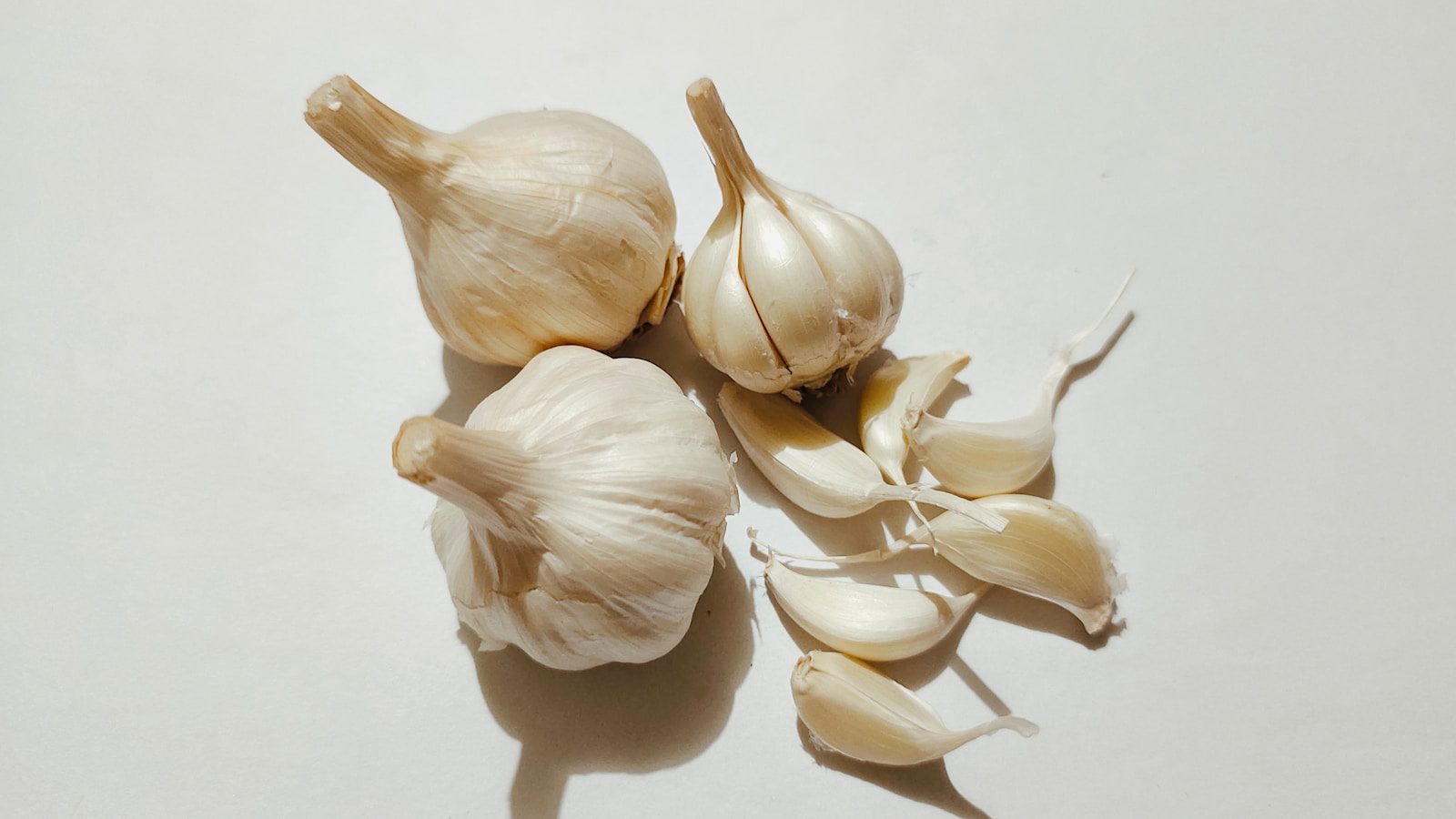
Garlic isn’t just for warding off vampires—it’s also effective against many garden pests. Garlic contains sulfur, which is toxic to pests like aphids, ants, and Japanese beetles. Planting garlic in your garden or spraying a garlic water solution on your plants can help keep these pests at bay. Real Simple has some great tips on how to make a garlic water solution.
7. The Benefits of Essential Oils Against Mosquitoes

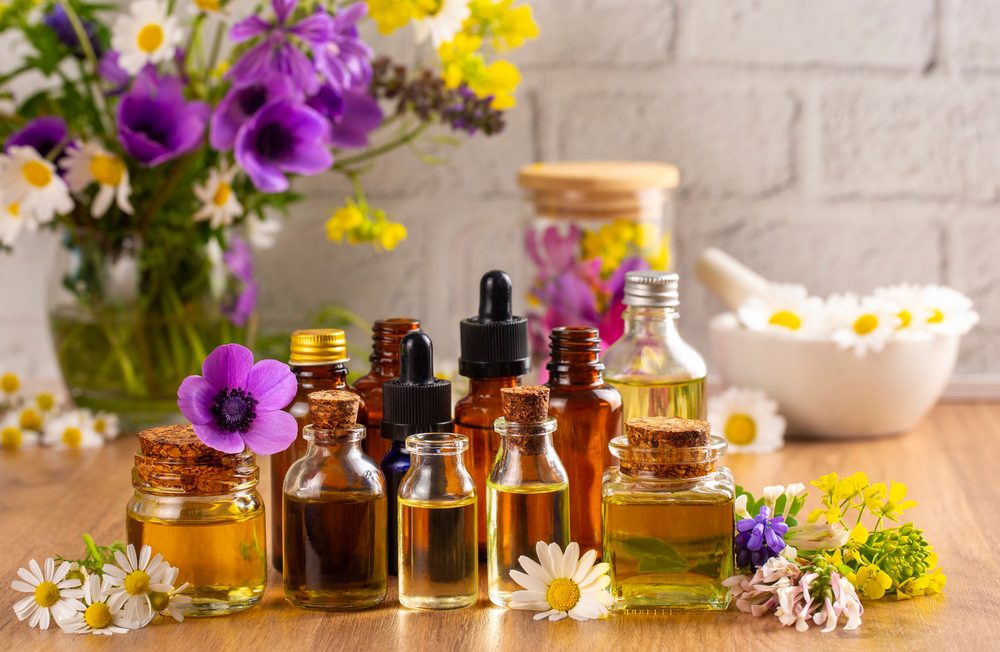
Many essential oils, including lemon, eucalyptus, and peppermint, can help deter mosquitoes. You can mix these oils with water to create a spray or use a diffuser to disperse the scent. Martha Stewart has some great advice on how to use essential oils as a mosquito deterrent.
8. Coffee Grounds

If you’re tired of snails and slugs munching on your garden, coffee grounds might be the solution. These creatures hate the smell and texture of coffee grounds. Sprinkling coffee grounds around your plants can help deter these pests. Plus, coffee grounds are a great fertilizer for your plants.
9. Chrysanthemums
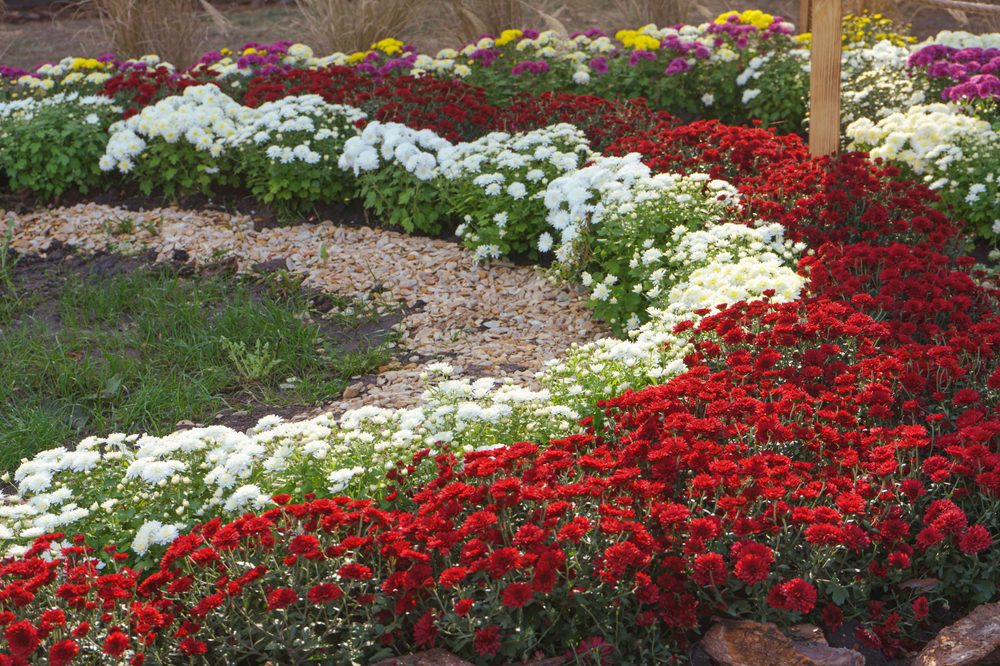
Chrysanthemums contain a natural insecticide called pyrethrin, which is effective against many pests including mosquitoes, ticks, and fleas. Planting these beautiful flowers around your home can help deter these pests. You can also make a spray by boiling chrysanthemum flowers and straining the solution.
10. Baking Soda

Roaches are one of the most dreaded household pests, but baking soda can help you combat them. Mix equal parts of baking soda and sugar and sprinkle this mixture around your home. The sugar will attract the roaches, and the baking soda will kill them. Remember, persistence is key when dealing with roaches.
11. The Use of Neem Oil for Organic Pest Control
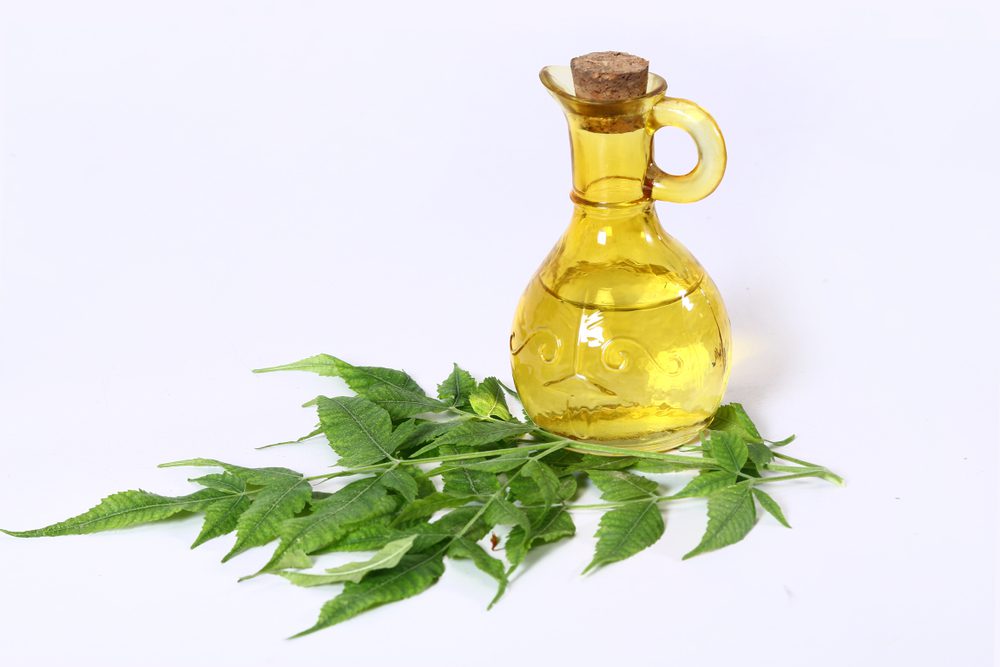
Neem oil is a natural pesticide that’s effective against many garden pests and fungi. It’s safe for beneficial insects like bees and butterflies but toxic to pests. You can purchase neem oil from most garden centers or online. Mix it with water and spray it on your plants for effective pest control.
12. Cayenne Pepper

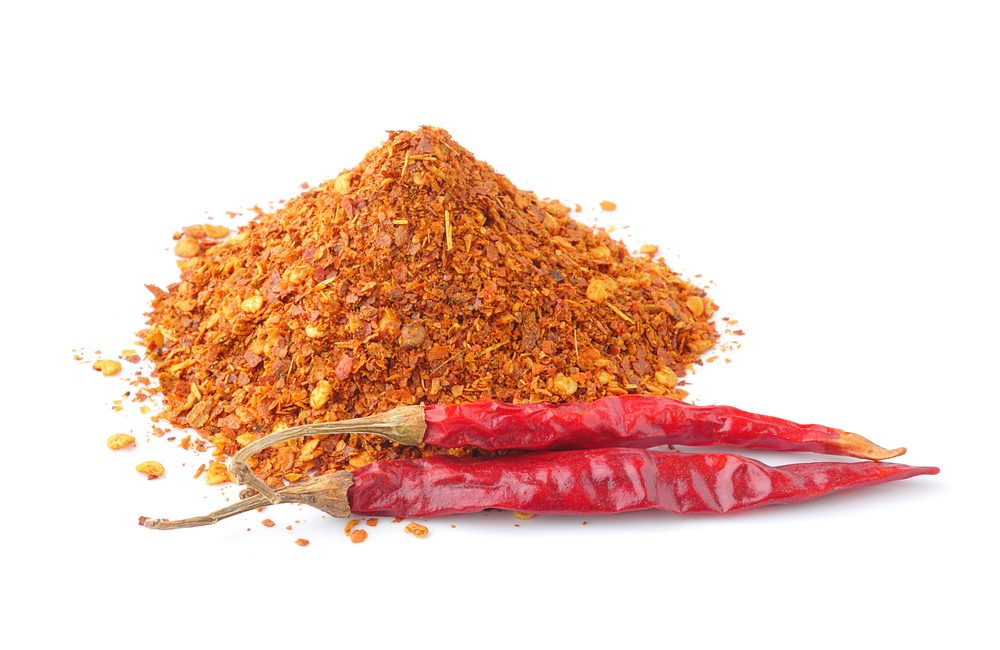
If you’ve got cayenne pepper in your spice cabinet, you’ve got a potent pest deterrent. Many pests, including squirrels, rabbits, and deer, dislike the smell and taste of cayenne pepper. Sprinkling it around your garden can help keep these pests away from your plants.
13. Tobacco
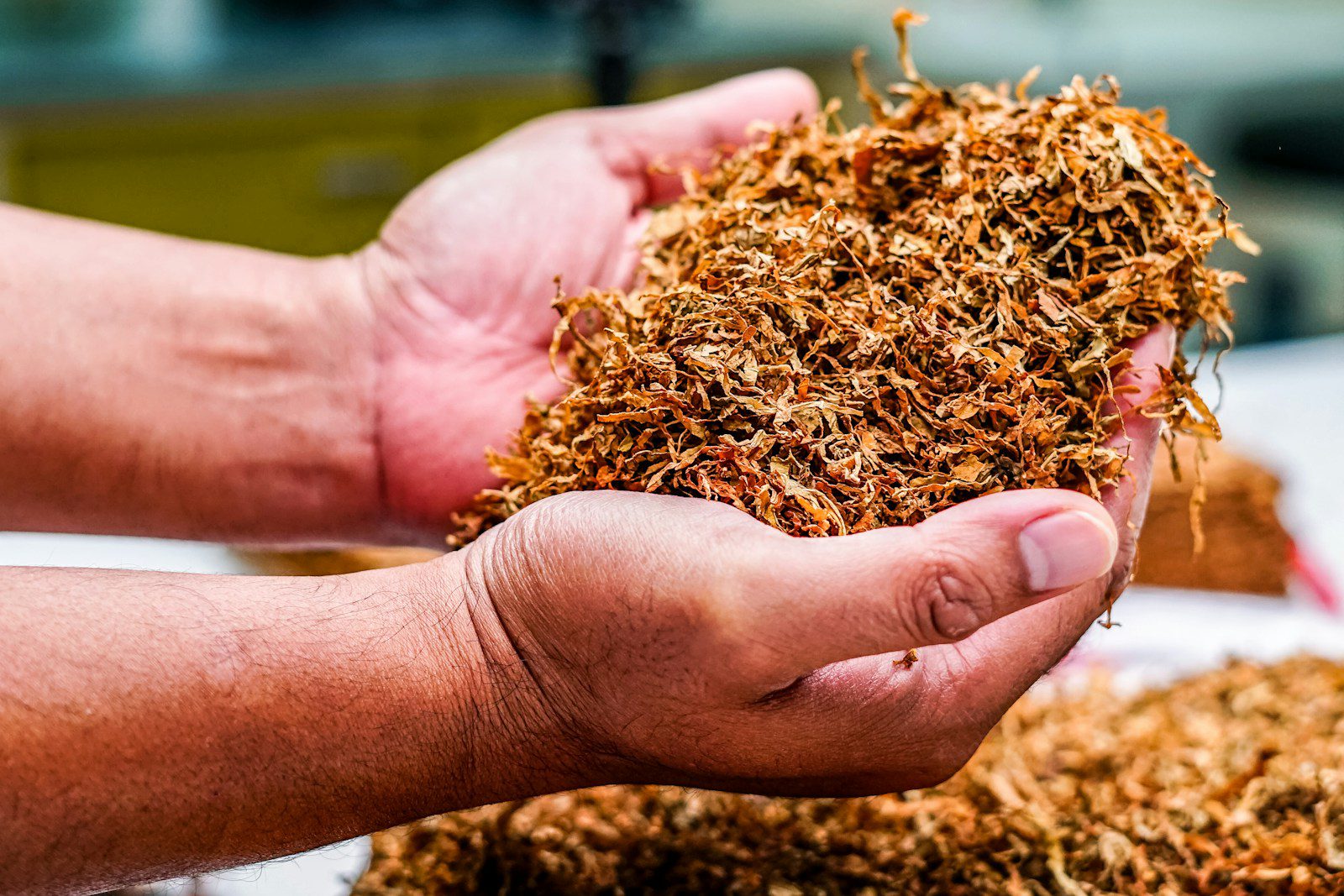
Believe it or not, tobacco is a traditional pest deterrent used by many old-school gardeners. Soaking tobacco in water and spraying the solution on your plants can help deter pests like aphids and caterpillars. However, be careful when using tobacco—nicotine is toxic and can be harmful if ingested or absorbed through the skin.
Keeping your home and garden pest-free doesn’t have to involve harsh chemicals. With these natural remedies, you can create a safer, healthier, and more harmonious environment for you and your family. Remember, the best pest control strategy is always prevention. Keep your home clean, seal any cracks or crevices, and maintain a healthy garden to prevent pests from becoming a problem in the first place. Happy pest controlling!
Before you go — if this inspired you, check out these readers-loved favorites: