



When it comes to spending, we all love a good deal. It’s a fantastic feeling to think you’re saving money, especially when you get to walk away with something you needed (or wanted!).
But sometimes, those ‘bargains’ aren’t as great as they appear to be. In fact, some purchases might make you believe you’re saving when in reality, they’re draining your pockets. Here are 13 purchases that pretend to save you money but don’t really.
“Buy One Get One Free” Deals That Aren’t Really Deals

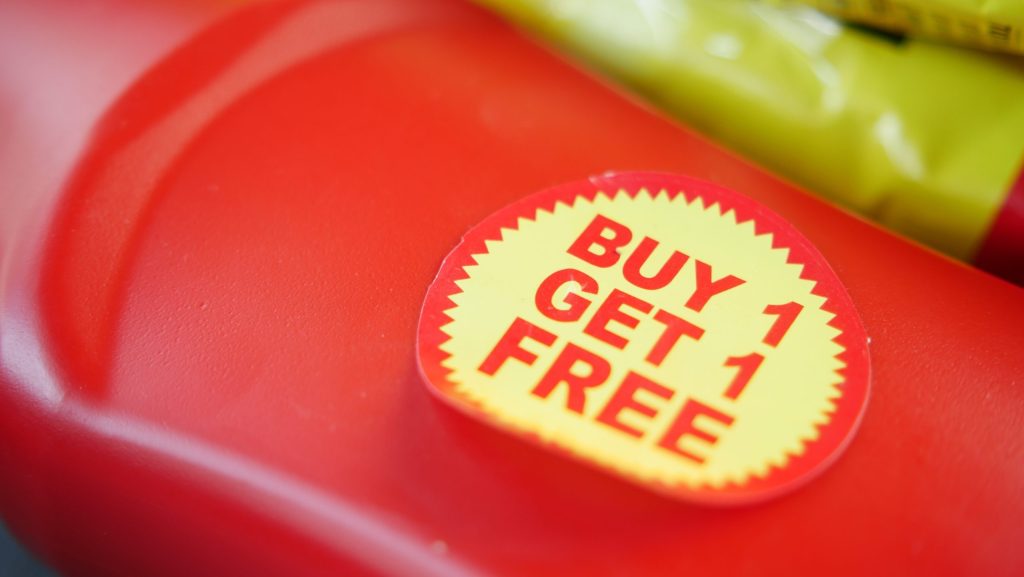
We’ve all been there – standing in the supermarket aisle, enticed by the ‘Buy One Get One Free’ deal. But often, these offers are not the money-saving opportunities they seem. You might buy two of something you don’t even need, or the price of the single item has been inflated to cover the cost of the ‘free’ one. Always do your maths before falling for these deals.
Expensive Extended Warranties for Electronics


It’s tempting to purchase an extended warranty for that shiny new gadget. But is it really worth it? Many consumer electronics are designed to last way beyond the manufacturer’s warranty period. Plus, the cost of repairs might end up being less than the price of the warranty. Check out this BBC article to learn more about why your phone might not even need a case anymore.
Buying in Bulk When You Don’t Need To

Buying in bulk can lead to significant savings, but it’s not always the best option. If you end up throwing away half of what you bought because it spoiled or you simply didn’t need it, you’re not saving anything. Be practical and buy bulk only for items you’ll use in quantity before they expire.
High-End Designer Clothes on ‘Sale’

Designer items often come with hefty price tags, even when they’re on sale. Just because it’s marked down from an astronomical figure doesn’t mean it’s a bargain. Consider whether you’re buying the item because you genuinely love it and will wear it often, or if you’re just seduced by the label and the ‘sale’ sign.
Whole Life Insurance Policies


Whole life insurance policies might seem like a good investment. They promise a death benefit for your loved ones and a cash value component that grows over time. However, they often come with high fees and commissions. A term life insurance policy, on the other hand, can offer the protection you need at a fraction of the cost.
Cheap, Low-Quality Appliances

While it might seem like a good idea to save money by buying cheaper appliances, they often don’t last as long, resulting in you having to replace them more often. It may be more cost-effective in the long run to invest in higher quality but more expensive appliances that will last longer.
Fuel-Efficient Cars With High Upfront Costs
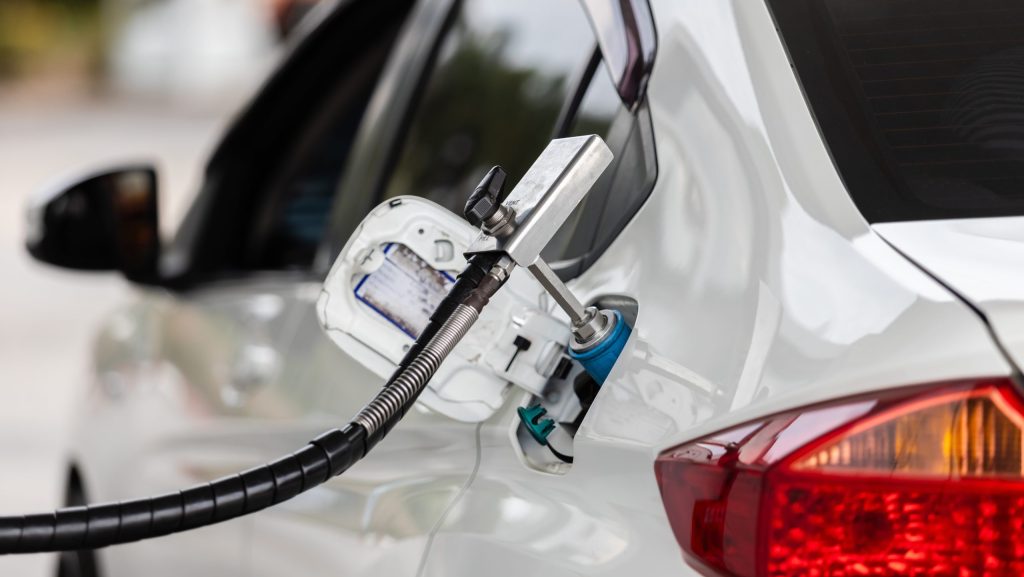
Fuel-efficient cars can save you money on gas, but the high upfront cost might offset those savings. Additionally, the potential for expensive repairs to the specialized technology these vehicles use can add up. Make sure you consider all the costs before deciding on a fuel-efficient vehicle.
Impulse Purchases from Discount Stores

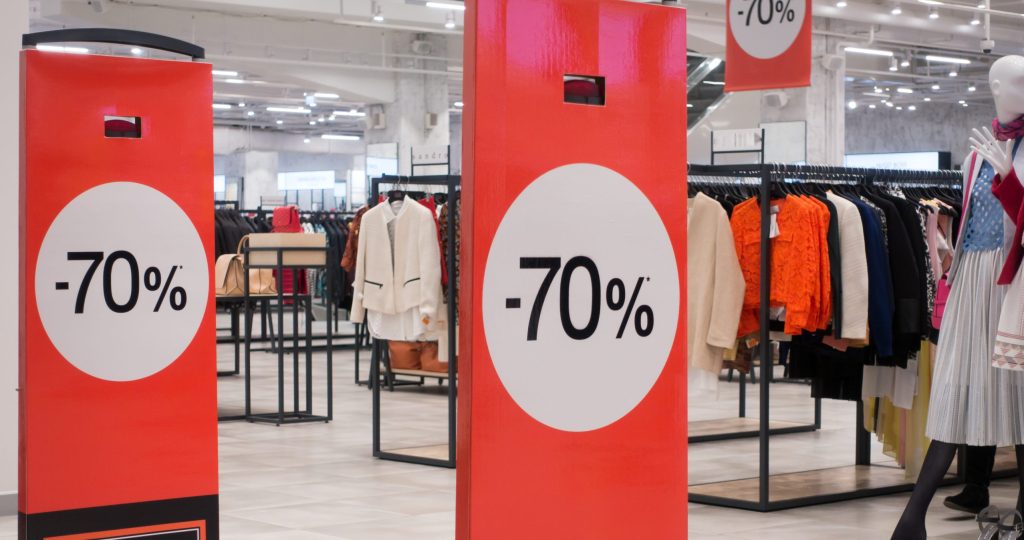
Walking into a discount store can feel like a treasure hunt. But those spontaneous purchases of items you don’t really need add up. You might think you’re getting a bargain, but if it’s not something you needed, it’s money wasted, no matter how cheap it was.
Timeshares and Vacation Packages

Timeshares and vacation packages might promise great savings on future vacations. However, they often come with hidden costs like maintenance fees, exchange fees, and travel costs to use your timeshare. Plus, you’re locked into vacationing at the same place or within the same network of resorts, limiting your flexibility.
Discounted Gym Memberships You Don’t Use
Signing up for a discounted gym membership can seem like a great way to save money while staying fit. However, if you’re not using it regularly, you’re just throwing money away. Consider your lifestyle and how often you’ll realistically use the gym before signing up for a membership.
High-Fee Credit Cards with Rewards Programs
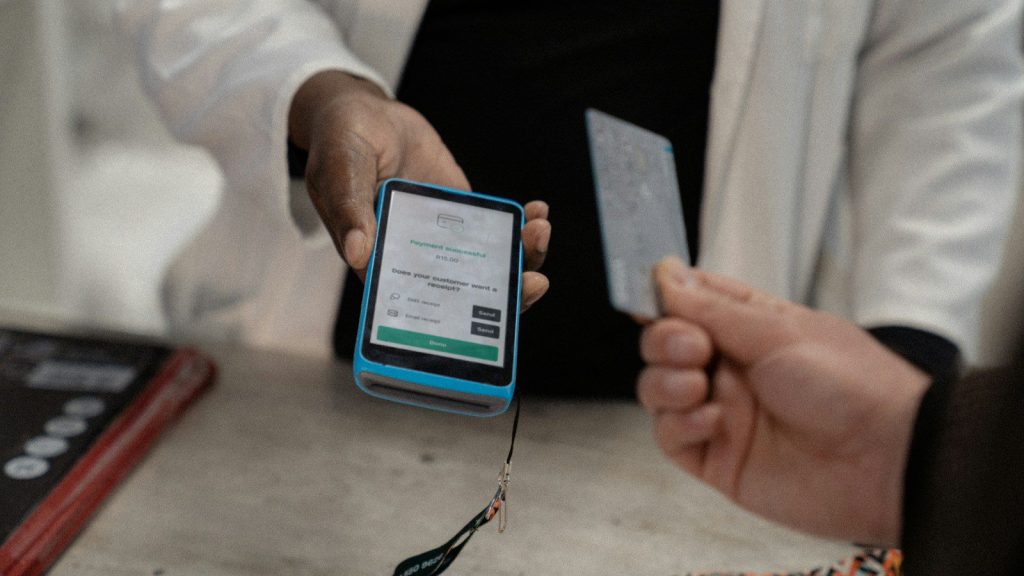
Many credit cards promise attractive rewards, like cash back, points, or miles. But if the card comes with high annual fees, it can offset any rewards you earn. Be sure to check the fine print before signing up for a rewards card – you might find a better deal with a no-fee card.
‘Money-Saving’ Apps That Encourage Spending
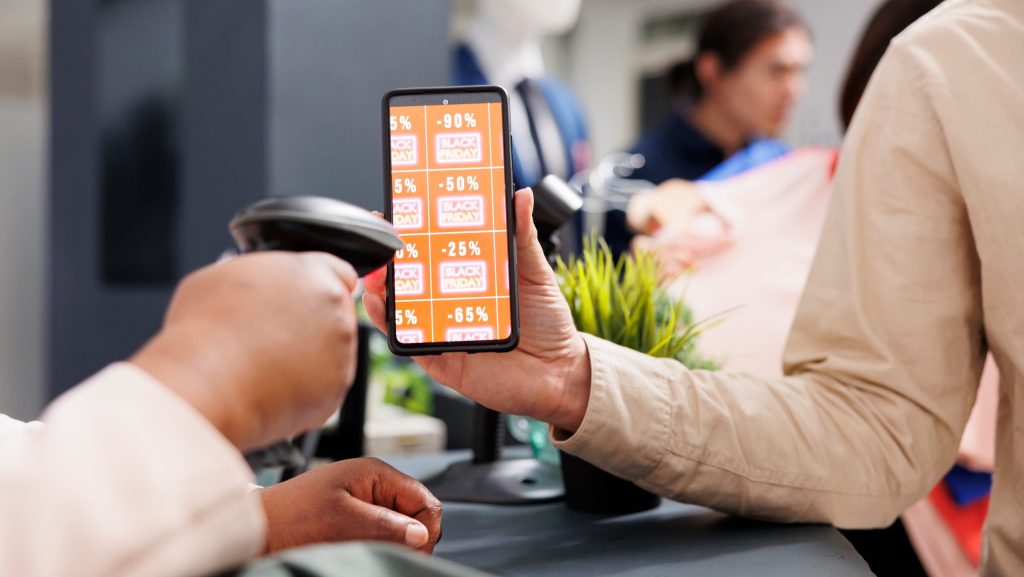
There are countless apps that promise to save you money by tracking your spending, offering deals, or rounding up your purchases to save small amounts. But some of these apps encourage spending in order to ‘save’. For instance, you might be tempted to spend more just to reach a savings goal or earn a discount. Here’s a helpful YouTube video discussing the pros and cons of money-saving apps.
Fast Fashion Items That Don’t Last

Last but not least, fast fashion. These items might seem like a bargain at first glance, but their low quality means they often don’t last. You end up spending more replacing items more frequently. Investing in high-quality, sustainable fashion might cost more upfront, but it can save you money in the long run. You might find this YouTube video on the impact of fast fashion interesting.
Before you go — if this inspired you, check out these readers-loved favorites: