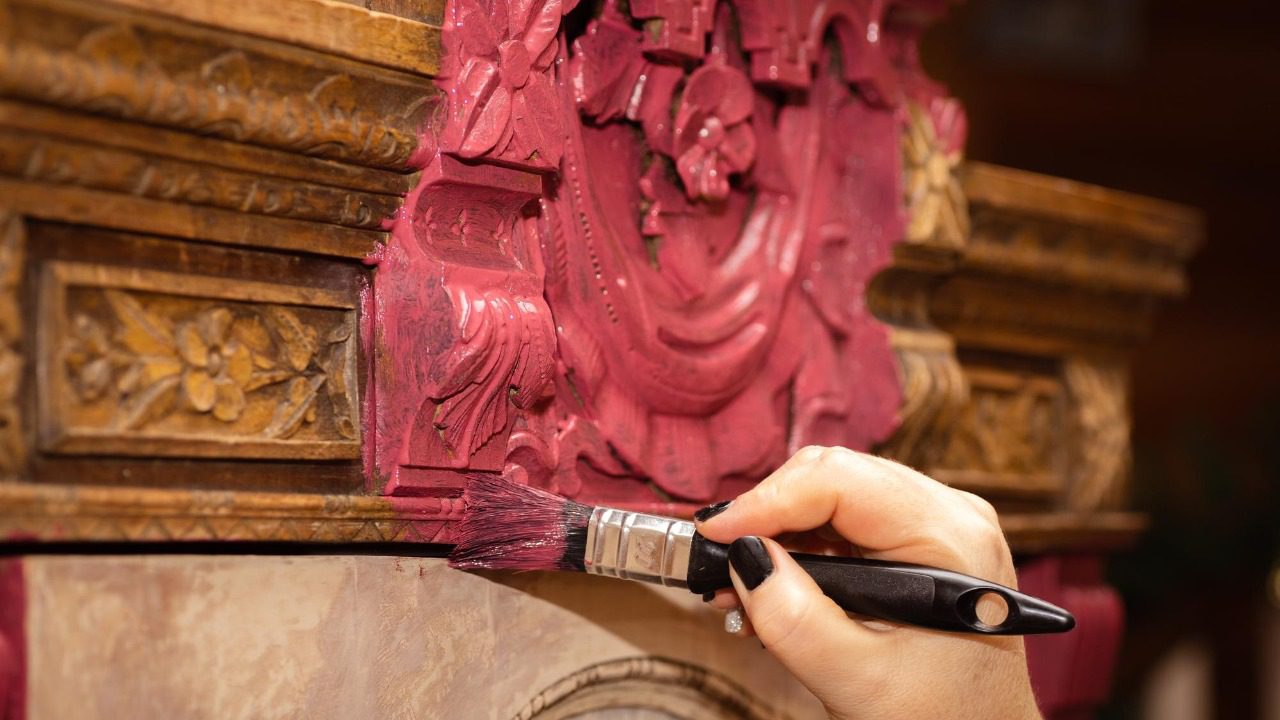
Renovating your home can be an exciting endeavor. You get to reimagine and redesign your space, perhaps even making a few upgrades along the way. But, as with anything, there are trends and practices that can come back to bite you in the long run, especially if you’re planning on selling your house someday. Here, we’ve compiled a list of 13 renovation trends you might want to think twice about, according to real estate agents. So, before you pick up that paintbrush or start knocking down walls, read on.
1. Over-personalized Themes and Colors

It’s your home, so it’s natural to want to make it a reflection of your personality. However, over-personalizing your home with bold color schemes and unique themes can be a turn-off to potential buyers. Instead, aim for a balance between personal touches and a more neutral palette. According to House Beautiful, certain paint colors can decrease your home’s value. If you plan on selling, stick to colors that will appeal to a wide range of buyers.
2. Installing Overly Trendy Fixtures

Trendy fixtures might be all the rage right now, but trends come and go. Opting for more timeless choices will ensure your home remains appealing even as trends change. This doesn’t mean you have to stick to plain and boring fixtures, but rather, choose ones that can stand the test of time.
3. Converting Bedrooms into Other Spaces
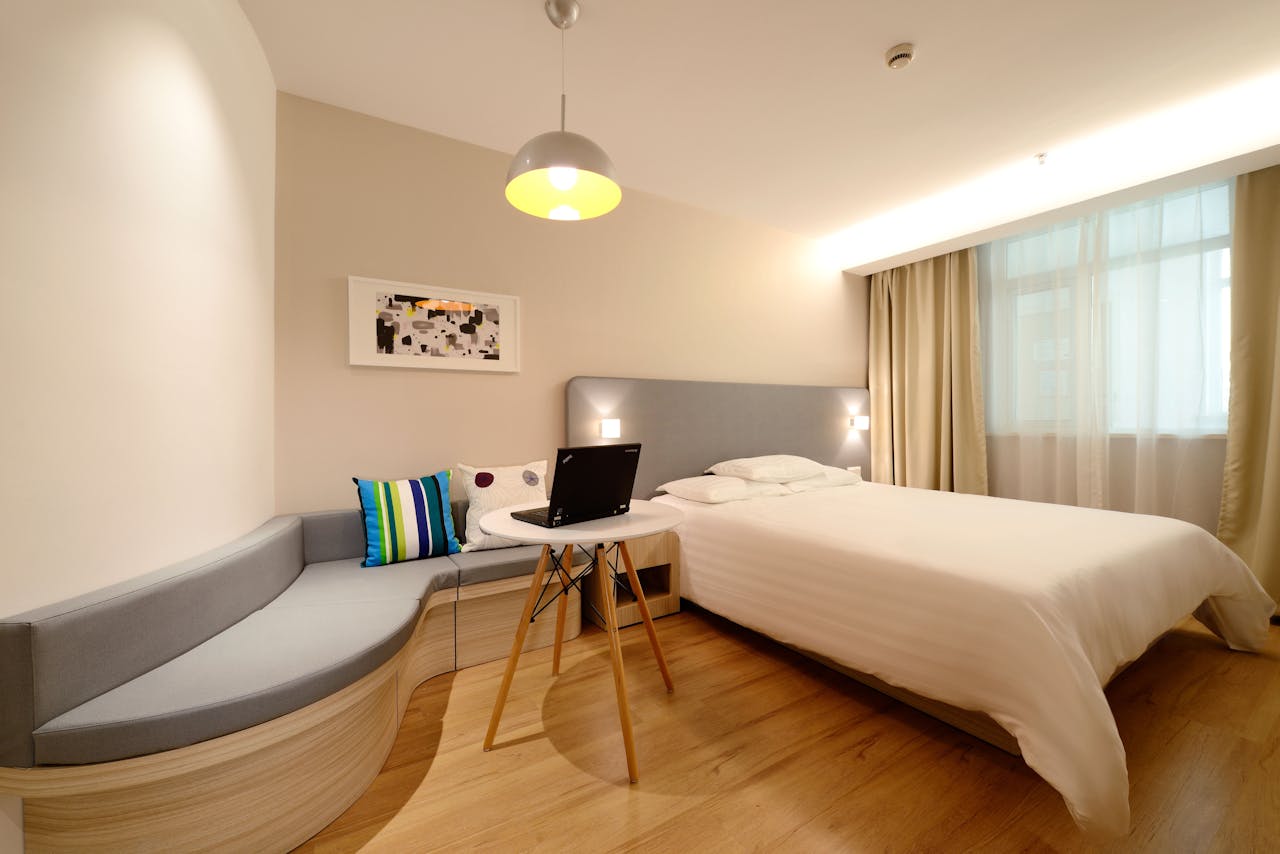
While converting a spare bedroom into a home office or gym might seem like a good idea, it can actually hurt your home’s resale value. According to MIT, the number of bedrooms in a home significantly affects its value. If you need more space for a specific purpose, consider utilizing a basement or a garage instead.
4. DIY Electrical and Plumbing Works

While DIY projects can save money, they can also lead to costly mistakes, especially when it comes to electrical and plumbing work. It’s always safer and more cost-effective in the long run to hire professionals for these tasks. Plus, potential buyers will appreciate knowing that all the work was done by qualified professionals.
5. Investing in High-End Appliances for Low-End Markets

High-end appliances can certainly add appeal to a home, but only if it fits the market. If you’re renovating a home in a lower-end market, these expensive appliances might not bring a return on investment. Instead, focus on quality, reliable appliances that fit the neighborhood’s price range.
6. Using Low Quality Materials to Save Cost

While it’s understandable to want to keep costs down during a renovation, using low-quality materials can lead to problems down the line. Poor quality materials can wear out faster, requiring more frequent replacements and repairs. Instead, invest in durable, high-quality materials that will last and appeal to potential buyers.
7. Eliminating Closets and Storage Space

Storage space is a big selling point for many buyers. Removing closets to make rooms feel larger or for aesthetic reasons can actually make a home less appealing. Instead of eliminating storage, look for ways to optimize it. This could be through smart organization solutions or even adding additional storage where possible.
8. Overcomplicating the Landscape

A beautifully landscaped yard can certainly add curb appeal, but going overboard can be a drawback. Potential buyers might see an overly complicated landscape as a lot of work and maintenance. Opt for a simple, well-maintained yard that highlights your home’s best features.
9. Renovating Without Permits
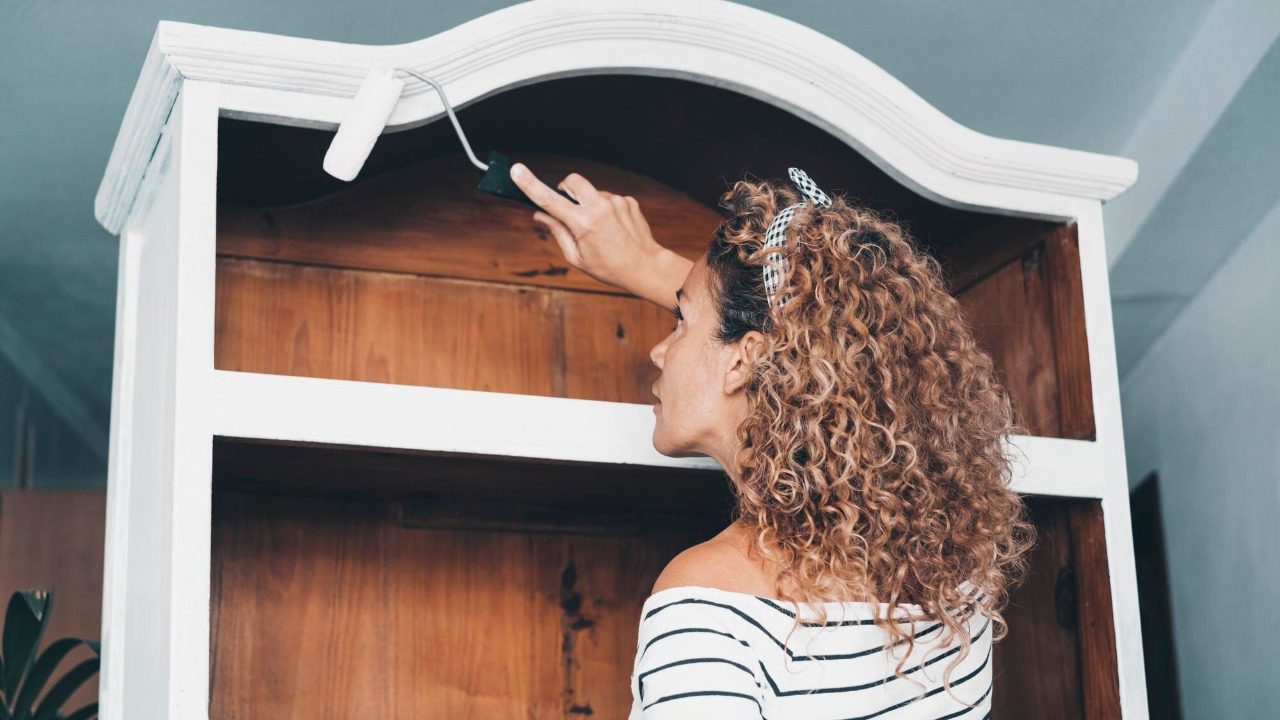
Renovating without the necessary permits can lead to serious consequences, from fines to having to undo your work. It can also scare off potential buyers. Always make sure to obtain the necessary permits before starting any renovations. This will ensure the work is done up to code and will be a selling point for potential buyers.
10. Ignoring the Home’s Original Style

While it’s tempting to make your home look like the latest design magazine cover, ignoring the home’s original style can result in a disjointed look. Try to balance updates with the home’s unique characteristics. This way, you maintain its charm while still giving it a fresh, modern look.
11. Excessive Use of Open Floor Plans

Open floor plans are popular, but sometimes walls are there for a reason. Overdoing it can make a home feel too exposed and lack privacy. If you’re considering knocking down walls, think about how the space will be used and whether an open plan truly makes sense for your lifestyle.
12. Overdoing the Smart Home Technology
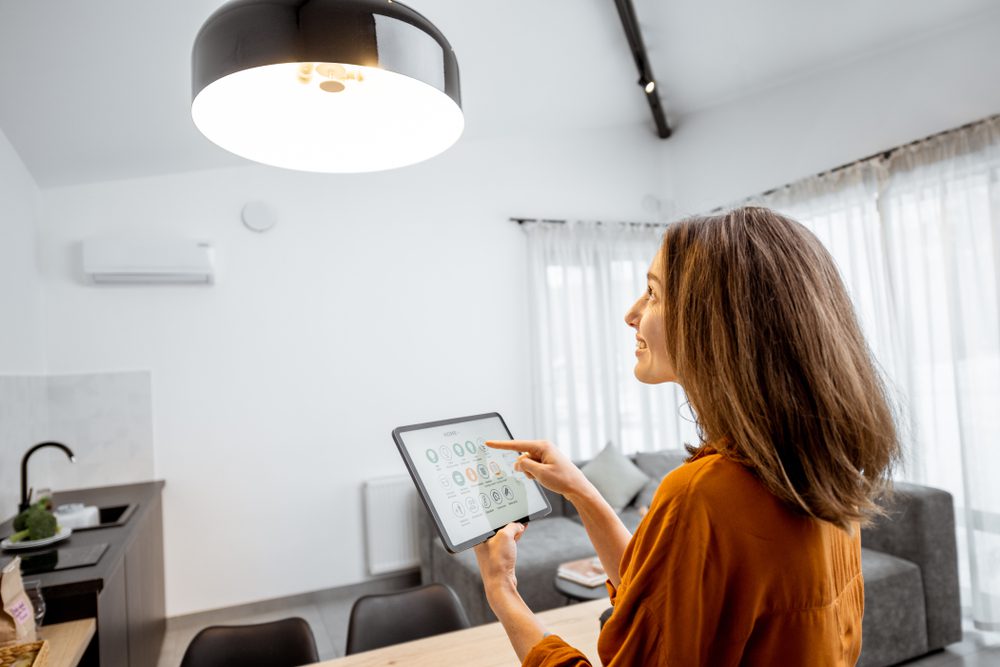
Smart home technology can be a great selling point, but it’s important not to go overboard. Not all buyers will be tech-savvy or interested in having a fully automated home. Plus, technology changes quickly, and what’s cutting-edge today may be outdated in a few years. Balance is key when integrating smart home technology.
13. Overlooking the Importance of Curb Appeal

First impressions matter, and that applies to homes too. Neglecting the home’s exterior can be a big mistake. Whether it’s a fresh coat of paint, a well-maintained lawn, or an inviting front porch, curb appeal can significantly impact a home’s value and how quickly it sells. According to Realtor.com, homes with high curb appeal tend to sell for 7% more on average than other similar homes.
Remember, while it’s important to love your home, it’s also crucial to consider how your renovation decisions might impact its future resale value. Keep these tips in mind, and you’ll be well on your way to a successful renovation that pays off in the long run.