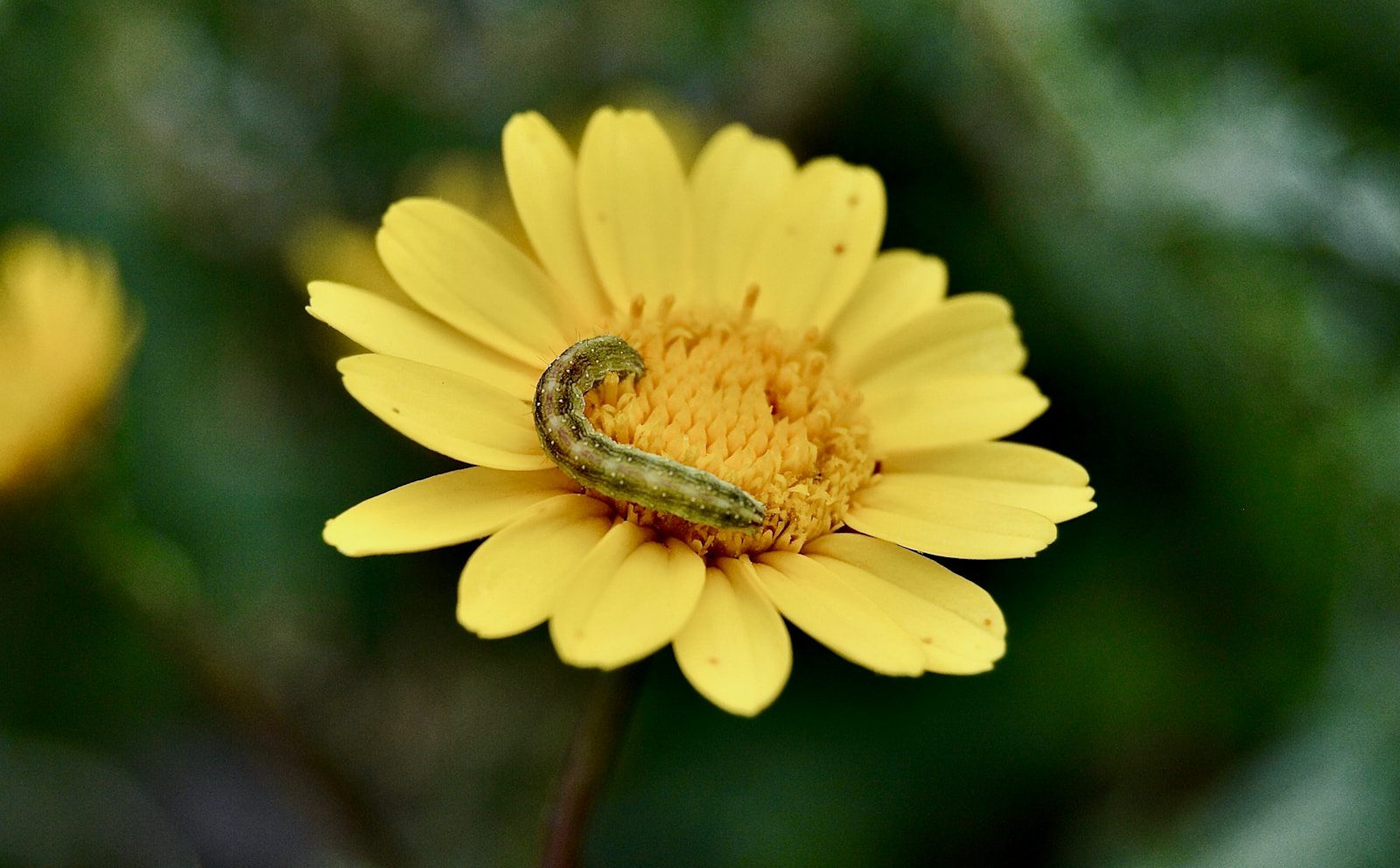
As a gardening enthusiast, I know how exciting it is to see your plants thrive. But what if there are unseen pests and diseases lurking in your garden, slowly wreaking havoc on your beloved greens?
Pests, bugs, and diseases can sneak into your garden unnoticed, and if not caught early, they can cause serious damage. But don’t worry, I’ve got you covered! Here are 13 signs to help you identify if your garden is infested.
Sign 1: Yellowing Leaves and Slow Growth
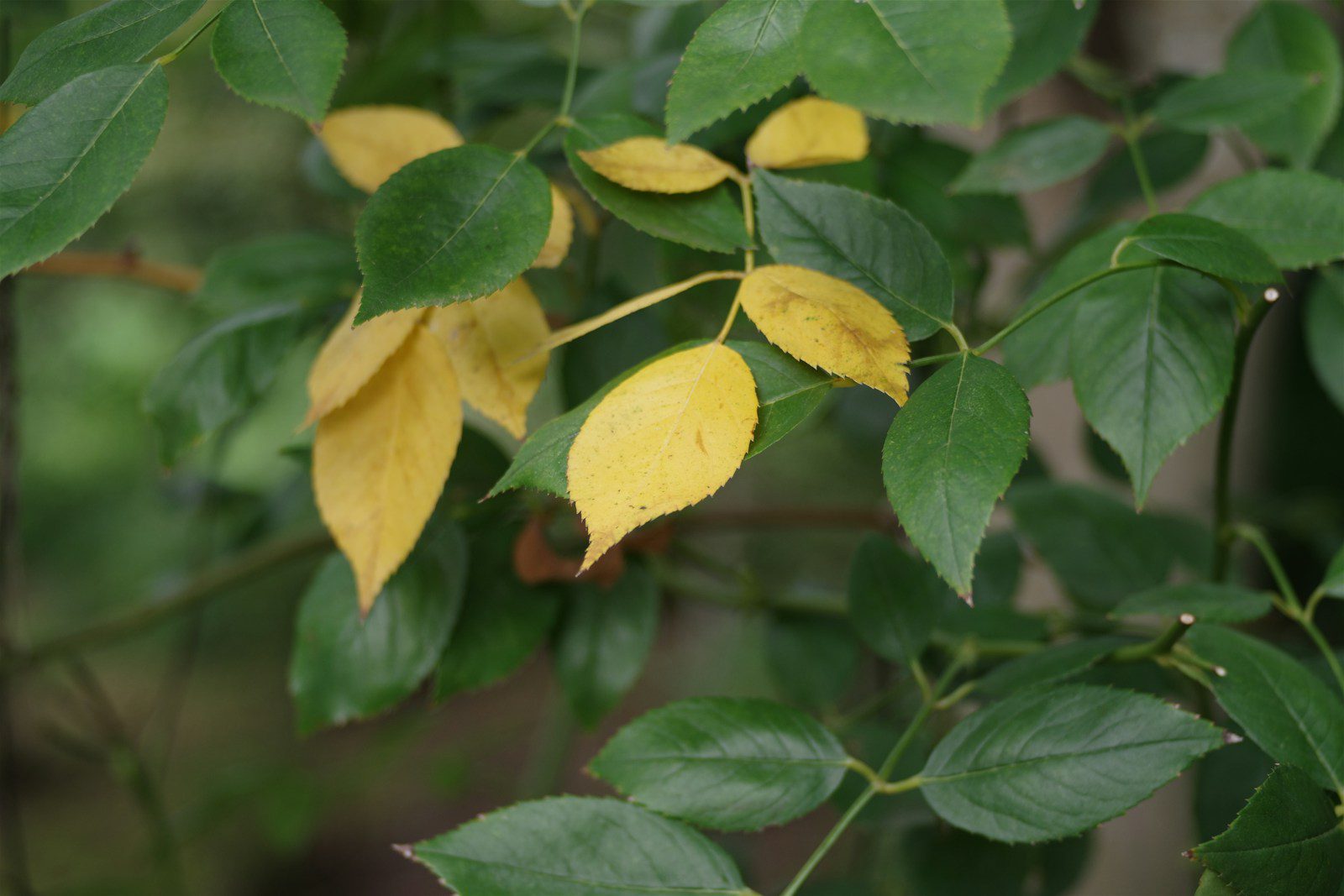
If you notice your plants’ leaves turning yellow and their growth becoming stunted, this could be a sign of pest infestation. Pests like aphids and whiteflies suck the sap from the plants, leading to yellowing and slow growth. You may also notice a sticky substance on the leaves, which is the excretion from these pests. My advice is to inspect your plants regularly for any unusual changes. More information on this can be found here.
Sign 2: Visible Bite Marks on Plant Leaves
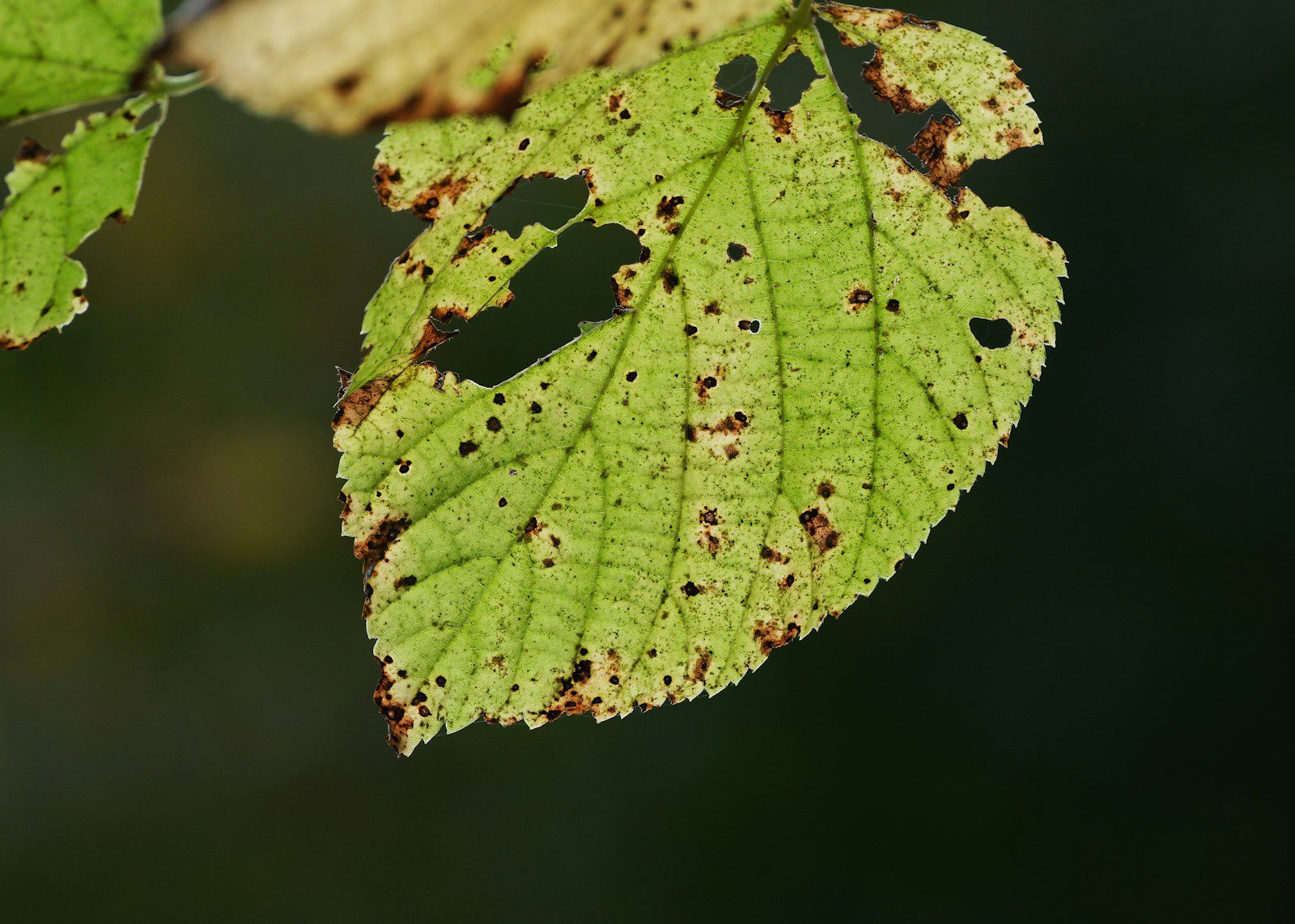
Are you seeing bite marks on your plant leaves? This could be an indication of pests such as caterpillars or beetles. These pests chew on the leaves, leaving behind visible bite marks. These pests are harmful as they stunt the growth of the plants and cause them to die prematurely. I suggest looking under the leaves and on the stems of your plants, as these pests often hide in these areas.
Sign 3: Sticky Residue on Leaves and Surrounding Surfaces
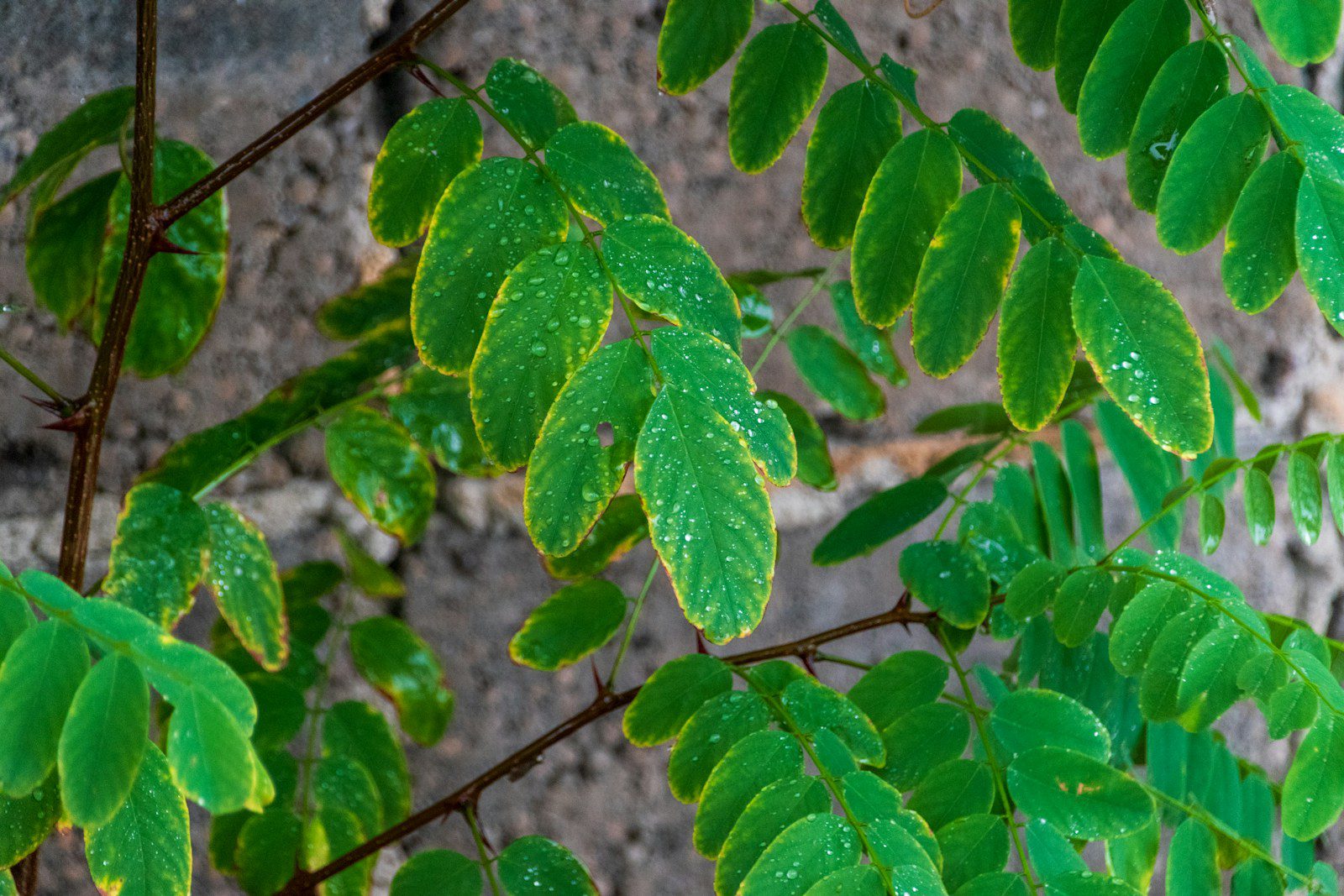
Sticky residue on leaves or surrounding surfaces could be a sign of pests like aphids and whiteflies. These insects excrete a sticky substance known as honeydew, which can also lead to mold growth. If you notice this, it’s time to take action! A helpful video on dealing with this can be found here.
Sign 4: Appearance of Unusual Webs or Silk Threads
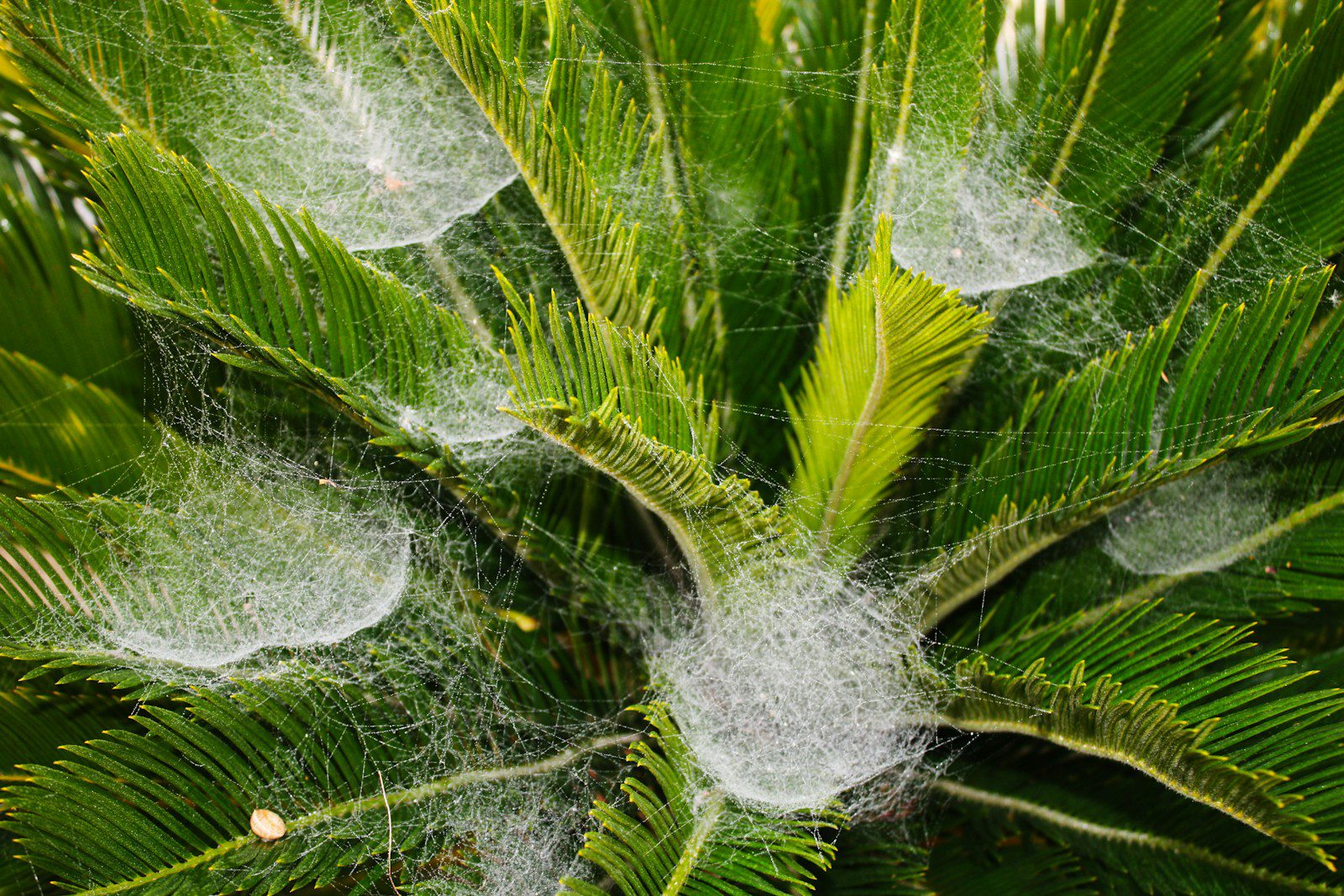
If you start to spot unusual webs or silk threads on your plants, this could be a sign of spider mites or caterpillars. These pests use these webs for protection and to lay their eggs. Regular inspection of your plants can help you catch these signs early.
Sign 5: Presence of Unusual Insects
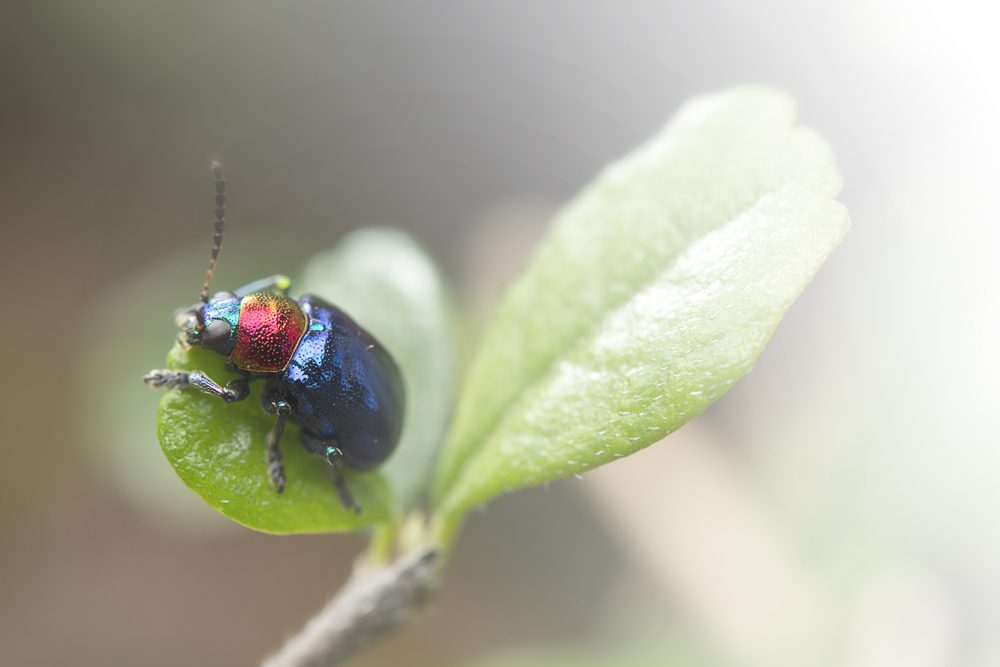
Seeing unusual insects in your garden? It could be a sign of infestation. Insects such as beetles, aphids, and caterpillars are common garden pests that can cause serious harm to your plants. Keep an eye out for any unusual insect activity in your garden.
Sign 6: Noticeable Plant Wilt Despite Adequate Watering

If your plants are wilting despite regular watering, it could be a sign of root-feeding insects. These pests feed on the roots, causing the plant to wilt. This sign is often overlooked as it is usually attributed to under-watering. Be sure to check your plant’s roots if you notice this sign.
Sign 7: Visible Holes or Tunnels in the Soil
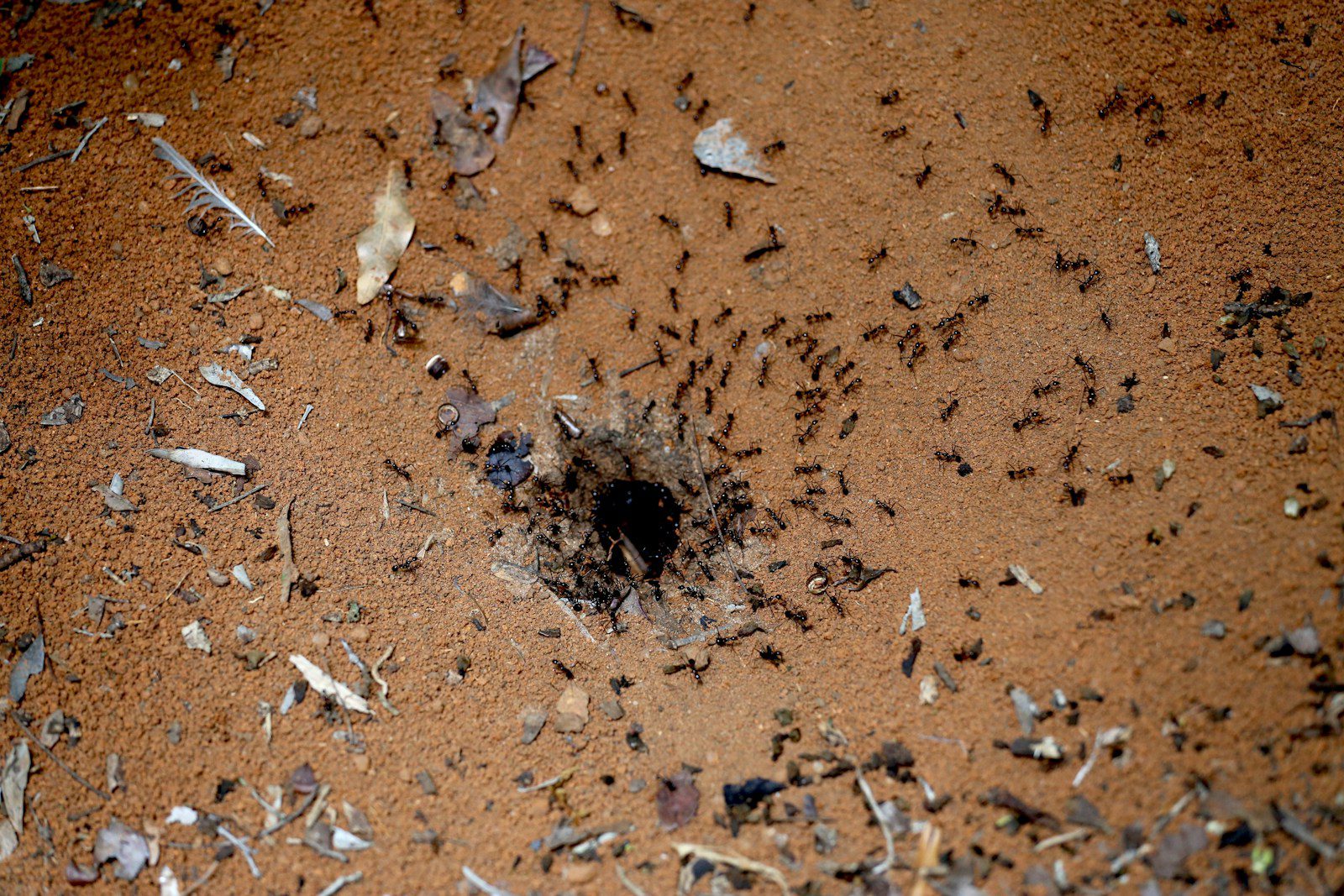
Visible holes or tunnels in the soil are a clear sign of soil-dwelling pests. Pests such as cutworms and grubs live in the soil and feed on the roots of plants. If you see these signs, it might be time to consider using a soil treatment to get rid of these pests.
Sign 8: Presence of Fungal Growth on Plant Surfaces
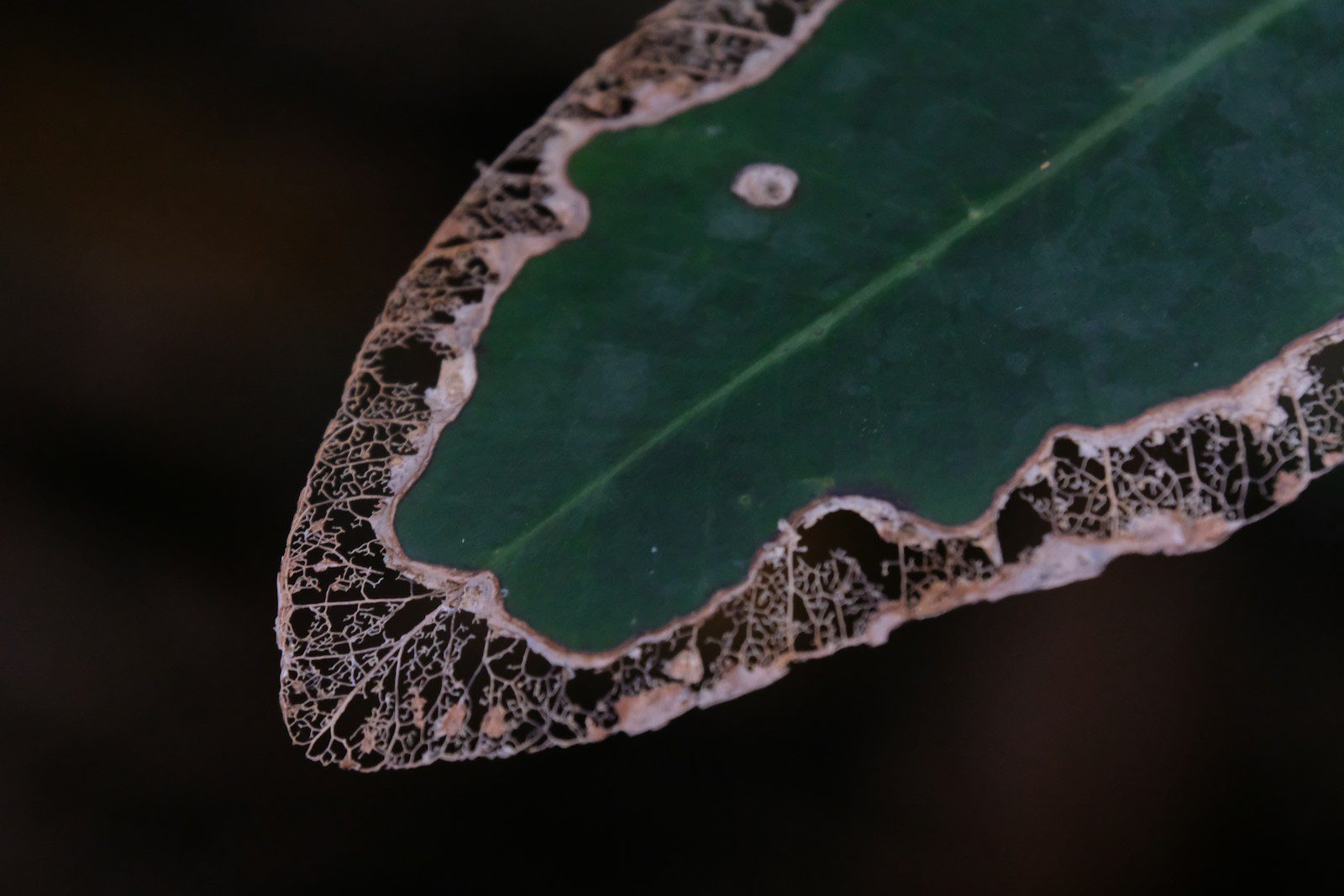
Notice a fuzzy or mold-like growth on your plant surfaces? This could be a sign of fungal diseases, often brought on by pests. Certain pests carry spores that can lead to fungal growth on plants. A good video detailing how to deal with this can be found here.
Sign 9: Stunted or Deformed Growth of Plants
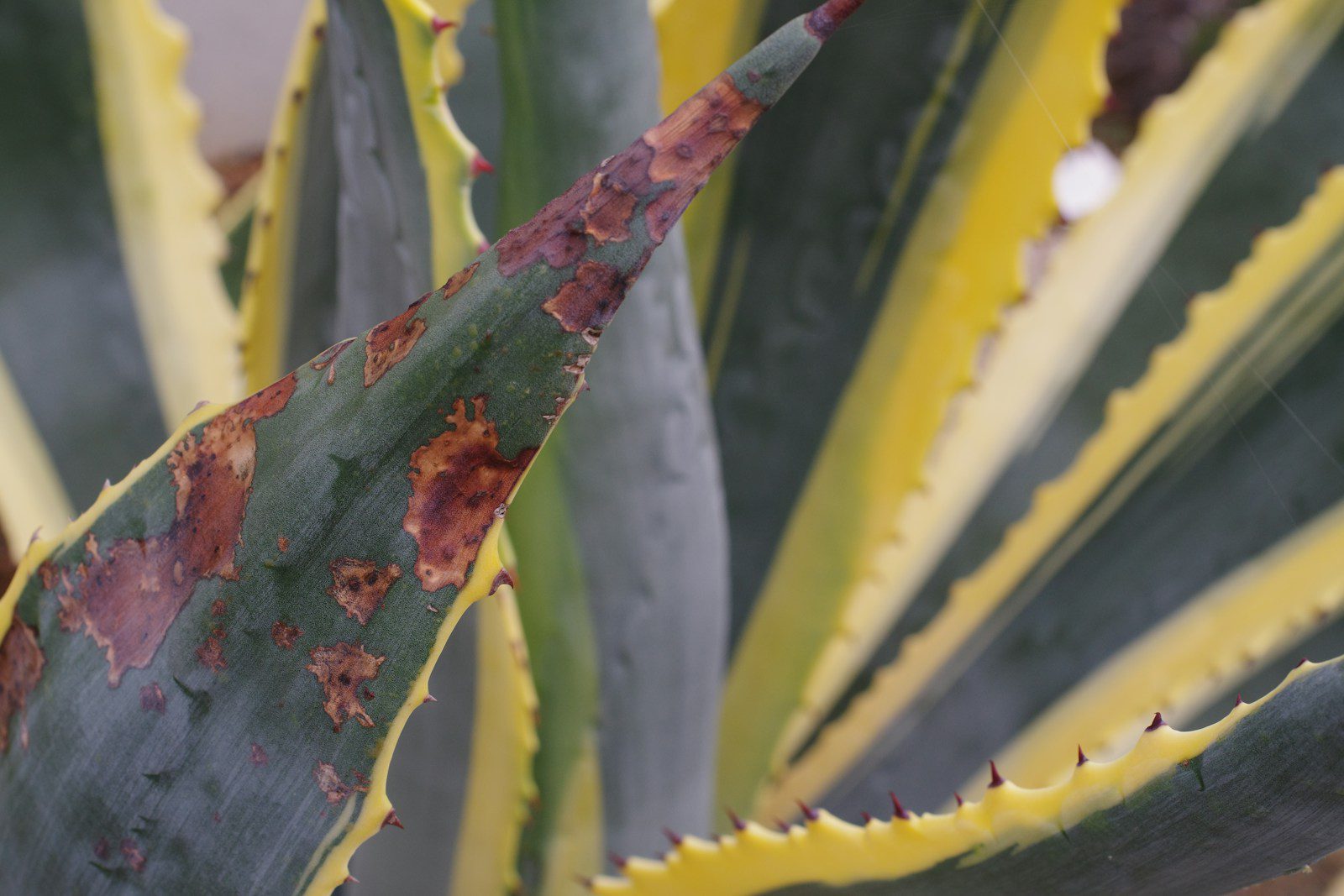
Stunted or deformed growth of plants is a common sign of infestation. Pests such as aphids and beetles feed on the plants, causing them to grow abnormally. Regularly check your plants for any signs of abnormal growth.
Sign 10: Unusual Activity of Birds or Other Predators
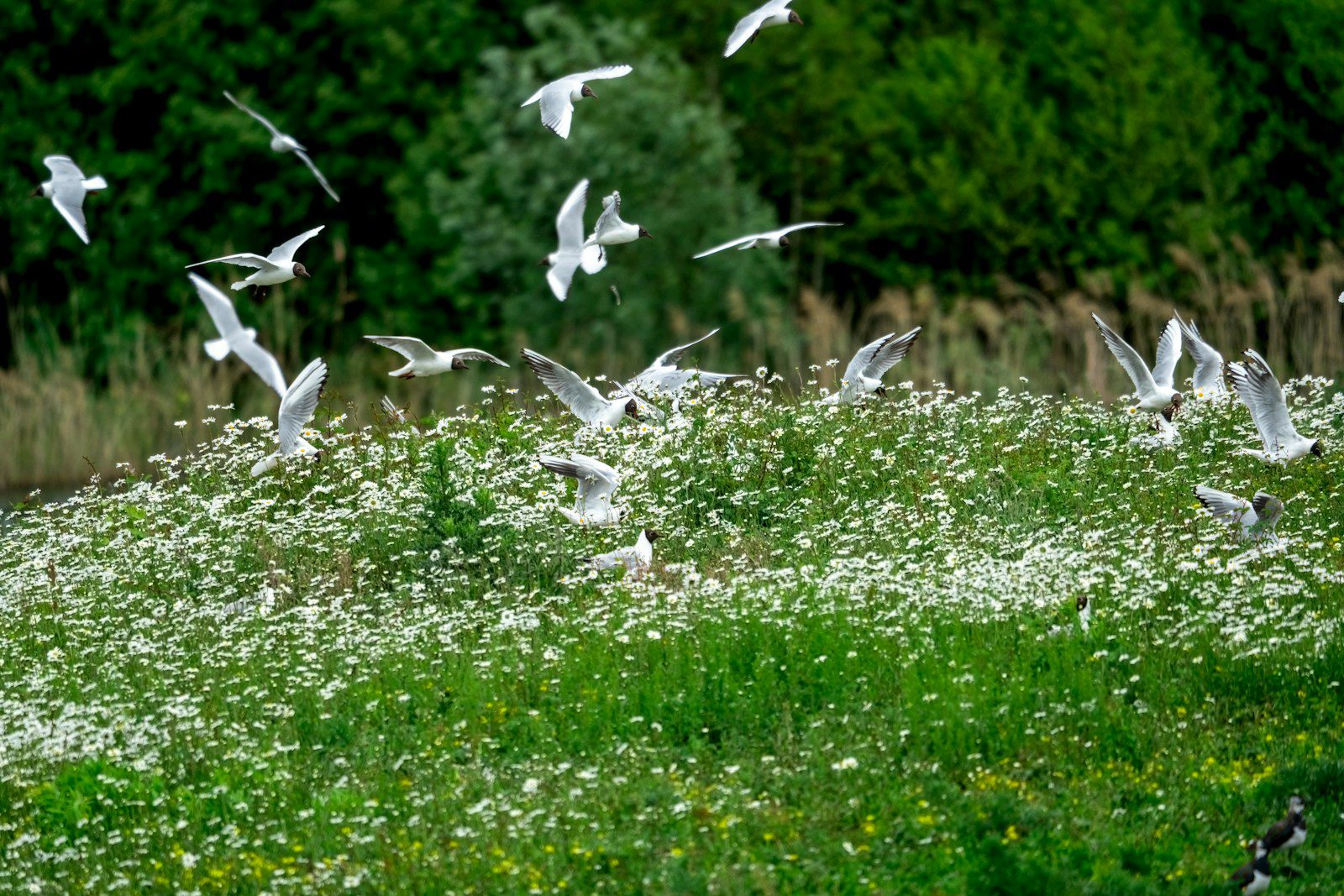
If you notice an unusual amount of bird or predator activity in your garden, it could be a sign that they are feeding on pests in your garden. While this can help control the pest population, it’s also a clear sign that your garden is infested.
Sign 11: Damage to the Bark or Stem of Plants
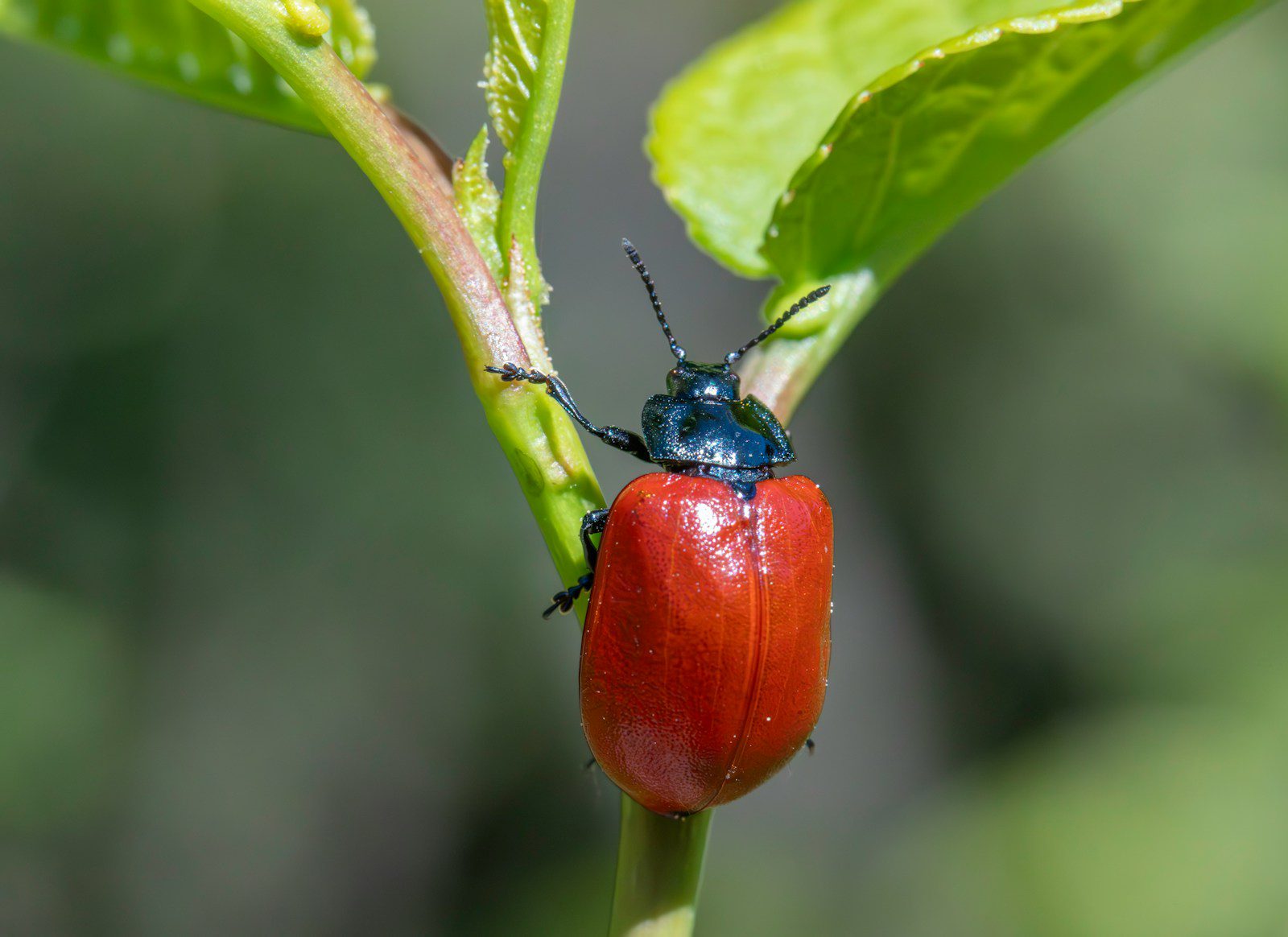
Damage to the bark or stem of your plants could be due to pests such as borers or beetles. These pests bore into the stem or bark of the plants, causing noticeable damage. If you see this sign, it’s time to take action to protect your plants.
Sign 12: Unexplained Disappearance of Seedlings or Smaller Plants
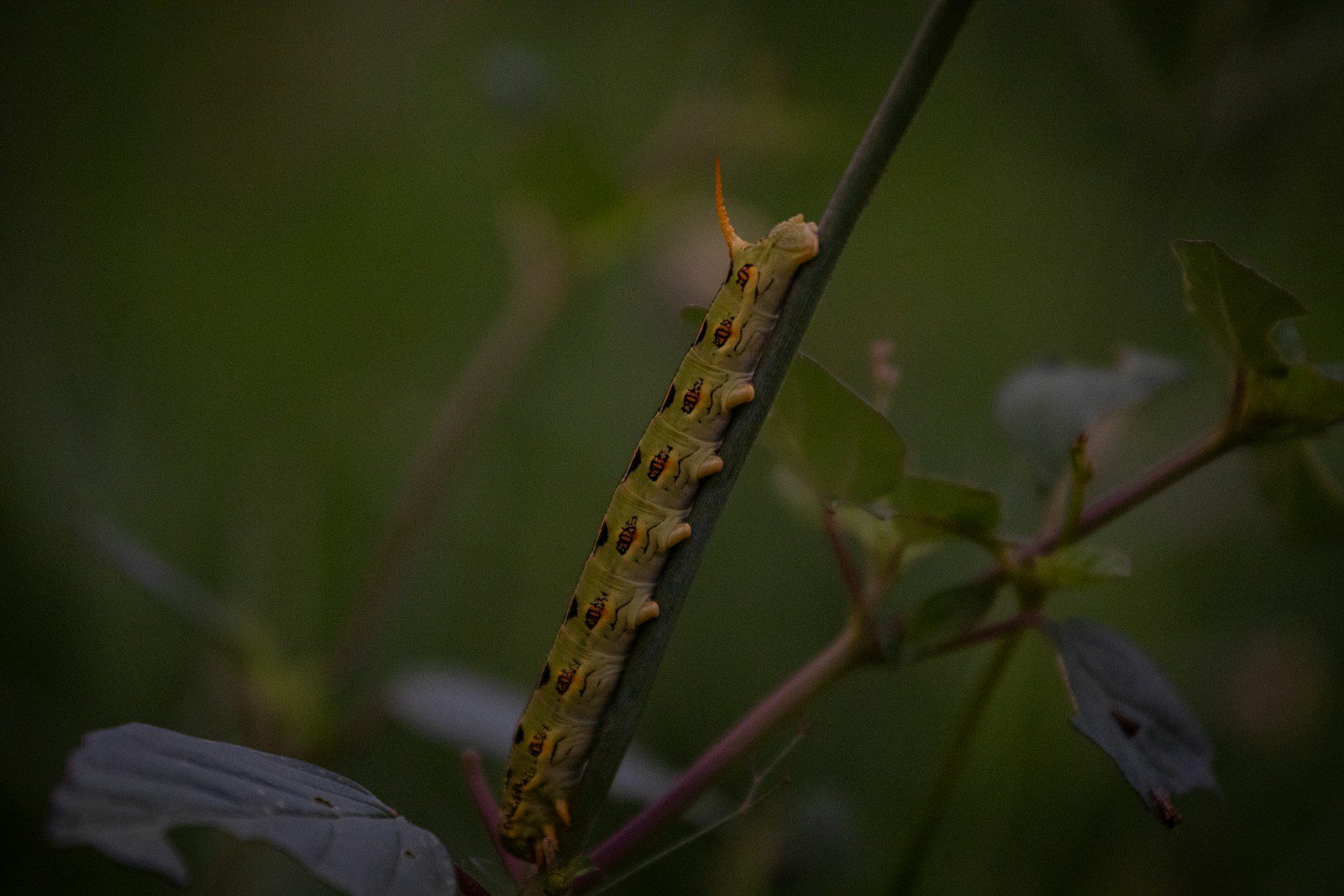
Are your seedlings or smaller plants disappearing without any explanation? This could be due to pests such as cutworms or slugs. These pests feed on young plants and seedlings, causing them to disappear overnight. Regularly check your garden for any missing plants.
Sign 13: A Decline in the Overall Health and Vitality of Your Garden

If your garden’s overall health and vitality seem to be declining, it could be due to a pest infestation. Pests can cause a variety of problems, from leaf damage to root damage, which can affect the overall health of your garden. Regular inspection and maintenance can help keep your garden healthy and vibrant.
Remember, the key to maintaining a healthy garden is regular inspection and prompt action. If you see any of these signs, don’t panic! With the right knowledge and tools, you can tackle any garden pest problem. Happy gardening!
Before you go — if this inspired you, check out these readers-loved favorites: