As we all know, the garage tends to turn into a catch-all storage space for just about anything that doesn’t have a designated place in the house. Some items are practical, others sentimental, and a few are just downright bizarre. But not everything belongs in the garage. In fact, certain things can be damaged, become dangerous, or just plain unnecessary when stored there. In this blog post, I’m going to share with you 13 things I wish I’d never stored in my garage, hoping to save you from making the same mistakes.
1. Paint and Other Chemicals

Storing paint and other chemicals in the garage seems logical. After all, it’s out of the way, right? Not quite. Extreme temperatures in the garage can ruin paint, making it unusable. Similarly, many chemicals can degrade and even become dangerous. Store these items in a climate-controlled area instead.
2. Propane Tanks
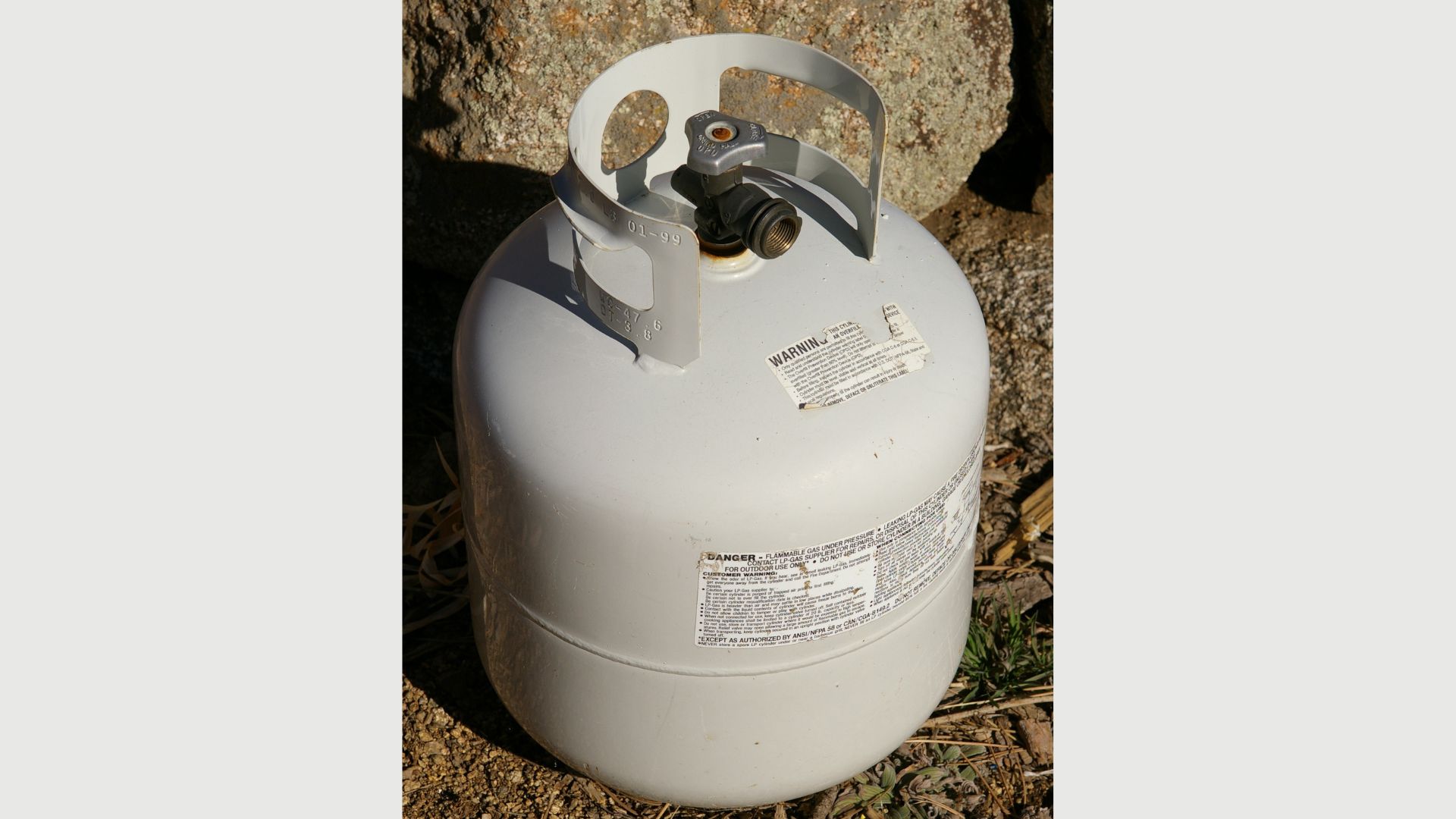
Propane tanks seem like a no-brainer for garage storage, but they can be a serious safety hazard. A small leak can lead to a big explosion if ignited by a car engine or water heater. It’s best to store propane tanks outside, away from any ignition sources.
3. Wooden Furniture

Wooden furniture doesn’t fare well in the garage. The varying temperatures and humidity levels can cause wood to warp, crack, and rot. If you must store furniture in the garage, invest in a dehumidifier to help control the moisture level.
4. Photos and Paper Documents
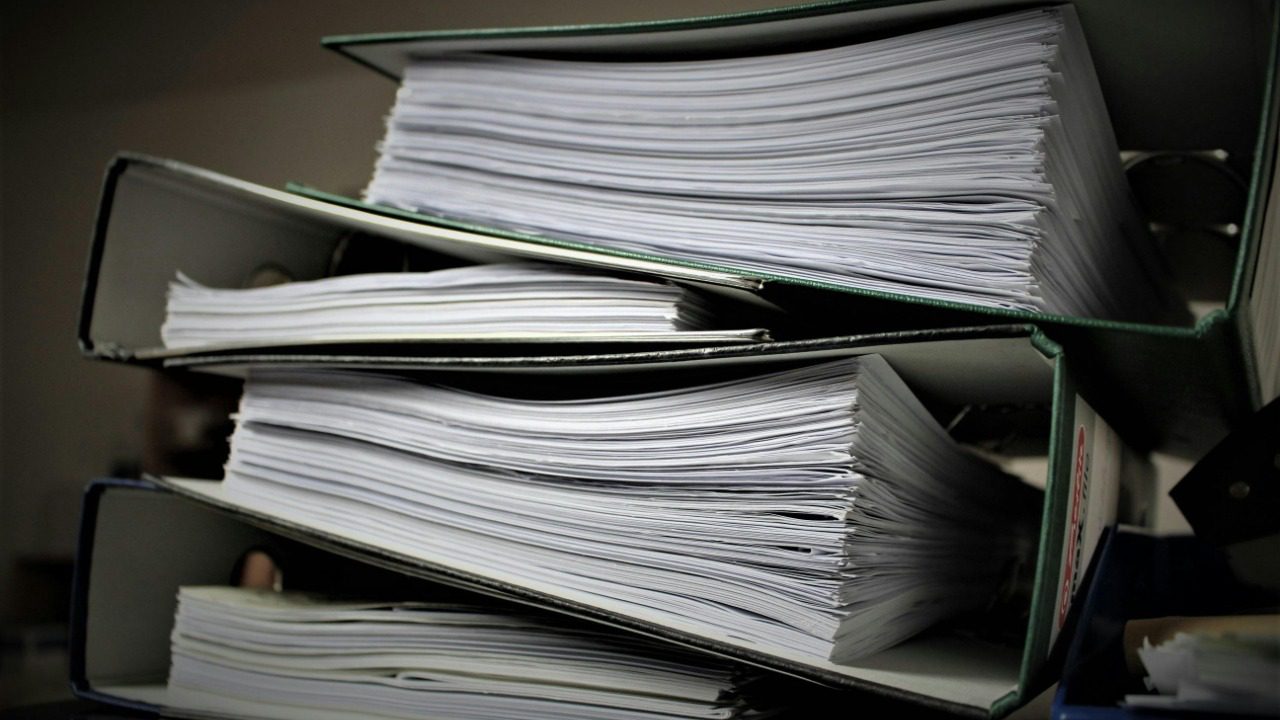
Photos and paper documents can easily be ruined in a garage. Heat, cold, and humidity are all enemies of paper. Instead, store these items in a climate-controlled area or consider digitizing them for safekeeping.
5. Refrigerator
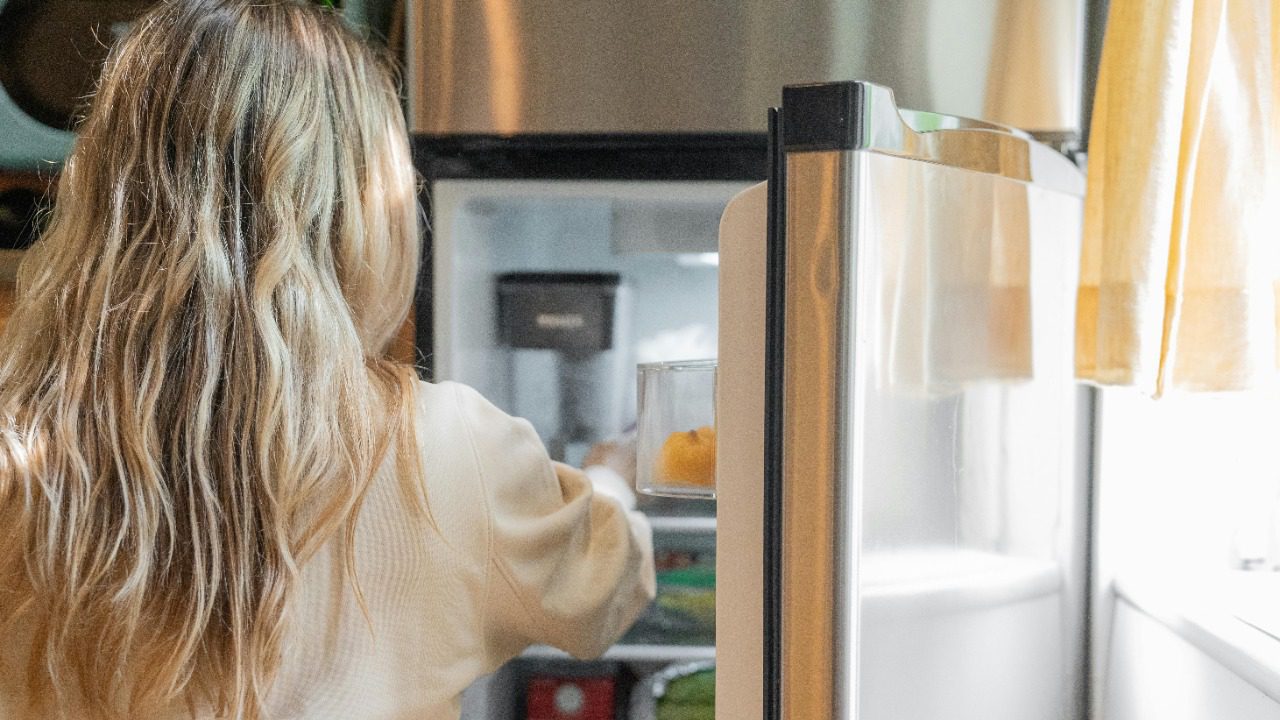
A second refrigerator in the garage may seem convenient, but it can be a real energy drain. Garages are often hotter in the summer and colder in the winter, making the fridge work harder to maintain its temperature. It’s best to keep the fridge inside where temperatures are more stable.
6. Canned Food

Canned food can freeze in the winter, causing the cans to burst. In the summer, the heat can spoil the food. Always store canned food in a cool, dry place.
7. Wine

8. Electronics
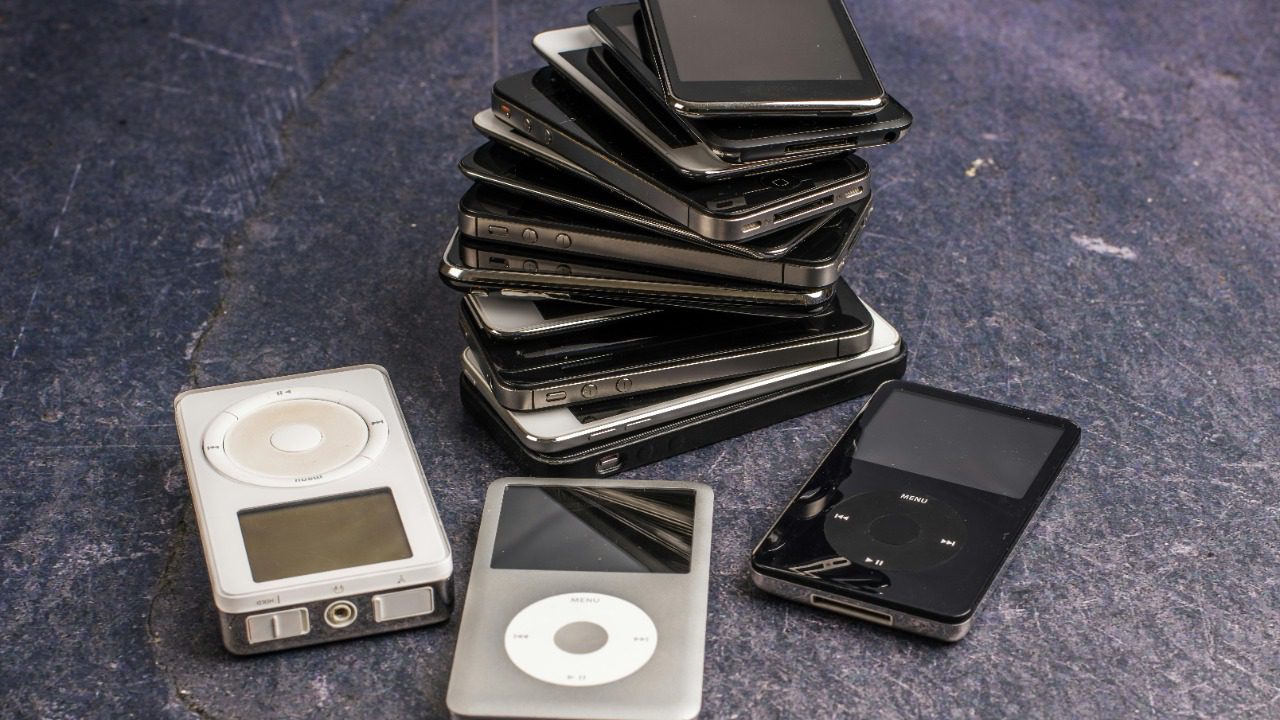
Electronics and the garage don’t mix. Humidity can cause rust and corrosion, while extreme temperatures can damage internal components. Always store electronics in a climate-controlled environment.
9. Pet Food
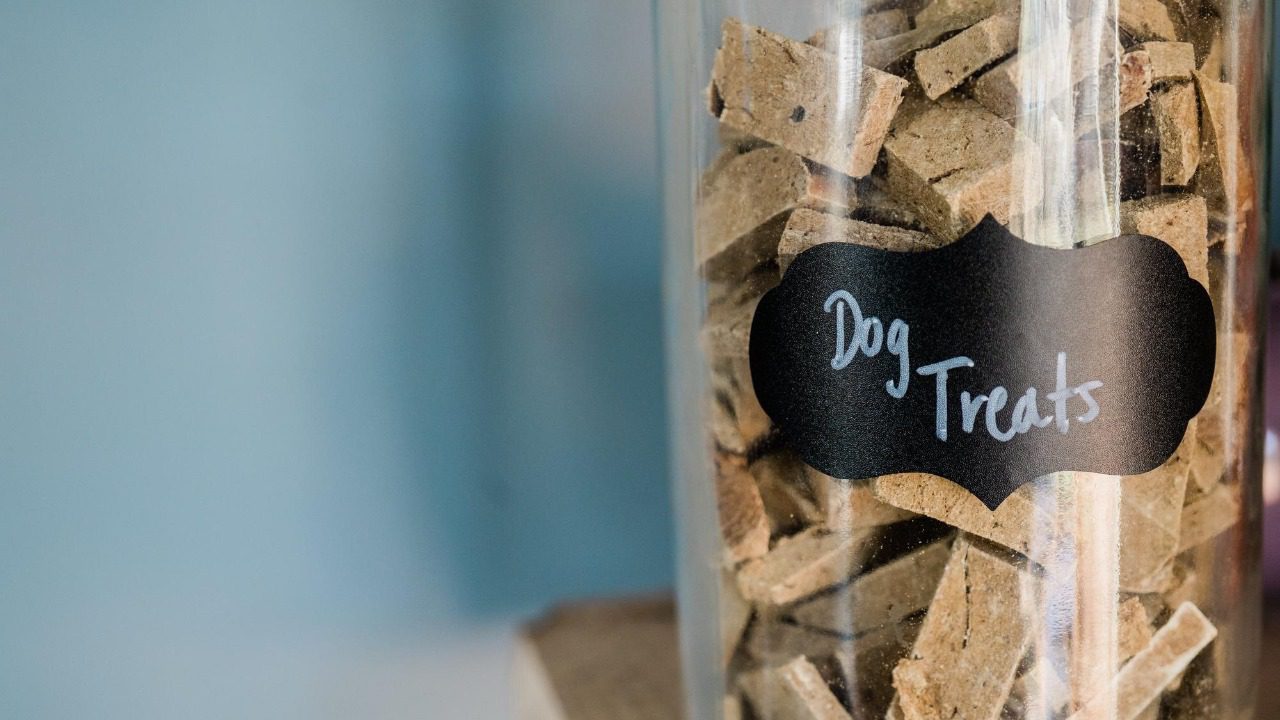
Storing pet food in the garage can attract pests. Plus, the fluctuating temperatures and humidity can cause the food to spoil. It’s best to keep pet food in a cool, dry place inside your home.
10. Firewood

Firewood might seem like a natural fit for garage storage, but it can bring in unwanted pests. Instead, store firewood outside on a raised platform, covered to protect it from the elements.
11. Clothing and Bedding

Clothing and bedding can attract pests when stored in the garage. Plus, they can absorb odors and become musty. Store these items in vacuum-sealed bags and keep them in a climate-controlled space.
12. Car Batteries
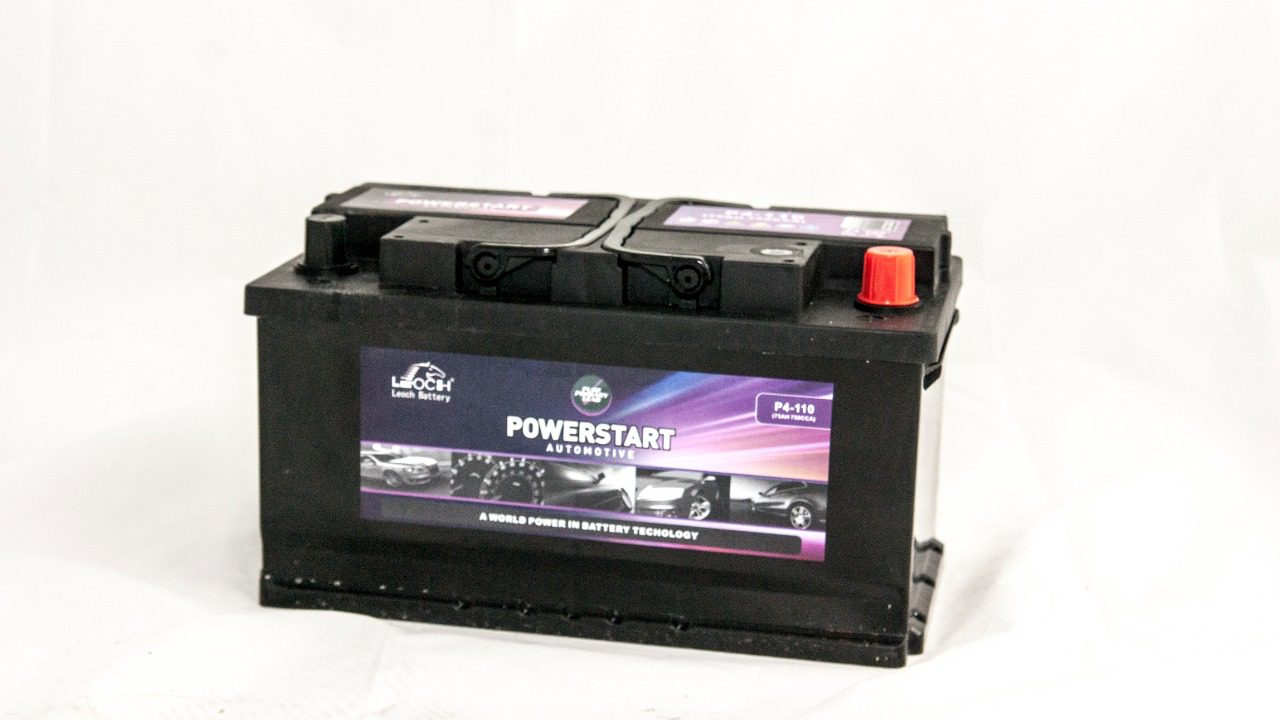
Car batteries can leak acid, causing corrosion and possibly fire. Plus, extreme temperatures can shorten a battery’s lifespan. It’s best to store batteries in a cool, dry place and away from anything flammable.
13. Garden Seeds
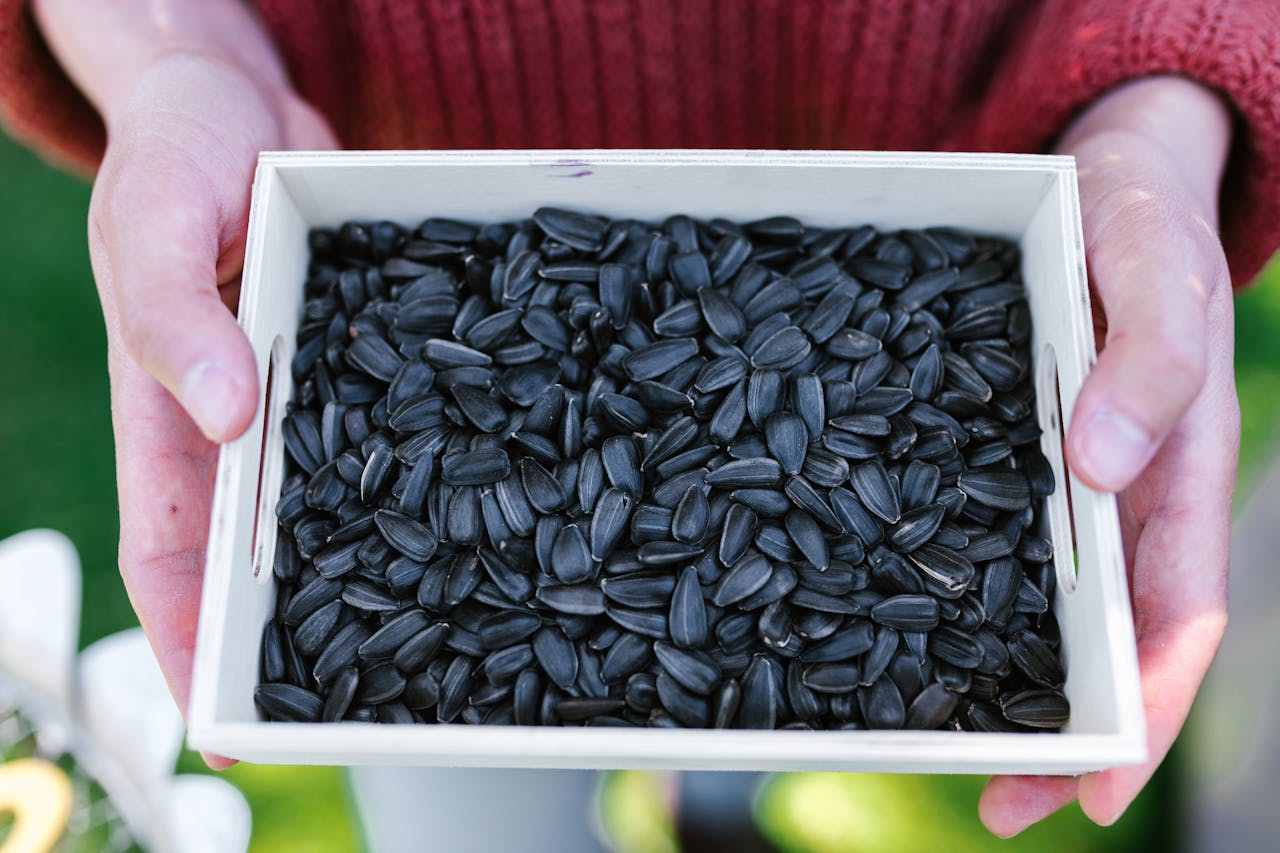
Storing garden seeds in the garage can expose them to moisture and extreme temperatures, reducing their viability. Instead, store seeds in a cool, dry place inside your home. Hopefully, this list helps you rethink what you’re storing in your garage. With a little planning and organization, you can make your garage a safe and efficient storage space.