Every home has one: the drawer that started with good intentions — a spot for rubber bands, a stray key, maybe some spare batteries — and slowly evolved into a black hole where anything without an obvious home goes to disappear. You open it looking for scissors and instead find a single earring, a takeout menu from a restaurant that closed years ago, and a mystery key that doesn’t seem to fit any lock in the house.
The junk drawer isn’t inherently a problem; every household needs a small landing spot for loose odds and ends. The trouble starts when it becomes a dumping ground for things that either don’t belong in a drawer at all, or genuinely need to be dealt with rather than buried. Here are thirteen common junk drawer residents worth evicting.
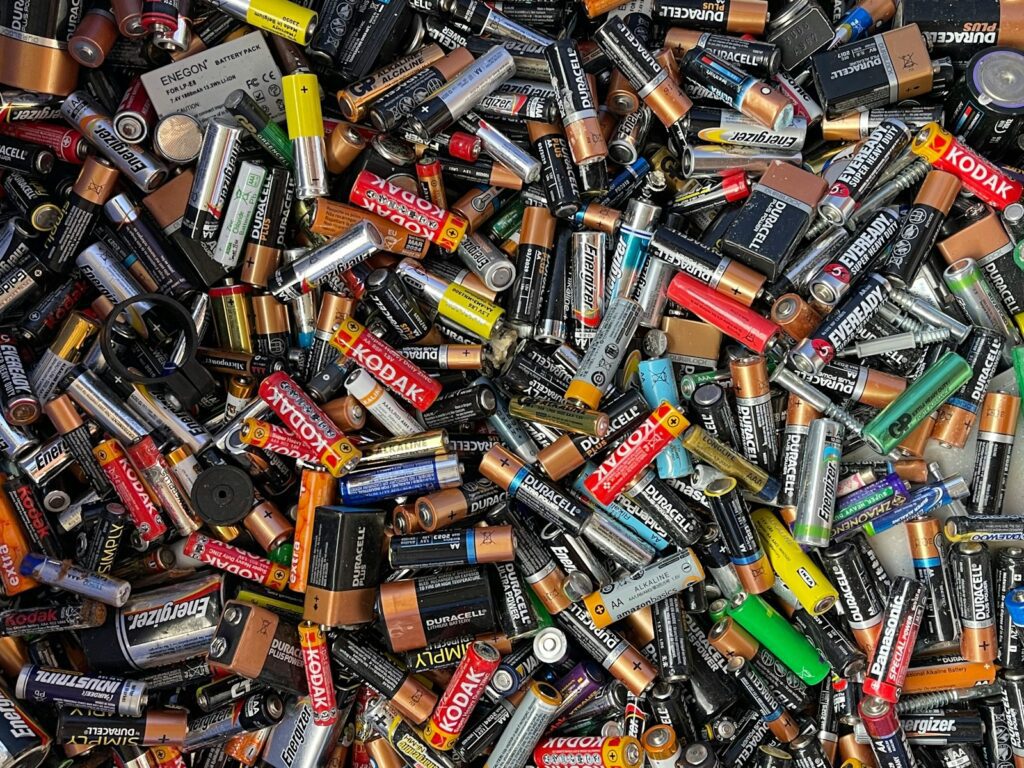
Dead or Dying Batteries
It’s incredibly common to toss a battery back in the drawer “just in case it still has a little juice left,” rather than testing it or throwing it away outright. Over time, this creates a mixed pile of dead, dying, and genuinely usable batteries with no way to tell them apart at a glance. Corroded batteries can also leak and damage anything else stored nearby, including the drawer itself. Keeping a small battery tester nearby, or simply committing to testing before restocking, and recycling anything dead at a designated collection point, prevents this slow buildup.
Takeout Menus You Could Just Look Up Online
Paper takeout menus were once a genuine necessity, but with restaurant websites, delivery apps, and search engines readily available, most physical menus in a junk drawer are outdated the moment a restaurant changes its offerings or closes entirely. It’s worth doing a quick check on whether any paper menus in your drawer are still even for businesses that exist. If a restaurant is a regular favorite, saving its number as a contact is far more useful than a paper menu that will inevitably go out of date.
Expired Coupons
Coupons clipped with good intentions but never used tend to pile up in junk drawers well past their expiration dates, taking up space while offering zero actual value. A quick sort by expiration date, done every month or two, keeps this from becoming an ever-growing stack of expired paper. For frequently used coupons, many stores now offer digital versions through an app, which removes the physical clutter entirely going forward.
Mystery Keys
Nearly every junk drawer holds at least one key that nobody can identify — not to the house, not to a car, not to anything currently in use. These often get kept out of a vague fear of throwing away something important, but a key with no known purpose serves no function sitting in a drawer either. If a key hasn’t been identified within a reasonable time of finding it, it’s generally safe to assume it can be recycled with other scrap metal rather than kept indefinitely.
Rubber Bands and Twist Ties in Excess
A small handful of rubber bands and twist ties is genuinely useful to have on hand, but many drawers accumulate far more than any household could use, often because they come attached to produce, mail, and packaging that gets saved automatically. Keeping a small, contained supply and recycling or composting the excess prevents this category from taking up disproportionate space. If a specific twist tie or rubber band hasn’t been touched in the time it’s been in the drawer, it’s a fairly safe bet it won’t be missed.
Old Cell Phone Chargers and Cords
Junk drawers are a common resting place for cords and chargers left over from phones and devices that have long since been replaced or discarded. Because it’s hard to tell at a glance which cord goes with which device, people tend to keep all of them rather than risk throwing away something useful. Setting aside a few minutes to test each cord against current devices, and recycling anything that doesn’t match, usually clears a significant portion of drawer space immediately.
Single Chopsticks, Plastic Utensils, and Condiment Packets
Extra plastic forks, single chopsticks, and a stash of soy sauce or ketchup packets from takeout orders tend to accumulate in junk drawers because throwing away something that still “works” feels wasteful in the moment. In practice, most households already own reusable utensils and condiments, making this stash almost entirely redundant. Keeping a small, genuinely useful stash for lunches on the go, and recycling or discarding the rest, keeps this category from taking over an entire drawer section.
Expired Medications or Loose Pills
Kitchen junk drawers sometimes end up holding a handful of loose over-the-counter pills or an expired bottle of medication that was moved there rather than to a medicine cabinet. Beyond simply being clutter, the FDA specifically advises against keeping expired or unidentified medication around the house for safety reasons, particularly in homes with kids or pets. Any medication found loose in a junk drawer should be identified if possible and either properly disposed of through a take-back program or discarded following FDA guidance. Medications belong in a dedicated, clearly labeled spot, not mixed in with rubber bands and old keys.
Broken Sunglasses or Eyeglasses
A pair of sunglasses with a missing lens or glasses from an old prescription often ends up in a junk drawer rather than being properly disposed of, on the theory that they might be fixable someday. Realistically, most broken eyewear never gets repaired once it’s been sitting unused for more than a few months. Many optometry offices and organizations accept old glasses for donation or recycling, which is a far better outcome than a permanent spot in a drawer.
Owner’s Manuals for Small Appliances
Small appliance manuals — for a blender, a toaster, a coffee maker — often get shoved in a junk drawer rather than filed anywhere useful, and most manufacturers now post digital versions online anyway. Keeping only the manuals for appliances with complex settings you actually reference, and recycling the rest, is usually sufficient. For anything you do want to keep, a labeled folder elsewhere in the house is a far more useful home than a drawer full of loose papers.
Dried-Out Pens and Markers
It’s easy to toss a pen back in the drawer without testing whether it still writes, which results in a drawer full of pens where maybe a third actually work. Doing a quick test-and-toss session every few months, keeping only pens that write reliably, prevents the frustrating moment of grabbing five dead pens in a row while looking for one that works. Dried-out markers and pens can often be recycled through specific pen recycling programs rather than simply thrown in the trash.
Random Screws, Nails, and Hardware With No Known Match
Loose screws, nails, and small hardware pieces from long-finished projects or disassembled furniture tend to end up in a kitchen junk drawer rather than a designated toolbox or hardware bin. Because it’s unclear what each piece belongs to, they rarely get used again and simply take up space. A small labeled hardware organizer, kept with actual tools rather than in the kitchen, is a far more useful home for these items than a drawer where they’ll likely never be matched to their original purpose again.
Business Cards From People You Don’t Remember
Business cards collected at events, from contractors, or from casual introductions tend to pile up in a junk drawer long after the contact information has become outdated or irrelevant. If a specific contact is still useful, saving their information directly into your phone takes seconds and eliminates the need for the physical card. Sorting through the stack once and keeping only genuinely active contacts, recycling the rest, prevents this category from becoming an unsearchable pile of names you can no longer place.