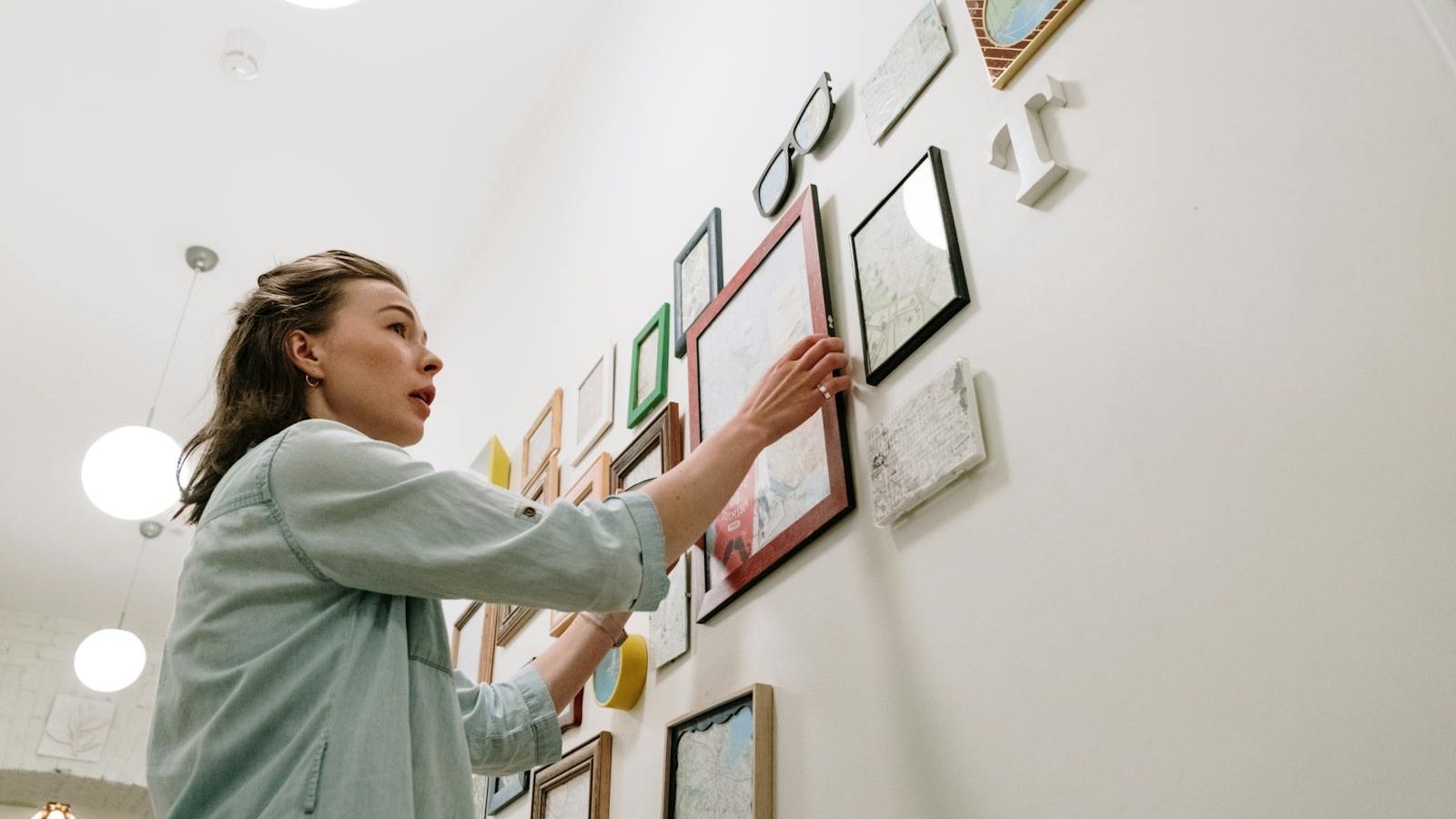
The right wall art can bring a room to life, but the wrong choices—or simply too many of them—can throw off your entire space. Designers agree that some common decorating habits make walls look cluttered, dated, or out of balance.
Whether it’s hanging pieces too high, choosing the wrong scale, or relying on generic prints, these mistakes can instantly diminish your home’s style. To help you get it right, we’ve rounded up 10 wall art habits designers wish you’d stop—and what to do instead.
1. Overcrowding Art on a Single Wall

It’s not uncommon for art lovers to want to show off every piece in their collection. They end up overcrowding their walls with artwork, creating a chaotic and cluttered look. This habit is often fueled by the desire to display personality and taste. Unfortunately, it tends to create a confusing visual narrative that detracts from the individual beauty of each piece.
This issue is particularly pertinent now, with the growing trend of minimalism in interior design. In a minimalist setting, each piece of art should have its own space to shine, adding value to the room without overwhelming it. Overcrowding not only goes against this trend but also diminishes the visual appeal and market value of individual art pieces. Check out this Apartment Therapy piece on common art-hanging mistakes and how to avoid them.
2. Ignoring the Importance of Framing
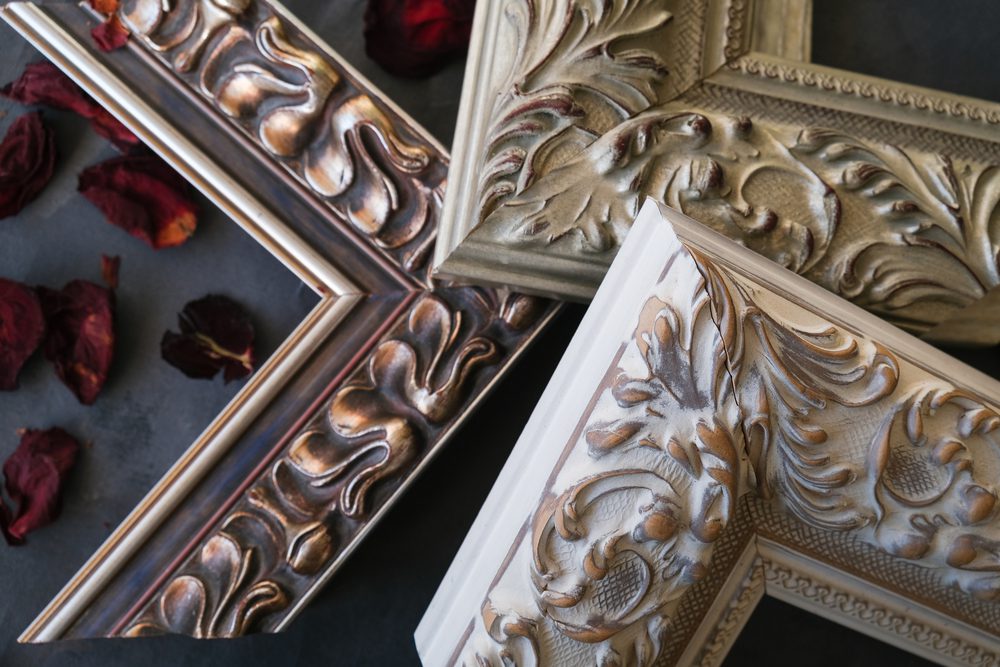
Framing is often overlooked when displaying wall art. Many believe that the artwork itself should be the center of attention, and thus, any frame is considered an unnecessary distraction. This approach, however, can lead to a lack of cohesion between the artwork and the room’s overall design. Today, framing is recognized as an essential aspect of interior design, adding value to both the artwork and the room. A well-chosen frame complements the art, enhancing its aesthetic appeal, and can significantly increase its market value. For expert guidance on choosing the right frame, refer to this RISD Museum guide.
3. Inappropriate Placement of Art
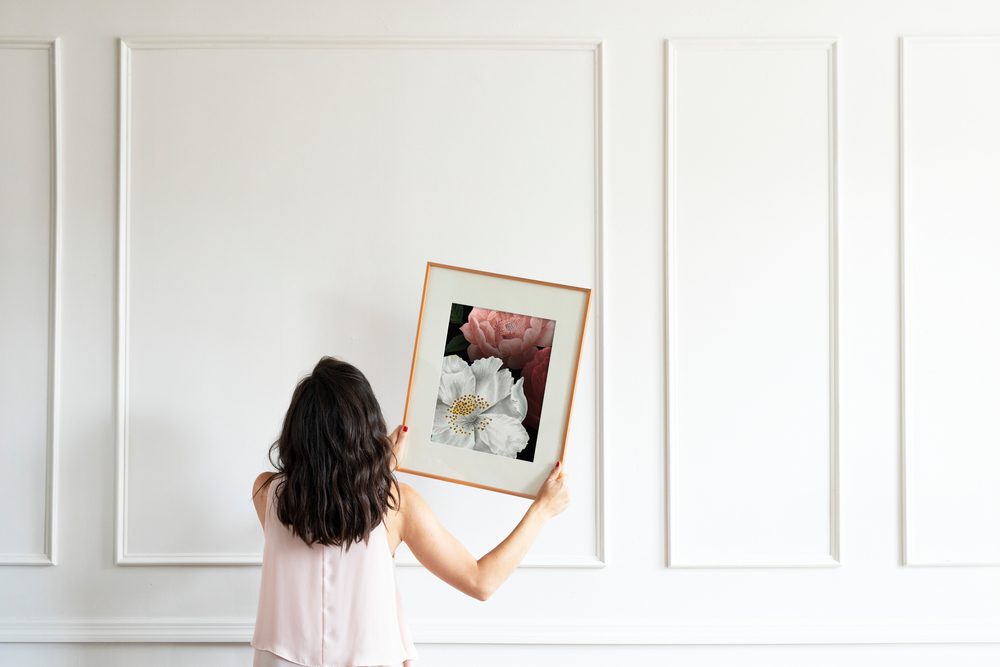
Another common faux pas in wall art display is inappropriate placement. People often hang art too high, too low, or in areas where it doesn’t harmonize with other design elements. This habit is commonly seen in homes where the focus is on fitting the art into available space rather than considering its interaction with the room. With the increasing emphasis on well-curated spaces in contemporary design, the placement of art has become a critical factor. Properly positioned art can transform a room’s aesthetic and increase the perceived value of the space. For tips on how to place your art, visit this Architectural Digest guide.
4. Disregarding the Impact of Lighting

Lighting is often an afterthought when it comes to displaying wall art. Many people invest in beautiful art pieces but fail to consider how they will be illuminated. This can lead to artwork being lost in poorly lit corners or harshly lit to the point of distortion. As the trend of creating art-filled spaces grows, the importance of proper lighting becomes increasingly evident. Good lighting enhances the visual impact of the art and can dramatically increase its appeal. For an in-depth look at lighting for artwork, refer to this Canadian Conservation Institute bulletin.
5. Using Art as a Filler
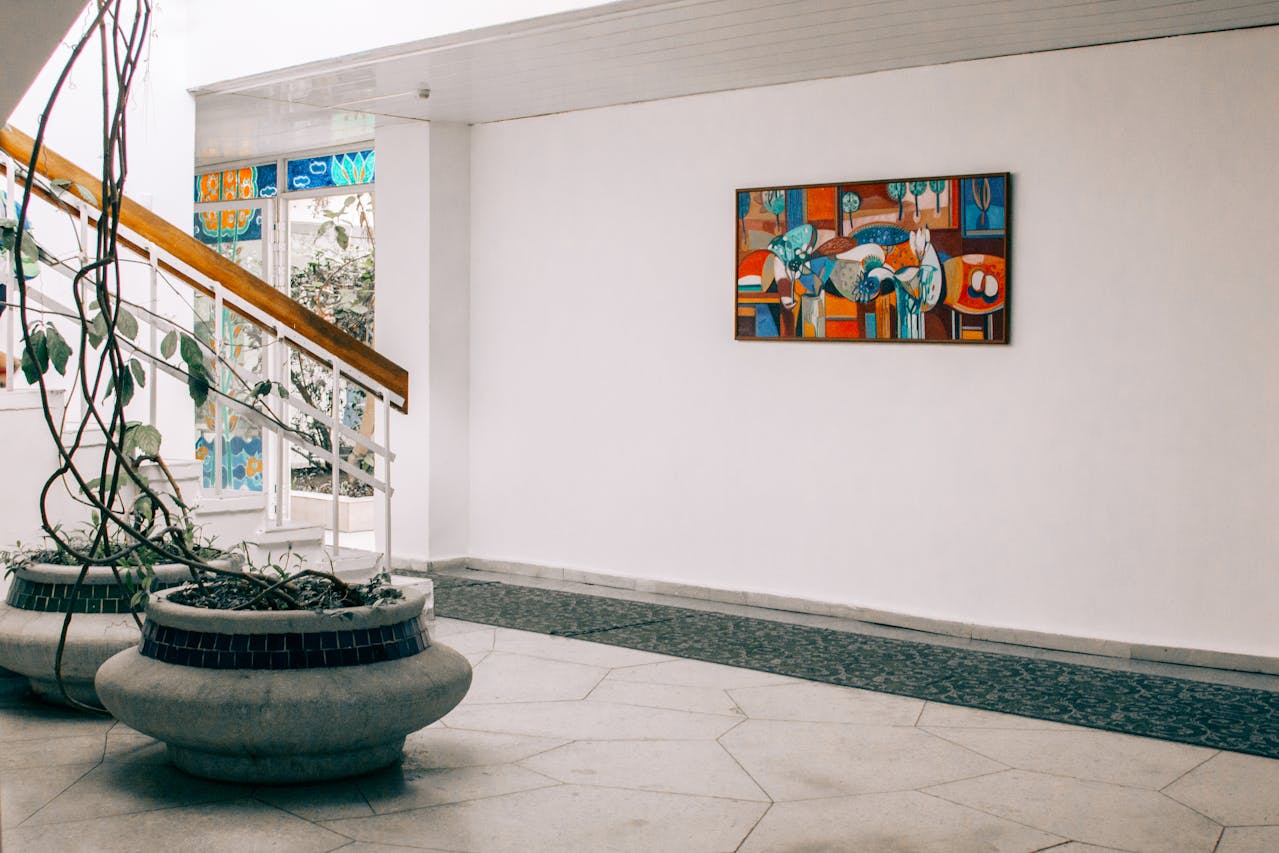
Art is often used as a filler to cover empty spaces on the wall. This leads to people purchasing art based on dimensions rather than personal connection or aesthetic appeal. While this might solve the issue of empty walls, it can lead to a lack of authenticity and personality in the space. Today, with the rise of the “less is more” ethos in interior design, it is preferable to leave a wall bare than to fill it with meaningless art. Choosing art should be a personal journey, and each piece should hold value beyond just filling a space. This House Beautiful article shares expert advice on buying art you truly love.
6. Neglecting the Scale and Proportion
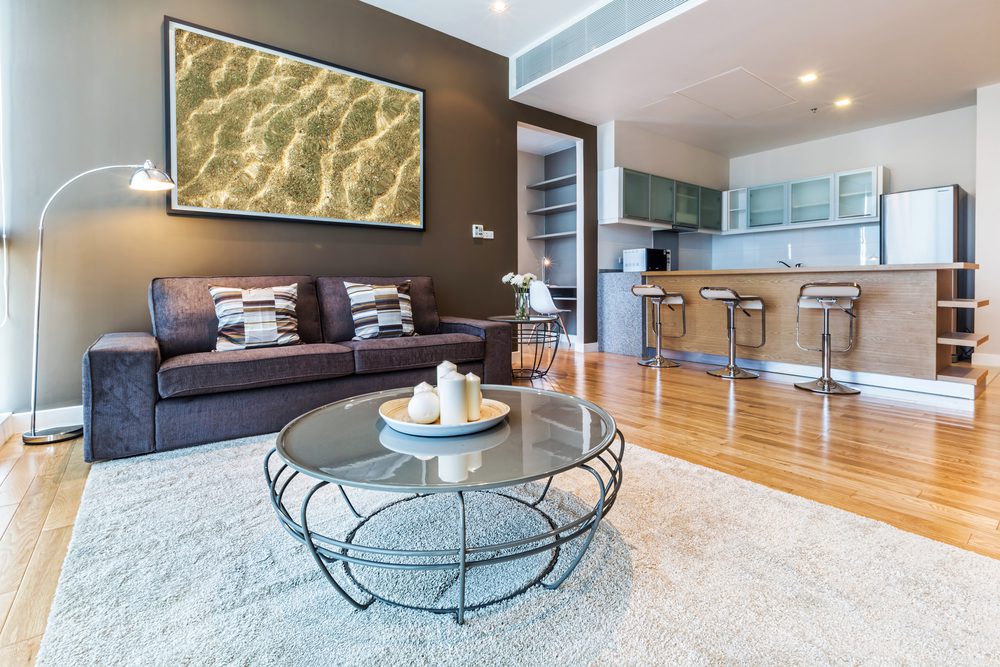
Another common mistake made by art enthusiasts is neglecting the scale and proportion of the artwork in relation to the wall and surrounding furniture. Oversized art in a small room or tiny art on a large wall can disrupt the visual balance and make the space feel awkward. With the current trend of creating harmonious and balanced spaces, considering the scale and proportion of wall art is crucial. Properly scaled art not only enhances the aesthetic of the room but also contributes to the overall value of your interior design. Check out this guide by The Spruce on key design principles like proportion and scale.
7. Choosing Art That Doesn’t Reflect Personal Style
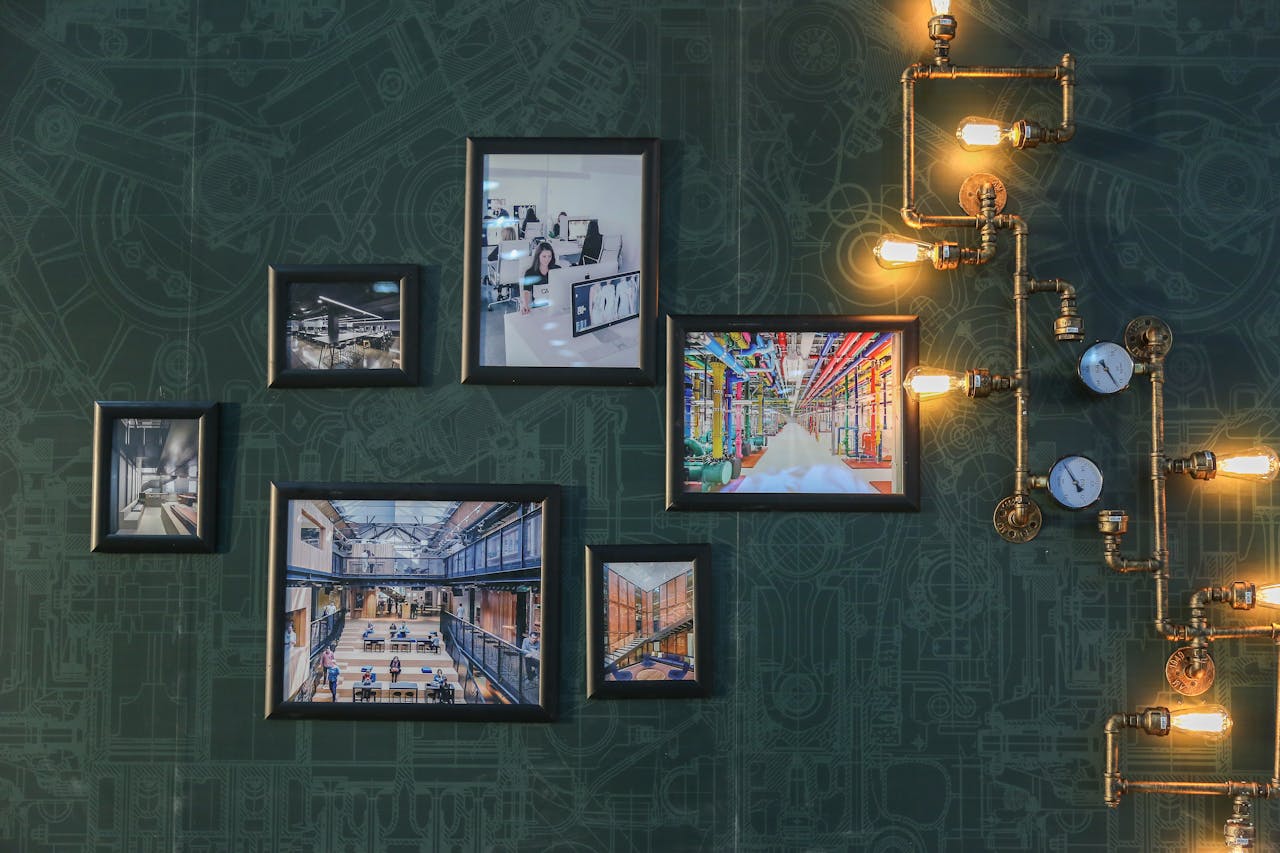
Many people buy art because it’s trendy, or because they’ve seen it in a magazine, disregarding whether it reflects their personal style or not. This can lead to a home that feels impersonal and lacks a sense of character. As the trend towards personalized spaces grows, choosing art that reflects your personal style has become more important than ever. Art is a great way to express personality in your interior design and can greatly increase your enjoyment of your home. For guidance on identifying your style and choosing art that fits it, refer to this The Spruce guide.
8. Ignoring the Room’s Color Palette
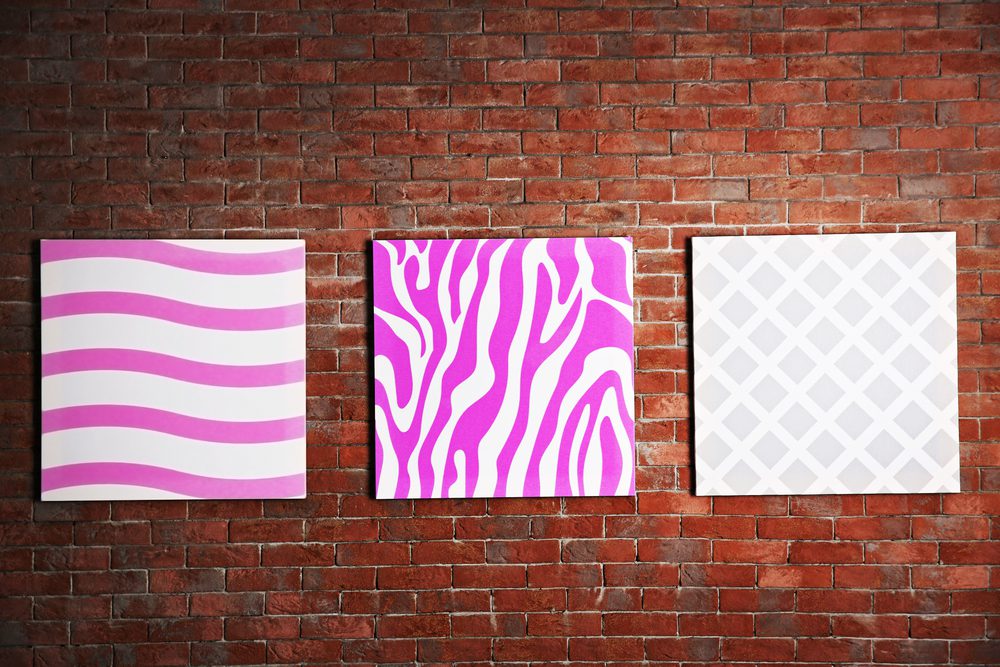
Often, art is chosen without considering the room’s existing color palette. This can lead to a clash of colors that is jarring to the eye and disrupts the room’s aesthetic harmony. With today’s emphasis on color-coordinated interiors, it’s essential to choose art that complements your room’s color palette. Art that harmonizes with the room’s colors can enhance the overall visual appeal and contribute to a cohesive design scheme. This Better Homes & Gardens article offers excellent advice on using the color wheel to build a cohesive palette.
9. Overuse of Thematic Art
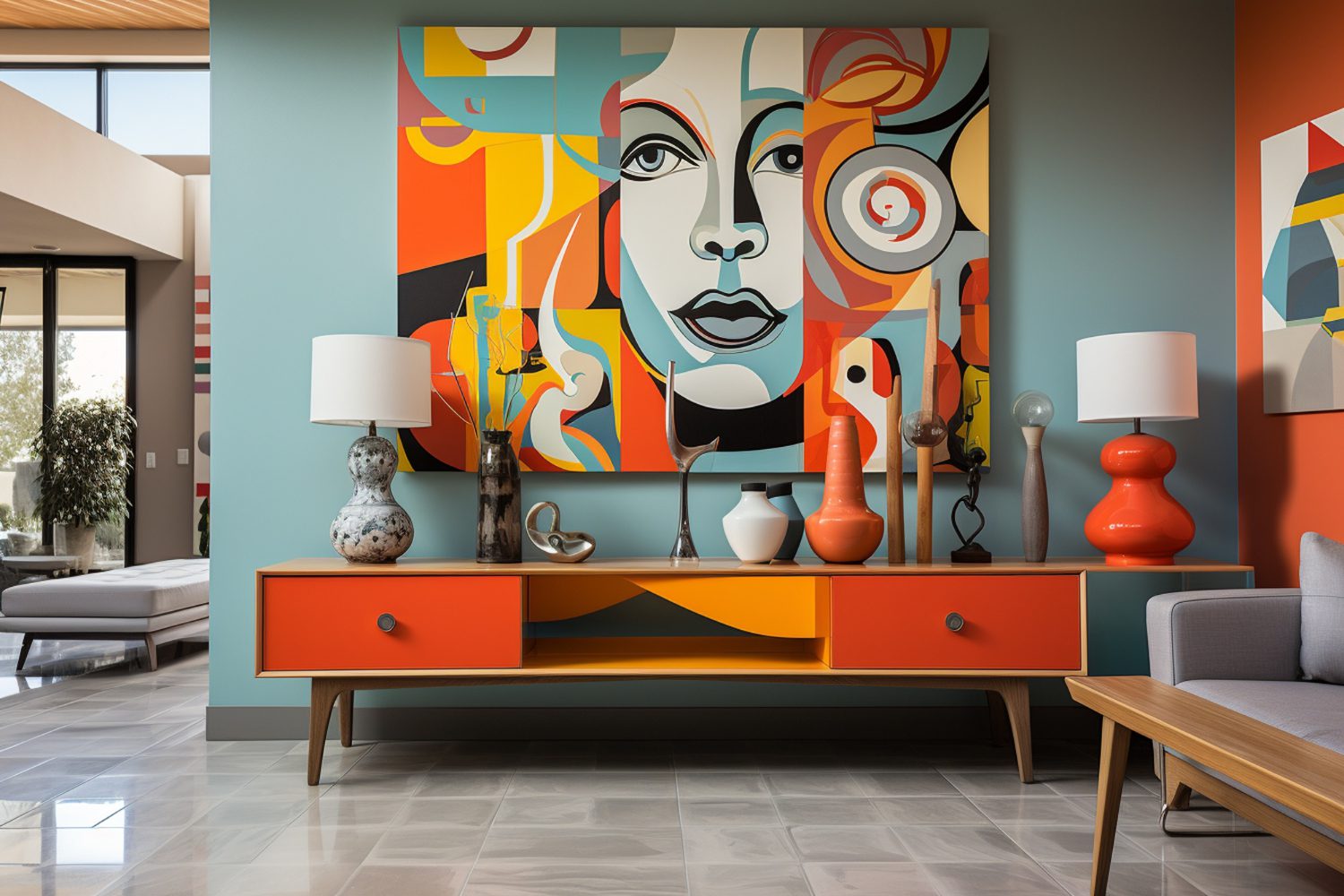
While themes can help guide the selection of wall art, over-reliance on a single theme can create a monotonous and predictable environment. This habit stems from the desire to create a coherent narrative, but it often results in a lack of visual diversity. This issue is particularly relevant now, as interior design trends lean towards eclectic and personalized spaces. Mixing different art styles, periods, and genres can create a more dynamic and interesting visual narrative. This Architectural Digest article provides tips on thoughtfully mixing styles.
10. Disregarding the Impact of Art on Mood
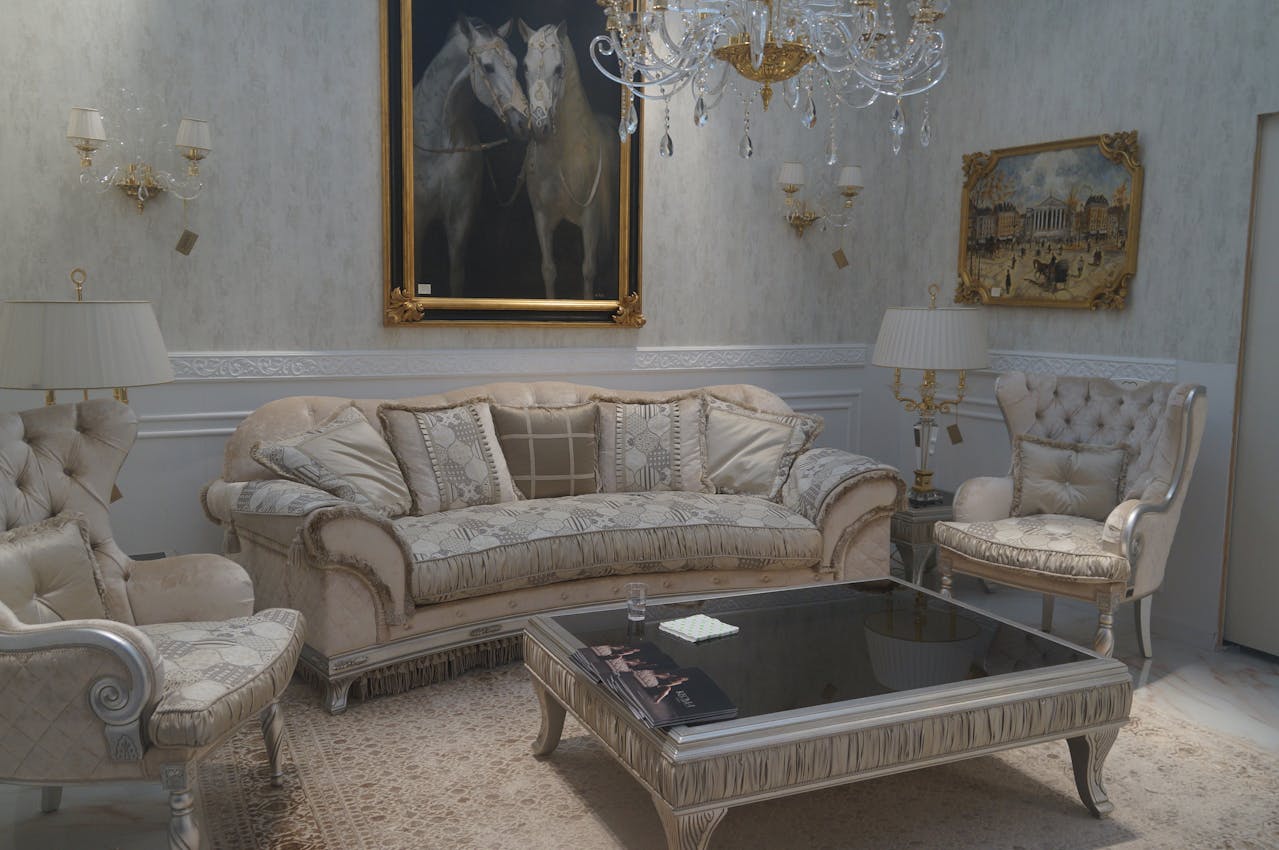
Art is often chosen solely for its aesthetic appeal, without considering the impact it can have on the mood of a room. This can lead to the inclusion of art that, while beautiful, disrupts the desired atmosphere of the space. With the growing awareness of the impact of interior design on wellbeing, it’s important to consider how art contributes to the mood of a room. The right artwork can evoke positive emotions and enhance the overall living experience. This Psychology Today article explores how our surroundings influence mood and behavior.