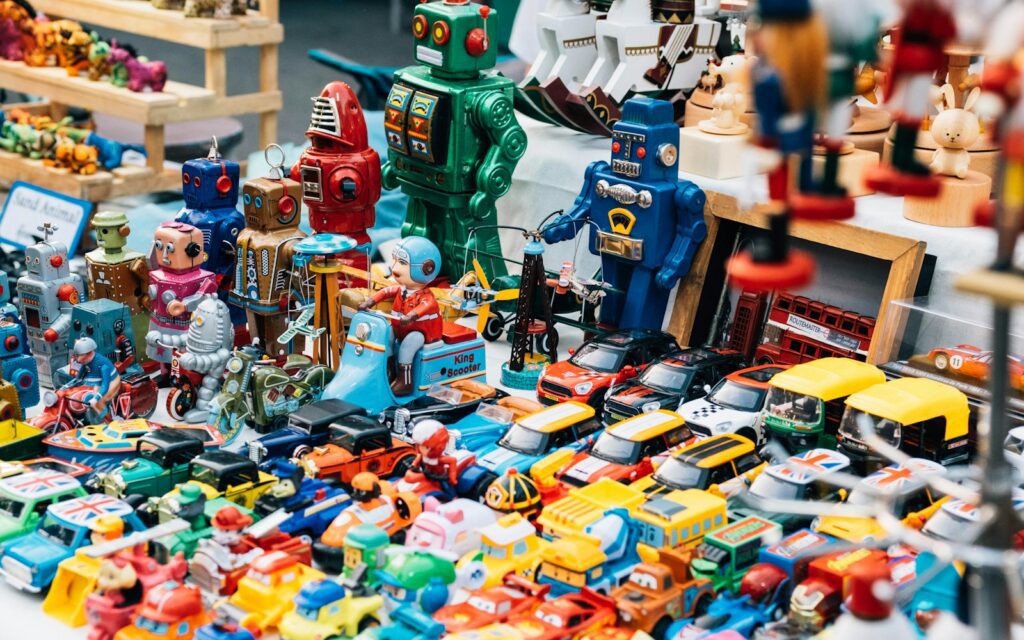
We’re living in an era of constant change. Not all of these changes are noisy, flashy, or even visible on the surface. In fact, many of the biggest shifts in our lives are subtle, silent, and can only be observed if you take a step back and look at the big picture. In this blog post, we will explore 13 ways in which our daily life has quietly, yet significantly, changed forever, using real-world trends, data, and research.
1. The Rise of Remote Work

Remote work used to be a rare perk offered by a select few companies. Now, it’s becoming the norm for many industries. Thanks to advancements in technology, employees can work from anywhere, and employers can tap into a global talent pool. This shift has implications for everything from urban planning to mental health.
There is evidence to suggest that remote work will continue to be prevalent even after the pandemic. A survey by Gartner found that 80% of company leaders plan to allow employees to work remotely at least part of the time after the pandemic, and 47% will allow employees to work from home full-time. Companies like Twitter and Slack have also announced that their employees can work from home permanently.
2. The Decline of Cash Money

Cash has been slowly but steadily losing ground to digital payment methods. The Covid-19 pandemic has accelerated this trend, as people avoid handling physical money for fear of contamination. Businesses are also increasingly going cashless for reasons of efficiency and security.
In Sweden, cash transactions made up just 1% of the value of all payments made in 2017. South Korea plans to phase out coins by 2020, and many other countries are moving in the same direction. As this trend continues, we’ll need to consider the implications for privacy, security, and financial inclusion.
3. The Ubiquity of Smartphones
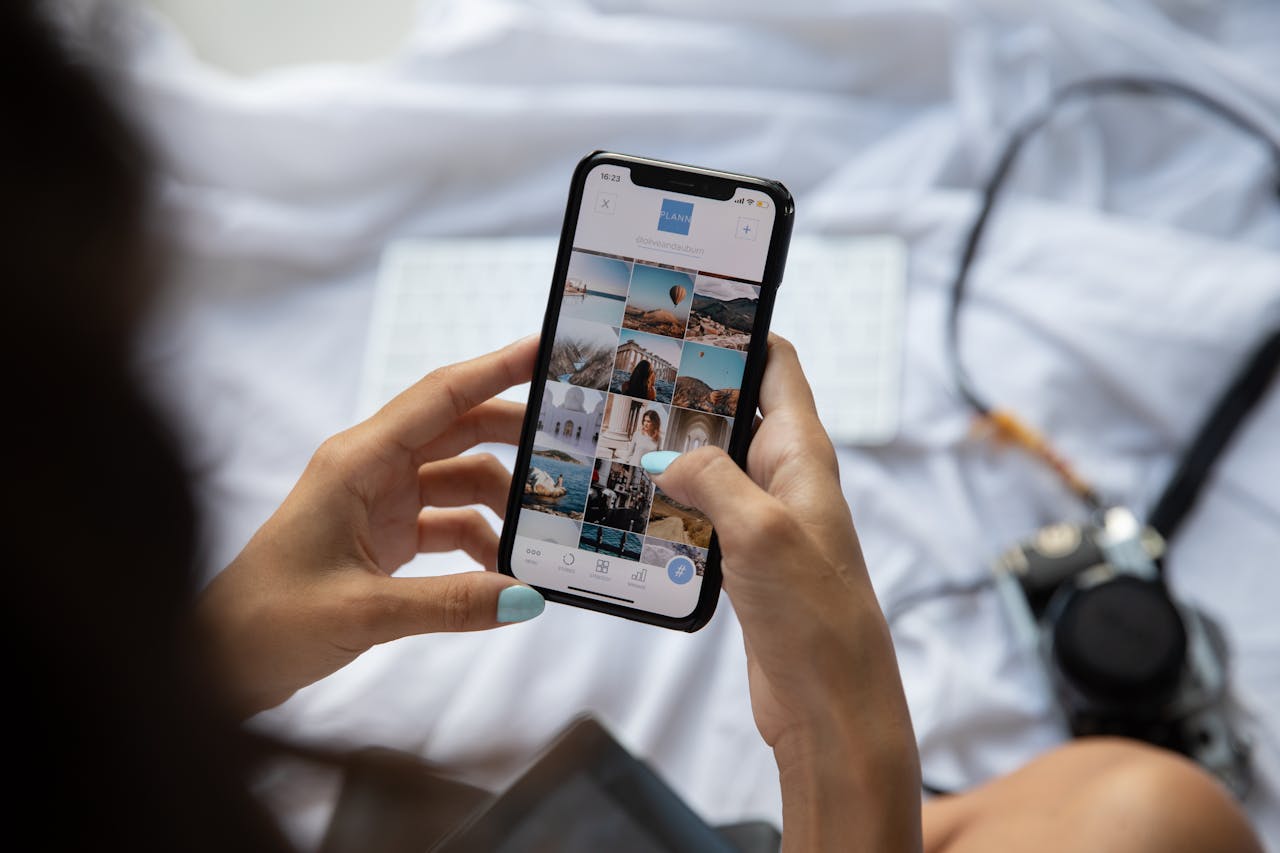
Smartphones have quietly become an integral part of our lives. We use them to navigate the world, communicate with friends, work, shop, and much more. They’ve changed our habits, our relationships, and even our brains.
The average American checks their phone 96 times a day, according to a study by Asurion. And that number is likely to rise as smartphones continue to become more powerful and indispensable. But while these devices offer many conveniences, they also raise concerns about privacy, mental health, and social interaction.
4. The Shift to Renewable Energy

The world is slowly but surely shifting away from fossil fuels and towards renewable energy. This change is driven by concerns about climate change, as well as the falling costs of renewable energy technologies.
In 2019, more electricity was generated from renewable sources than from coal in the United States for the first time in over 130 years. And according to the International Energy Agency, renewable energy will be the source of 80% of the world’s electricity by 2030.
5. The Rise of Plant-Based Diets

More and more people are embracing plant-based diets for health, ethical, and environmental reasons. This shift is reflected in the growing popularity of meat substitutes and the rise of vegan restaurants and food products.
According to a report by Grand View Research, the global vegan food market size was valued at $12.69 billion in 2018 and is expected to expand at a CAGR of 9.6% from 2019 to 2025. This trend is reshaping the food industry and could have major implications for public health and the environment.
6. The Emergence of Virtual Reality

Virtual reality (VR) is no longer a novelty or a gadget for gamers. It’s becoming a tool for education, training, therapy, and much more.
According to IDC, spending on VR and AR will reach $160 billion in 2023, up from $16.8 billion in 2019. As VR becomes more widespread, we’ll need to grapple with questions about privacy, mental health, and the nature of reality itself.
7. The Growth of E-commerce
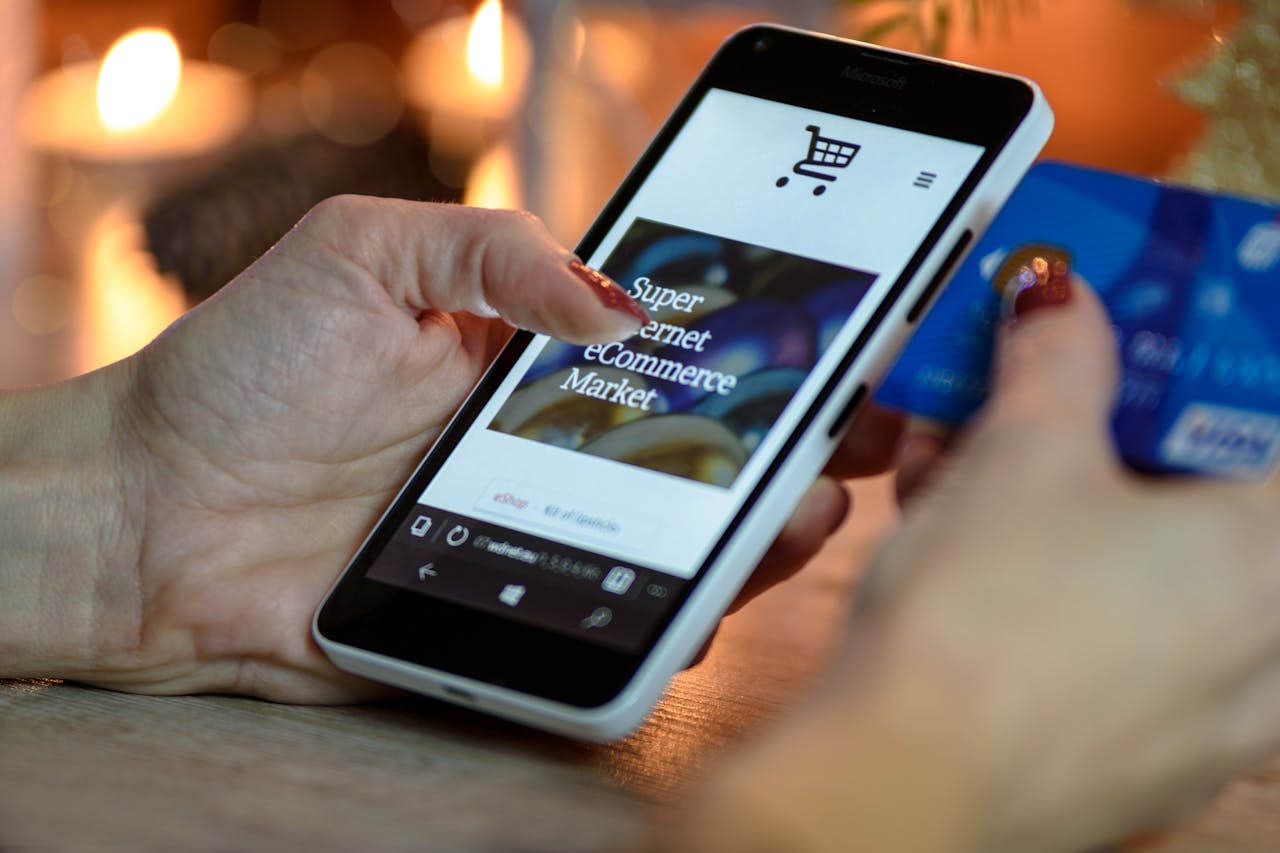
E-commerce has been growing steadily for years, but the Covid-19 pandemic has given it a massive boost. Many people are now shopping online for the first time, and many businesses are going digital to survive.
According to Adobe’s Digital Economy Index, U.S. online spending hit $73.2 billion in June 2020, up 76.2% year over year. This trend is reshaping the retail landscape and has implications for everything from urban planning to employment.
8. The Influence of Social Media

Social media has become a dominant force in our lives, influencing everything from our purchasing decisions to our political views. It’s also a major source of news and information for many people.
According to a survey by Pew Research Center, 72% of American adults use at least one social media site. But while social media offers many benefits, it also raises concerns about privacy, misinformation, and mental health.
9. The Advent of Autonomous Vehicles

Self-driving cars are no longer a sci-fi dream. They’re here, and they’re likely to become a common sight on our roads in the coming years.
According to Allied Market Research, the global autonomous vehicle market is expected to reach $556.67 billion by 2026. This trend has implications for everything from urban planning to employment.
10. The Rise of the Sharing Economy

The sharing economy, exemplified by companies like Uber and Airbnb, has transformed many industries. It’s also changed our attitudes towards ownership and consumption.
According to PwC, the sharing economy could generate $335 billion in global revenue by 2025. But while this model offers many benefits, it also raises concerns about labor rights, safety, and inequality.
11. The Prevalence of Streaming Services

Streaming services like Netflix and Spotify have transformed the way we consume media. They’ve also forced traditional media companies to adapt or die.
According to a report by Conviva, streaming video consumption grew by 57% globally in 2020. This trend is reshaping the entertainment industry and has implications for everything from copyright law to net neutrality.
12. The Impact of Artificial Intelligence
Artificial intelligence (AI) is quietly infiltrating every aspect of our lives, from the way we shop to the way we work. It’s also raising profound ethical and philosophical questions.
According to a report by PwC, AI could contribute up to $15.7 trillion to the global economy by 2030. But while AI offers many benefits, it also raises concerns about privacy, job displacement, and decision-making.
13. The Emergence of Cryptocurrencies
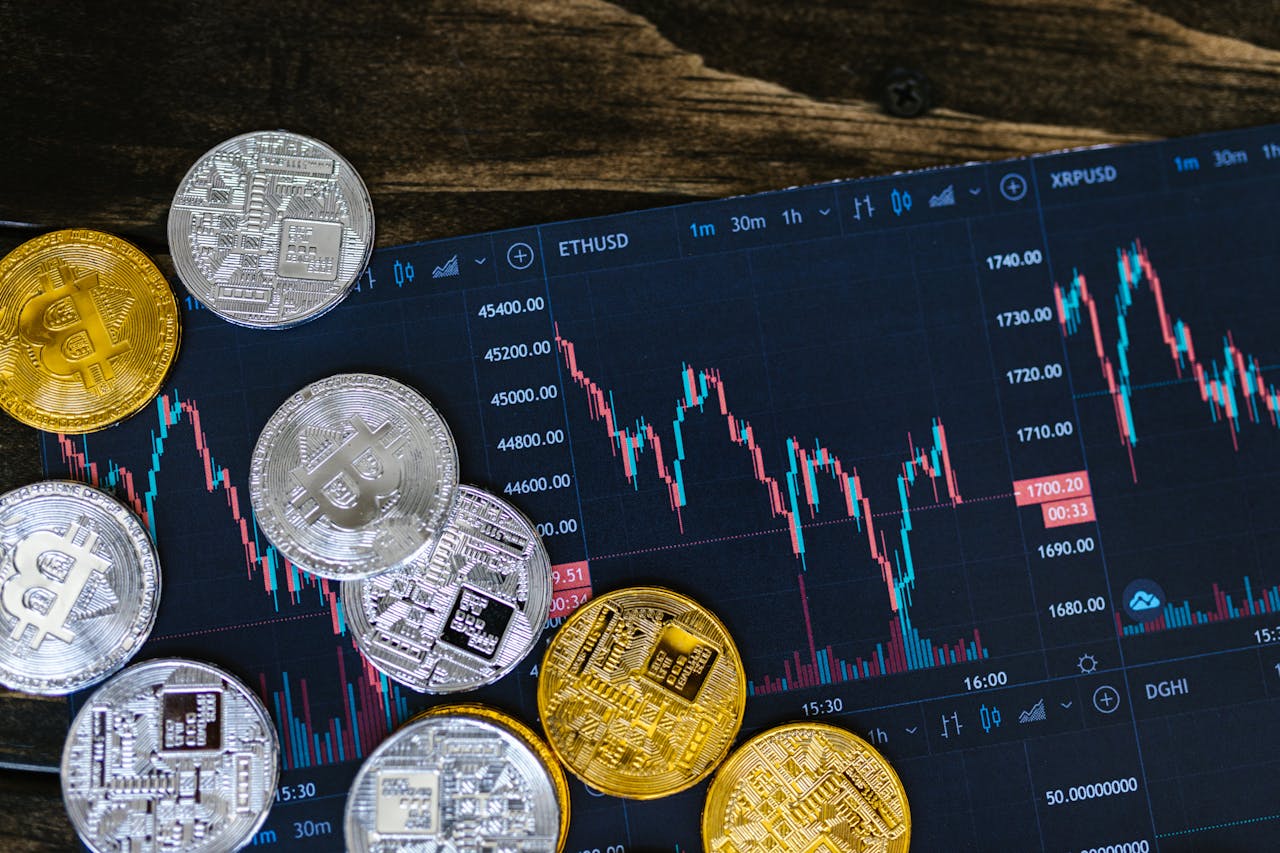
Cryptocurrencies like Bitcoin have gone from a fringe phenomenon to a mainstream financial asset. They’re also challenging traditional notions of money and financial systems.
According to a report by Statista, there were over 50 million blockchain wallet users at the end of 2020. As cryptocurrencies become more widespread, we’ll need to grapple with issues of regulation, security, and financial inclusion.