As we grapple with a climate crisis and a burgeoning population, the emphasis on sustainable living has never been greater. We can all make a difference by implementing small changes in our homes, and these changes can have a significant impact. Not only do these alterations help the environment, but they also save you money in the long run.
Here are thirteen ways that I have made my home more sustainable, and I hope it inspires you to do the same.
1. Switching to LED Bulbs

I started by replacing all the light bulbs in my home with LED bulbs. While they’re a bit more expensive upfront, LED bulbs consume up to 90% less energy than traditional incandescent bulbs. This translates to significant savings on energy bills over time.
Additionally, LED bulbs last much longer. Some LED bulbs can last over 20 years before they need replacement. This reduces waste, making them a more sustainable choice. So, not only does it save you money, but it also contributes to saving the environment.
2. Installing Solar Panels
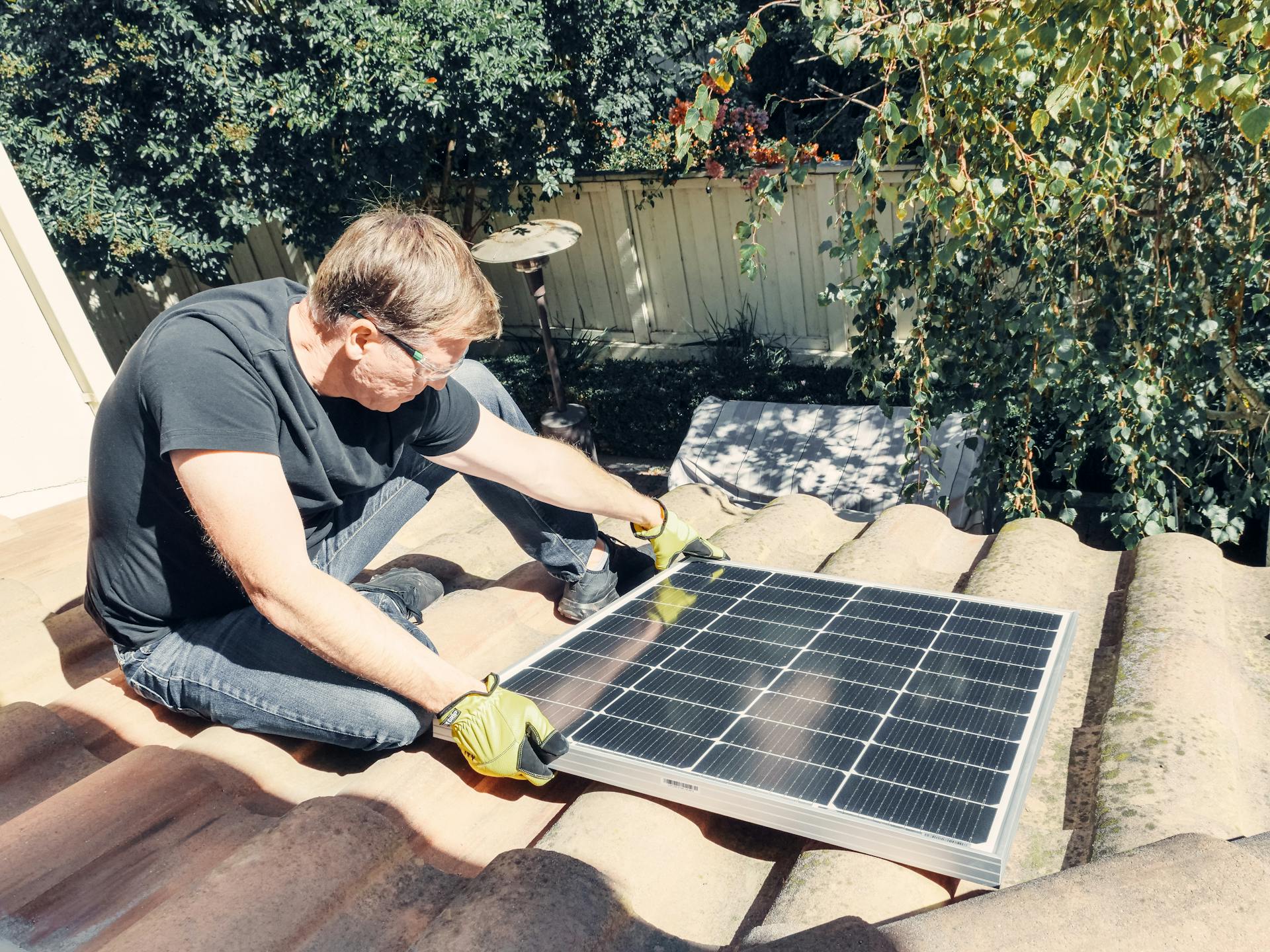
My next step was installing solar panels. Solar energy is one of the most sustainable energy sources available. It reduces reliance on fossil fuels, which are harmful to the environment and contribute to climate change.
The upfront cost of solar panels can be quite high, but the long-term financial and environmental benefits outweigh this initial investment. By harnessing the power of the sun, I now generate my electricity, reducing my energy bills significantly.
3. Composting Kitchen Waste

I also started composting kitchen waste. Composting is a fantastic way to reduce the volume of waste that goes to the landfill while creating nutrient-rich soil for your garden.
Composting at home is simple. I started by collecting kitchen scraps like vegetable peels, coffee grounds, and eggshells in a small bin. Then, I added these to a compost pile in my backyard. Over time, these materials break down into compost that I use to enrich my garden soil.
4. Growing My Own Food

One of the most rewarding changes I made was to start growing my own food. It’s a wonderful way to reduce my carbon footprint, as homegrown produce doesn’t need to be transported or packaged.
I started small with a few herbs and gradually expanded to vegetables. Growing your food can be a fun and fulfilling project. If you lack outdoor space, you can still grow herbs or small plants indoors.
5. Collecting Rainwater
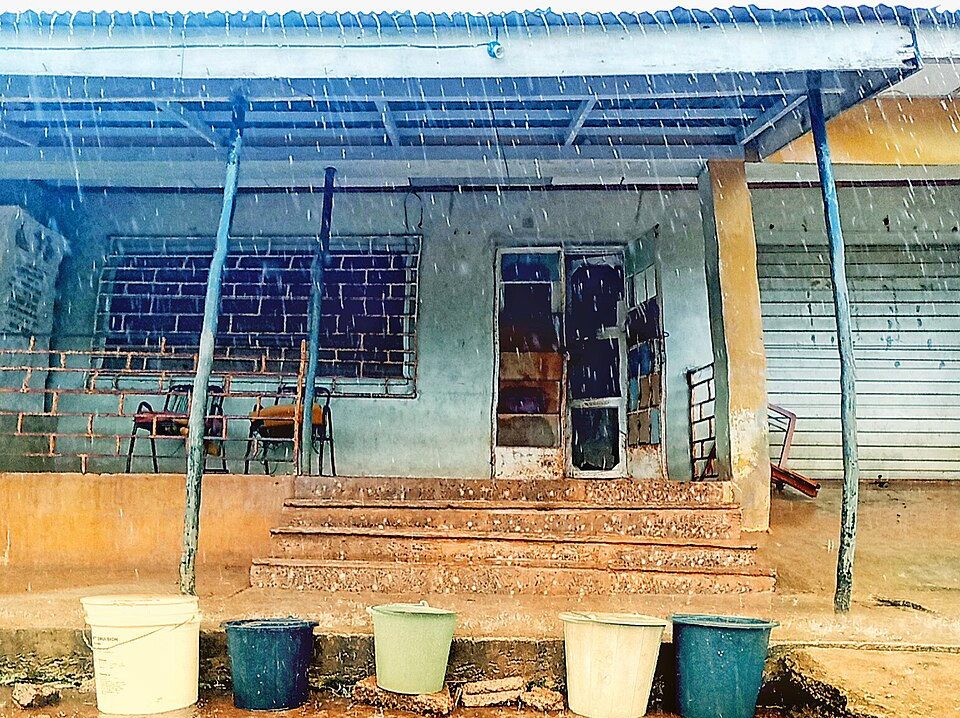
Next, I started collecting rainwater. It’s an easy and effective way to conserve water.
I installed a simple rain barrel system to collect runoff water from my roof. I use this water for gardening, which significantly reduces my water usage during the warmer months. It’s an easy way to conserve water and save on your water bill.
6. Reducing Water Usage

I also made efforts to reduce water usage in my home. Small changes like turning off the tap while brushing teeth, fixing leaks promptly, and using a low-flow showerhead can have a significant impact.
By being mindful of my water usage, I’ve managed to reduce my water bill and conserve a precious resource. It’s a win-win for the environment and my wallet.
7. Using Energy-Efficient Appliances

I replaced my old appliances with energy-efficient ones. Energy-efficient appliances use less electricity, reducing greenhouse gas emissions.
While energy-efficient appliances may cost more upfront, they can save money in the long run through reduced energy bills. Look for appliances with the Energy Star label, an international standard for energy-efficient consumer products.
8. Insulating the House

Insulating my house was another step towards sustainability. Proper insulation reduces the need for heating and cooling, saving energy and reducing carbon emissions.
I focused on areas like the attic and the walls, where heat loss is most significant. I also sealed windows and doors to prevent drafts. These changes made my home more comfortable and reduced my energy bills.
9. Switching to Green Cleaning Products
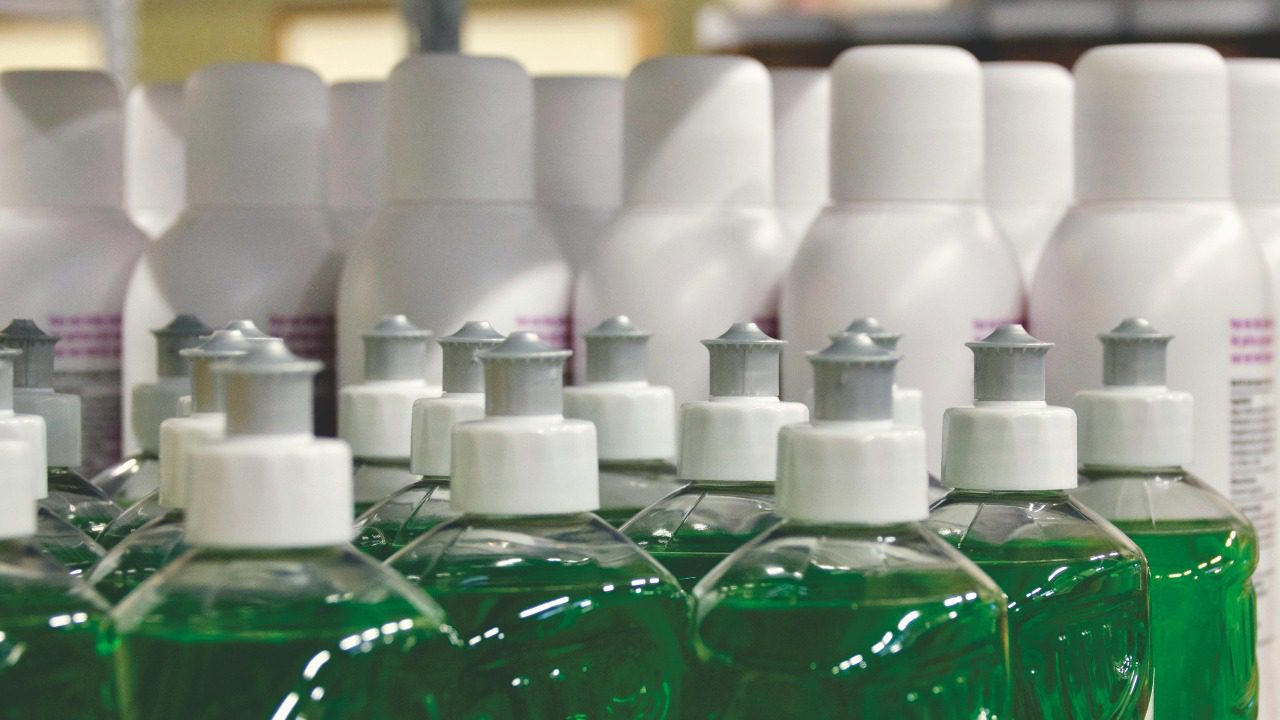
I switched to green cleaning products to reduce my impact on the environment. Traditional cleaning products often contain harmful chemicals that can pollute waterways.
Green cleaning products are made from natural, biodegradable ingredients. They’re just as effective as traditional cleaners but without the harmful side effects. Plus, you can often make them at home, saving money.
10. Using Cloth Instead of Paper

I started using cloth instead of paper for cleaning. Paper towels are a significant source of waste, and their production contributes to deforestation.
I now use reusable cloth rags for cleaning. They’re more absorbent, last longer, and can be washed and reused, reducing waste.
11. Reducing Plastic Usage

Reducing plastic usage was a significant change. Plastic pollution is a big problem, and reducing our plastic usage is crucial.
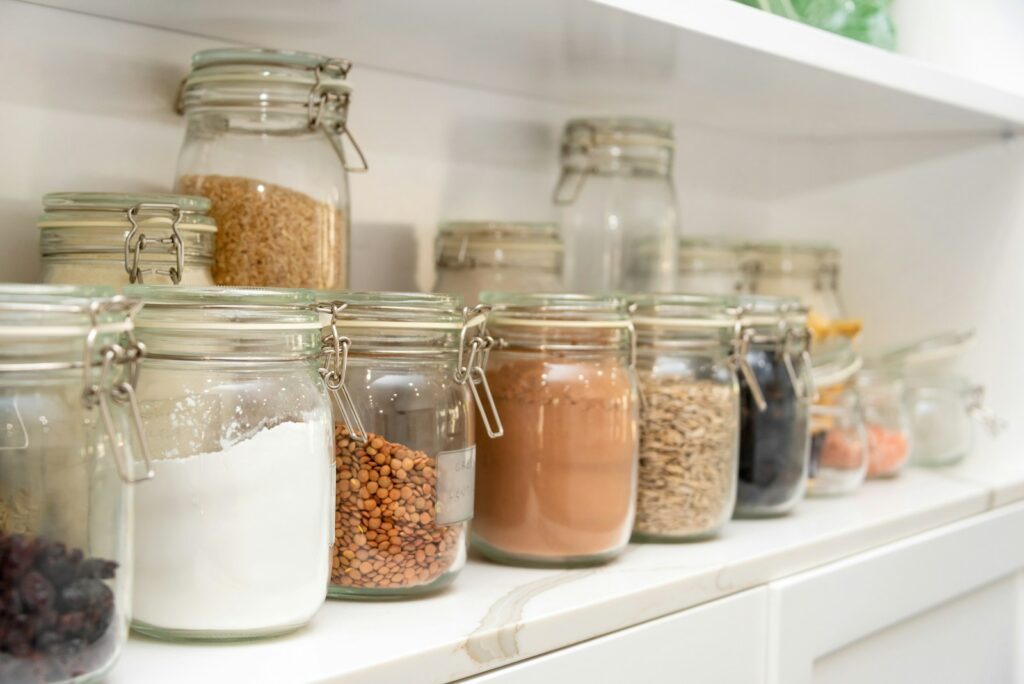
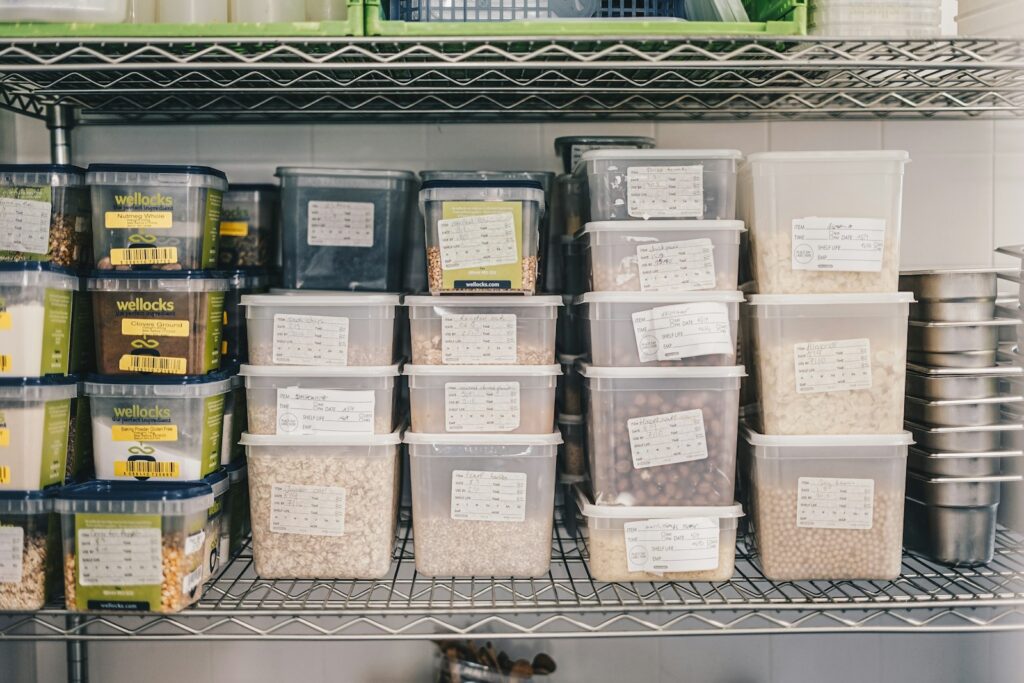
I started by using reusable shopping bags, water bottles, and food containers. I also started buying in bulk to reduce packaging waste. It’s a simple change, but it can make a big difference.
12. Planting Trees

I planted trees in my yard. Trees absorb carbon dioxide, one of the main greenhouse gases contributing to climate change.
Not only do trees help fight climate change, but they also provide shade, reducing the need for cooling in the summer. Plus, they add beauty to your home and can increase property value.
13. Buying Secondhand

Lastly, I started buying secondhand. Buying used items reduces demand for new products, which in turn reduces resource consumption and waste.
You can find almost anything secondhand, from furniture to clothes to electronics. It’s a great way to save money and help the environment at the same time.
In conclusion, making your home more sustainable doesn’t have to be complicated or expensive. Start small, make one change at a time, and soon you’ll see the difference. You’ll not only be living a greener life but also saving money in the process.