The idea of using plants as decor is not an entirely new concept, but it’s one that has grown in popularity over the last few years. One of the main reasons is the aesthetic charm that plants add to any space, from cozy living rooms to bustling offices. But it’s not just about the looks. Plants have been proven to improve air quality, increase productivity, and even boost mood. So, how can you incorporate plants into your decor? Let me share with you the 13 ways I use plants for decor.
1. Hanging Baskets

Ksenia Chernaya/pexels
Hanging baskets are a great way to add greenery to your space without taking up floor area. They can be hung from the ceiling, on walls, or in windows. You can use a variety of plants in hanging baskets, but some good options are spider plants, English ivy, and ferns, which all have beautiful trailing leaves. When choosing a spot for your hanging basket, consider the light requirements of the plant. Most indoor plants prefer bright, indirect light, so a north or east-facing window is ideal. If you don’t have a suitable window, artificial grow lights can also work.
2. Window Sills

Window sills are often underutilized spaces in our homes. They are perfect spots for small potted plants or a row of herbs. Not only do these plants add beauty to your interior, but they also provide you with fresh herbs for your cooking! When choosing plants for your window sill, consider the direction the window faces. South and west-facing windows get the most light, so they are suitable for sun-loving plants like succulents. On the other hand, north and east-facing windows are better for plants that prefer less light, like ferns or snake plants.
3. Bookshelves
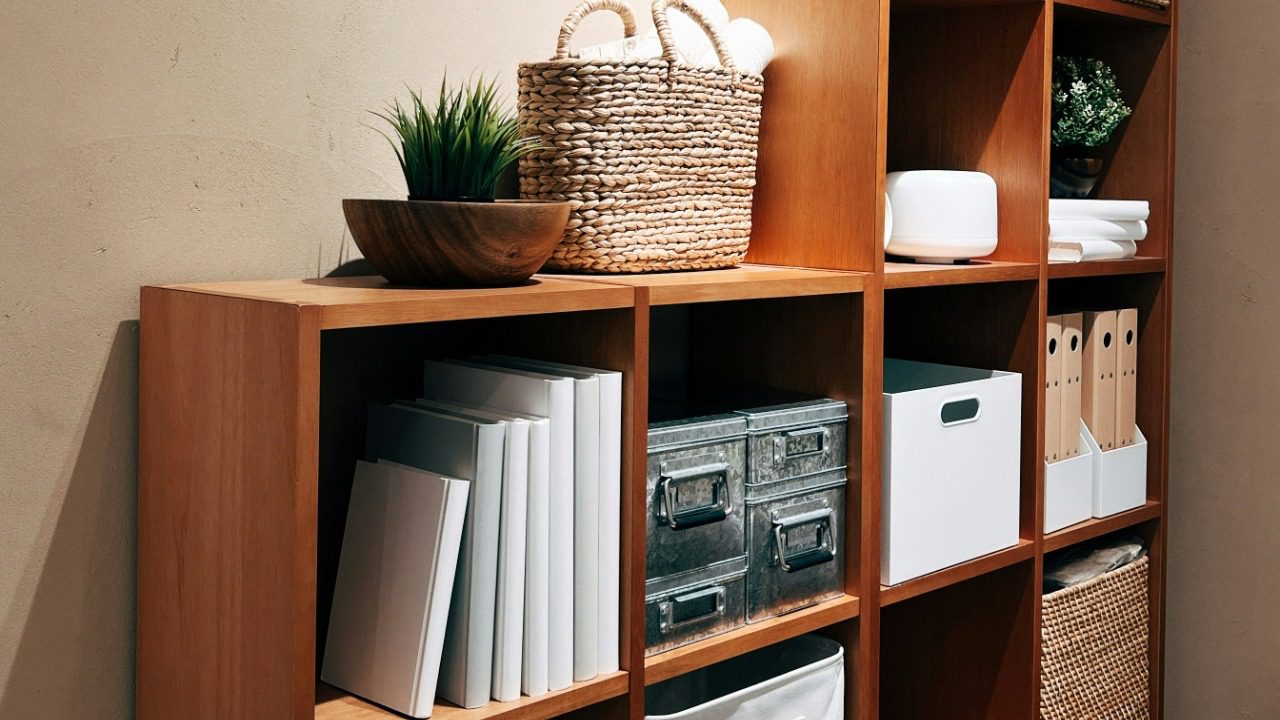
Who says bookshelves are only meant for books? Adding some potted plants can break the monotony and add a refreshing touch to your shelf. Smaller plants like succulents, cacti, or air plants work best for this. To ensure your plants thrive on your bookshelf, consider their light and water needs. Most bookshelves aren’t directly in front of a window, so choose low-light plants. Also, since it can be a hassle to remove the plants for watering, consider using a plant mister or a watering can with a long spout.
4. Coffee Tables
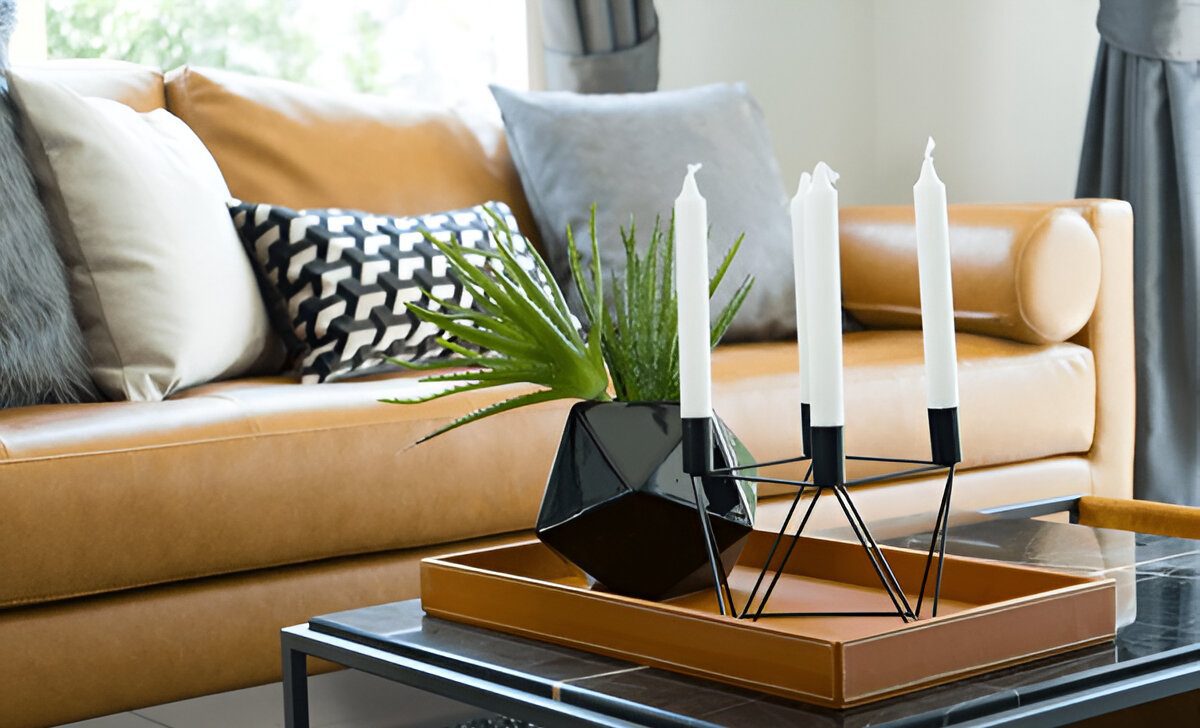
A coffee table can look rather bare without a centerpiece. A potted plant or a small arrangement of succulents can add an interesting focal point and liven up your living room. When choosing a plant for your coffee table, consider the size and height. You don’t want a plant that’s too tall or large as it might obstruct the view or take up too much space. Low-growing plants like succulents, or small flowering plants like African violets, are perfect for coffee tables.
5. Terrariums
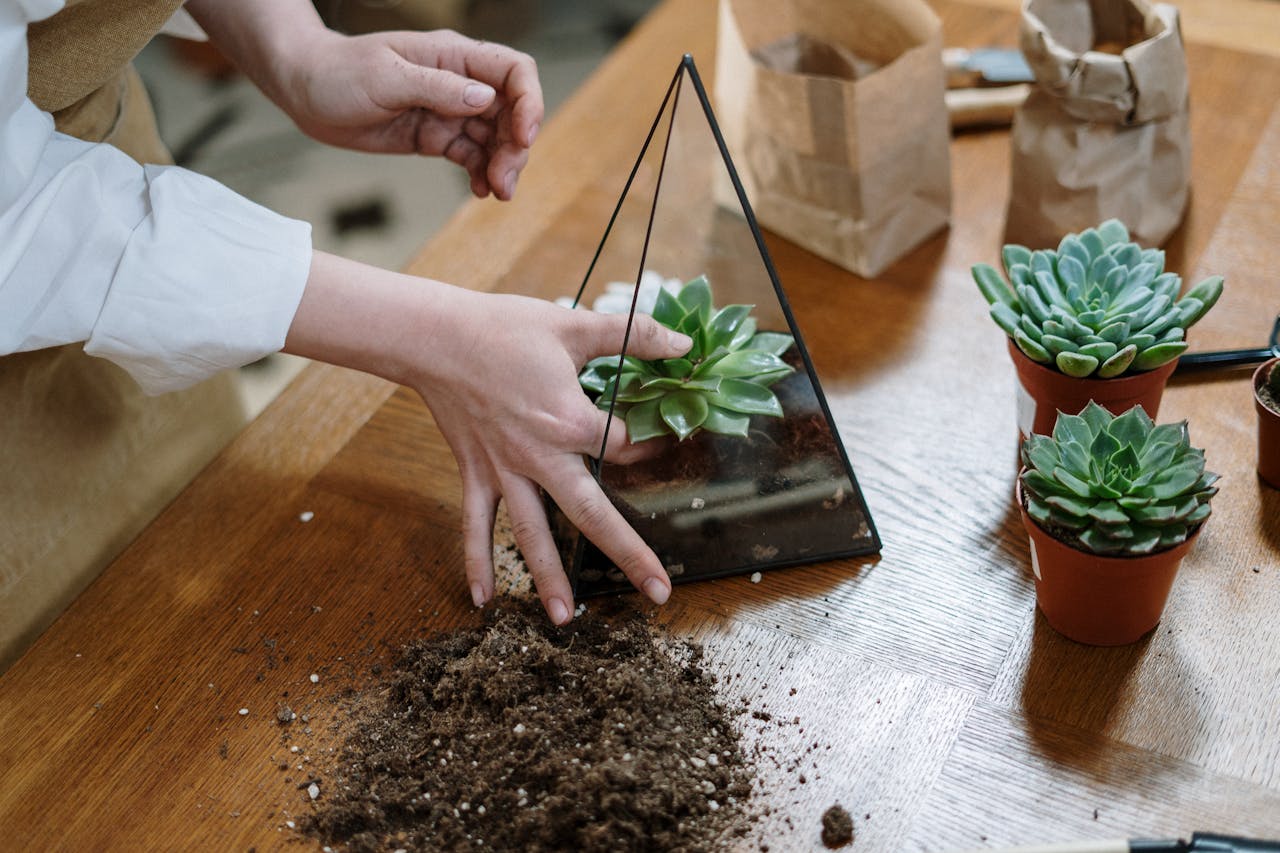
Terrariums are a fun and unique way to display plants. These mini indoor gardens can be filled with a variety of plants, and they can be as simple or as complex as you want them to be. They’re also a great project to do with kids! To start a terrarium, you’ll need a glass container, some pebbles or rocks for drainage, activated charcoal to keep the environment fresh, potting soil, and of course, plants. Small, slow-growing plants that prefer high humidity, like mosses, ferns, or miniature orchids, are excellent choices for terrariums.
6. Bathroom Plants
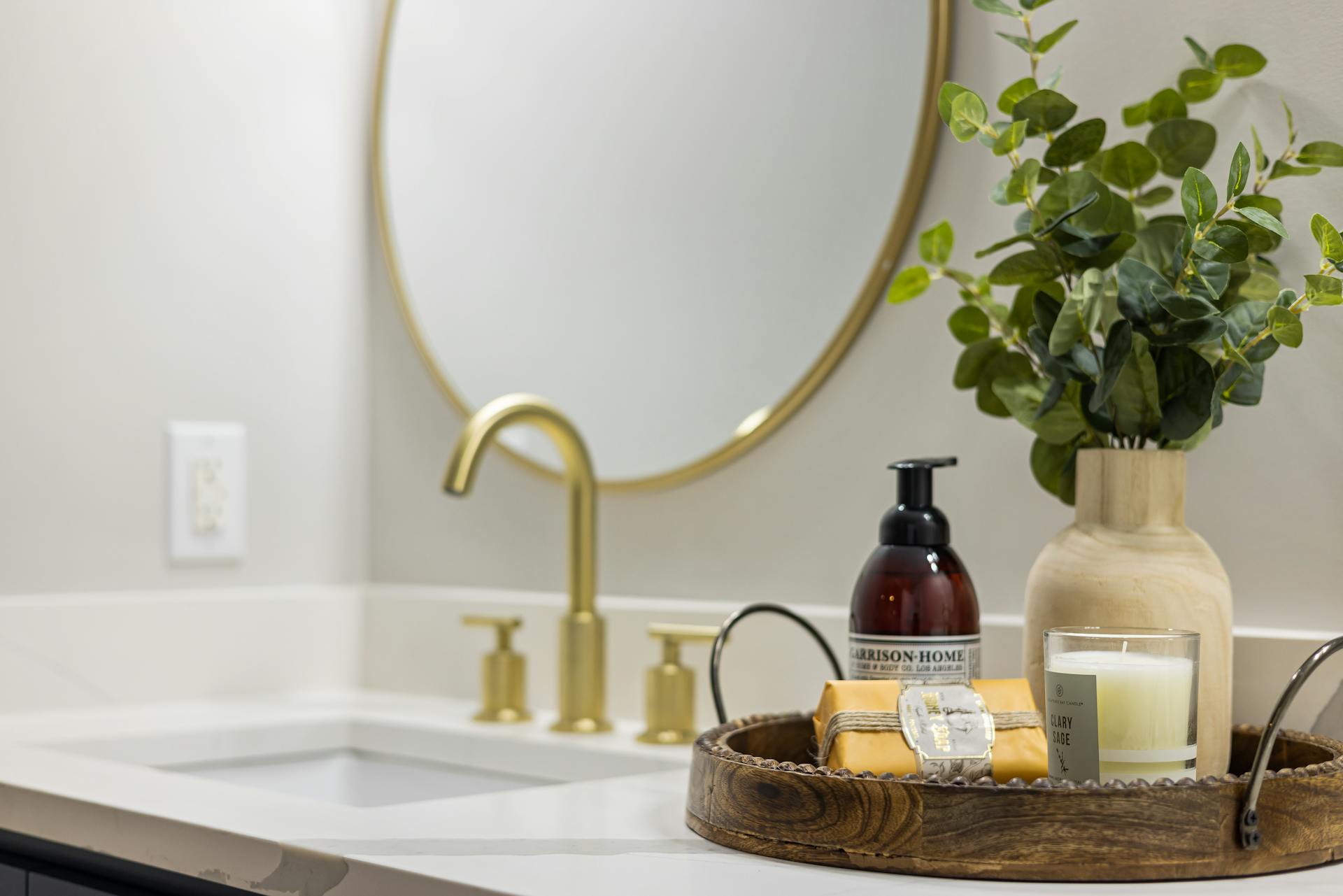
If you think your bathroom isn’t a place for plants, think again! Many plants thrive in the warm and humid environment of a bathroom. Plus, they can add a spa-like feel to your space. Plants that love humidity, like orchids, air plants, or Boston ferns, are great options for the bathroom. Just make sure they get enough light. If your bathroom doesn’t have a window, you might need to use a grow light.
7. Plant Walls

If you’re ready to make a bold statement, why not create a plant wall? It’s a dramatic and beautiful way to display a variety of plants. Plus, it can act as a natural air purifier. Creating a plant wall can be a bit of a project, but the end result is worth it. You can use a modular system, or DIY it with some wire mesh and hanging pots. Choose a mix of trailing and upright plants to create texture and interest.
8. Kitchen Counter Plants
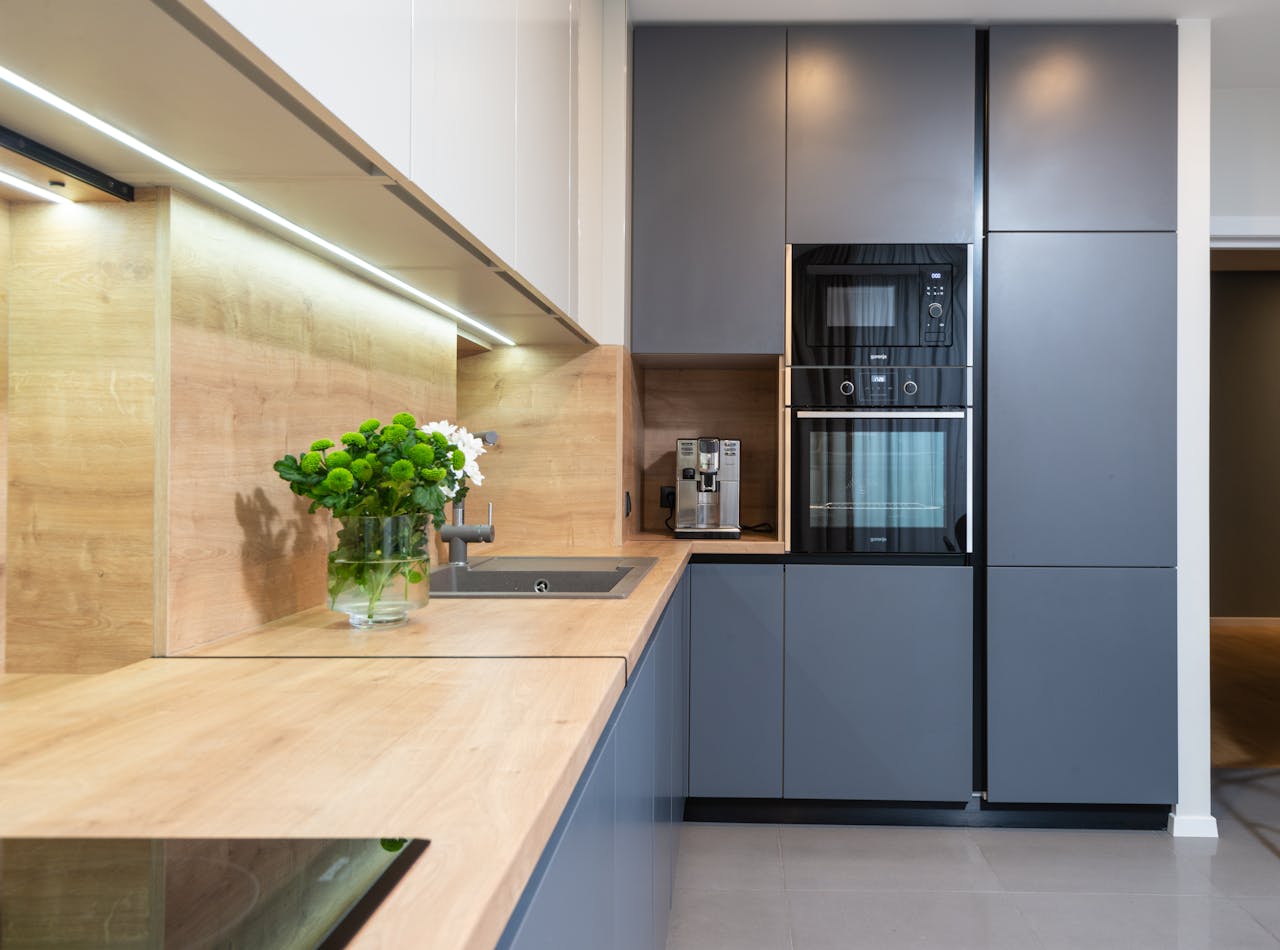
Adding plants to your kitchen counter not only enhances the aesthetics but can also be functional. Herbs like basil, thyme or rosemary are perfect for this spot as they add a fresh aroma and are also handy for cooking. Choose smaller plants that won’t take up too much counter space. Also, consider the light requirements of the herb. Most herbs like a lot of sunlight, so place them near a window if possible.
9. Bedroom Plants

Having plants in your bedroom can improve air quality and create a calming, restful ambiance. Some plants, like snake plants and peace lilies, are even known to release oxygen at night, which can improve your sleep. When choosing bedroom plants, go for ones with calming features. Plants with soft, flowing leaves like peace lilies, or with a pleasant scent like lavender, can contribute to a peaceful sleeping environment.
10. Plants as Room Dividers
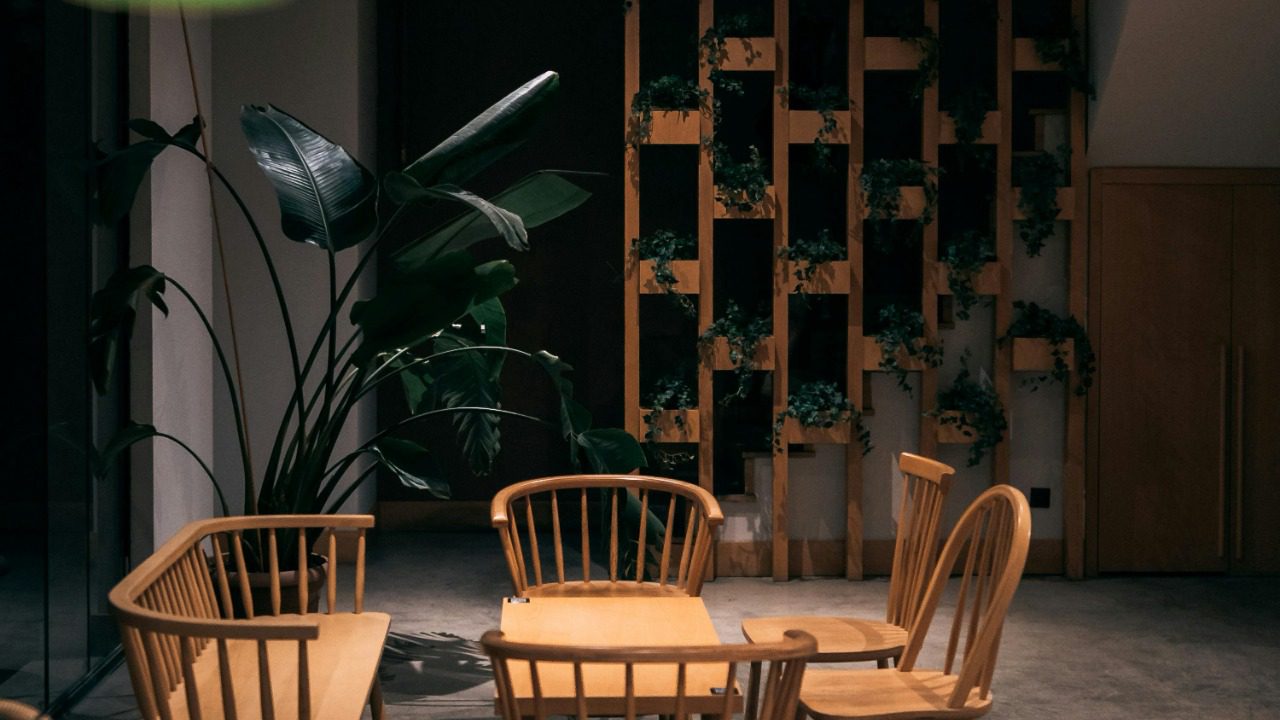
Large indoor plants can be used as natural room dividers. They can create privacy, define different areas in open spaces, and add an element of nature to your home. For this purpose, choose tall and bushy plants like bamboo, monstera, or fiddle leaf fig. Remember to provide these plants with enough light and water to keep them looking their best.
11. Plants on Floating Shelves

Floating shelves are another great way to display plants. They can be installed on any wall, and you can adjust the height to best suit your plants. When arranging plants on floating shelves, consider the height and growth habit of the plants. Taller plants should go at the top, while trailing plants look great hanging down from the lower shelves.
12. Plants in Unused Fireplaces
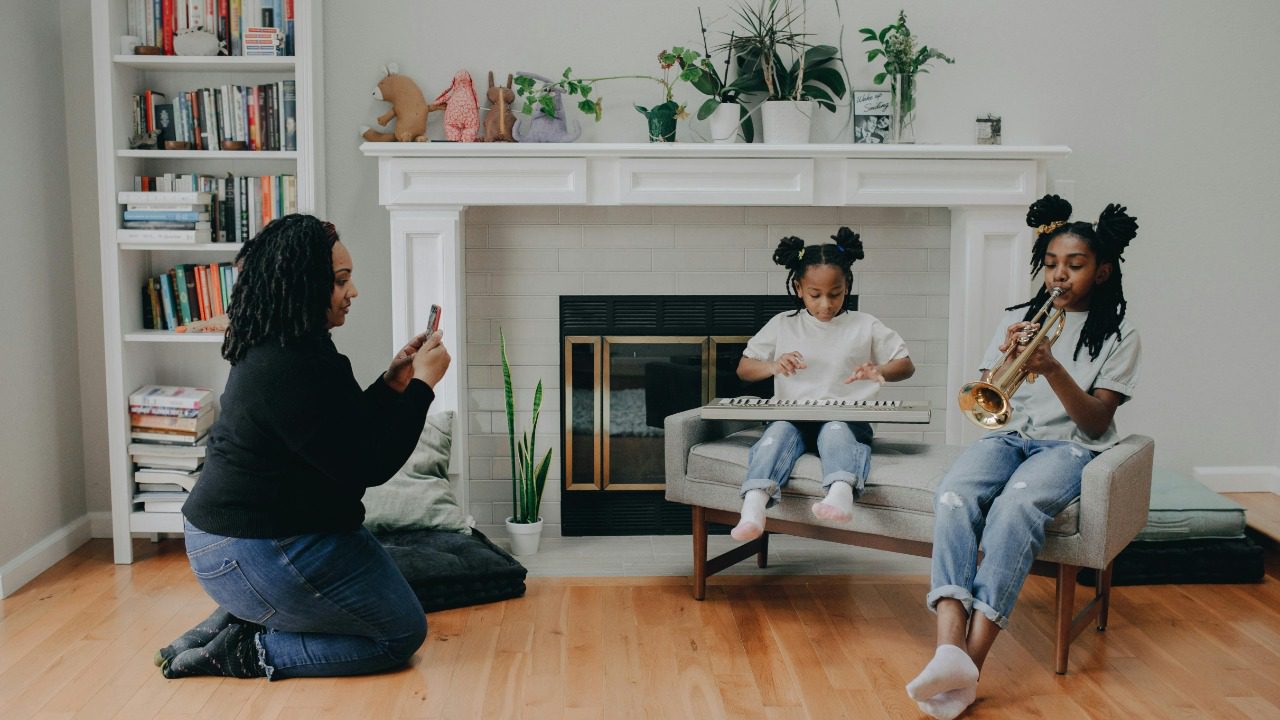
If you have an unused fireplace, it can be the perfect place to create a mini indoor garden. It’s an unexpected spot that can become a beautiful focal point in your room. For a fireplace garden, you can use a variety of plants. Just make sure they are ones that can handle the low light conditions. Ferns, snake plants, and pothos are good options.
13. Plants in Unconventional Containers

Lastly, don’t limit yourself to traditional plant pots. Plants can be planted in a variety of containers, like mugs, teapots, wine bottles, or even old boots! This can add a quirky and personal touch to your decor. Just make sure that whatever you use has good drainage. If it doesn’t, you can add a layer of pebbles or broken pottery at the bottom to prevent water from sitting in the bottom of the container.