In the hustle and bustle of our daily lives, we often overlook simple things that can make a world of difference in our safety and security. Our lives are built around the security of our homes, and yet, there are numerous ways we might be unknowingly inviting burglars into our homes.
Let’s shed light on these common mistakes and how you can avoid them. After all, your home should be your sanctuary, and taking a few proactive steps can ensure it stays that way.
1. Leaving Spare Keys Outside

Leaving a key under the doormat, in a flower pot, or on a ledge might seem convenient, but it is also an open invitation to burglars. Experienced thieves know all the common hiding spots and will check them first.
Consider investing in a smart lock or a lockbox if you often find yourself needing a spare key. Alternatively, leave a spare key with a trusted neighbour. The minor inconvenience of having to retrieve it is far outweighed by the peace of mind provided by enhanced security.
2. Not Locking Doors and Windows

This is a common mistake that can have serious consequences. It’s tempting to leave the back door unlocked for a quick trip to the store or leave windows open for fresh air, but these are opportunities that burglars are waiting for.
Make it a habit to do a quick check before leaving the house or going to bed. Double-checking that all doors and windows are locked will make your home less attractive to opportunistic burglars.
3. Neglecting to Secure Air Conditioning Units

Air conditioning units, especially those installed in windows, can provide an easy entrance for burglars. If not properly secured, they can be easily pushed in or removed, providing a burglar with a convenient entry point.
Ensure that your air conditioning units are firmly secured from the inside. Consider adding an additional lock or brace to prevent them from being pushed in.
4. Having No Visible Security Measures

Visible security measures act as a deterrent for burglars. If they see alarms, security cameras, or other security devices, they are more likely to move on to an easier target.
Invest in visible security measures for your home. Even a sign indicating that your home is protected can act as a deterrent.
5. Posting Your Vacation Plans on Social Media

While it’s exciting to share your vacation plans with friends and family on social media, it also advertises to burglars that your home will be empty.
Be mindful of who can see your posts and consider waiting until you return from your trip to share your pictures and experiences.
6. Leaving Packaging from New Purchases Outside
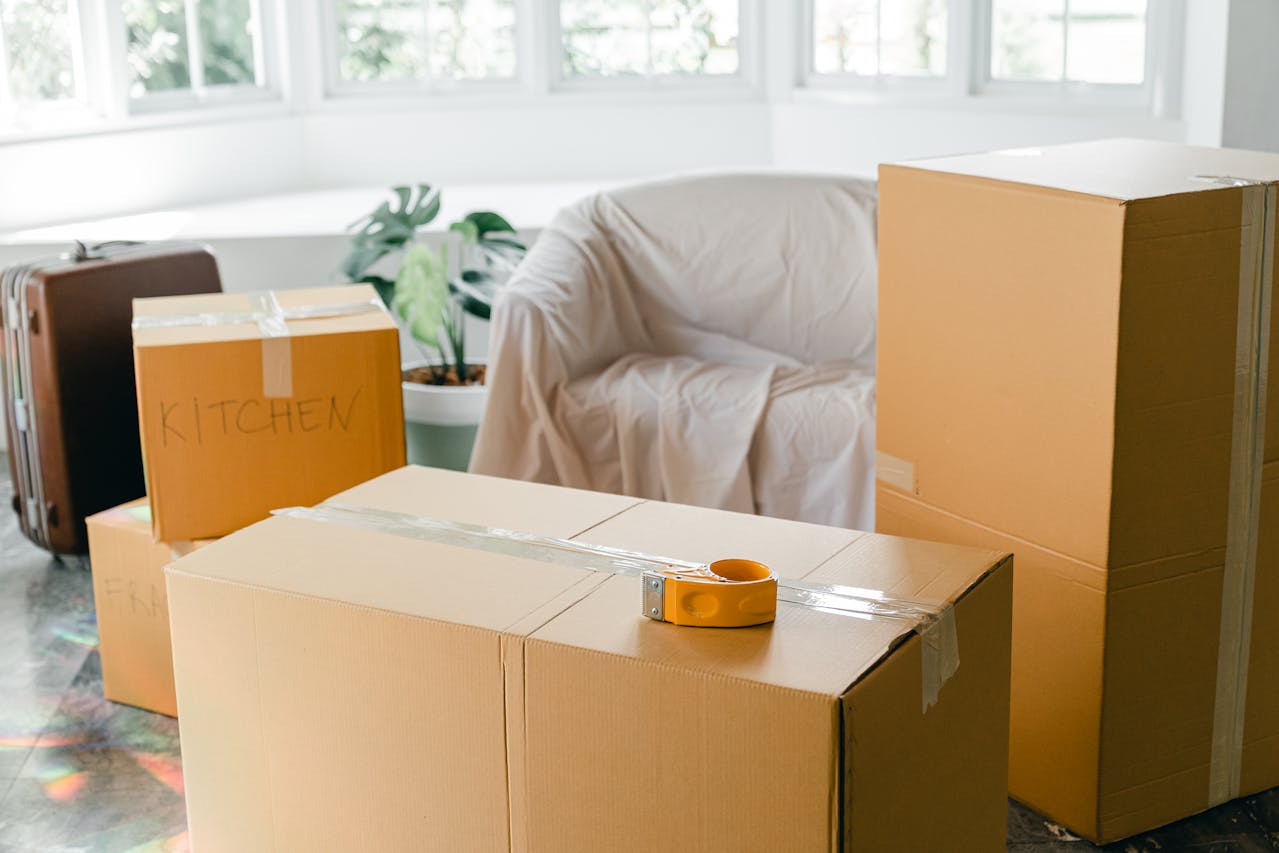
The box from your new flat-screen TV or gaming system left out by the curb is a clear sign to burglars that there are valuable items in your home.
Break down and recycle packaging discreetly. Alternatively, take it directly to a recycling center or disposal site.
7. Having Overgrown or Neglected Landscaping
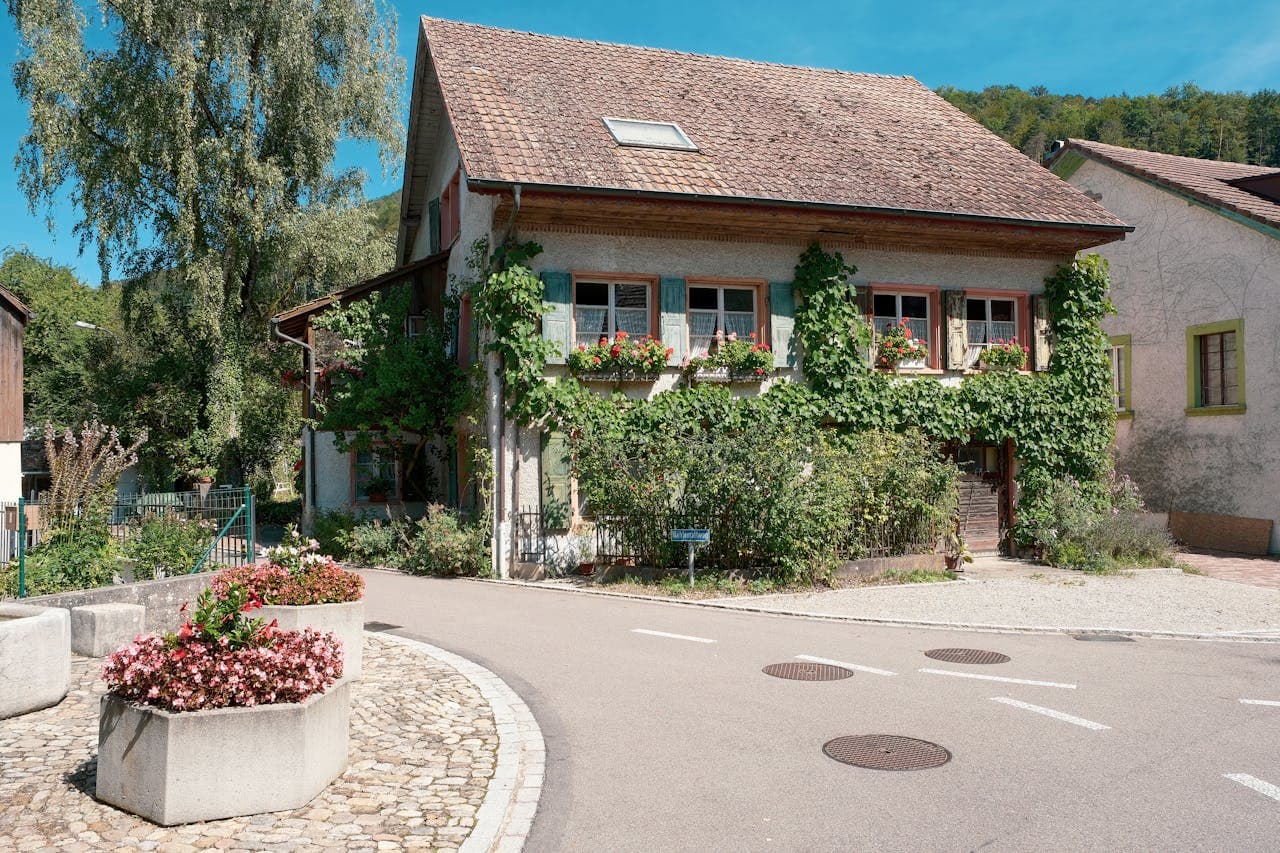
Overgrown bushes or trees near windows provide excellent cover for burglars. They can hide behind them while attempting to gain entry into your home.
Keep your landscaping tidy and trimmed. Consider installing outdoor lighting to remove potential hiding spots.
8. Not Using Timers for Lights

A home that is consistently dark indicates to burglars that no one is home.
Use timers for your lights, so it appears someone is home even when you’re away. Smart bulbs can be controlled remotely and set to a schedule.
9. Leaving Ladders or Tools Outside

These can provide burglars with the means to enter your home.
Store your ladders and tools securely when not in use.
10. Not Securing Sliding Doors

Sliding doors can be easily forced open or lifted off their tracks.
Install a bar or rod in the track of your sliding door to prevent it from being opened from the outside.
11. Having Mail or Packages Pile Up

An overflowing mailbox or packages left on the porch are clear signs that no one is home.
Have a neighbour collect your mail when you’re away, or request a mail hold from your post office.
12. Not Locking the Garage

An unlocked garage provides easy access to your home and valuable items stored within.
Always lock your garage, both the door leading to the outside and any doors leading into your home.
13. Leaving Blinds and Curtains Open

While it’s nice to let in natural light, leaving your blinds or curtains open can provide burglars with a clear view into your home and the valuable items you have.
Close your blinds or curtains when you’re not home, or consider privacy film for windows that face the street.