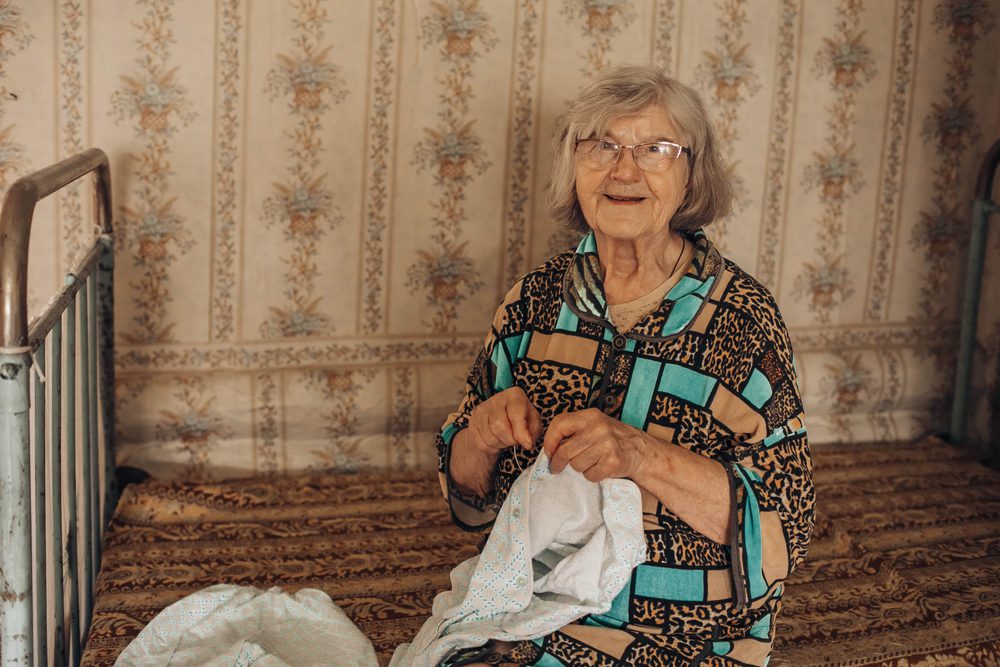
Our grandparents were masters at making every penny count. They lived through wars, the Great Depression, and other tough times when thrift wasn’t optional — it was survival. I remember hearing stories about how they stretched meals, repaired what broke, and made do with what they had without feeling deprived.
Many of those smart, frugal habits have faded in our convenience-driven world, but they still work just as well today. Here are 14 old-school budget tricks worth bringing back — practical ideas that can save money, cut waste, and bring a little more resourcefulness into daily life.
1. They Used Everything Until It Couldn’t Be Used Anymore
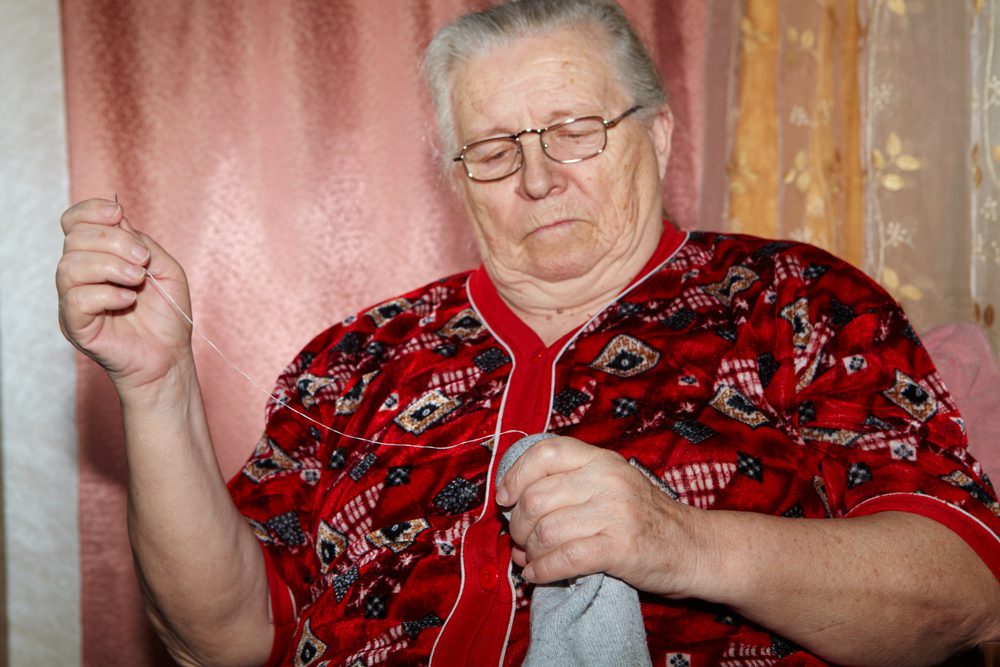
Our grandparents didn’t toss something at the first sign of wear. Clothes were mended, shoes resoled, and furniture repaired until there was no life left in them. This wasn’t just about saving money — it was about respecting the value of what they owned. A well-worn sweater with a few stitches or a patched quilt carried stories and memories.
That same mindset works today. Instead of rushing to replace electronics or clothing, repair them when possible. Extend the life of your car with regular maintenance. Keeping items longer means fewer purchases, less waste, and more money in your pocket — all while breaking free from the cycle of constant replacement.
2. They Grew Their Own Food
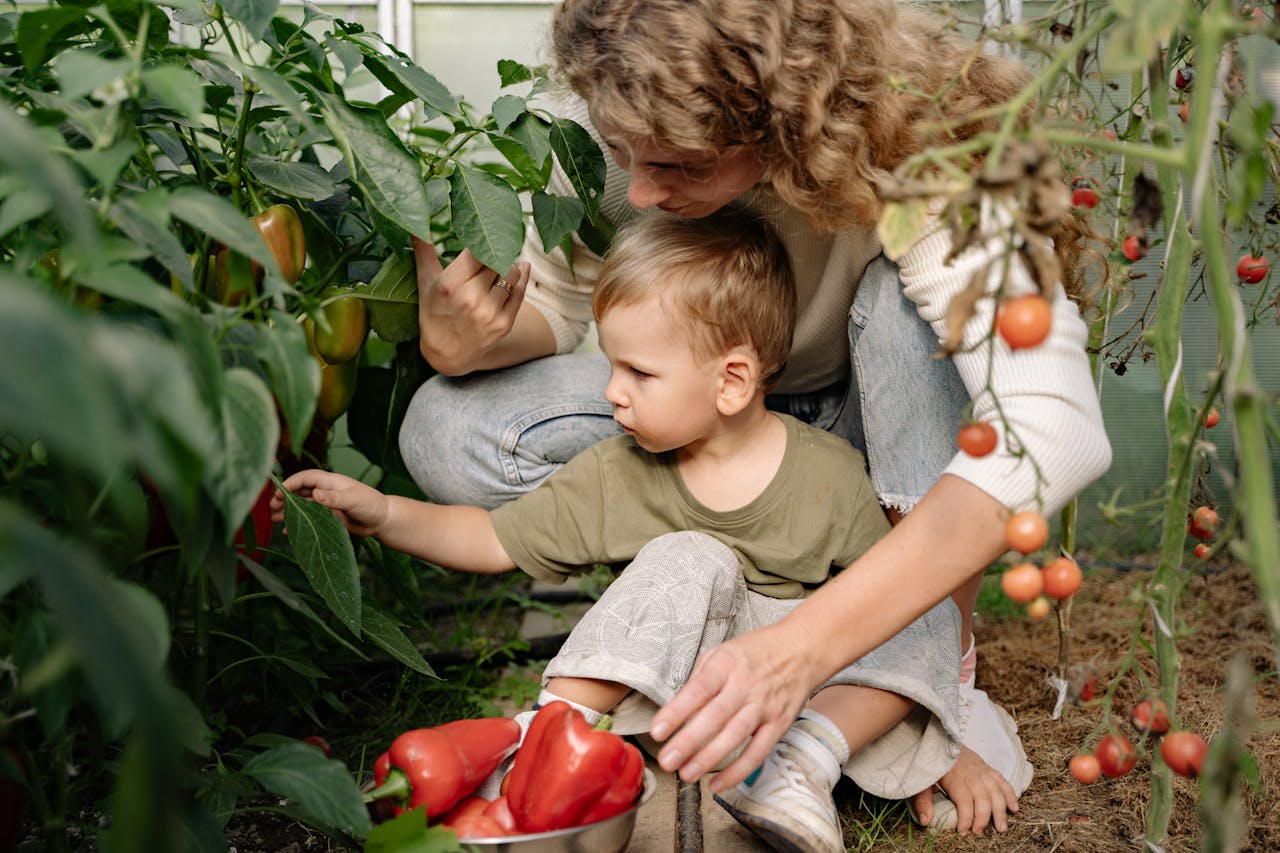
For many families, a vegetable garden wasn’t a hobby — it was a necessity. Tomatoes, beans, carrots, and potatoes filled the backyard, and some households even kept chickens for eggs or goats for milk. It cut grocery costs and ensured food was fresh and chemical-free.
Even in small spaces, you can grow something. A windowsill herb garden, a balcony tomato plant, or a community garden plot can provide fresh ingredients for meals. The savings might start small, but the flavor and satisfaction are worth it — plus, you’ll always know exactly where your food came from.
3. They Made Their Own Clothes

Long before fast fashion, sewing your own clothes was the norm. Our grandparents could take fabric and turn it into a dress, work shirt, or winter coat that would last for years. Clothes weren’t bought and discarded on a whim — they were made to fit, cared for, and often altered as needed.
While you may not have time to sew from scratch, learning basic repairs is invaluable. Hem your own pants, sew a button, or patch a tear instead of replacing an entire garment. Not only does it save money, but it also keeps textiles out of landfills and helps you appreciate the craftsmanship behind every piece.
4. They Saved and Reused Containers

Glass jars, tin cans, and sturdy boxes rarely ended up in the trash. Our grandparents washed and repurposed them for pantry storage, homemade jams, or even hardware organization. This habit reduced waste and eliminated the need to buy new storage supplies.
Today, you can do the same by reusing pasta sauce jars for dry goods, coffee tins for craft supplies, or bakery boxes for leftovers. It’s a simple, cost-free way to stay organized while keeping useful containers out of the landfill.
5. They Used Less Energy

Without today’s constant stream of electronics, our grandparents naturally used less energy. They hung clothes to dry in the sun, read by daylight, and kept their homes warm with strategic layering instead of turning up the heat.
You can lower your bills with similar habits — air-dry laundry when possible, use natural light during the day, and unplug unused electronics. These small, consistent changes not only save money but also help reduce your environmental impact.
6. They Cooked At Home

For our grandparents, eating out was a treat reserved for birthdays or special occasions. Most meals were cooked at home from scratch, using seasonal and affordable ingredients. This kept food costs low and nutrition high.
In today’s busy world, cooking at home can still be practical with a little planning. Batch cook on weekends, prep ingredients ahead of time, and keep a few quick recipes handy. You’ll save money, eat healthier, and enjoy the satisfaction of making your own meals.
7. They Bartered

Bartering wasn’t just a quaint tradition — it was a smart economic tool. Neighbors exchanged goods or services, like eggs for firewood or sewing for home repairs. It built community while keeping cash in your pocket.
Bartering still works today. Trade your skills — like tutoring, baking, or yard work — for things you need. Local Facebook groups, neighborhood boards, and community centers are great places to start.
8. They Repurposed Items
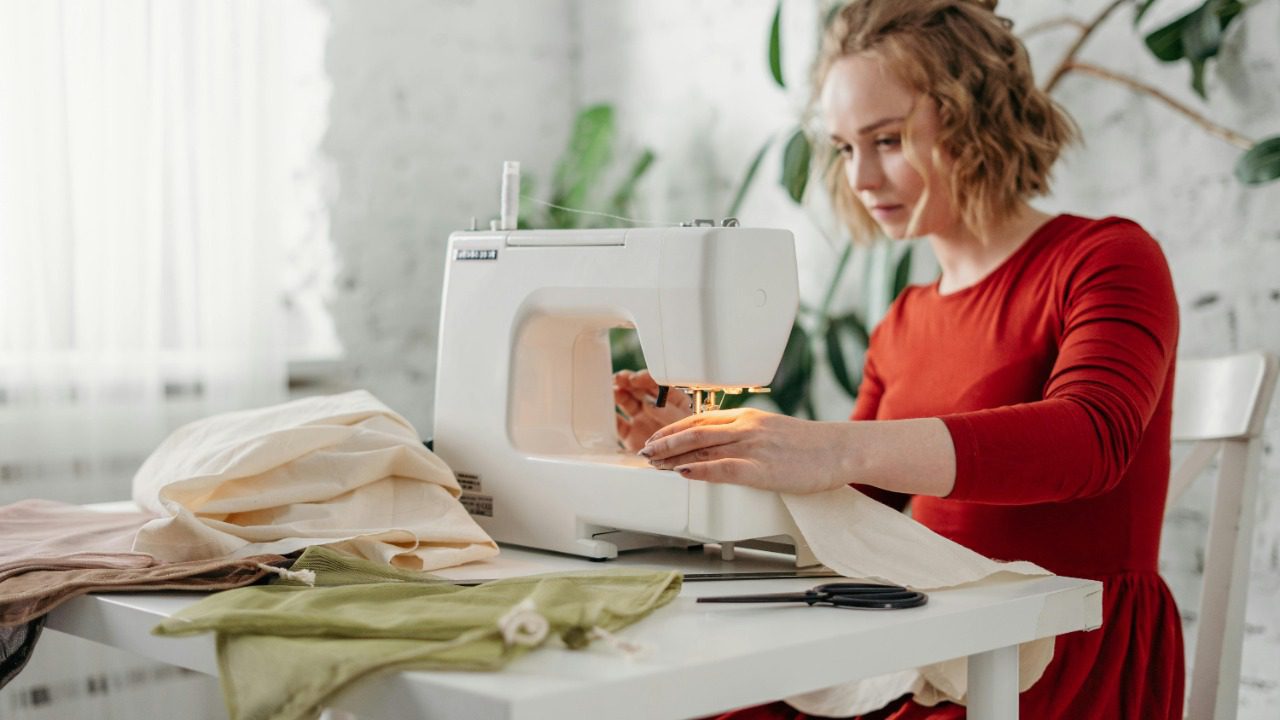
Before “upcycling” became trendy, repurposing was just common sense. A worn-out ladder might become a bookshelf, and old curtains could be turned into aprons or quilts.
Look around your home for items you can transform instead of tossing. Not only will you save money, but you’ll also create one-of-a-kind pieces that add personality and history to your space.
9. They Made Their Own Cleaning Supplies

Vinegar, baking soda, and lemon juice were all our grandparents needed for a sparkling home. Without aisles of specialized cleaners, they relied on simple, multi-purpose ingredients that cost pennies.
Homemade cleaners are still effective — and they skip the harsh chemicals found in many commercial products. Start with a basic vinegar-and-water solution for glass and counters, and you’ll see how easy it is to clean on a budget.
10. They Preserved Food

Canning, pickling, and drying food extended the harvest and prevented waste. Mason jars lined the shelves, filled with summer’s bounty to be enjoyed in winter.
Learning a few preservation techniques can save money and make seasonal produce available year-round. Plus, homemade jams, pickles, and dried fruits taste far better than anything store-bought.
11. They Used Public Transportation
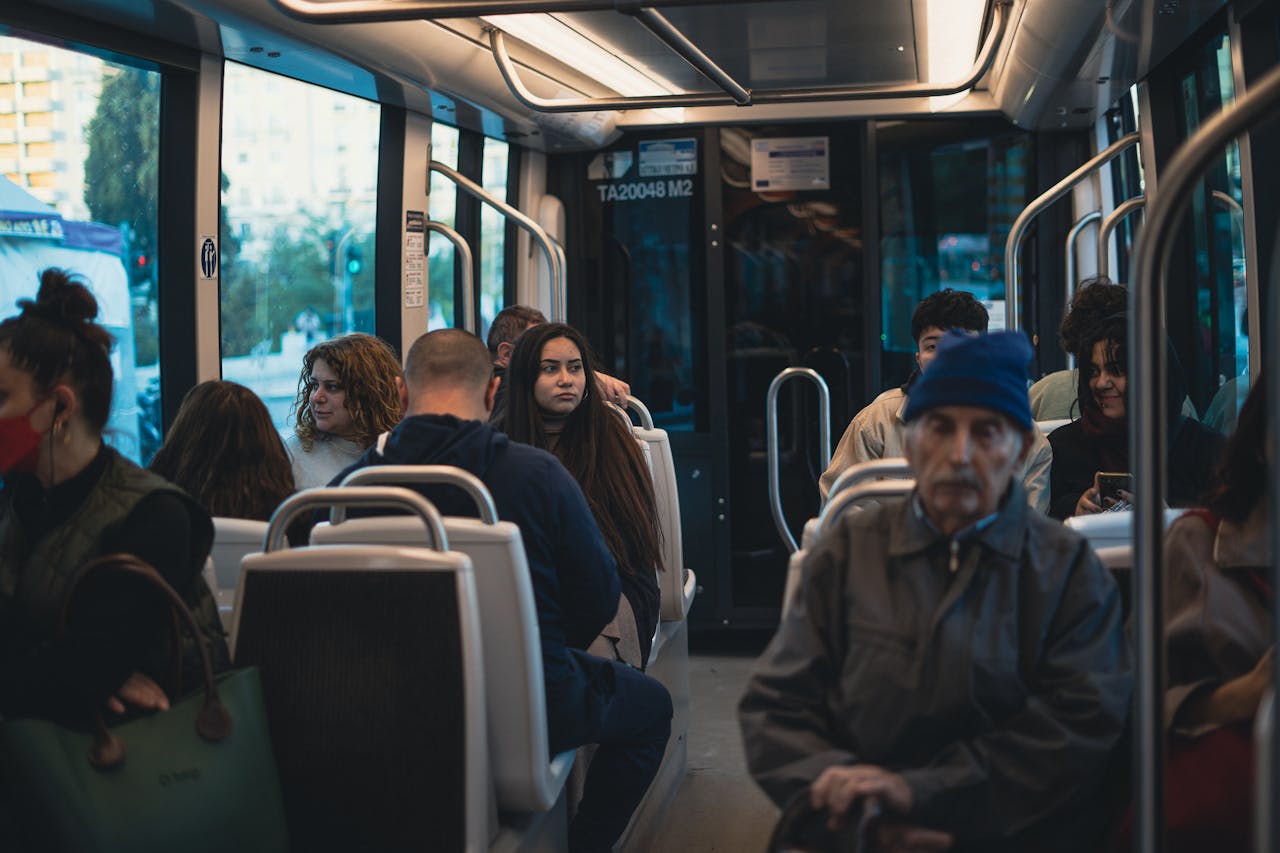
Cars were expensive luxuries for many families, so people walked, biked, or relied on buses and trains. These options saved money and kept communities connected.
While driving is necessary in many areas today, using public transit when possible can still cut transportation costs and reduce your carbon footprint. Even replacing one or two weekly trips makes a difference.
12. They Entertained At Home

Before streaming services and pricey nights out, entertainment often meant gathering at home for cards, music, or storytelling.
Hosting a game night, potluck, or backyard movie is still a low-cost way to connect with friends and family. You’ll save money and make memories in a relaxed, comfortable setting.
13. They Saved Money

Our grandparents didn’t rely on credit cards for everyday purchases. They saved until they could afford what they wanted, and loans were reserved for true necessities.
Building that habit today means avoiding debt traps and gaining financial stability. Even small amounts set aside consistently can grow into a meaningful safety net.
14. They Were Self-Sufficient

From repairing tools to growing food, our grandparents knew how to handle life’s everyday challenges without hiring help. Self-sufficiency saved money and built confidence.
Learning just a few practical skills — basic sewing, cooking, or home repair — can make you less dependent on outside services. These skills pay off in savings and self-reliance.