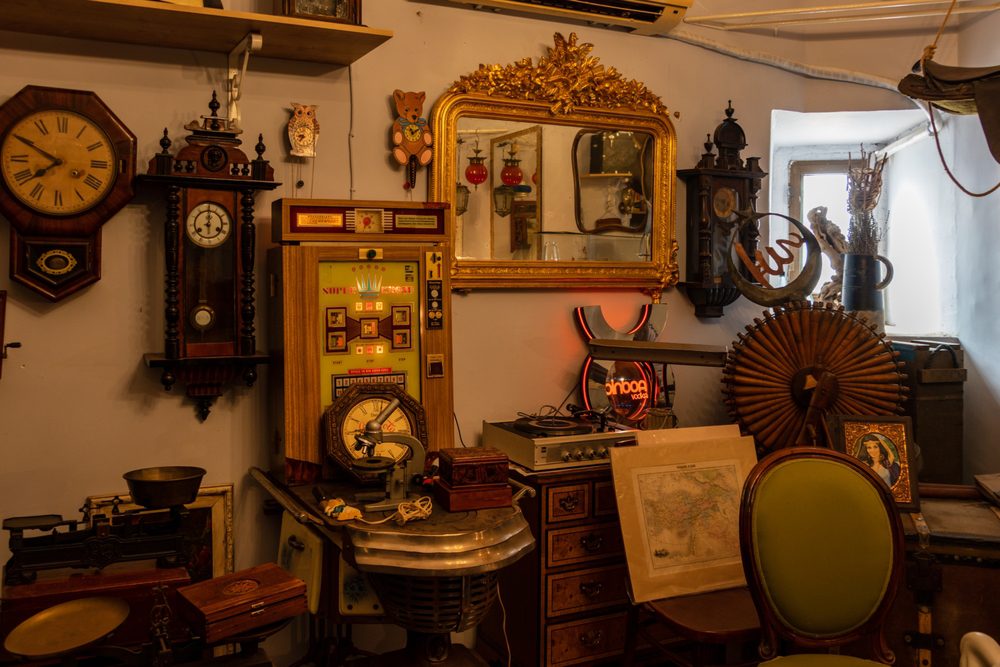
Collecting can be equal parts passion project and smart investment—but it can also be a minefield of expensive lessons if you’re not careful. From rare stamps to vintage wine, the world of collectibles is vast, fascinating, and sometimes risky. The most seasoned collectors know that every purchase carries the potential for reward—or regret.
This list, drawn from real market data, auction results, and expert advice, highlights 14 common mistakes that can drain your wallet and dampen your enthusiasm. Learn these pitfalls now so you can enjoy the thrill of collecting without the sting of costly missteps.
1. Not researching the market

One of the biggest mistakes collectors make is diving in without understanding the market. Research means more than a quick online search—it’s studying historical price trends, knowing which items are hot right now, and predicting what might gain traction in the future. Studies show that successful collectors spend serious time learning the landscape through auctions, forums, and conversations with dealers.
For example, in vintage comic books, knowing the difference between a true first edition and a reprint can mean thousands of dollars. Understanding the grading system and staying tuned in to pop culture trends can help you buy smarter and sell stronger.
2. Buying without authenticating
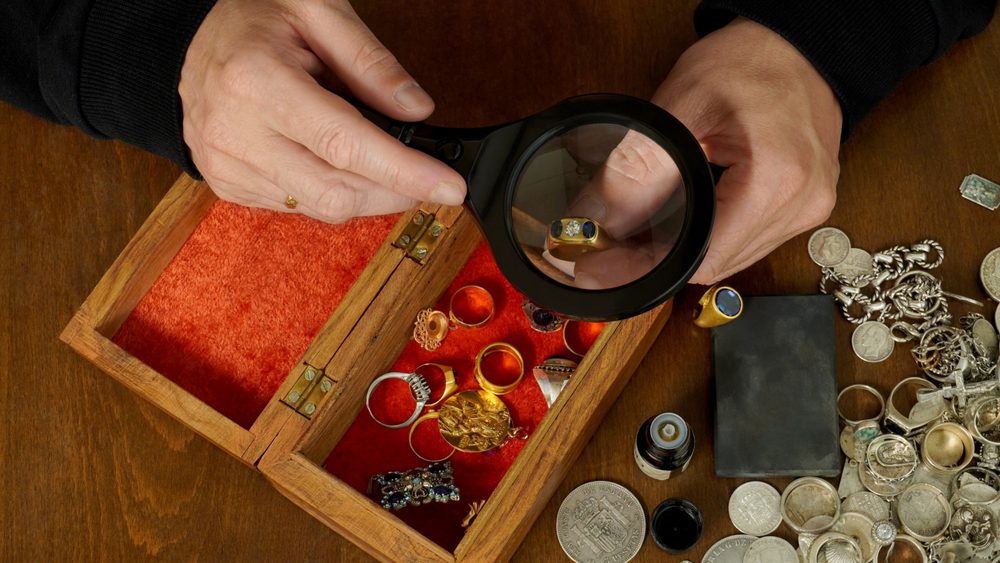
In high-value markets—art, autographs, antiques—authentication is everything. The collectible world is full of convincing fakes, and skipping verification can be a very expensive gamble.
Consider the $450 million sale of the “Salvator Mundi,” attributed to Leonardo da Vinci, which remains hotly debated over its authenticity. A certificate of authenticity or expert appraisal may cost you upfront, but it could save you from a five-figure mistake.
3. Neglecting proper storage
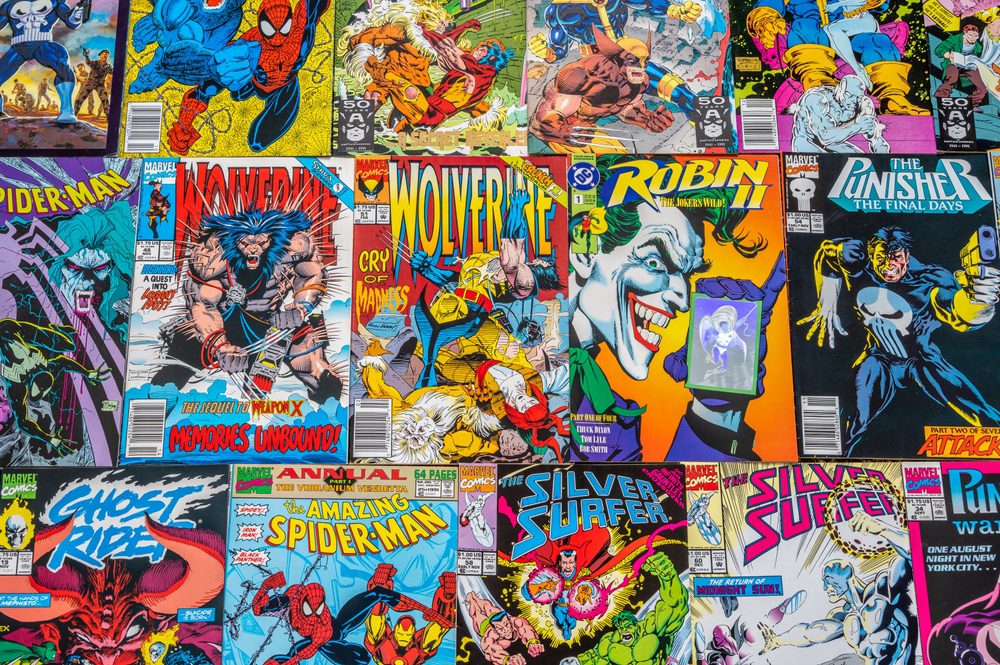
Even the rarest item will lose value if it’s stored poorly. Wine can spoil, paper can fade, and metal can corrode if exposed to the wrong conditions. A little environmental neglect can cost you thousands in lost value.
Comic books, for instance, should be kept in acid-free sleeves, away from sunlight and moisture. Wine needs steady temperature and humidity. Storage isn’t just about keeping things tidy—it’s a safeguard for your investment.
4. Ignoring the condition
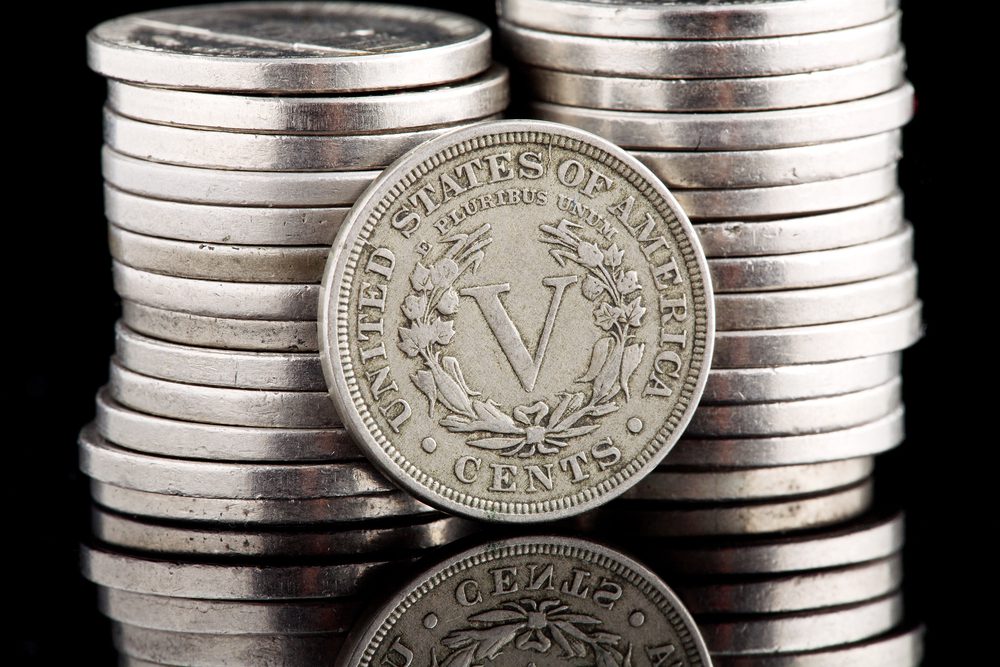
Condition is king in collectibles. Two identical items can have drastically different price tags depending on their state of preservation. Grading systems exist for a reason—buyers will pay a premium for top condition.
A Mint State-65 1913 Liberty Head V Nickel can bring in over $3 million, while one in Fine-12 condition might be worth $500,000. The difference? Wear, marks, and overall appearance.
5. Overpaying at auction

Auctions can be thrilling—but they can also push you past your budget. Bidding wars, adrenaline, and the fear of missing out often lead to paying more than market value.
One collector famously paid $10,000 for a Beanie Baby online, only to learn it was worth around $30. To avoid this, set a hard spending limit before bidding starts and research realistic prices ahead of time.
6. Not insuring your collection

If your collection is valuable enough to worry about, it’s valuable enough to insure. Fires, theft, and accidents happen—without insurance, a loss could wipe out years of effort and investment.
One comic book collector lost $1 million worth of rare issues in a house fire. Because he didn’t have coverage, he received nothing. A small annual premium could have made all the difference.
7. Failing to document your collection

Without detailed records, proving the value of your collection can be nearly impossible. Documentation should include purchase details, authenticity certificates, appraisal notes, and clear photographs.
After a burglary, one guitar collector could only prove a fraction of his loss to the insurance company because he lacked records. A simple spreadsheet and cloud backup could save you the same heartache.
8. Buying for investment only

Collectibles can appreciate, but there’s no guarantee they will. If you’re buying purely to flip for profit, you may be disappointed when the market dips.
The best approach? Buy pieces you truly enjoy owning. If their value rises, great. If not, you’ll still have the personal satisfaction of displaying and appreciating them.
9. Ignoring smaller markets

Popular markets—sports cards, certain antiques, famous autographs—get most of the attention, but they’re also the most competitive. Smaller niches can offer less competition and better deals.
While everyone was chasing Beatles memorabilia, some savvy collectors quietly scooped up items from lesser-known bands of the same era—now worth a tidy profit.
10. Not setting a budget

It’s easy to let excitement override your financial common sense. Without a budget, overspending is almost guaranteed.
Include not just purchase prices but also the hidden costs of collecting—storage, authentication, shipping, insurance. Plan ahead so your hobby stays fun, not financially stressful.
11. Not networking

Some of the best deals and discoveries come from connections. Networking gives you insider tips, early access to sales, and a sense of where the market is headed.
Join clubs, attend shows, and engage in online collector groups. You’ll gain knowledge, find opportunities, and maybe even make lifelong friends who share your passion.
12. Rushing into purchases

Impulse buys are tempting, especially when you fear missing out. But in collecting, patience usually pays off.
Waiting for the right piece at the right price can save you money and regret. Remember—this is a marathon, not a sprint.
13. Not considering resale value

Even if you plan to keep your collection forever, life can change. Considering an item’s potential resale value gives you flexibility.
Popularity, rarity, and condition all matter. Buying with resale in mind means you’re less likely to be stuck with pieces that have little demand.
14. Neglecting to enjoy the process

At the end of the day, collecting should be fun. If you’re stressed, constantly chasing trends, or treating your collection like a stock portfolio, you’re missing the point.
Slow down. Learn the stories behind your items. Share them with others. The real treasure is the joy the hobby brings you.