Managing a busy household often means clutter can build up quickly, leaving you feeling overwhelmed. Finding time to organize might seem impossible when you’re juggling so many other responsibilities.
This article shares simple and effective decluttering hacks designed to fit into your hectic schedule, helping you create a more orderly space without adding stress. With practical tips tailored to your lifestyle, you can tackle clutter in manageable steps that work for you.
Create a personalized decluttering plan tailored to your lifestyle
Start by thinking about how clutter affects your daily life and what areas need the most attention. Your plan should fit your family’s routines and rhythms so it feels doable, not overwhelming.
Include small habits like clearing counters at night or setting aside short sessions during the week.
Get everyone involved by sharing your goals, even if they don’t help much at first—it creates support. Your plan should support how you live, not work against it.
Set a timer for 10-minute decluttering bursts

You can make decluttering feel manageable by setting a timer for just 10 minutes. This helps you focus without feeling overwhelmed.
Turning it into a quick challenge can keep you motivated and make the task less tedious.
When the timer goes off, you can take a short break or decide if you want to keep going. Little bursts add up and create visible progress in your space.
Focus on clearing kitchen counters first

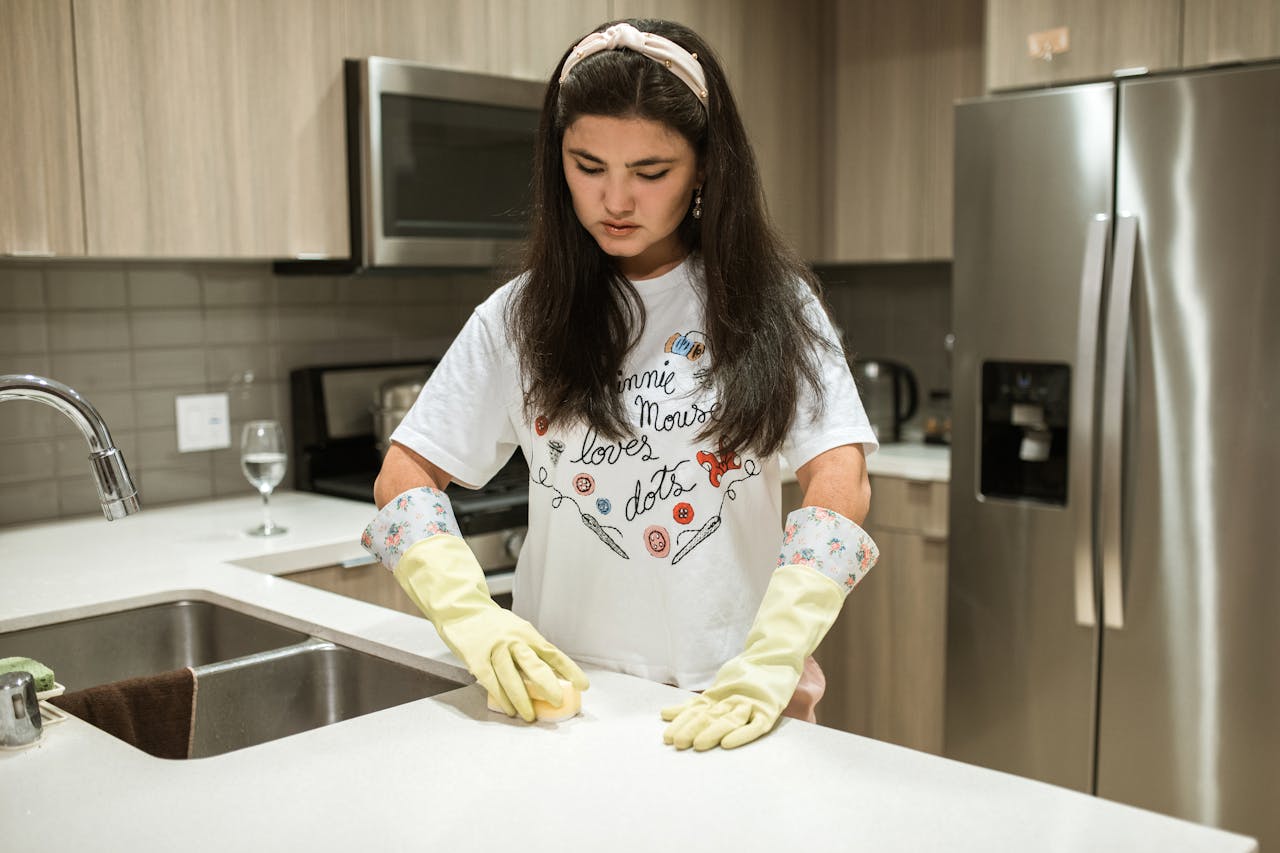
Start by clearing your kitchen counters because they quickly gather clutter and make the space feel chaotic. A clean counter gives you more room to prep meals and keeps daily tasks smoother.
When you remove everything, you create a sense of mental clarity. It helps you stay focused and reduces the feeling of overwhelm.
Try to keep only essential items on your counters, like a coffee maker or a fruit bowl. Put everything else away to make your kitchen feel brighter and more organized.
Start with a clean slate before maintaining clutter-free spaces

You need a fresh start before you can keep your space clutter-free. Begin by identifying items you no longer need or use.
Focus on letting go instead of just rearranging. This helps clear the visual and mental space.
Once you’ve cleared out, keeping your home organized becomes easier. You’ll have a clearer idea of what belongs where and what you should keep.
Organize all paper clutter into labeled folders

Start by sorting your papers into categories that make sense for your family. Use clear, labeled folders to keep things like bills, school papers, and important documents separate.
Keep the labels simple and visible. This helps you quickly find what you need without digging through piles.
Regularly review and remove outdated papers to prevent buildup. This system saves time and reduces stress when you need to locate important documents.
Schedule regular decluttering check-ins every few months

Set aside time every few months to revisit your spaces. This keeps clutter from building up and makes the job less overwhelming.
You don’t need to spend hours each time. Even 15-30 minutes can make a difference when you do it regularly.
Treat these check-ins like appointments. Putting them on your calendar helps ensure you stick to your plan.
Declutter one small area at a time, like a drawer or shelf

Start with just one small space, like a drawer or a shelf. This makes the task feel less overwhelming and helps you see quick progress.
Focusing on one small area keeps you motivated. When you finish, you’ll feel encouraged to move on to the next spot.
Take your time and keep it simple. Small wins add up and make decluttering more manageable for your busy day.
Keep only essentials visible and store the rest

You don’t need to have everything out in the open. Keep only the items you use daily within easy reach. This helps reduce visual clutter and makes your space feel calm.
Store less-used things in bins, drawers, or closets. Label containers to find what you need quickly without making a mess.
By limiting what’s visible, you create a more organized and manageable space, which can make your day feel a little easier.
Use bins or baskets to categorize items quickly
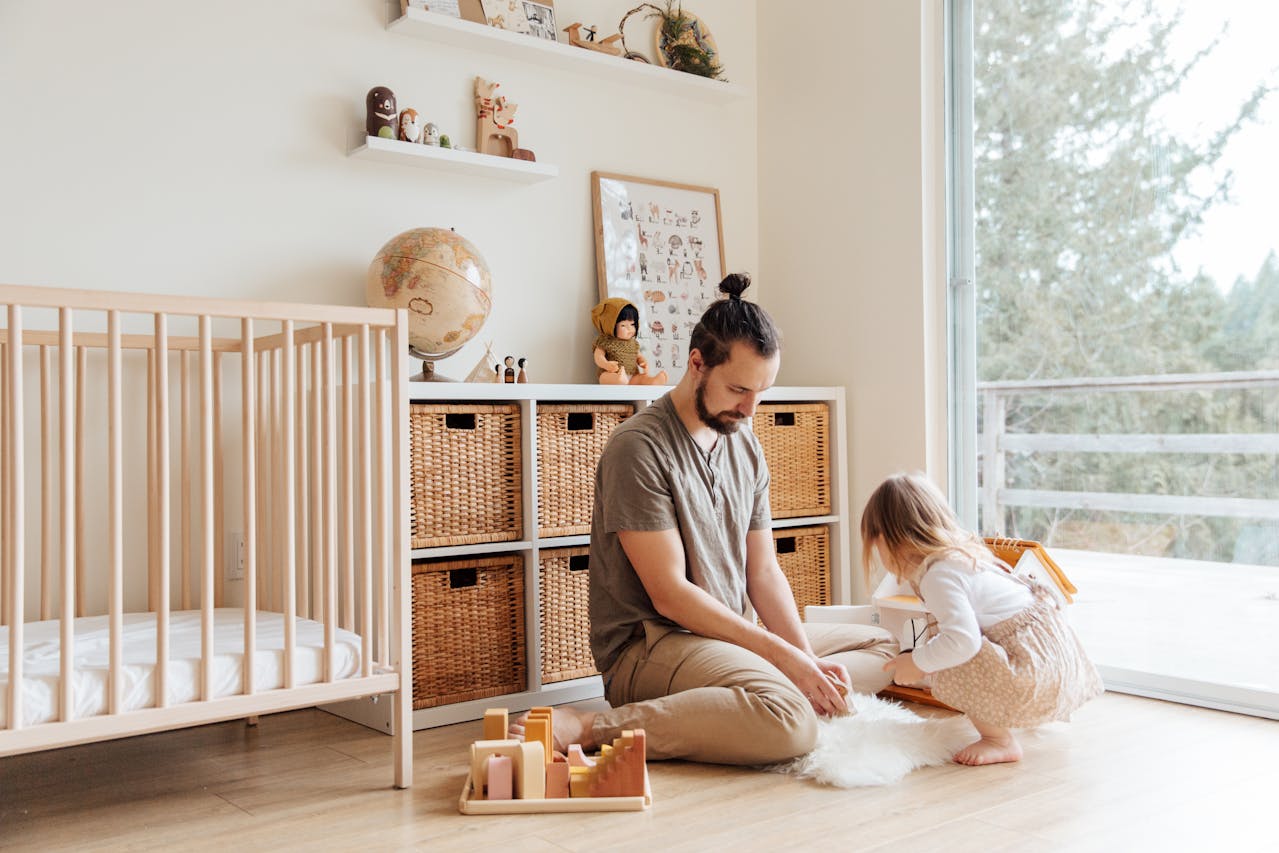
You can speed up decluttering by sorting items into bins or baskets. Group similar things together, like toys, craft supplies, or cleaning products.
Using baskets with wheels lets you move items easily around your home. This makes tidying up less overwhelming and keeps things accessible.
Label each container clearly. This simple step helps everyone in your household know where things belong, cutting down on future mess.
Involve kids by turning decluttering into a game

You can make decluttering fun by turning it into a game your kids will enjoy. Challenge them to find a set number of toys they no longer use, or race against the clock to tidy up a space.
Playing music and taking short dance breaks keeps energy high. Rewarding their efforts with small prizes encourages them to keep going. This playful approach helps your kids take ownership of their space without feeling overwhelmed.
Donate or sell items you haven’t used in 6 months

Look around and find things you haven’t used in half a year. If you’re unsure whether you’ll need them, chances are it’s okay to let them go.
You can donate items that are still in good shape. This helps others and clears your space.
If you want, try selling things that might bring a little extra cash. Just avoid spending too much time if it feels overwhelming.
Keep a ‘maybe’ box for items you’re unsure about

When decluttering, it’s normal to feel unsure about some things. A ‘maybe’ box helps you set those items aside without stressing.
Put anything you hesitate to keep into the box. Give yourself a deadline, like 30 days, to revisit it.
If you don’t miss or use the items during that time, it’s a clear sign you can let them go. This makes decisions easier and less stressful.
Set daily mini-challenges like decluttering one surface

Start small by choosing one surface each day to clear off. It could be your kitchen counter, a coffee table, or a bathroom sink.
Focusing on a tiny area feels manageable and can build momentum.
You’ll enjoy the quick wins without feeling overwhelmed. Plus, it creates noticeable progress right away.
Make it a fun daily habit, and before you know it, your home will feel more organized.
Create a habit of putting things back immediately

You can cut down on clutter by simply returning items to their spot right after use. This small habit stops mess from building up throughout your day.
When you make this routine automatic, you spend less time tidying later. It also helps everyone in the family keep shared spaces organized without extra effort.
Try setting reminders at first or pairing this habit with another daily task. Over time, it will feel natural and make your home easier to manage.