When you’re ready to downsize, decluttering can feel overwhelming. You might wonder where to start or how to stay motivated.
It helps to have clear, simple rules to guide your process and keep you focused. Following straightforward steps can turn a big task into manageable actions you can tackle at your own pace.
Start small by decluttering one area at a time

Begin with a single spot, like a drawer or shelf. Focusing on just one area makes the task less overwhelming and helps you build momentum.
Sort your items into simple categories: keep, donate, or discard. This clear system keeps decisions straightforward.
Create three piles: sell, donate, and keep

Start by sorting your items into three clear piles: sell, donate, and keep. This simple method helps you make quick decisions without feeling overwhelmed.
Put things you no longer want but have value in the sell pile. Items in good condition that others could use go in the donate pile. Only keep what you truly need or love.
Use trash bags for items to toss immediately

Start by having sturdy trash bags ready for anything you clearly want to discard. This helps you quickly separate trash without second-guessing your choices.
When you find obvious junk, toss it right away. It frees your space and your mind faster. Using trash bags keeps the process simple.
Prioritize keeping only essentials

When you downsize, focus on items that you truly need or use regularly. It helps to ask yourself if something serves a clear purpose in your daily life.
Avoid holding onto things out of guilt or habit. Remember, less stuff means less to clean and organize.
Add regular decluttering sessions to your calendar
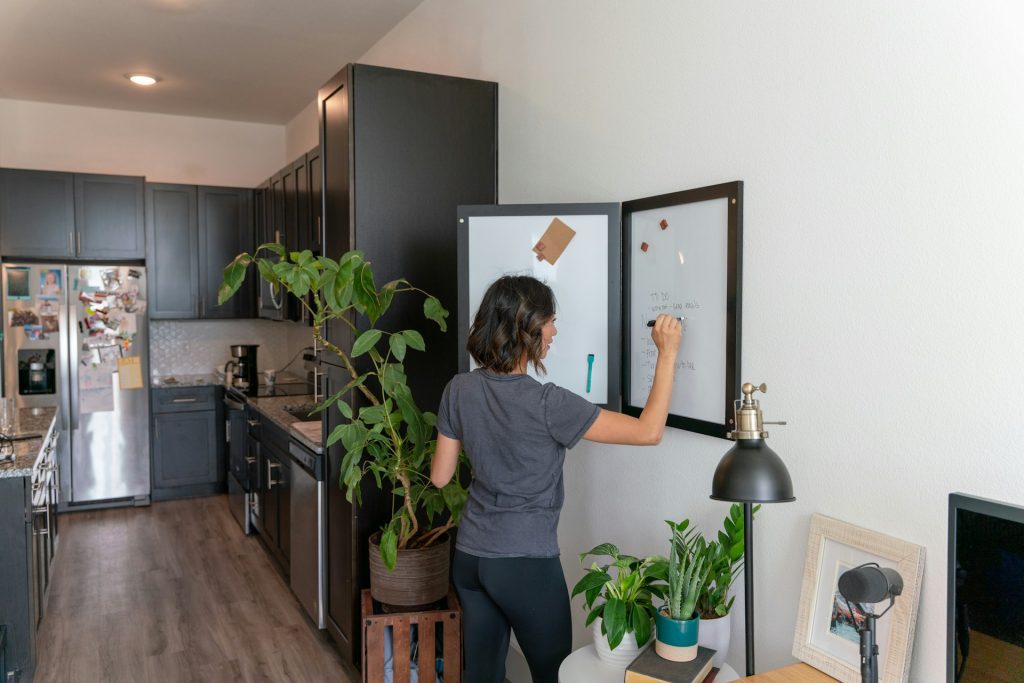
Set aside specific times for decluttering in your calendar. Treat these sessions like appointments you can’t miss.
Regular, short sessions prevent overwhelm and help you make steady progress. You don’t need hours; even 15-30 minutes can make a difference.
Digitize documents and photos to save space

You can save a lot of room by turning your paper documents and old photos into digital files. It makes sorting and finding them much easier, too.
Use a scanner or your phone’s camera to create clear copies. Store these files in organized folders on your computer or in cloud storage for easy access. Digitizing also protects your memories and important papers from damage or loss.
Embrace multi-functional furniture

When downsizing, choose furniture that serves more than one purpose. A sofa bed, for example, offers seating by day and a bed by night.
Look for pieces with built-in storage, like ottomans or coffee tables with compartments. This helps reduce clutter and maximize your space.
Multi-functional furniture keeps your home organized and comfortable without crowding your smaller living area.
Measure new space before deciding what to keep

Before you start packing, take accurate measurements of your new home. Check rooms, closets, and storage areas to understand exactly how much space you’ll have.
This helps you decide what furniture and belongings will fit.
Remove trash before packing

Start by sorting through your belongings and setting aside any obvious trash. Getting rid of broken or unusable items first makes packing easier and keeps your move lighter.
Focus on clearing out trash before worrying about what to keep or donate. Be kind to yourself during this process. Take breaks and tackle small areas at a time.
Set a specific time when you feel motivated to declutter

Choose a time of day when you naturally have energy and focus. This could be morning, afternoon, or evening—whatever suits you best.
Commit to this time regularly. Even 15 minutes can make a difference if you stay consistent. Having a set schedule helps you avoid procrastination and builds a routine.
Ask for help from friends or family
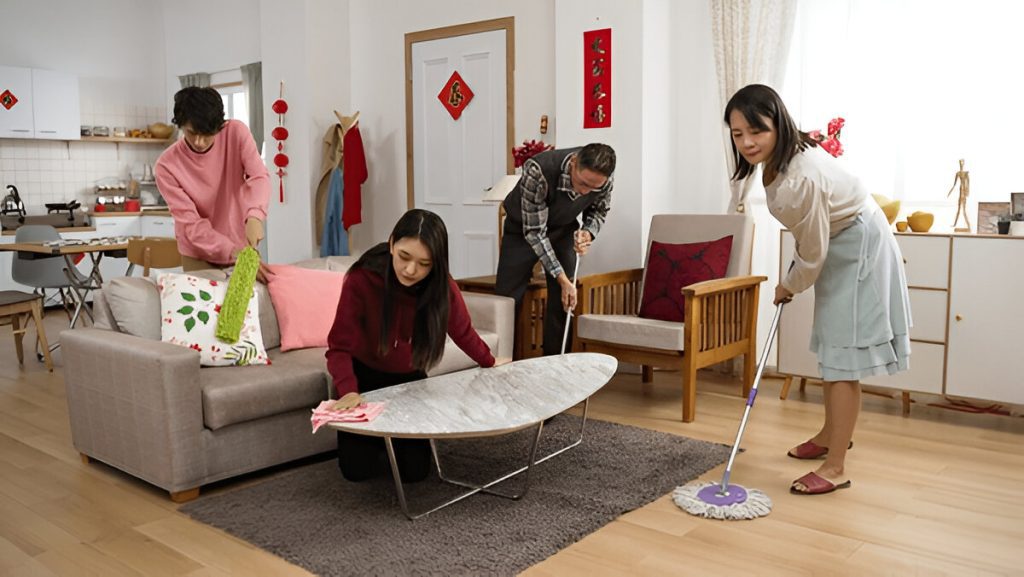
You don’t have to do this alone. Inviting friends or family to help can make decluttering feel less overwhelming.
They can offer support and a fresh perspective, making it easier to decide what to keep or let go.
Downsize storage containers to limit space

When you downsize, smaller storage containers help control how much you keep. Choose containers that fit your new space without allowing room for extra clutter.
Using fewer, smaller boxes makes you think twice before adding more items. It also makes packing and moving easier because everything is more manageable.
Limiting container size helps you stay organized and prevents your belongings from spilling over into unwanted areas.
Sell unwanted items online or at garage sales

You can make downsizing easier by selling items you no longer need. Use online platforms like Facebook Marketplace or eBay to reach buyers quickly.
Garage sales work well for larger or heavier items like furniture and tools.
Clear photos and honest descriptions help your items sell faster. Focus on valuable or gently used things to get the most from your sale.
Be kind to yourself throughout the process

Downsizing can feel overwhelming at times. Give yourself permission to take breaks and approach each step at your own pace.
It’s normal to feel attached to your belongings. Allow yourself to feel those emotions without judgment. Celebrate small wins, like clearing one drawer or donating a few items.