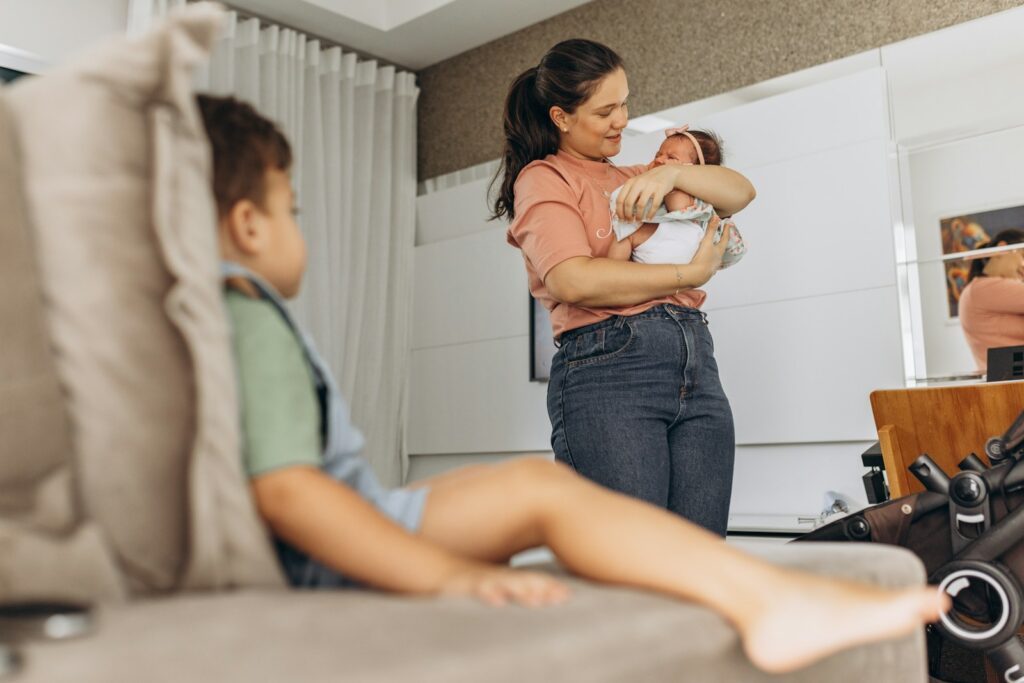
Decluttering your home as a family can feel overwhelming, but it doesn’t have to be. When everyone works together, it becomes easier to create a space that feels calm and organized for everyone.
These family decluttering ideas show you practical ways to tackle clutter and make lasting changes that benefit your whole household. You’ll find simple and manageable approaches that fit into daily life without adding stress.
Create a Family Vision Board for Decluttering Goals

You can use a family vision board to keep everyone focused on your decluttering goals. Gather your family and discuss what you want to achieve together, like more space or less stress.
Encourage each person to add ideas or images that represent their personal goals.
This visual reminder helps everyone stay motivated and connected while working toward a cleaner, more organized home.
Implement a Seasonal Decluttering Routine

You can keep your home organized by setting a regular seasonal decluttering routine. Picking a time each season to review your belongings helps stop clutter from piling up.
Focus on items that no longer fit the season, like winter coats in summer. This approach makes decluttering feel manageable and natural.
By working with the flow of the year, you create a simple habit that keeps your space fresh and welcoming.
Use Memory Jars for Keepsake Display

You can use memory jars to keep small, meaningful items in one place. Clear jars let you see your treasures, like photos, tickets, or notes, turning clutter into a lovely display.
It’s easy to add new memories anytime. This simple method helps you hold onto special moments without overwhelming your space.
Try labeling jars by event or family member. This makes your keepsakes organized and fun to revisit together.
Adopt the One-In, One-Out Rule

You can keep clutter in check by using the one-in, one-out rule. Every time you bring something new into your home, choose one item to remove.
This simple habit helps prevent things from piling up and makes it easier to maintain order.
Involve your whole family in this approach to create a shared commitment to a clutter-free space. It keeps your home balanced and intentional.
Digitize Family Photos and Documents

Start by scanning your physical photos and important papers. This helps keep them safe and easy to access.
Create digital albums on your computer or cloud storage to organize images by event or theme.
You can also make custom photo books to share with family. Back up your digital files regularly to avoid losing memories.
Making this a family activity can be fun and keeps everyone involved in preserving your shared history.
Designate a Central Command Station for Keys and Notes
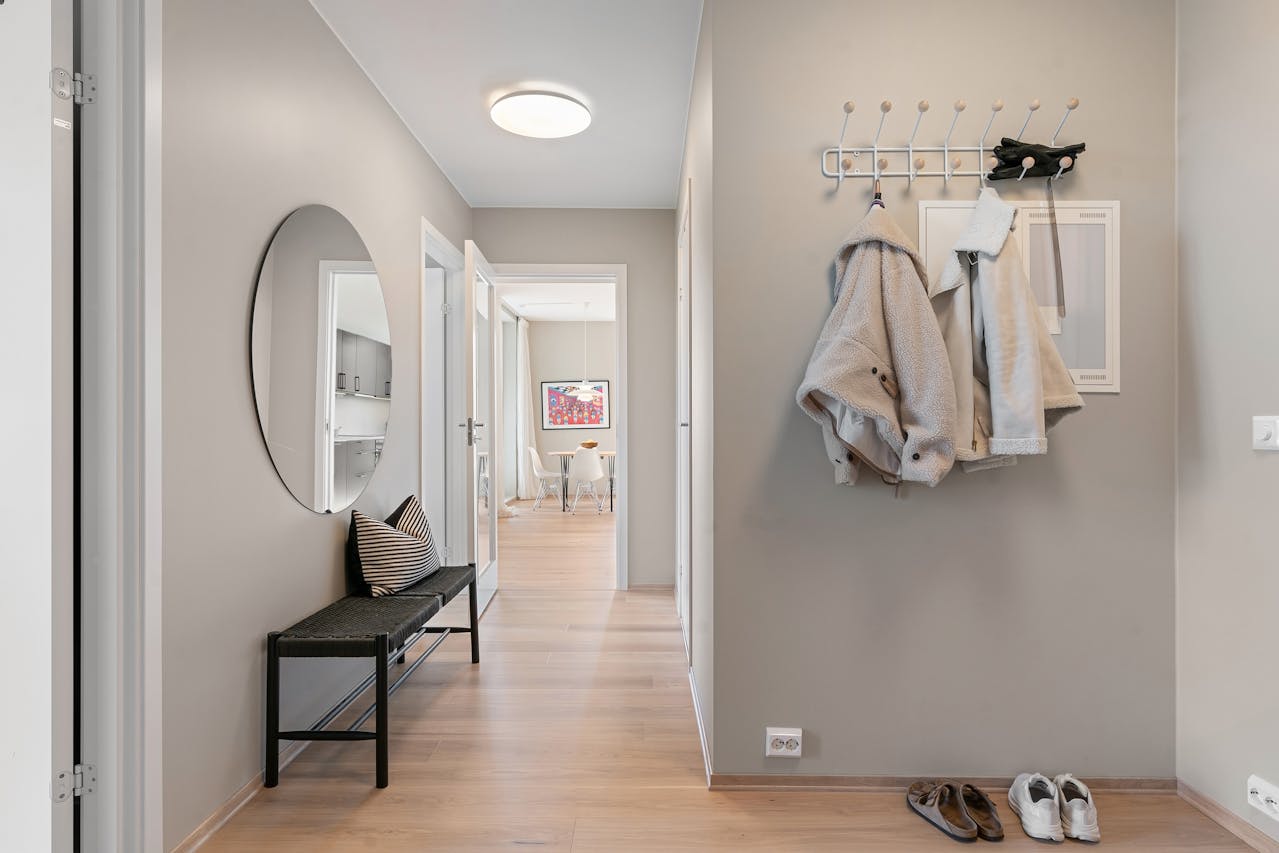
Create a simple spot near your entryway to keep keys, notes, and reminders in one place. Use hooks or baskets so each family member has a designated space. This helps prevent lost items and keeps your daily essentials easy to find.
Add a small board or calendar to track appointments and important dates. Keeping everything visible and organized saves time and reduces stress.
Use Multipurpose Furniture with Hidden Storage

You can save a lot of space by choosing furniture that does double duty. Look for items like ottomans, coffee tables, or benches with built-in compartments.
These pieces help you tuck away clutter while keeping your living areas neat.
A Murphy sofa bed or a bed with drawers underneath can be great for small spaces. This way, your furniture works harder for your family.
Set Up Under-Bed Storage Compartments
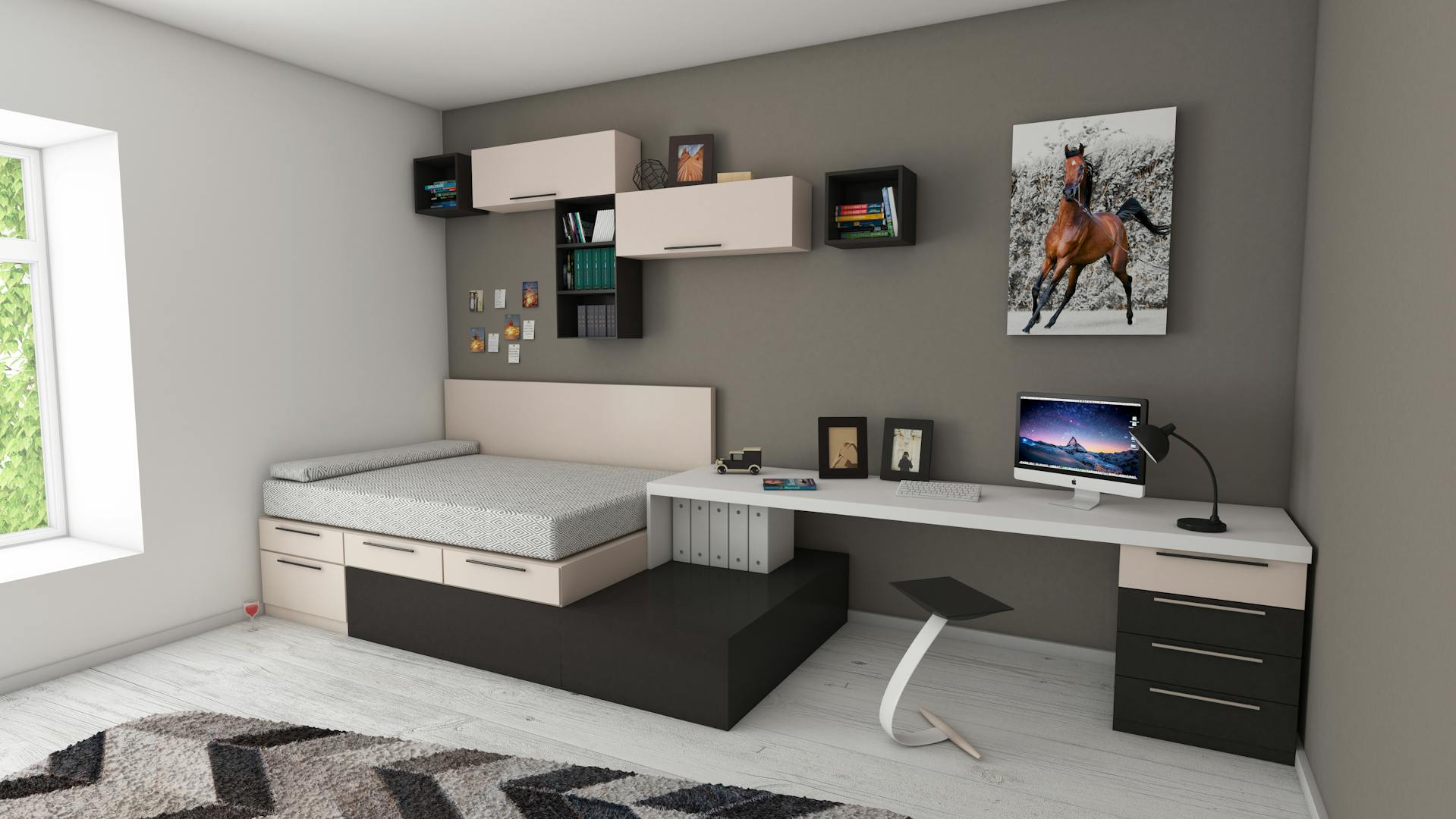
You can free up a lot of space by using the area under your bed. Start with flat storage bins or drawers that fit easily underneath. These keep items like extra bedding or seasonal clothes organized and out of sight.
Choose containers with wheels if you want easy access. Vacuum-sealed bags are also great for saving space, especially with bulky items. This simple step helps keep your room tidy without much effort.
Organize a Family Declutter Challenge Day
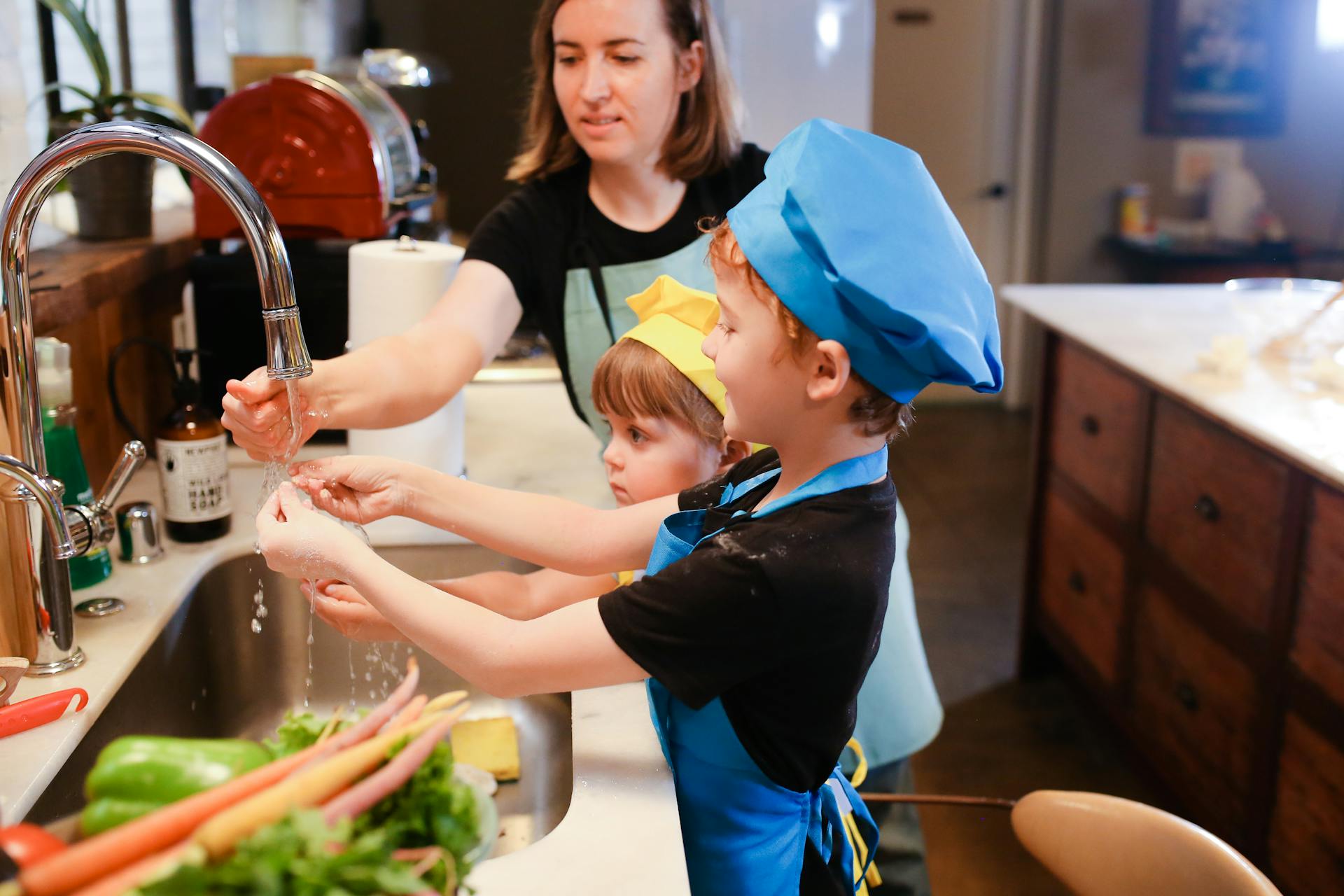
You can make decluttering fun by turning it into a family challenge. Set a timer for 15 or 30 minutes and see how much each person can clear from a given space.
Choose different areas for each challenge day, like under the bed or kitchen cabinets.
Encourage everyone to decide what to keep, donate, or toss. Celebrate small wins to keep motivation high. This approach helps everyone work together and makes organizing less overwhelming.
Create Labelled Bins for Each Family Member

You can start by giving everyone their own labeled bin for personal items. This helps keep things organized and makes it easier to find what you need quickly.
Place the bins in a common area like the entryway or living room. When everyone knows where their stuff goes, clutter naturally decreases.
Labels can be simple, using names or colors. This system teaches kids responsibility and keeps your home tidier with less effort.
Use Overhead Storage Shelves in Common Areas

You can save a lot of floor space by installing overhead storage shelves in places like your garage or basement. These shelves work great for items you don’t use often, such as seasonal decorations or camping gear.
Using clear containers on these shelves makes it easier to spot what you need without unpacking everything. Don’t forget to label each box clearly—this helps keep your space organized and clutter-free.
Assign Specific Decluttering Tasks to Kids

Give your kids clear, simple tasks to make decluttering easier for everyone. Instead of saying “clean up,” ask them to sort toys or put books on shelves.
Match tasks to their age. Younger children can pick up small items, while older kids can organize drawers or help decide what to donate.
This helps your kids feel involved and builds good habits. It also makes the process less overwhelming for you.
Repurpose Old Jars and Boxes for Small Items

You can turn old jars and boxes into handy storage for small items. Use them to organize paper clips, rubber bands, or craft supplies.
Decorate jars or boxes to fit your style, making them both practical and attractive. This way, you’ll keep your space tidy and add a personal touch.
Try using jars for loose change or small toys, and boxes for storing bags or rags. It’s a simple way to reduce clutter without buying new containers.
Create a Donation Box in a Common Space

Set up a donation box where everyone in your family can easily access it. Placing it in a shared area, like the living room or hallway, makes it simple for family members to add items they no longer need.
Make sure the box is at a height that works for most family members but keeps smaller children from making a mess.
This small step can help keep your home clutter-free while encouraging regular giving. It’s an easy system to maintain and involves the whole family.