Growing up, do you remember the times when you could buy a plethora of groceries without emptying your wallet? Those were the days when indulging in a succulent lobster dinner or treating yourself with real maple syrup didn’t seem like a luxury.
Well, times have changed, and so have the prices of several food items that used to be inexpensive. Baby boomers, especially, can recall when certain foods like avocados and quinoa were much cheaper.
Today, I am going to take you on a nostalgic journey back to the time when these 14 foods were much more affordable.
1. Fresh Seafood
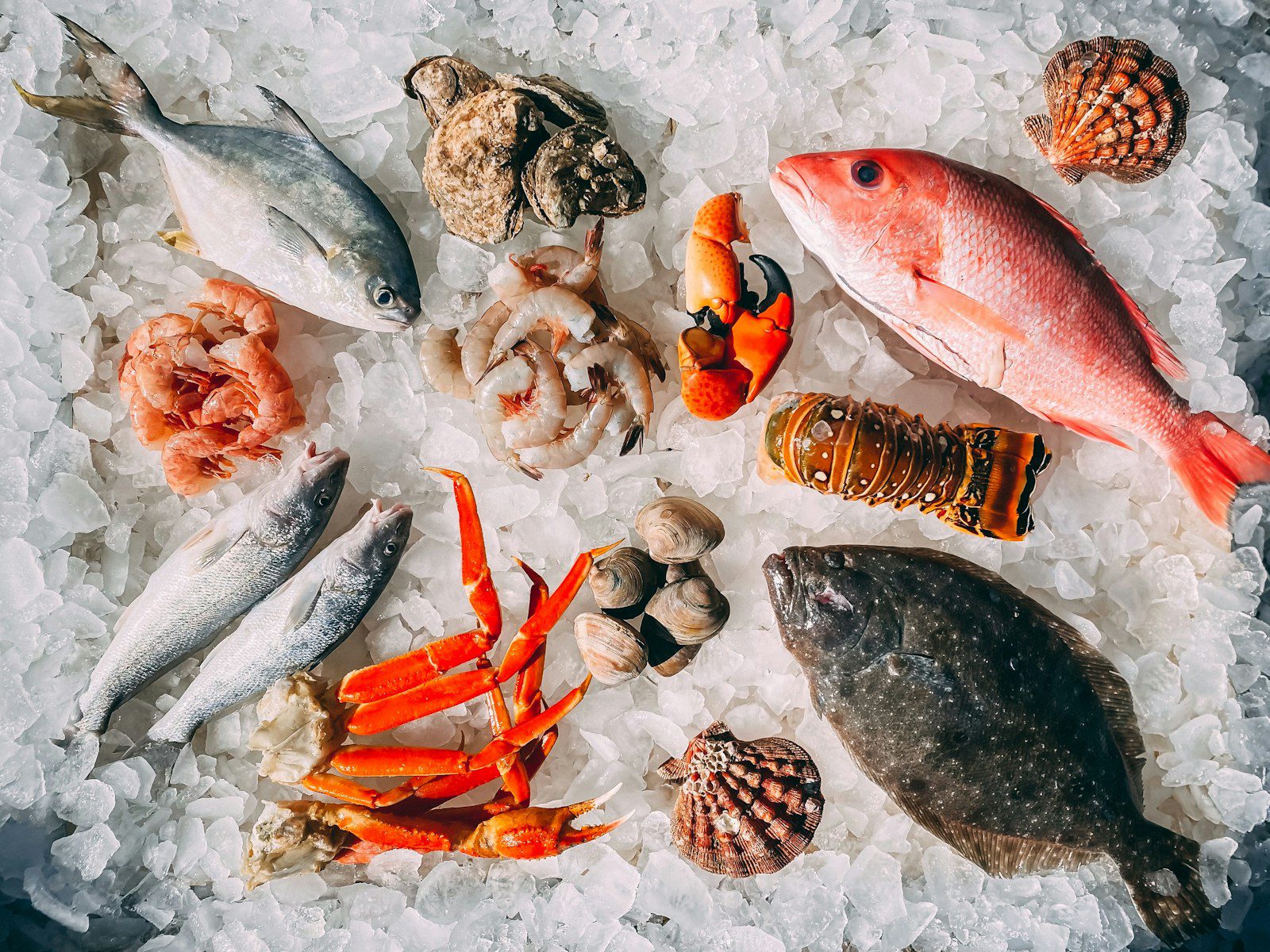
Back in the day, fresh seafood was a staple in many households, but now it’s considered a luxury. Inflation and overfishing have driven up the costs of fish and shellfish, making them less accessible for everyone. Nowadays, a simple fish dinner can cost a pretty penny. This study explains how overfishing has led to a significant increase in seafood prices over the years.
2. Real Maple Syrup

Who doesn’t enjoy the sweet, sticky delight of real maple syrup on their pancakes? Unfortunately, the real stuff doesn’t come cheap. Climate change and a decrease in the number of maple trees have made real maple syrup a premium commodity. It’s a far cry from the days when this natural sweetener was affordable to the masses.
3. Quality Cheese

A delicious piece of cheese can elevate any dish, but the price of quality cheese has skyrocketed over the years. Factors such as increased production costs and the growing popularity of artisanal cheeses have made them more expensive. The days of having a lavish cheeseboard without breaking the bank seem to be behind us.
4. Avocados

Avocados have become a millennial favorite, but they weren’t always so pricey. The cost of avocados has risen dramatically due to climate change, increased demand, and trade restrictions. Now, adding some avocado toast to your breakfast can significantly increase your grocery bill.
5. Beef Steak

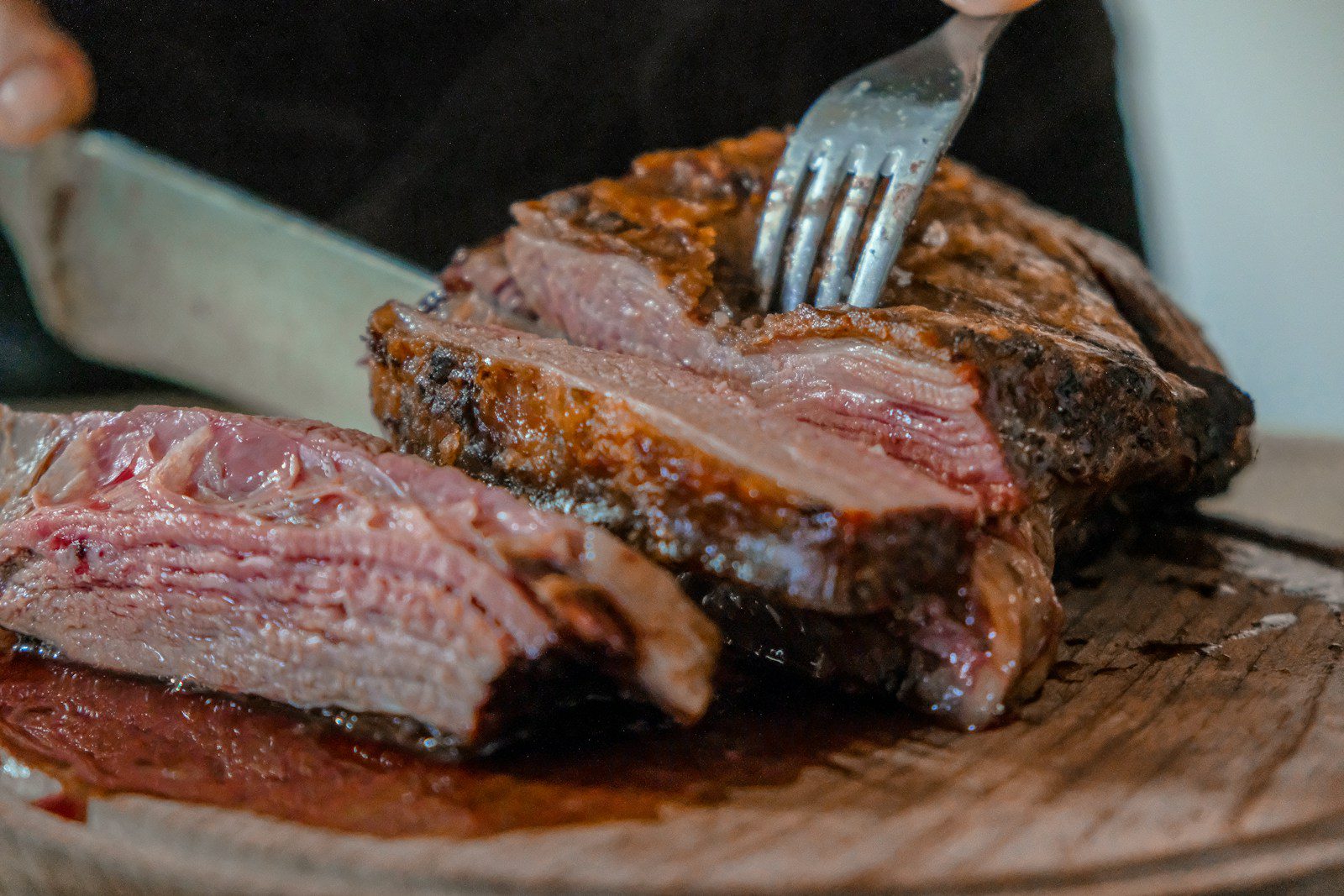
A juicy beef steak used to be a regular on many dinner tables. However, the rising cost of beef production, combined with a higher demand for quality meat, has made it a luxury item. It’s not uncommon these days to splurge on a good steak at a restaurant rather than cooking one at home.
6. Organic Fruits and Vegetables

Organic fruits and vegetables have become popular due to their health benefits, but they come with a hefty price tag. Growing organic produce is more labor-intensive and has lower yields, leading to higher costs. It’s a stark contrast to the time when buying fresh, pesticide-free produce was more affordable.
7. Shellfish
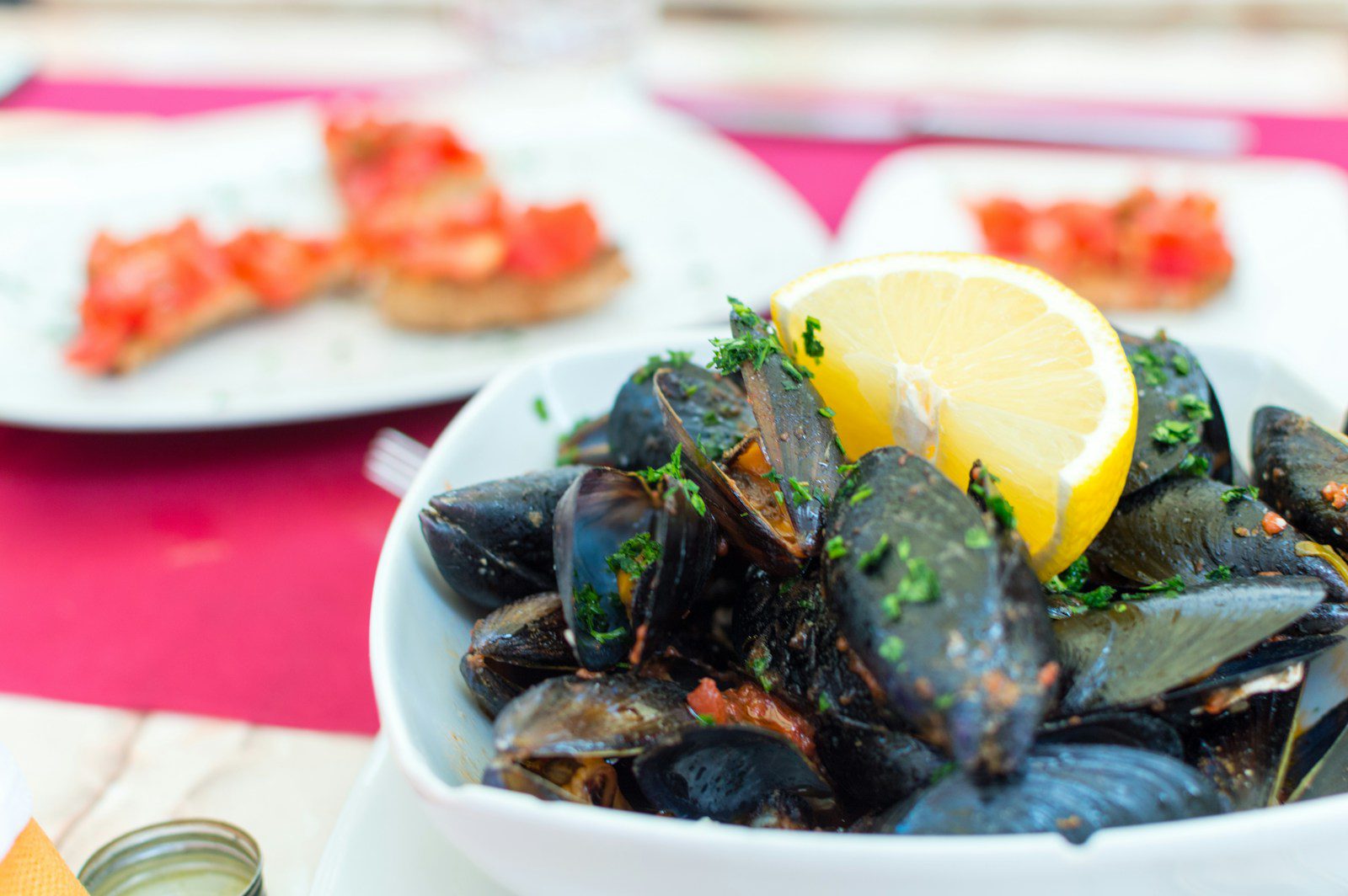
Just like fresh seafood, shellfish used to be an affordable delicacy. However, overfishing, pollution, and a rise in sea temperatures have depleted shellfish populations, causing their prices to soar. A good lobster or crab dinner is now considered a splurge, a far cry from the days when these were readily available at a reasonable price.
8. Artisanal Breads

There’s nothing quite like the taste of freshly baked artisanal bread. Unfortunately, the cost of these loaves has risen considerably. The rise in popularity of artisanal foods, combined with the higher cost and time needed for production, has made these breads a luxury item.
9. Whole Coffee Beans
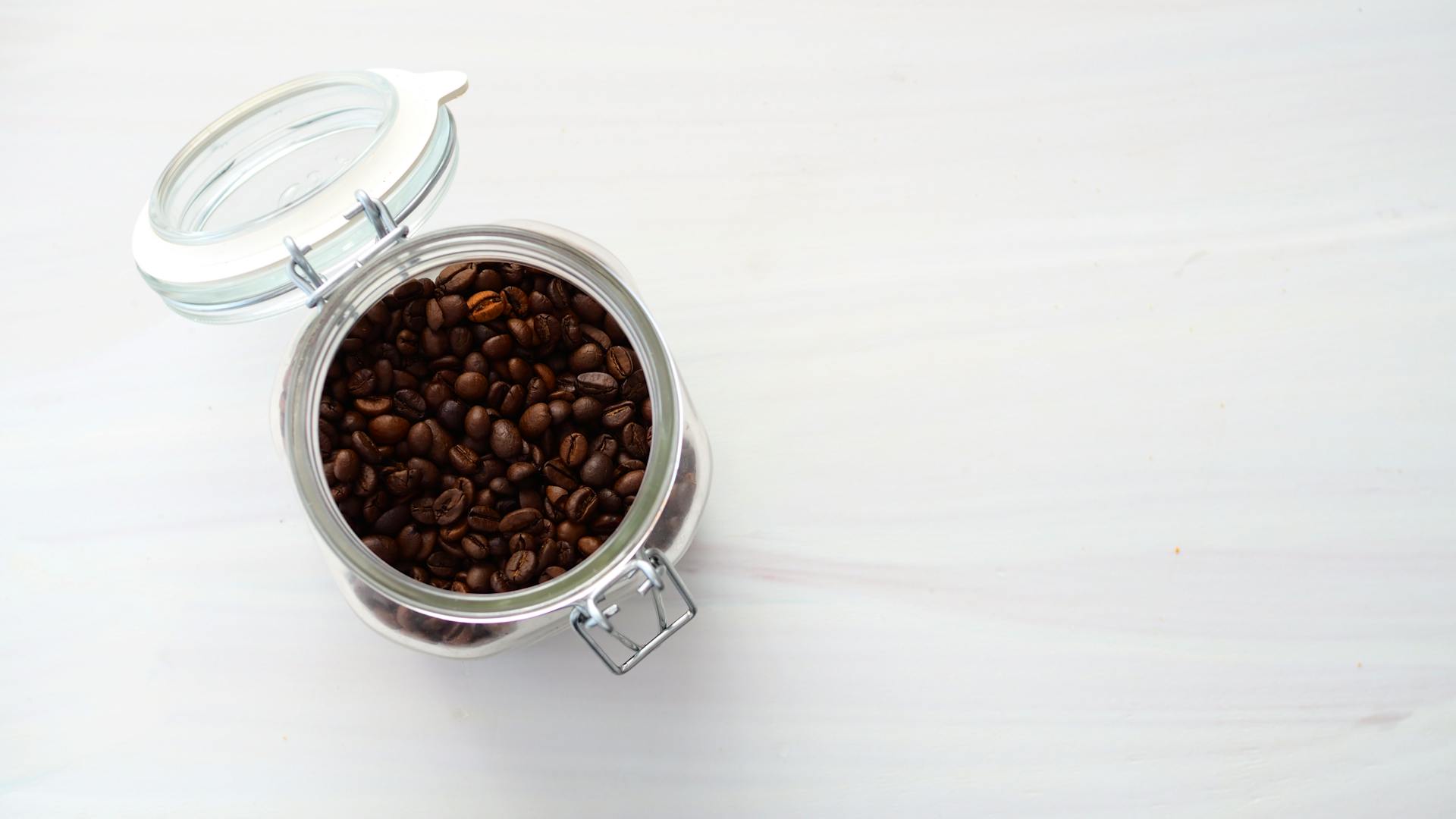
Coffee is a morning staple for many, but the price of whole coffee beans has increased significantly. Factors such as climate change affecting coffee plantations and increased demand for specialty coffees have driven up the costs. It’s a long way off from the time when brewing a fresh pot of coffee at home was a cost-effective alternative to buying a cup from a café.
10. Quinoa

Quinoa, once a cheap and nutritious grain, has become an expensive superfood in recent years. The rise in popularity of quinoa, particularly in Western countries, has led to increased demand and higher prices. This Corrie Cooks article sheds light on how quinoa went from being a staple food in South America to a high-priced health food.
11. Free Range Eggs
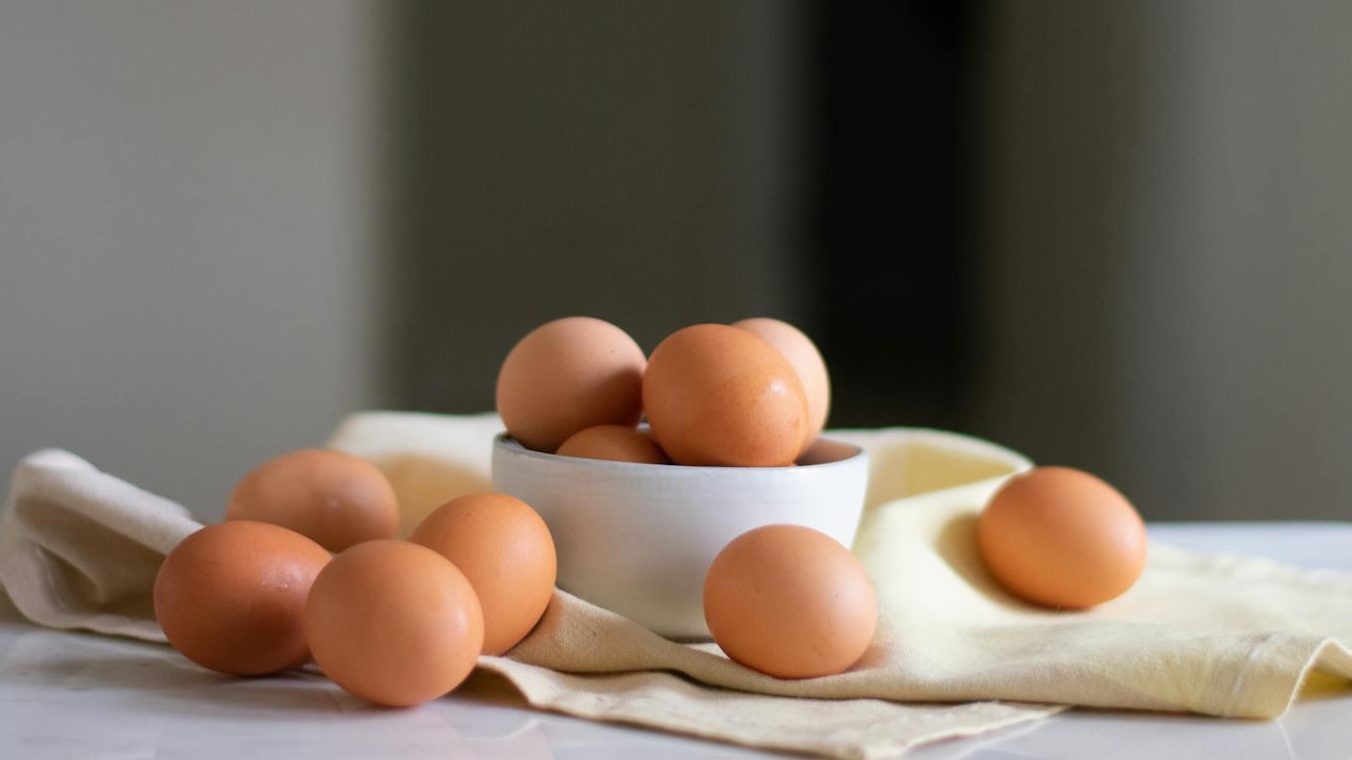
Free range eggs are another product that has seen a significant price increase. Consumers are willing to pay more for eggs from chickens that have been raised in humane conditions. However, the cost of maintaining free-range farms is high, leading to pricier eggs.
12. Exotic Fruits
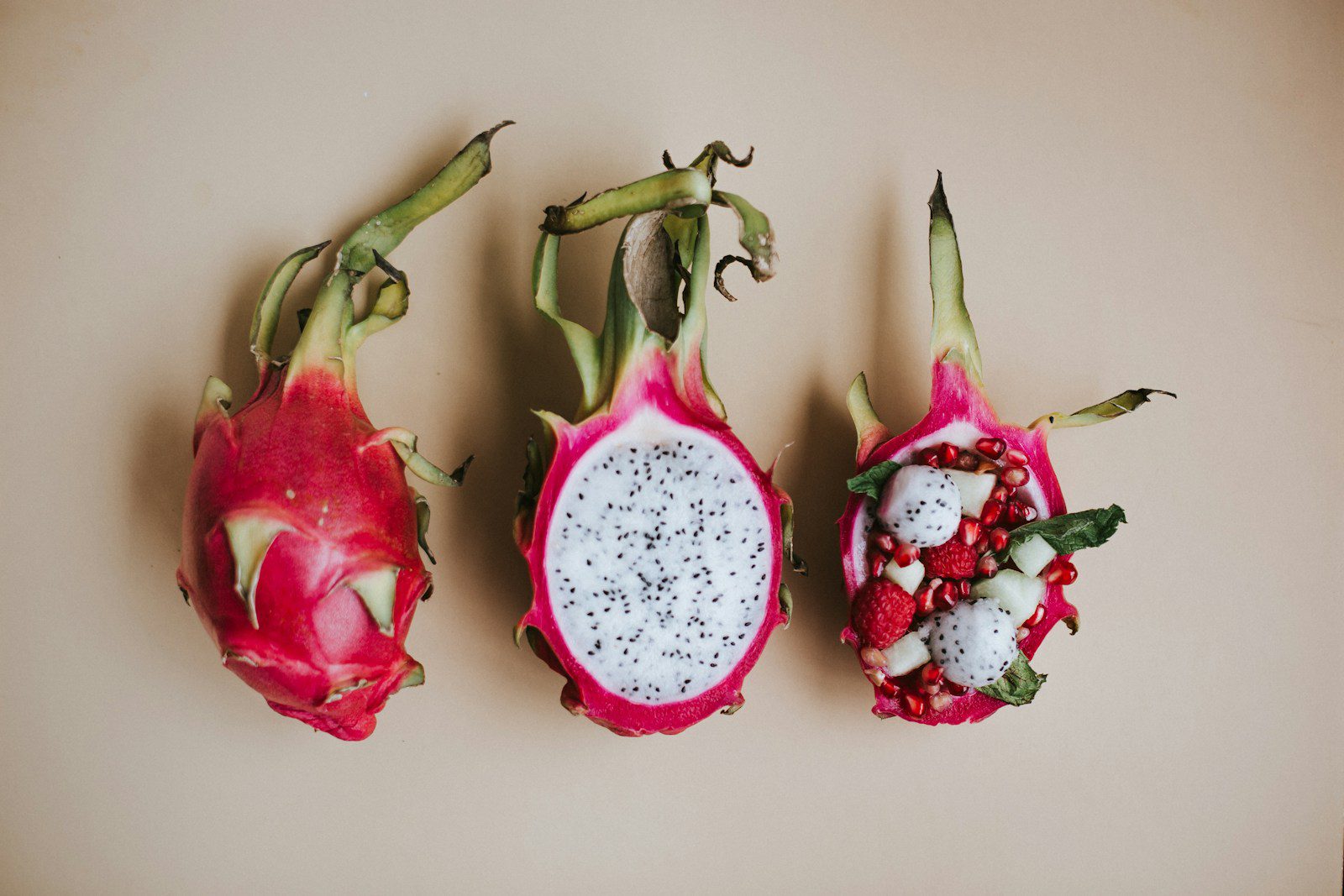
Exotic fruits like dragon fruit, passion fruit, and star fruit used to be affordable treats. However, factors such as import costs, demand, and farming challenges have led to a spike in prices. Today, indulging in these unique fruits feels like a luxury.
13. Gourmet Chocolate

Gourmet chocolate, with its rich flavors and high-quality ingredients, is a treat that many of us love. Unfortunately, the cost of producing these delicious sweets, combined with the growing demand for premium chocolate, has made it more expensive.
14. Almond Butter

Almond butter is a healthy alternative to peanut butter, but it comes with a higher price tag. The cost of almonds has risen due to drought conditions in California, where most of the world’s almonds are produced. Now, adding almond butter to your shopping cart can significantly increase your grocery bill.
Times have indeed changed, and so have our grocery bills. The foods we once enjoyed at a fraction of the cost have now become luxury items. But, as they say, nothing stays the same forever. Here’s hoping that the tide turns and our favorite food items become affordable again!
Before you go — if this inspired you, check out these readers-loved favorites: