Many homes today look quite different from those of previous generations. As technology and lifestyle change, certain items once considered household staples have quietly disappeared from modern living spaces.
This article highlights 14 common things that grandparents’ houses often have, but you might no longer find in yours. Understanding these can give you a sense of how everyday life has evolved over time.
Manual Can Opener

You might remember the simple manual can opener sitting in your grandparents’ kitchen drawer. It’s a sturdy tool with a sharp blade and a turning handle that opens cans by cutting along the lid’s edge.
Today, many people use electric can openers, but a manual one is quiet, doesn’t need power, and gives you full control. It’s handy for camping or emergencies when electricity isn’t available.
A good manual can opener also leaves smooth edges, reducing the chance of cuts. It’s a small tool, but it’s kept many kitchens running smoothly for decades.
Rotary Dial Telephone

You might remember the distinctive click and spin of a rotary dial telephone. These phones required you to turn the dial for each number, which feels slow compared to today’s touchscreens.
Rotary phones were built to last, often made of sturdy materials like solid brass or heavy plastic. If you want one now, you’ll likely find vintage models rather than new reproductions.
Using a rotary phone today can feel nostalgic, reminding you of a time when calls took more effort but also had a different charm.
Handwritten Address Book

You might remember the comfort of flipping through a handwritten address book. It keeps all your important contacts in one easy-to-find place without relying on devices.
Many modern homes have replaced these with phones or apps. But a physical book you can hold and write in feels personal and simple.
Your grandparent’s address book often includes notes and memories alongside numbers, making it more than just a list. It’s a small family treasure that digital lists can’t quite match.
Analog Alarm Clock

You might remember the classic analog alarm clock with its loud twin bells waking you up. These clocks were reliable and simple, without the distractions of screens or apps.
Today, many homes use smartphones or digital clocks, but an analog alarm clock still offers a straightforward way to wake up. Its easy-to-read face and loud ringing can help you start your day without fumbling through settings.
Typewriter

If you grew up in a grandparent’s home, you might remember the sound of a typewriter clicking away. Today, you likely don’t have one on your desk, as computers and smartphones have replaced them.
Using a typewriter was a hands-on way to write letters or notes. It required patience and care since mistakes couldn’t be erased easily. Although rare in modern homes, typewriters still hold nostalgic value for many.
Wall-Mounted Chalkboard
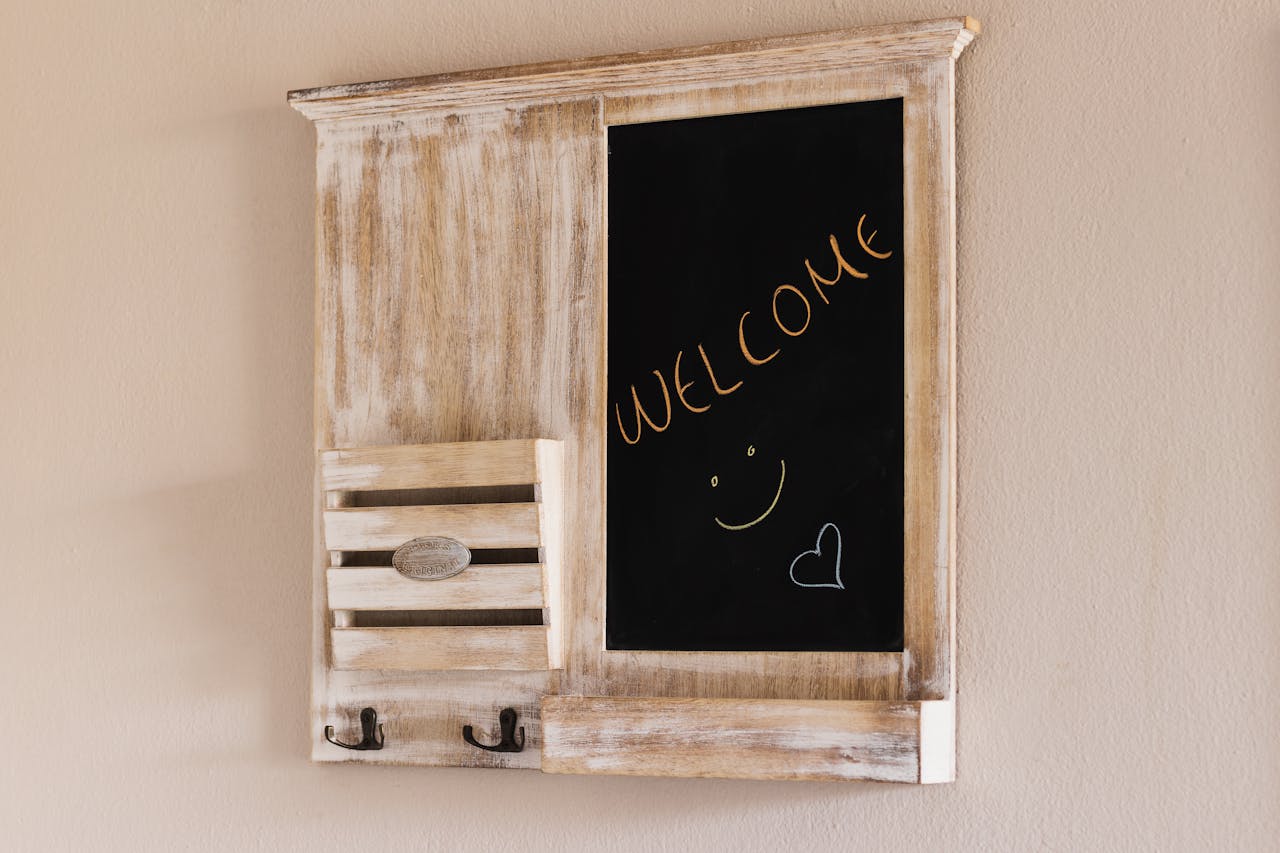
You might remember a wall-mounted chalkboard hanging in the kitchen or hallway. It was a handy spot to leave notes, reminders, or grocery lists for the family.
Today, many homes have removed these chalkboards, favoring digital devices or whiteboards instead. While the chalkboard was simple and practical, your smartphone or tablet can now keep all your notes organized in one place.
Needlepoint Sampler
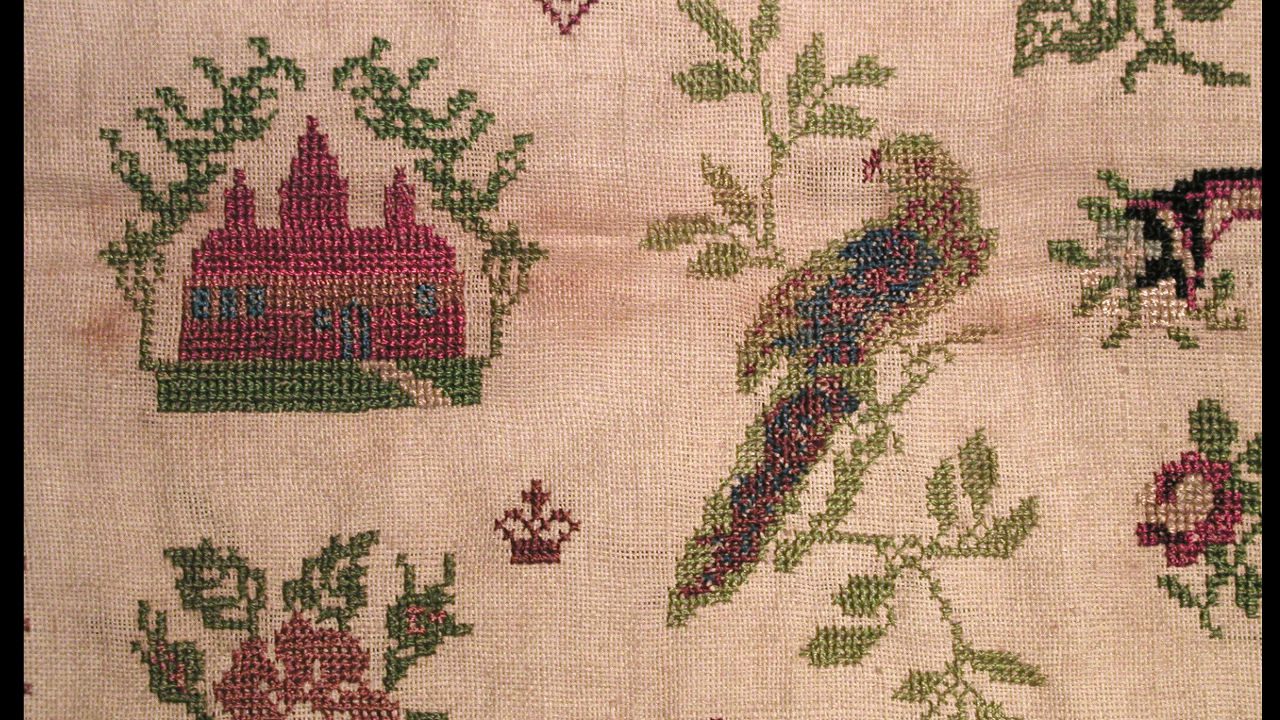
You might remember needlepoint samplers hanging on walls or resting on mantels. These handmade pieces often featured sentimental sayings or simple designs that showcased patience and skill.
In many modern homes, needlepoint samplers have been replaced by digital frames or printed art. If you have one, it can still add a personal, vintage touch that connects you to family history.
Old-Fashioned Ice Cube Trays
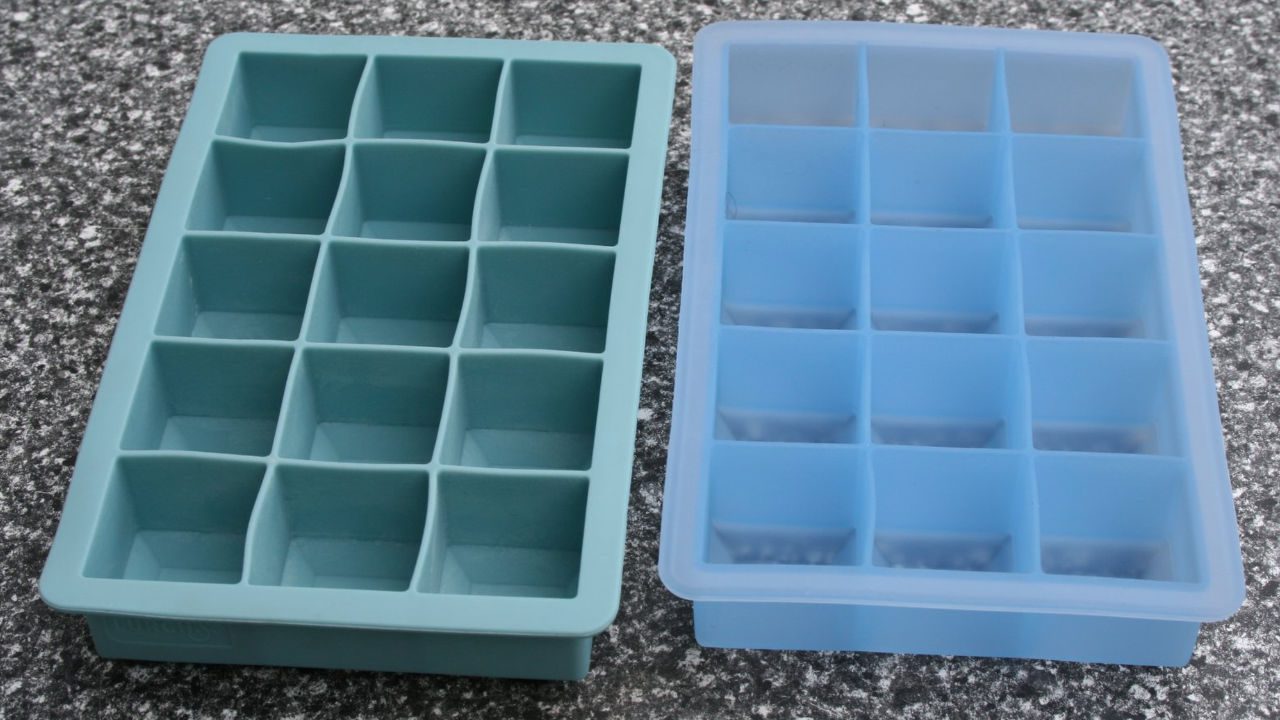
You might remember those metal ice cube trays with a lever or handle to release the cubes. They needed a little skill to twist just right without spilling water.
Unlike modern flexible trays, these trays often required running cold water over them after cracking the ice. They made clear cubes if you used hot water first.
Today, most homes use silicone or plastic trays with easy-release designs. But those old trays still hold a special place in many kitchens.
Cedar Hope Chest
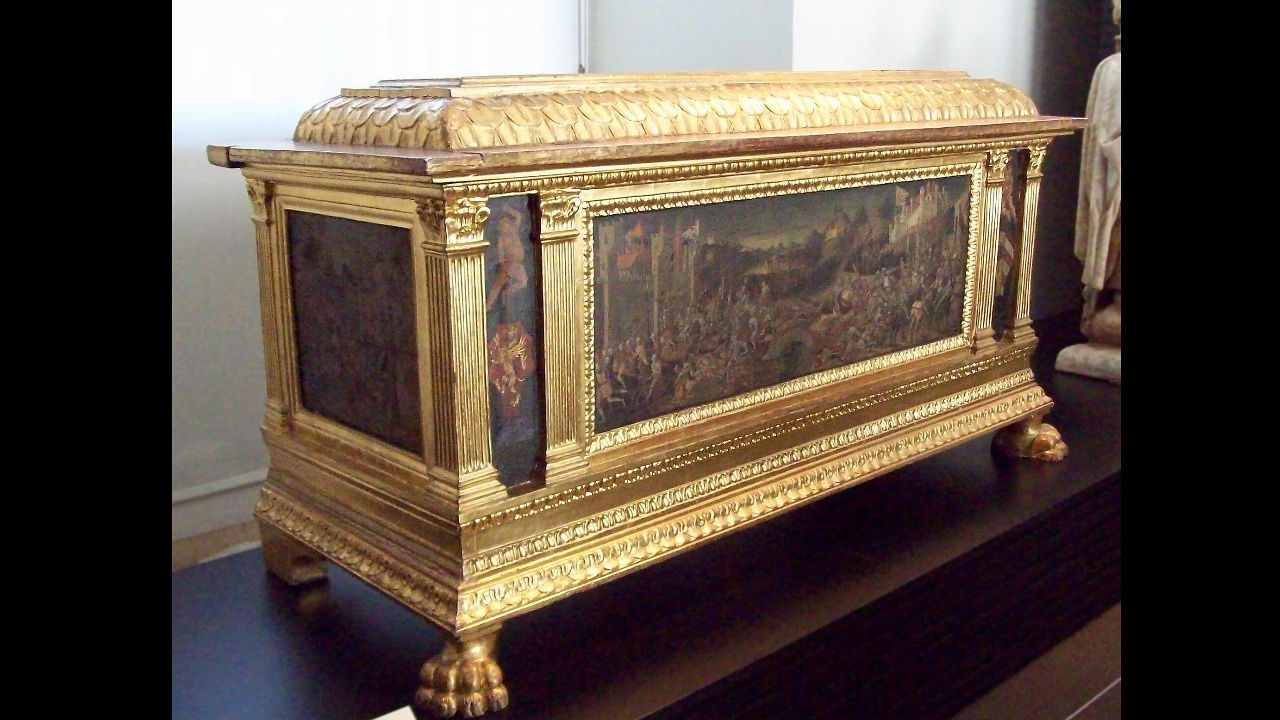
You may remember your grandparent’s cedar hope chest filled with linens or keepsakes. These chests were often a wedding gift, meant to hold treasured items for a new home.
Today, they’ve mostly disappeared from modern houses. You might find them more as vintage or handmade furniture pieces than practical storage.
If you own one, it can still be a charming and functional piece, but many people now use closets or dressers for the same purpose.
Metal Lunchbox

You likely remember metal lunchboxes being a staple of childhood. They were sturdy and often decorated with popular characters or logos.
By the mid-1980s, metal lunchboxes started disappearing. Cheaper plastic versions took their place, making metal ones rare in modern homes.
If you find an old metal lunchbox, it carries a bit of nostalgia. Today, most people use insulated or plastic containers for convenience and safety.
Safety Razor with Replaceable Blades

You might remember your grandparent’s safety razor, a simple tool with replaceable blades. These razors provided a close shave and lasted for years.
Today, most people use disposable or electric razors, but safety razors are still popular for their eco-friendly, reusable design.
Replacing blades is easy and cost-effective, often just a few cents each. Using one can add a bit of tradition and care to your daily routine.
Vintage Recipe Box
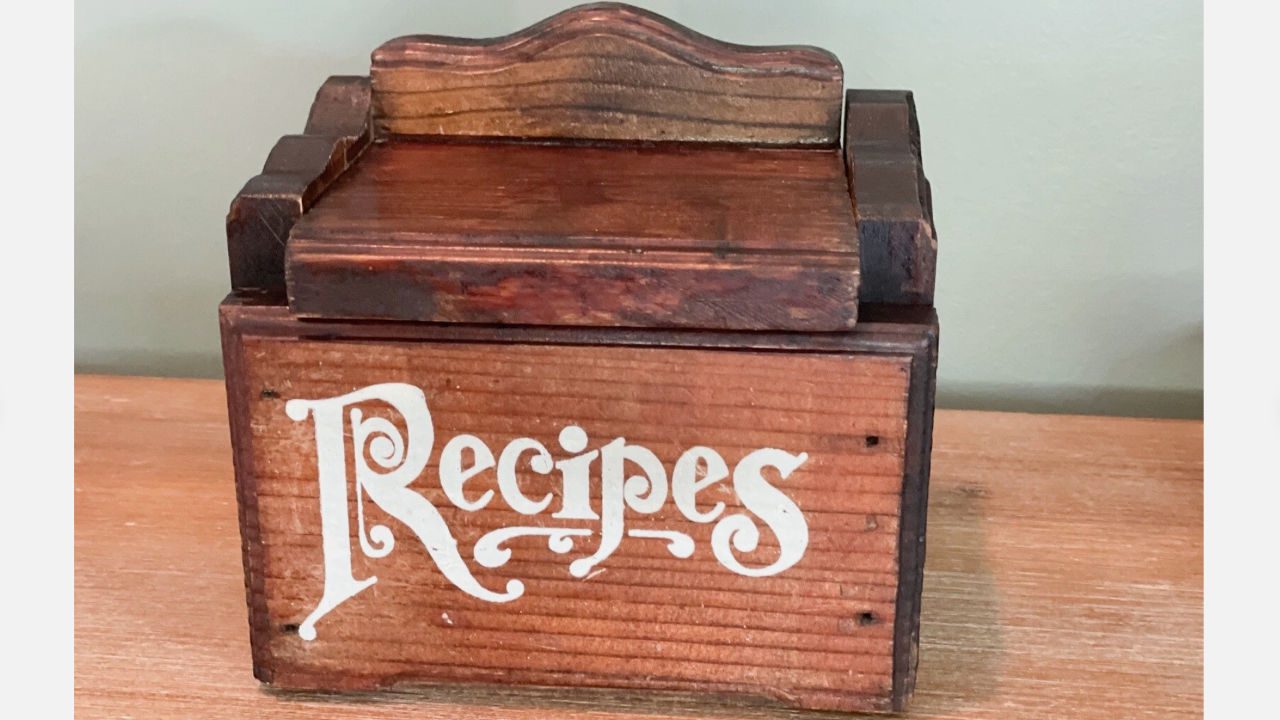
You might remember the vintage recipe box your grandparents kept. It held handwritten cards with family recipes passed down through generations.
These boxes were often small and sturdy, designed to protect fragile paper notes. Today, many people use digital apps or printed cookbooks instead.
Having a physical recipe box brought a comforting, personal touch to the kitchen. It was more than storage—it was a connection to family history and traditions.
Photo Slide Carousel
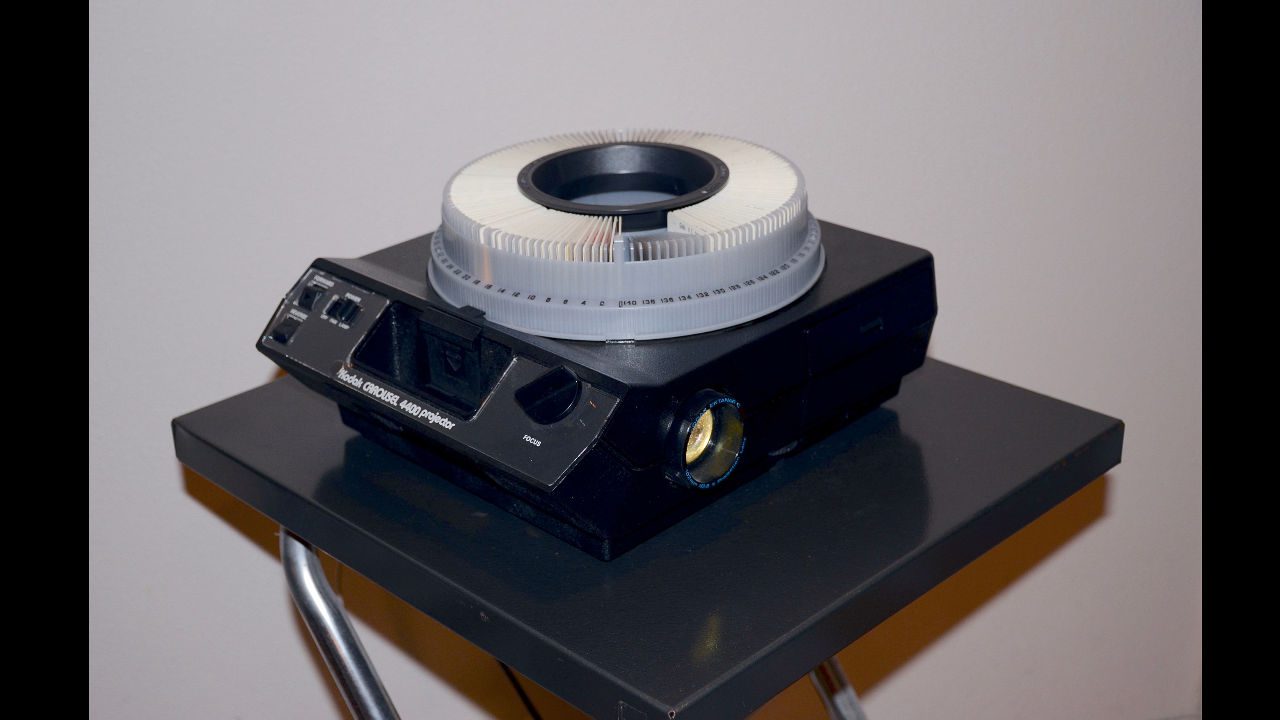
You might remember the classic photo slide carousel that held dozens of 35mm slides. It was a simple way to showcase family memories one image at a time.
These carousels often sat on coffee tables or shelves, inviting you to gather around and flip through old photos. Today, digital photo frames and smartphones have mostly replaced them, making physical slides rare in modern homes.
Hand-Cranked Music Box
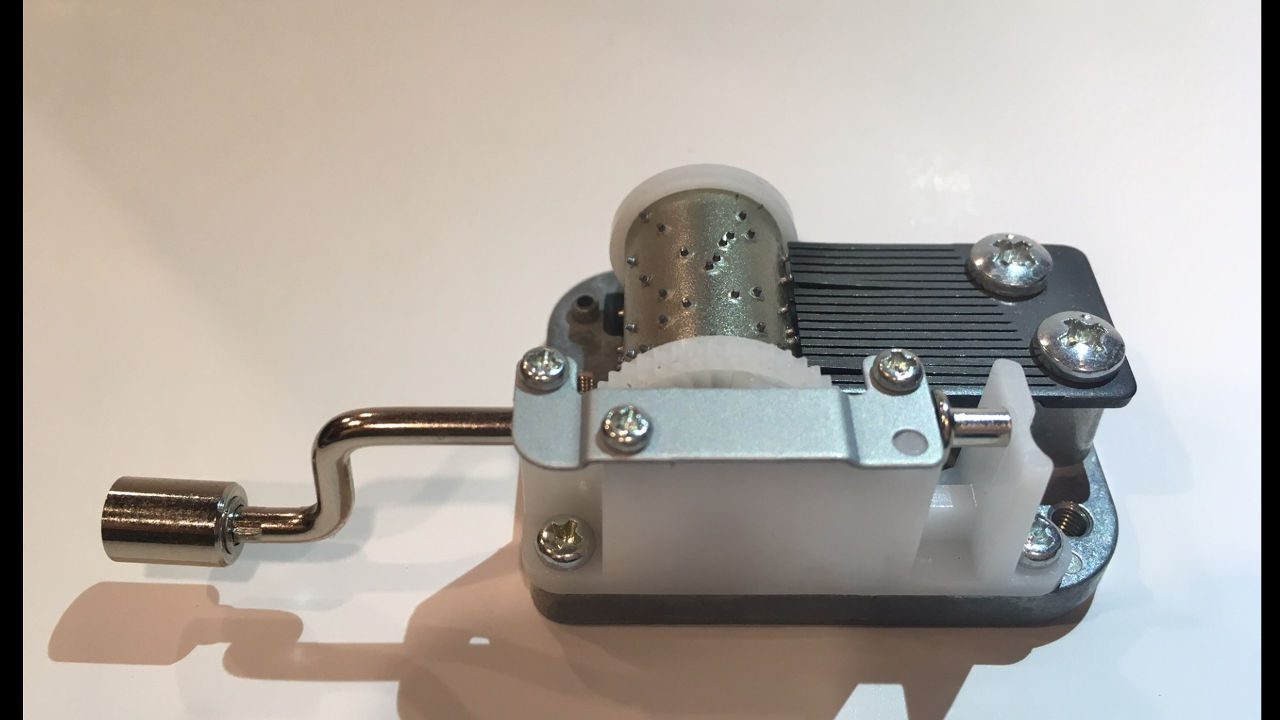
You might remember the gentle tune of a hand-cranked music box from your grandparents’ home. These small wooden boxes create music through a metal comb and cylinder mechanism, no batteries needed.
Today, most music boxes use electronics. But the hand-cranked versions offer a nostalgic charm and a tactile experience you won’t find in digital devices. They make thoughtful gifts and bring a piece of the past into your modern space.