
Managing home expenses can feel overwhelming, but you might be missing out on tax deductions that could lower your bill. Many homeowners don’t realize that certain ordinary costs related to your home can actually be written off when you file your taxes.
Knowing which home expenses qualify as secret tax writeoffs can help you save money without extra hassle. Understanding these deductions makes it easier to take advantage of the tax code and keep more of your hard-earned cash.
*We’re not an accountant, so please refer to your accountant to verify any information.
Mortgage interest deduction

You can deduct the interest you pay on your home mortgage, up to certain limits. For most people, this applies to debt up to $750,000 or $375,000 if married filing separately.
This deduction also covers loans used to buy, build, or substantially improve your home. Make sure to keep track of your mortgage statements to claim the correct amount on your tax return.
Property tax deduction

You can deduct the property taxes you pay on your home when filing your taxes. This includes real estate taxes and, in some cases, personal property taxes depending on your state.
Keep in mind, the IRS caps the total deduction for state and local taxes, including property tax, at $10,000 per return. If you’re married filing separately, the limit is $5,000.
Be sure to keep good records of your property tax payments throughout the year. This makes it easier to claim the deduction when tax season arrives.
Home office expenses
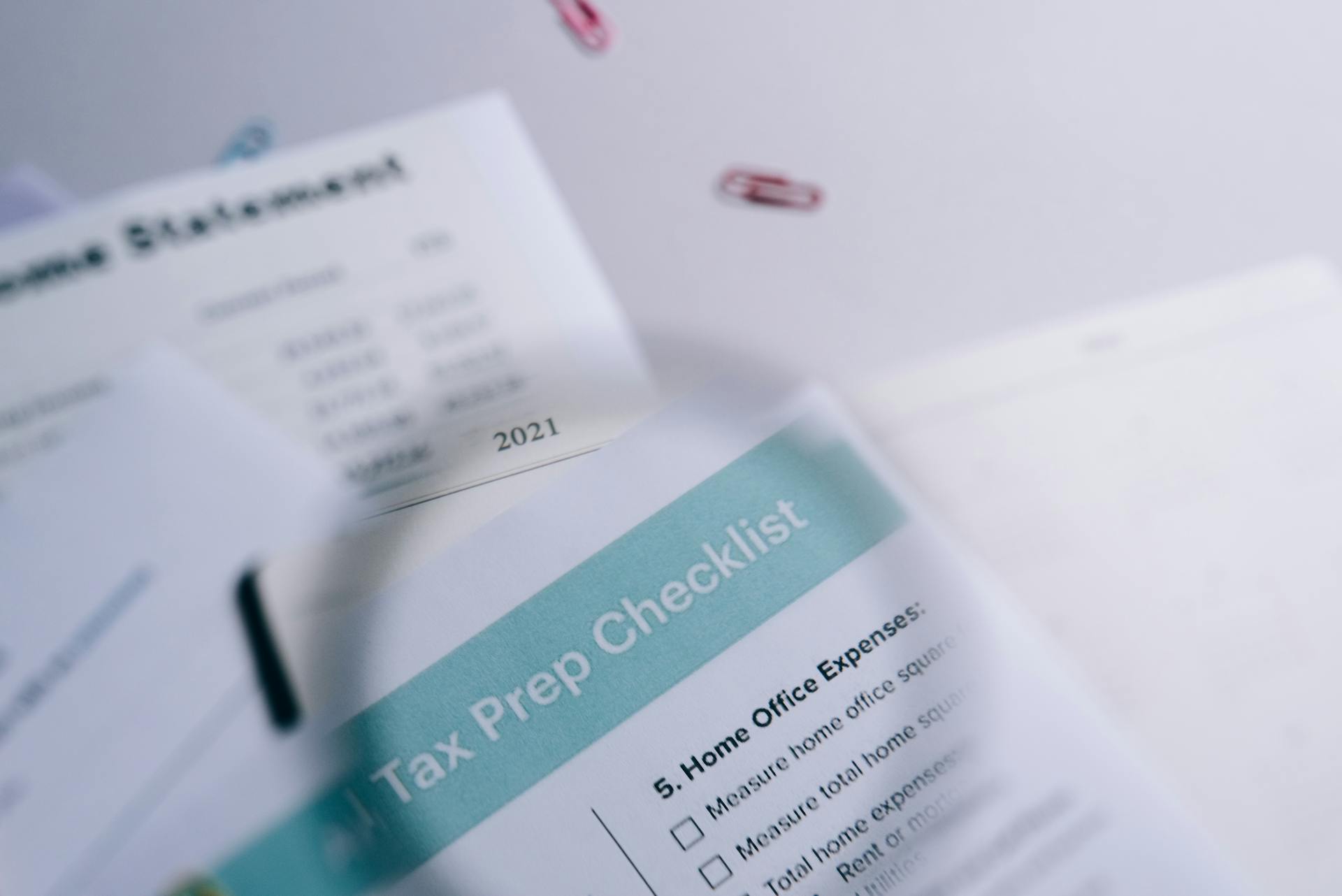
If you use part of your home regularly and exclusively for work, you can deduct expenses related to that space. This might include a portion of your rent, utilities, and maintenance costs.
You can choose between a simplified or regular method to calculate your deduction. Keep good records of your expenses to support your claim. This write-off helps lower your taxable income if you qualify.
Private mortgage insurance premiums

You might wonder if you can deduct private mortgage insurance (PMI) premiums on your taxes. As of now, PMI is not tax-deductible.
This deduction was available only through 2021 for certain homeowners but has not been extended for recent years. So, if you pay PMI, plan your taxes without counting this as a writeoff.
Energy-efficient home improvements

You can get tax credits for making energy-efficient upgrades to your home. These include things like new windows, doors, or renewable energy systems such as solar panels.
The credit can be up to $3,200 if you make qualifying improvements after January 1, 2023. This helps reduce the cost of making your home more energy-friendly.
Keep receipts and documentation to claim these credits when you file your taxes. It’s a simple way to save while improving your home’s efficiency.
Homeowners insurance premiums (if business use)

You generally can’t deduct homeowners insurance premiums for personal use. However, if you use part of your home for business, you may be able to deduct the portion of your insurance related to that space.
To qualify, the area must be used regularly and exclusively for business. Only the business percentage of your premiums is deductible, based on the size of the workspace compared to your entire home.
Moving expenses for active duty military

If you’re active duty military and relocating due to a permanent change of station, you can often deduct unreimbursed moving expenses. This includes costs like transporting your household goods, storage fees, and travel expenses such as lodging.
Keep in mind these deductions apply only when the expenses aren’t reimbursed by the military. Some states may also allow additional deductions on your state tax return.
Make sure to keep detailed records and receipts to claim these expenses correctly.
Out-of-pocket repairs for home office

If you pay for repairs directly related to your home office, you can deduct those costs. This includes fixing broken windows, repairing electrical outlets, or fixing office furniture.
Make sure the repairs only affect the space used for business. Keep all receipts to support your deduction when you file taxes.
Utility bills for home office area

You can deduct a portion of your utility bills if you use part of your home exclusively for work. This includes electricity, heating, water, and even internet expenses.
The key is to calculate the percentage of your home space used for your office. Apply that percentage to your total utility costs to find the deductible amount.
Keep clear records and bills to support your deduction when filing taxes.
Real estate tax deduction

You can deduct the property taxes you pay on your home, which includes real estate taxes. This deduction helps lower your taxable income, making your tax bill a bit lighter.
Keep in mind, there is a limit. You can only deduct up to $10,000 in state and local taxes combined, or $5,000 if you’re married filing separately.
If you own a second home, the same rules apply to its property taxes. Make sure you keep good records of what you pay each year.
Home security system expenses (business use)

If you use part of your home exclusively for business, your home security system costs might be deductible. This usually applies if the system protects your dedicated home office or workspace.
You can include expenses like installation, monitoring fees, and equipment related to that business area. Personal-use security system costs, however, aren’t deductible.
Interest on home equity loans (if used for home improvement)

You can deduct the interest on a home equity loan or line of credit if the money is used to buy, build, or substantially improve your home. This means repairs or upgrades that add value still count.
Keep in mind, the IRS requires the loan to be directly tied to your home improvements. If you use the funds for other purposes, the interest won’t be deductible.
Tracking how you use the loan money is important. It helps ensure you get the tax benefits you qualify for when you file.
Deductible refinancing points

When you refinance your mortgage, the points you pay can often be deducted on your taxes. These points represent prepaid interest and are usually spread out over the life of the loan.
If the refinance is for a rental property, you might be able to deduct all points and related fees from your rental income in the year you pay them.
Keep good records of these costs, so you can claim the deduction accurately. This can help reduce your taxable income over time.
Depreciation on home office space

You can claim depreciation on the part of your home used exclusively for business. This means writing off a portion of your home’s value over time as a business expense.
To do this, calculate the percentage of your home’s square footage used for work. This percentage applies to items like the building’s cost and improvements.
Keep good records because depreciation affects your home’s basis, which matters if you sell later.