Your home is filled with everyday items that serve important roles but can wear out or harbor bacteria over time. Keeping track of when to replace these items helps maintain a cleaner, safer living space and can even improve your overall health.
Knowing which common household items need timely replacement can save you from unwanted germs and keep your home running smoothly. This guide will help you identify those key items so you can focus on what really matters—feeling comfortable and secure in your space.
Pillows

You should replace your pillows every one to two years. Over time, pillows collect sweat, oils, dead skin cells, and dust mites.
Using an old pillow can lead to allergies or skin irritation. The material type affects how long your pillow lasts, but keeping track of age is important for your health.
Switching out your pillows regularly helps you sleep more comfortably and keeps your bedroom cleaner.
HVAC air filters

You should replace your HVAC air filters regularly to keep your system running smoothly. Most filters need changing every 1 to 3 months, but this depends on the filter type and your home’s air quality.
If you have pets or live in a dusty area, more frequent replacement might be necessary. Some thicker or specialty filters can last up to a year, but checking them often helps prevent clogs and keeps air cleaner.
Mopheads

You should replace your mophead regularly to keep your floors clean and avoid spreading dirt. Over time, mopheads wear down and lose their effectiveness.
If you use one mop inside your home and another for outside chores, swap out both when they look worn or start to smell. Regularly changing mopheads also helps prevent bacteria buildup. Aim to replace them every few months, depending on use.
Kitchen sponges

You should replace your kitchen sponge about once a week. Sponges can harbor billions of microbes that may spread germs to your dishes and hands.
If you need extra time, disinfect sponges by microwaving them for 30 seconds or running them through the dishwasher. Still, swapping them out regularly is the safest choice to keep your kitchen clean and healthy.
Bed sheets

You should consider replacing your bed sheets every two to three years. Over time, they lose softness and can affect how well you sleep. Regular washing helps, but even clean sheets wear down and can develop bacteria.
If your sheets show signs of wear or tears, it’s a good idea to swap them out. You can repurpose old sheets for cleaning rags or shelf liners to avoid waste.
Toothbrushes

You should replace your toothbrush every three to four months. Over time, the bristles wear out and don’t clean as effectively.
If you notice the bristles fraying sooner, it’s a good idea to switch brushes earlier. Using an old toothbrush can harbor bacteria and reduce oral hygiene.
For electric toothbrushes, replace the heads on the same schedule to keep your cleaning consistent and effective.
Smoke detector batteries

You should change the batteries in your smoke detectors once a year. A good reminder is to replace them when you set your clocks for daylight saving time.
Some smoke detectors have sealed batteries designed to last 10 years. When these finally run out, you’ll need to replace the entire unit.
If your detector starts chirping, that’s a sign the battery is low and needs replacing right away. Keeping your smoke detectors powered helps keep your home safe.
Water filters

You should replace your water filters regularly to keep your water clean and safe. Pitcher filters typically need changing every 40 gallons or every two months, whichever comes first.
Whole-house filters last longer but still usually require replacement every six months. Waiting too long can cause bacteria to build up, making your water less clean. Keep track of when you last changed your filter.
Face towels

You should replace face towels regularly to keep your skin healthy and avoid bacteria buildup. Soft, clean towels are gentler on your delicate facial skin and help prevent irritation.
Washing face towels frequently is important, but replacement is necessary when they become rough or develop stains. Using fresh towels helps maintain your skincare routine’s effectiveness.
Cutting boards

You should replace your cutting board regularly, especially if it has deep grooves or warps. These imperfections can hide bacteria, making your board less safe to use.
Choosing a durable, non-porous material like tempered glass or certain hardwoods can help prevent contamination. Setting a reminder to change your board about once a year is a simple way to stay on top of kitchen hygiene.
Vacuum cleaner bags

You should replace your vacuum cleaner bag regularly to keep your vacuum performing well. When the bag fills up, suction decreases and dust can escape back into your home.
Most bags last about three months, but this can vary based on how often you vacuum. Using an old or overfilled bag might also strain your vacuum’s motor.
If you find it hard to get replacement bags, third-party options are usually available. Keeping your vacuum bag fresh helps maintain cleaner air and better cleaning results.
Dish scrubbers
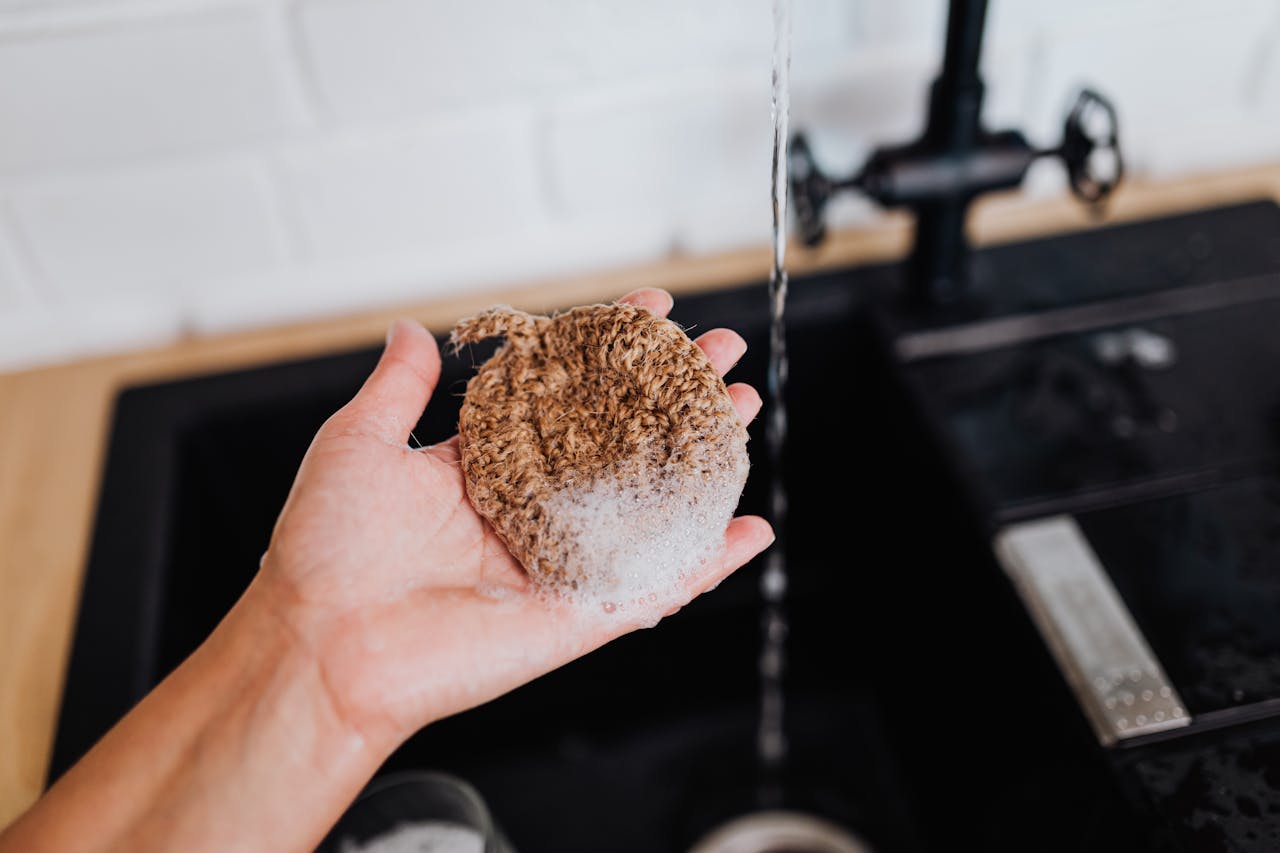
You should replace dish scrubbers regularly to keep your kitchen clean and free from bacteria. Over time, scrubbers wear out and can harbor germs, making them less effective.
If your scrubber looks worn or starts to smell, it’s time to get a new one. Choosing washable or reusable scrubbers can help reduce waste while keeping your dishes sparkling.
Shower curtains

You should replace your shower curtain every six months to a year. Dampness can cause mold and mildew to build up, especially if the curtain isn’t stretched out to dry.
If you notice large stains or mold spots, it’s time to change it immediately. Keeping it clean and dry between uses helps extend its life.
Makeup brushes

You should clean your makeup brushes regularly to keep them in good condition and protect your skin. Brushes used with wet makeup need washing about once a week, while brushes for dry makeup can last longer between cleanings.
Pay attention to how your brushes perform. If they start blending unevenly or feel rough, it might be time to replace them. Old brushes can harbor bacteria that might cause skin irritation or infection.