Your kitchen is one of the busiest places in your home, where food preparation and daily routines come together. While you might focus on visible cleanliness, some items quietly collect germs and bacteria, posing a risk to your health without obvious signs.
Understanding which kitchen items harbor hidden germs helps you take simple steps to keep your space safer and cleaner. Paying attention to these often overlooked spots can make a big difference in preventing contamination and keeping your kitchen fresh.
Kitchen Sponge

Your kitchen sponge is one of the germiest items in your home. It creates a warm, damp environment where hundreds of types of bacteria can thrive.
These bacteria include common germs like E. coli and even some that can cause infections in people with weaker immune systems.
To keep your sponge cleaner, microwave it for one minute daily or replace it every week. This simple step helps reduce the buildup of harmful microbes.
Cutting Boards

Your cutting board can hide germs in tiny scratches and cracks. These crevices trap food particles and moisture, creating a perfect spot for bacteria like E. coli to grow.
If you don’t clean your board well after cutting raw meat or fish, harmful bacteria can spread to other foods.
Try to replace worn-out boards and store them in a dry place to keep germs at bay. Regular cleaning helps protect your kitchen and your health.
Dishcloths and Towels

Your dishcloths and towels are used every day to wipe spills and dry dishes. Because they stay damp, they create the perfect environment for germs to grow.
Bacteria can multiply quickly on these fabrics, making them much dirtier than you might expect. Regular washing and drying can help keep them cleaner and reduce germs in your kitchen.
Try swapping them out often to avoid spreading germs around your kitchen.
Salt and Pepper Shakers
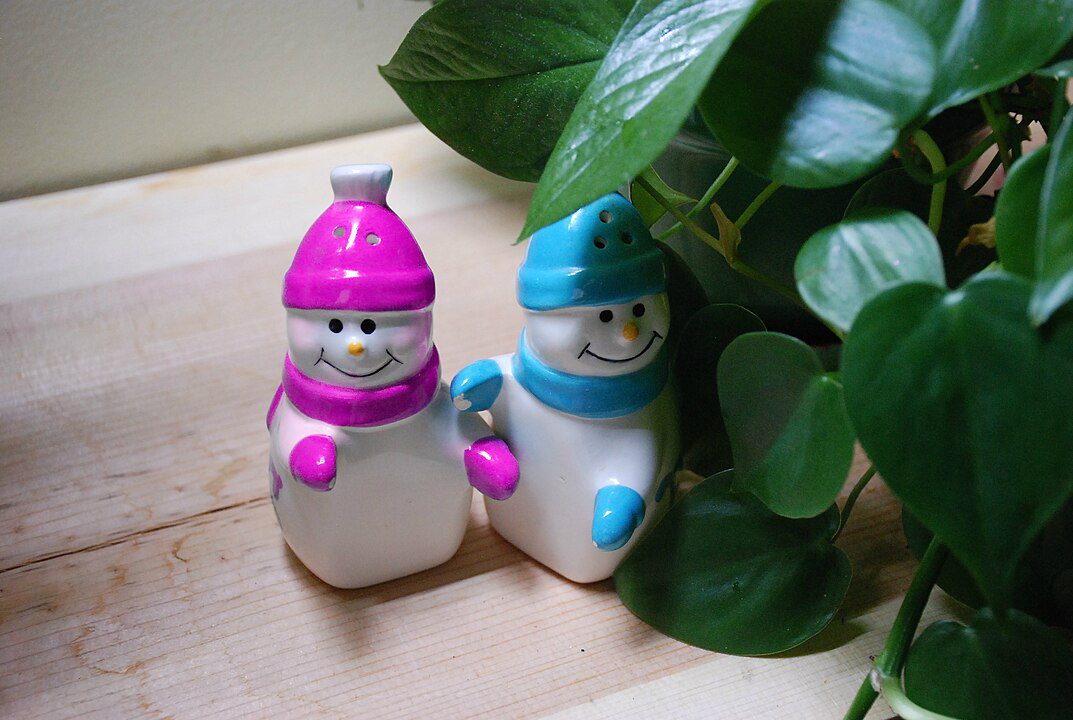
Your salt and pepper shakers are handled often but rarely cleaned. This makes them a quiet spot for germs to build up.
Since you touch them throughout the day, bacteria can transfer easily. Wiping them with a disinfectant regularly helps keep them fresh.
It’s an easy step that can reduce germs in your kitchen without much effort. Try to include it in your daily cleaning routine.
Wooden Cooking Utensils

Wooden utensils can hold bacteria because their porous surface absorbs moisture. This makes it easier for germs to hide if not cleaned well.
You should always wash wooden spoons by hand with hot, soapy water. Avoid dishwashers, as they can damage the wood.
To keep them safe and in good condition, treat your wooden utensils monthly with food-grade mineral oil. This helps prevent cracking and bacteria buildup.
Stovetop Edges and Crevices
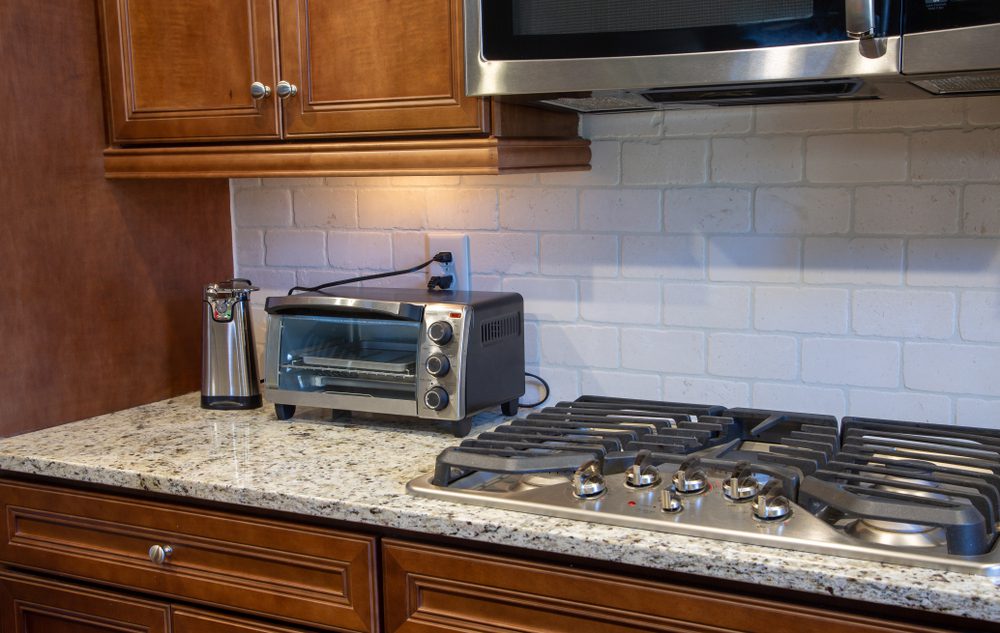
You might overlook the narrow spaces where your stovetop meets the countertop. These edges easily trap crumbs, grease, and spills from cooking.
Using a toothpick or a small brush can help you remove debris from these tight spots. Wiping down the edges regularly prevents grime buildup and keeps your kitchen cleaner.
Sink Drain and Faucet Handles

Your sink drain can trap buildup and germs if not cleaned regularly. Running hot water and using a drain cleaner helps keep it clear and hygienic.
Faucet handles are touched often, sometimes with dirty hands, making them a hotspot for bacteria. Wiping them down daily with disinfectant can reduce germs and keep your kitchen safer.
Toothbrush Holders

Your toothbrush holder can collect more germs than you might expect. Moisture and leftover toothpaste create a cozy space for bacteria and mold to grow.
To keep it clean, wash your holder weekly with hot, soapy water or run it through the dishwasher if it’s safe. This simple step helps protect your toothbrush and keeps your bathroom healthier.
Refrigerator Door Handles
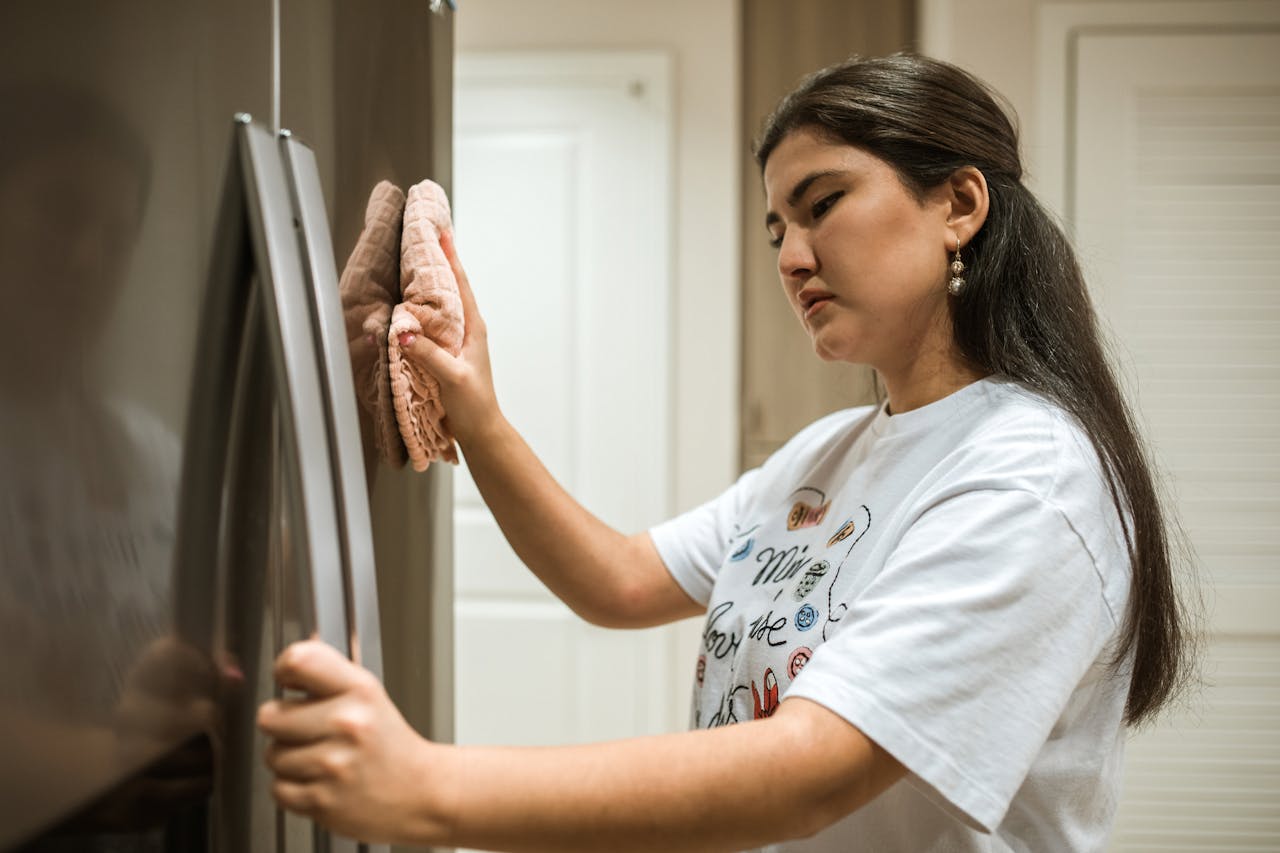
Your refrigerator door handles are touched many times a day, making them a common spot for germs. When you grab a snack or open the fridge, bacteria from your hands transfer onto the handle.
It’s easy to overlook these handles during cleaning, but wiping them regularly helps reduce germ build-up. Using a mild cleaner and a cloth will keep your handles cleaner and safer for your family.
Blender and Food Processor Buttons
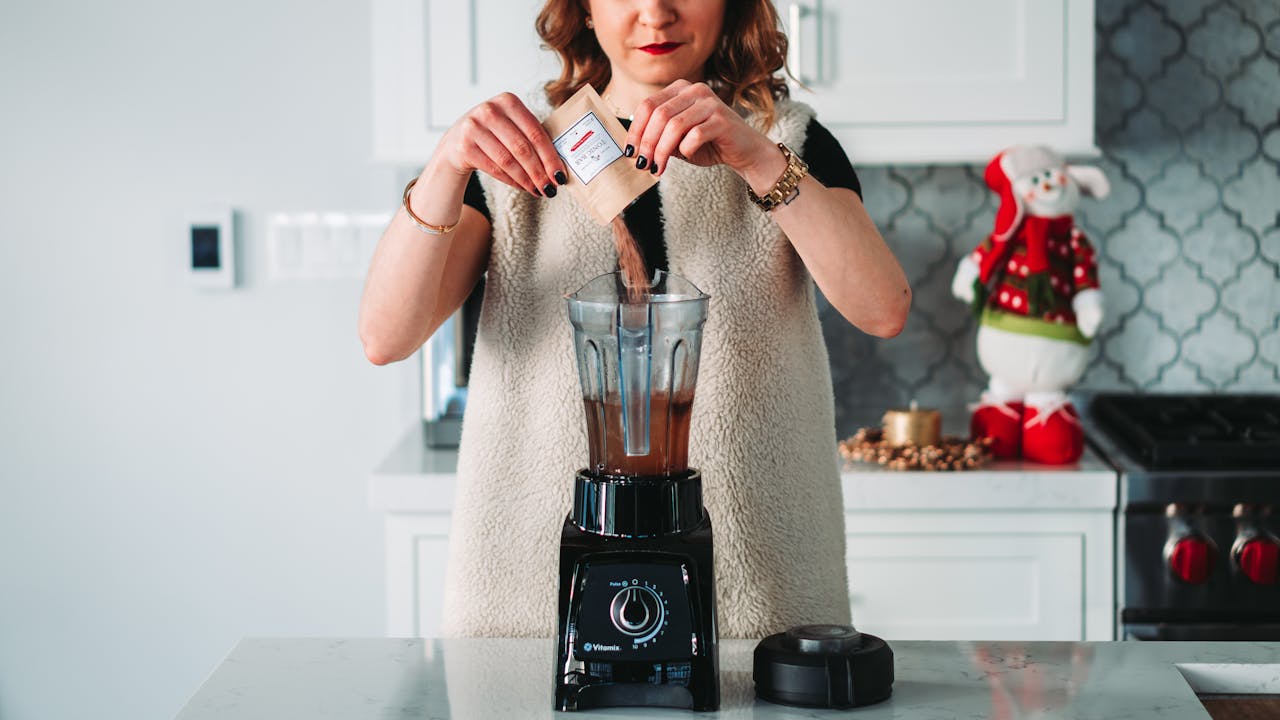
Your blender and food processor buttons can trap food particles and moisture. This makes them a perfect spot for germs to grow.
You might not notice dirt here because the buttons are small and hard to clean. Wiping them regularly with a damp cloth helps reduce bacteria buildup.
If possible, use a soft brush to clean around the edges. Keeping these buttons clean helps your kitchen stay healthier.
Spice Jars
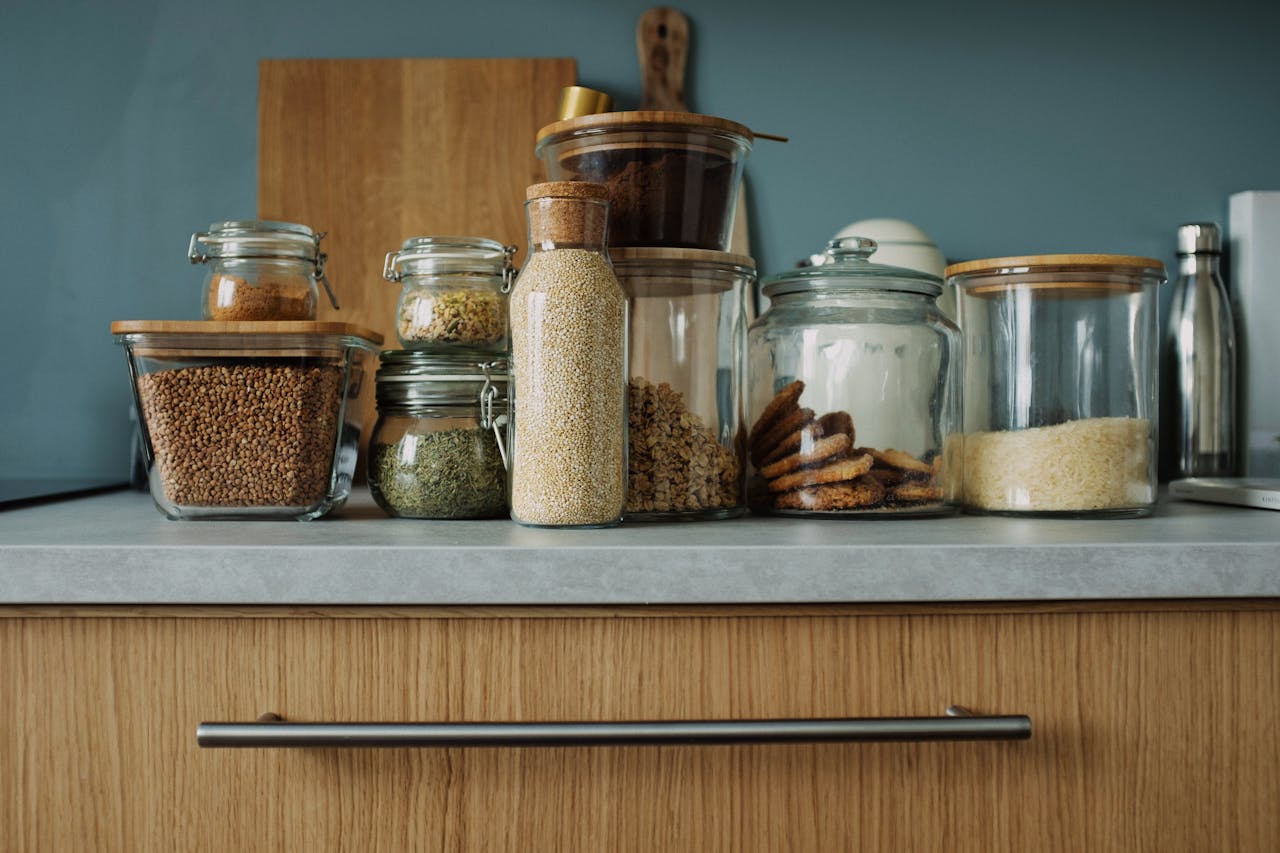
You might not think about your spice jars as a source of germs, but they can collect a surprising amount. When you handle them with hands that have touched raw foods, bacteria like salmonella can transfer easily.
Since spice jars are used often but cleaned rarely, germs can build up. To keep your kitchen safer, wipe down or replace your spice jars regularly. This simple step helps reduce contamination while you cook.
Countertop Surfaces

Your countertop edges often collect dirt and grime that can be easy to miss while cleaning. Pay special attention to crevices and seams where crumbs and moisture build up.
If your countertops have intricate designs or sharp edges, these spots can trap more bacteria. A quick wipe with a microfiber cloth after regular cleaning helps keep them fresh and sanitary.
Microwave Buttons and Handles

Your microwave buttons get touched often and can trap food particles and grease. Those tiny crevices are perfect spots for germs to settle and multiply if not cleaned regularly.
Don’t forget the handle either. It’s one of the first things you grab, so wiping it down helps keep your kitchen more hygienic.
Using a damp cloth with a mild cleaner makes this quick and easy for you. Regular cleaning prevents buildup and keeps your microwave looking fresh.
Dish Soap Bottles

You might not think of your dish soap bottle as a germ hotspot, but leaving it open can attract dust and bacteria. Spills on the bottle can create a sticky surface that’s tough to clean.
Make sure to close your soap bottle tightly after each use. Wipe up any drips right away to keep your kitchen cleaner and safer.