Managing mail can quickly become overwhelming, especially when papers pile up faster than you can handle them. You don’t have to live with the clutter or the stress that comes with it.
This article shows you effective mail systems designed to help you take control and eliminate paper chaos from your daily routine. With the right system, sorting, storing, and managing your mail becomes smoother and less time-consuming.
Designate a specific mail drop zone near your entryway

Choose a spot close to your door where you can easily drop mail as soon as you walk in. This keeps paper from spreading throughout your home.
Use simple storage like a basket, tray, or wall organizer to hold your mail. It helps keep things neat and easy to find.
Having a clear, consistent place for mail makes sorting and managing papers quicker. You’ll avoid clutter and stay more organized every day.
Sort mail immediately into action, short-term, long-term, memory, and reference bins

When mail arrives, sort it right away to keep things organized. Place urgent items in the action bin to handle quickly.
Use the short-term bin for things you need soon but not immediately. The long-term bin is for mail that requires future attention.
Keep important documents in the memory bin to help you remember key information. Finally, store reference materials you might need later in the reference bin.
This simple system helps reduce clutter and keeps your mail manageable.
Use a wall-mounted organizer with labeled slots for quick sorting

You can save time by using a wall-mounted organizer with labeled slots. This lets you quickly sort your mail and papers as soon as they arrive.
Labeled slots make it easy to identify what belongs where, reducing the chance of losing important documents. Plus, mounting it on the wall keeps your desk clear and your space tidy.
These organizers are often made from sturdy materials to last and handle daily use. Adding one to your routine helps keep paper chaos under control with minimal effort.
Implement a daily mail review habit to prevent backlog

Set aside a specific time each day to go through your mail. This small habit stops papers from piling up and keeps your space tidy.
Sort mail into clear categories: urgent, needs response, and to file. Taking quick action helps reduce stress.
Regularly reviewing your mail makes it easier to catch important deadlines. You’ll avoid last-minute scrambles.
This simple routine takes just minutes but saves you hours by preventing chaos before it starts.
Scan important documents using apps like Adobe Scan or CamScanner

You can easily digitize paper documents using apps like Adobe Scan or CamScanner. These tools let you capture receipts, letters, and IDs quickly with your phone’s camera.
Adobe Scan is free and user-friendly, offering basic cleanup features. CamScanner provides more editing options and typically produces sharper scans. Using these apps helps you organize and access your documents anytime without physical clutter.
Set up digital bill pay to reduce paper statements

You can start by setting up online accounts with your bill providers. This lets you receive paperless statements directly to your email or app.
Digital bill pay makes managing payments easier since you can view, track, and pay bills all in one place. Many services also offer reminders to help you avoid late fees.
Going paperless means fewer piles of mail and less clutter, making it simpler to stay organized every month.
Use a Document Management System (DMS) like DocuWare to store digital copies

You can use a Document Management System like DocuWare to organize all your digital files efficiently. It lets you store, search, and share documents from anywhere, so you never lose track of important information.
DocuWare also helps automate tasks, reducing the time you spend managing paperwork. This makes your workflow smoother and keeps your digital workspace clutter-free.
Cancel unnecessary paper subscriptions such as newspapers or catalogs

You can reduce paper clutter by canceling subscriptions you no longer need. Start by contacting customer service or using online unsubscribe links often found in the catalog or newspaper.
If you want broader help, services like Catalog Choice allow you to opt out of multiple mailing lists at once. This makes stopping junk mail easier and keeps your mailbox cleaner.
Use color-coded folders or trays for different mail types

You can sort your mail quickly by using color-coded folders or trays. Assign a different color to bills, personal letters, and subscriptions. This visual system helps you see what needs attention at a glance.
Using colors makes it easier to prioritize and organize your mail without digging through piles. It keeps your space tidy and reduces the chance of important mail getting lost.
Create a binder for tax and financial documents

Using a binder helps you keep all your important tax and financial papers in one easy-to-access place. You can organize sections with tabs for receipts, statements, and records.
This method makes it simple to find what you need during tax season or when managing your finances.
Try to update your binder regularly to avoid piles of loose papers. It keeps clutter down and saves time when you need documents fast.
Repurpose a vintage filing cabinet for stylish mail storage

You can turn a vintage filing cabinet into a chic spot for sorting and storing your mail. Clean and paint it to match your decor, giving it a fresh new look.
Use the drawers to separate bills, letters, and packages, keeping everything organized and easy to find.
Adding new hardware or decorative paper can make it feel customized and fun. It’s a practical way to reduce paper clutter with style.
Use magnetic mail holders on the fridge for immediate attention items

You can keep important mail visible by using magnetic mail holders on your fridge. These holders let you easily stick bills, invitations, or reminders where you’ll see them daily.
They help prevent paper clutter by giving each piece a designated spot. Plus, many magnetic holders have multiple pockets to organize different types of mail.
You’ll spend less time hunting for papers and more time handling what truly needs your attention right away.
Keep a small shredder handy for quick disposal of junk mail
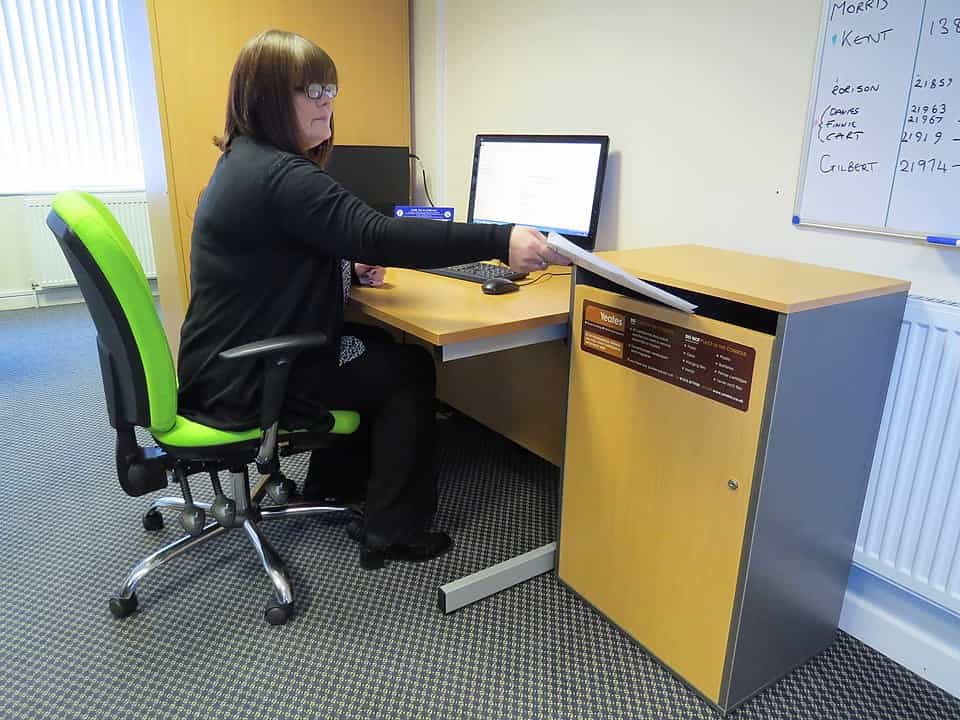
You can manage your junk mail easily by keeping a small shredder nearby. A compact shredder is perfect for quickly destroying sensitive information like credit card offers and bills.
Many models are portable and light-duty, designed for home use. Just avoid overloading it and give it breaks to prevent overheating.
Having a shredder close by helps reduce paper clutter and protects your personal details in a simple, effective way.
Set reminders on your phone to clear mail weekly

You can use your phone to set up weekly reminders to clear out mail. Most Android phones let you create reminders by opening a note or reminder app and choosing a time.
Set the alert for a consistent day each week, like Saturday morning. This helps build a simple habit of mail management.
If you prefer, use location-based reminders to prompt you when you’re near your mailbox or sorting area. This makes it even easier to stay on top of paper clutter.