Maximalism, the design philosophy that more is more, has seen a serious resurgence in recent years. It’s a reaction against the clean lines and muted tones of minimalism, embracing instead an abundance of pattern, color, and texture to create a rich, layered, and often eclectic look. However, like with any design trend, there are times when maximalism can be taken to extremes. Here are 14 maximalist trends that can sometimes go a step too far, turning a potentially beautiful space into a visually overwhelming experience.
1. Overabundance of Patterns and Prints

Patterns and prints can add depth and interest to a room, but an overabundance can become dizzying. When every surface in a room is covered in a different print, it can create a chaotic atmosphere. A well-curated mix of patterns can be beautiful, but it’s important to remember that our eyes need a place to rest. A good rule of thumb is to limit the number of different patterns in a single room.
2. Layered Rugs: A Trip Hazard

Layered rugs can add warmth and texture to a space, but there’s a fine line between cozy and cluttered. Not only can too many rugs make a room feel smaller, but they can also become a trip hazard. It’s best to stick to one or two rugs that complement each other and the rest of your decor.
3. The Explosion of Neon and Bold Colors
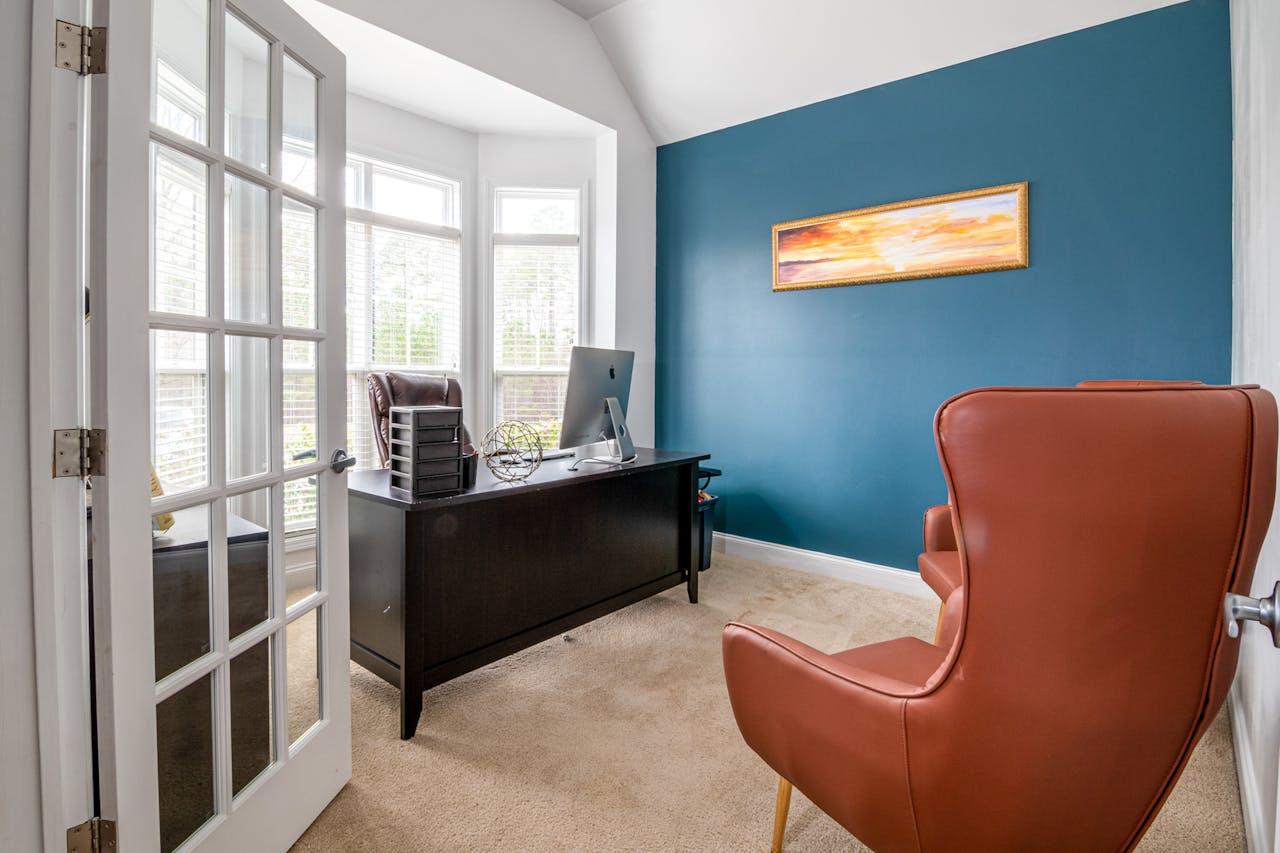
While bold colors can bring energy and excitement to a room, an explosion of neon can quickly become overwhelming. Instead of filling your space with every color of the rainbow, consider using bold colors as accents against a more neutral backdrop. This way, your vibrant hues will stand out without overpowering the entire room.
4. Extreme Gallery Walls: Art Overload

Gallery walls can be a great way to display your favorite art pieces, but when taken to the extreme, they can feel cluttered and overwhelming. Instead of covering every inch of your wall with art, try grouping your pieces together in a way that creates a cohesive and visually appealing display.
5. Excessive Use of Decorative Pillows
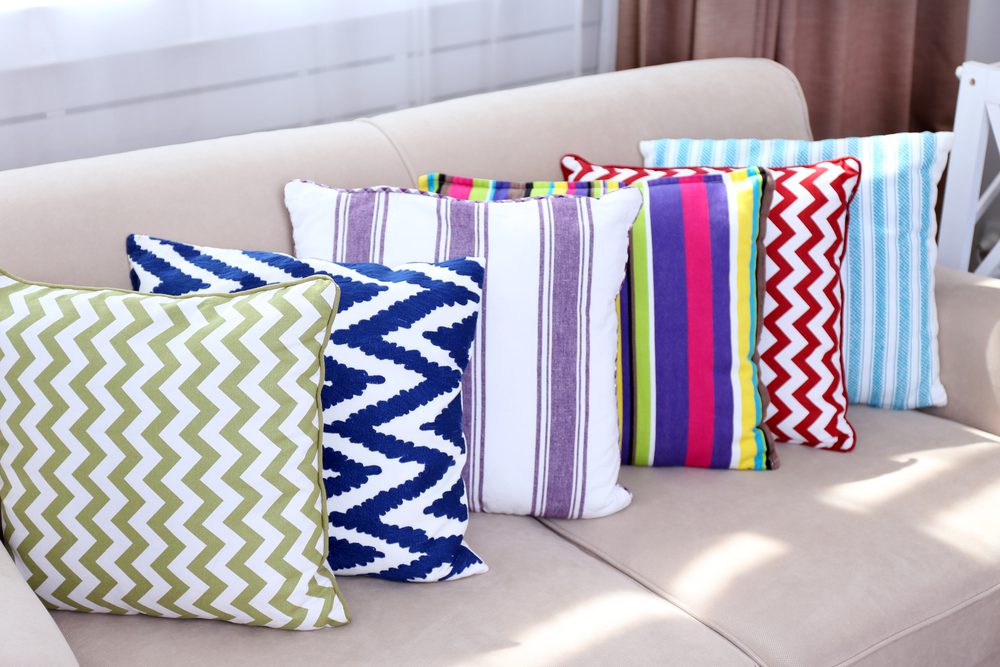
Decorative pillows can add comfort and style to your living space, but too many can make your space feel crowded and uncomfortable. Remember, your furniture should be functional as well as stylish. If your guests have to move a pile of pillows just to sit down, you might have gone a bit overboard.
6. Clashing Furniture Styles: A Confusing Mix

Maximalism encourages mixing and matching, but too many different furniture styles can create a confusing and disjointed look. It’s important to have a common thread that ties your decor together. This could be a color scheme, a specific design era, or even a particular material.
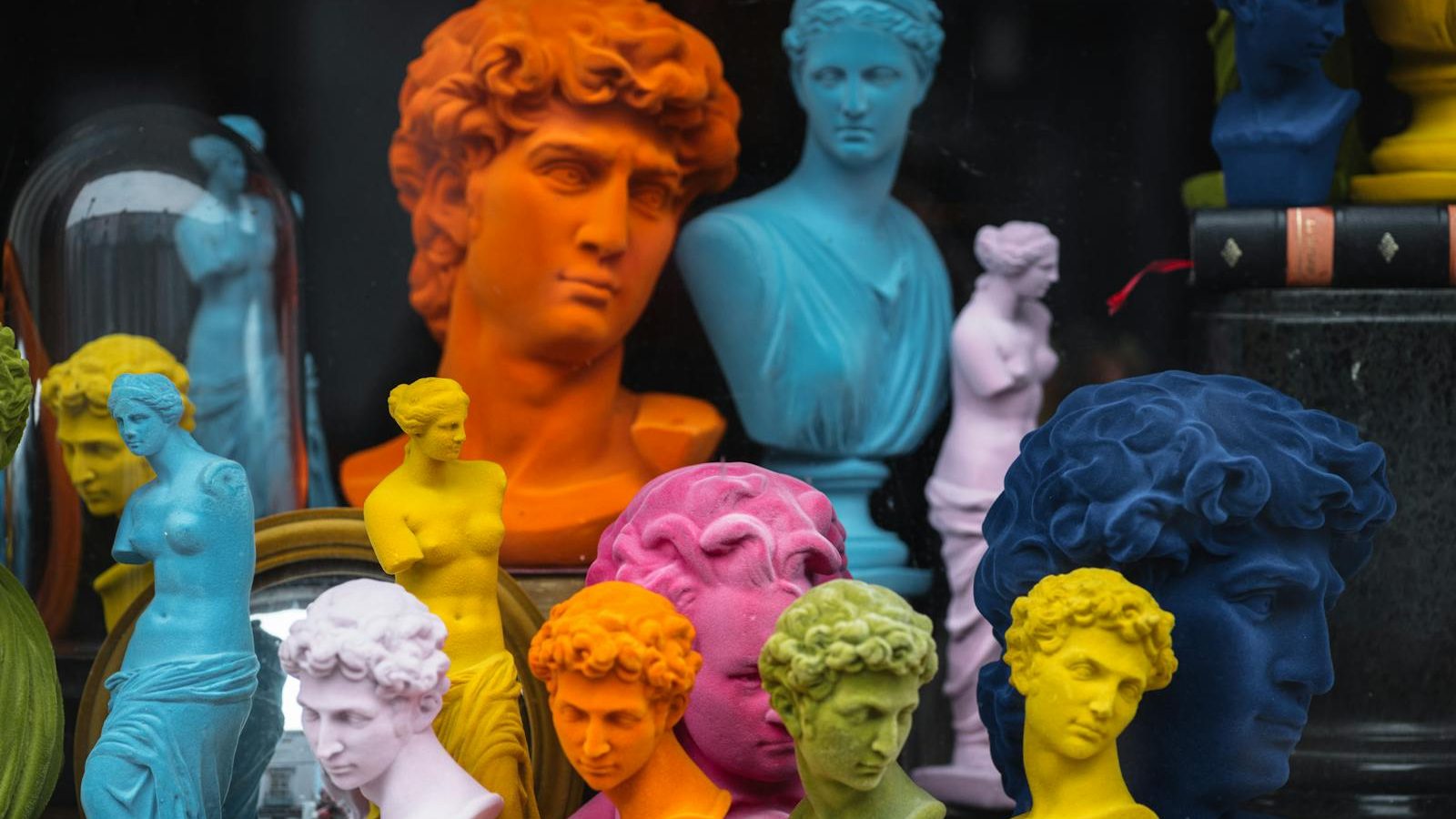
7. Obsessive Collection Display

Displaying collections can be a great way to show off your personality and interests, but when it becomes obsessive, it can make your space feel more like a museum than a home. Instead of displaying your entire collection at once, consider rotating your pieces to keep your display fresh and interesting.
8. Over-the-top Statement Lighting
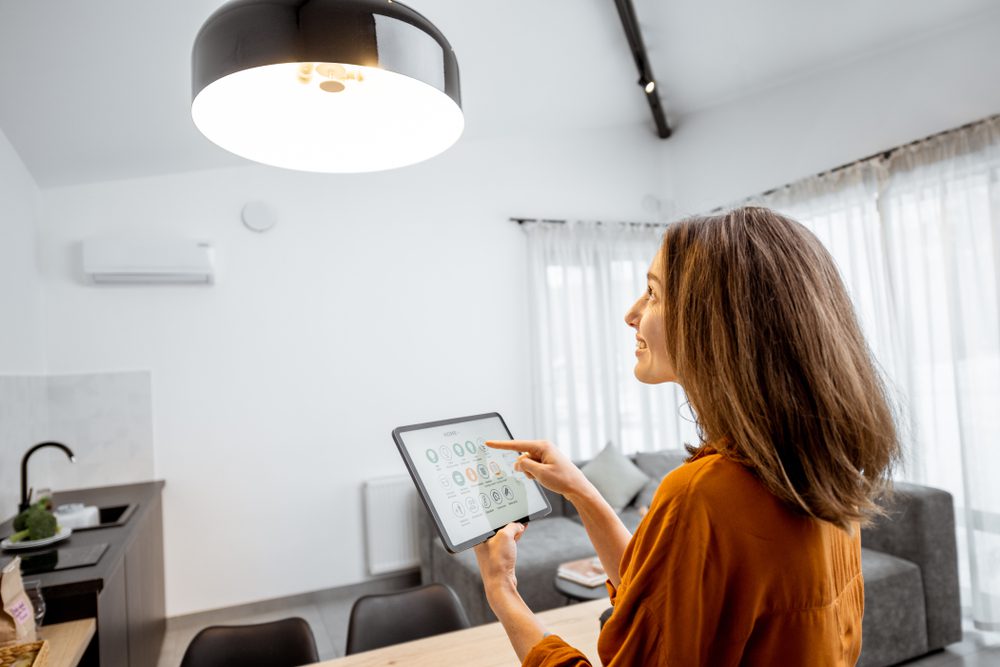
Statement lighting can add a wow factor to any room, but when it’s over-the-top, it can feel more like a stage set than a comfortable living space. Remember, the purpose of lighting is not just to look good, but to provide the right amount of light for the room.
9. The Overuse of Metallics and Glitter
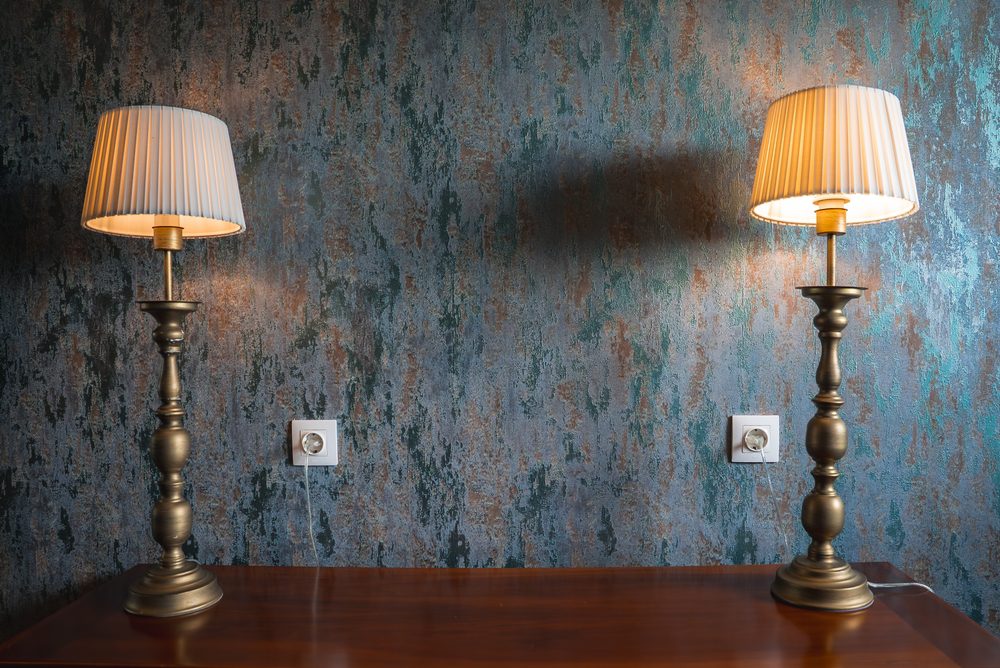
Metallics and glitter can add a touch of glamour to your decor, but when overused, they can make your space feel flashy and tacky. Instead of going all out with the sparkle, consider using metallics and glitter as accents to add a touch of luxury without going overboard.
10. Maximalist Table Settings: More is not Always Better
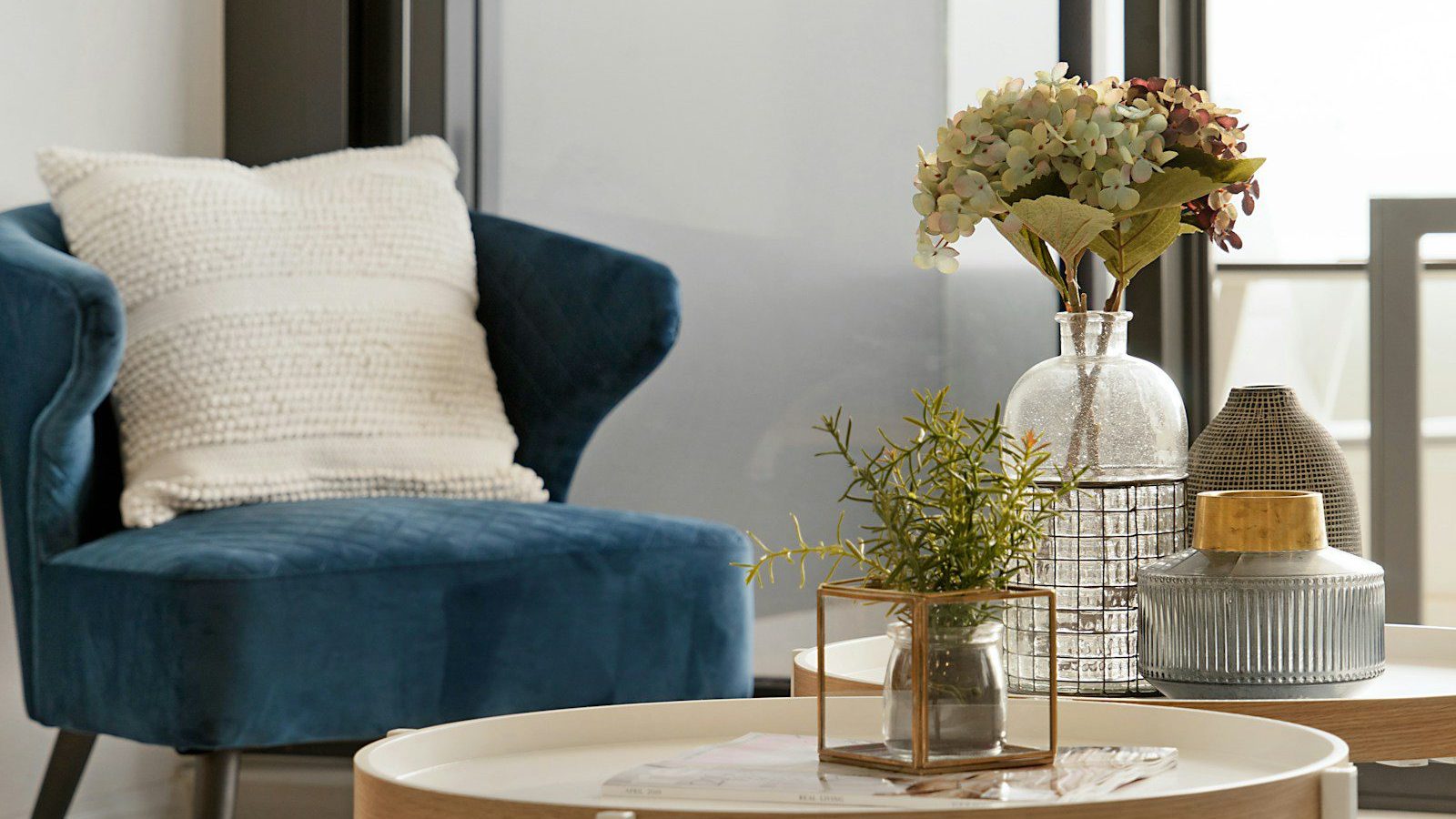
A well-set table can make any meal feel special, but a maximalist table setting can feel more like a chore than a celebration. Instead of trying to use every piece of your china and silverware, consider keeping your table setting simple and elegant. This will allow your guests to focus on the meal and the conversation, rather than being overwhelmed by the table decor.
11. Heavy and Dramatic Curtains
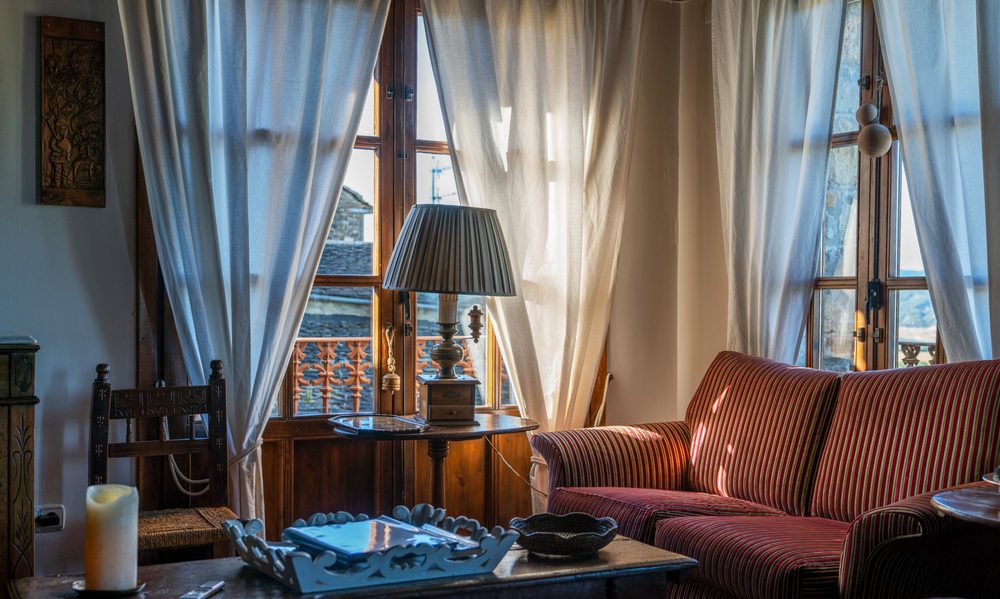
Heavy, dramatic curtains can add a sense of grandeur to a room, but they can also make a space feel dark and stuffy. Consider using lighter, more breathable fabrics for your curtains to keep your space feeling fresh and airy.
12. Overcrowded Bookshelves: A Librarian’s Nightmare

Bookshelves can be a great way to display your favorite reads, but an overcrowded bookshelf can be a librarian’s nightmare. Instead of trying to fit every book you own onto one shelf, consider organizing your books in a way that’s aesthetically pleasing and easy to navigate.
13. Too Many Indoor Plants: The Indoor Jungle

Indoor plants can bring a touch of nature into your home, but too many can make your space feel more like a jungle than a living room. Not to mention, it can be a lot of work to keep all those plants alive and healthy. Consider choosing a few of your favorite plants to display and give them plenty of room to breathe.
14. An Exaggerated Blend of Textures and Materials

Playing with different textures and materials can add depth and interest to your decor, but an exaggerated blend can feel chaotic and disjointed. Try to stick to a few key materials and textures that complement each other and your overall design style.
Remember, the key to successful maximalism is balance. It’s about creating a rich, layered look without overwhelming the senses. So while you should feel free to express your personality and creativity, try to keep these potential pitfalls in mind. Happy decorating!