Keeping a lush, green lawn is an achievement that every homeowner strives for. Yet, it is not as simple as it appears, especially during the scorching summer months.
Numerous factors contribute to the health of your lawn, and overlooking even one can have a detrimental effect. Let’s dive into some of the most common mistakes that could be causing your grass to brown or die during summer.
1. Overwatering Your Lawn

Water is essential for all plants, including your lawn. However, overwatering can be just as harmful as not watering enough. When you water your lawn excessively, it drowns the grass roots and creates a soggy environment that encourages the growth of mold and other diseases. It’s best to water your lawn deeply but infrequently, allowing the soil to dry out in between. This strategy encourages the grass roots to grow deeper, improving their resilience to drought.
Moreover, it’s crucial to understand that different grass types have different water needs. For instance, Kentucky bluegrass requires more water compared to Bermuda grass. Therefore, knowing your grass type and its specific requirements can help you avoid overwatering.
2. Cutting Grass Too Short

Contrary to popular belief, cutting your grass too short isn’t beneficial. This practice, known as scalping, can stress your lawn and make it more susceptible to pests and diseases. It can also expose the soil, leading to water evaporation and making your lawn more prone to drought. Ideally, you should only remove one-third of the grass blade in each mowing session. This length allows the grass to produce enough food for growth while also shading the soil to reduce water evaporation.
Additionally, taller grass is better at crowding out weeds, thereby reducing their proliferation. Using a mulching mower can also help, as it leaves behind grass clippings that decompose and return nutrients to the soil. For more insights into the perfect grass length, check out this article.
3. Ignoring Soil pH Levels
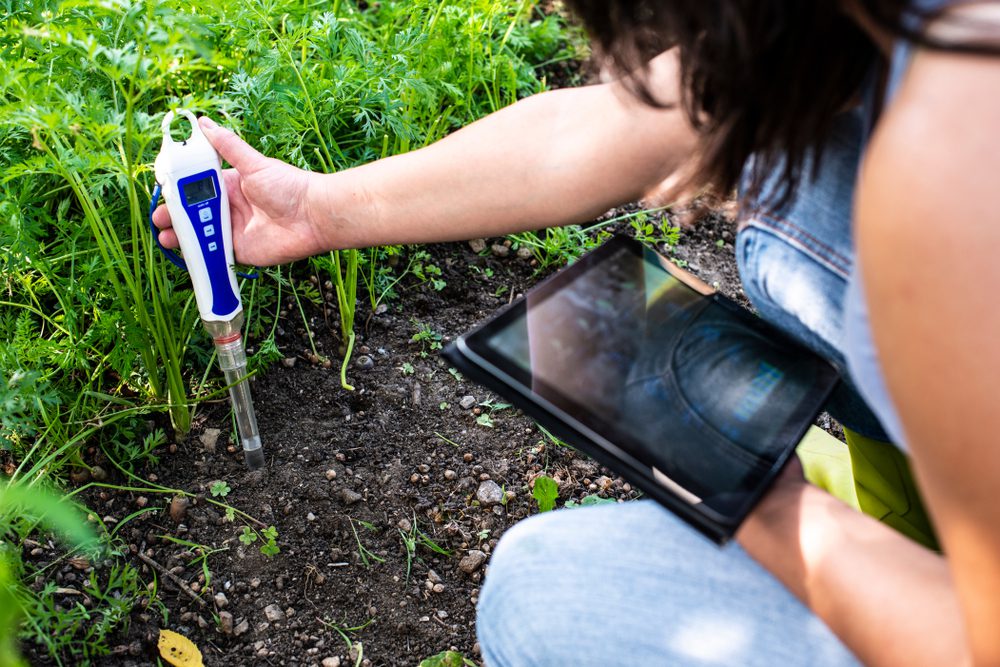
Soil pH is a crucial factor that many homeowners overlook. The pH level of your soil can directly affect the health of your grass. Most grass types prefer slightly acidic to neutral pH levels, ranging from 6.0 to 7.0. If your soil is too acidic or too alkaline, it can inhibit the absorption of essential nutrients, causing your grass to struggle or even die.
Soil testing kits are readily available in most garden centers, and they can help you determine your soil’s pH level. If your soil is too acidic, you can add lime to raise the pH. Conversely, if it’s too alkaline, you can use sulfur to lower the pH. This research paper provides more details about the importance of soil pH in lawn care.
4. Failing to Aerate Your Lawn
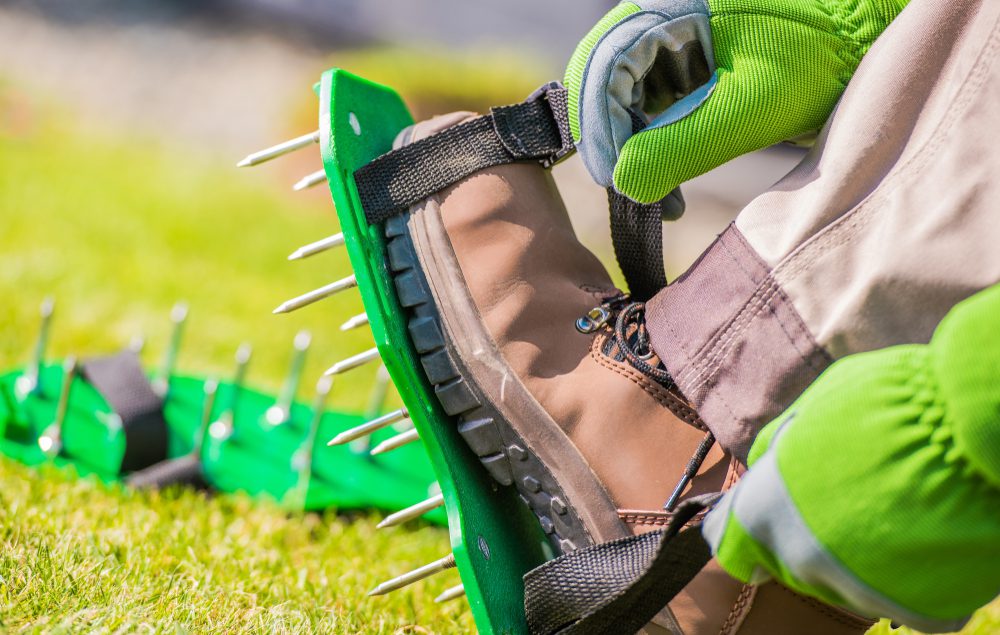
Aeration involves making small holes in the lawn to allow air, water, and nutrients to penetrate the grass roots. This helps the roots grow deeply, resulting in a stronger, more vigorous lawn. However, many homeowners overlook this vital practice. If your lawn is heavily used or if you notice water puddling on the surface, it might be a sign that your lawn needs aeration.
Aeration should ideally be done during the growing season when the grass can heal and fill in any open areas after soil plugs are removed. You can hire a professional service or do it yourself using a manual or mechanical aerator. Make sure to water your lawn thoroughly a day or two before aerating to soften the soil.
5. Overusing Fertilizers
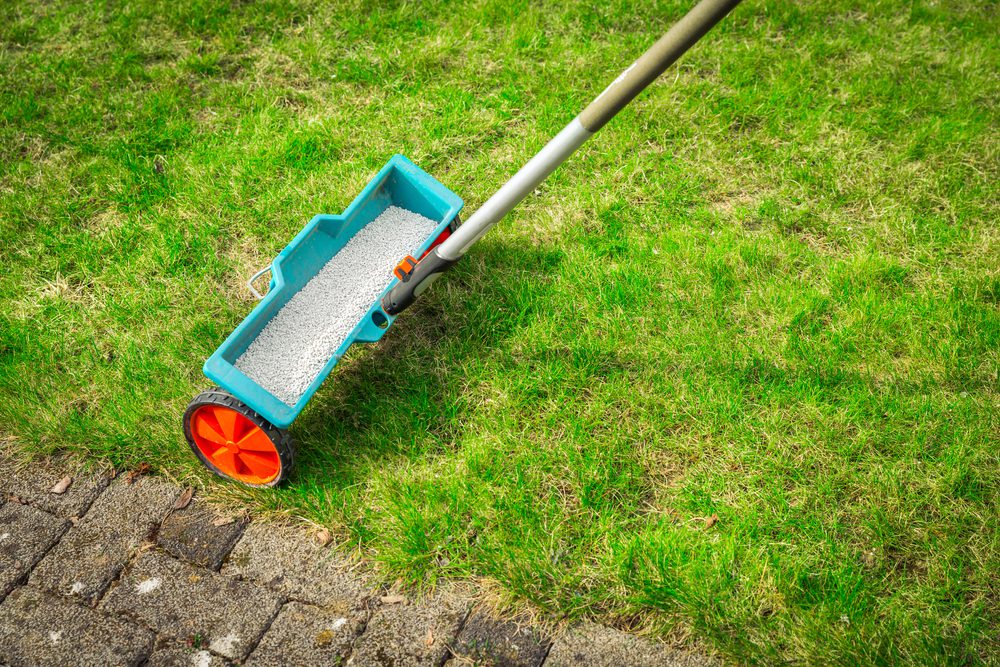
Fertilizers are an essential part of lawn care as they provide the necessary nutrients for grass growth. However, overusing fertilizers can lead to excessive growth, making your lawn more susceptible to diseases and pests. Moreover, it can cause environmental problems, such as water pollution from runoff.
It’s best to apply fertilizers sparingly and only when necessary. Additionally, using organic fertilizers can be a better choice as they release nutrients slowly and are less likely to burn your lawn if improperly applied. Always follow the manufacturer’s instructions when applying fertilizers.
6. Neglecting Regular Lawn Maintenance
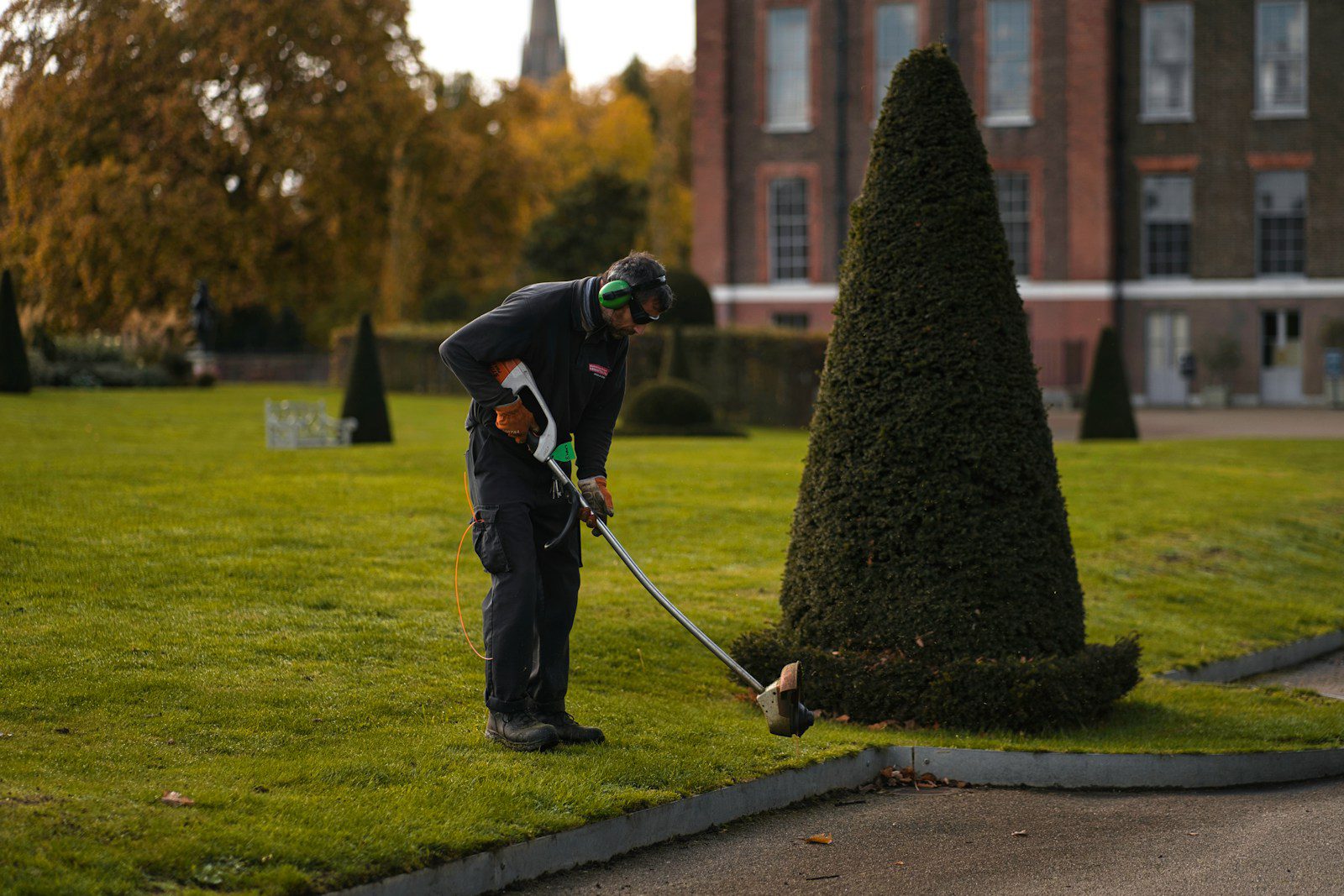
Regular lawn maintenance is key to a healthy, green lawn. This includes tasks like mowing, watering, fertilizing, aerating, and dethatching. Neglecting any of these can lead to a variety of lawn problems, including weed infestation, disease, and drought stress. Remember, a well-maintained lawn is more resistant to pests and diseases, and it also recovers faster from any damage.
It’s also important to adjust your lawn care practices according to the changing seasons. For instance, your lawn might need more water and frequent mowing during the summer, while aeration and fertilization might be more crucial during the spring or fall. For a comprehensive guide on lawn maintenance, check out this article.
7. Planting the Wrong Type of Grass

Not all grass types are suitable for all climates. For instance, cool-season grasses like Kentucky bluegrass and ryegrass thrive in northern climates, whereas warm-season grasses like Bermuda grass and zoysia grass are more suited to southern climates. Planting the wrong type of grass for your region can result in poor growth and a less-than-ideal lawn.
Additionally, different grass types have different sunlight requirements. Some grasses need full sun to grow well, while others can tolerate shade. Therefore, it’s crucial to choose a grass type that matches your local climate and the sunlight conditions in your yard.
8. Watering at the Wrong Time of Day
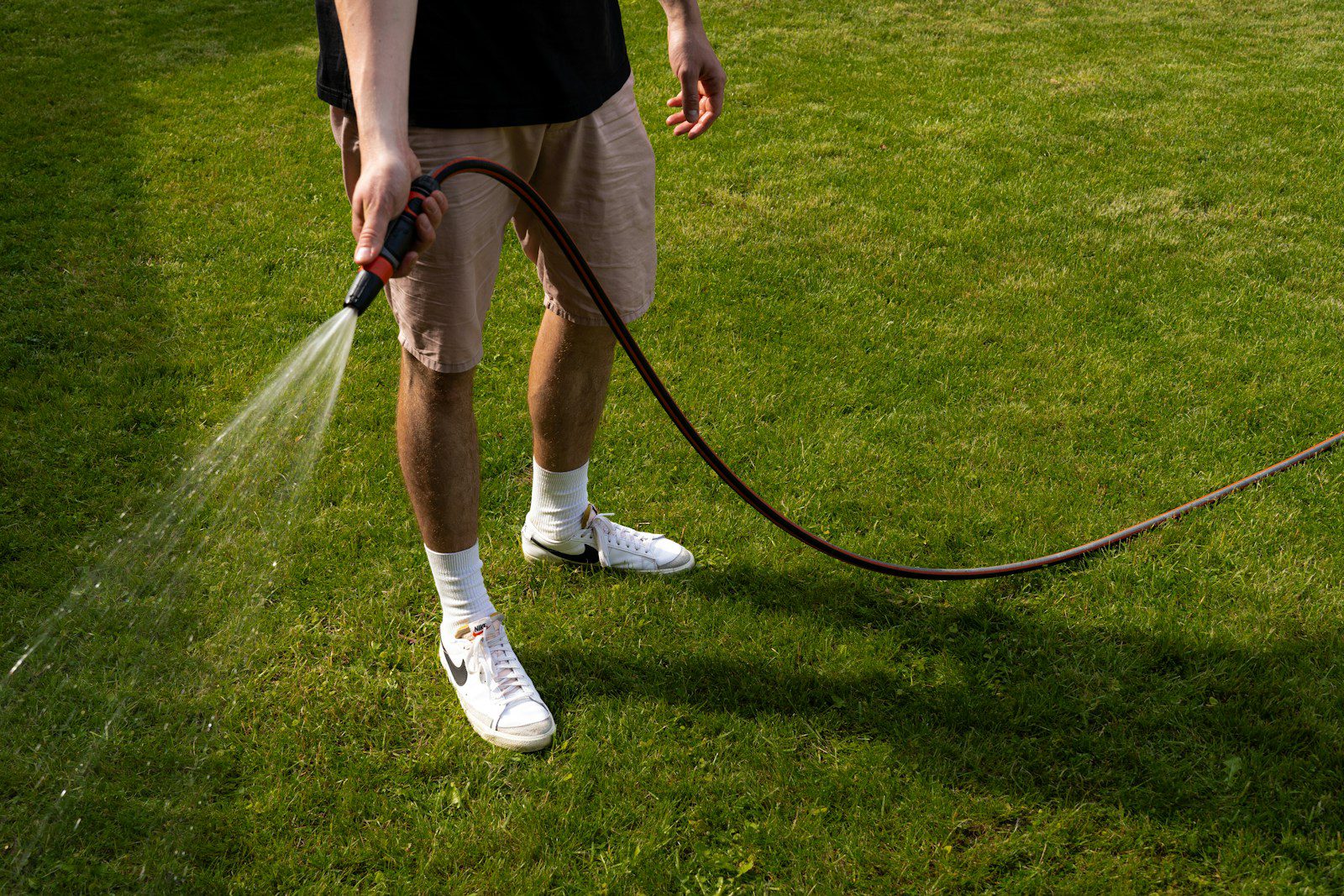
The time of day when you water your lawn matters. Watering in the middle of the day can result in a significant amount of water evaporation, reducing the amount of water that reaches the grass roots. On the other hand, watering in the evening can leave your lawn damp overnight, creating an ideal environment for fungus and other diseases.
The best time to water your lawn is early in the morning, preferably before sunrise. This allows the water to soak into the soil and reach the grass roots before the sun’s heat can cause evaporation. Additionally, any excess water on the grass blades will have plenty of time to evaporate as the day warms up.
9. Ignoring Signs of Lawn Disease
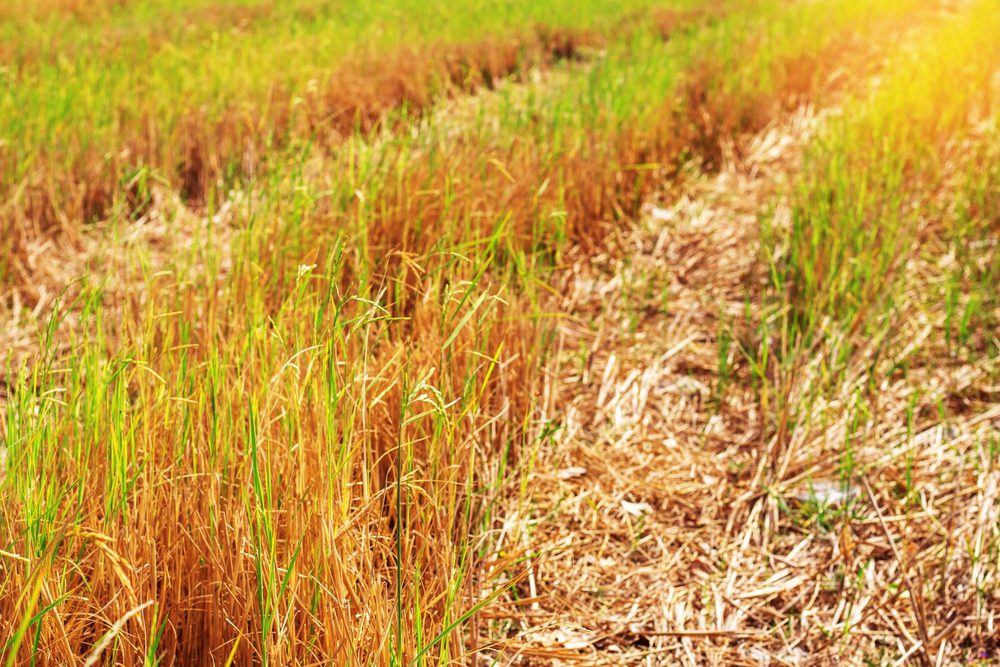
Lawn diseases can wreak havoc on your lush, green lawn if not addressed promptly. Signs of disease include patches of discolored grass, a powdery or thread-like substance on the grass blades, or unusual spots or rings in the lawn. Ignoring these signs can allow the disease to spread and cause significant damage to your lawn.
If you notice any signs of disease, it’s recommended to take a sample of the affected grass and soil to your local extension service or garden center. They can help identify the disease and recommend appropriate treatment options. Also, remember that maintaining a healthy lawn is the best defense against disease.
10. Not Dethatching Your Lawn Properly
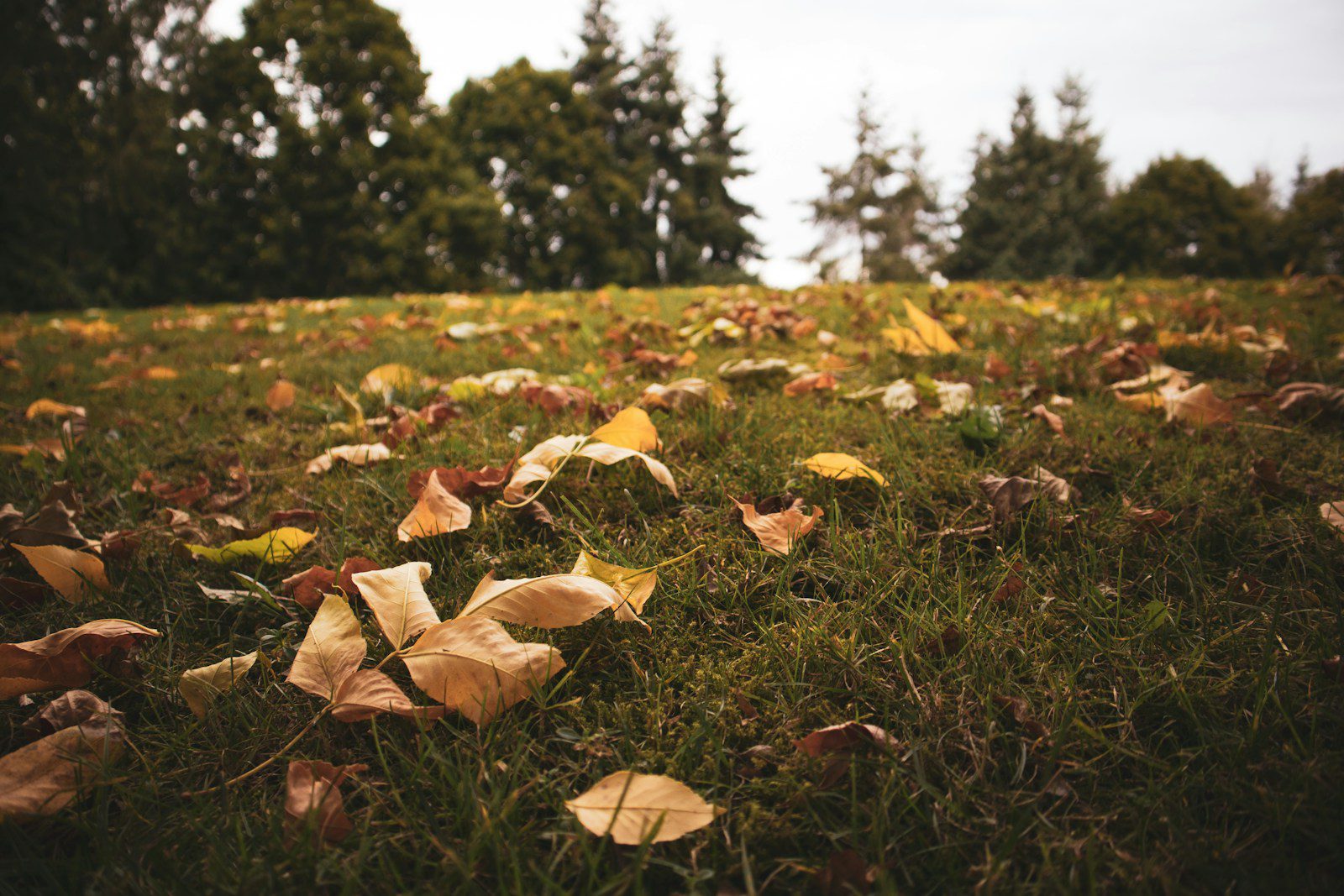
Thatch is a layer of dead grass, roots, and other organic matter that accumulates on the soil surface over time. While a small amount of thatch can be beneficial, providing a natural mulch and protecting against temperature extremes, excessive thatch can prevent water, air, and nutrients from reaching the grass roots.
Dethatching involves removing this excess layer, and it’s typically done using a dethatching rake or a power dethatcher. However, dethatching should be done carefully to avoid damaging the healthy grass. It’s also best to dethatch during the active growing season when the grass can recover quickly.
11. Using Dull Lawn Mower Blades

Using a lawn mower with dull blades can cause more harm than good. Dull blades tear the grass rather than cutting it cleanly, leading to jagged edges that can turn brown and make your lawn look unhealthy. Moreover, these torn grass blades are more susceptible to disease and pests.
Therefore, it’s important to sharpen your mower blades regularly. As a rule of thumb, you should sharpen the blades after every 20 to 25 hours of use. Also, consider having a backup set of blades so you can continue mowing while the other set is being sharpened.
12. Leaving Grass Clippings on the Lawn
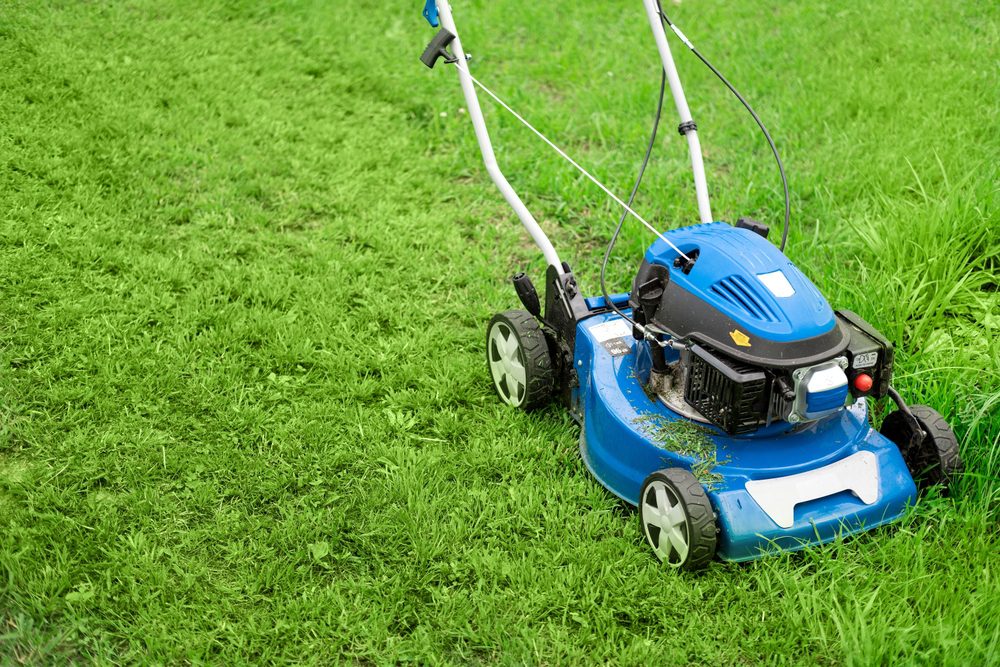
Leaving grass clippings on the lawn after mowing, a practice known as grasscycling, can be beneficial as it returns nutrients to the soil and reduces the need for fertilizers. However, if the clippings are too long, they can form a thick layer on the lawn that blocks sunlight and prevents water from reaching the grass roots.
If you’re mowing regularly and only removing a small amount of grass each time, the clippings should decompose quickly and not cause any problems. However, if you’re cutting a lot of grass at once, it might be best to bag the clippings or rake them up after mowing.
13. Not Watering Deeply Enough
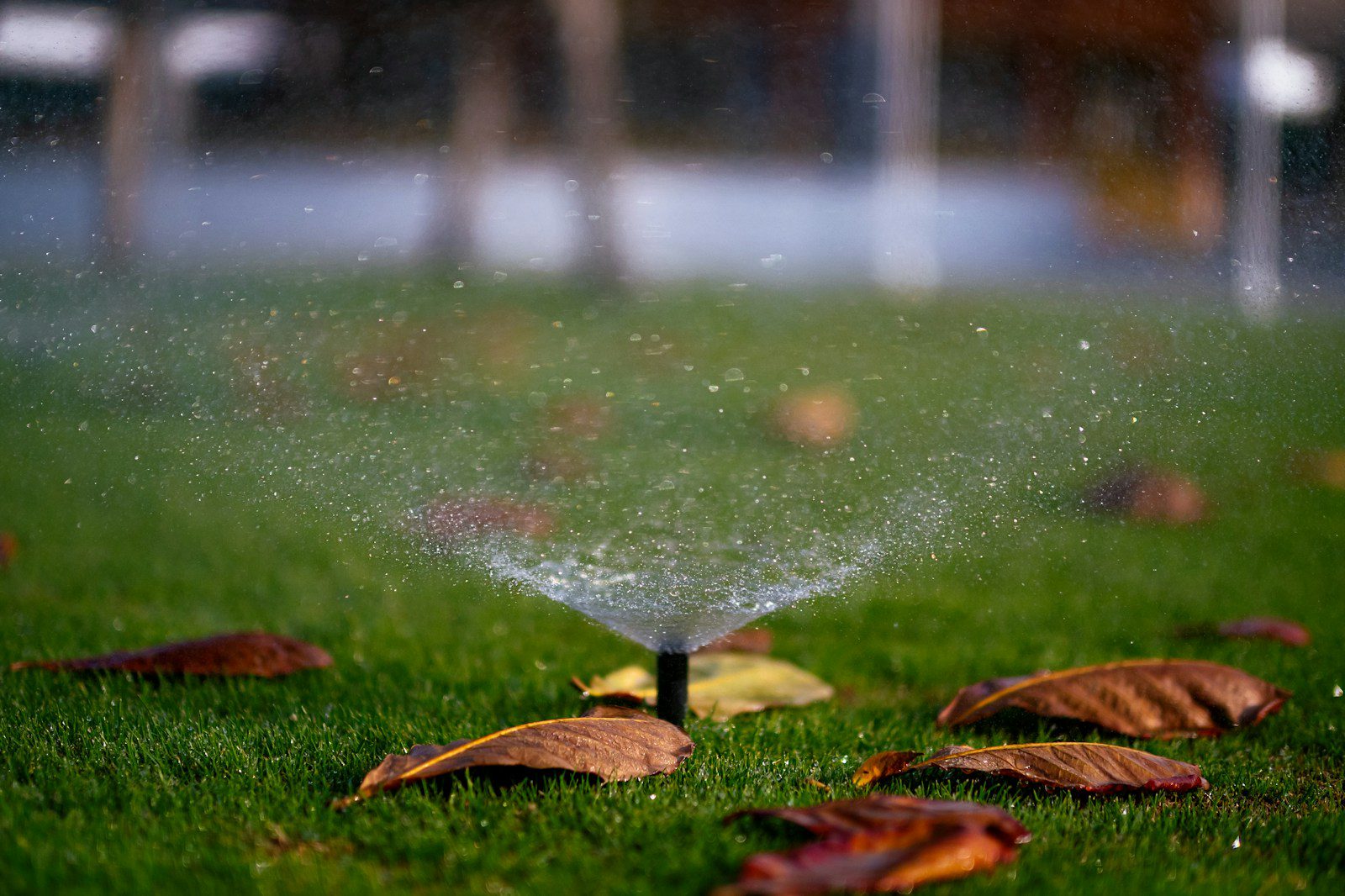
When it comes to watering your lawn, it’s not just about the amount of water you use but also how deeply it penetrates the soil. Shallow watering can lead to shallow roots, making your lawn less resilient to drought and other stresses. On the other hand, deep watering encourages the grass roots to grow deeper, resulting in a stronger, more drought-tolerant lawn.
As a general guideline, you should aim to water your lawn so that the moisture reaches about 6 to 8 inches deep into the soil. You can check this by probing the soil with a screwdriver or similar tool. If it’s difficult to push the tool into the soil, it may indicate that you’re not watering deeply enough.
14. Ignoring Insect Infestations

Insects can be a major threat to your lawn’s health. Some insects, like grubs and chinch bugs, feed on the grass roots, causing patches of dead grass. Other insects, like sod webworms and armyworms, feed on the grass blades, resulting in a ragged appearance. Ignoring these infestations can lead to significant lawn damage.
If you notice signs of an insect infestation, such as brown patches, birds pecking at your lawn, or the presence of insects themselves, it’s important to take action promptly. There are various insecticides available that can help control these pests. However, remember that maintaining a healthy lawn is the best prevention against insect infestations.