Outdoor lighting is more than just a decorative element for your home. It’s a way to highlight your property’s architectural features, provide a sense of security, and create a warm and inviting ambiance for your guests. But, if not done correctly, it can make your home look cheap and unappealing. Here are 14 outdoor lighting mistakes that can cheapen your home and how to avoid them.
1. Ignoring the Front Door Lighting
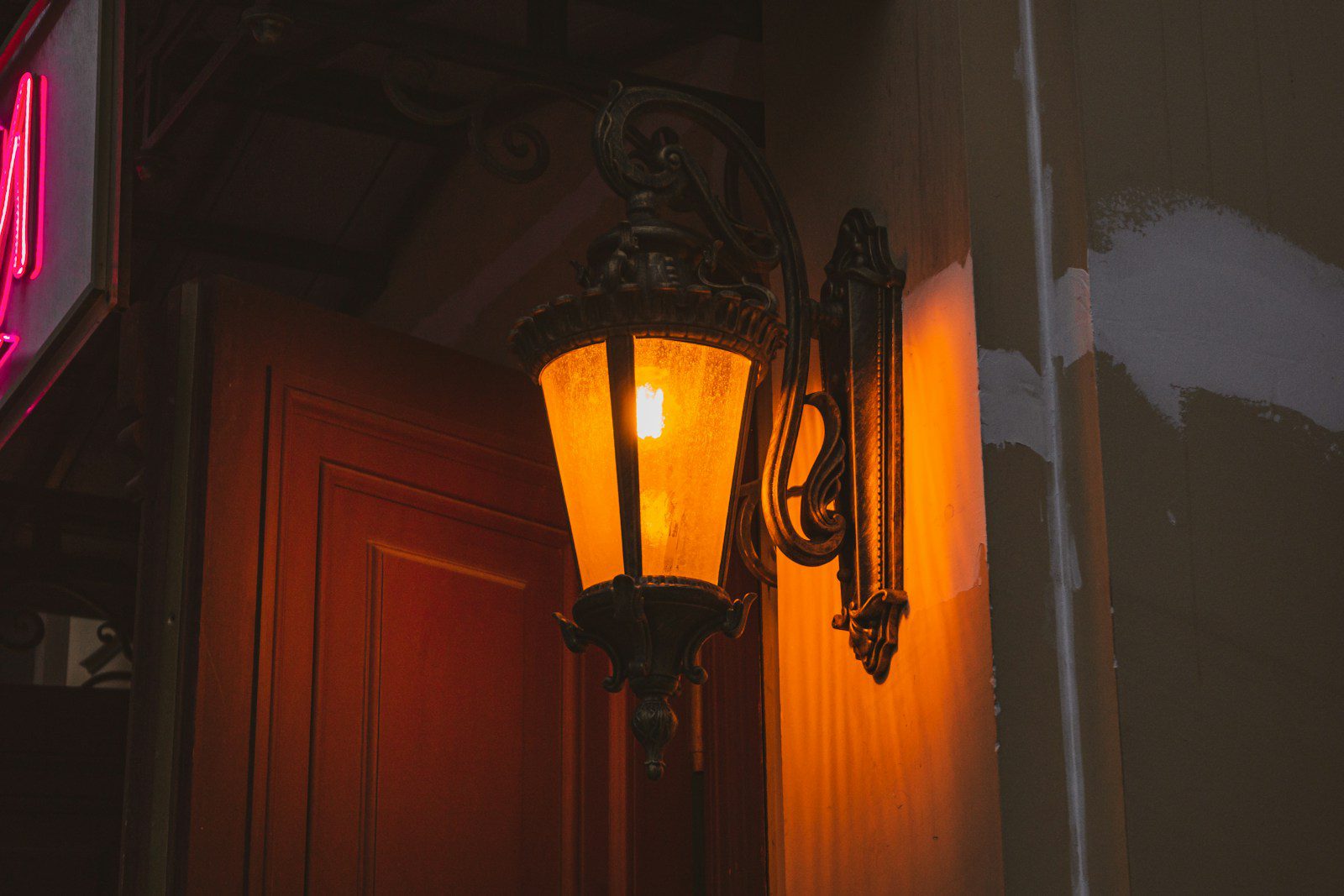
Your front door is the first impression visitors have of your home. Ignoring its lighting can make your entrance look uninviting. Opt for a well-lit porch using overhead fixtures or wall sconces on either side of the door. This not only enhances security but also adds a welcoming touch.
Remember to choose lights that complement your home’s style and aesthetics. Dimmable lights can also be a good choice, allowing you to adjust the intensity depending on the time of day or occasion.
2. Overdoing Landscape Lighting
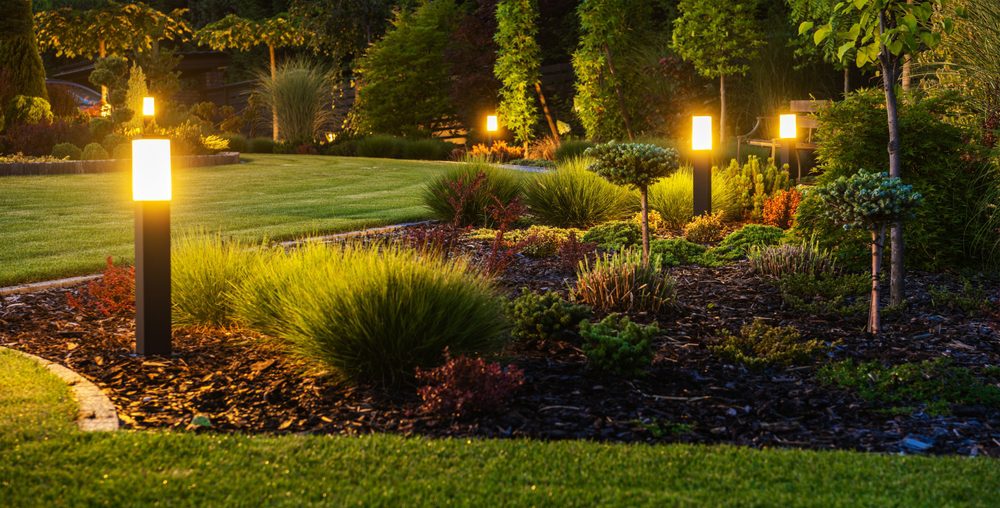
While it’s important to highlight your landscape’s best features, overdoing it can lead to a glaring and overwhelming effect. It’s all about balance. You want to create a subtle glow that accents your garden without turning it into a mini amusement park.
Use a variety of lighting techniques like uplighting, downlighting, and cross lighting to create depth and interest. But remember, less is often more when it comes to landscape lighting. Check out this guide to avoid common landscape lighting mistakes.
3. Neglecting Outdoor Security Lighting
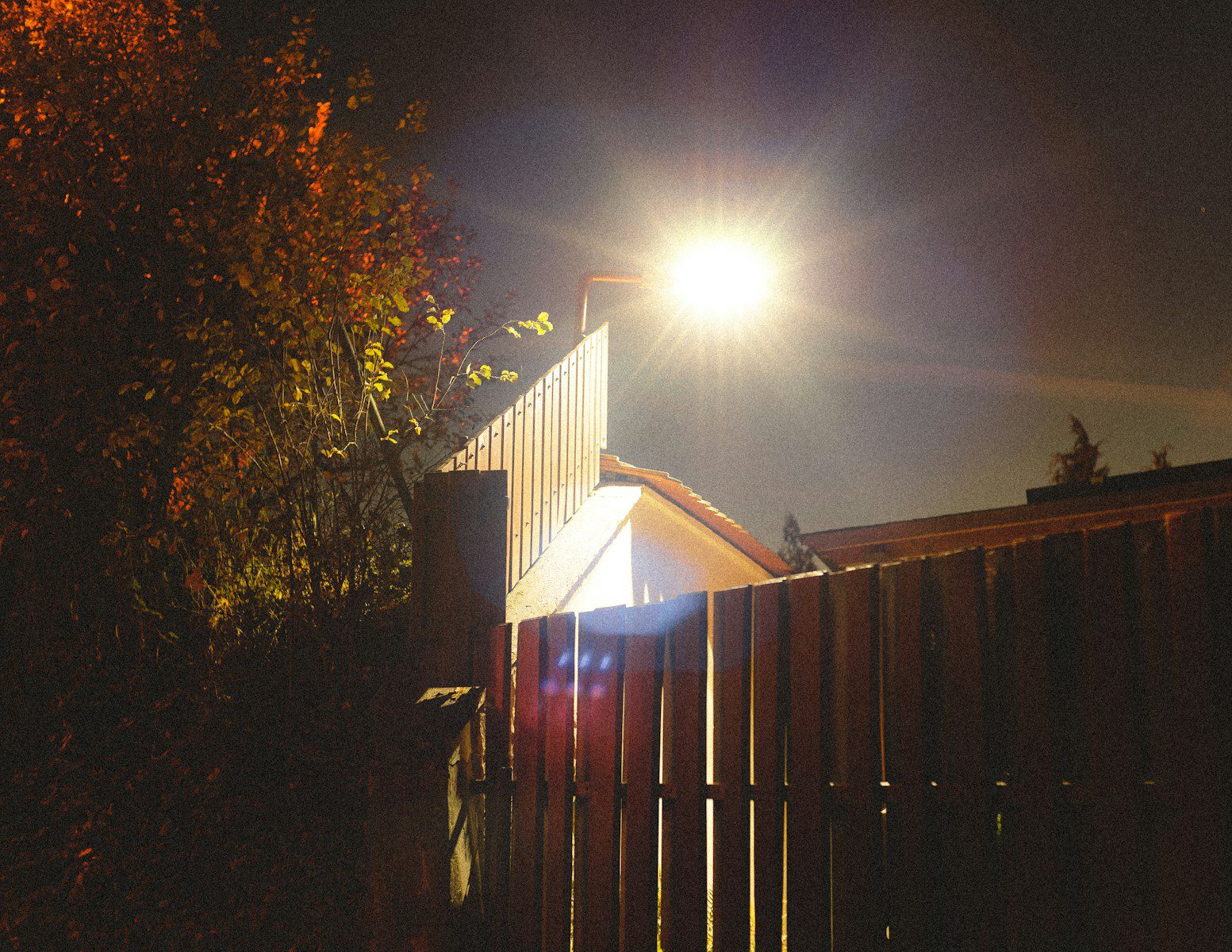
Outdoor lighting is not just about aesthetics; it’s also about safety and security. Dark, shadowy corners can be perfect hiding spots for intruders. Therefore, it’s essential to light up all access points like gates, windows, and garages.
Choose lights with motion sensors for these areas. They’ll turn on when movement is detected, potentially deterring any unwanted visitors. Plus, they’ll save energy by only turning on when needed.
4. Forgetting to Light Up the Pathways
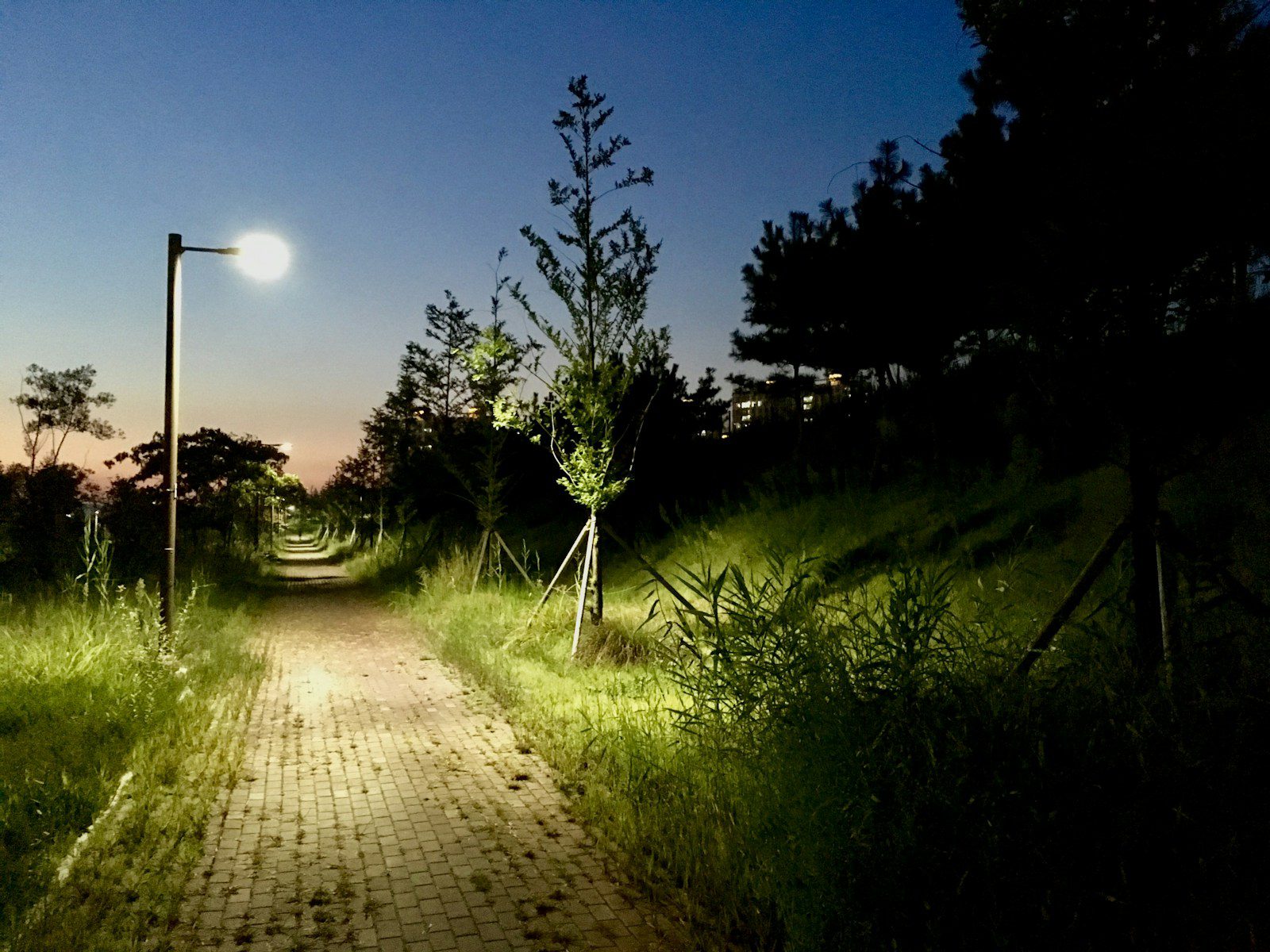
Pathway lighting is crucial for safety, especially if you have uneven terrain or steps. It also guides your guests to the entrance of your home. But, it’s often overlooked or inadequately done, leading to a cheap look.
Opt for low-level lights placed at regular intervals along the path. Solar-powered lights are a great energy-efficient choice. Avoid lights that glare directly into the eyes, which can be uncomfortable and unattractive.
5. Leaving Balconies and Patios in the Dark
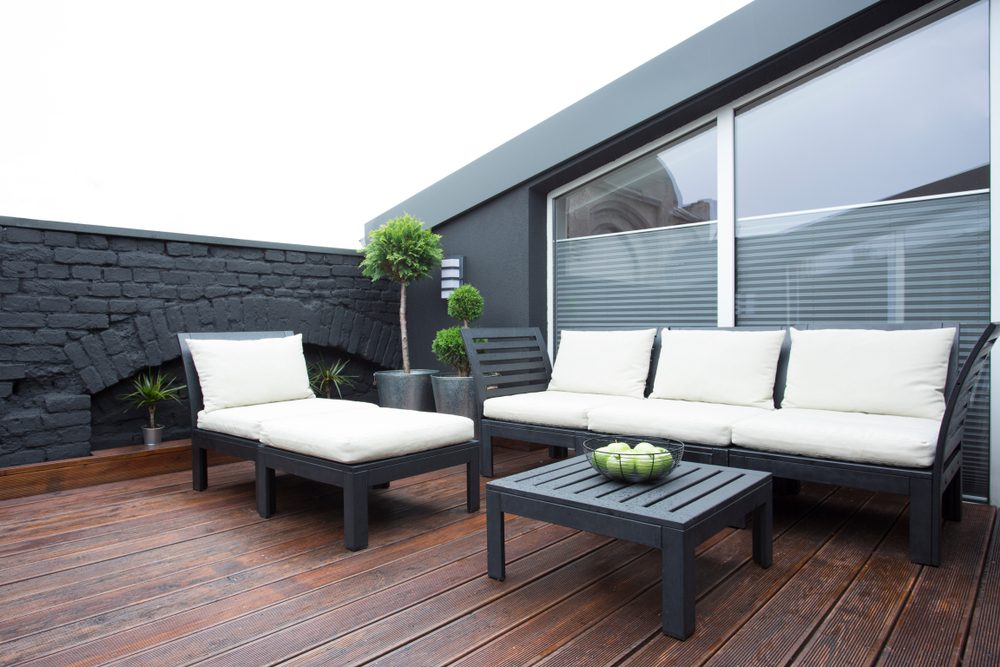
Balconies and patios are perfect spots for relaxation or entertainment. Leaving them in the dark not only reduces their usability but also cheapens your home’s overall look. Illuminate these areas with a mix of ambient, task, and accent lighting.
String lights can create a cozy atmosphere, while task lighting is perfect for dining or reading areas. Accent lighting can highlight interesting architectural features or plants. Check out this article for more patio lighting mistakes to avoid.
6. Choosing the Wrong Size of Outdoor Lighting Fixtures
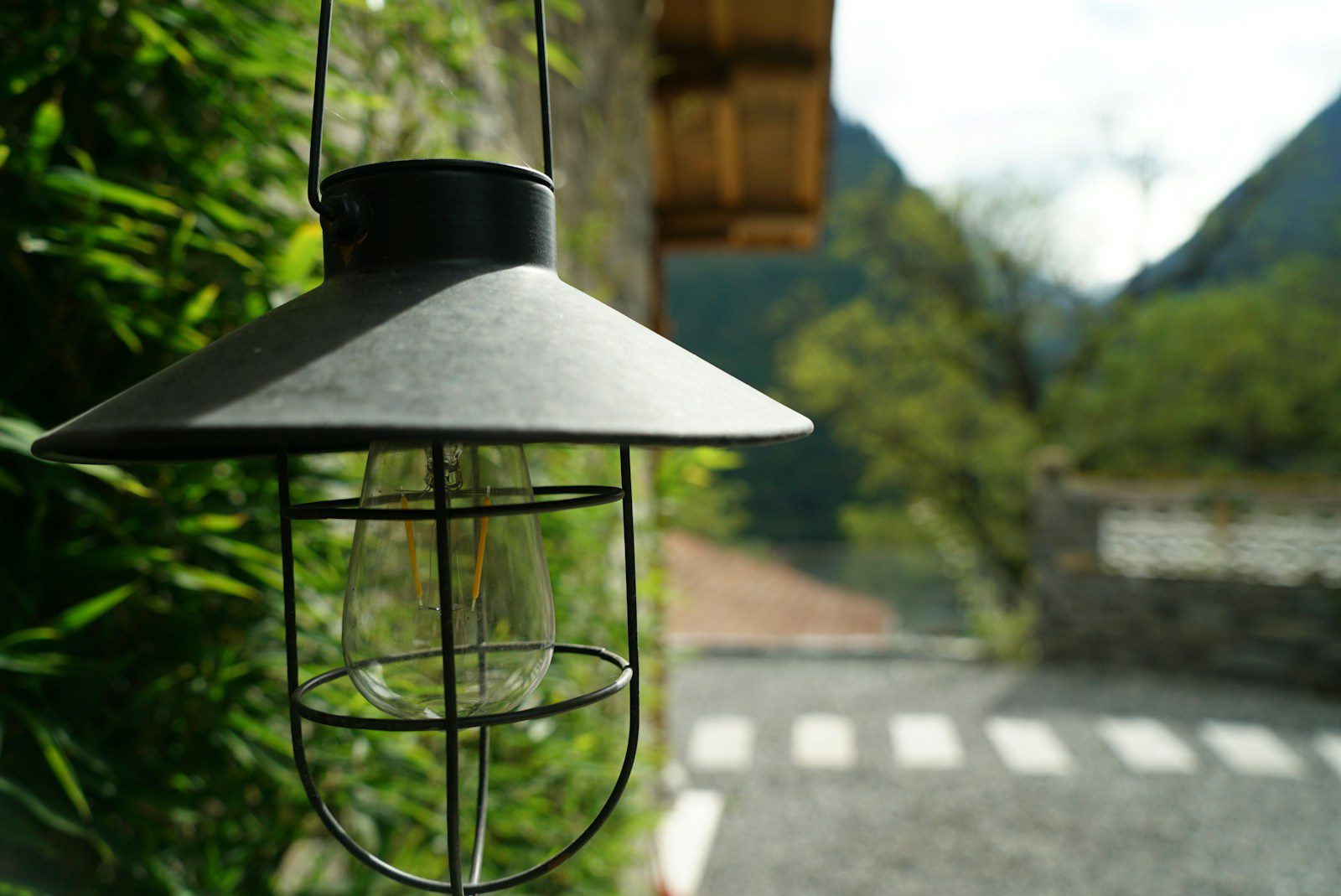
Choosing the wrong size of outdoor lighting fixtures can disrupt the harmony and balance of your home’s exterior. Too large fixtures can overpower your home while too small ones can get lost in the landscape. It’s all about scale and proportion.
A good rule of thumb is that the height of an outdoor wall light should be approximately one-third the height of the door. For landscape lighting, choose fixtures that fit the size of the area and the objects you’re illuminating.
7. Using the Same Type of Lighting Everywhere
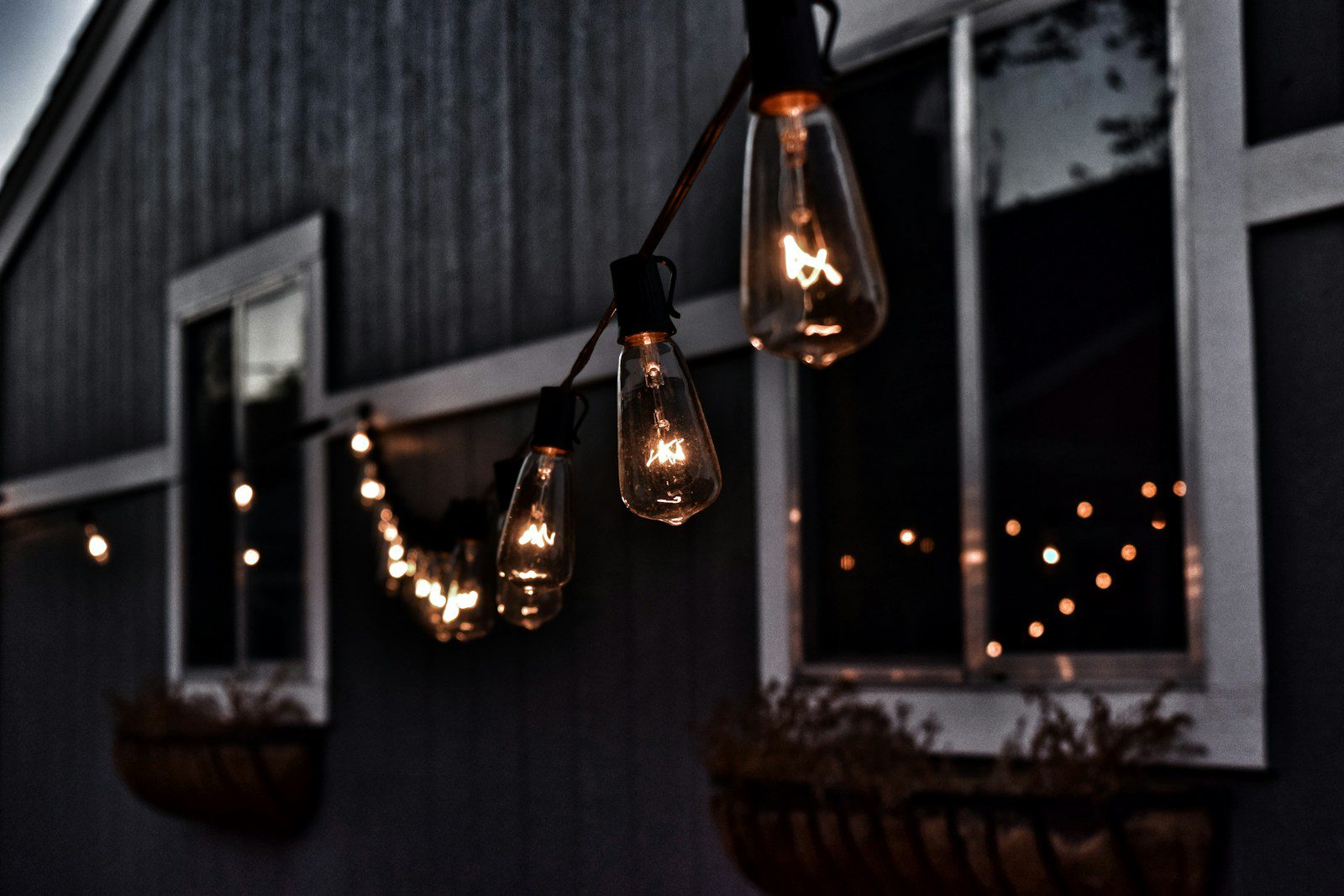
Using the same type of lighting everywhere can result in a flat and monotonous look. Just like indoors, you need a mix of ambient, task, and accent lighting outdoors.
Ambient lighting provides overall illumination, task lighting is for specific tasks like grilling or reading, and accent lighting highlights architectural features or plants. Mixing up your lighting creates a more dynamic and visually interesting space.
8. Failing to Consider the Home’s Architectural Style
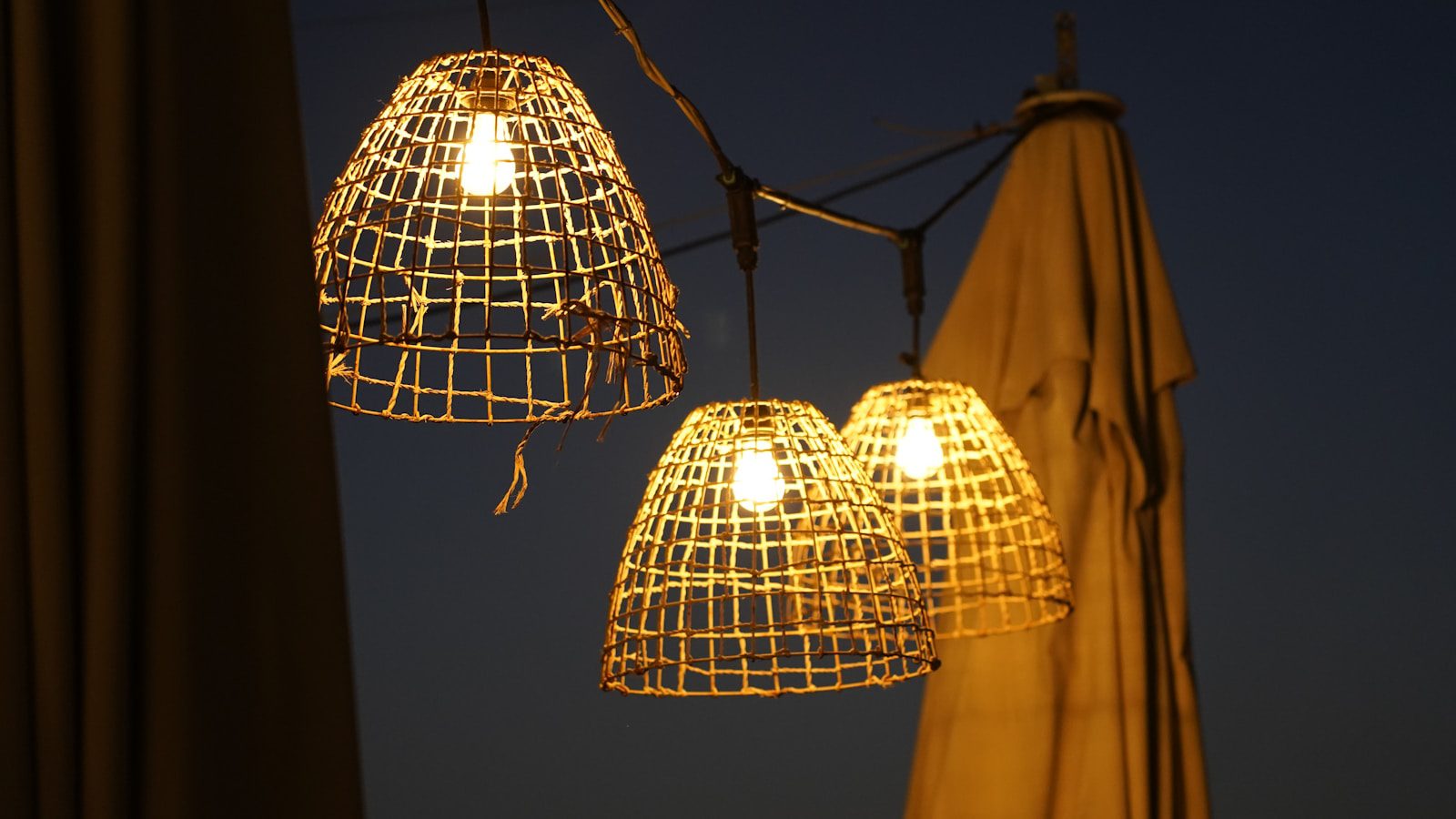
Your outdoor lighting should complement your home’s architectural style. Ignoring this can result in a mismatched and cheap look. For instance, modern minimalist lights might not suit a Victorian-style home.
Research your home’s style and choose lights that match its character. If you’re unsure, consulting with a lighting designer or architect can be very helpful.
9. Not Paying Attention to Light Pollution
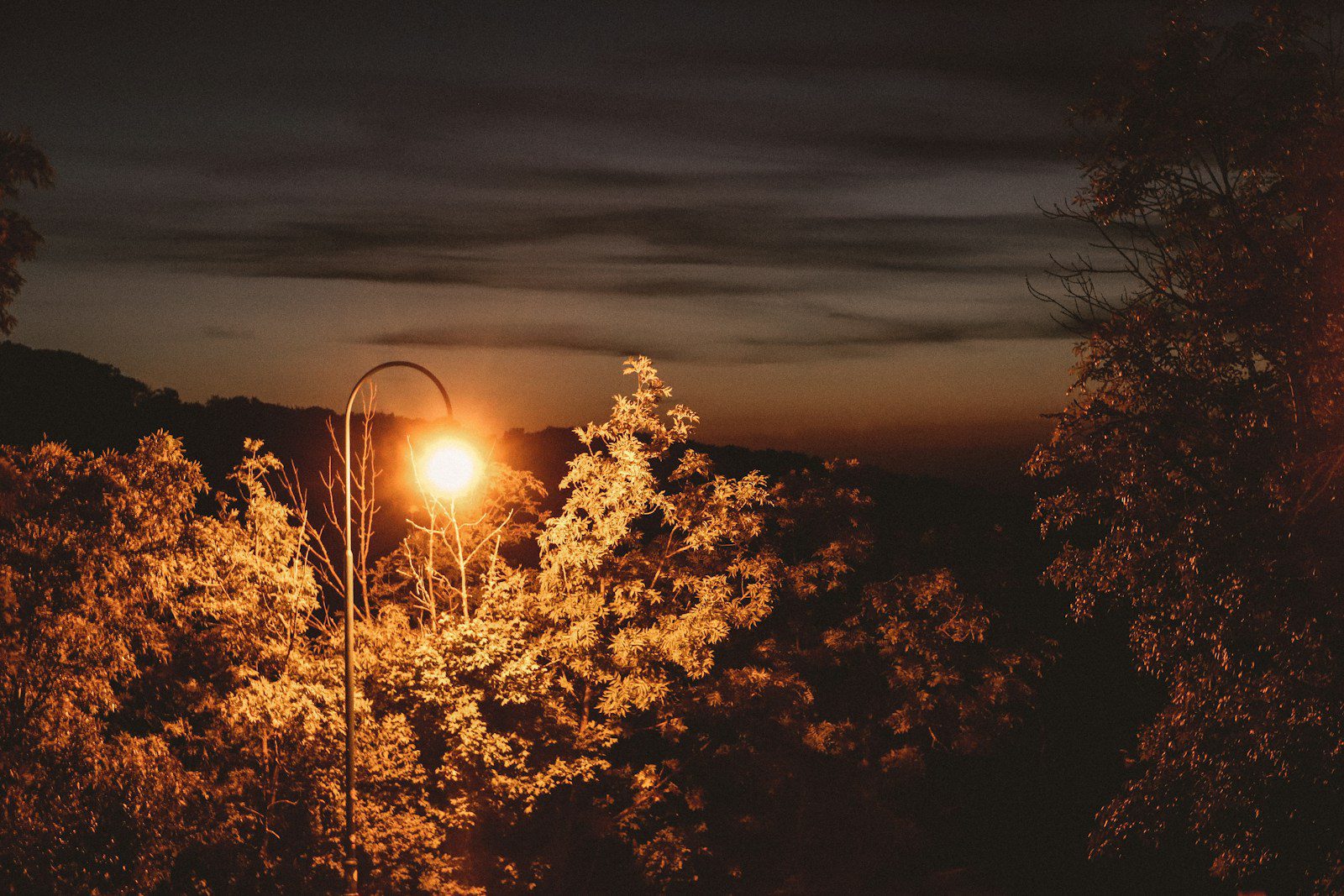
Light pollution can not only disturb your neighbors but also harm the environment. It’s caused by excessive, misdirected, or obtrusive artificial light. Avoid lights that glare up into the sky or into your neighbor’s windows.
Choose fixtures that direct the light downwards and use shields or guards to prevent light spill. Opt for warm white lights instead of cool white ones, as they’re less likely to contribute to light pollution. Read more about light pollution and how to prevent it here.
10. Ignoring the Need for Adjustable Lighting
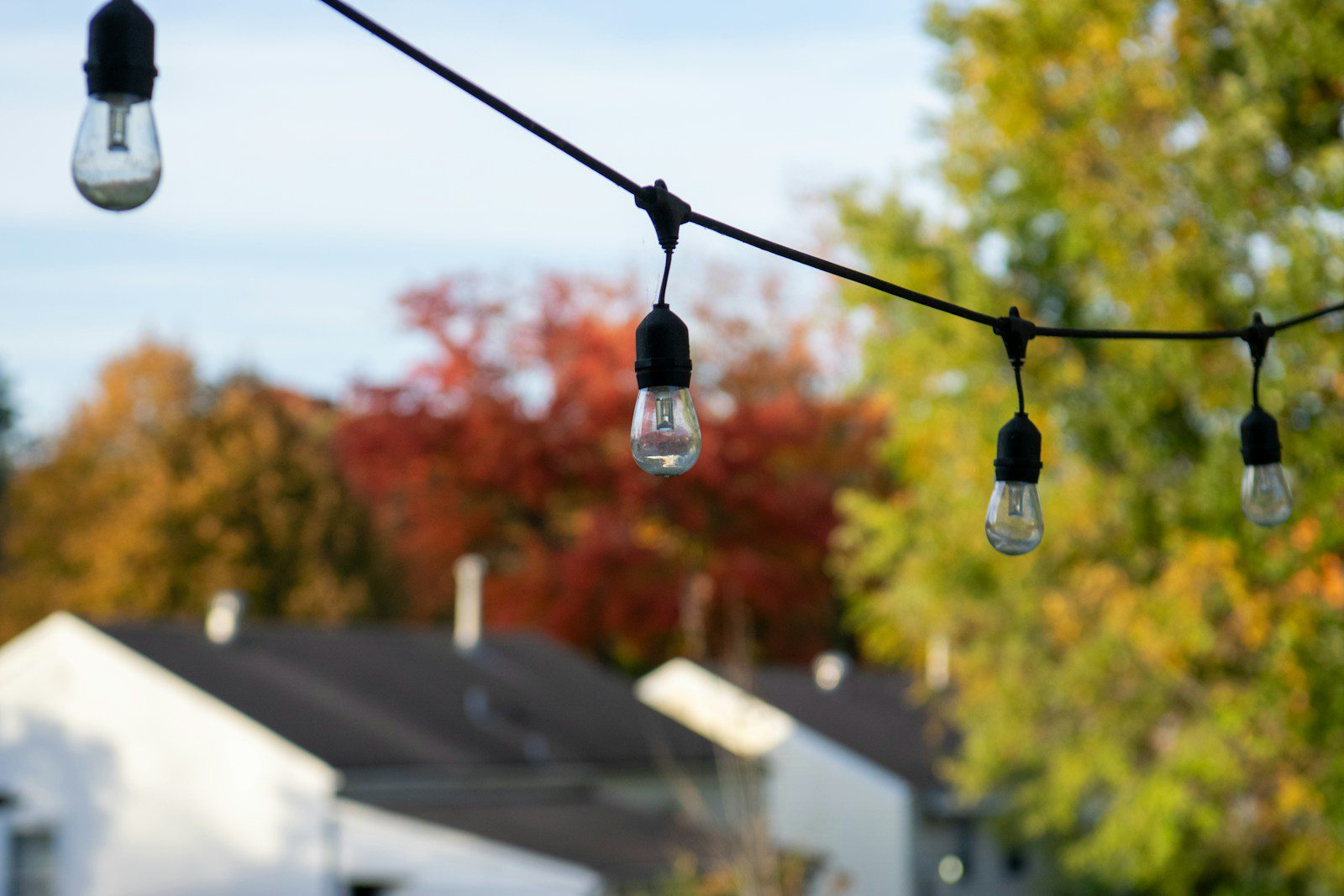
The need for outdoor lighting can vary depending on the time of day, occasion, or season. Ignoring this need can make your outdoor space less versatile. It’s best to have lighting that can be adjusted to suit different needs.
Dimmable lights are a great option, allowing you to control the intensity. For pathway or landscape lighting, consider lights with timers that can be set to turn on and off at specific times.
11. Overlooking the Importance of Lighting Durability

Outdoor lights are exposed to the elements and need to be durable. Overlooking this can lead to frequent replacements, which not only costs more in the long run but also cheapens your home’s look.
Choose lights that are weather-resistant and made of durable materials like stainless steel or copper. Also, consider the life span of the light bulbs. LED bulbs are more expensive upfront but last longer and are more energy-efficient.
12. Neglecting Proper Lighting Maintenance
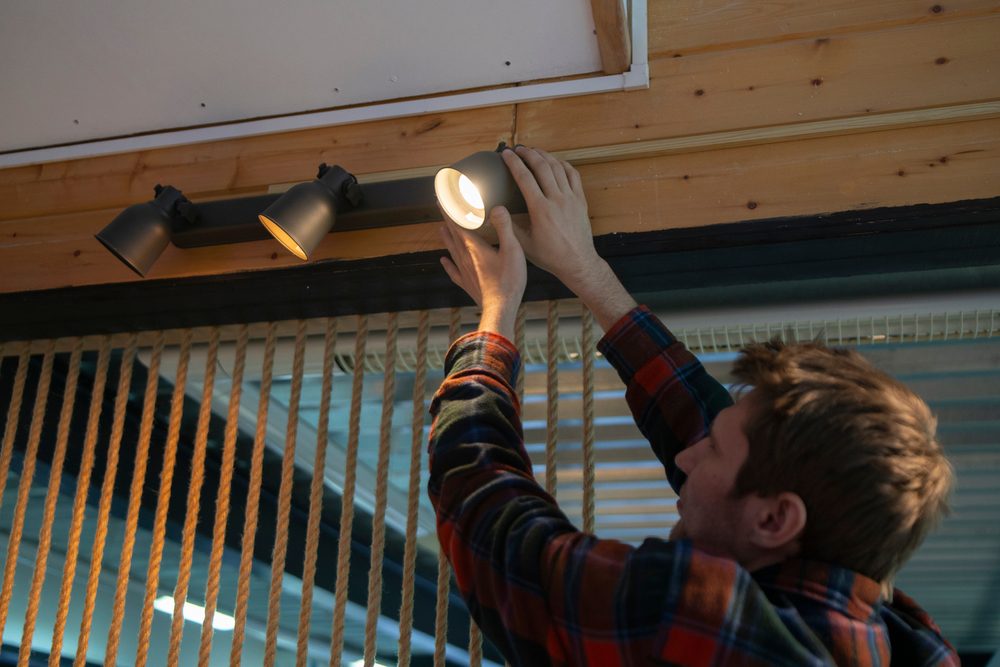
Just like any other part of your home, outdoor lighting requires proper maintenance. Neglecting this can result in dim lights, flickering, or even outages, which can cheapen your home’s look.
Regularly clean the fixtures and replace burnt-out bulbs. Check for any electrical issues, especially after a storm. Maintaining your outdoor lighting can prolong its lifespan and keep your home looking its best.
13. Not Considering Energy-Efficient Outdoor Lighting
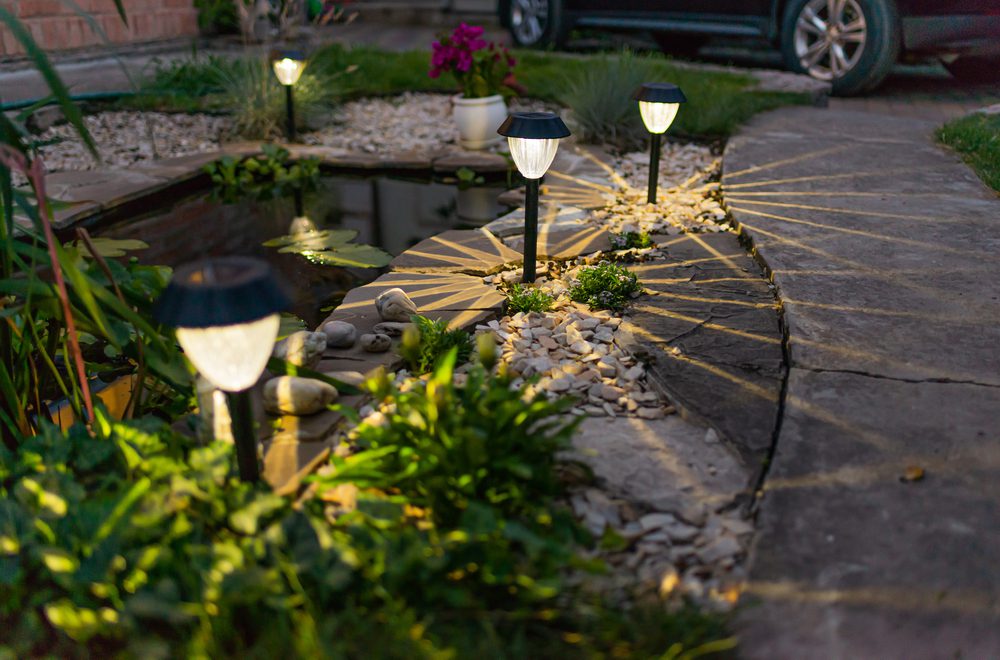
Energy-efficient outdoor lighting is not only good for your wallet but also for the environment. Ignoring this can lead to high energy bills and a larger carbon footprint.
Opt for LED or solar-powered lights. They may cost more upfront, but they use less energy and last longer, saving you money in the long run. Also, consider lights with motion sensors or timers to save energy.
14. Forgetting About Lighting Controls and Automation
With advancements in technology, you can now control and automate your outdoor lighting using your smartphone or voice commands. Forgetting about this feature can make your home look outdated and less sophisticated.
Smart lighting allows you to adjust the intensity, color, and timing of your lights from anywhere. It also provides added security by allowing you to turn on your lights while you’re away. Learn more about the benefits of smart lighting here.