

As a homeowner, one of the most pesky problems you might face is an infestation of mice. These little creatures are notorious for making themselves at home in all sorts of nooks and crannies in our houses.
They’re experts at hiding and can be quite difficult to spot until they’ve already made a nest and started breeding. Not only do they cause damage to your property, but they can also spread diseases.
It’s important to know where these mice are likely to hide so you can take preventative measures or quickly deal with an infestation if one occurs. Let’s take a look at some of the common and not-so-common hiding spots for mice in your home.
1. Behind Kitchen Appliances

One of the most common places mice tend to hide is behind kitchen appliances. This is because these places are usually warm and have easy access to food. It’s not uncommon to find mice nestled behind your refrigerator or your stove.
One way to identify a mouse infestation is by looking out for droppings or chew marks on wires. Regular cleaning and inspection can help prevent these furry critters from making their home in your kitchen.
2. Inside Wall Cavities

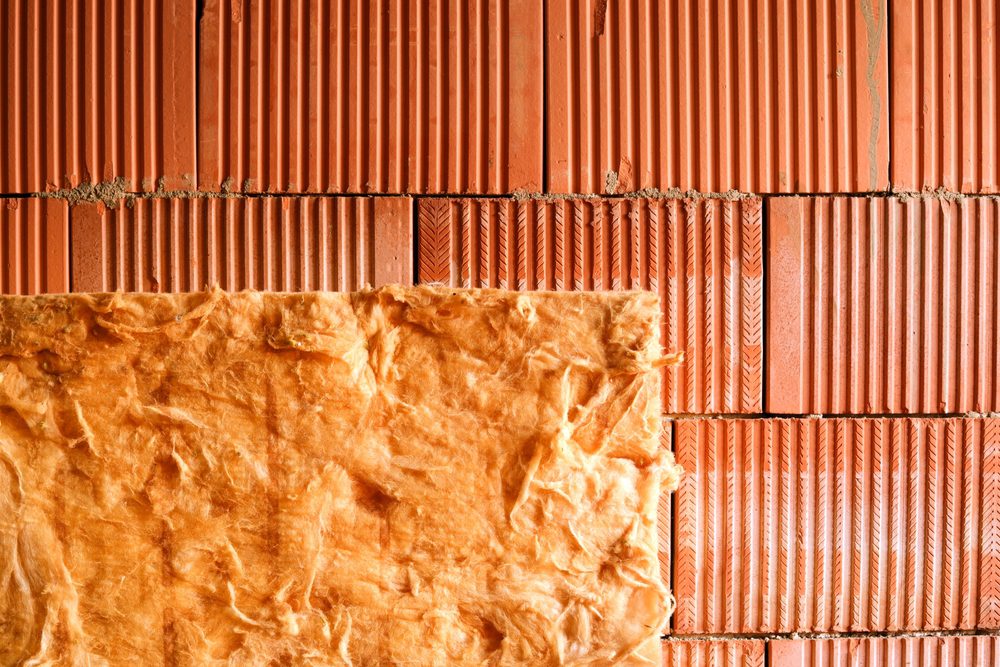
Mice are excellent climbers and can squeeze into the tiniest of spaces. This makes the insides of your walls an ideal hiding spot for them. They can travel between walls, entering through small holes or gaps and setting up nests in the insulation.
Spotting an infestation here can be tricky, but signs could include scratching sounds or a musty odor. Regular inspections of your home and sealing any gaps can help prevent this.
3. In The Attic

The attic is another popular hideout for mice. It’s usually quiet, dark, and undisturbed – perfect for a mouse nest. Mice can get into your attic through small openings in the roof or siding. Inspect your attic regularly, especially if you notice signs like droppings or nesting material. Using traps or professional pest control services can help get rid of an infestation.
4. Under Floorboards
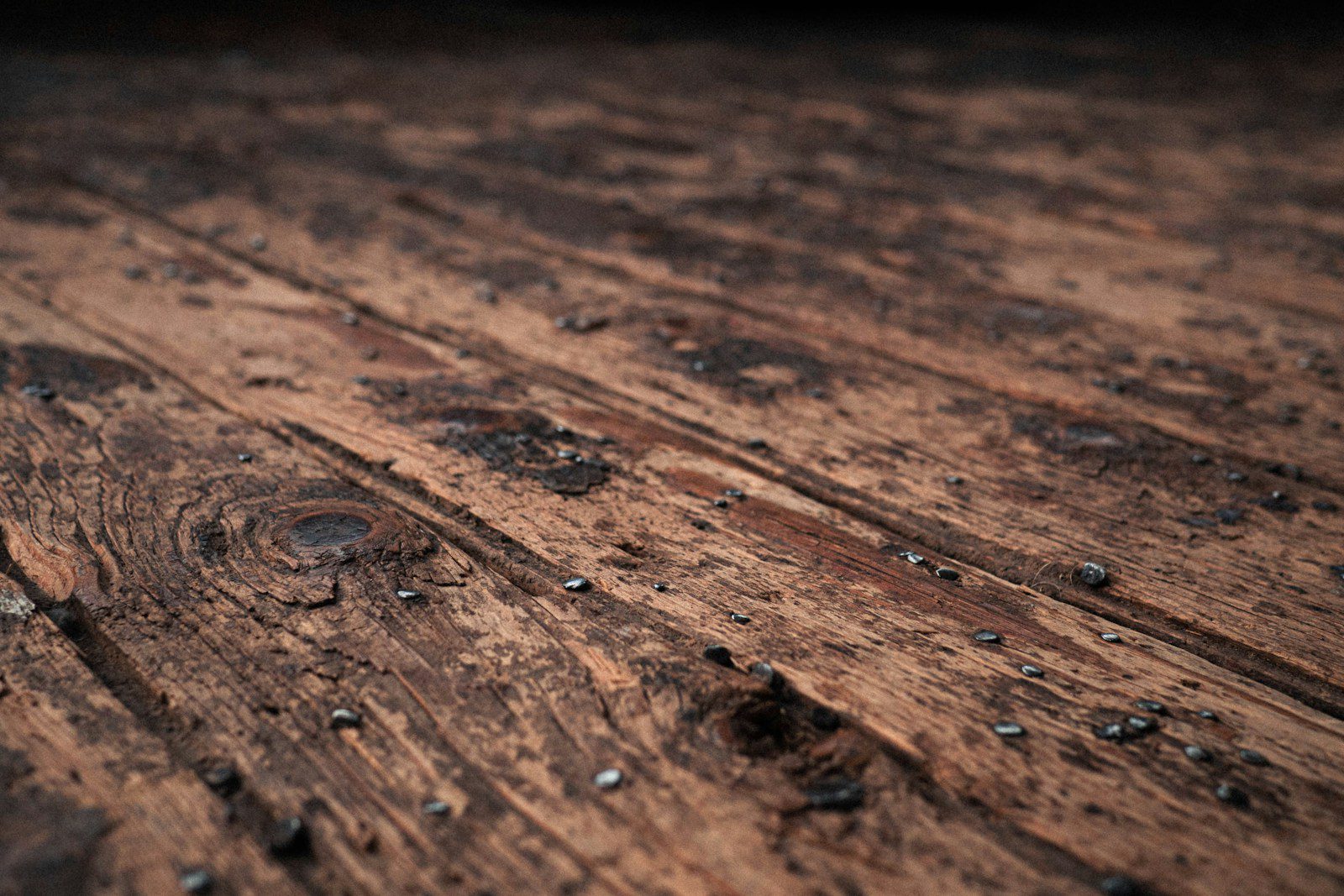
Mice are excellent burrowers and can easily make a home under your floorboards. This can be especially problematic as it can lead to structural damage over time. You might hear scratching sounds or notice a sudden increase in your pet’s interest in a particular area of your home. Prompt action and professional help can prevent extensive damage.
5. In Unused Corners of Basements

Basements, especially ones that are cluttered or infrequently used, provide an ideal environment for mice. They can hide in dark corners, among stored items, or inside old furniture. Regular cleaning and decluttering can help keep mice at bay. Also, use mouse traps or call in a professional if you suspect an infestation.
6. Behind Furniture

Another favorite spot for mice to hide is behind furniture. This is especially true for furniture that is rarely moved, like bookcases or heavy sofas. Look out for signs like droppings or bite marks on the furniture or nearby items. Regular vacuuming and moving furniture around for cleaning can help prevent mice from settling in.
7. In Insulation Material
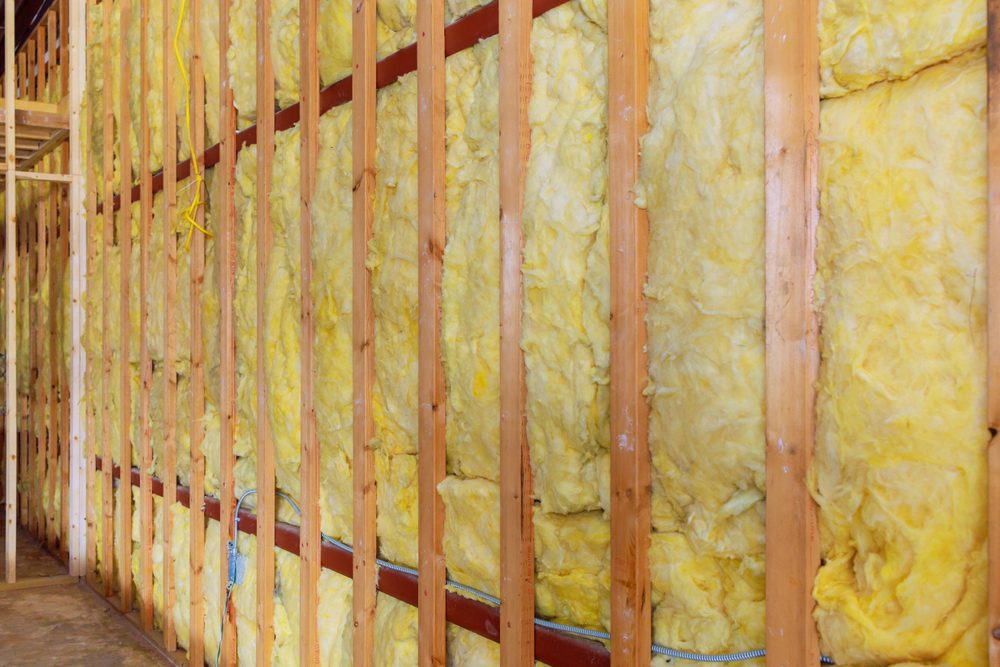
Insulation material in your walls, attic, or basement can provide a cozy nesting spot for mice. They can burrow into the material and create a warm and safe home. Regular inspections and proper sealing of your home can help prevent this. If you suspect an infestation, get professional assistance to avoid damaging your insulation.
8. Inside Closets and Wardrobe Cabinets
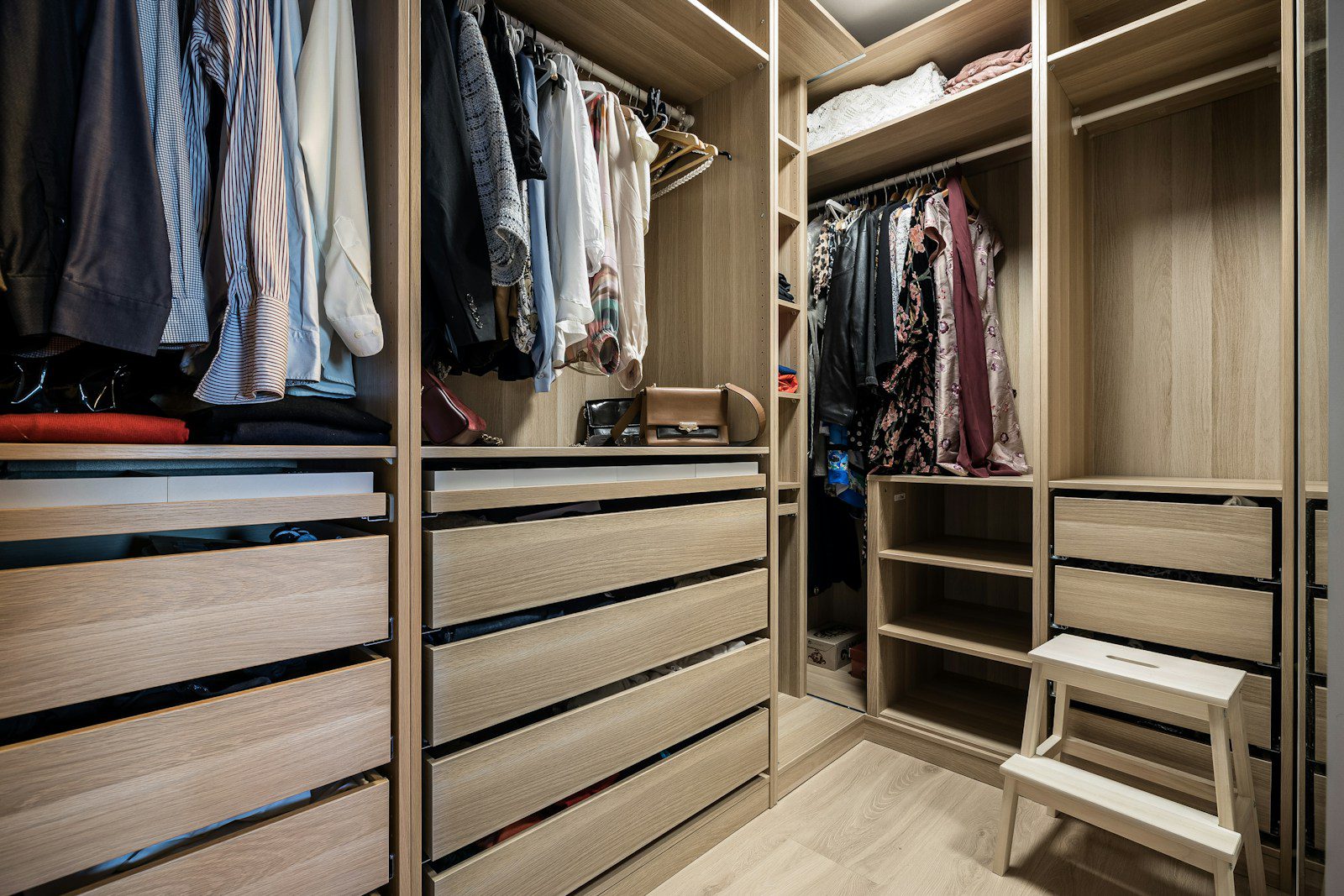
Closets and wardrobe cabinets, especially those not frequently used, can become a haven for mice. They can nestle among your stored clothes and items, causing damage and spreading disease. Regular cleaning and inspection of your closets can help keep mice away.
9. In Cluttered Garages

Garages that are cluttered or used for storage can also attract mice. They can hide among the boxes and items, undisturbed for a long time. Regular cleaning, decluttering, and inspections can help prevent a mouse infestation in your garage.
10. In Storage Boxes

Mice love to nest in storage boxes, especially those made of cardboard. They can chew through the material to create an entrance and make a cozy nest inside. Regularly checking your storage boxes and opting for plastic containers can help prevent this.
11. Under Sinks and Bathroom Cabinets

The area under sinks and inside bathroom cabinets provide a warm and damp environment that mice find appealing. They can sneak in through small openings and set up a nest. Regular cleaning and sealing of any gaps can help keep mice out.
12. In Pantries and Food Storage Areas

Pantries and food storage areas are like a buffet for mice. They can hide among the food items and feast to their heart’s content. Proper storage of food in sealed containers and regular checks can help prevent a mouse infestation.
13. Inside Old Books and Paper Stacks

Old books and stacks of papers can provide a good hiding spot for mice. They can chew through the material to create a nest. Regularly sorting through your books and papers and storing them properly can help prevent this. If you suspect an infestation, there are methods to safely remove mice from these areas without causing damage.
14. In Hollow Spaces of Doors and Walls


Last but not least, mice can hide in the hollow spaces of doors and walls. They can chew through the material to create an entrance and set up a nest inside. Regular inspections and sealing of any gaps can help prevent a mouse infestation in these areas.
Knowing where to look for mice in your home can help you prevent an infestation or tackle one effectively. Remember, if you’re dealing with a mouse infestation, it’s always best to seek professional help. Mice can carry diseases that can be harmful to humans, so it’s important to handle an infestation safely and effectively.
Before you go — if this inspired you, check out these readers-loved favorites: