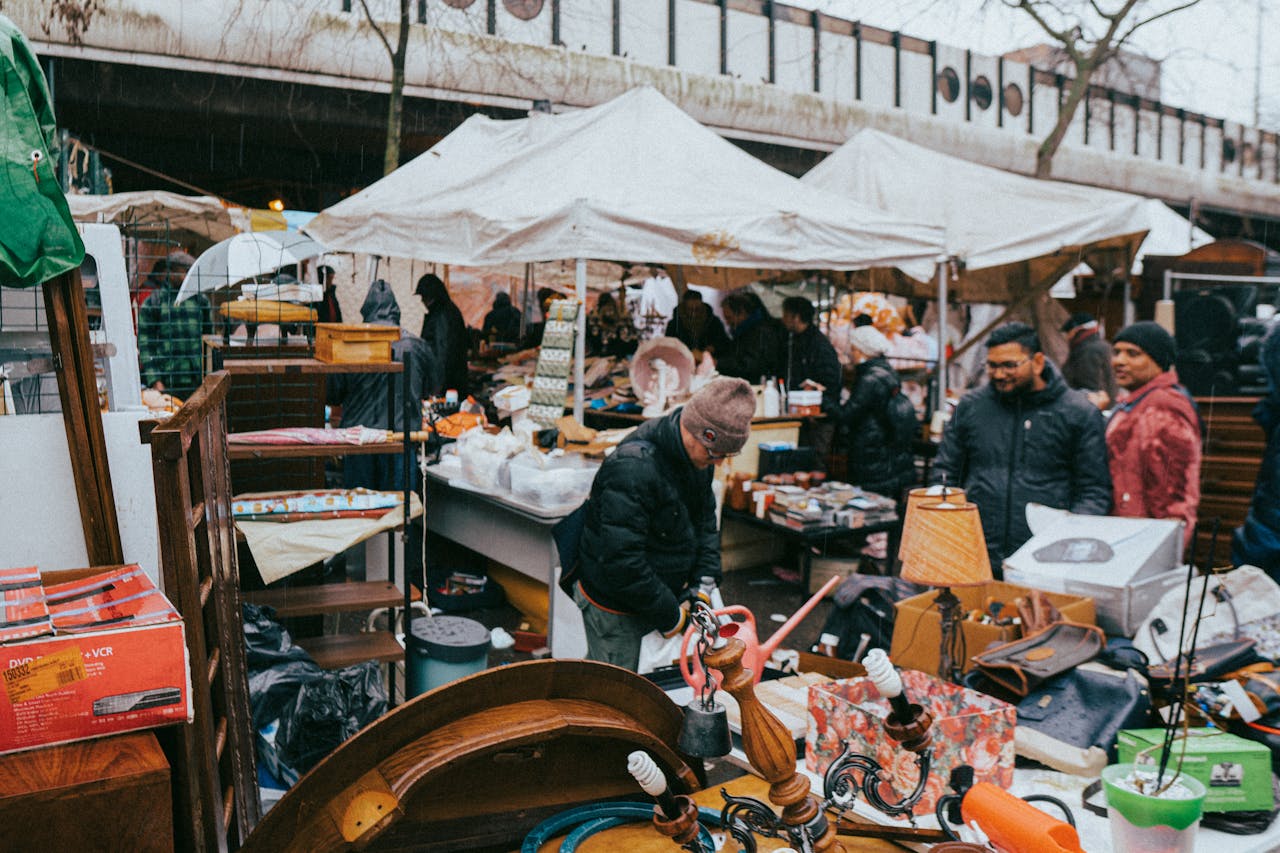
Building a vintage collection can feel overwhelming at first, but with the right approach, it becomes an enjoyable and rewarding process. Whether you’re drawn to fashion, furniture, or unique antiques, focusing your efforts helps you create a collection that truly reflects your style and interests.
This article will guide you through clear steps to help you build a focused vintage collection that suits your personal taste and goals. By following these steps, you’ll learn how to identify what matters most to you and make thoughtful choices that bring your collection to life.
Define your vintage niche and style

Start by exploring what vintage items excite you most. You might love mid-century modern furniture, retro fashion, or antique home decor.
Think about your personal taste and what fits your lifestyle or collection goals. Narrowing your focus helps you spot the best finds and build consistency.
Your niche can change as you learn what sells or what you enjoy, so stay open but clear about your core style. This makes your collection unique and easier to manage.
Research vintage eras and trends

You need to start by learning about different vintage eras and their unique styles. Focus on specific decades like the 1940s or 1950s to see what defines their fashion.
Look for key trends, fabrics, and popular brands from that time. This helps you identify pieces that fit your collection’s theme.
Pay attention to cultural events that influenced styles. This background makes your collection more meaningful and attractive to buyers.
Visit local thrift stores regularly

Visiting thrift stores often increases your chances of finding unique vintage items. Inventory changes frequently, so new treasures can appear anytime.
Try to establish a consistent route if you have several stores nearby. This helps you stay ahead and spot rare pieces before others do.
Patience and routine are key. Regular visits turn thrifting into an enjoyable hunt rather than a one-time gamble.
Attend estate sales and auctions
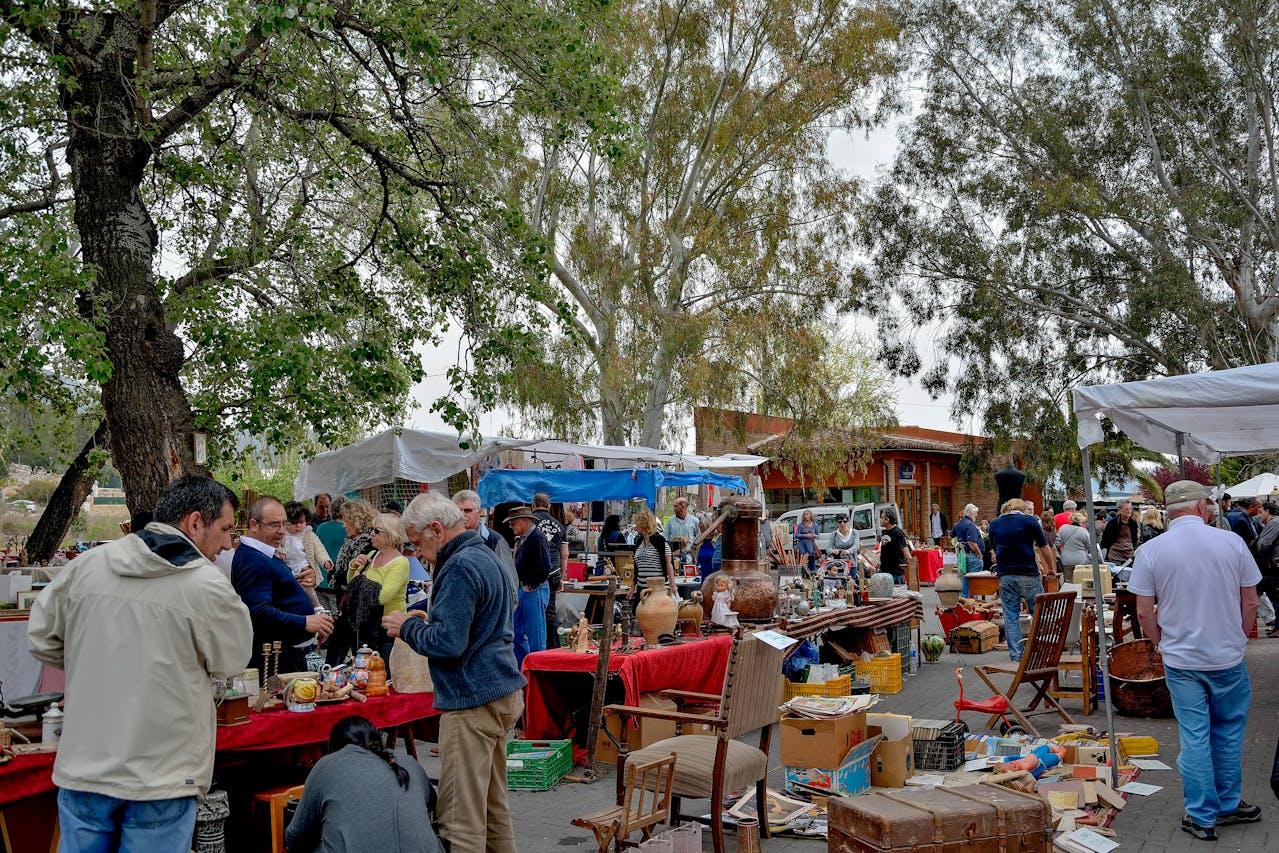
You can find unique vintage items by attending estate sales and auctions. These events often feature hidden gems that aren’t available in regular stores.
Before attending, do some research on the items and set a budget. This helps you bid confidently without overspending.
At an auction, watch the bidding closely and don’t rush your decisions. Estate sales let you browse items at your own pace, making it easier to spot quality pieces.
Join vintage collector forums and social media groups

You can learn a lot by joining vintage collector forums and social media groups. These communities let you ask questions, share photos, and get advice from experienced collectors.
Being part of these groups helps you stay updated on market trends and discover rare items. It’s also a great way to connect with others who share your passion for vintage collecting.
Start with smaller, affordable pieces
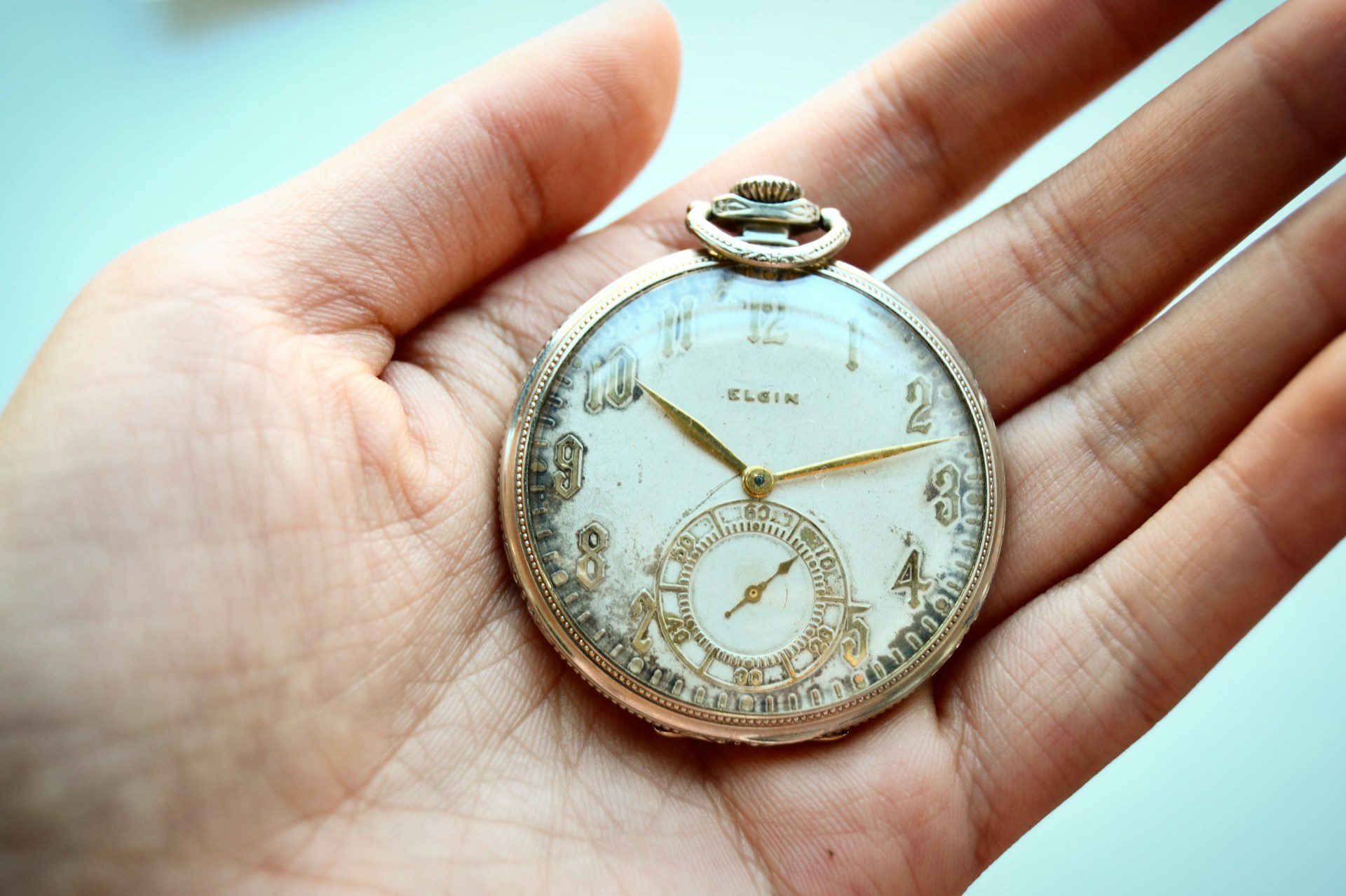
Begin your vintage collection with items that fit your budget. Smaller, less expensive pieces let you explore the market without feeling overwhelmed.
These items often have unique stories and charm, giving you a great introduction to your chosen theme. As you gain confidence, you can gradually add more valuable pieces.
Starting small also helps you learn what you like best. This approach keeps collecting fun and manageable while building your knowledge step by step.
Learn to identify authentic vintage items

You start by examining the materials and construction techniques used. Different periods favored specific woods, fabrics, and metals.
Look closely for signs of age, like wear or fading, but be careful not to mistake damage for authenticity.
Research sellers and trust your instincts. If something feels off, ask questions or move on. This helps you avoid vintage-inspired pieces that aren’t truly vintage.
Document your collection with photos
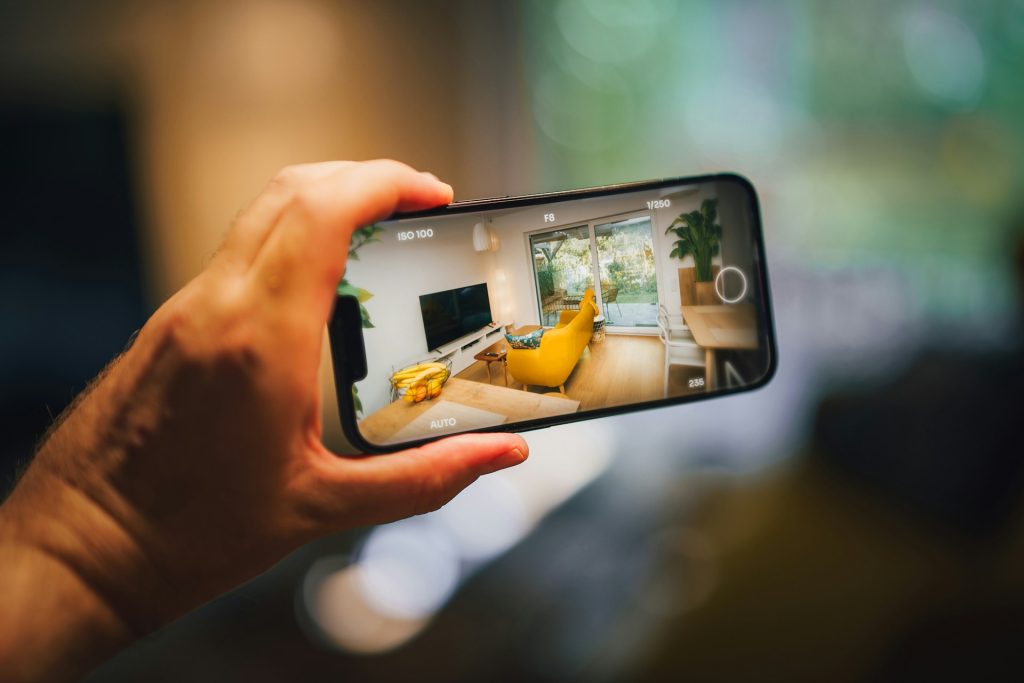
Take clear photos of each item from multiple angles. Capture details like markings, signatures, or any damage. This helps you keep track and proves authenticity later.
Use natural light when possible. Avoid harsh direct sunlight, which can create unwanted shadows or glare.
Organize your photos in a digital folder with filenames or tags that describe each piece. This makes finding and sharing items easy.
Develop relationships with vintage dealers
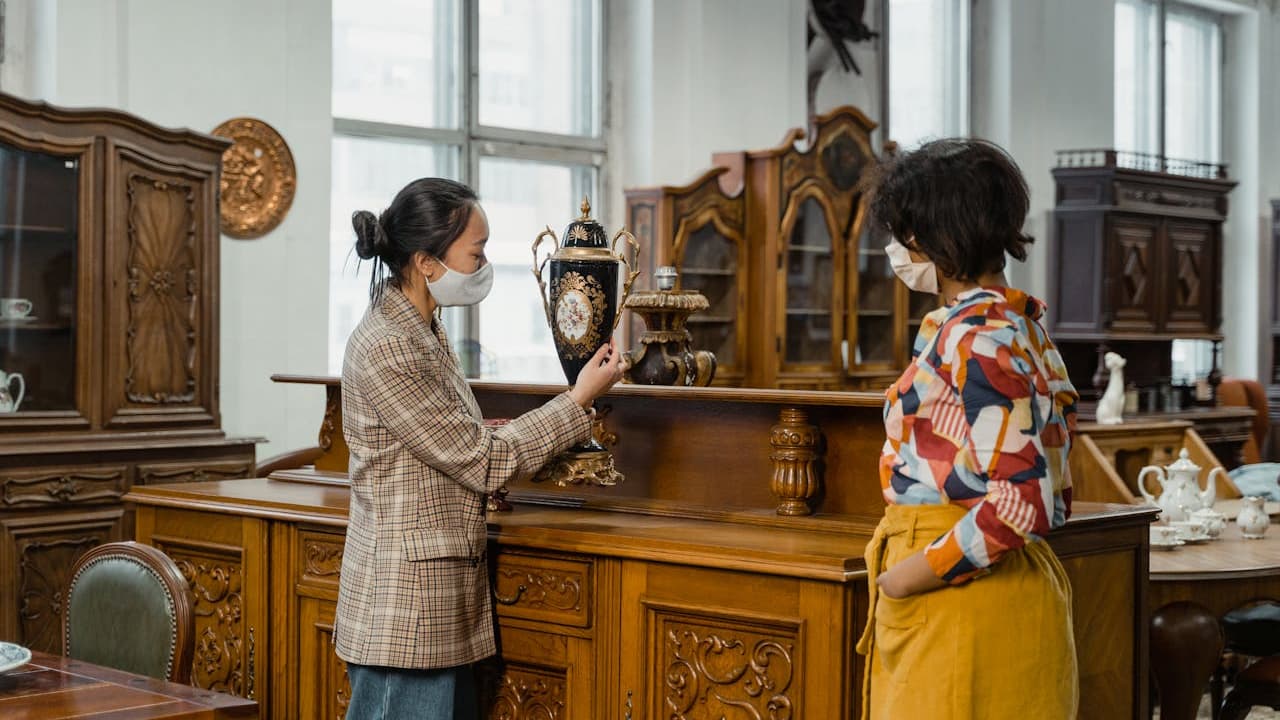
Building trust with vintage dealers is essential for a focused collection. Take time to visit local shops and markets regularly to connect with dealers personally.
By maintaining honest and respectful communication, you’ll gain access to unique items and insider knowledge.
These relationships can also help you negotiate better prices and find rare pieces that match your collection goals. Keep in touch, and don’t hesitate to ask questions or seek advice.
Mix and match pieces for versatility

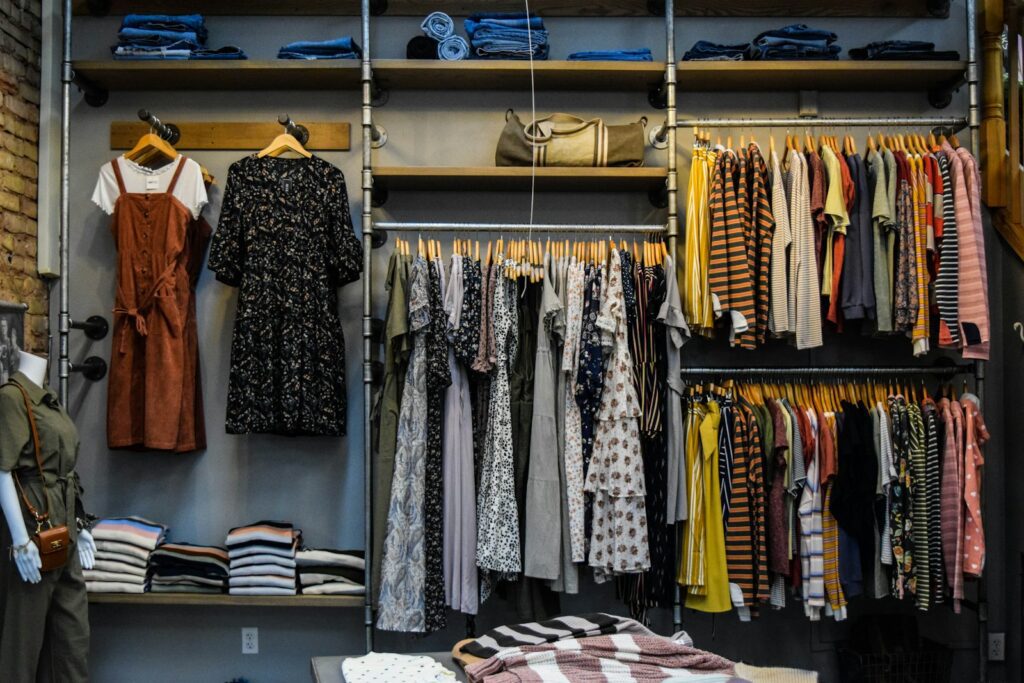
You want your vintage collection to work hard for you. Choose pieces that can pair easily with others, like a classic blazer or a white T-shirt.
Mixing and matching helps you create many outfits without needing a lot of items. This saves space and keeps your style fresh.
Focus on neutral colors and timeless shapes. These elements let you switch up looks effortlessly while staying true to your vintage vibe.
Stay patient and enjoy the hunt

Building a vintage collection takes time, so give yourself space to learn and grow. You don’t need to rush or find everything at once.
The process of searching for pieces is part of the joy. Each find, big or small, adds to your story and collection.
Be open to surprises and trust that with patience, your collection will shape itself naturally over time. Enjoy the journey.
Create a dedicated space for your collection

Set aside a specific area where your vintage items can be displayed and enjoyed. This helps keep your collection organized and protects your pieces from damage.
Choose a space with good lighting and enough room to showcase each item thoughtfully. It also makes it easier for you to add new finds without clutter.
Having a dedicated spot shows off your collection’s character and makes it a focal point in your home.
Keep track of provenance and history

You should always document the provenance of your vintage items. This means keeping a clear record of where each piece came from and its previous owners.
Knowing an item’s history adds authenticity and helps prove its value.
Simple notes, photos, and receipts can build a strong collection record. This also makes it easier if you ever want to sell or insure your items.
Ask experts for advice often

You’ll learn a lot by talking to experienced collectors and advisors. They can help you avoid common mistakes and point out valuable finds.
Don’t hesitate to ask about authenticity, condition, and market trends. Their insights will guide your decisions and build your confidence.
Building connections with experts also opens doors to community knowledge and sometimes exclusive opportunities. Keep the conversation ongoing as your collection grows.