Curating vintage home items can bring warmth and character to your space, but it can also lead to clutter if not done thoughtfully. You want to enjoy the charm of your collection without feeling overwhelmed by too many things.
This article will help you create a balanced and organized vintage display that feels intentional and cozy. With simple steps, you can keep your home stylish and meaningful while avoiding the common pitfalls of clutter.
Take an inventory of all vintage items before arranging

Start by gathering every vintage piece you own in one place. This helps you see exactly what you have and avoid duplicates.
Write down key details like the item’s name, condition, and any story behind it. Keeping this record will make organizing easier later.
Use a simple spreadsheet or notebook to track each item. This way, you can sort and prioritize before you start arranging your space.
Designate one specific area in your home for vintage collections
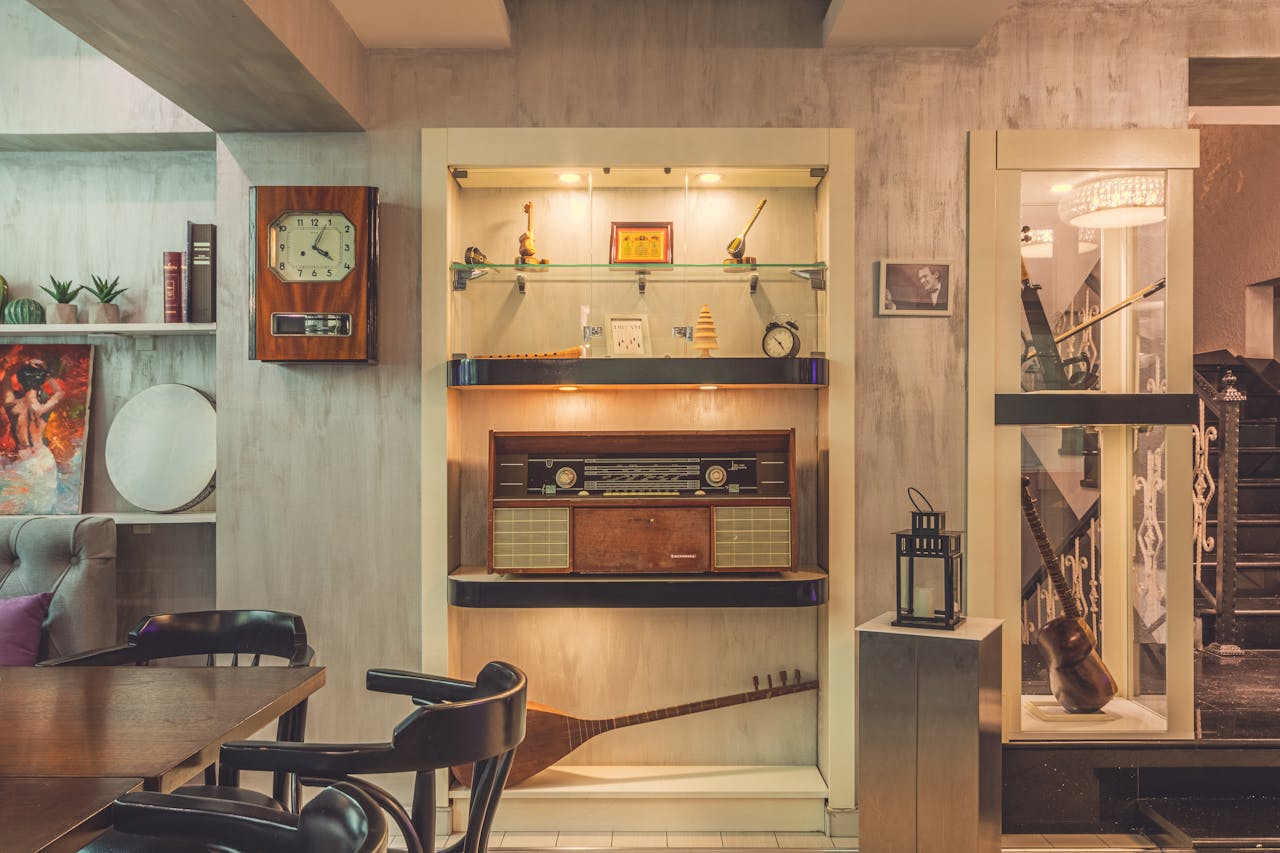
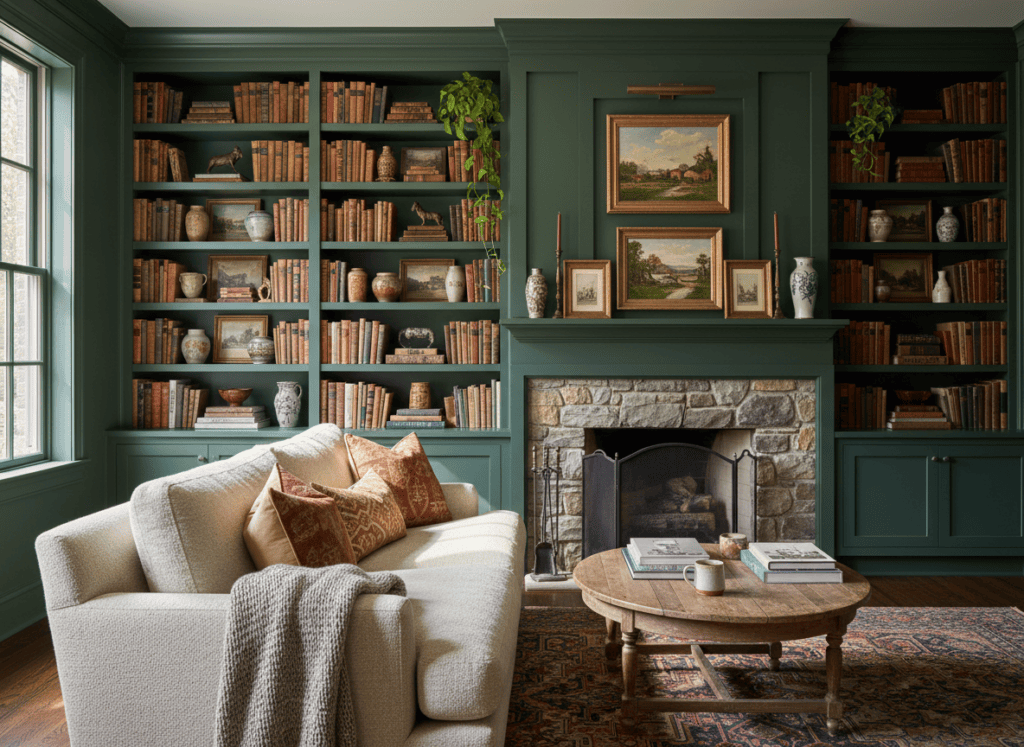
Choose a dedicated spot for your vintage items to keep them organized and easy to enjoy. This can be a shelf, a corner, or even a small room.
Having one area helps prevent clutter from spreading throughout your home. It also creates a focused display that shows off your collection’s charm.
When you limit your vintage items to a specific place, you’ll find it easier to maintain and add to your collection thoughtfully.
Group items by color or theme for visual harmony

Grouping your vintage items by color creates an easy, pleasing look. It helps your eye flow naturally across the space without feeling overwhelmed.
You can also group by theme, like all rustic pieces or all travel mementos. This adds meaning to your display and keeps it cohesive.
Try to balance colors or themes across your shelves or corners. It brings a sense of order without making it feel forced or too perfect.
Use shelves or photo ledges to display larger vintage pieces

You can use shelves or photo ledges to showcase bigger vintage items without crowding your space. These ledges give your collection a dedicated spot while keeping surfaces clear.
Arrange a few carefully chosen pieces to create balance and avoid clutter. Mixing sizes and textures keeps the display interesting and visually appealing.
Keep the layout flexible, so you can easily update your arrangement or swap items as your collection grows.
Rotate vintage displays seasonally to keep interest alive

You can keep your vintage collection feeling fresh by changing the items you display with the seasons. Swap pieces that fit the current time of year, like vintage holiday ornaments in winter or summer-themed items during warmer months.
This simple rotation helps prevent your display from becoming stale. It also gives each piece a moment to shine without overcrowding your space.
Choose meaningful items that spark joy or have value

Focus on vintage pieces that genuinely resonate with you. These could be items that remind you of a special time or person.
Choose objects that bring positive feelings, like happiness or nostalgia. They should feel worth keeping, not just taking up space.
If an item has a practical use or can be displayed beautifully, it’s easier to appreciate every day. This helps prevent clutter while honoring your memories.
Avoid overcrowding by limiting the number of pieces shown

You want each vintage item to stand out, so don’t crowd your shelves or surfaces. Picking a limited number lets each piece get the attention it deserves.
If you have a large collection, consider rotating items instead of displaying everything at once. This keeps your space fresh and avoids visual chaos.
Spacing your items evenly also helps create balance. It feels more intentional and makes your home look organized without losing its charm.
Incorporate vintage items with modern decor to balance style

You can create a balanced look by blending vintage pieces with modern decor. Aim for mostly modern items and add a few vintage finds to bring character without clutter.
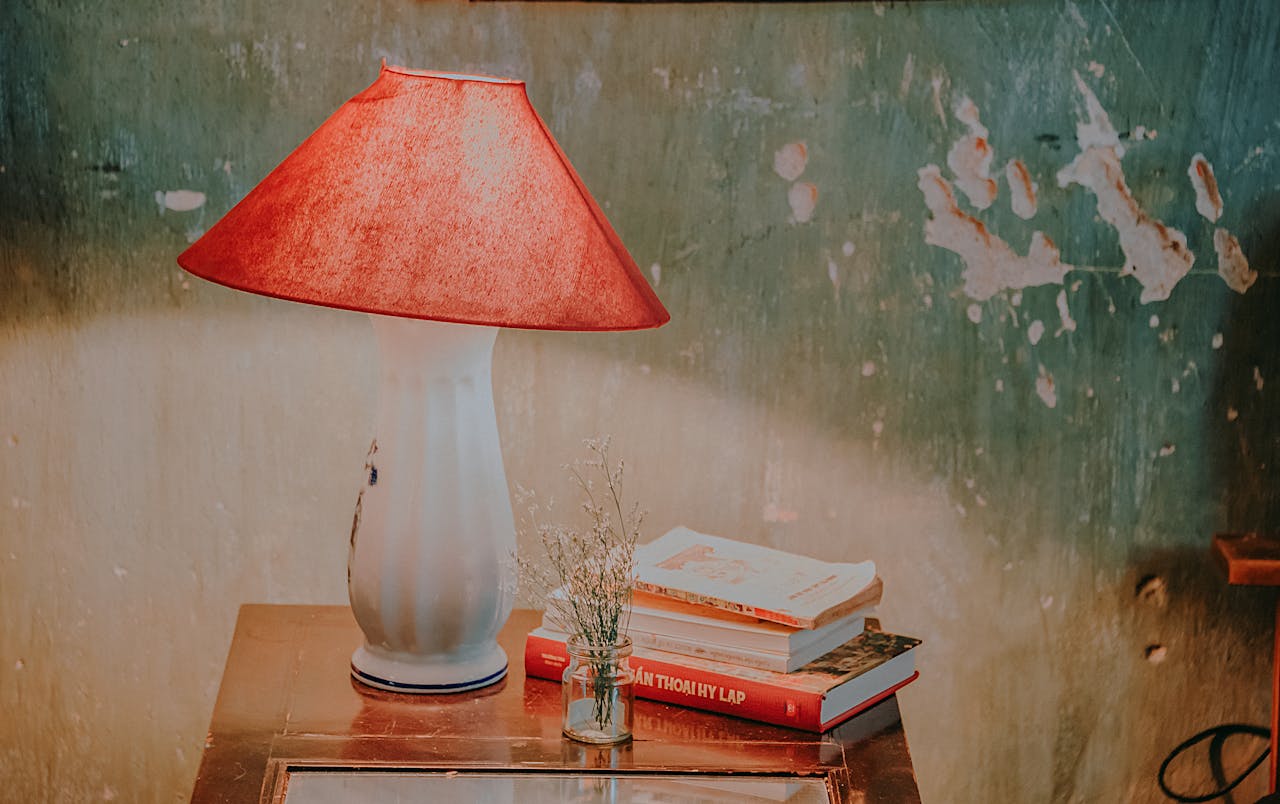
Choose neutral colors as your backdrop to help the styles mix well. Keep the vintage items as standout accents, like a unique lamp or a vintage chair.
This way, your space feels fresh but still has a touch of history and personality.
Create zones for different types of vintage items to maintain order
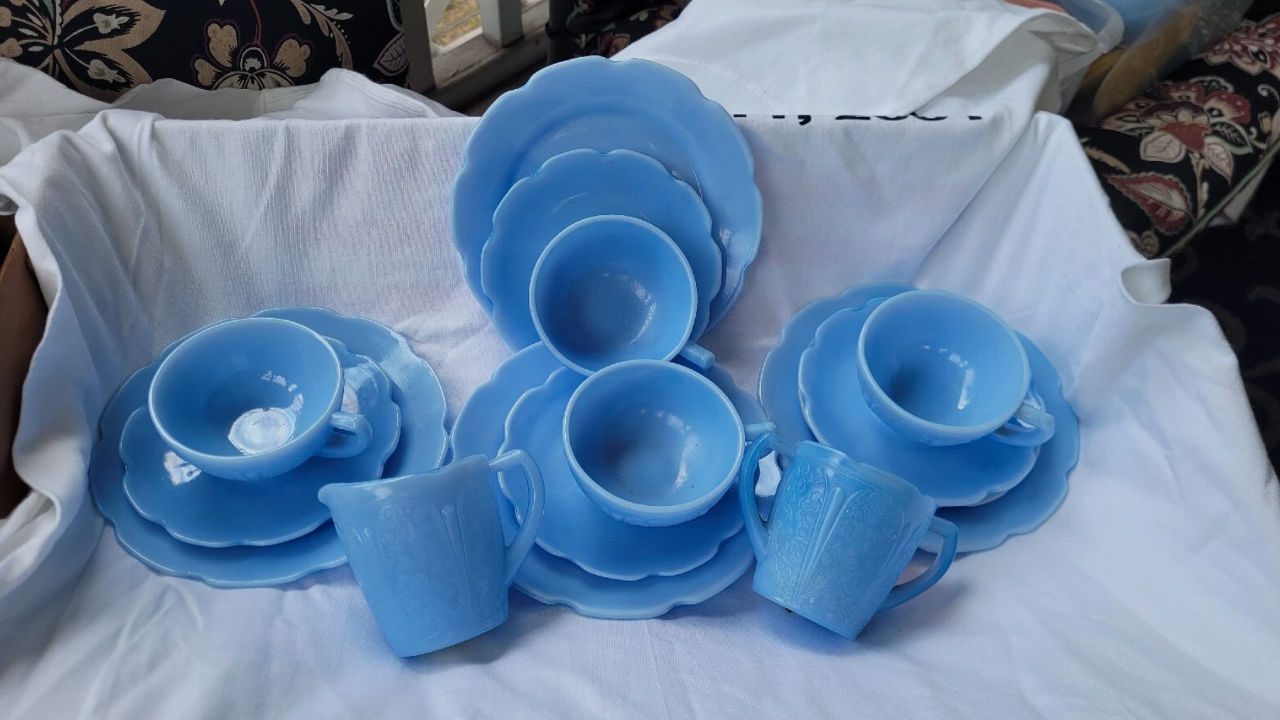
/eBay.
You can keep your collection tidy by setting up specific zones for different vintage items. This helps you find pieces easily and prevents clutter from building up.
Group similar items together, like glassware, textiles, or decor. It also protects delicate pieces by keeping them separate from heavier or sturdier items.
Labeling each zone makes your system clear and keeps your space looking neat. This way, your vintage collection feels organized and inviting.
Use clear labels or tags to identify and remember item histories

You should use clear labels or tags to keep track of your vintage items. This helps you remember where each piece came from and any special details.
Keep your tags simple with key information like date, origin, and condition. This makes it easy to reference later.
Using consistent and neat labels also makes organizing your collection smoother. It reduces confusion and helps you quickly find what you need.
Combine small vintage pieces in collections to create focal points

You can group small vintage items like vases, clocks, or trinket boxes to form an eye-catching collection. This draws attention without crowding your space.
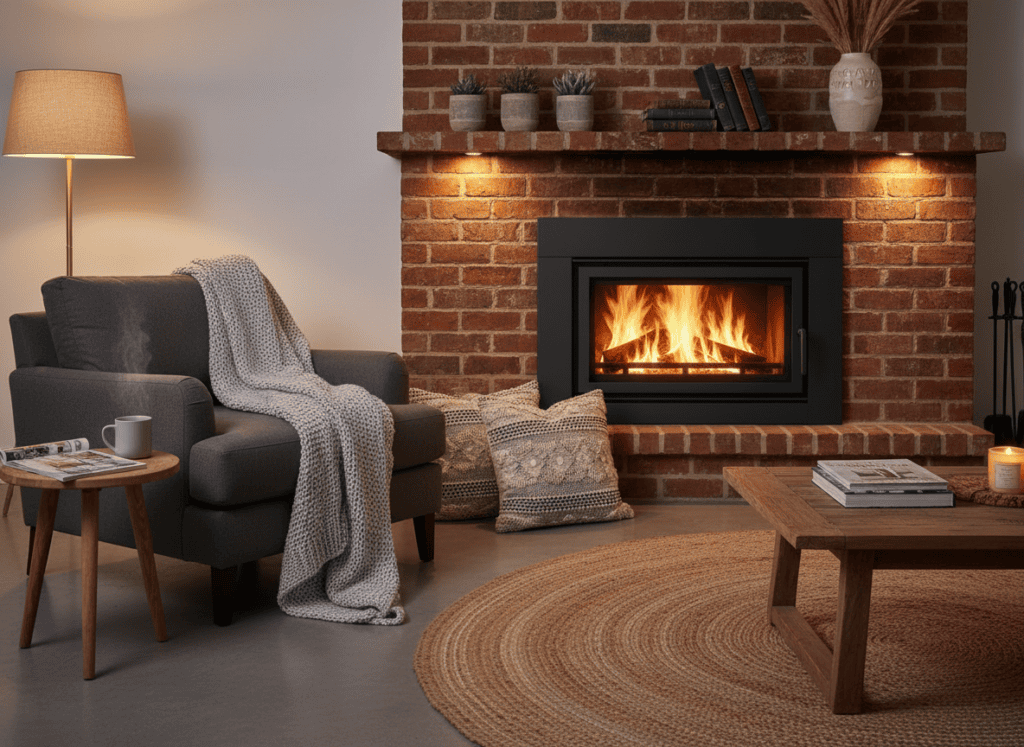
Arrange these pieces on a shelf, mantel, or side table. Keep some breathing room around them to avoid a cluttered look.
By combining small items, you create a clear focal point that highlights your vintage finds in a balanced, stylish way.
Switch out items occasionally to refresh your display
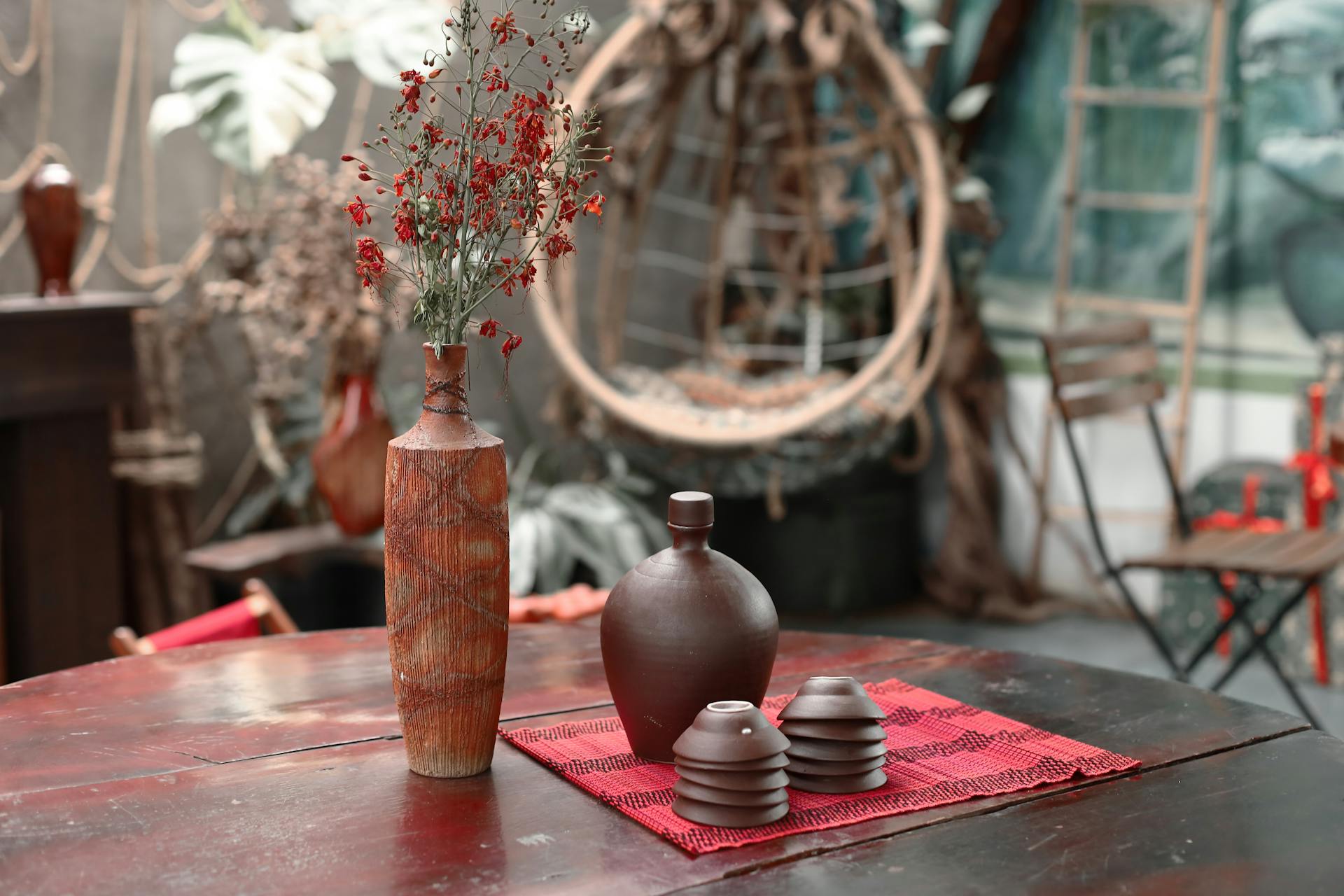
Try rotating your vintage pieces every few weeks. This keeps your space feeling fresh without adding clutter.
You might move a unique vase from the living room to the kitchen or swap framed photos in different rooms. Small changes like these highlight your collection in new ways.
Switching items also gives you a chance to appreciate pieces you might have forgotten about. It’s a simple way to keep your home interesting and balanced.
Store extras in labeled boxes or containers to reduce clutter

You can keep your vintage items organized by using labeled boxes or containers. Clear labels help you find what you need quickly without digging through piles.
Choose sturdy containers that protect your items from dust and damage. Storing extras in this way keeps your space tidy while preserving your cherished pieces.
Sell or donate vintage pieces that no longer serve you

When you find vintage items that don’t fit your space or style anymore, consider selling or donating them. Selling can bring some extra cash, but keep in mind prices might be lower than expected.
Donating is a great way to give your pieces a new life. You can use local groups or places like Goodwill to pass items on to others who will appreciate them.