Open the average closet and you will find the same thing: a packed rod, a stuffed dresser and a handful of outfits that get worn again and again. A mom of two says that is no accident, and she has a number to back it up. “Most people wear 20% of their clothes 80% of the time,” she says. She adds that she shares that figure all the time because it is so eye opening.
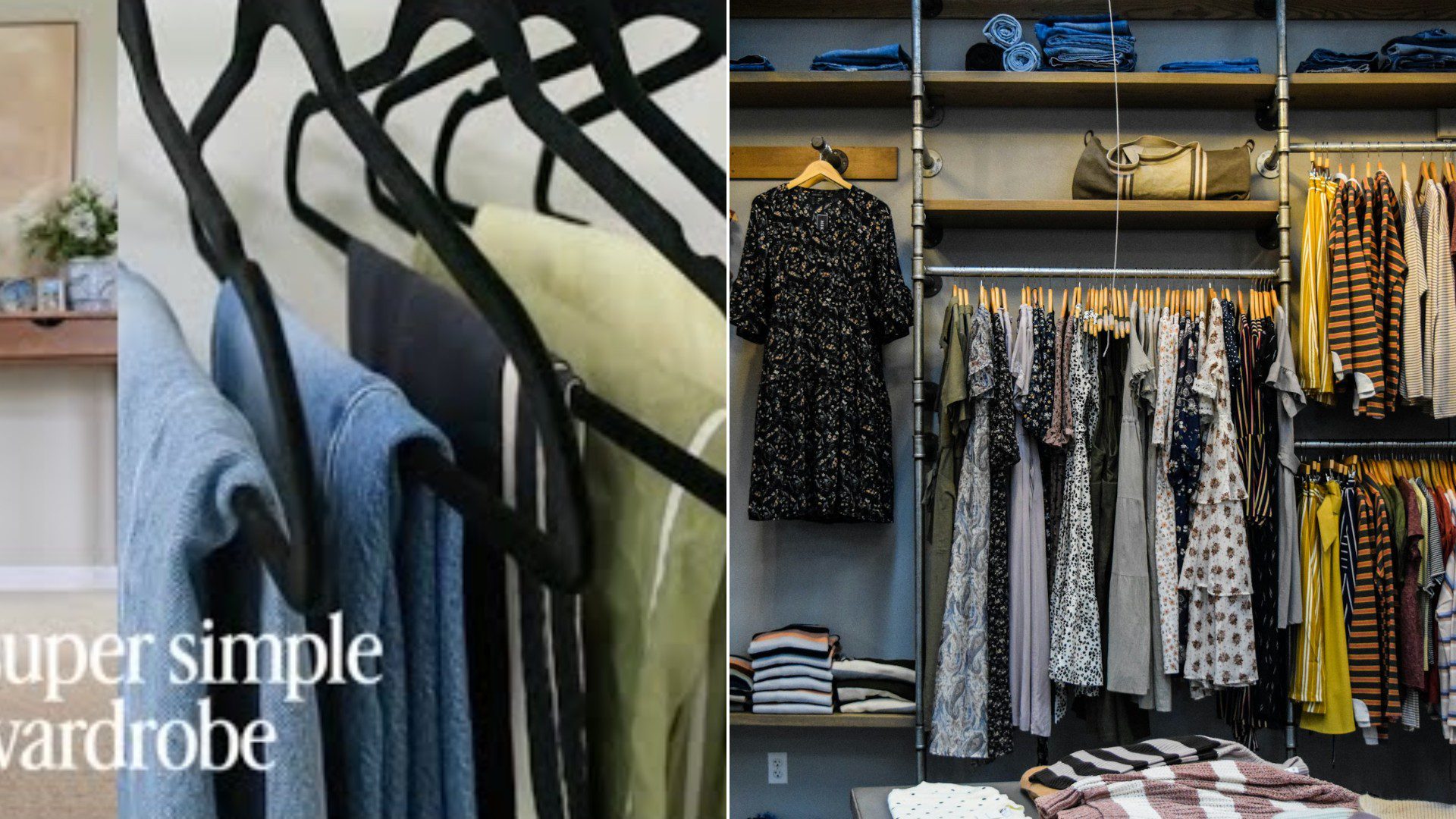
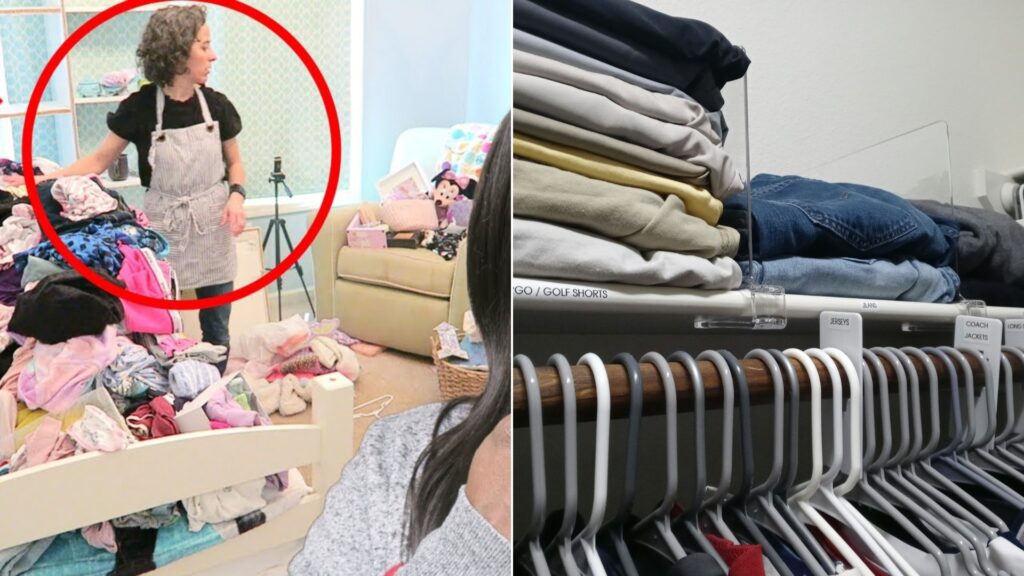
The woman behind the idea is Erica Mynatt, who explains it in a YouTube video called A minimal closet changed my life | Simplifying motherhood. The wardrobe was one of the first areas she simplified when she decided to get rid of 50% of her family’s things and go for a simpler life.
A Wardrobe Built For A Busy Mom
Her reasoning starts with a simple truth about her days. As a mom of two, she says she needs a very simple wardrobe that makes it easy to get dressed in the morning. She does not want to spend a lot of time thinking about outfits, and she does not want a shirt that only looks good with one particular pair of pants. In her words, she wants getting dressed to be “a very easy part of my day as a mom.”
From there, the method is to decide what kinds of clothes fit the life you actually live, and then start removing the things that do not fit those categories. She gives an example of how that thinking works: if you are a stay at home mom, you probably do not need a closet full of fancy dresses or uncomfortable, tight clothes.
The 20 Percent Rule In Plain Words
The 20 and 80 figure is a good one to chew on, whether or not you ever do the math on your own closet. The idea is that most of us keep reaching for the same small group of favorites while the rest of the clothes hang there, unworn. She ties that to the pressures of today’s world, naming overconsumption and fast fashion as part of the story. Her answer is not to buy more. It is to keep the pieces that you truly use.
She paints a picture to make the point: “Imagine you open your closet and there’s like 15 of your favorite things just hanging right before your eyes.” For her, having a closet like that has made it easier to let go of other things.
Choosing Natural Fibers
One thing that guided her choices was a preference for natural fibers when possible, such as cotton and linen. When her family decided to make that switch, the first place they started was undergarments. Finding pants she liked took a while, and jeans were especially hard, because she no longer likes skinny jeans but does not want super wide ones either.
She shares a few finds from her own closet. Two of the pants she likes are good TJ Maxx finds, and both are 100% linen. She also recently found very soft 100% cotton sweaters at Old Navy, and says Amazon Basics makes nice cardigans that are 100% cotton. These are her personal picks, shared as examples of what worked for her.
Bags That Work For Real Life
Her simplified approach reaches to bags too. She still loves bags, she says, but as a mom, some are far more practical than others for life right now. In the video she shows what she considers the best mom bag, or diaper bag, situation, and she points out that they are washable as well. It is a good example of letting everyday use, rather than looks alone, decide what stays.
A Question To Ask Your Own Closet
One of the most useful moments in the video is a question she says she asks herself when deciding what to keep. She wonders why she would ever choose the pieces she does not like as much over the ones she loves, and whether she is just always going to reach for her favorites.
It is a simple test, and you can borrow it. Pick up a piece of clothing you rarely wear and hold it up next to something you reach for all the time. Ask which one you would choose on a rushed morning. If it is never the first one, you may have your answer.
How To Try It At Home
You do not have to give away half your belongings to get something out of this approach. Here are some steps drawn from the ideas in the video:
- Think about your real week. Make a quick list of the kinds of days you have, such as errands, church, work, or time at home with the kids, and the kinds of clothes you need for them.
- Sort by category. Pull out anything that does not fit those needs, like clothes that are uncomfortable, too fancy for your life or only work with one other piece.
- Notice your favorites. Make a pile of what you reach for most. Seeing it can be a revelation.
- Think about fabric. If you prefer natural fibers like cotton or linen, check labels as you shop and sort.
- Let go of what you pass over. If you keep choosing something else every time, the extra piece may not be earning its spot.
Why A Simpler Closet Appeals
There is real appeal in the idea that getting dressed could be one of the easiest parts of your day. Fewer choices can mean less stress, and a closet filled with things you love can make mornings feel calmer. Whether you are a busy parent or simply tired of an overflowing dresser, the lesson is the same: start with how you actually live, and keep the things that serve that life.
More Stories You May Like
- Reseller Shares a Hack for People Who Do Not Want to Hold Inventory and Still Want to Make Money
- Professional Organizer Lists 20 Things You Should Throw Out Today and Guarantees There Is at Least One on the List You Will Absolutely Refuse to Part With
- Mom Deep Cleans the House She Already Knows She Will Not Get to Keep After Her Divorce and Explains Why She Is Choosing a Fresh Start for Her Kids