In a world that increasingly understands the importance of sustainability, the old adage “one man’s trash is another man’s treasure” has never been more applicable. However, many of us still have a tendency to throw away items that could be donated and given a new lease of life. Donating not only reduces waste, but it can also help someone in need, supports charities, and prevents the unnecessary production of new items. In this blog post, we will explore 14 items that I always donate instead of throwing away.
1. Clothing
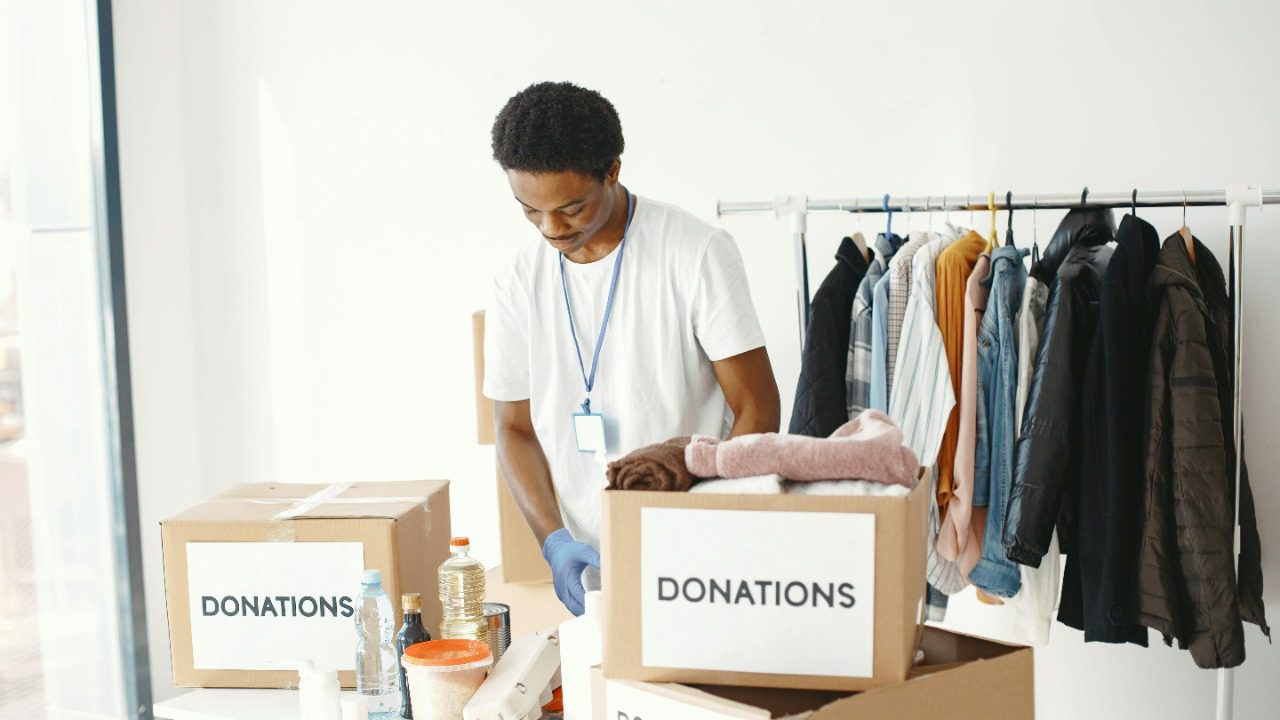
Most of us have clothes in our closets that haven’t seen the light of day in years. Instead of throwing them away, consider donating them to a local charity shop or organization like The Salvation Army. They sell these items to raise funds for their projects, while also providing affordable clothing options for those who need it.
Moreover, by donating clothes, we can help reduce the enormous amount of textile waste that ends up in our landfills each year. In fact, according to the Environmental Protection Agency, the average American throws away approximately 80 pounds of used clothing per person per year. So, give your old clothes a new home and help the environment at the same time.
2. Books
Books are another item I always donate instead of tossing. After all, why should a good story be confined to gathering dust on a shelf? Libraries, schools, and charity shops are always grateful for book donations.
Donating books not only enriches other people’s lives but also reduces waste. It’s estimated that 320 million books end up in landfill each year in the U.S. alone. By donating your used books, you’re not only sharing knowledge and entertainment, but you’re also making a significant contribution to a more sustainable planet.
3. Toys
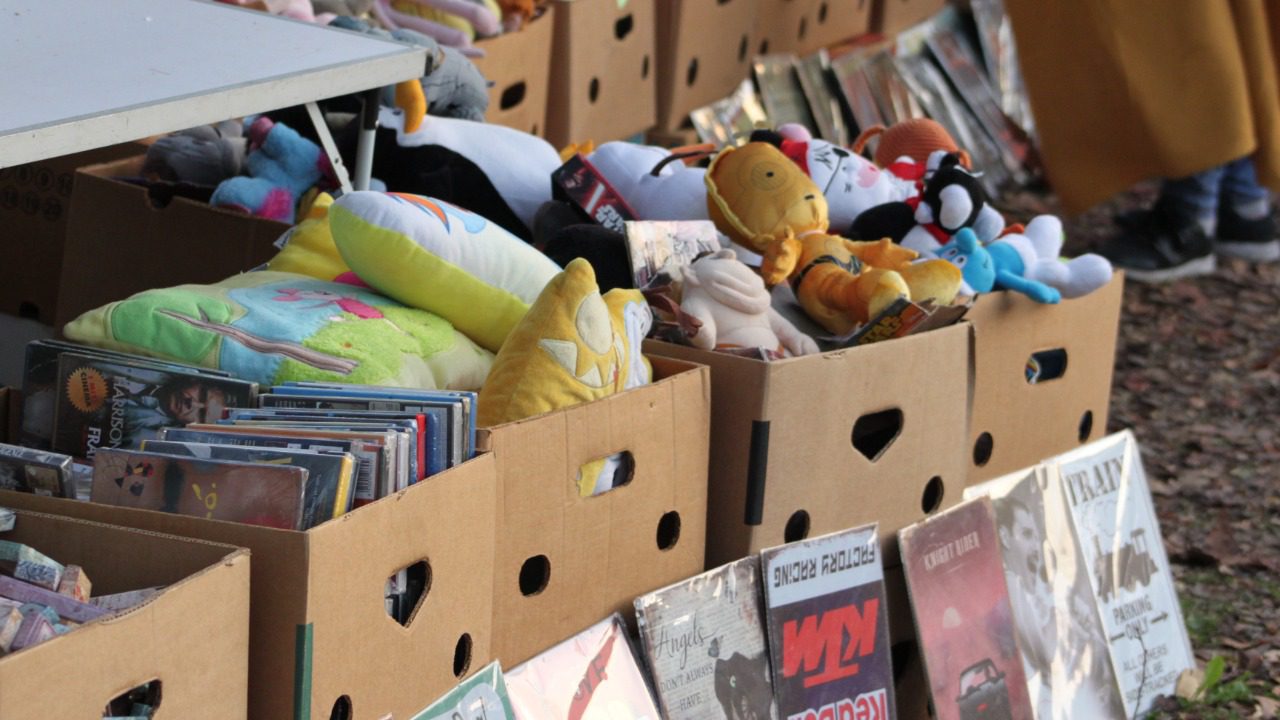
Children outgrow toys quickly, and instead of tossing them, consider donating them to hospitals, shelters, or charities that support families in need. These organizations can breathe new life into your children’s outgrown toys and bring joy to another child.
Furthermore, donating toys can be a valuable lesson for kids in empathy and generosity. It can be a great opportunity to teach them about the importance of giving to others and the value of sustainability.
4. Furniture

When it comes to furniture, it’s easy to think that nobody would want your old, worn-out sofa. However, you’d be surprised at how many people would appreciate it. Donating furniture to organizations like Goodwill or Habitat for Humanity can help furnish homes for those who can’t afford new pieces.
Plus, furniture is one of the biggest culprits when it comes to landfill waste. The EPA estimates that 9.8 million tons of furniture waste was generated in 2009. By donating your old furniture, you’re helping to cut down on this waste and giving your old pieces a new lease on life.
5. Electronics
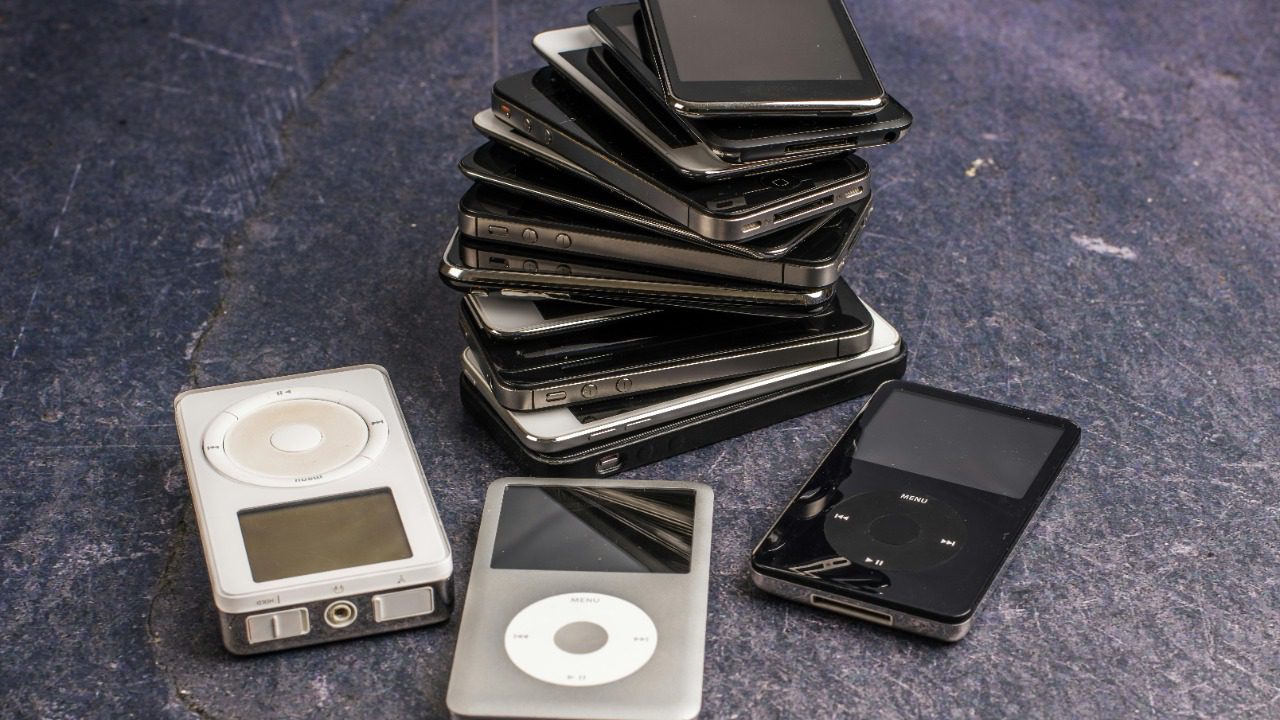
Old electronics are often tossed without a second thought. But many organizations refurbish and reuse electronics, or recycle them responsibly. Charities, schools, or businesses may be happy to take them off your hands.
Electronic waste (or e-waste) is a growing problem worldwide. In 2016, the world generated 44.7 million metric tons of e-waste. Donating your old electronics not only keeps them out of the landfill but also puts them to good use in the hands of someone who needs them.
6. Kitchen Items
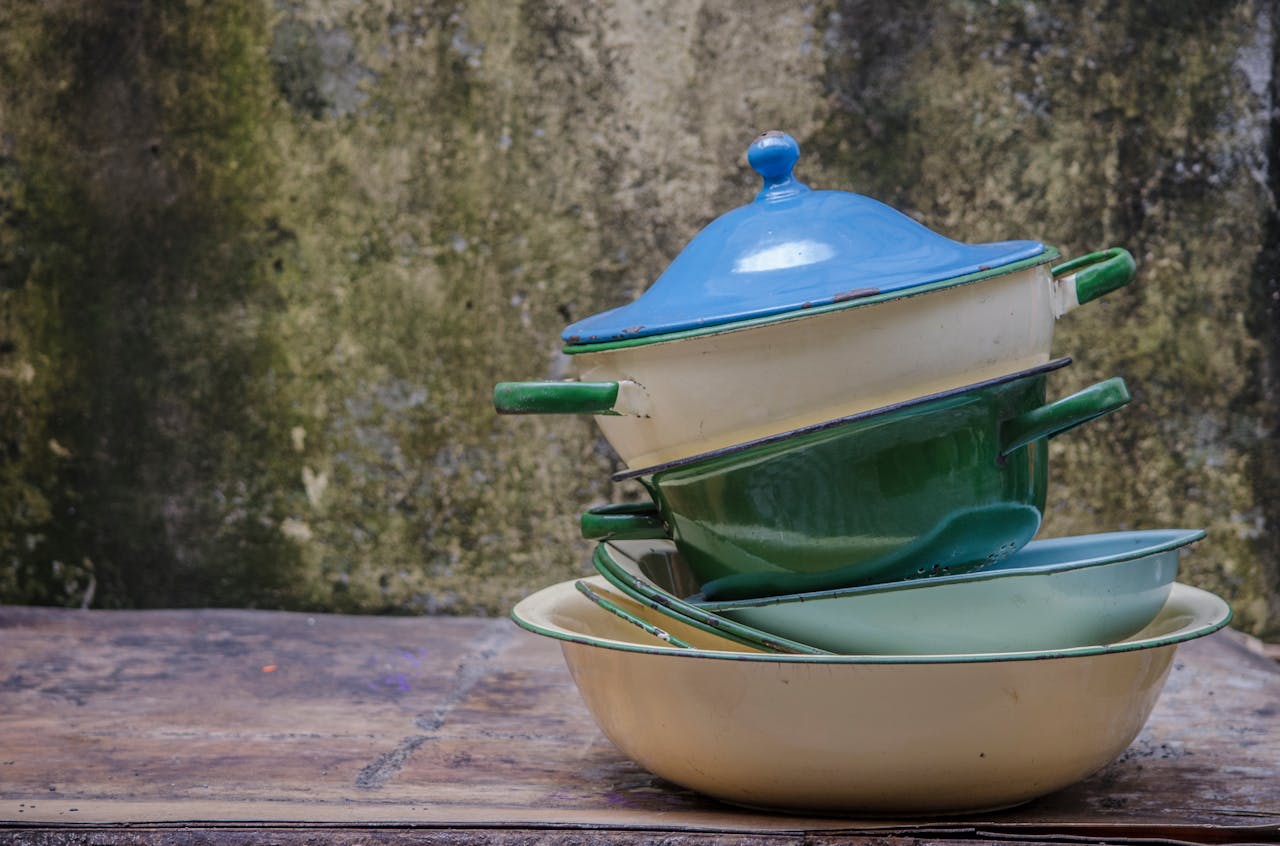
You’d be surprised at the demand for used kitchen items. Whether it’s a slow cooker you never use, or an excess of pots and pans, these items can be donated to a variety of charities.
In particular, organizations that help people moving from homelessness into housing often need kitchen items. These items help individuals and families setup their homes without the burden of buying everything new.
7. Bedding and Towels

Old or excess bedding and towels are always welcome at animal shelters. They use them to provide comfort for the animals in their care.
Instead of tossing these items, consider donating them. Not only will you be helping out a worthy cause, but you’ll also be reducing waste.
8. Unopened Toiletries

If you have a stash of unopened toiletries from hotel stays or gifts, consider donating them. Shelters, food banks, and charities that support the homeless often need these items.
It’s an easy way to declutter your home while helping those in need. Plus, it’s a much better alternative than sending them to the landfill.
9. Eyeglasses

Donating old eyeglasses is a small act that can make a big difference. Organizations like the Lions Club International collect used eyeglasses and distribute them to people in need around the world.
By donating your old glasses, you’re not only helping someone see clearly, but you’re also reducing waste.
10. Musical Instruments
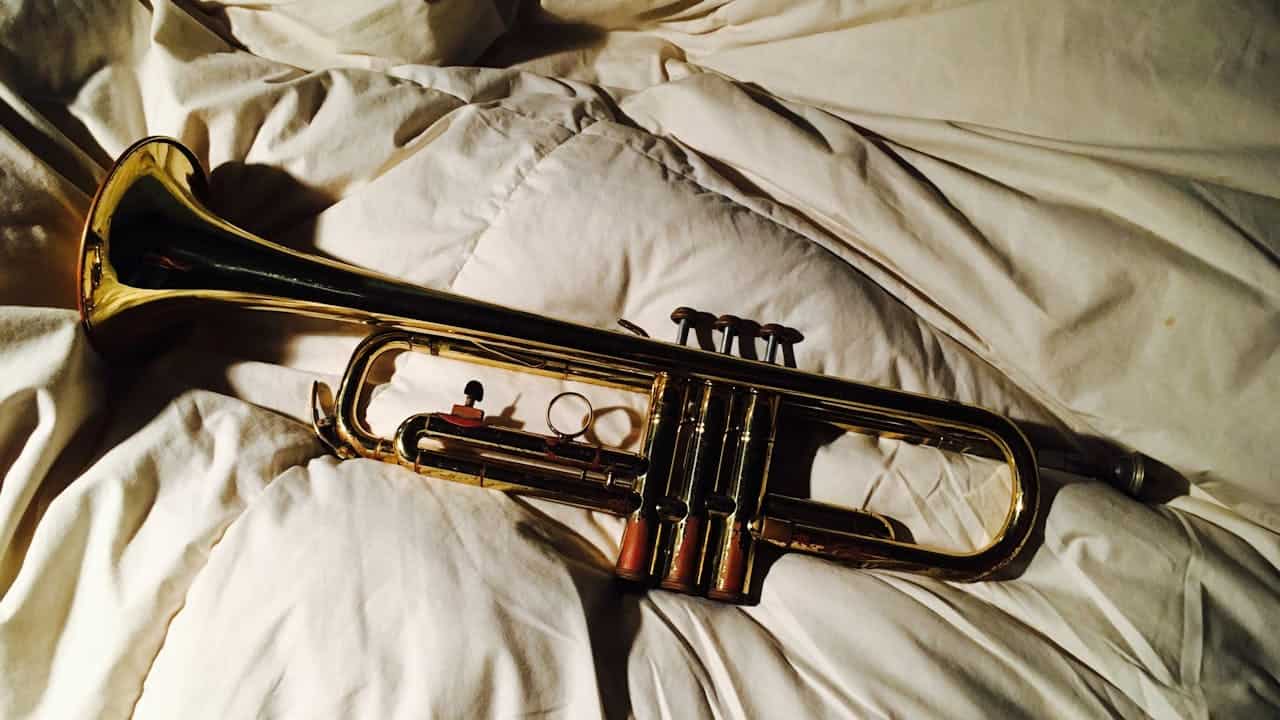
If you’ve got old musical instruments gathering dust, consider donating them to schools or charities. Music education programs often struggle with funding and are grateful for instrument donations.
Not only will you be clearing out space in your home, but you’ll also be supporting the arts and potentially sparking a love of music in a young person.
11. Unused Craft Supplies

Craft supplies can pile up quickly, especially if you’re an avid DIY-er. These can be donated to schools, after-school programs, or senior centers where they will be put to good use.
Not only does this declutter your space, but it also supports creativity and education in your community.
12. Bicycles
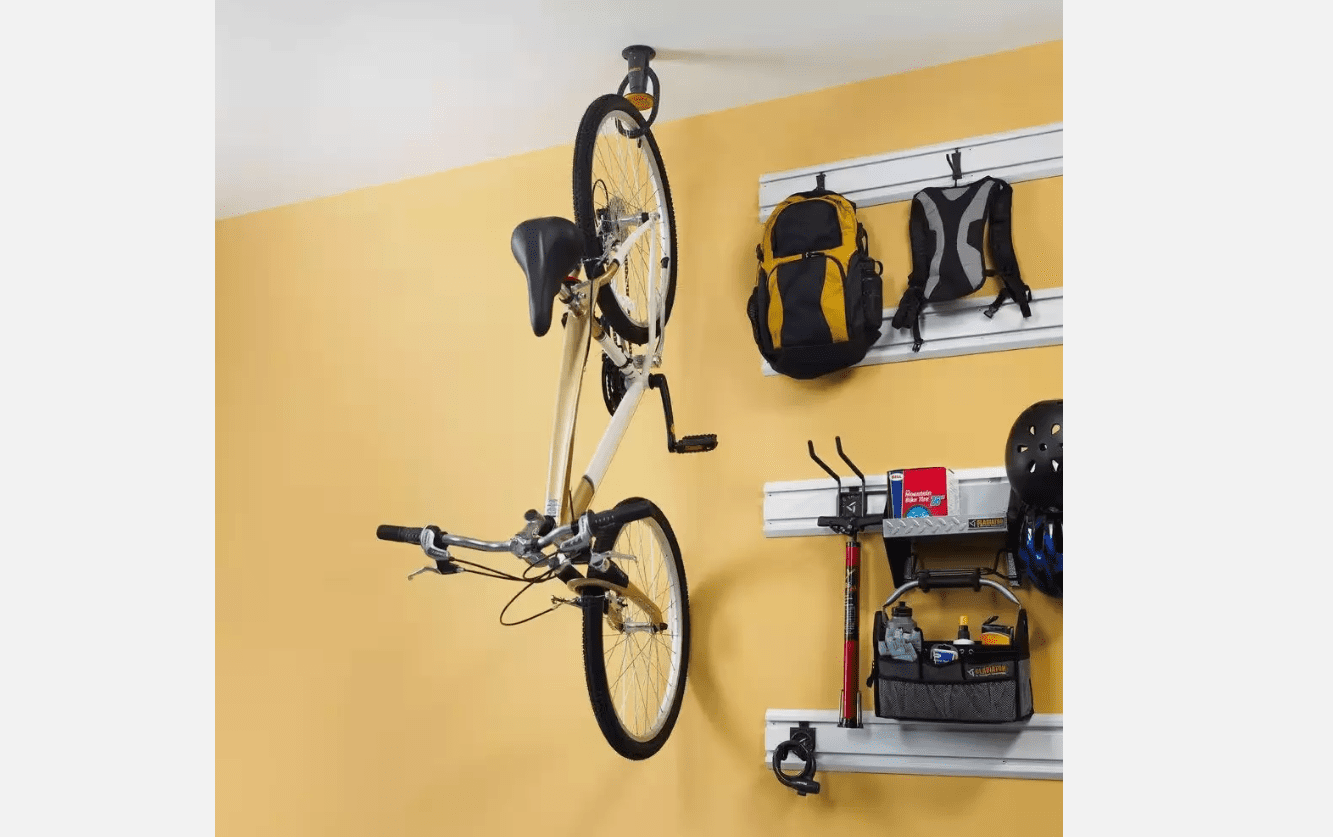
If you have an old bicycle that’s no longer in use, consider donating it. Organizations like Bikes for the World collect used bikes and distribute them to people in developing countries.
This not only gives your old bike a new life, but also provides a means of transportation for someone in need.
13. Gardening Tools
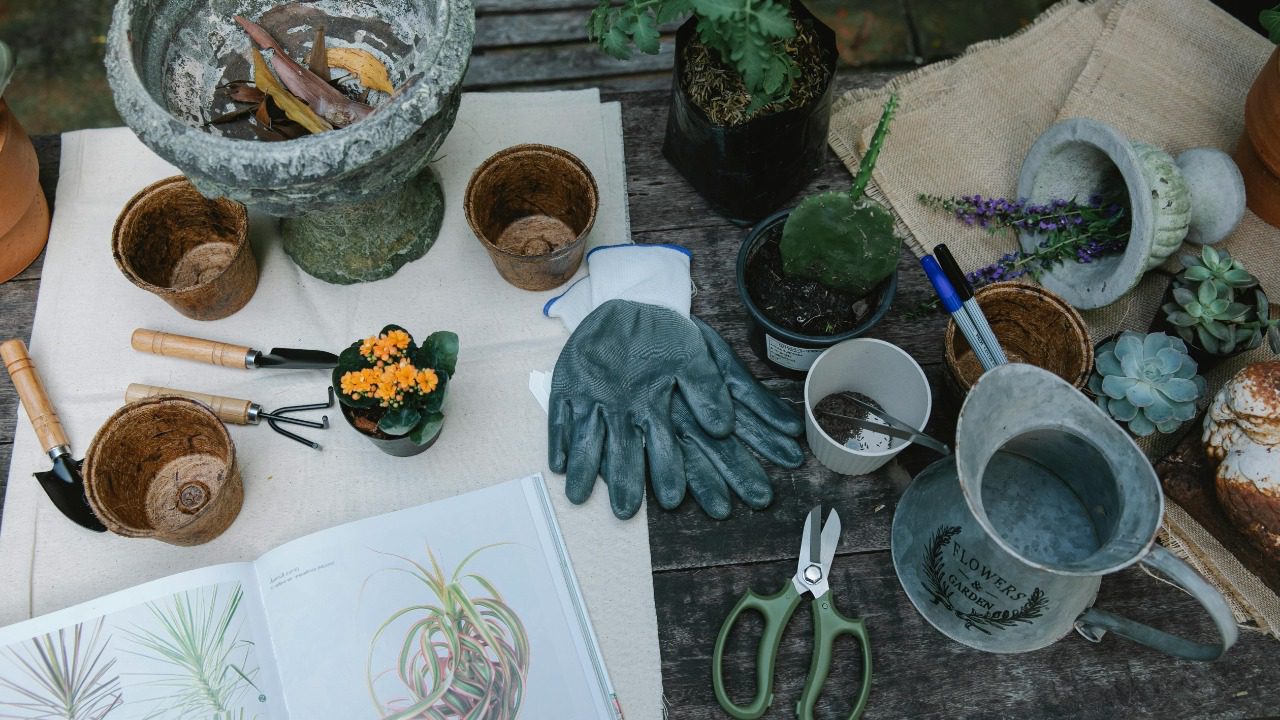
Gardening tools are another item that can be donated instead of thrown away. Community gardens, schools, or organizations that support sustainable living often need these tools.
Donating your old gardening tools not only supports green initiatives but also reduces waste.
14. Unwanted Gifts

We all receive gifts that we don’t need or want. Instead of letting them gather dust, consider donating them. Charities can sell them to raise funds, or they can be given to someone who truly needs them.
It’s a win-win situation: you declutter your home and someone else benefits from your unwanted gift.