We all dream of a clutter-free home, but maintaining one can seem like a never-ending battle. I was once in a similar situation, constantly overwhelmed by the sheer amount of stuff around me. Over time, I discovered that clutter wasn’t just about what I owned—it was about the habits I held onto. By changing those habits, I finally found peace in my space.
Here are 14 things I no longer do that keep my home clutter-free. You might find these tips helpful in your own journey toward a more organized and serene living space.
1. Shopping without a plan

I used to be a spontaneous shopper, often buying things on a whim. Those little purchases added up, straining my budget and filling my home with items I didn’t truly need. Today, I shop with a list and stick to it. This simple shift helps me focus on essentials, avoid duplicates, and resist impulse buys that used to create clutter.
Having a plan also saves me time and energy—I know exactly what I’m looking for and leave the store without regret. It’s one of the most powerful clutter-busting habits I’ve learned.
2. Ignoring the ‘One In, One Out’ rule
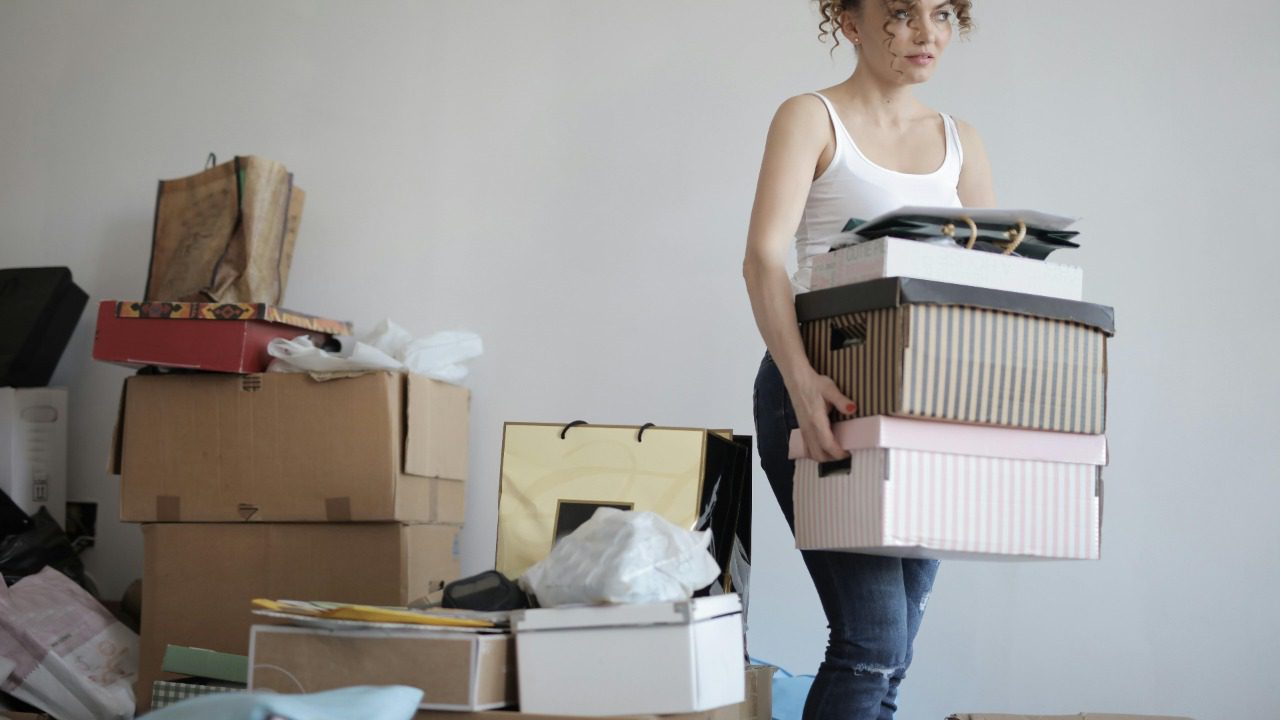
This rule is simple but incredibly effective. Whenever I bring something new into my home, I make it a point to let go of something else. Whether it’s a new sweater replacing an old one, or a new kitchen gadget taking the place of a duplicate, this keeps my possessions balanced.
Instead of letting things pile up endlessly, the “one in, one out” rule creates natural limits. It ensures that every new addition has purpose and that my space never feels overcrowded.
3. Holding onto unnecessary paper

Receipts, bills, and junk mail used to cover my countertops and pile up in drawers. I told myself I’d “sort them later,” but later never came. Now, I’ve embraced digital solutions where possible, and anything I don’t need gets recycled or shredded immediately.
Not only does this keep my surfaces clear, but it also reduces the stress of managing endless stacks of paper. Plus, going digital has made it easier to find documents when I actually need them.
4. Keeping things ‘just in case’
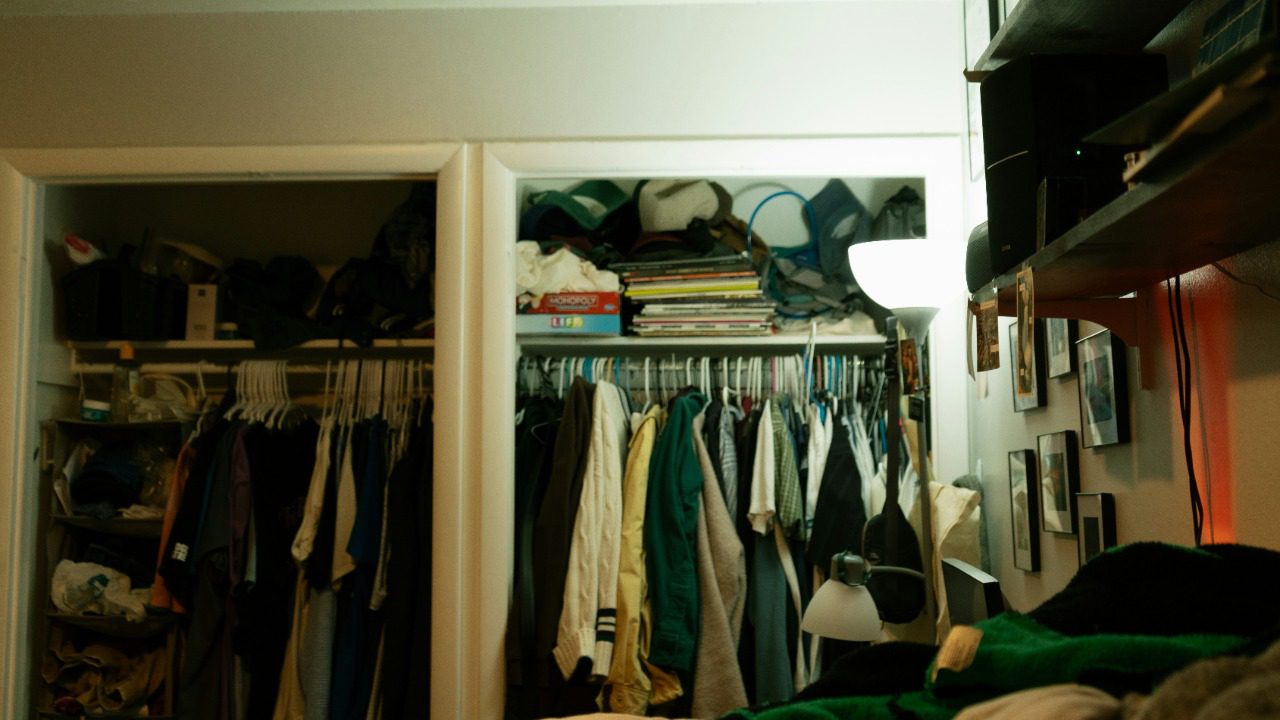
I used to hang onto things I thought I might need “someday.” Old cables, extra mugs, worn-out coats—all of it stayed, just in case. The truth is, someday rarely came, and those items only took up valuable space.
Now, I keep only what I actively use and let go of the rest. If I truly need something down the road, I can borrow or replace it. This mindset shift has made my home lighter and easier to manage.
5. Not having dedicated storage

When items didn’t have a home, they ended up scattered on counters, floors, and shelves. This created a constant sense of chaos. Now, I make sure everything in my house has a designated spot—from kids’ toys to kitchen gadgets.
Dedicated storage doesn’t have to be fancy. Bins, baskets, and labeled drawers work wonders. Once everything has its place, tidying up takes minutes instead of hours.
6. Buying in bulk
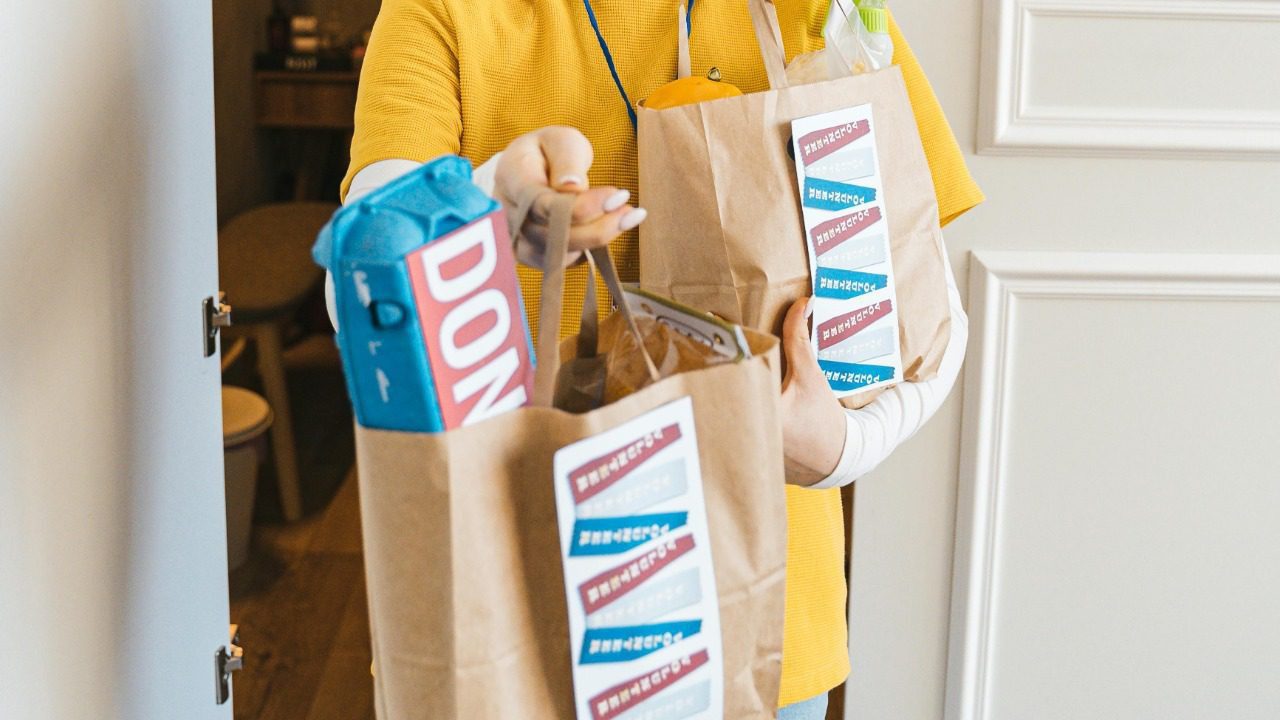
Bulk shopping used to feel like a money-saver, but it often backfired. I’d come home with giant packs of items I rarely used, and they’d eat up precious storage space. Instead of saving me money, it created clutter and waste.
Now, I only buy in bulk for essentials I know we’ll use quickly—like paper towels or pantry basics—and I make sure I actually have room to store them neatly.
7. Not decluttering regularly

For years, decluttering was something I only did when I was desperate or overwhelmed. That made it exhausting. Now, I treat decluttering as a regular habit, not a once-in-a-while chore. Every month, I schedule a short session to sort through a drawer, closet, or bin.
These small, consistent efforts prevent the buildup that used to weigh me down. By keeping it routine, clutter never gets the chance to spiral out of control.
8. Keeping unused gifts

I used to feel guilty about letting go of gifts I didn’t use or enjoy. They sat in closets, gathering dust. Eventually, I realized that the joy was in the giving, not in holding onto the item itself. Letting go doesn’t diminish the love behind the gift.
Now, I donate or re-gift those items so they can bring joy to someone else, rather than cluttering my home. It’s been one of the most freeing changes I’ve made.
9. Hanging onto old clothes

Old clothes I no longer wore used to take up half my closet. I told myself I might fit into them again someday, or that they might come back in style. The truth? They just took up space and made it harder to find what I actually loved wearing.
Now, I regularly sort through my wardrobe and donate anything that doesn’t fit my lifestyle. My closet feels lighter, and getting dressed each day is faster and easier.
10. Keeping broken items
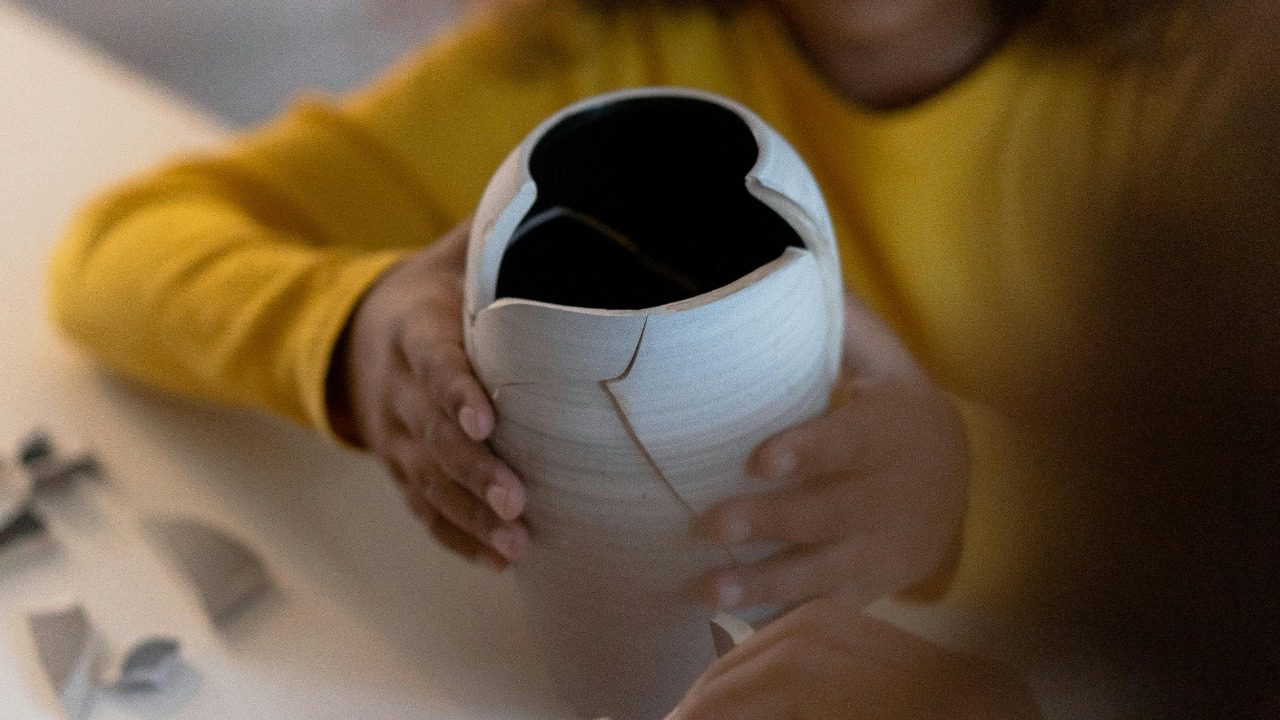
I used to keep broken gadgets and household items with the promise that I’d fix them “someday.” That someday almost never arrived. They just cluttered my shelves and drawers.
Now, if something breaks, I decide right away whether I’ll repair it within a week. If not, I let it go. This rule keeps broken clutter from lingering in my home indefinitely.
11. Not utilizing vertical space

For years, I only thought of storage in terms of floor space and closets. But walls and vertical space were underutilized. Now, I use shelves, hooks, and wall organizers to keep items accessible but off the floor.
This shift opened up so much room in my home. Not only does it reduce clutter, but it also makes my spaces feel larger and more functional.
12. Hoarding sentimental items

Memories matter, but I used to think that meant I had to keep everything tied to them—cards, trinkets, souvenirs. The result was boxes of items I rarely looked at but couldn’t bring myself to let go of.
Now, I choose a few meaningful keepsakes and take photos of the rest. This way, I keep the memory without drowning in physical stuff. It’s been a healthy balance of honoring the past while living in the present.
13. Keeping outdated electronics

Old phones, chargers, and outdated gadgets used to fill my drawers. I thought they might come in handy, but they never did. Instead, they added to my clutter and frustration.
Now, I recycle or donate electronics as soon as I replace them. This keeps my drawers tidy and ensures these items don’t just sit around collecting dust.
14. Overstuffing drawers and closets
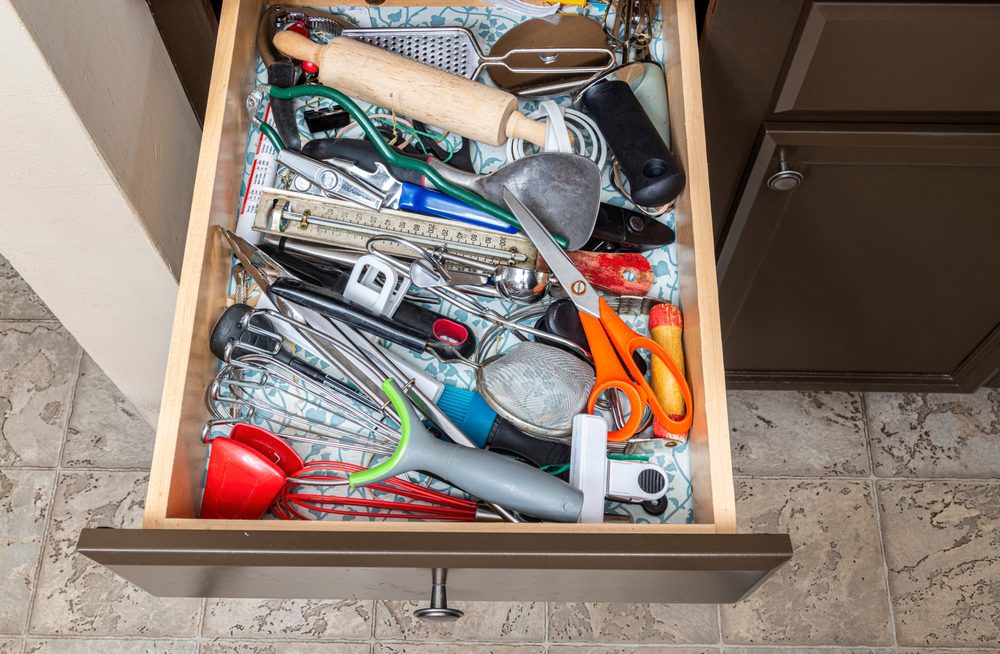
I used to think the goal was to fit as much as possible into my storage spaces. But overstuffed drawers and closets made it impossible to find things and created hidden clutter. Out of sight didn’t mean out of mind—it meant frustration every time I needed something.
Now, I make sure everything fits with breathing room. Not only does this make it easier to keep things organized, but it also gives me a quick visual cue when it’s time to declutter again.