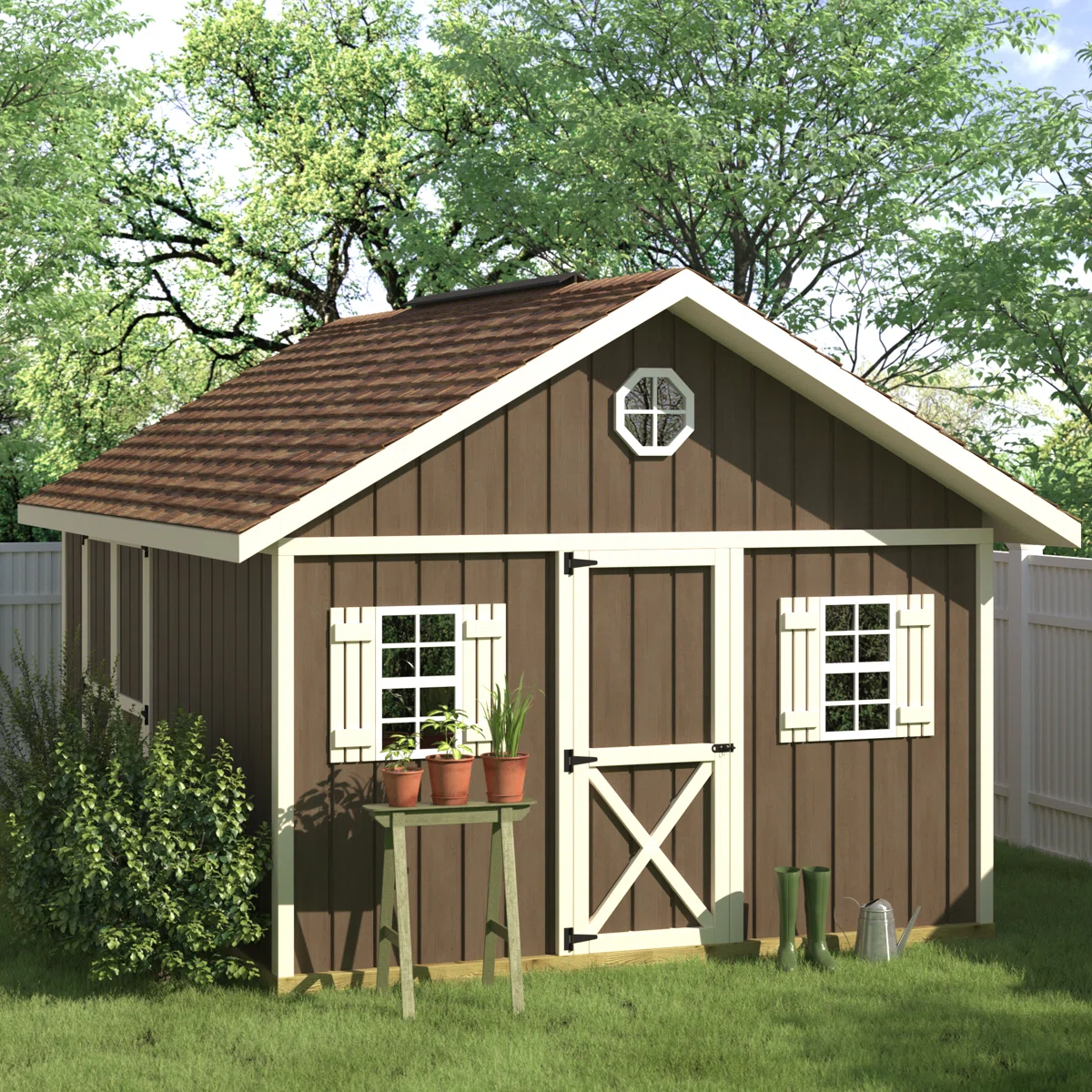
We all have things in our sheds that we probably shouldn’t, right? Whether it’s that old rusty bike, a collection of broken garden tools, or even that vintage lawn mower that’s seen better days. While it’s tempting to use your shed as a dumping ground for items you don’t know what to do with, some things can cause more harm than good when stored in such conditions. Here are the 14 things I wish I’d never stored in my shed and why.
1. Paint Cans

Storing paint cans in your shed can seem like a good idea, especially if you’re running out of storage space in your home. However, the temperature fluctuations in a shed can ruin the paint, making it unusable.
The heat can cause the paint to separate or dry up, while the cold can freeze it. Additionally, rust can form around the rim, causing paint contamination. It’s better to store paint in a cool, dry place where the temperature is constant like a basement or utility room.
2. Propane Tanks
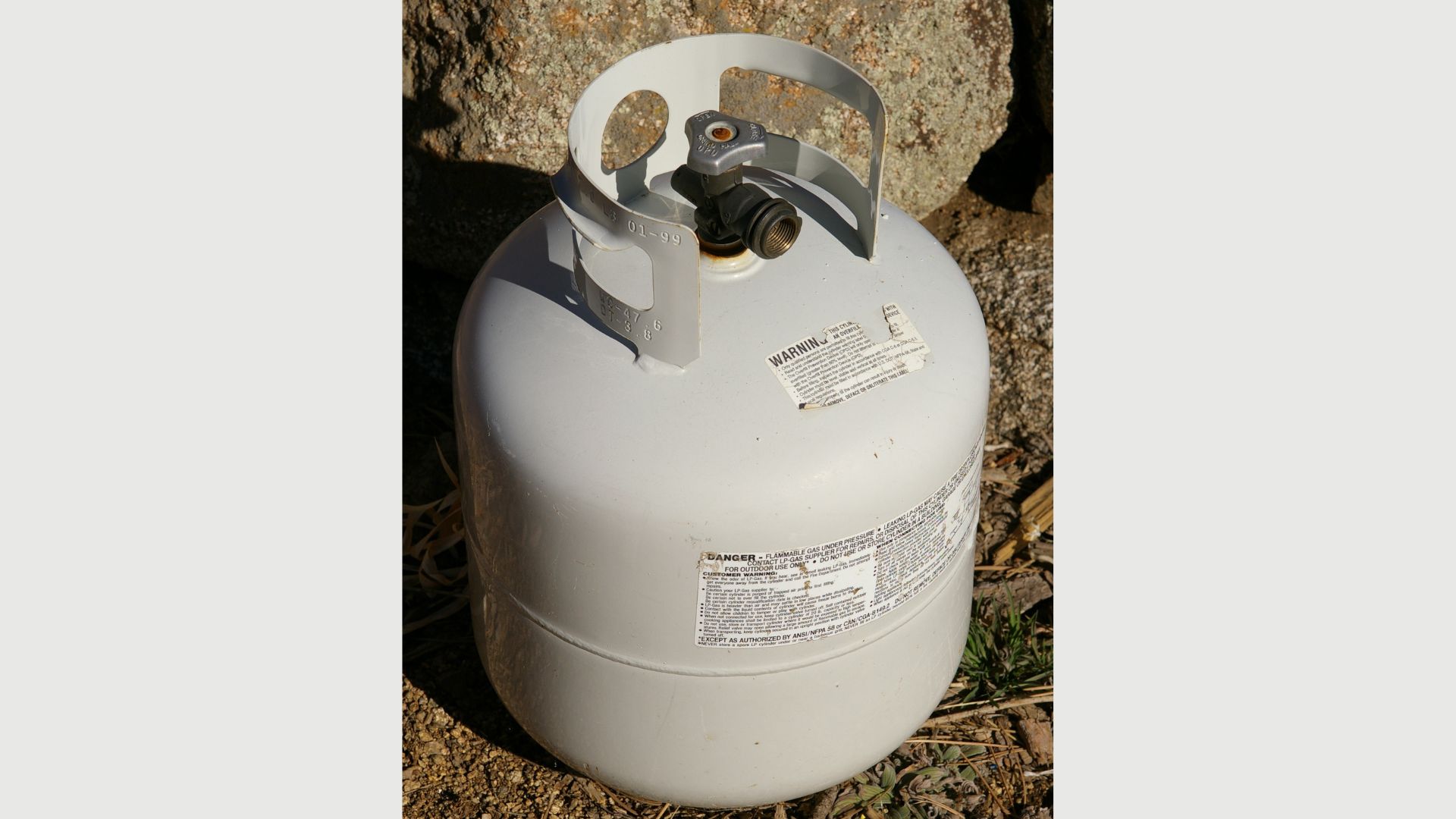
Propane tanks are another common item that people tend to store in their sheds. This is a big no-no! Propane tanks can leak, which can lead to an explosion if ignited by a spark.
It’s safer to store propane tanks outside, away from the house and any other structures. They need to be kept in a well-ventilated area and not enclosed in a space like a shed.
3. Old Electronics

We often place our old electronics in the shed thinking we will deal with them later, but later never comes. Not only does this clutter up your shed, but it also poses a fire hazard.
Old electronics can overheat and catch fire, especially in the summer months when temperatures are high. Instead of storing them in your shed, consider recycling them properly or donating them if they’re still in working condition.
4. Food
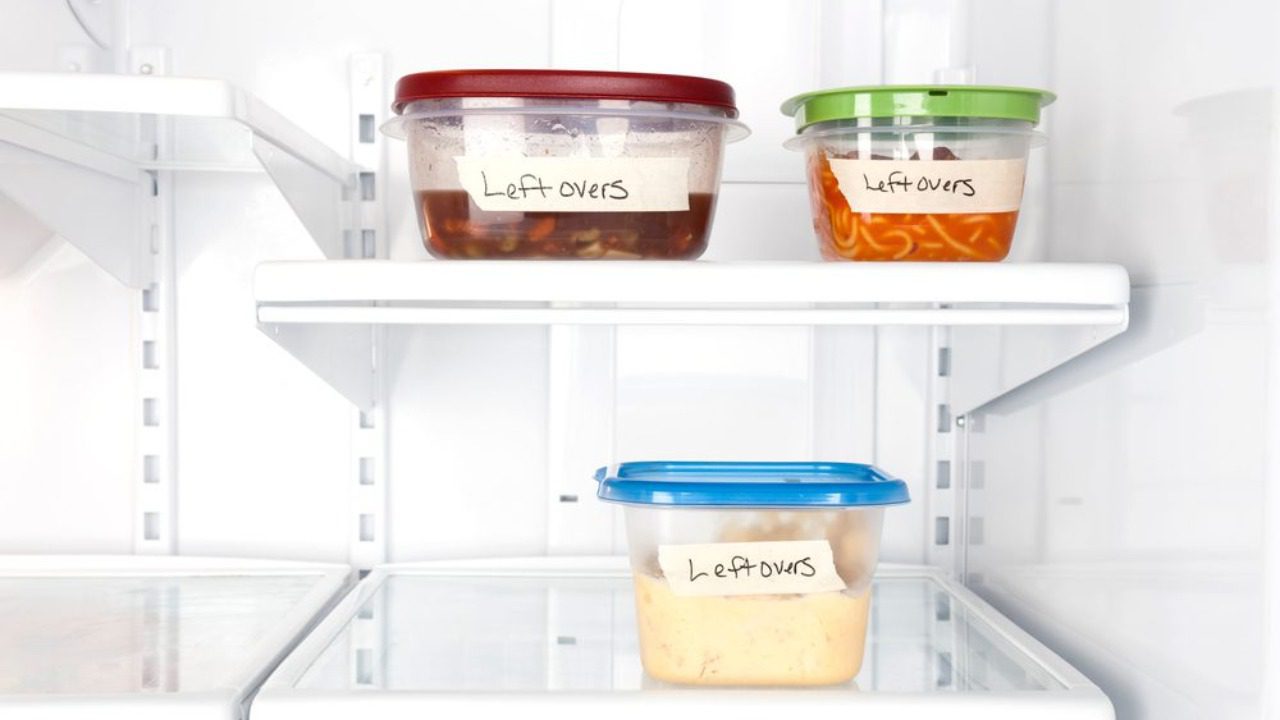
It might seem like a great idea to use your shed as an overflow pantry, but it’s not. The fluctuating temperatures and humidity can quickly spoil your food, making it unsafe to eat.
Additionally, food can attract pests like rats and mice, which can cause damage to your shed and other stored items. It’s best to store food in your kitchen or a designated pantry in your home.
5. Firewood
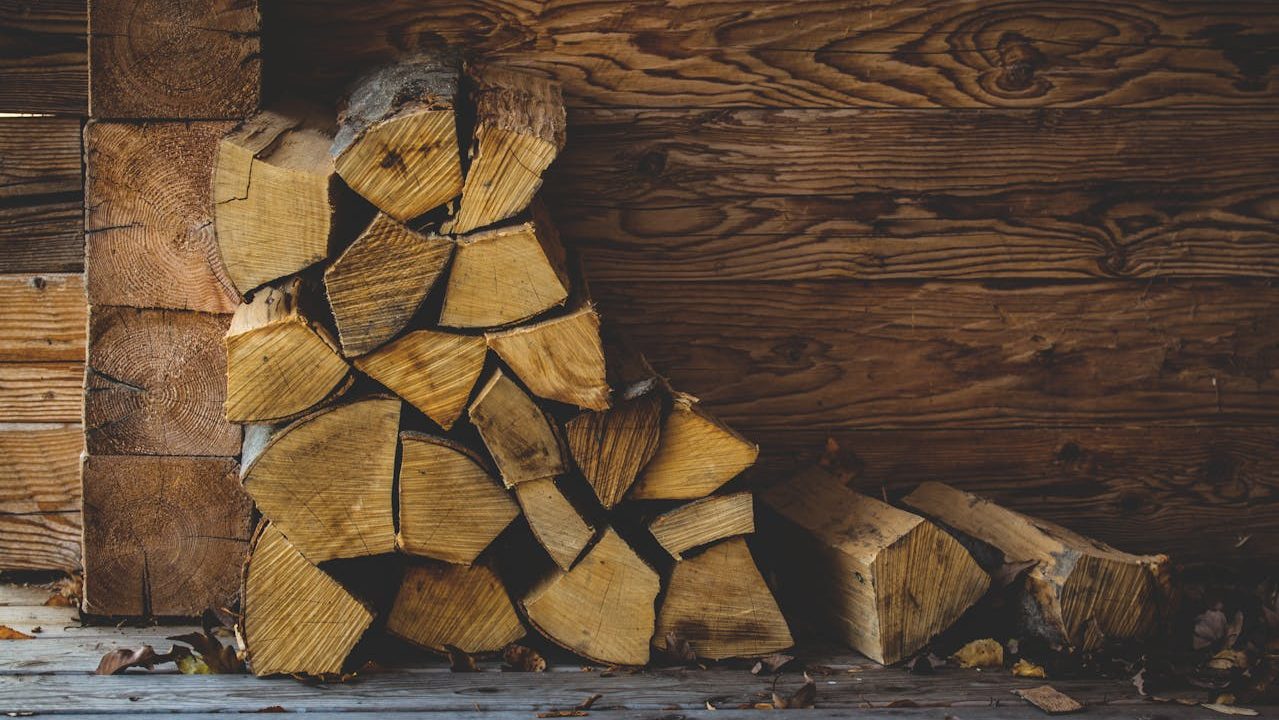
While it may seem logical to store firewood in your shed to keep it dry and ready for use, this can invite unwanted pests into your shed.
Insects and rodents love to make their homes in stacks of firewood. By storing firewood in your shed, you’re essentially inviting these pests into your storage space. It’s best to store firewood outside, away from your home and shed, on a rack that keeps it off the ground.
6. Old Clothes

Storing old clothes in your shed may seem like a good way to free up closet space, but it’s not the best idea. Clothes can absorb moisture, leading to mold and mildew growth.
Additionally, pests like mice and insects can damage the clothes, making them unusable. Instead, consider donating clothes you no longer wear or properly storing them in vacuum-sealed bags inside your home.
7. Gasoline

Storing gasoline in your shed is a serious fire hazard. Gasoline vapors can ignite, causing a dangerous situation.
It’s recommended to store gasoline in a well-ventilated area, away from any possible sources of ignition. And always store gasoline in a certified gas can, not a random container.
8. Pesticides

Pesticides are dangerous substances that need to be stored properly. Storing them in your shed can lead to accidental exposure or even poisoning.
Store pesticides in a locked cabinet in a well-ventilated area, away from children and pets. And always make sure they are in their original containers with the labels intact.
9. Wet Items

Storing wet items in your shed can lead to mold and mildew growth, which can damage your shed and other stored items.
Always make sure items are dry before storing them in your shed, and regularly check for signs of moisture or dampness.
10. Important Documents

If you’re running out of space at home, you might be tempted to store important documents in your shed. However, this can lead to damage from moisture, pests, or accidental loss.
Always store important documents in a safe place inside your home, like a fireproof safe or filing cabinet.
11. Pet Food

Storing pet food in your shed can attract pests. Once they find a food source, they’ll keep coming back, leading to a potential infestation.
Store pet food in a sealed container in your home to keep it safe from pests and to maintain its freshness.
12. Wine

Storing wine in your shed can ruin its taste. Wine should be stored in a cool, dark place with a consistent temperature.
Extreme temperature fluctuations, like those in a shed, can cause the wine to spoil. It’s best to store wine in a wine fridge or basement.
13. Musical Instruments

Musical instruments are sensitive to temperature and humidity changes, which can damage them. Storing them in your shed can lead to warping or other damage.
Always store musical instruments in a climate-controlled area of your home, preferably in their cases.
14. Photographs
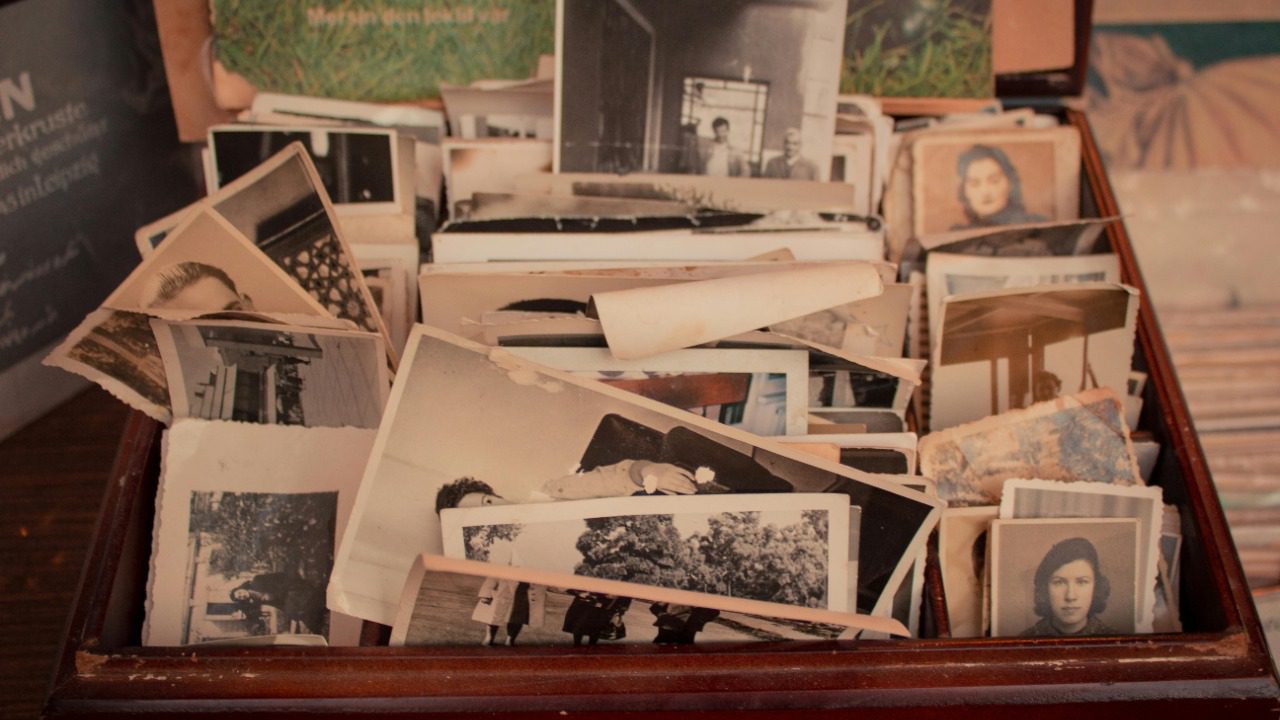
Photographs can be ruined by the conditions in your shed. Moisture, heat, and pests can all damage your precious memories.
Store photographs in a cool, dry place in your home, in photo albums or archival-quality storage boxes.